

Recent hikes in housing prices push homeownership out of reach for many people. Some opt to buy a fixer-upper, which allows them to grab real estate at a bargain.
The catch? The house needs work. And often, lots of it.
Here’s how to decide whether to buy a fixer upper.
Should I Buy a Fixer Upper? Ask These Questions!

Before scrolling through charming “handyman’s specials” on Zillow, you must determine if buying a fixer is worthwhile.
The financial benefits can make it worthwhile, but you can’t ignore the potential pitfalls. While there’s a lot to consider while shopping for a home, fixer uppers come with their own unique challenges. Here are 8 factors to consider before deciding to buy.
Initial Purchase Price

Buying a fixer-upper can be a great financial decision.
In some markets, you can find beautiful homes for bargain basement prices if you are willing to do some repair work. I bought a gorgeous Victorian-style home in rural Pennsylvania for just over $50K.
Of course, that type of deal is not available in most markets, but renovation opportunities in nearly every area are cheaper than the going rate for turn-key homes.
Cost of Repairs
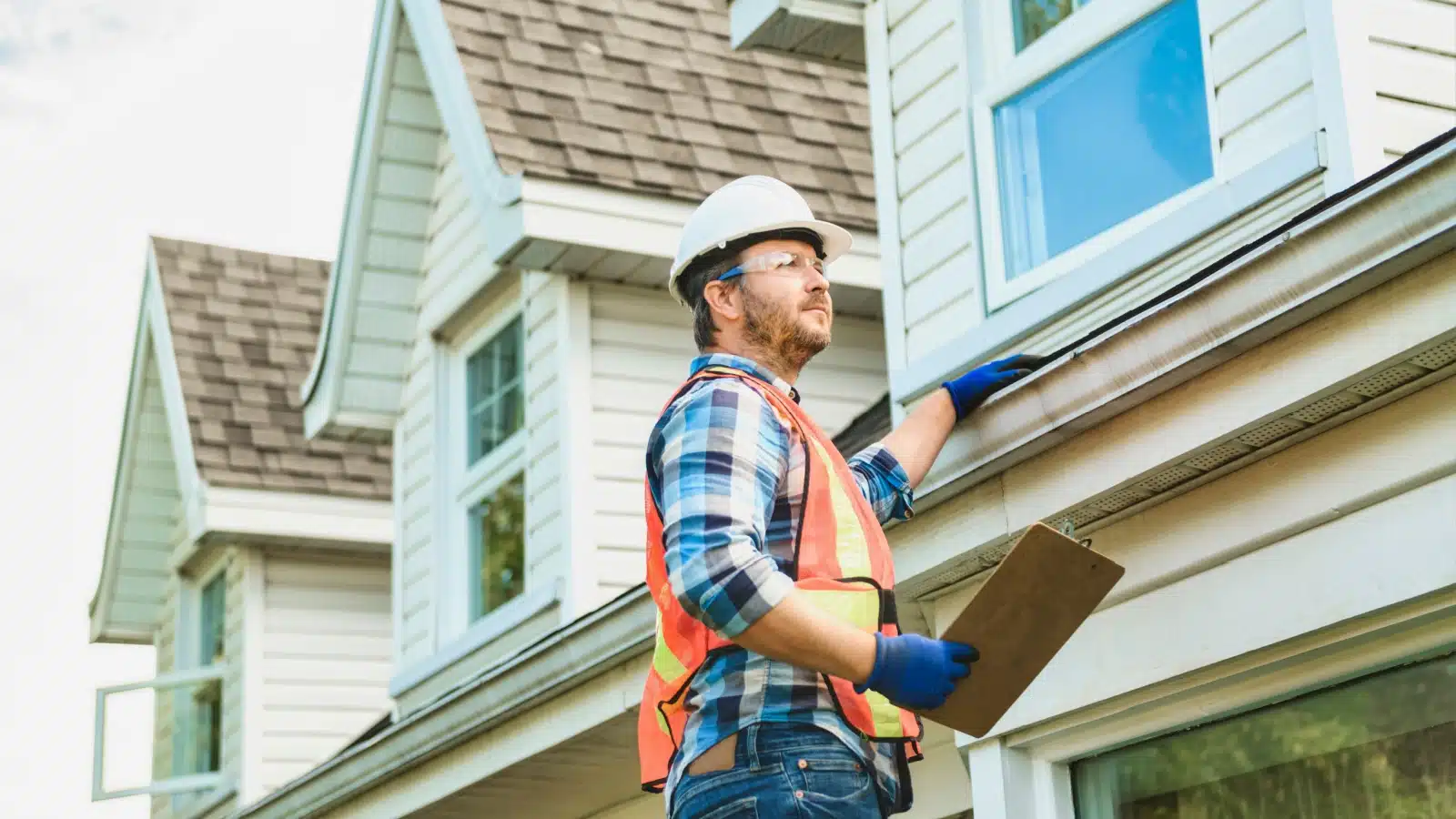
Lopolo via Shutterstock.com.
The purchase price may be a steal, but that’s not the only cost to consider when buying a home that needs work.
Repairs cost money.
If you have the right skills, you can make the repairs yourself and save a fortune. However, you’ll still have to pay for materials.
Those not blessed with construction and home improvement abilities must pay contractors to do the work.
Determine whether you’ll be able to fix the house yourself or whether you’ll need to hire help. Estimate the total cost of repair before deciding to buy.
Resale Value

If purchasing a repair project as an investment opportunity, you must weigh the renovation cost against the potential resale value.
Every market is different, and they constantly change.
Look at how much nicer homes in the area sell for and consider how much it will cost to upgrade your fixer-upper to that level. Weigh that against how long you intend to stay in the area.
Potential Rent
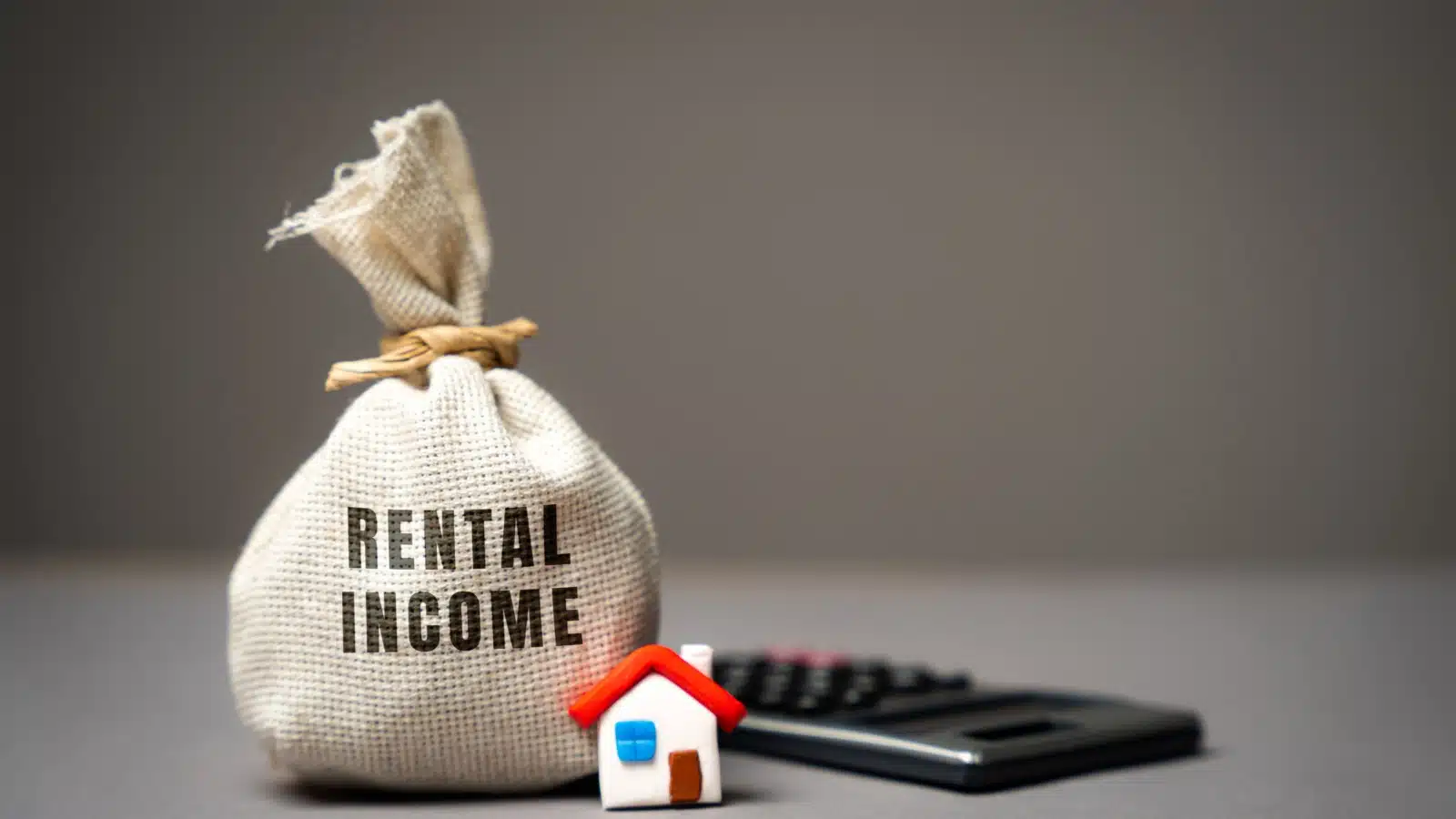
Resale value is only one factor when considering an investment property. If you intend to keep the home and rent it out, you must also consider potential rental income.
Compare your costs with the potential monthly rental income to determine how long it would take to break even on your investment—factor in additional money for maintenance, insurance, taxes, and repairs.
If the numbers work, you have a winner!
What You Want

The financial considerations of buying a fixer-upper, while important, aren’t the only things to think about.
You must also ask yourself what you want.
Why are you buying a home in dire need of repair?
If it’s only for the investment opportunity, do the math and get your answer. But many people buy fixer-uppers because they’re the only homes they can afford in the area, and they want to transform an older house into their dream home.
If you’re buying a fixer upper to make it your home, buy something you will love, and don’t worry as much about whether you can recoup the investment. If you eventually make money when you sell, well that’s a bonus.
Your Capabilities

Before buying a fixer-upper, you must be aware of your capabilities.
I bought mine with idealistic optimism. I’d never done any repair work before, but I thought, “How hard can it be?”
People on television make it look easy.
I intended to do most of the repair work, but the first project taught me that fixing a home is beyond my capability. It was supposed to be a simple introduction to DIY work: installing tile over the floor. Everywhere I looked, people were doing this simple task on their own, so I figured I could, too.
I could not.
I hired a contractor to finish the floor, an expense that cost nearly $1500. I didn’t even attempt the more complex projects, like remodeling a bathroom.
Financing Options
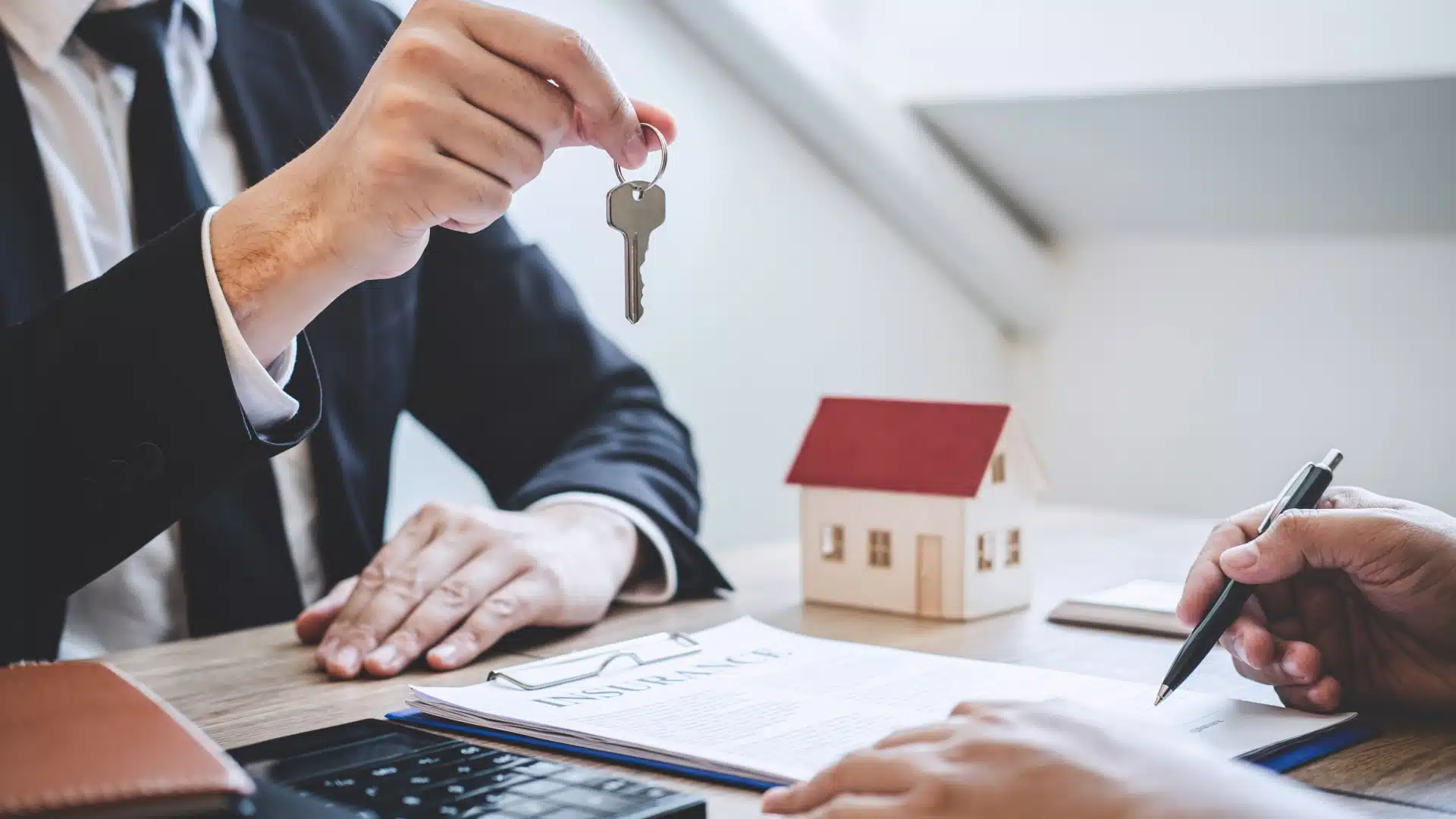
Most mortgage companies won’t finance a true fixer-upper. Houses in need of repair present far too much risk.
If you’re going to buy, you need to know how you will pay for it.
Do you have cash on hand to buy the home straight up, or will you try to get a renovation mortgage? How will either of these decisions impact your finances?
The Unexpected

The biggest problem with buying a fixer-upper is that you can’t know everything that’s wrong. Even the best inspector may miss massive issues, and old homes tend to break at the worst times.
Prepare for the HVAC system to stop working the minute the temperature drops—budget for unexpected sewer line blockages, a new water heater, and leaky pipes.
With a fixer-upper, you never know when a problem will arise.
Buying a Fixer Upper Works for Many

Buying a fixer-upper is a fantastic experience for some and a nightmare for others. If you do the research and remove the rose-colored glasses before making a purchase, it can be a dream come true—offering a path to homeownership when it seems out of reach.
Let’s hear what you think! Have you ever bought a fixer-upper? How did the experience go?
Most importantly – would you do it again?
I can’t believe you can get an entire house for 50K!!!! Although, I live in California… so that could be part of it. haha. Congrats on the house though!! Can’t wait to watch you fix it up!
That’s the number one reason I left California! You can’t even buy an empty lot for 50K! It’s insane out there.
Keep us up to date! I am thinking of buying my own place in the next year or so that i can technically live in but also fix up myself and then rent out. Save on my own living costs while I am there so I am not losing money while I do it up. Thanks for posting!
We are considering renting it out someday. It’s great that we won’t have to pay a mortgage while fixing it, definitely a great way to save some money! Let me know if you decide to go for it, we will be posting our fixing journey on youtube so you can learn from our fails!