

Some of us are oblivious to the world around us, wandering through life with no clue how to behave in potentially dangerous situations.
You know the type. They’re the tourists who speak loudly about where they’re staying, the people who have no idea they just walked into a shady dive bar, and the person who doesn’t seem to understand body language.
These folks all have one thing in common: they lack street smarts.
What are Street Smarts?

“Street smarts” is the broad term we use to describe a specific type of situational awareness related to staying safe on city streets.
This type of social intelligence helps us navigate big cities, identify potential hazards, stay calm under pressure, and enjoy time in the city without any issues.
Why Street Smarts Matter

I grew up in Chicago, and though I’d love to say the city is perfectly safe, I know that’s not entirely true.
No big city is perfectly safe. The harsh truth is that when millions of people gather in a small area, there will be bad actors.
All big cities have hidden dangers lurking in their dark alleys. Street smarts help you avoid those dangers.
What You Need to Know

Don’t worry if you’ve never visited a big city before, or if, like me, you’re oblivious to everything happening around you.
I learned street smarts by growing up on the mean streets of Chicago (and by mean streets, I mean the perfectly safe suburbs) and traveling through major cities across the globe.
And today I’m sharing the most crucial lessons you need to stay safe while exploring any major metropolis.
Look Like You Know Where You’re Going

Do you want to make yourself an easy target?
Look lost.
If you were a criminal looking to bag an easy score, who would you go after? The person holding a map up, staring around in confused bewilderment, or the person who’s on a mission?
Looking lost almost makes it too easy.
I understand that it’s easy to get lost, especially when traveling and navigating a new city. But there’s a massive difference between being lost and “looking” lost.
Please don’t open a map in the middle of the sidewalk, looking around hopelessly for any landmark you can discover.
Instead, walk until you find a coffee shop, cafe, or restaurant, and examine the map from the safety of your table.
You can also ask your server for directions.
Know the “Bad” Areas

If you’re traveling to a new city, you probably aren’t trying to visit a rough neighborhood. You want to visit museums and zoos and all the fun touristy places.
Do some research before you go, so you don’t accidentally take the train to a place you probably shouldn’t be.
In addition, you should know the signs of a bad neighborhood. My brother always told me that you know you’re in a bad neighborhood when you see a church connected to a liquor store.
There are other signs too. Watch for bars on every window, cars that look like they’ve been sitting for years, adults hanging out on their porches in the middle of the workday, and an excess of “check cashing” stores.
You can often tell the neighborhood isn’t great from the general vibe.
Keep Walking

Sometimes the only way out is through.
If someone tries to stop you on the street, ignore them. Keep walking, don’t stop.
Don’t worry about being rude. It’s better to be rude than to open yourself up to street harassment.
Ignoring everyone around you is also the best way to avoid scams in cities like Istanbul, where street vendors will harass you and practically beg you to come into their store or restaurant. Keep on walking.
Footwear

Women take note: sensible footwear is critical.
Wear tennis shoes on your commute or when exploring a new city. You never know when you’ll have to flee, and you definitely don’t want to have to do that in heels.
Also, sensible shoes when you’re exploring a new city are just good…sense. You wouldn’t want your feet to hurt halfway into your adventure anyway.
Another note on footwear: dress for the weather. I once wore flip-flops while exploring Berlin in the fall. Did you know it snows in Berlin in the fall? I didn’t. I ended up having to stop and buy a pair of boots and socks.
Know the Signs of a Fight

At what point does a verbal altercation turn physical?
Knowing the subtle signs that they’re about to throw punches is one of those “street smarts” skills that can help you get out of trouble.
Some telltale signs that they’re about to take the argument to the next level:
- Take off their jewelry, hats, puffy jackets, etc.
- Standing close but suddenly look away (sucker punch incoming)
- Switch their stance to balance their weight behind them
- Suddenly get too quiet
- Clench their hands into fists
- Start looking around at their surroundings (seeing who’s watching, escape routes, etc.)
- Get physical with objects (punching, throwing, kicking things around them)
- Get more physical with you (chest bump, shoves, grabs)
When you see these signs, plan your exit.
To Lock or Not to Lock (your car)
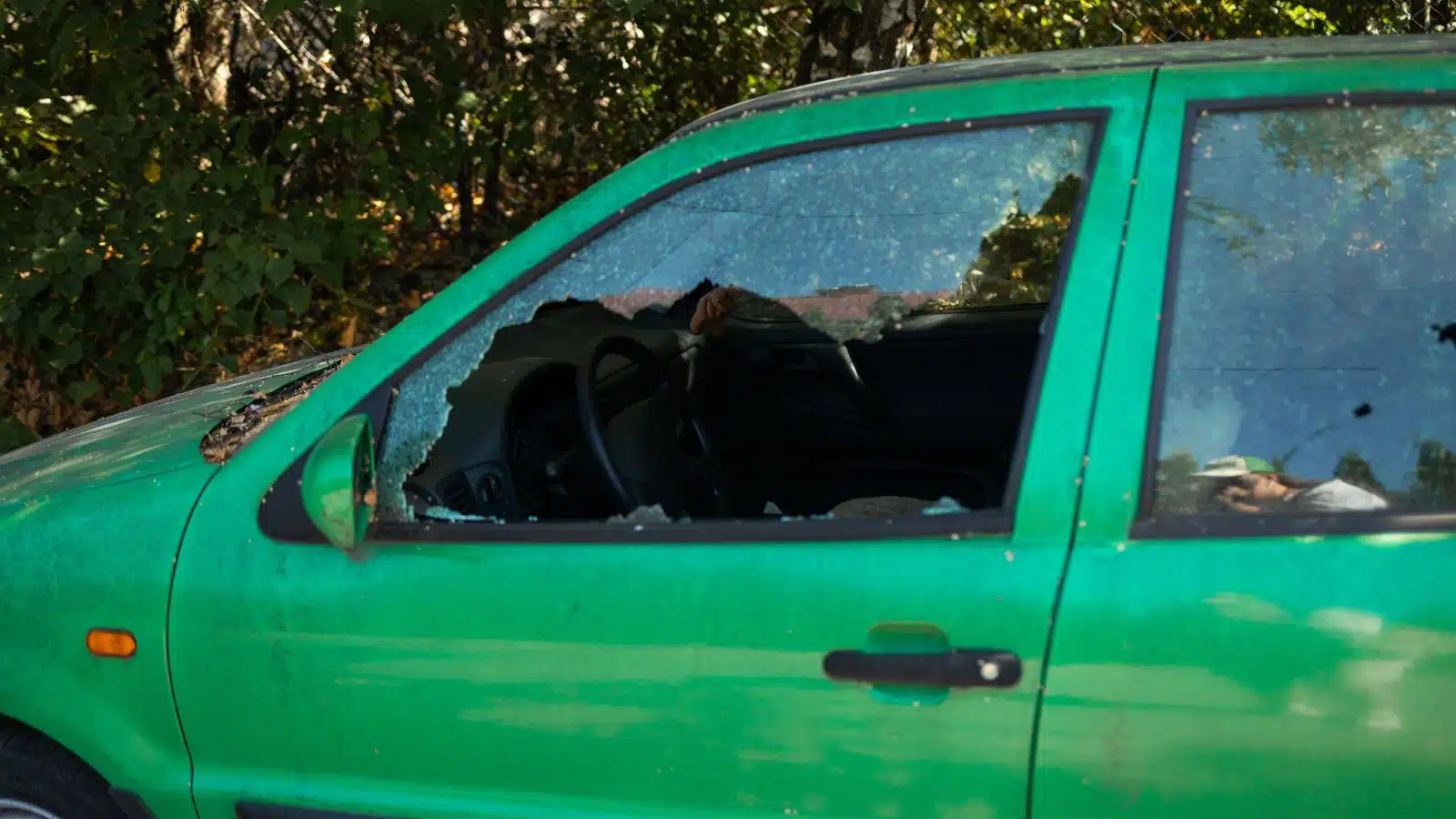
Street smarts are knowing when to lock your car (and when to leave it unlocked).
Car theft is rampant, and opportunists will take any chance to score a sweet ride. You probably should lock your car whenever you leave it (or when you’re warming it up).
But sometimes it’s better to leave it unlocked. In some shady neighborhoods, thieves aren’t interested in the whole car, but they will smash your window to look for any valuables hidden inside.
If you leave the door unlocked, the thieves can rummage through your car without breaking a window.
Of course, you should never leave anything valuable in the car that they can get their grubby hands on – but this applies whether you leave it locked or not.
You should also lock your car the second you get inside of it. That’s just good practice everywhere.
And, as we all learned from the famous urban legend, you should always always always check the backseat!
Pay the Kid

You just parked your car at a sporting event or massive outdoor lot for the day, and a random local kid comes up to you, asking for five bucks to “watch your car.”
Pay him.
We all know he’s not watching your car. He’s bribing you. He’s literally telling you, “If you don’t give me five bucks, I will break into your car.”
Believe him. Pay him the money. It’s really not worth it to try to argue.
Don’t Talk To Cops

There’s a reason the first thing they say when they arrest you is “you have the right to remain silent.” Use it.
Even innocent people find themselves in trouble because they babbled on uncontrollably while in custody.
Look, I get it. You’re a good, law-abiding citizen with no reason to fear the cops. You didn’t do anything wrong.
That’s not for the cops to decide. Everyone needs to exercise their rights when dealing with the police.
But Cooperate
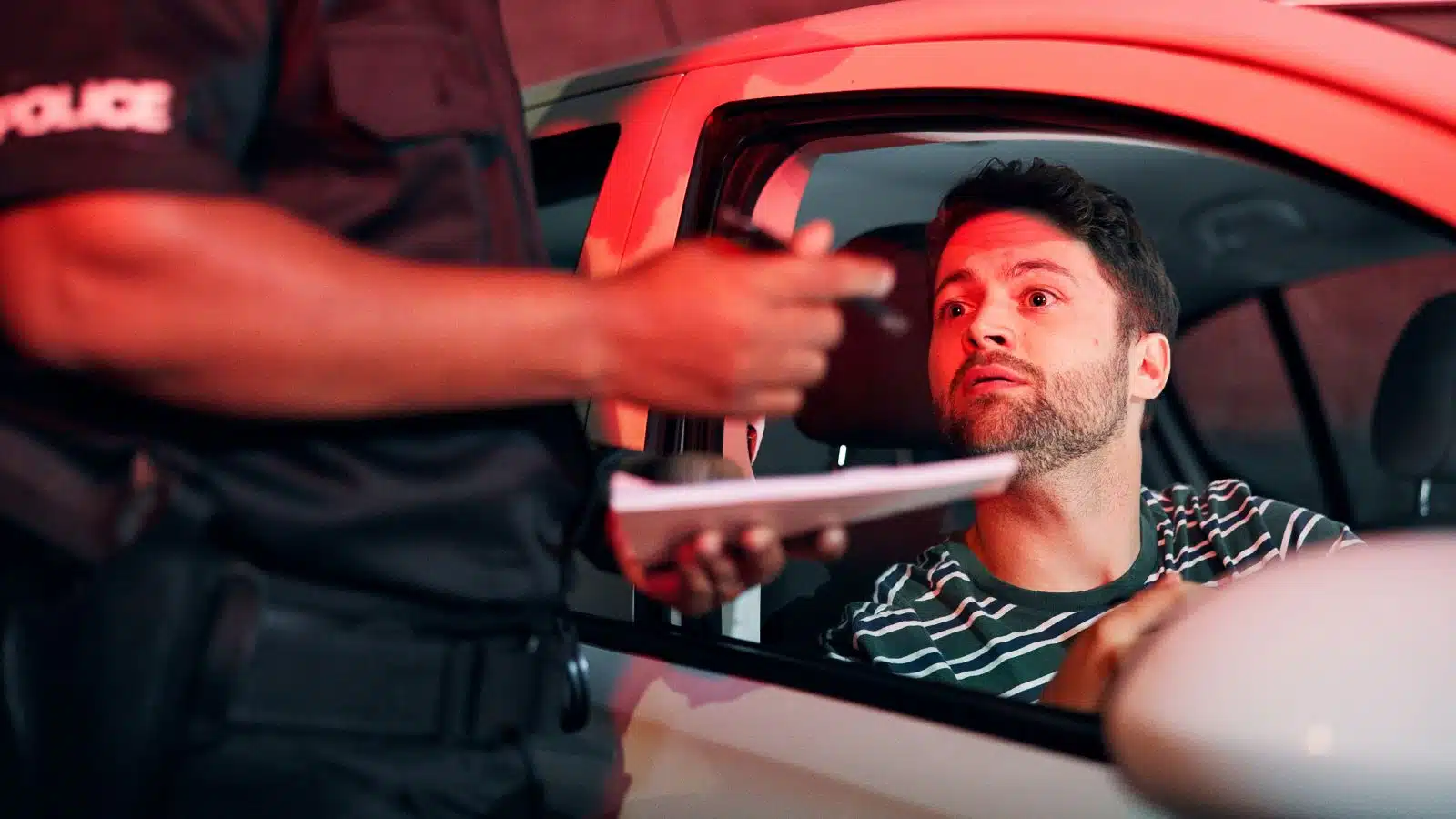
You don’t need to say anything to police, but you do need to cooperate.
Follow all lawful orders and respond politely (even when you’re declining to answer their questions).
The harsh truth is not all cops are good guys. Some are just looking for a reason to harm someone. Others have quotas to fulfill. Many will use force if they see even a hint of resistance.
Is it illegal and awful that they can do it and get away with it? Absolutely. But fighting back isn’t worth your life.
Listen to them, lawyer up, and fight the battle in court, not in the streets.
Is it Really the Police?

Anyone can buy a little blue light and pop it on the top of their car. These criminals then “pull over” unsuspecting victims to rob them or worse.
If you’re driving at night and a “cop” pulls up behind you, don’t automatically pull over. You can slow down, put your flashers on, and call the police to verify that the car behind you is in fact the police before pulling over.
If You’re Being Followed

Is that guy following you, or is it your imagination?
If you think someone might be tailing you, make four right turns. Nobody would circle a block for no reason.
When you realize they are indeed following you, don’t go home. You can ditch the tail by continuing to circle blocks until they lose interest, or by driving to a police station.
If you’re a woman driving alone at night, call the police.
Look with Your Eyes

Turning your head to stare at something is a sure way to draw attention to yourself. Instead, find ways to explore your surroundings without obvious motions.
Glass doors make perfect mirrors. They allow you to see behind you without looking. Use your peripheral vision to keep tabs on dangerous-looking strangers. Watch the shadows to see if people are lurking about in the dark.
Catching someone stalking you before they know you notice can buy you valuable time to escape the situation.
Don’t Run Your Mouth

Why do you suppose most random fights start?
Someone said something offensive. Instead of apologizing or backing off, they kept provoking.
You don’t need the last word. If you say something that offends someone else, apologize and move on. Stop escalating over some inflated sense of ego.
Don’t Stare
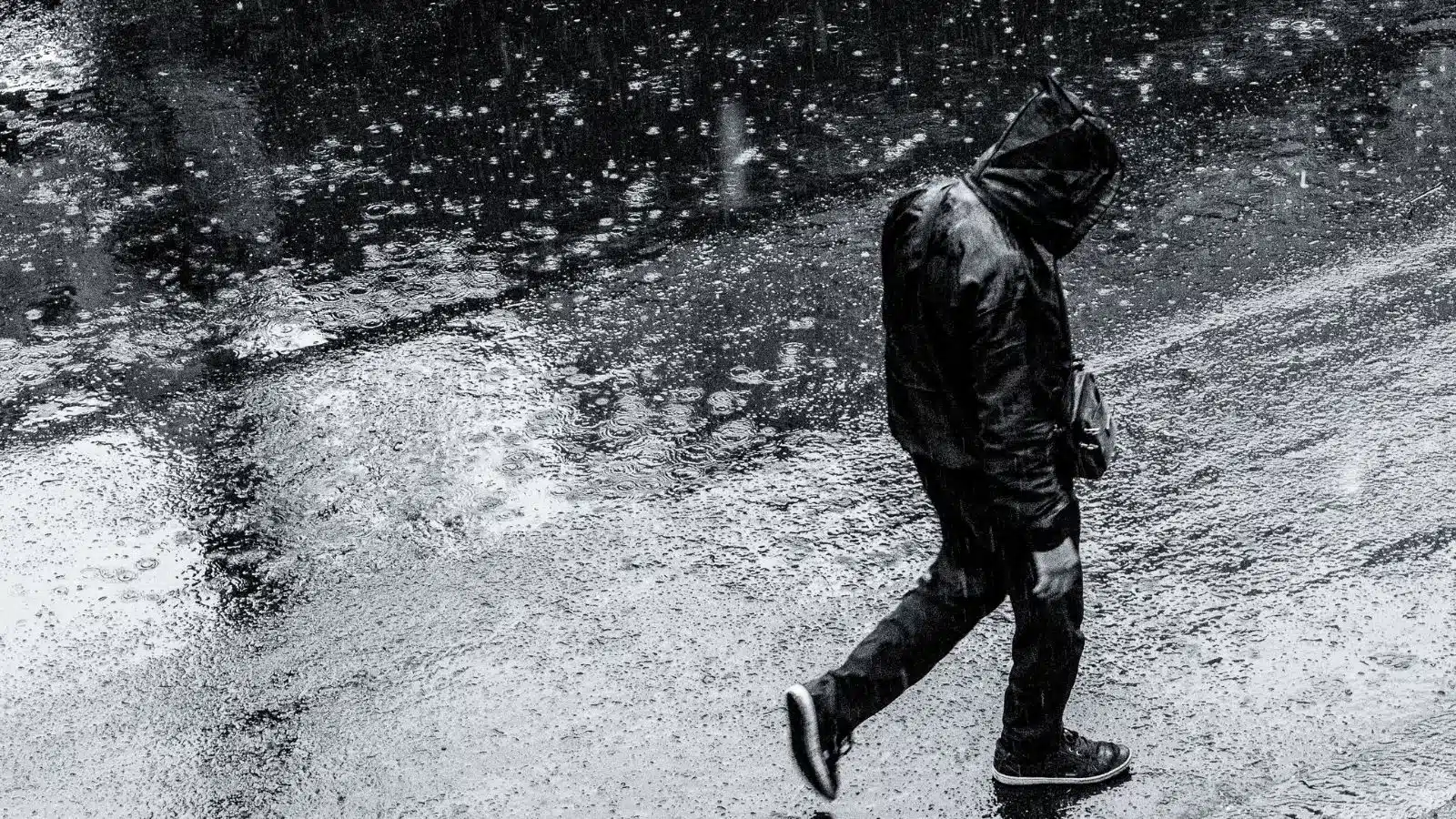
In some places, you don’t even have to say anything. Looking at someone the wrong way can signal aggression.
If you’re in a rough-looking neighborhood, keep your head down. Don’t look at people. Avoid eye contact.
You don’t need to prove you’re the toughest person in that grocery store.
Situational Awareness

The army taught me one of the most crucial “street smarts” skills there is: situational awareness.
You should be aware of your surroundings at all times. You should know who’s coming into the restaurant and who’s leaving, which cars are parked on the street, and which people have been lingering for just a few seconds too long.
Of course, you shouldn’t be obvious about it. We talked about using mirrors and shadows to watch your surroundings. But you should notice. You should glance around to see what’s happening, really taking in the scene to alert your senses to potential danger.
I think situational awareness is the hardest skill on this list, but you can practice anywhere. Whenever you go out, force yourself to be more present and alert to who else is there, and what else is happening. It will become second nature in no time.
Trust Your Instincts

We all have an innate ability to sense danger. With the safety and security modern society offers, we may not use it all the time, but it’s always there, silently nudging us when something doesn’t seem right.
If your gut sends you a tingling feeling, lean into it. Listen to what it’s saying.
These messages come from your subconscious, which examined the entirety of a situation far faster than your conscious mind ever could and found something that raised alarm bells.
If you have a gut feeling that you should avoid something, avoid it. Don’t question your instincts.
Street Smarts Can Be Developed
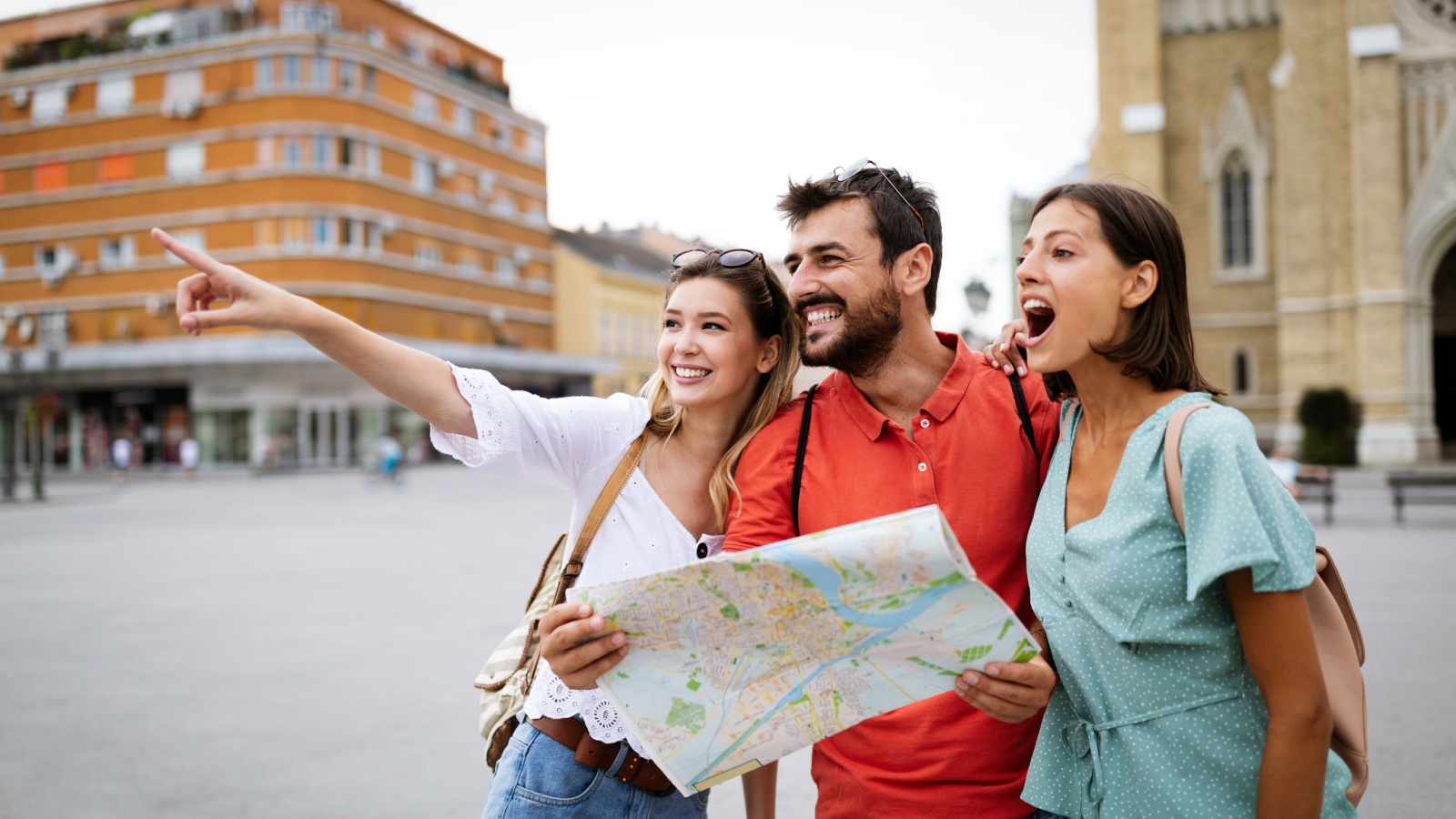
Navigating unknown city streets can be dangerous, but with a little street smarts, most of us will survive unscathed.
And the best part is, you can easily learn most of the tips we presented here. Think about it before visiting any unknown place and avoid potentially dangerous situations before they escalate.