
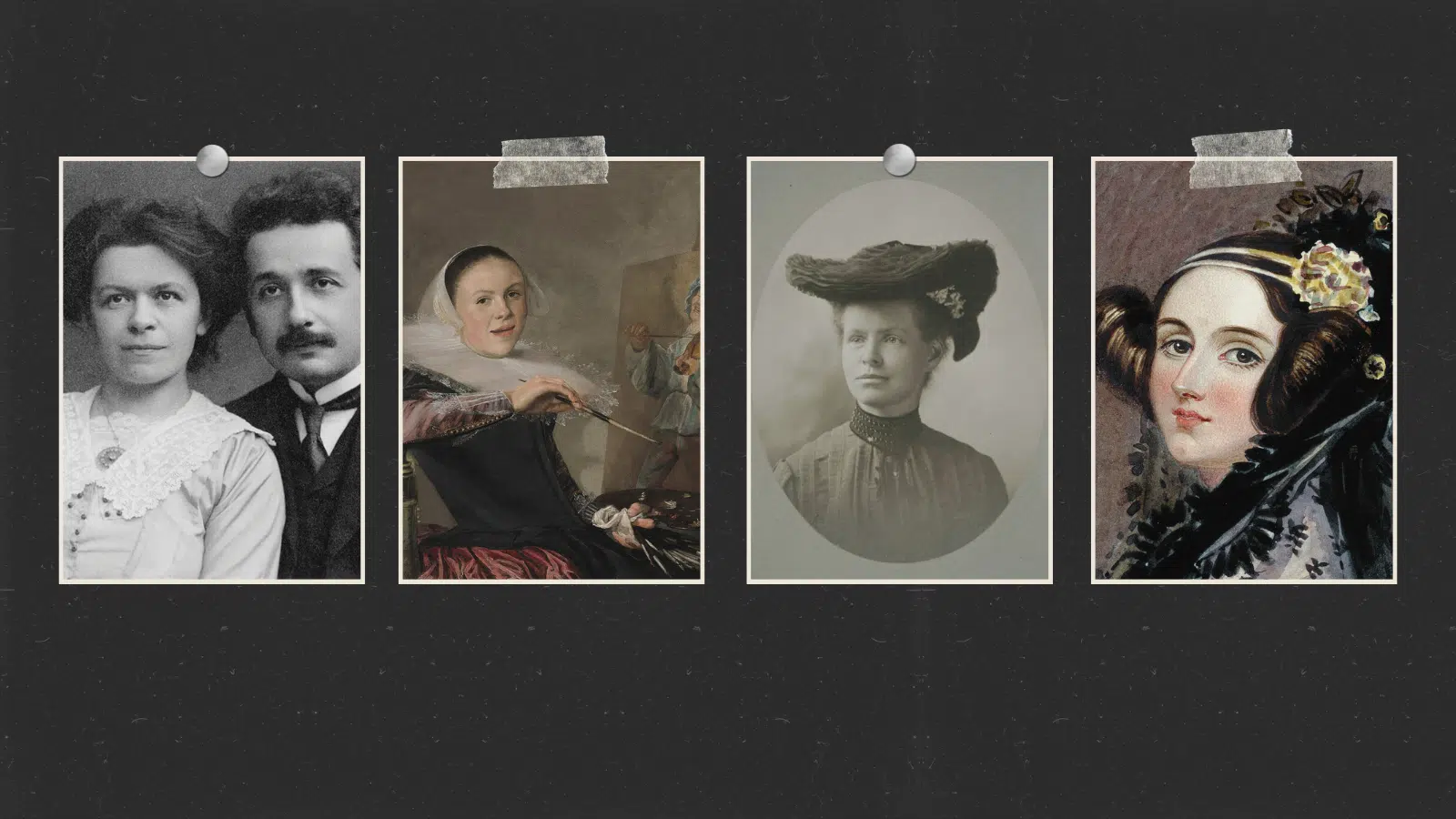
History bursts with men’s achievements. Open any book, and you’ll be greeted with story upon story of a great man doing this or that.
Meanwhile, women lived in the shadows, contributing very little to scientific and cultural achievement.
At least that’s the story you’ve been told.
In reality, women were doing far more than you think; they just never got their due credit. Because society decided women couldn’t do things, we ignored and minimized their contributions. Some women even had their accomplishments stolen by the men in their lives.
The Matilda Effect
To fully understand why so many women have their accomplishments stolen by men, we have to understand the Matilda Effect.
It was named after Matilda Joslyn Gage, an 18th-century women’s rights activist who highlighted pioneering women in the essay “Woman as Inventor,” which showcased that women do, in fact, innovate, despite what society may think.
Historian Margaret W. Rossiter coined the term “Matilda Effect” in honor of Gage to refer to the systematic way society minimizes women’s contributions or attributes their work to men.
Women Whose Accomplishments Were Stolen by Men

To highlight how women are pushed aside, I’ve compiled a list of 17 awesome women whose accomplishments were stolen by men. These pioneering women serve as examples of the Matilda Effect in action.
You’re probably already familiar with some of them, but others might be surprising.
Rosalind Franklin
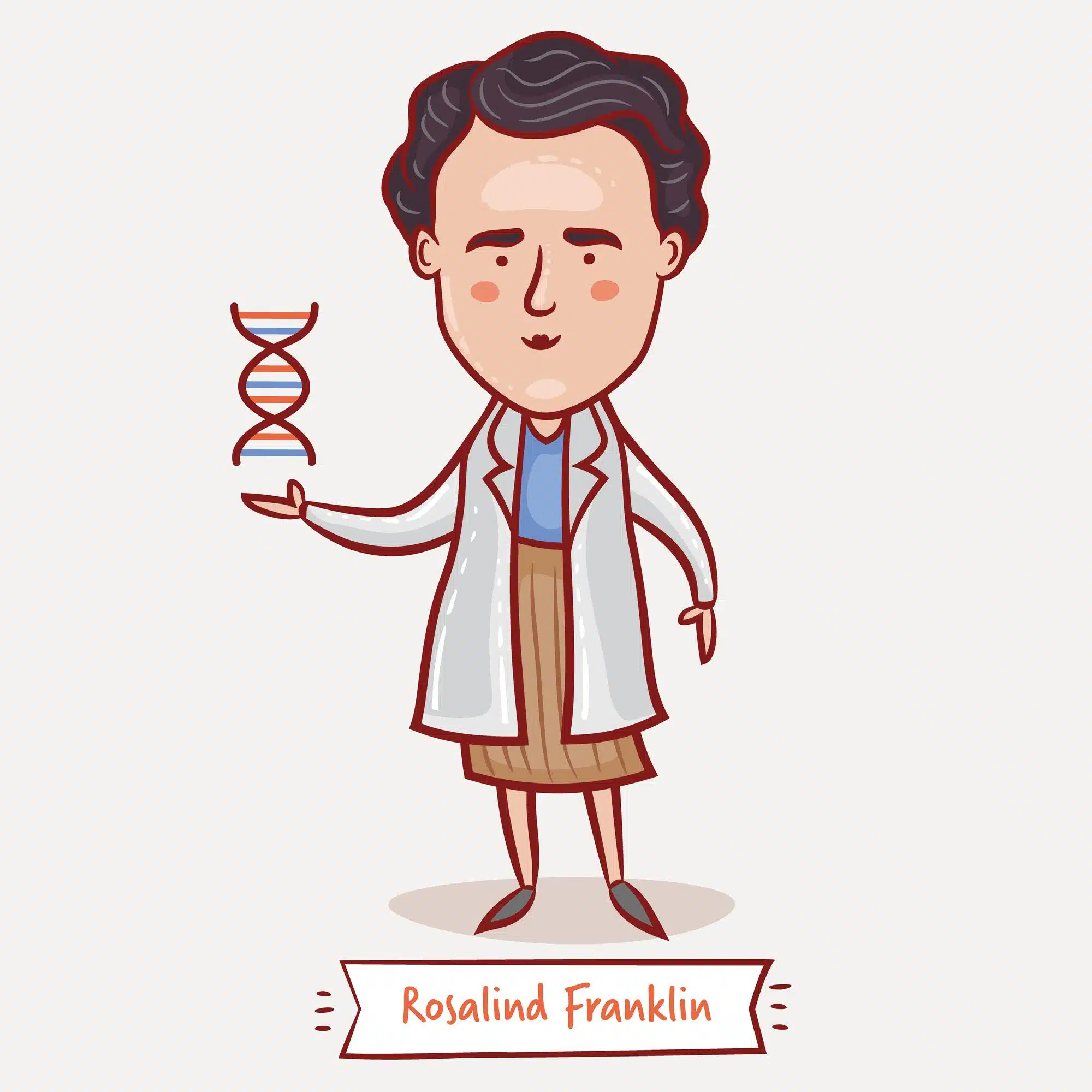
Rosalind Franklin is the poster child for women whose accomplishments were stolen by men. I bet she’s the first person you thought about, so she deserves the top spot on this list.
Franklin’s work with X-ray diffraction images of DNA was instrumental in discovering DNA’s double helix structure. Francis Crick, James Watson, and Maurice Wilkins built upon her work and were awarded a Nobel Prize for identifying DNA’s structure in 1962.
Franklin passed away in 1958 and, therefore, was not eligible for the prize in 1962, but today, everyone knows she deserves it.
Aspasia
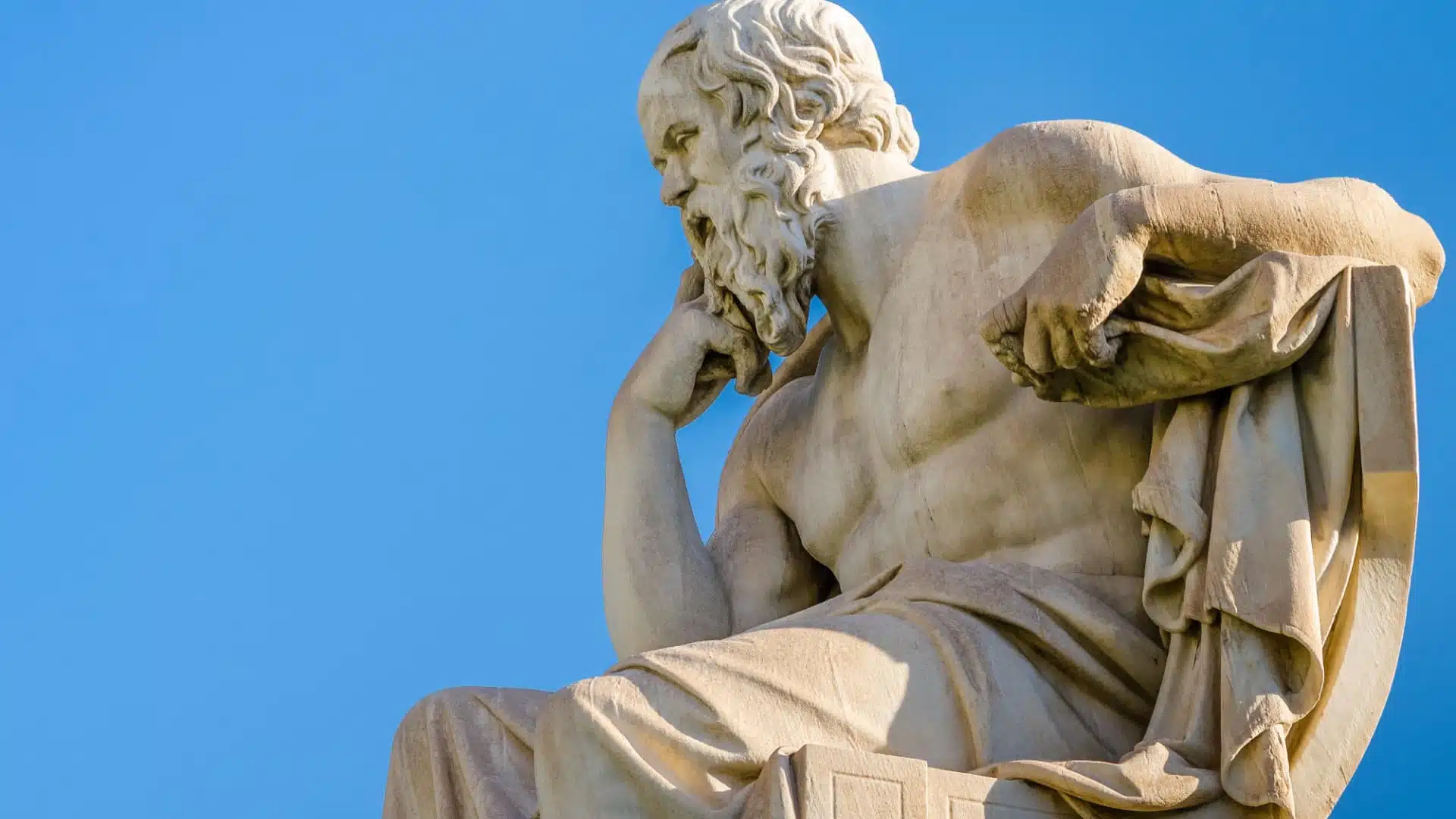
Name a Greek philosopher.
I bet you said Socrates, Plato, or Aristotle. Those well-versed in Greek History may have even said Euripides or Pythagoras.
But I doubt anyone said Aspasia.
Aspasia was Socrates’ teacher. She taught him everything he knew. Yet nobody remembers her. It’s not hard to imagine why her name was nearly lost to history.
Margaret Keane
Margaret Keane is an American painter best known for her portraits of people with massive, overdone eyes (known as Big Eyes).
But you wouldn’t know it when she was creating these pieces in the 1950s and 60s, because her then-husband, Walter Keane, took all the credit. He was a terrible person, so jealous of her talent that he forced her to work 16 hours a day, put his name on the pieces, and took all the money.
Thankfully, she divorced him in the 1960s, and during the proceedings, Margaret stood proud and declared that she was the artist, not him. It was proven in court when she challenged him to a “paint-off,” which he refused to participate in.
We’re so happy she was able to reclaim her legacy during her lifetime.
Zelda Fitzgerald
Who wrote The Great Gatsby?
Of course, everyone knows the great American novelist F. Scott Fitzgerald wrote it…but did he? Or is this another case of a husband taking credit for his wife’s work?
We don’t know for sure, but we do know that she was a massive influence on his work and that he copied entire excerpts from her diaries for his books.
She never gets any credit for it, though.
Mileva Einstein-Marić
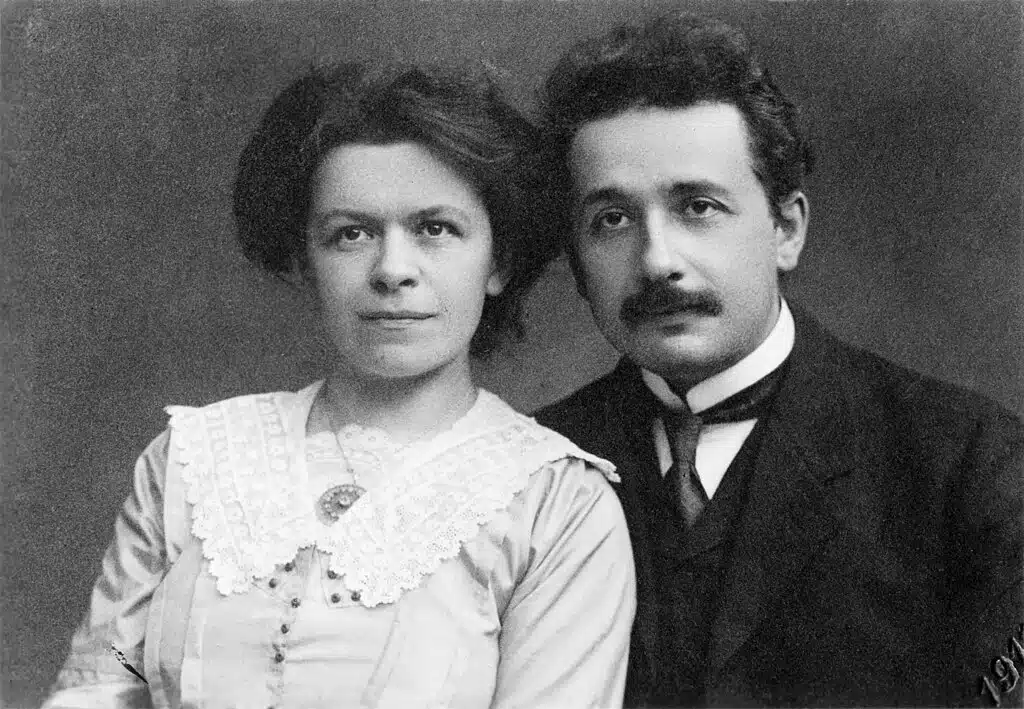
Mileva Einstein-Marić’s name often appears on lists of women whose achievements were stolen by men. Some go as far as to claim the famous Einstein wasn’t a genius at all, and Mileva deserves all the credit for his world-altering theories, but the truth is far more nuanced.
We know Albert was a genius – he published his theory of general relativity in 1915, a year after the couple separated, and continued his work in theoretical physics until his death in 1955.
What’s unknown is how much Mileva contributed to his theory of special relativity, published in 1905, and how much she may have inspired his later work. She was an accomplished physicist in her own right who studied with Einstein at the University. He even called his theories “our theories” when talking with her, according to firsthand reports that recall them discussing physics together.
Yet no physical evidence of her contributions has been found, so perhaps we will never know how involved she was.
Ada Lovelace
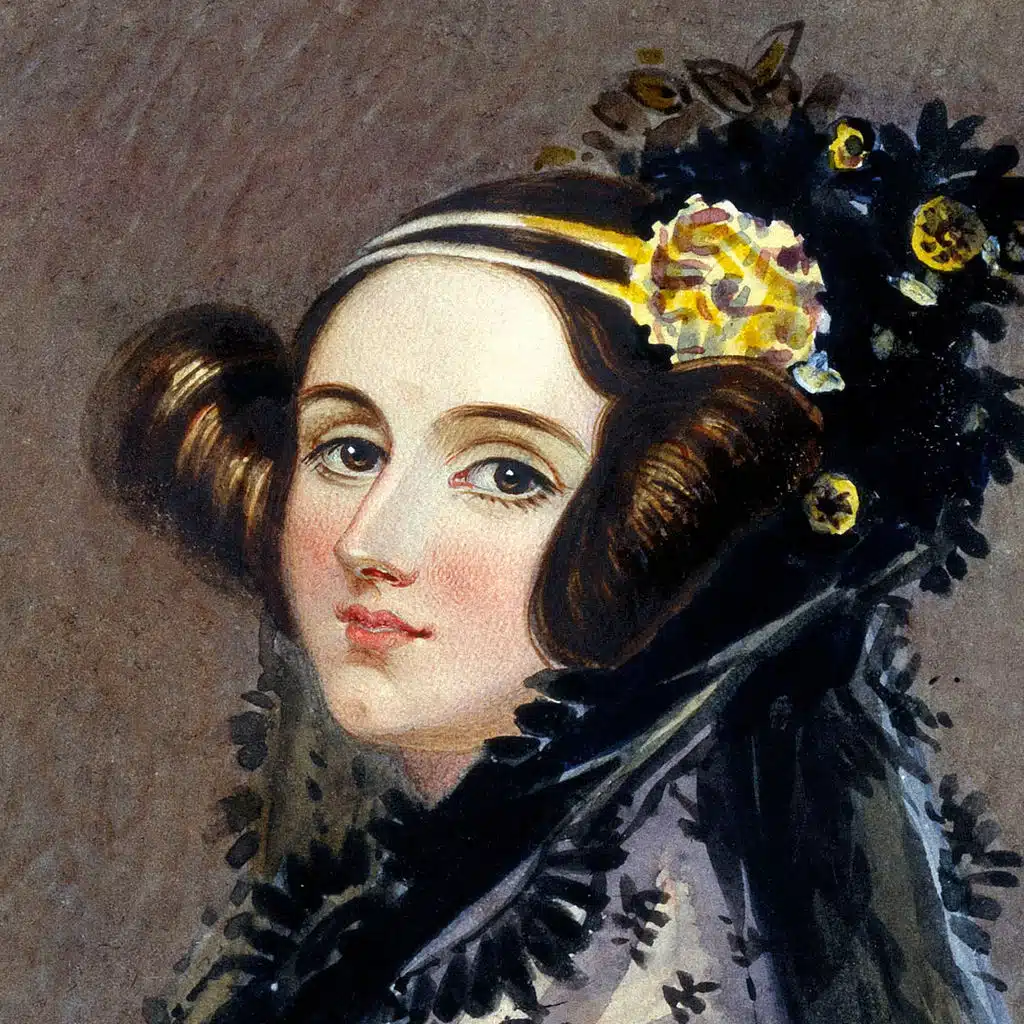
It took decades for Ada Lovelace to receive the recognition she deserved for her role as the first computer programmer.
Her friend and contemporary, Charles Babbage (regarded as the father of computers for his engine design that was never actually built), took credit for “algorithm in note G”, which is widely regarded as the first computer program, in his autobiography.
There’s still controversy over who should be celebrated. Babbage had the idea for the analytical engine and wrote the first basic programs. Lovelace’s Note G was an advanced method for calculating a sequence of Bernoulli numbers using the machine, which likely would have worked.
Most likely, they worked together, and both should be celebrated.
Hedy Lamarr

You may recognize Lemarr as a famous actress of the 1940s, but she was far more.
She was a genius inventor whose work on frequency hopping laid the groundwork for the secure wireless networks we enjoy today. Her original idea was a radio guidance torpedo for Allied Forces, but the Navy didn’t want anything to do with it.
During most of her lifetime, Lamarr was dismissed as “just a pretty face,” but she finally started gaining recognition as a genius near the end of her life.
Today, she’s known as the Mother of WIFI, as her patent was instrumental to developing the technology.
Lise Meitner

In 1944, physicist Otto Hahn received the Nobel Prize for discovering nuclear fission. But he didn’t do it alone. Lise Meitner’s research played an integral role in the discovery, yet she was excluded from the prize.
She was nominated for the Nobel nearly 50 times in chemistry and physics, yet never received the honor despite enormous contributions to both fields. She’s the one who first considered that a nucleus could split in half. She was the first to describe the process. Yet her accomplishments were overlooked in favor of male colleagues.
Katherine Johnson
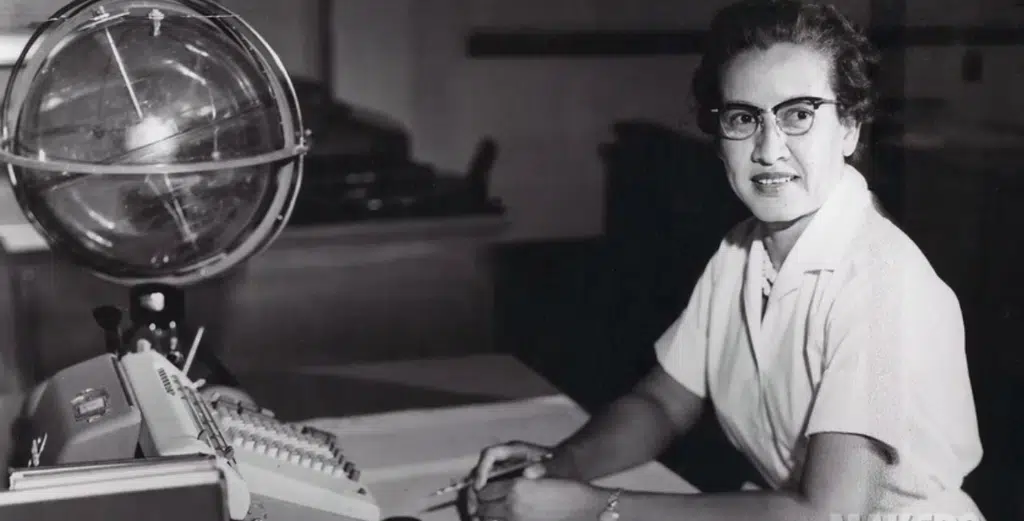
Katherine Johnson sent humanity to the stars. Yet instead of celebrating her, we celebrate the astronauts who relied on her for their fame.
We all remember Alan Shepard as the first man in space and John Glen as the first man to orbit the Earth. But why don’t we recognize the woman who made it all possible?
For decades, nobody knew who Katherine Johnson was, though her calculations of orbital mechanics made space travel possible. It was only after the 2016 film Hidden Figures that society started to acknowledge the woman behind the scenes responsible for it all.
Chien-Shiung Wu
When you think of the Manhattan Project, you think of famous scientists like Robert Oppenheimer and Enrico Fermi.
But did you remember Chien-Shuing Wu?
She helped develop the process for separating uranium into its isotopes by gaseous diffusion, which was integral to the project’s success.
But that’s not even her major accomplishment that was stolen by men. In 1956, she developed the Wu experiment and proved that parity (a property describing a sign (-/+) in spatial dimension) is not conserved in weak interactions, meaning it’s not a fundamental property.
The Nobel Prize was awarded to her two male colleagues who had the idea, rather than to Wu, who proved it correct.
Sofonisba Anguissola
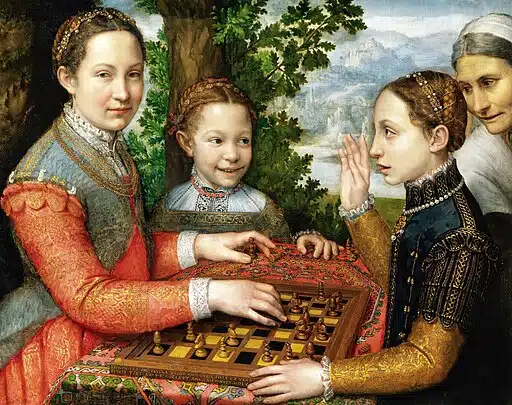
Is Sofonisba Anguissola one of the first people you think of when you hear “Renaissance Painter?”
Probably not, as her work was often attributed to famous male artists of the time – including Leonardo da Vinci. If her work is so good that people thought it was a da Vinci, why haven’t you ever heard of her?
In her time, she was celebrated as a great artist. She studied under Michelangelo, was invited to the court of Philip II of Spain as a court painter, and influenced generations of younger painters.
But of course, a lot of her most influential paintings were attributed to men. Today, she’s finally getting the recognition she deserves as modern art historians reveal she was the true creator of some of Spain’s most brilliant portraits.
Artemisia Gentileschi
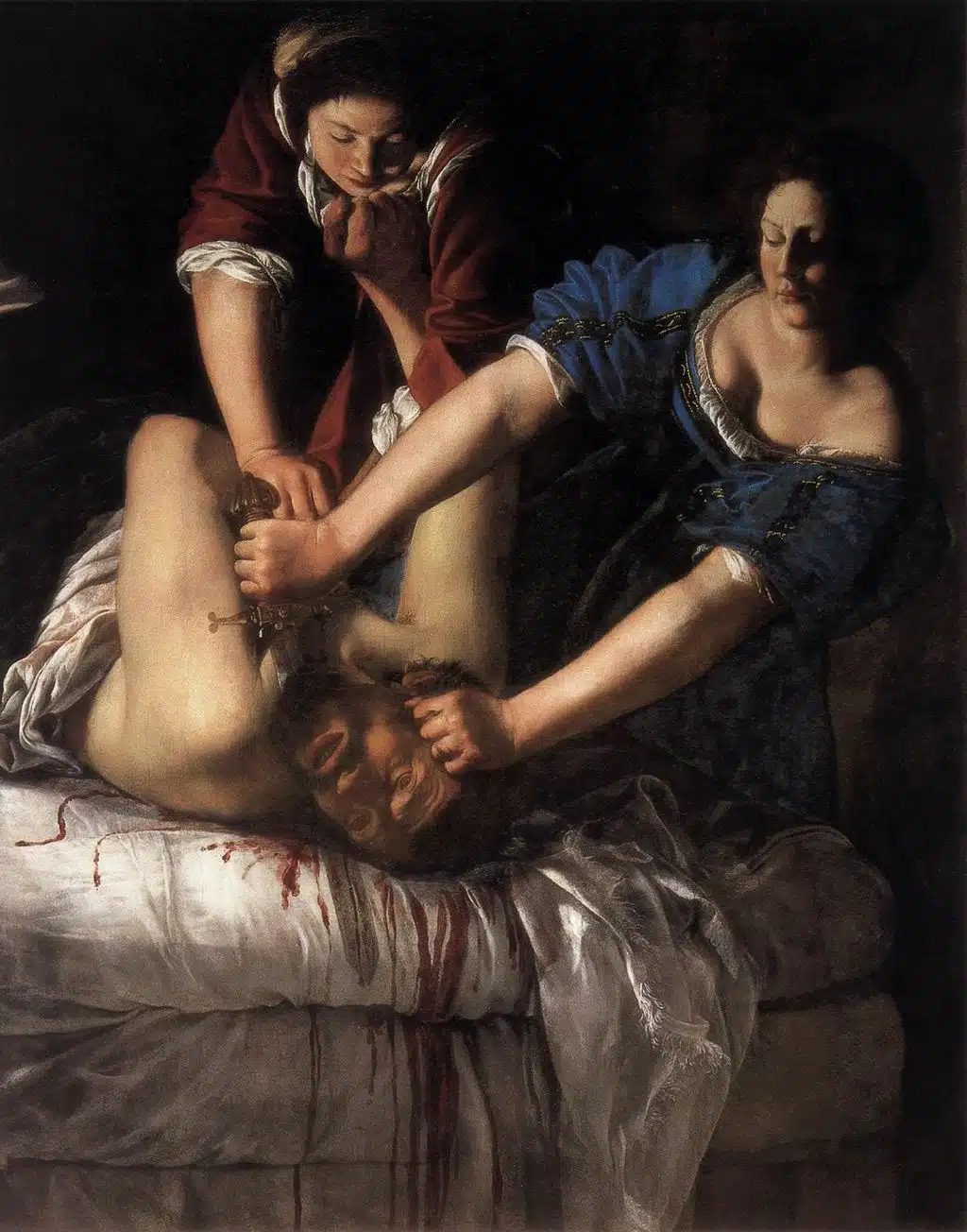
Though recognized in her time as a great Baroque artist, history omitted her from most records after her death.
She was so heavily influenced by the great Caravaggio that many of her works were attributed to him. Those that weren’t were attributed to her father, whom she studied under.
From her death in the mid-17th century to the 21st century, very few people knew her name. It wasn’t until the feminist revival of the 1970s that art historians began to separate her work from the two men and recognize her as a master in her own right.
Elizabeth Magie
Elizabeth Magie’s contributions might not be as world-altering as some of the other pioneering women on this list, but she’s a shining example of a woman whose accomplishments were stolen by men.
In the last half of the 1900s, everyone who knew anything about the popular board game Monopoly knew it was invented by Charles Darrow. Books, guides, and histories all sang his praises. But they also all ignored Magie, who created The Landlord Game in 1904.
Apparently, Darrow came across a version of Magie’s game, redesigned it, and sold it to Parker Brothers, reaping all the rewards.
Catharine Littlefield Greene
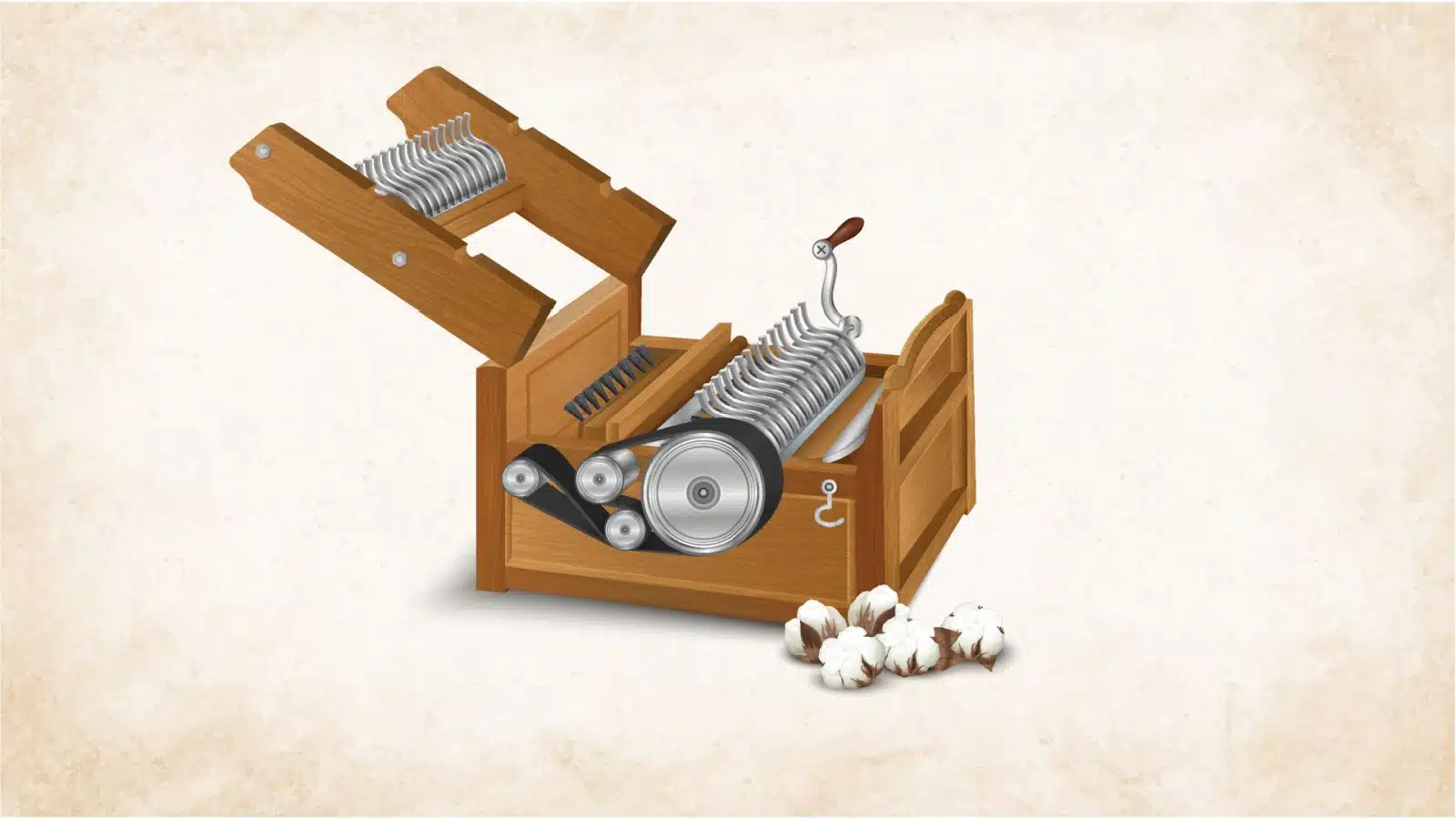
Every middle school child learned that Eli Whitney invented the cotton gin, one of the most important American inventions of all time, thus transforming the cotton industry and rejuvenating the entire Southern economy.
Is everybody wrong?
According to Gage they are. In her essay “Woman as Inventor” she asserts that it was Catharine Littlefield Green, not Whitney, who first dreamed up a machine that could separate cotton seed from the lint. Whitney was staying with her as the time, and she asked him to create it.
Whitney’s first prototype failed, and he was about to give up until Green offered suggestions on how to improve it. His fully functional model only came to fruition because of her ideas and input.
Yet have you ever heard her name?
Judith Leyster
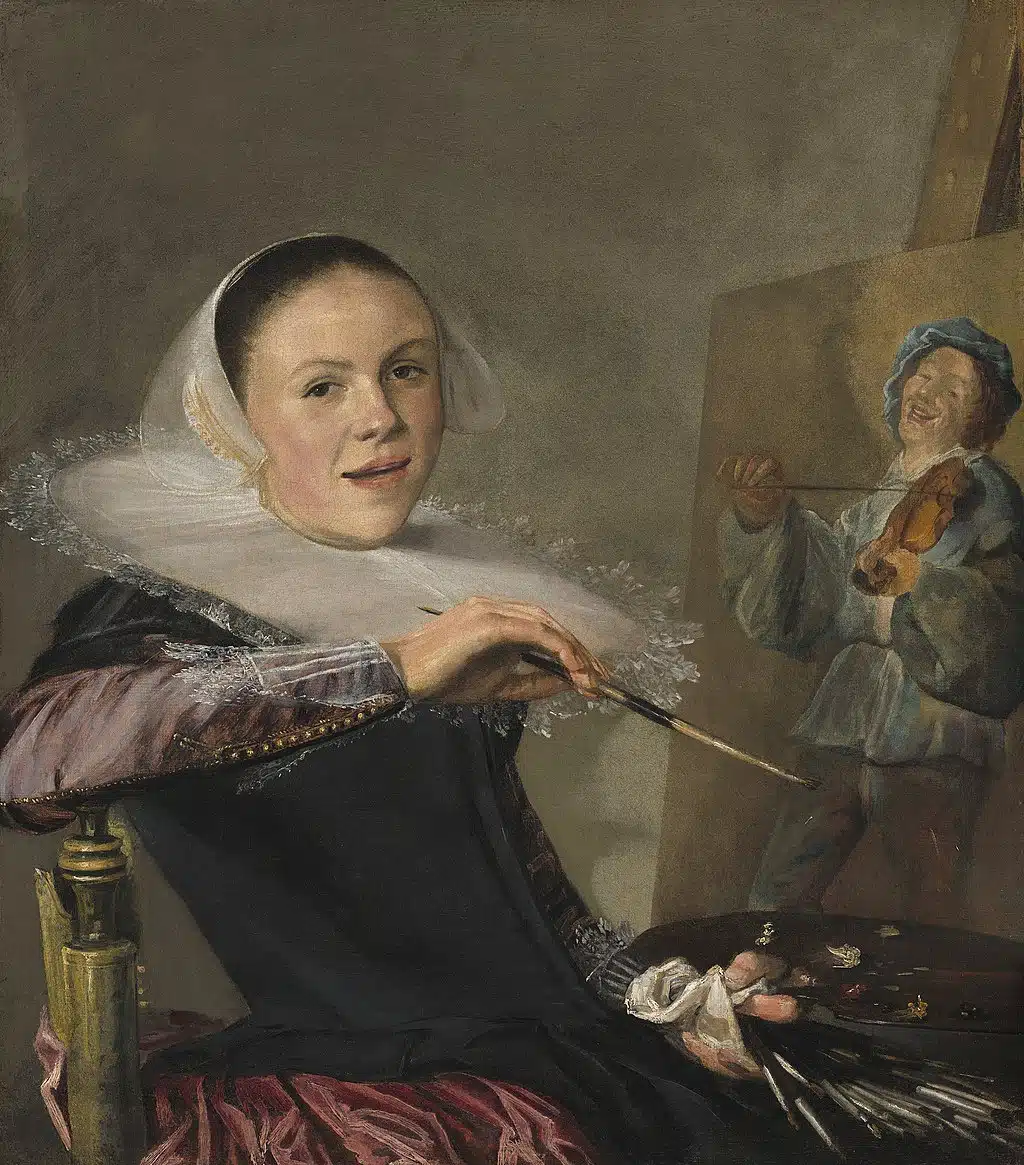
Judith Leyster was a prominent painter during the Dutch Golden Age, but history decided she didn’t exist. Though celebrated in her own time, most of her work was later falsely attributed to Frans Hals or her father, Jan Miense Molenaer.
Like the other female artists on this list, her work wasn’t exactly stolen by the men in her life. There’s no evidence that they purposely tried to take credit for her work.
Instead, it’s an example of the Matilda Effect in action. After her death, everyone just assumed a man had to have painted the work because they assumed women couldn’t be that skilled.
It took nearly two hundred years for her work to be correctly attributed.
Nettie Stevens
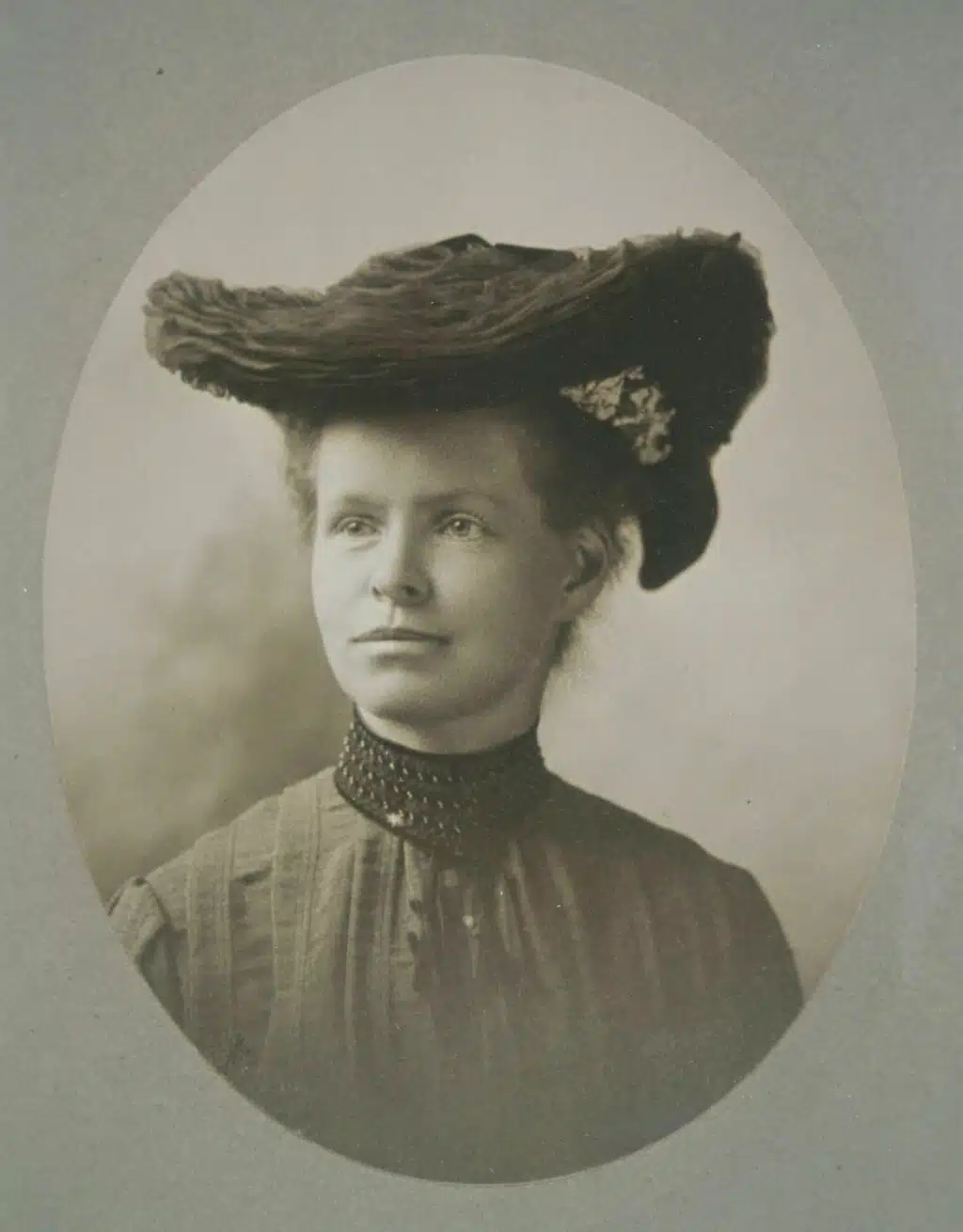
Nettie Stevens discovered sex chromosomes, and her work was instrumental in proving Mendel’s theories of inheritance.
And yet, during her time, a contemporary doing similar work (whose ideas were incomplete and later proven to be wrong) was celebrated while she was dismissed.
Both Edmund Wilson and Thomas Hunt Morgan were credited with the discovery at different times, and although both acknowledged she played a role, it seems like they downplayed it whenever they could.
Vera Rubin
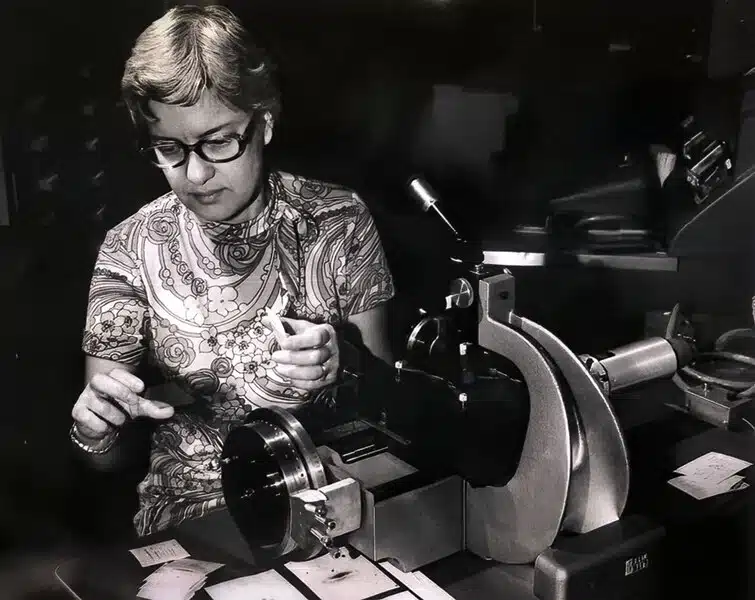
Vera Rubin was an astronomer whose research provided crucial evidence for the existence of dark matter, a theory hypothesized decades earlier.
She discovered that galaxy rotation, as observed, doesn’t work unless dark matter exists, providing the first real observational data in support of the theory. In addition, she found the first evidence that galaxies merged together and initiated research into how galaxies formed.
Despite her massive contributions to astronomy and physics, she never won a Nobel Prize. In addition, her name is often forgotten in conversations about who discovered dark matter in favor of Fritz Zwicky, the scientist who first proposed the theory (but offered little evidence to prove it).
Esther Miriam Zimmer Lederberg

Esther Miriam Zimmer Lederberg was a microbiologist who spearheaded research into bacterial genetics. She discovered the lambda phage (a virus that attacks bacteria) and, along with her husband, identified how a virus can introduce foreign DNA into a cell.
Of course, as is typically the case with husband-wife duos, everyone attributed all of her work to her husband, Joshua. Most textbooks forget she existed while Joshua gets the credit for her discoveries.
Bonus: When Women Hide

Some women avoided having their contributions stolen by men (or being underappreciated) by hiding their gender.
The trick worked well for authors who could easily use a pen name to avoid detection. George Eliot was really Mary Ann Evans. George Sand was actually Amantine Lucile Aurore Dupin de Francueil.
Lots of female authors, like S.E. Hinton and J.K. Rowling, chose to use their initials to hide the fact that they’re women, because people take male authors more seriously.
How Many More?
These are just the women whose accomplishments were stolen by men that we know of. How many more were there?
How many of the so-called great men in history were actually just thieves, putting their names on something they didn’t do? How many wives wrote their husbands’ books, painted their husbands’ paintings, and ran their husbands’ businesses?
We may never know the true toll the Matilda effect had on our understanding of history.
Were all these Women’s Accomplishments Stolen by Men?
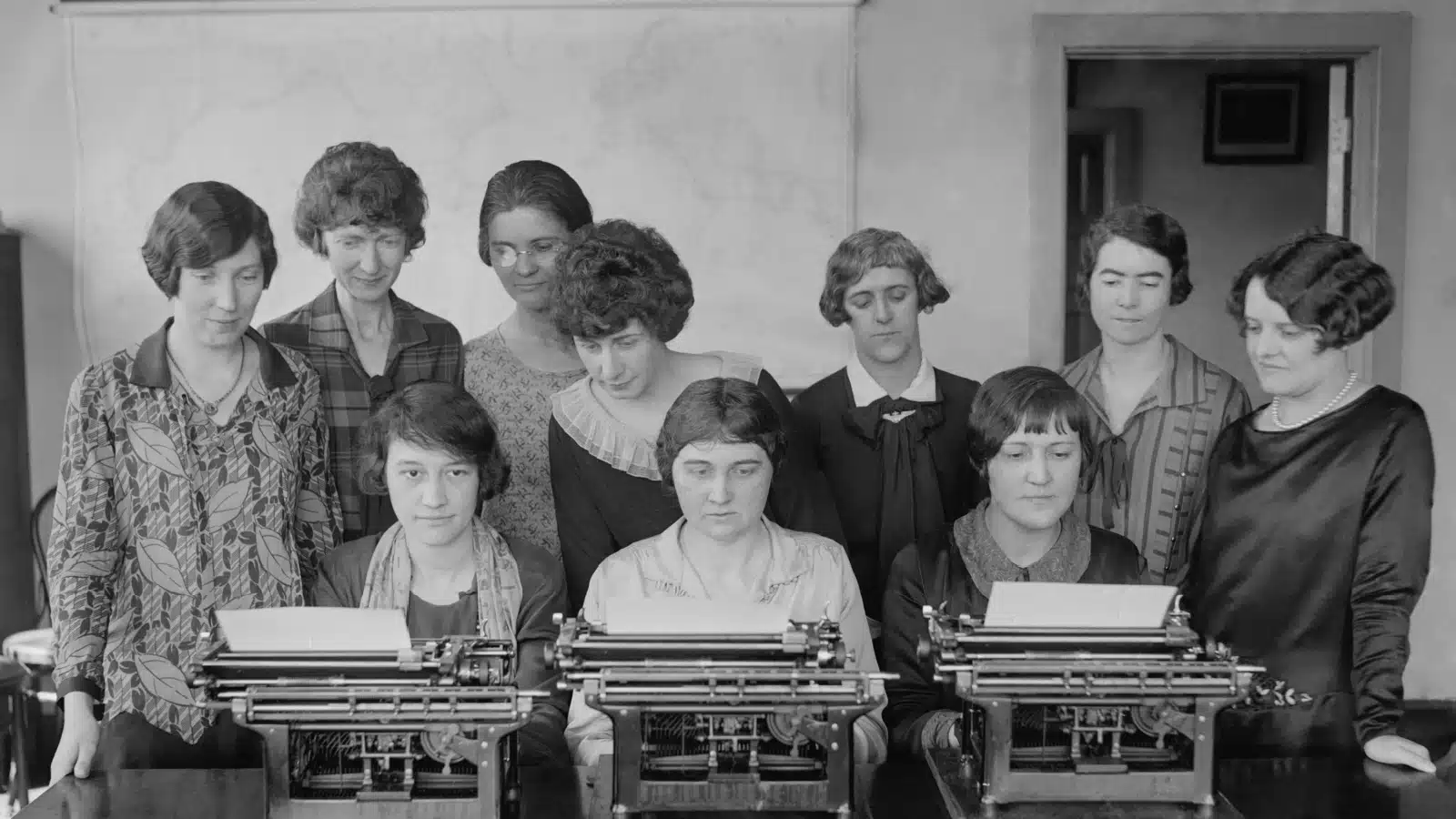
Although a lot of articles will claim without a doubt that every woman on this list was a genius whose accomplishments were stolen by men, the truth is never so simple.
We don’t really know.
We don’t know how much of The Great Gatsby Zelda wrote or whether Mileva just helped with some math. Some of these accomplishments may have been collaborations where men got all the credit, while others might be baseless exaggerations.
Outside of the ones that are historically proven (like Keane’s paintings), we will probably never know the truth.
So Why Does It Matter?
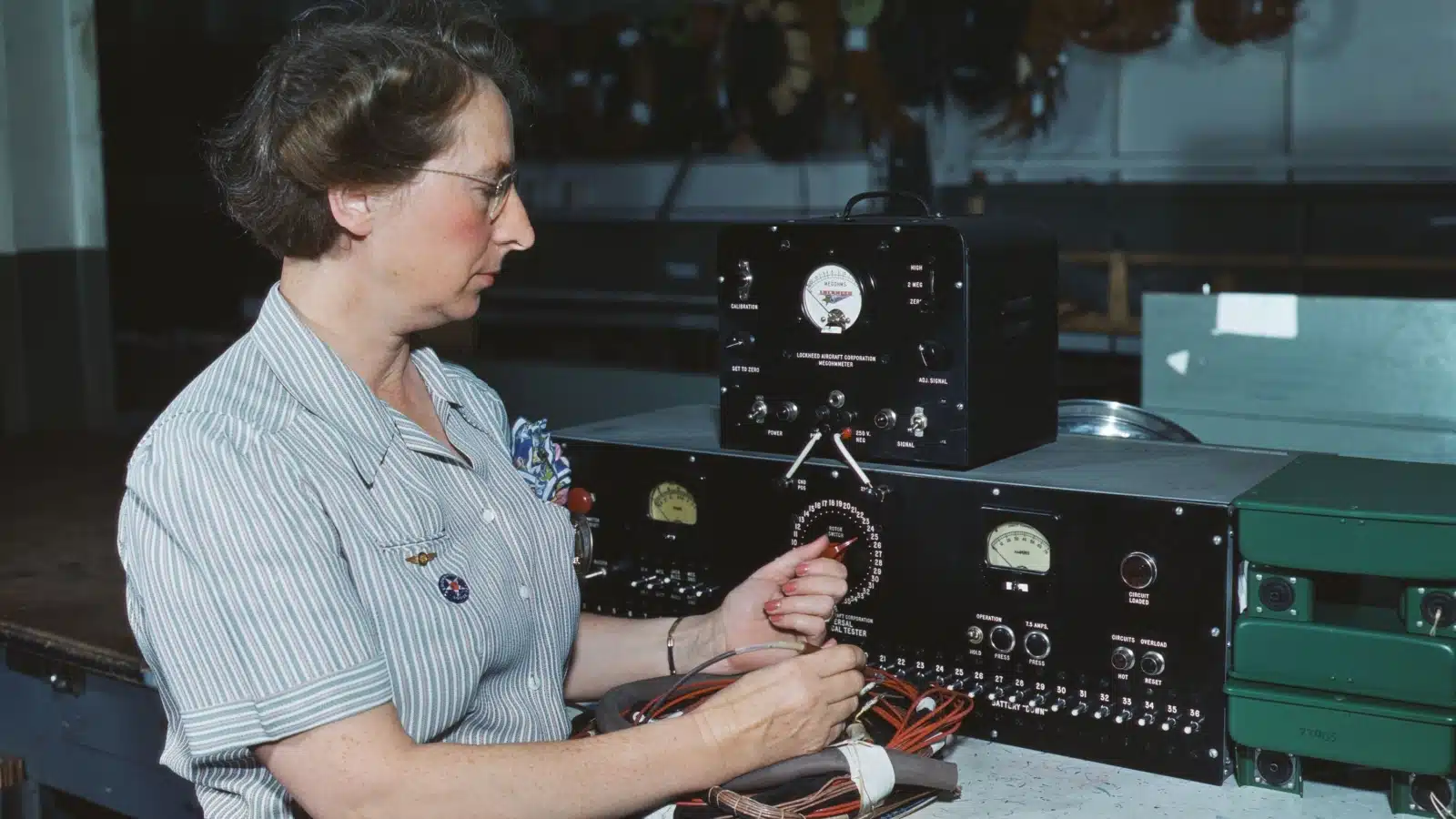
Why are we even including these women if we don’t even know for sure that their accomplishments were stolen?
It matters because of the Matilda Effect and the historic oppression of women. It matters because throughout history, women were routinely ignored and subjugated. It matters because men’s rights groups will scream until they’re blue in the face that men built society while ignoring even the possibility that women contributed, because so many of women’s contributions were erased or attributed to men.
One day, when we achieve true gender equality, it won’t matter anymore. Sure, sometimes men will steal women’s accomplishments, but the opposite will also occur. It will be a human problem, and women as a whole won’t be pushed down because society doesn’t think them capable.
Until then, I think it’s important to consider the women who stood in great men’s shadows and ponder how much they really contributed.
Because it’s probably more than we think – even if some of the stories on this list aren’t entirely true.
As feminists have written, often without any need for evidence, no man ever did anything right in the history of the human race.
The SCUM Manifesto has become the dogma of modern women thinking with Valerie Solanas now considered a hero for the cause.
Hi Mike,
Nobody said that no man ever did anything right. All we said is that women didn’t get their due credit. We even acknowledged in the article that there isn’t enough information on some of these to know the truth. Please check out my articles on Famous Scientists and Famous Painters – both celebrate a wide range of men who deserve recognition for their contributions.
Oh little Mike…
It must be terrible going through life with such insecurity.
We wish you all the best in your quest to be a better human.