

Do you want to buy a house?
That might not be the most crucial question. We can want things all day long, but that doesn’t mean we should get those things.
A better question to ask yourself is “Can I afford a home?”
We can help you find out.
Can I Afford a Home?
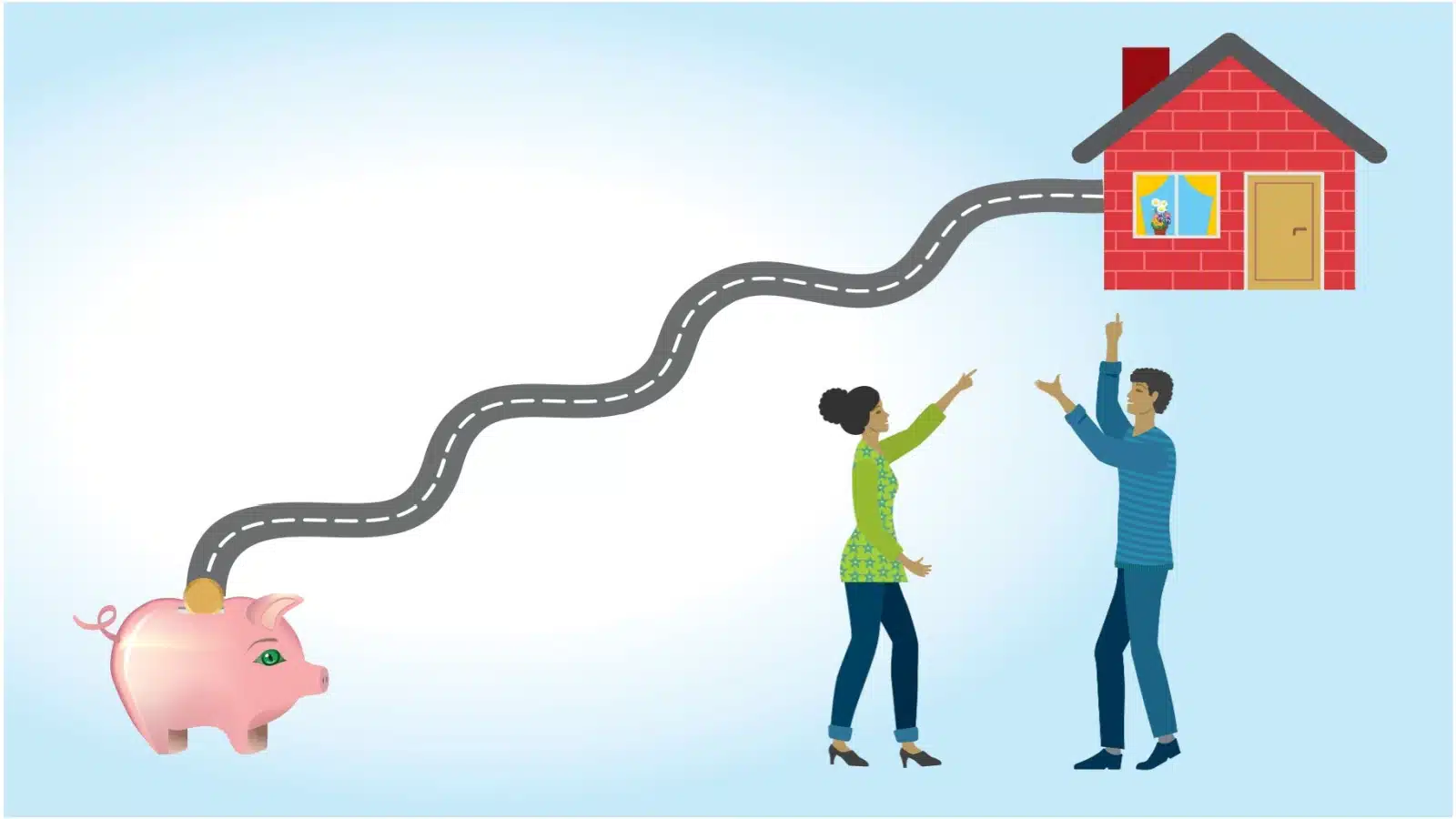
If you searched the web for “can I afford a home,” you probably found page after page of sponsored results from lending companies giving you false hope.
These home affordability calculators only ask a few basic questions:
- Income
- Monthly Debts
- Downpayment amount
Then they spit out a magic number of how much house you can afford.
Don’t let them fool you. There’s so much more you need to consider.
Here are the top questions you need to ask yourself to really decide whether you can afford to buy a house.
Is My Income Stable and Predictable?
Income is a vital factor in deciding whether you can afford a home, but the amount you make doesn’t tell the full picture.
Buying a home is a commitment. You need to know that you’ll be able to pay the bill long term (to the best of your ability – we all know life happens!).
You shouldn’t base an affordability decision on bonuses or a banner year. Use your base income as the upper limit instead. Consider whether your industry is recession-proof or experiencing layoffs.
Freelancers, contractors, and other workers without a stable income should save more money in their emergency funds before jumping into ownership.
What Will My Total Monthly Costs Be?
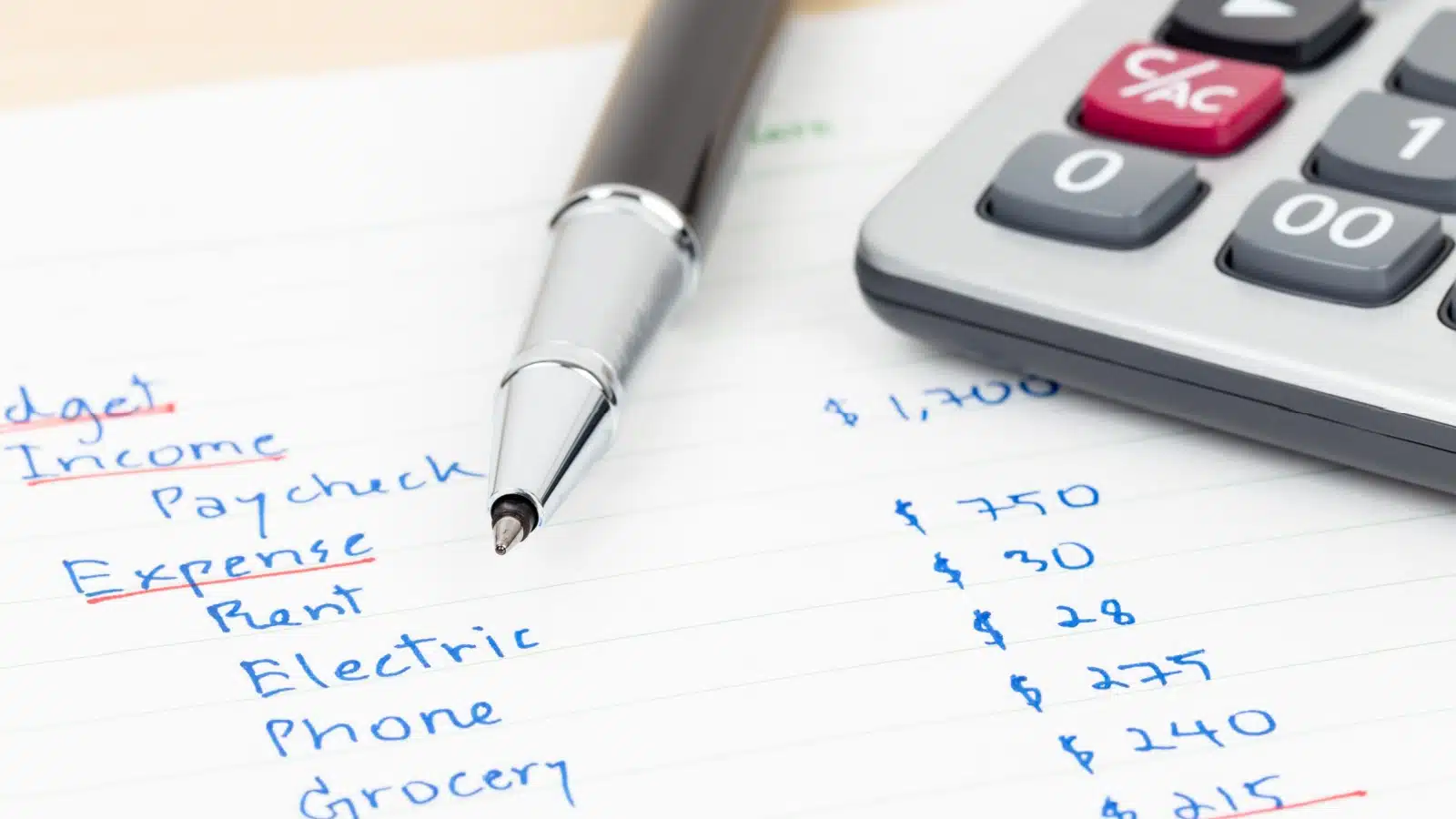
Lenders only look at debt and income when deciding whether you can afford a house, but leave out something crucial: Bills!
Before saying you can afford a house because you don’t have a car payment, consider everything else you buy each month, and think about how much those costs might change in your new place.
Take everything into account: food, utilities, gas, insurance, childcare, fun money, and savings. Make sure you can afford everything, including the new monthly mortgage payment, before deciding to buy.
How Much Can I Put Toward a Downpayment and Closing?
Most experts suggest aiming for a 20% downpayment. However, with median home prices skyrocketing above $400,000, 20% (or $80,000) seems like an impossible feat.
Luckily, plenty of programs allow you to purchase a home with a smaller downpayment, but it will cost you. If you put less than 20%, you’ll have to pay mortgage insurance to protect your lender until you get to 20% of the mortgage paid off.
In general, the higher the downpayment the better, even if some lenders will let you pay a paltry 2.5%.
But the downpayment isn’t the only part of the equation. You’ll also have to pay closing costs, which could be anywhere between 2-7% of the home’s value.
Make sure you have enough money in savings to cover the downpayment, closing costs, and all the other hidden costs of buying a home before deciding it’s affordable.
How Much Money Will I Have Saved for Emergencies After Closing?

I may have spent all my savings on a house, but that doesn’t mean it’s a good idea. What if an emergency pops up immediately after closing?
Only you can determine how much money you need in your emergency savings account after closing, but make sure it’s enough to weather most storms. If you’re draining your savings dry, you might not be able to afford a home.
What’s a Comfortable Mortgage Payment?

Most people focus on their monthly mortgage payment when deciding whether they can afford a house. That’s fair – it will probably be your biggest bill.
But affordable and comfortable are two different things. A $3000 mortgage payment might be affordable, but if it doesn’t offer enough wiggle room for savings and potential increases, it might not be a good fit for you.
How Long Do I Plan on Staying?

Buying a house is expensive, and you probably won’t break even on selling for at least five years. If you plan to stay long term – that’s great, you don’t have to worry.
But if you think you might move in a few years or aren’t sure what the future holds, you should think twice. Home prices don’t always surge astronomically. Historically, they only increase a little per year. After you take closing costs into account, you could lose money if you sell in a short timeframe.
If you can’t afford to take a loss on a quick turnaround, you can’t afford to buy.
How Much of an Escrow Increase Can I Afford?
People say buying a home is superior to renting because the mortgage payments are more stable than rent payments.
That’s not always true.
Just ask Texans who experienced skyrocketing property taxes after their homes increased in value or Floridians whose homeowners’ insurance doubled. As a result, many people couldn’t afford the new payments and were forced out.
Although some states cap property tax increases, not all do. Think about whether you can afford changes in taxes and insurance payments in the long term.
Will Buying this House Make me House Poor? Am I Okay with that?

When you’re “house poor,” you put so much money into your home that you can barely afford anything else. But you aren’t technically poor, because you’re a homeowner.
Although I recommend against purposefully becoming house poor, some people think it’s a sacrifice worth taking.
Only you know your financial situation and whether you’d be happy eating rice and beans for three years to pay your mortgage, but it’s definitely something to consider when asking yourself if you can afford a home.
Have I Considered Home Maintenance Costs in My Budget?
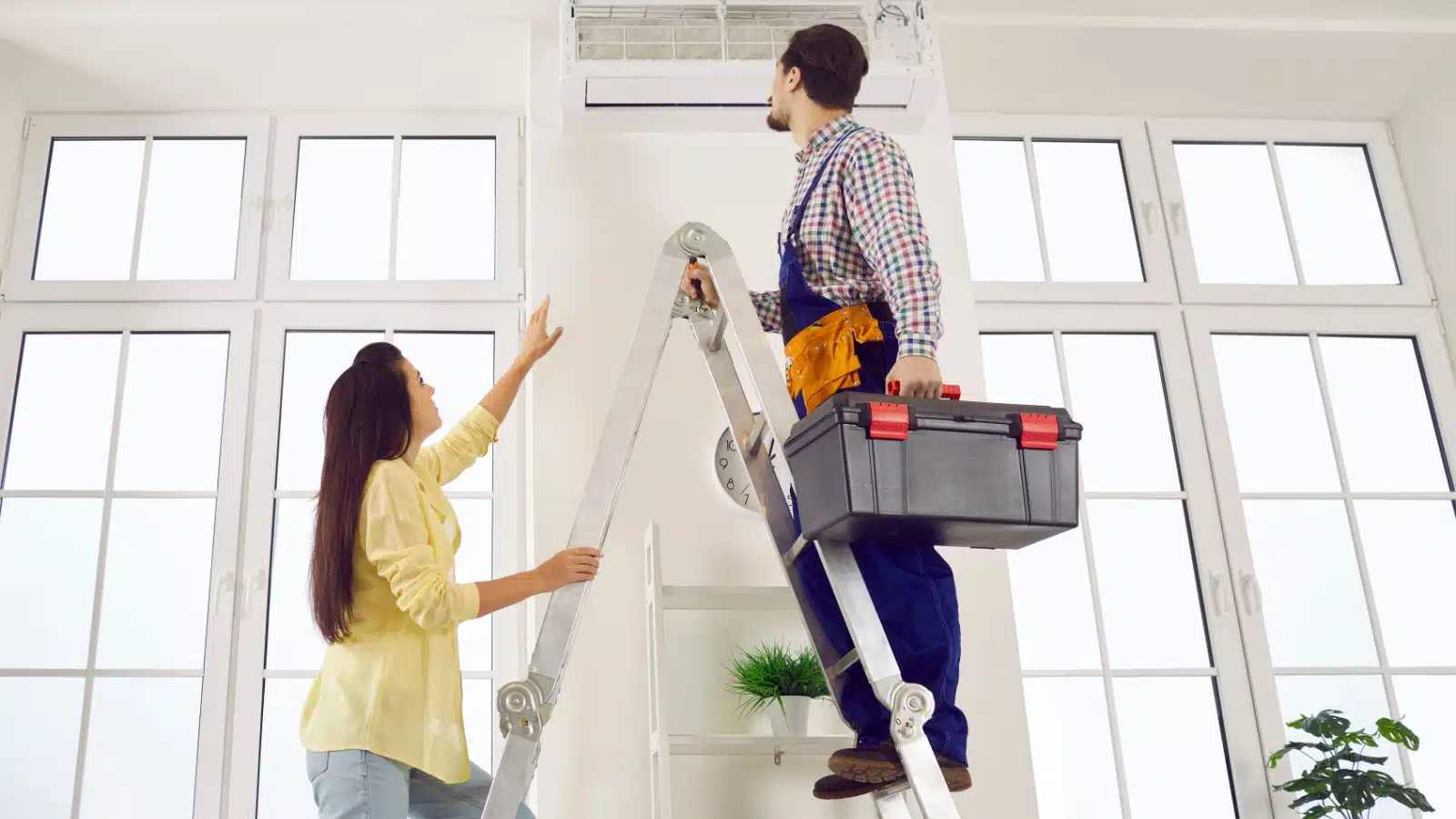
Apartment living is kind of a dream. If anything breaks, you can just call the landlord, and they’ll send someone in to fix it.
But when you own, it’s all on you.
You have to pay for yearly HVAC maintenance, plumbing issues, broken appliances, yard work, and cleaning the gutters.
Make sure you have room in your budget for everything owning a home entails.
How Would I Feel if Home Values Dropped?
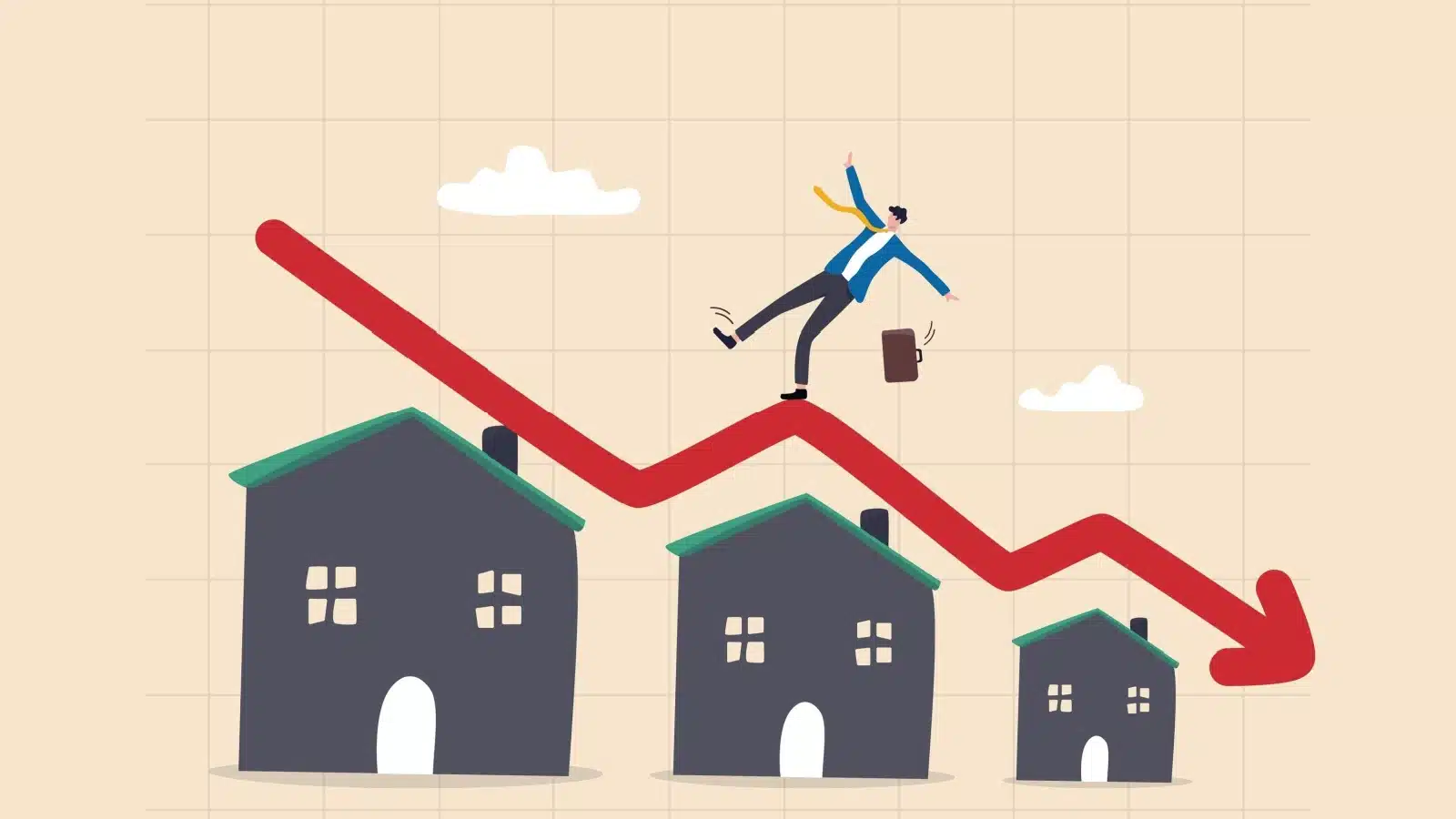
A lot of people are in a panic right now because they bought homes in the early 2020s, and values are dropping like flies.
I would be one of them, except I understood going in that property values fluctuate. I expected it to drop short-term, but I think they’ll go up again in the next bull market. As a bonus, my property taxes are actually going down each year as the values go down!
But if you can’t stomach a 10-20% drop in property values, maybe owning a home isn’t for you.
Bonus: Why Do You Want to Buy?

A final question you must ask yourself before buying a home is why you want to buy.
There are lots of bonuses to owning a home, but it’s expensive. You shouldn’t do it unless you really want to. Don’t buy because someone told you real estate always goes up, or because society sold you homeownership as the American dream.
Buy because you want a stable place to live, love the neighborhood, and want to invest in your home long-term. Because, despite the crazy market of recent years, home ownership really is a long-term investment.
Make sure you want to buy for yourself.