

Life is expensive.
It costs $56000 per year on average just to survive – and that doesn’t even include taxes, healthcare, or childcare.
With the cost-of-living skyrocketing, finding ways to save money on living expenses is more crucial than ever before.
Realistic Ways to Save Money on Living Expenses

But don’t despair. We can help.
We’re over the trite advice most articles offer, like rent a bedroom on Airbnb (who has an extra room, and if you did, do you really want to rent it to strangers?) or making coffee at home (I don’t know anyone who really spends $5+ a day on fancy coffee).
Instead, we’re bringing you realistic ways to save money on living expenses. You may already be doing some of these, but there may be a few ideas you never considered!
Insulation

We can’t escape the need to control our homes’ temperatures. Whether you use electric or gas HVAC systems, the costs continue to skyrocket.
You can save money year after year by ensuring your home is properly insulated. I installed my own insulation in my attic in Pennsylvania – the supplies didn’t cost much, and it reduced my overall oil costs in the winter (it also keeps the cool air in during the summer).
You should also insulate your windows, as they’re the main place where precious heat can escape.
If you live in an apartment or rental, you can go old school (and I’m talking Middle Ages old school!) and hang blankets on the walls. Those tapestries weren’t just for decoration!
Setting the Temperature

I know you want to be comfortable in your home regardless of the season, but how much difference would a few degrees make?
You might not feel a one-or two-degree change, but your wallet definitely will.
Set your thermostat a little lower than ideal in the winter and a little higher in the summer to save money.
Keeping Warm (or Cool)

When I lived in PA, I set the thermostat to 68 degrees in the winter because oil costs so much.
I kept warm by living in big sweaters and under blankets. In addition, I used a space heater for the room I was using (I’d move it from the bedroom to the living room) because my house was this massive old Victorian (a fixer-upper) and I didn’t need every room to be comfortable; I only needed the room I was using to be comfortable.
It was way cheaper to use the space heater for one room than oil for the entire house.
In the summer, I used fans to keep the air circulating. Now that I live in Texas, having fans in every room is crucial for surviving the summer (and spring…and fall) without spending too much on cooling.
The Right Foods for the Season

You’re probably already doing this, and although I promised not to share obvious ways to save money on living expenses, I’ve never seen this tip in any finance article, so I’m doing it.
Our food choices impact our body temperature. There’s a reason humans crave hearty stews in the winter and light salads in the summer.
Choosing the right seasonal foods can help regulate your body temperature, which can help you save a little on heating and cooling.
It’s a tiny thing, but little things add up, especially when it comes to saving money.
Turn It Off
Water and non-HVAC electricity usage suck precious dollars from your bank account, but most of us use too much.
Stop letting the water run when you step away (I’m guilty of leaving it running while brushing my teeth – a habit I’m trying to break). Turn the lights off when you leave a room and unplug stuff you don’t need.
Stop “Browsing”

Have you ever felt like a snack, opened the fridge, and searched inside for that one thing that will satiate you?
How long was the door open? How much pressure energy did you waste searching for something that wasn’t even there?
Maybe it’s a small amount, but it adds up over time. Stop browsing the refrigerator and only open it to get what you know you need.
Cold Water Wash

Do you really need to soak your dirty clothes in scalding hot water?
Probably not.
Opting for a cold water wash is one of the simplest ways to save money on living expenses, and you probably won’t even notice the difference.
Energy Efficient
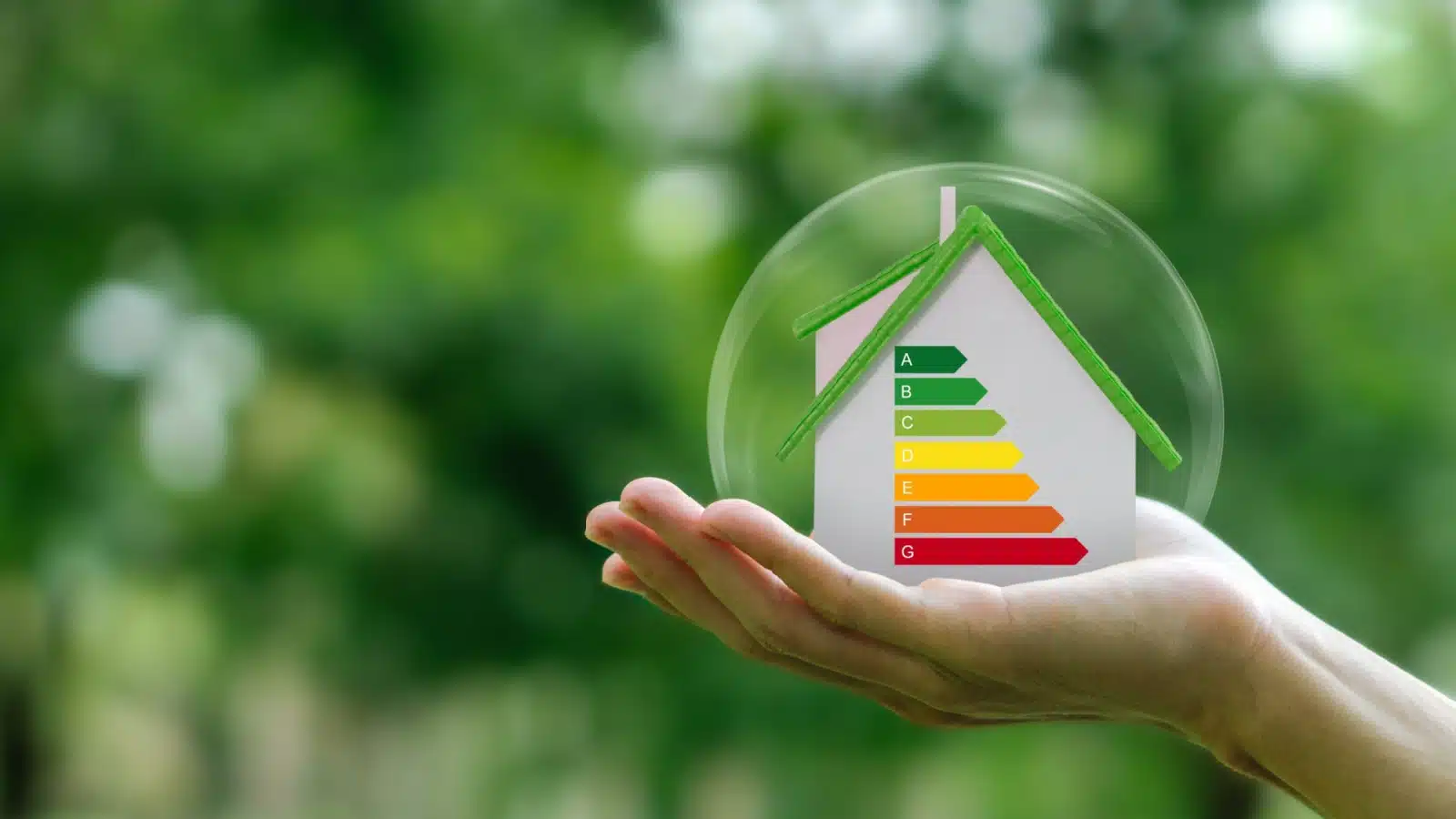
Modern technology makes saving money on living expenses a breeze. Most new appliances (and light bulbs!) are specifically designed to reduce energy costs.
But not all are.
When you need to buy a new dishwasher, fridge, or washing machine, keep energy efficiency in mind. Look for the Energy Star label.
As a bonus, you can feel good about reducing your carbon footprint a tiny bit!
Cut Cable
Most of us still pay exorbitant amounts for cable television and the internet. Save money by cutting that cable cord. I haven’t had cable in over a year, and honestly, I haven’t missed it.
Choose cheaper streaming services like Netflix or Hulu. You’ll find there’s more to watch at a far lower cost.
And Streaming

Prostock-studio via Shutterstock.com.
A lot of people cut cable to save money on living expenses, then subscribe to every streaming channel there is.
Why?
You can only watch one at a time, so why do you need seven different services?
Instead, pick one, watch everything you want on it, then cancel and pick another. Rotate every few months so you can always see what’s new.
Downsize

Do you really need a four-bedroom, two-bath house? Would you be fine with two bedrooms?
Housing is most people’s biggest expense – so if you don’t need that space, consider downsizing.
Of course, it’s not just space. If you bought before the exponential rise in housing prices, it might be better to stay, especially as we’re heading toward a downturn.
But it doesn’t hurt to explore your options. See how much you could sell for, and what a smaller house would cost.
Get a Roommate

If selling isn’t an option, consider renting your extra space to a roommate. I get it, sharing your living space isn’t ideal, but it’s one of the best ways to save money on living expenses, as you can split the costs of everything from housing to utilities.
Make sure you do your due diligence before letting someone you don’t know live with you. Do background checks and interviews to ensure it’s the right fit.
Alternative Housing

I don’t know how realistic this is, but since so many people are doing it, it’s worth mentioning.
A lot of folks are saving money on living expenses by exploring alternative ways to live. People are moving into tiny homes and vans. They’re exploring communes and RV parks.
If homes and apartments are too expensive, these options might be viable.
Save Money on Groceries

Food is a massive budget buster, and with inflation, it seems to get more and more expensive with each trip.
There are lots of ways to save money at the grocery store. You can clip coupons, compare prices per unit, use the store’s loyalty program, and choose generic offerings.
To save even more, challenge yourself with a reduced food budget. Consider how you’d survive if you only had twenty dollars for food. The thought experiment might help you realize how much money you waste on groceries each month.

Skip the Drinks

I know, we all love pop, juice, and sports drinks.
But they are as expensive as they are useless.
Stop buying them. Drink water instead. You’ll see a massive change in your grocery budget, and it’s better for your overall health, too.
Eat at Home

Eating at home is obviously much cheaper than dining out. When you have the time and energy, make food at home to save as much money as possible.
However, we all have very busy lives, and sometimes it’s easier to go out to grab a bite than to cook something and eat at home.
Mitigate this by allowing yourself some easy home meal options. Frozen pizza is far cheaper than delivery and just as easy. Premade skillet meals heat up in an instant, and frozen lasagna boxes are perfect for days when you don’t feel like cooking.
Check out our favorite simple dinner ideas that make cooking at home easy.
Bring Your Lunch

Yes, I know, every article in the history of financial journalism tells you to bring a sack lunch to work.
But it’s worth repeating because it really is one of the easiest ways to save money. Why waste your precious cash on $10 fast food meals when you can bring something from home for a fraction of the cost?
I spend about an hour every Sunday prepping all my lunch food for the week. I eat a healthy meal of fruits, veggies, and fiber every day for lunch, and it costs me less than $20 for the whole week.
If you want to make things even easier, bring a sandwich, chips, and some baby carrots.
Meal Prep

Speaking of making lunches, meal prep is one of the best ways to save money on living expenses.
First, it helps you make your weekly grocery list and avoid impulse buys. Second, it makes preparing meals during the busy week easy, so you don’t feel the need to stop for a burger on your way home.
Yes, it takes some time and planning on the weekend, but the effort pays off in money saved.
Cut Your Own Veggies

I know that baby carrots and pre-cut fruit are easy.
But you’re paying extra for convenience.
I bring veggies to work every day, but I cut them myself on Sunday. It doesn’t take that long, and the freshly cut ones taste better and last longer than pre-cut stuff.
And don’t get me started on how nasty baby carrots really are. Trust me – buy a bag of real carrots and cut them, then do a taste test. You won’t go back.
Food Banks

DC Studio via Shutterstock.com.
If you’re truly strapped, consider going to a food bank. Numerous charities offer food to households in need.
However, please don’t use a food bank if you can afford to buy your own groceries. Only use it if you absolutely can’t afford life.
Drink Water at the Restaurant

Sometimes we’re too tired to cook, and grabbing a bite elsewhere is the only option for feeding ourselves.
Unfortunately, enjoying a night out costs a lot of money.
An easy way to save money while still eating out is to drink water. Many restaurants charge $2-3 bucks for a soft drink, which adds up if you have a big group or eat out often.
Enjoy Adult Beverages at Home

It’s even worse if you order a beer while eating out. Servers always ask if they can get you anything at the bar, because that’s where they make the most money.
Of course, nobody needs alcohol to survive, so it’s not a basic living expense. But I won’t begrudge you a treat.
Even so, you’re better off grabbing a six-pack on your way home than ordering alcohol at a bar or restaurant.
A Lower Car Payment

The new national average car payment soared above $700 at the end of 2022. With cars getting more and more expensive and financiers extending the terms of loans for longer and longer, it’s getting hard to get by without a hefty car payment.
But there are some things that you can do.
Cars decline in value the second they leave the lot, so opting for a used car is a great way to save money.
However, good deals are getting harder and harder to come by, with the monthly payment for used cars reaching over $500 a month on average.
Keep That Old Car

Far too many people trade in their cars well before they’ve paid off the loan. The new loan then gets bundled into the old, and they’re trapped in a never-ending cycle of debt and underwater car payments.
Stop the cycle.
Stop getting a new car every 3-5 years. Take care of your vehicle, and keep it for as long as possible.
I’ve had my current vehicle since 2012, and it’s been paid off for about five years. I love it, and I’m going to take care of it and drive it until it can’t drive anymore.
There’s no need to get a new car when my current car is in excellent condition.
Not the Car You Want

The elephant in the room with massive car payments is something you probably don’t want to hear, but you must.
Car payments aren’t only going up due to inflation. The bigger culprit is that people are choosing expensive vehicles over affordable ones.
Look at the best-selling cars of 2025. Do you notice a trend? Three of the top five are expensive pickup trucks. The other two are mid-priced crossovers. The only affordable sedan in the top ten came in at number 9 – the trusty Toyota Camry.
And yes, sedans are more expensive than they once were. But a Camry’s starting MSRP is 10K less than an F150’s.
If you don’t need the expensive truck, don’t get it.
Shop for Insurance

I saved nearly $1000 this year by shopping for insurance.
Yes, it’s easier to just stick with your old company. But that’s how they get you.
Take time to review competitors. I saved about $800 on homeowners’ insurance and $50 a month on car insurance because I took the time to explore other companies. I also saved $30 a month on health insurance by switching.
Tweak Your Coverages

Raising your deductible is one of the easiest ways to save money on living expenses – if you can afford it.
If you have a hefty emergency fund, why not raise your auto deductible from $500 to $1000? You will save money every month, and in the worst-case scenario, you can still cover it.
You should also explore whether you’re spending money on other coverages you don’t need. For example, I was paying for separate vision insurance when my primary insurance covers vision. That didn’t make sense.
Saving Money on Living Expenses Essential

Backgroundy via Shutterstock.com.
Basic living expenses take up the bulk of our budgets, so it’s crucial that we cut costs on them however we can.
Not everyone can implement all these options, but most people can find one or two ways to save.
With rampant inflation, every little bit helps.
Reduce water usage by flushing the toilet less and installing water butts if you have a garden. Make notepads from old letters. Shop around each year for utility providers. Cook double and freeze half – saves cooking time and energy usage. Wear lots of jumpers when it’s cold instead of putting the heating on.
Just a few of the things we’ve done this year.
Thanks for all of the suggestions! I don’t even know what a water butt is – can you describe it? I do like to cook extra food, but I usually use the extras as lunch for the next few days so I don’t have to worry about making a sandwich. I used your suggestion of wearing extra layers in winter to save money on heating – it does help a ton!