

As inflation stretches budgets ever thinner, consumers must make tough choices.
Can they afford the new higher price? If so, is it worth it?
Inflation Makes Life Unaffordable

We’ve been tracking the cost of living since 2020.
Rampant inflation in recent years has made life unaffordable for most people. In 2026, we found that it costs, on average, $75,000 to live.
That’s insane, especially when you consider that the average salary is only $64,000. People can’t afford to live.
To get by, they’re stripping as much from their budgets as possible.
Things People Stopped Buying Due to Inflation
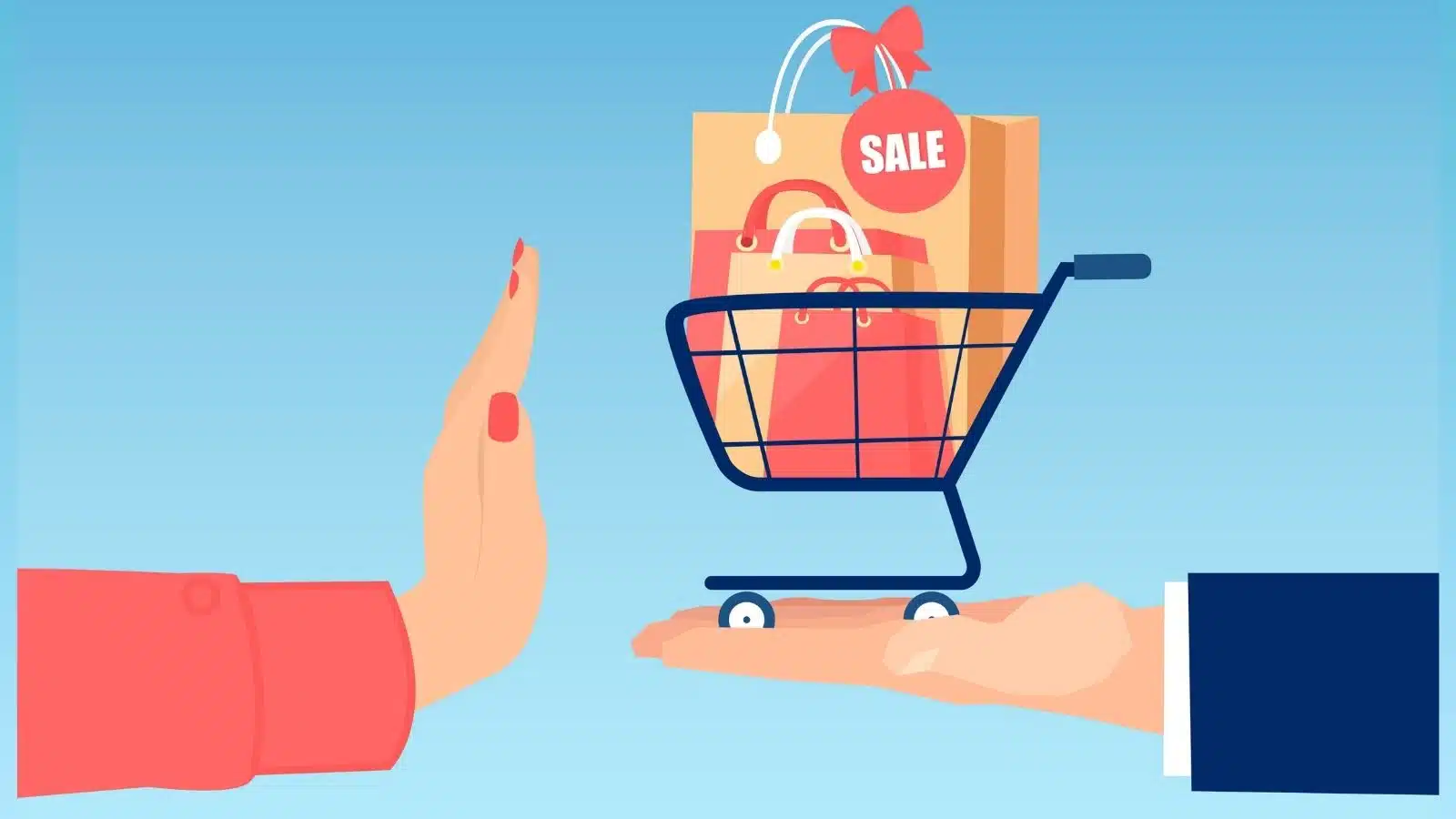
So what stays and what goes?
What have people stopped buying due to inflation?
And it’s not even just affordability. Even when shoppers can afford it, the price increase makes them think twice before putting it in their carts.
Is that bag of chips really worth an entire hour’s pay?
Nope.
So here’s everything people stopped buying due to inflation, either because they simply can’t afford it, or they’ve decided the item isn’t worth the price anymore.
Fast Food

People once flocked to fast food restaurants for cheap, easy meals.
They had stellar dollar menus offering tons of food for great value.
But most fast food staples slowly changed their dollar menus to “value menus,” offering less and less for more money.
A trip to McDonald’s or Burger King used to be $15 bucks, but now it’s nearly half that.
Neither the food nor the service improved to match the hefty price tag.
We can eat a better meal at a casual restaurant for the same price, so nasty fast food no longer has any value.
Streaming Services

Everyone ditched cable for Netflix and Hulu, but as each network developed its own streaming service and decided to charge for it, people who want to watch all the channels are now paying just as much as they used to with cable.
And then the streaming companies made things worse.
They started adding ads to even their “ad-free” and “premium” offerings. Many of us have dropped most of our streaming services or started rotating through them rather than keeping them all.
Pop
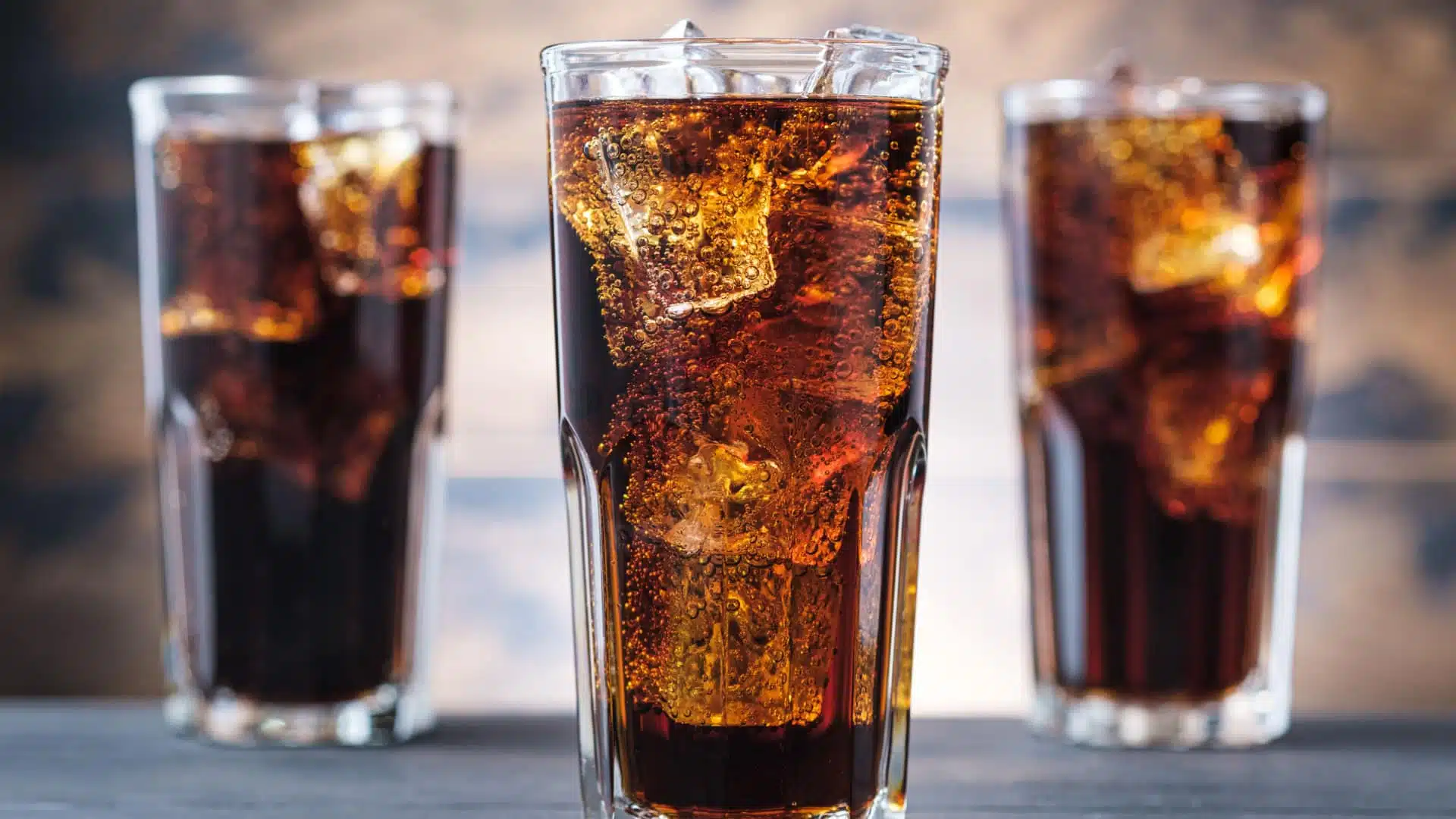
A dollar a bottle is fine for the tasty, refreshing carbonated beverage, but now, many places charge nearly a dollar for a smaller can.
Some vending machines even ask over $2 for a bottle! It’s good, but not that good.
It’s even too expensive at the grocery store. No one wants to pay over $10 for a 12-pack of sugary soda.
On the plus side, it’s probably better for our health.
Homes

Inflation and rising interest rates have changed the housing market. A lot of potential homeowners decided they can’t afford to buy.
However, homeowners aren’t lowering their list prices (many bought during the peak, and can’t afford to sell at a loss).
The stalemate prevents new buyers from entering the market and pushes the American Dream further out of reach for many young families.
Nights Out

We used to leave the house for entertainment. We’d go bowling with friends, catch a movie, or visit the local watering hole.
All that is way too expensive now.
Inflation has impacted all the cheap, fun activities in town. Movie tickets are insane, and the cost to rent a bowling lane for a few hours is too much for most families.
We’re all staying home more.
Concert Tickets

Long gone are the days when you could see a favorite band for fifty bucks.
Now, tickets retail for over $100, but after the outrageous fees and cost of parking, people pay upwards of $200 for one night out.
We can’t afford that.
The high cost puts concerts out of reach for many Americans. The fun “once-in-a-while” activity is now a “probably not.”
Coffee

Finance gurus constantly blame coffee for people’s money woes, but with the rising prices, they kind of have a point.
A Starbucks drink used to be under five bucks; now it’s closer to $7.
While splurging on a fancy drink once a week won’t lead to financial ruin, many people no longer think it’s worth it.
I agree. I used to visit Starbucks occasionally, but I haven’t been in months, if not a year. Instead, I go to local coffee shops or the Capital One Cafe, which gives me 50% off all drinks if I use my card. (I promise I don’t work for them).
Chicken Wings

Thirty-cent wing nights are a thing of the past. Chicken wings used to be a cheap staple, but now they’re popular, so everyone charges too much for them.
I went to a local wings franchise a few weeks ago and paid nearly $50 for about 25 wings (and fries).
I’m not going back.
College

A college degree used to all but guarantee a successful career.
Not anymore.
All it guarantees now is a lifetime of indentured servitude as you struggle to pay off the loans you took out to get it.
The average cost of college is nearly $40,000 per year (including books, fees, tuition, and living expenses), meaning you’ll pay close to $160,000 for a four-year degree.
That’s out of reach for millions of people, even with loans.
Cereal

The breakfast staple costs too much for most families. Parents who used to feed their kids cereal for two bucks a week now pay over $7 a box, and with shrinkflation, it doesn’t even last the week.
Why pay six bucks a box for cereal when you can eat healthier fruits and oatmeal for just as much?
Cereal is too expensive to remain a beloved breakfast staple.
Chips

Salty snacks used to be cheap treats. Now, name-brand chips cost over five dollars at convenience stores, making shoppers think twice before indulging.
And I’m sorry, but the store brand just isn’t the same.
But, like with pop, there’s a silver lining. It’s probably better for our health if we put them back.
New Cars

The average car payment climbed over $700 for the first time in history, but people don’t save much money buying used. Long gone are the days when you could find a reliable car for under $5000.
The rising costs are forcing people to keep their cars longer and find alternative means of transportation.
Mani/Pedis

When prices rise, people stop buying luxury items and services.
While many love feeling pampered with a mani/pedi, it’s one of the first things to go.
I feel like this is probably a recession indicator.
Meat

Beef prices are soaring, and consumers are noticing. Although some are swapping the beef for chicken or turkey, a lot of people are cutting it out altogether, opting instead for alternative proteins like lentils and beans.
Even cheaper cuts, like flank, chunk, and strip, that are only good for soups and stews, are too expensive for average families.
Meals

Some are stretched so thin that they’ve cut out essential meals. Some skip breakfast, while others skip lunch to save money on food.
About 36% of families have skipped meals for economic reasons due to rising food costs.
That’s insanity. The richest country in the world should not have ⅓ of it’s population skipping meals because they can’t afford to eat.
Dental Work

Anything associated with health care has always been overpriced, but dental work is getting so expensive that people opt to live with excruciating mouth pain rather than pay for care.
Many don’t have a choice, as they simply can’t afford to get the care they need.
Home Improvements

Inflation is driving the price of home repairs through the roof.
Those considering a big remodeling project may want to wait until prices decrease.
We will also likely see an increase in dilapidated homes as people can’t afford to fix problems. I have a friend who had a leaky roof for three years. Homeowners insurance refused to fix it, and he couldn’t afford the $20k for contractors.
Dining Out

When you can barely afford to eat, you cut out on non-essential food like dining at restaurants. People who can afford restaurants even opt out because the price is too high for what you get.
Why spend $100 for subpar food when you can make something that tastes better at home for half the cost?
Travel

People can barely afford to live, so they’re cutting non-essential travel.
Rising costs for airfare and hotels make it less attractive for even those who can afford it.
I think we’re going to see a massive rise in staycations once again, but that’s not the worst thing ever. There are tons of fun things to do during a staycation!
Airbnb

Airbnb used to be a trendy alternative to hotels. Hosts got greedy with all their hidden fees, so everyone’s flocking back to hotels.
I fear the rejection of Airbnb will cause another problem as well. Airbnb investors gobbled up tons of properties in trendy cities. They’ll need to offload these when the bookings stop.
What will that do to the housing market?
Kids

Inflation makes every aspect of childrearing more expensive, pushing an already costly endeavor out of reach for many would-be families.
A lot of people would love to have children, but they can’t afford it. Our research found that it costs nearly $440,000 to raise a child from infancy to age 18 – and that doesn’t even include college!
As political pundits scratch their heads and panic about falling birth rates, they ignore the biggest problem: it costs too much.
Delivery

Pizza places used to offer free delivery with their low-cost pizzas. You’d tip your driver a five spot and enjoy a delicious pizza for less than twenty dollars.
Now, most companies charge outrageous delivery fees that don’t even go to the driver, and anyone who does delivery expects a 20-25% tip.
Many consumers realize they’re better off making the trip themselves – if they can even afford the pizza in the first place.
But it’s not just pizza. The rise in services like DoorDash and Uber Eats makes delivery more accessible for nearly any food you’d ever want. But it will cost you.
I’ve started picking it up myself.
Video Games

Even the quintessential stay-at-home hobby is too expensive.
People can no longer afford a $70 game and instead play hand-me-downs from family or buy used games online.
Medical Care

The outrageous cost of healthcare has always been problematic, but the price keeps going up.
People forego health insurance and preventative care because they can’t afford it, making society as a whole sicker.
Everything

Inflation is affecting everything. Far too many Americans are cutting all non-essential spending because they can’t afford to live. They’re skipping meals and bargain-hunting on essentials like groceries and housing.
The situation is untenable.
What Can We Do?

If history taught us anything, it’s that prices typically don’t go back down (and if they do – that’s a sign of an even bigger problem!)
The biggest problem isn’t inflation itself – it’s the fact that this time, the inflation was manufactured (tariffs and an unnecessary war), coupled with stagnant wages.
We could reduce inflation by removing the tariffs and ending the war, but that wouldn’t solve everything.
A better solution is creating a government that works for normal people. The American Government should be by the people, of the people, and for the people, and we need to vote to ensure it stays that way. Support policies like universal healthcare, minimum wage increases, workers’ rights, and corporate tax reform.
The solution is within our reach; we can’t let it slip from our grasp.