

“He who fails to plan, plans to fail.”
You’ve got goals. But if you actually want to achieve those goals, you need an action plan.
Don’t worry – creating an action plan doesn’t have to be hard, especially with a certified life coach helping you out.
Discover why you need an action plan and how to make one for any goal.
What’s an Action Plan?

An action plan serves as a clear, practical outline of the exact steps you will take to achieve your goal. It includes all the tasks you need to accomplish, along with due dates and methods for measuring progress.
In short, it’s a detailed plan focused on how you will achieve your goal.
Plan vs. Action Plan

A lot of people use plan and “action plan” interchangeably, but the slight differences are vital to creating yours.
A plan is the big picture, defining what you’re going to do, whereas the action plan outlines the details of how you will do it.
The plan provides the direction you want to go in, like a roadmap, while your action plan gives you the details needed to drive forward.
For example, let’s say you have a goal to lose 20lbs. To achieve that goal, you plan to eat a healthier diet and work out three days a week.
Your action plan will outline what exactly you will eat, and when/where/ and how you will work out.
How to Create an Action Plan

Now to the nitty-gritty. How do you transform your plan into an action plan to achieve the desired goal?
Easy. Follow these straightforward steps (your action plan for creating an action plan, if you will).
Step 1: Define Your Goal

You can’t create an action plan if you don’t know what you’re striving for. You need a well-defined goal before you start.
Use the SMART goal framework to set a goal that’s specific, measurable, attainable, relevant, and time-based.
Step 2: Outline Your Plan

Our first draft will be a broad outline of how you will achieve your goal. Here, you’ll consider the big steps and milestones along the way.
Think of this step like outlining the plot in a story. You don’t have all the details, but you’re drafting up a rough idea of the major stops along the way to your climax.
Step 3: Identify Smaller Objectives

Now you’re going to dig a little deeper into those plot points you developed in your outline.
Those stops you identified probably relate to smaller objectives you need complete in order to accomplish your main goal.
Define them.
Step 4: List Specific Actions
You achieve the smaller objectives by taking action. Step 4 is the bread and butter of your action plan, because here’s where you list the specific tasks you must complete to achieve your objectives.
Get as specific as possible.
- Work 5 hours overtime this week
- Put $100 per paycheck into savings
- Practice for 2 hours per day
- Post 5 pictures per week to Instagram
- Write for 10 hours a week
- Try 2 new hobbies per month
- Throw away all the junk food in the house
- Eat salad for lunch three times a week
Each of these examples is a specific action you will take that will bring you closer to your goal. List yours.
Step 5: Set Priorities
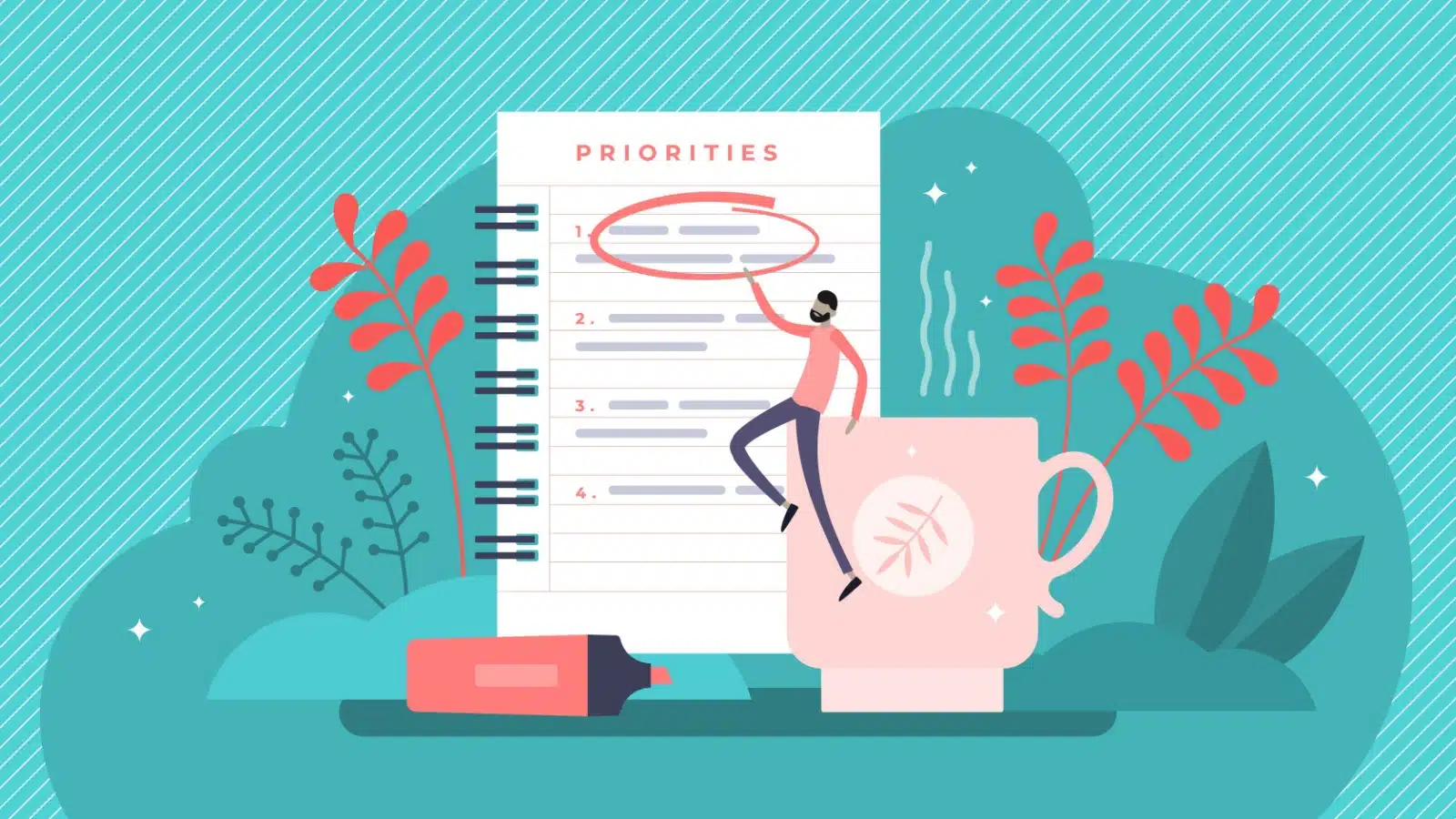
You might find that you don’t have time to do everything all at once.
That’s okay.
In step 5, we look at all those actions in step 4 and determine which is most crucial to success.
Decide which actions need to be completed before you can do anything else. Figure out what’s most important. Now you have a better idea of what to work on first.
Step 6: Set Deadlines

Do you remember the “T” in SMART goals? It stands for Time-based. We need deadlines to achieve goals. Without them, we’ll always find excuses to do it “later.”
Set deadlines for each of your actions. Give yourself due dates and timeframes.
Step 7: Identify Tools, Resources, and Support

“It’s dangerous to go alone. Take this.”
The Legend of Zelda taught us we don’t have to go at it alone. Identifying your tools, resources, and support system is a vital part of your action plan.
Is there someone in your network who’s done what you want to do? Add them as a resource. Can you lean on your family and friends for help? What other tools do you have at your disposal?
Step 8: Anticipate Challenges and Obstacles

The best laid plans of mice and men often go awry. Things will go wrong. The stars will go out of alignment, and you’ll make mistakes.
It happens.
But you can mitigate disaster by planning ahead. Identify the obstacles and challenges before they arise, and think about how you’ll handle them.
Of course, you can never account for everything, but the more you account for, the easier it will be to change course when something goes wrong.
Step 9: Track Progress
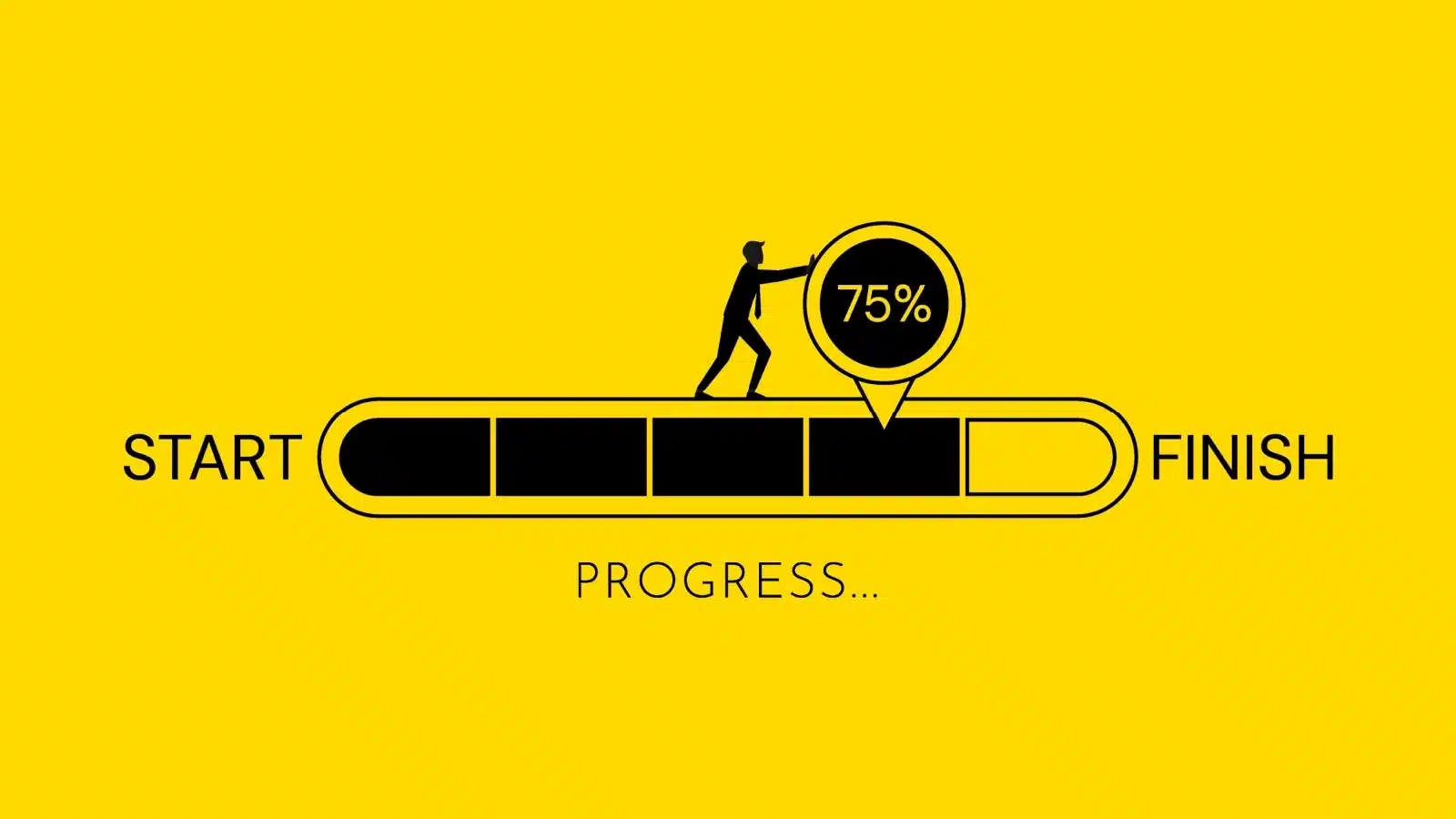
An action plan doesn’t just tell you what to do; it also tells you how you’re doing.
Incorporate checklists into your plan to mark things off your list. Have quarterly check-ins with yourself to see if you’re on track.
Step 10: Make Adjustments

Andrii Yalanskyi via Shutterstock.com.
Your action plan is a living document. As you’re working toward your goal, you may discover new information that helps or hinders, or that you aren’t making progress as quickly as you hoped.
Don’t despair. Simply adjust your plan.
Need Help? Use a Template
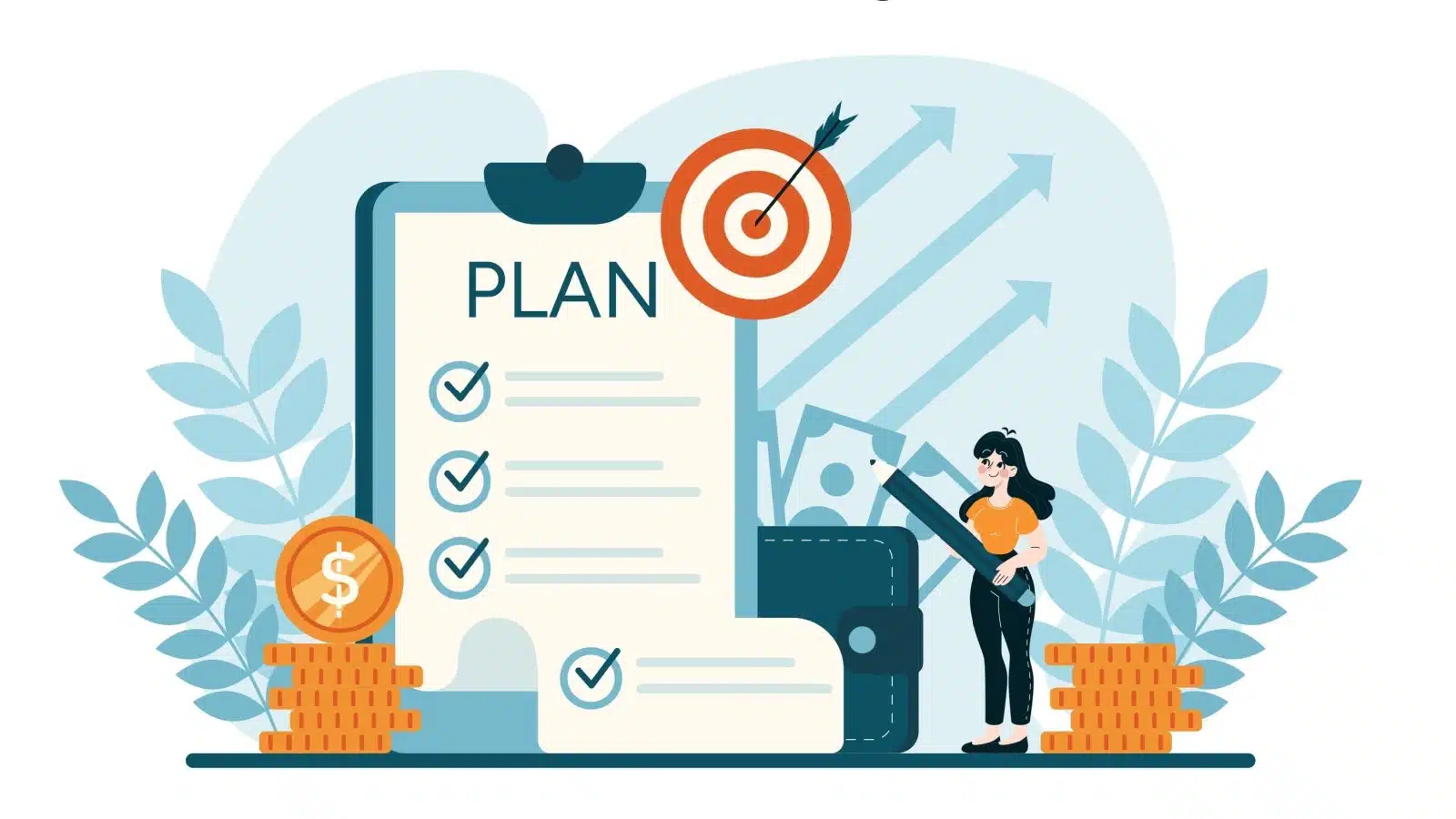
Developing an action plan seems overwhelming, but you don’t have to do it all on your own. The internet abounds with fantastic action plan templates to help you craft a plan that works for you.
But ours is the best.
We developed 17 pages of planning templates to fit your unique goals. Our printable action plan template bundle includes a big picture goals worksheet, a long-term goal planner, a detailed 3-page action plan template, and four simple one-page action plan templates so you can choose the one that best fits your needs.
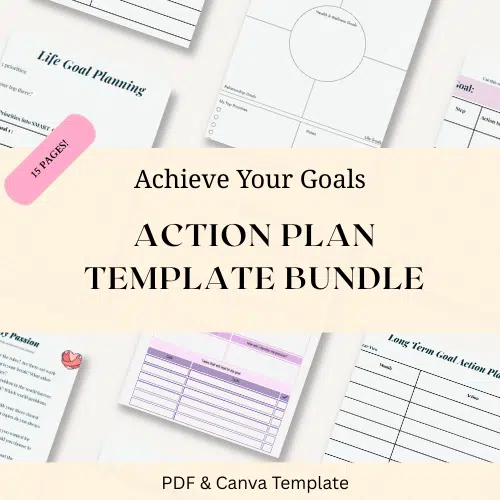
Find it at our store or on our Etsy shop (for just a tiny bit more).
Start Achieving Your Goals Today

If you’ve struggled to accomplish your goals, an action plan might be the missing piece. Make one, and see if it puts you on track to achieve everything you’ve always wanted.