

Everyone’s talking about the mental load.
As the media shines a light on unfair gender roles, women around the country are starting to understand how much work they do that isn’t seen or appreciated.
Unfortunately, most outlets focus on mental labor, ignoring the harder, more difficult-to-spot portion of the mental load: emotional labor.
What is Emotional Labor?
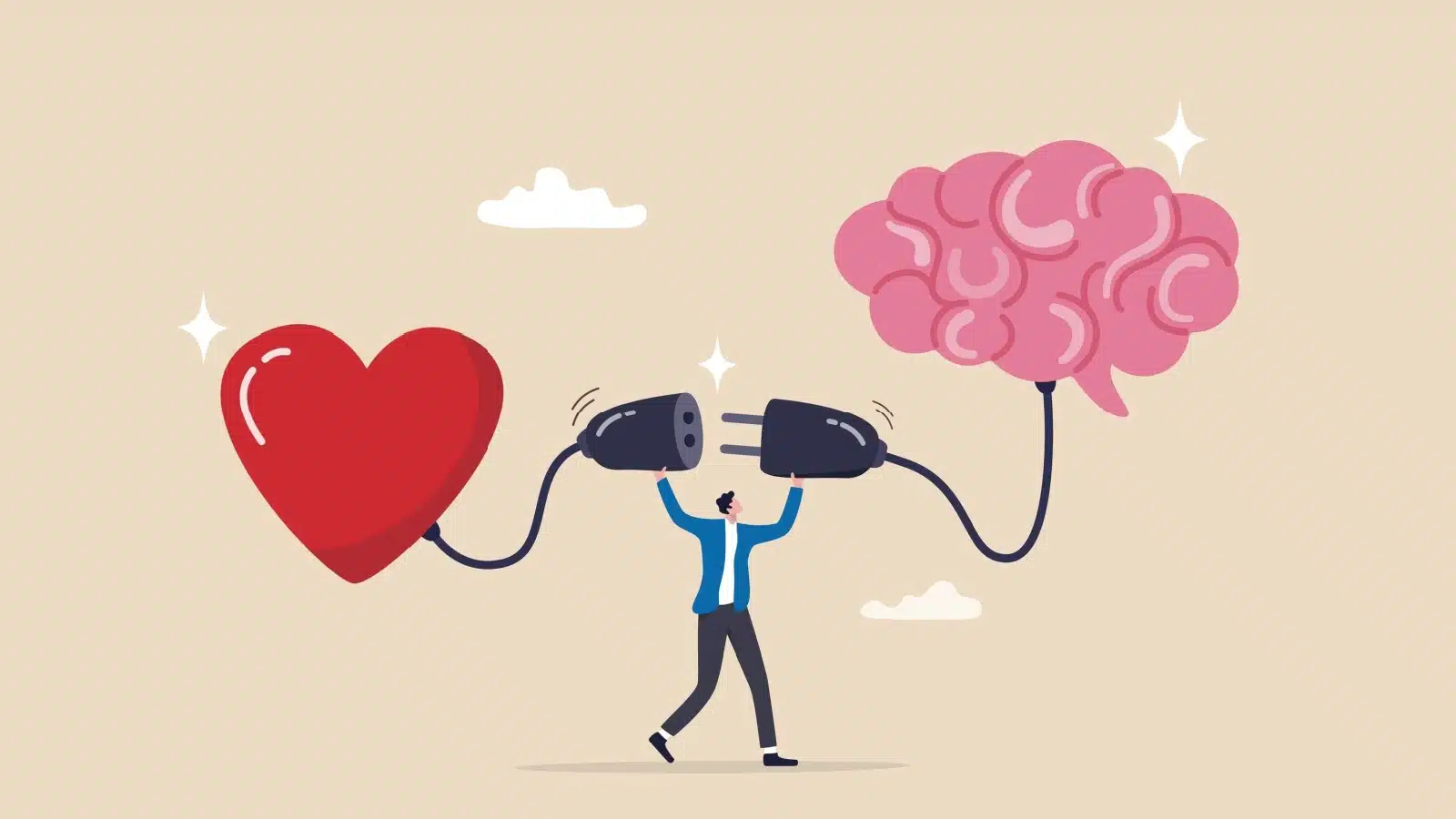
Emotional labor is any work that involves feelings.
The broad definition might not make a lot of sense at first glance, as nearly everything we do involves some type of feeling.
What makes emotional labor “work” rather than just being a normal human being?
All humans have feelings, and all of us need to manage them. It becomes emotional labor when we’re expected to manage other people’s feelings.
Examples of Emotional Labor

Studio Romantic via Shutterstock.com.
Emotional labor is so hard to define because it is tough to see, and we never talk about it. But we (especially women) do it all the time.
These examples of emotional labor can help you get a sense of what it entails.
Helping Children Manage Emotions

Emotional labor is a major part of childcare. Part of parenthood is helping your children understand and navigate all the complex emotions they’re feeling – and it’s also the easiest example of emotional labor to define.
As a parent, you should be there for your child when they experience ups (good grades, recognition, a first date!) and downs (a failure, rejection, something didn’t go their way). It’s your job to help them manage these emotions (don’t gloat after a win, show good sportsmanship, brush off rejection, learn perseverance).
All of this is part of the challenging work that is parenting, but it’s not the only place you’re performing emotional labor.
Calming the Boss Down

Imagine walking into the boss’s office right after he finished a rough meeting. The tension lingers in the air, and you know it didn’t go well.
You could walk out and talk to him later, or you could help him calm down.
When you choose the latter, you’re doing emotional labor. You’re helping him work through his anger so he’s ready to tackle whatever challenge you were bringing him.
I bet if you think about it, you’d see that you do a ton of emotional labor at work to maintain positive relationships with clients and colleagues.
It’s exhausting to smile all day, but you do it to keep your customers happy, right?
Keeping Your Partner Happy

Speaking of keeping people happy, a lot of people perform emotional labor at home to maintain a positive atmosphere.
Have you ever had a tough day at work, but buried it the second you got home, plastering a smile on your face so as not to bother your spouse with your problems? Have you ever pretended everything was okay when it wasn’t because you didn’t want to deal with a negative reaction?
You’re doing emotional labor to keep your partner happy.
Emotional Labor and Abuse

Yta23 via Shutterstock.com.
I think it is worth mentioning that many women do emotional labor in abusive relationships to keep the peace and prevent backlash, but that’s not really what I mean by keeping your partner happy.
A good partner (of either gender) should perform emotional labor to keep their significant other happy for the simple fact that you want them to be happy or don’t want to stress them out about something that you know, in the grand scheme of things, isn’t a big deal.
In an abusive relationship, you’re performing the emotional labor because you’re afraid of the way they will react if you don’t.
It’s all emotional labor, but the reason you do it makes a massive difference.
Ensuring Everyone Has a Good Time

The labor of hosting a party doesn’t end when the party starts. Of course, you need to serve your guests, remember the napkins, cut the cake, and keep track of what’s being used, but there’s also a lot of emotional work involved.
You need to make sure your guests are having fun.
Sure, you could set up a karaoke machine or party game and not think about it, but a good host talks with their guests. A good host notices the wallflowers and includes them in the festivities, pays attention to hints of arguments, quelling them before they get out of hand, and spreads joy to everyone invited.
It’s a lot of work that nobody appreciates – unless it isn’t getting done.
Listening to Trauma Dumping

Have you ever asked someone how their day was, only for them to respond with their life story? And usually, the life story isn’t an exciting tale of globe-trotting adventure; no, it’s a drama fest filled with misery and despair.
For some reason, they thought they’d share their lifetime of pain and suffering with you, and they expect you to make it better somehow.
Though that’s an exaggerated example, listening to other people’s problems is a form of emotional labor, even if all we can offer is empathy.
Mental Labor vs Emotional Labor

mentalmind via Shutterstock.com.
Nearly every article I read about the mental load lumps emotional labor in with mental labor. They’ll call remembering appointments and keeping a mental note of your grocery list “emotional labor” or “mental labor” interchangeably.
Though they each contribute to the mental load, they are not the same thing.
And it’s critical that we make a distinction, because without defining emotional labor and understanding that what they are doing is actually exhausting work, women will continue to bear the brunt of it without understanding why they’re burnt out all the time.
Why Emotional Labor Impacts Women More

There are tons of think pieces examining why mental labor affects women more than men. The consensus is that gender roles ingrained from birth make women the primary parent and household manager.
Although it’s not as well researched (because, like we said, emotional labor is often used interchangeably with mental labor despite the massive differences), I believe the same social causes are at the heart of the disparity.
Women are raised and expected to both understand and manage emotions in ways men are not.
Understanding Emotions
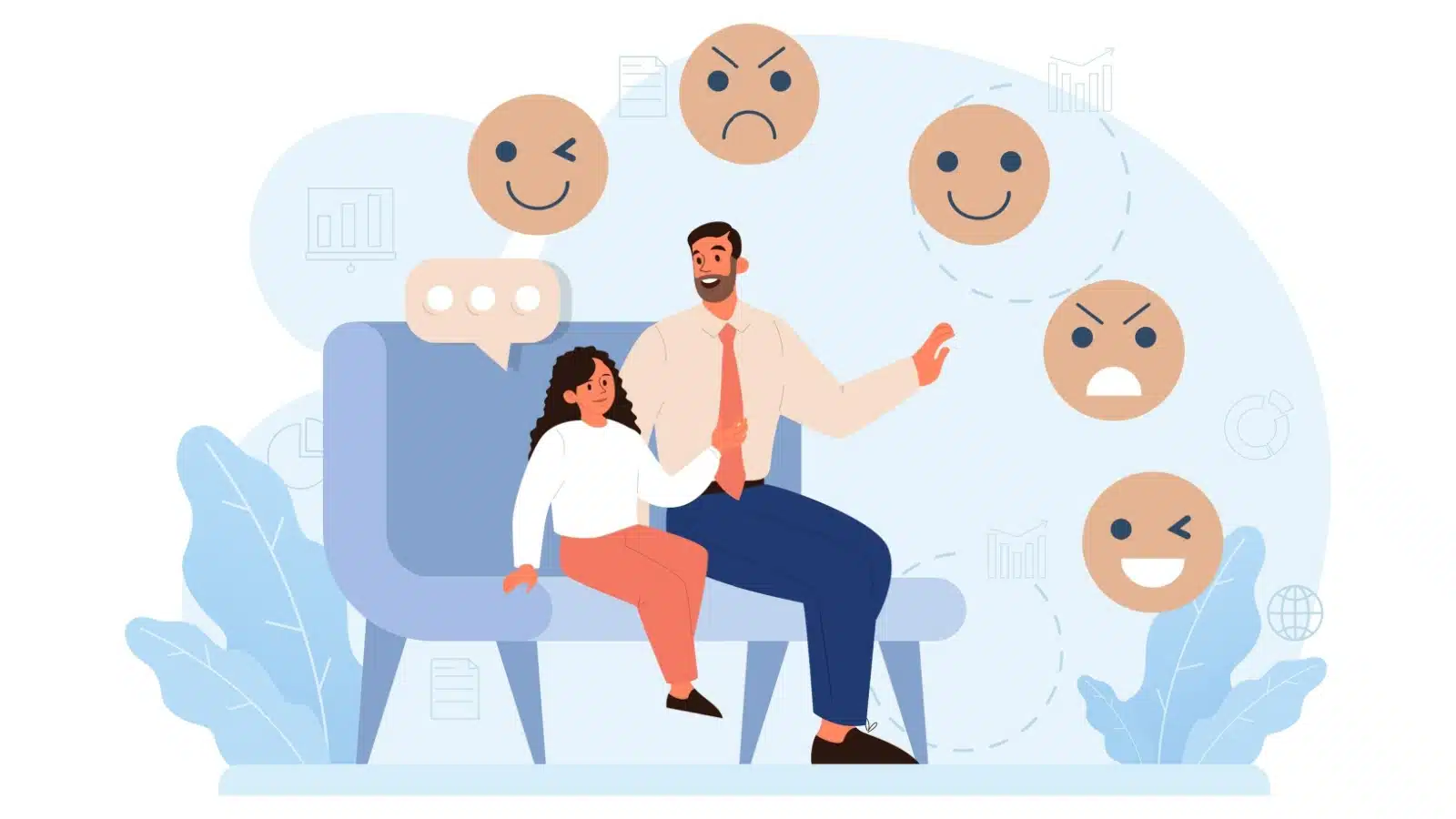
The first crucial step to emotional labor is knowing how to identify emotions. As children, women are allowed and even encouraged to experience the full breadth of human emotions, but men are not.
Little boys are told to “man up” and that “boys don’t cry.” They’re taught to bottle up their emotions rather than feel them.
If they’re not allowed to experience emotions, how are they ever supposed to understand how they’re feeling or why they’re feeling that way?
They’re disadvantaged from birth.
Managing Emotions
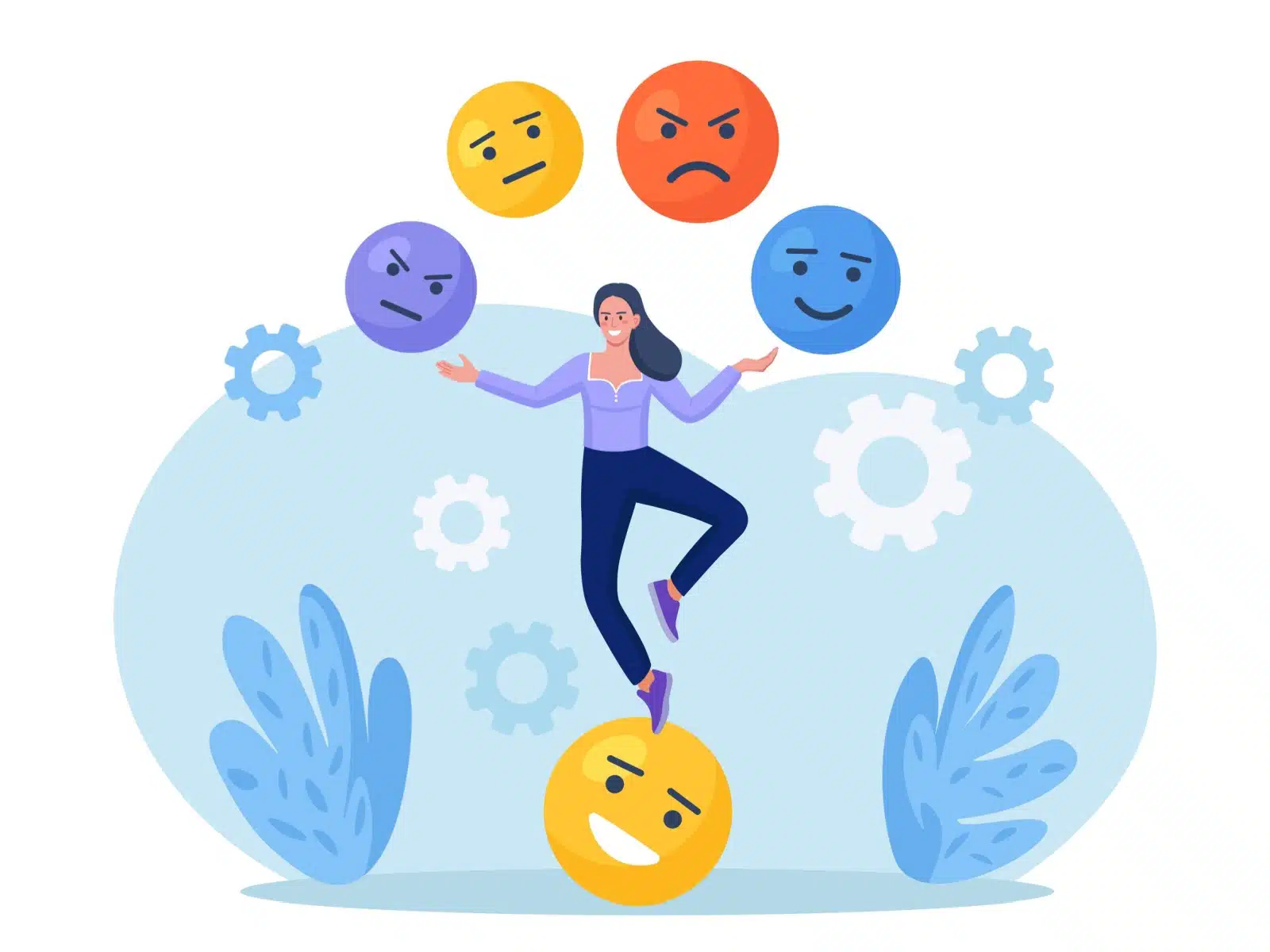
If men can’t even identify their own emotions, how can they be expected to manage them (or manage someone else’s)?
The disparity in how we raise our children leads to men who can’t handle sadness, anger, or rejection. They throw massive fits in public, punch walls at work, and scream when any little thing goes wrong, expecting everyone else around them to make it better.
Women then step up to calm them down, doing the emotional labor of managing their emotions for them.
How to Ease the Burden

Emotional labor would be easier for everyone if society allowed everyone to have feelings. Unfortunately, it will take a massive paradigm change to get everyone to raise their little boys with the same emotional intelligence we teach our little girls.
That doesn’t mean it can’t happen. Parents should start teaching their boys the same social skills they teach their girls. They should teach boys how to identify and manage emotions from early childhood.
While waiting for society to catch up, women can continue speaking out about emotional labor. Recognizing and naming the problem works wonders toward resolving it. It’s only through this type of conversation that we’ve even started discussing inequality in mental labor, and we can do the same thing with emotional labor.
Emotional Labor is Work

Emotional labor is real work – it’s draining and exhausting, and it leads to burnout.
Hopefully, the more we talk about it, the more society will see how challenging it can be, especially when half the population refuses to engage.
If we all did the work, it would greatly alleviate the burden.