

Our story is complete!
We’ve reached the epic conclusion to our captivating plot, and all that’s left is a stellar ending.
Stories don’t just end abruptly, though.
Readers need wind-down time after the climax to feel closure and ease out of the story. They need falling action, that space between the climax and conclusion, allowing them to let out their bated breath and enjoy the ending.
What is Falling Action?
Falling action is an essential part of a story. It’s the transition piece, guiding readers from the climax into the resolution.
The falling action often resolves minor plot points and offers a slow release of tension as a story wraps up. It invites closure, readying readers for the ending.
Examples of Falling Action

*Warning: Spoilers ahead for popular films from the original Star Wars Trilogy, The Lord of the Rings, The Lion King, and the Indiana Jones Trilogy
Every great story has falling action.
In The Lord of the Rings, the eagles rescue Frodo and Sam from the pit of Mt. Doom, bringing them to Gondor, where they watch Aragon’s coronation and then journey back to the Shire.
In Return of the Jedi, Luke holds a funeral for his father, then reunites with his friends on Endor after the Death Star and Emperor meet their ultimate demise.
Falling action sees Simba ascend Pride Rock, Romeo and Juliet’s parents discover the star-struck lovers, and the heroes escape the alien mothership in Independence Day.
Falling Action Relieves Tension
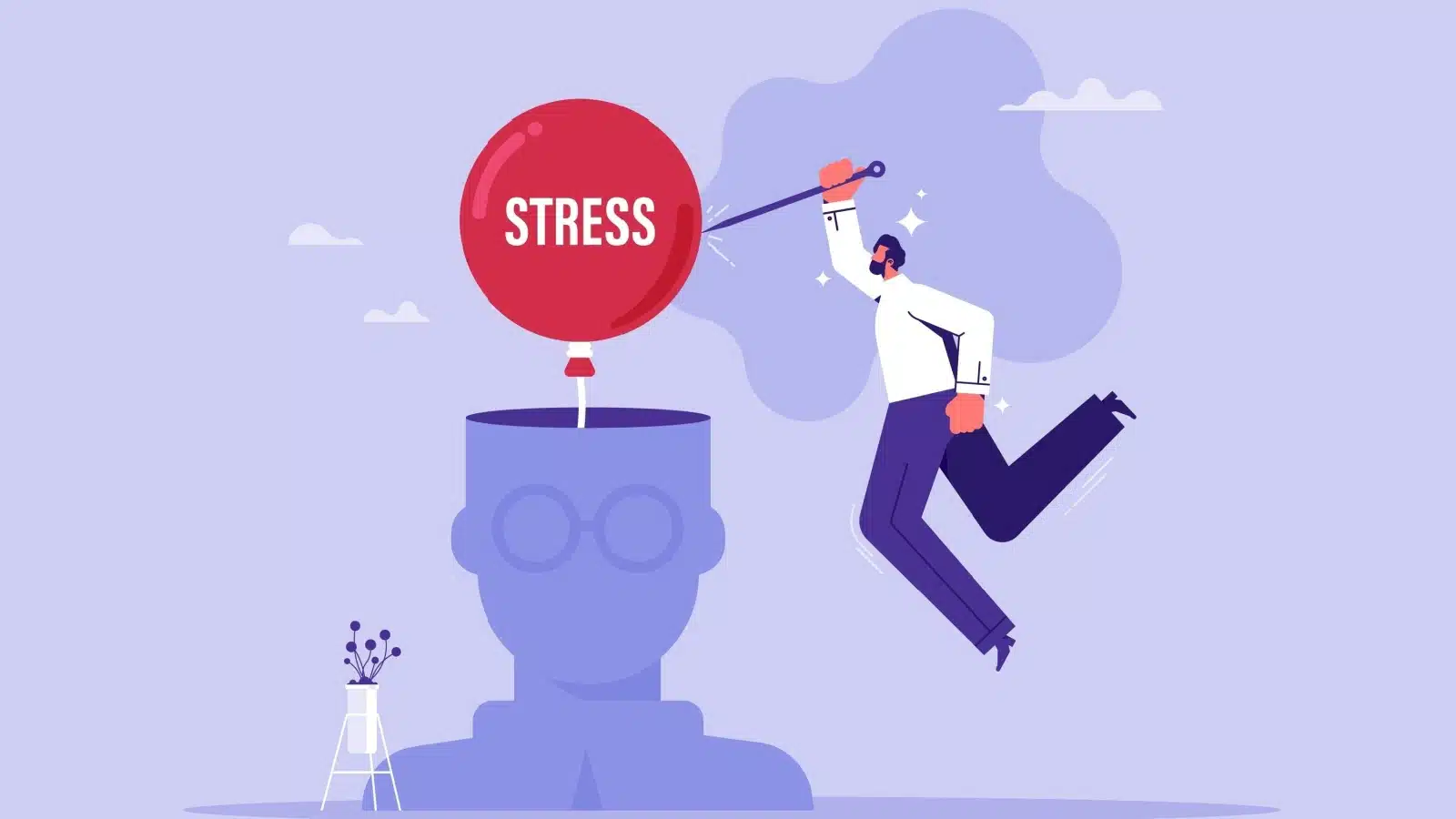
A story is a slow build-up of suspense, culminating in a pivotal moment that lights a match, igniting a massive explosion.
But that explosive moment can’t resolve all the tension. There’s usually a little left over, which needs to trickle off to allow audiences to process the climax and prepare for the story’s resolution.
A story’s falling action is essential for relieving that pent-up energy.
Falling Action Versus Resolution

Some stories jump swiftly from the climax to the resolution, making it difficult to parse out the falling action. The Indiana Jones movies are great examples.
Raiders of the Lost Ark moves swiftly from the climactic ark opening scene to the ending, where the ark gets locked away in a government warehouse. Temple of Doom sees Indy defeat the Thuggee clan, but he’s immediately transported to the small village where he learns to respect their culture and kisses Willie before heading to Delhi. After the Temple in the Valley of the Crescent Moon crumbles in The Last Crusade, Indy and the team ride off into the sunset as the credits roll.
However, although the falling action in these films is short and somewhat implied rather than overtly delivered to the audience via exposition, it does exist.
Indy and Marion arrive safely back to the States with the Ark in tow, and Indy receives a hefty paycheck from the defense department for his work. The village children reunite with their parents. Indy shares a special moment with the remaining knight while his team escapes the pending collapse and breathes a sigh of relief outside, ready to start their journey home.
Think of the resolution as the very end of the story and the falling action as everything leading up to it.
How To Write a Great Falling Action Sequence

Falling action is essential to a great story because of the vital tension release it offers.
The climax left everyone on the edge of their seats, hyped up from the final showdown.
Falling action’s primary role is easing the tension from the climax to prepare audiences for the story’s end. But there are potentially two components to the climax – the action sequence and the emotional climax (though some stories only have one or the other).
A secondary purpose is to tie up any loose ends and dangling plot points.
Here’s how to do all three.
Easing Tension from the Action

To ease the tension from the action portion of the climax, you must allow your characters to wind down. The climax in Return of the Jedi sees the Death Star’s destruction, but we cannot abruptly end a story after the bad guys are defeated.
The falling action brings our heroes to the rendezvous point on Endor. They celebrate with the Ewoks in a massive party, blowing off steam from the final battle. The reimaged editions released in the 90s took it further, showcasing celebrations held across the galaxy after the emperor’s defeat.
The celebrations allow viewers to relieve the tension they did not even know they were carrying along with the heroes.
Easing Tension from the Emotional Climax

In most stories, the emotional climax is even more crucial than the plot climax, and the falling action helps relieve any lingering tension the characters hold. It is an essential part of character development, showcasing the character’s growth throughout the story.
The emotional climax of Indiana Jones and the Last Crusade comes when Indy finally realizes how much his father cares about him. The rising action cleverly builds tension between father and son, allowing the audience to feel Indy’s emotions. He always came second to his father’s ultimate quest for the grail.
The epic climax sees Indy dangling over a bottomless pit as Henry catches his hand in a desperate attempt to prevent him from plummeting to his doom. The grail sits on a ledge, just out of reach. Henry’s grasp begins to slip as Indiana attempts to reach the grail. He begs his son to let the grail go, using his preferred name, “Indiana,” for the first time in the film.
At this moment, Indy realizes his father cares more about him than the quest. He lets the grail go, giving Henry his other hand, allowing him to pull Indy to safety, even as the grail is lost forever.
In the brief falling action outside the temple, the audience can see the changed relationship between Indy and his father. The tension between the pair melted away, which helps the audience relieve their own tension about the father-son relationship.
The falling action complements the climax, showcasing that it was not just a brief moment but a shift in their overall relationship. It confirms the character development showcased in the climax.
Tying Up Loose Ends

The final step to writing a fantastic falling action sequence is tying up any of the loose ends created during the story.
Look at minor plot points sprinkled throughout the tale and ensure each has a satisfying conclusion.
Many small plot points were unresolved after The Lord of the Rings climax. The hobbits needed to get home, Gondor was still without a king, and the elves needed to make their journey across the sea.
Falling action provides an opportunity to close these loops, giving audiences a sense of completion at the resolution.
Other Key Plot Elements
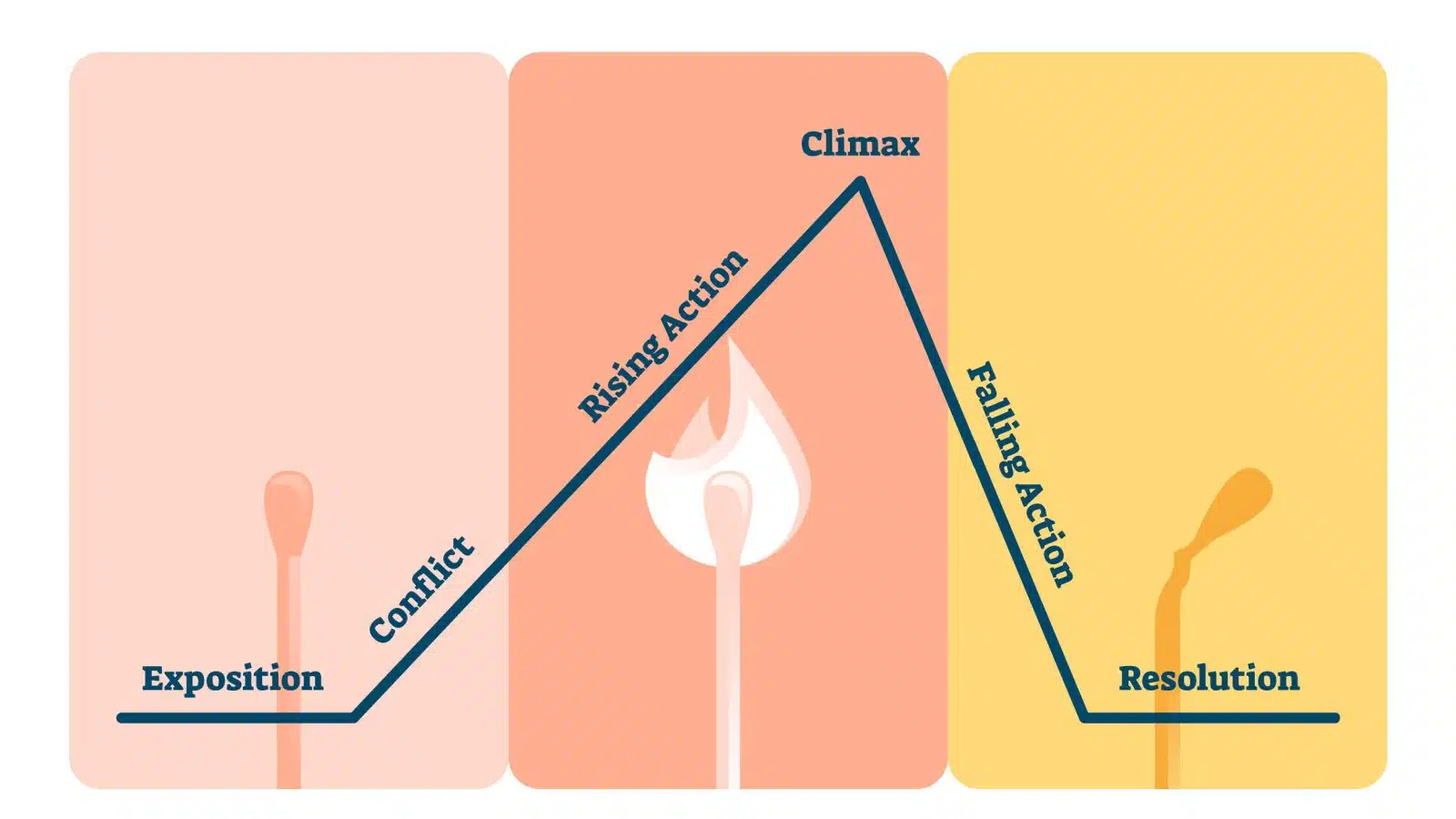
Falling action is only one of the essential plot elements needed for an epic story.
There are five total plot elements (exposition, rising action, climax, falling action, and resolution), and each must work together to weave your tale.
Exposition

The exposition sets the stage. It introduces you to the characters, highlights the setting, and preps you for the journey.
Rising Action
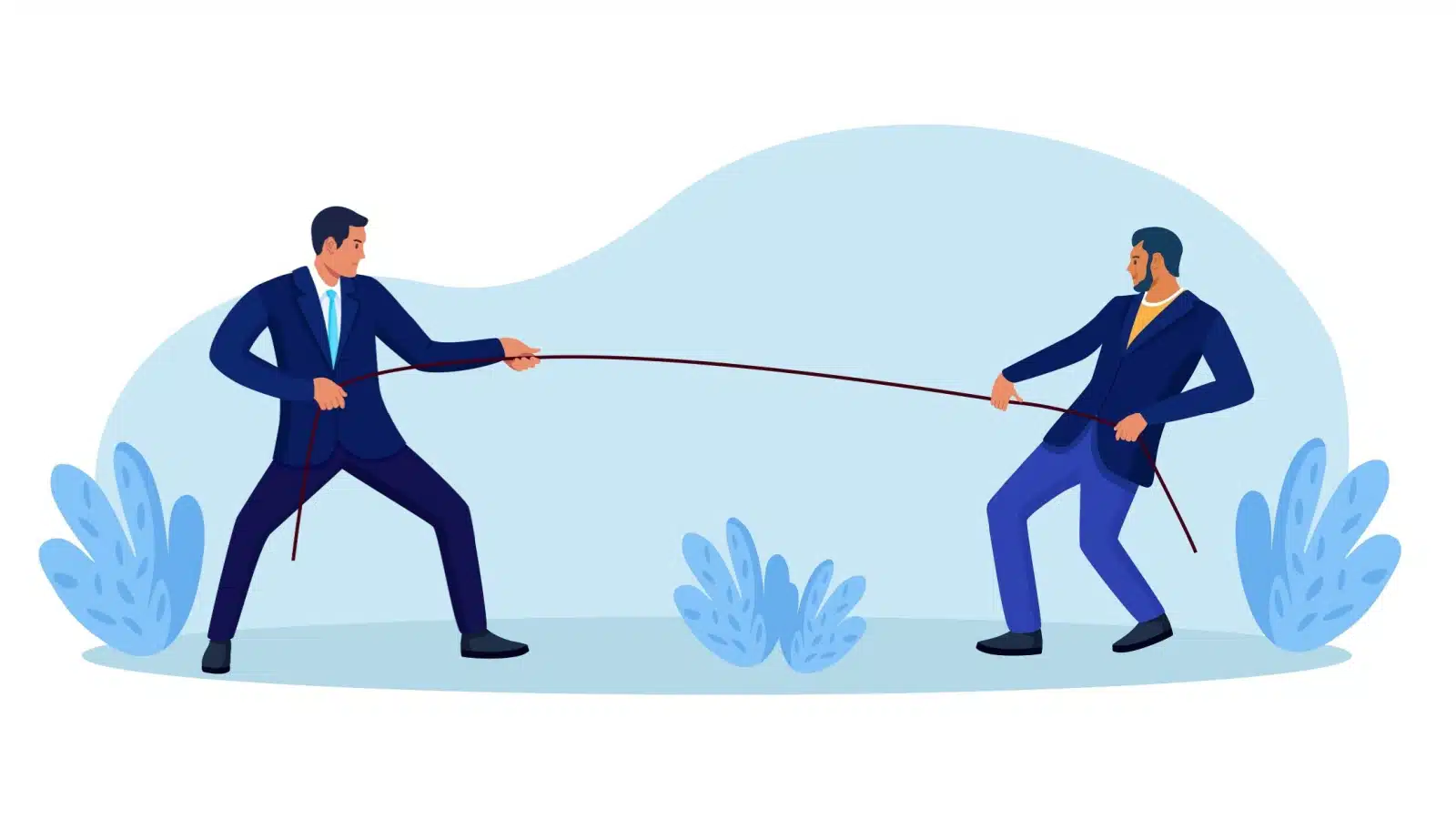
The rising action is vital to a great story and takes up the bulk of most tales. Rising action creates tension, building up to the final showdown.
Climax
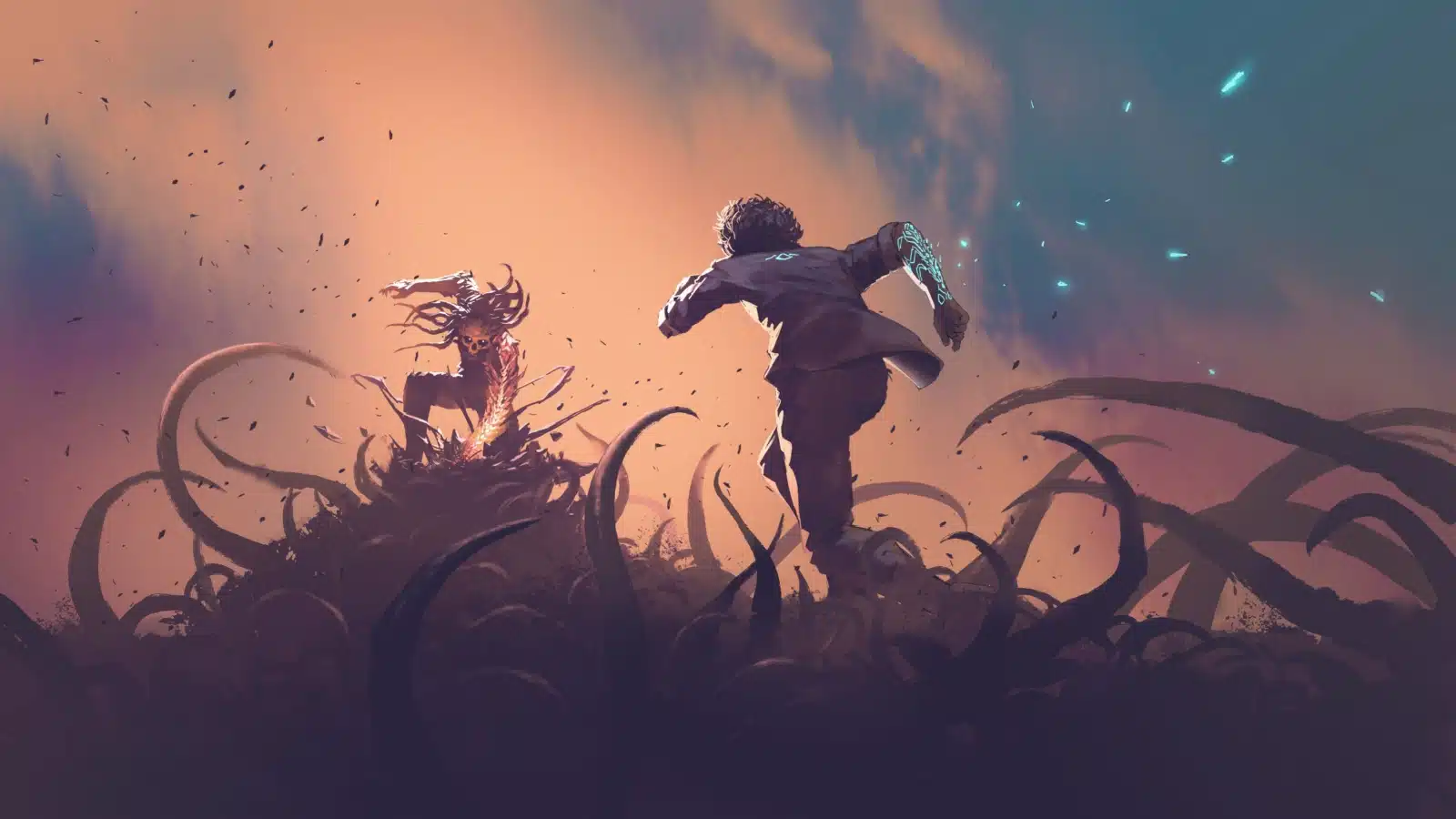
A climax is a story’s pivotal moment. This is where everything was leading, and it typically should provide audiences with a satisfying payoff.
Falling Action
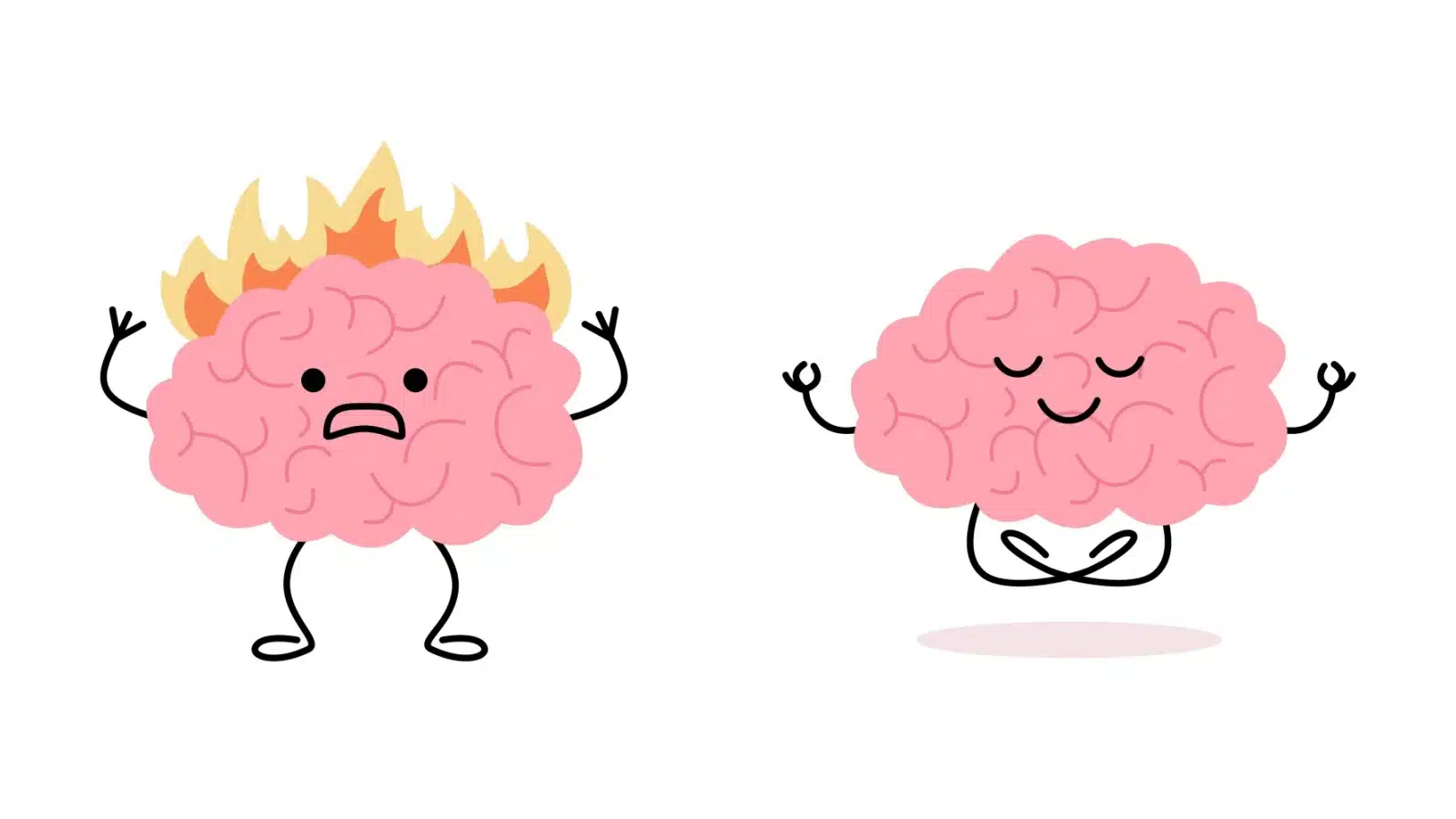
The falling action releases any leftover tension and resolves any lingering plot points.
Resolution

The final wrap-up. The resolution is typically short and sweet, like Disney’s famous “They lived happily ever after.” It is the final kiss before the curtain closes, the idyllic horse ride into the sunset, and the satisfied smile on our protagonist’s face as they settle back home.
More to the Story than Plot

The plot is what happens, but crafting a fantastic tale takes far more than a sequence of events. The plot is one of seven literary elements essential to a story.
Creative writers know that even these seven elements aren’t enough. They employ various literary devices to make their stories even more compelling and develop compelling characters that audiences connect with.
Far more goes into a story than meets the eye.
Falling Action Essential

The falling action is just a minor piece of the story writing puzzle, yet the entire story would unravel without it.
Writers must weave all the pieces together to create a masterpiece that audiences will enjoy for years to come.