
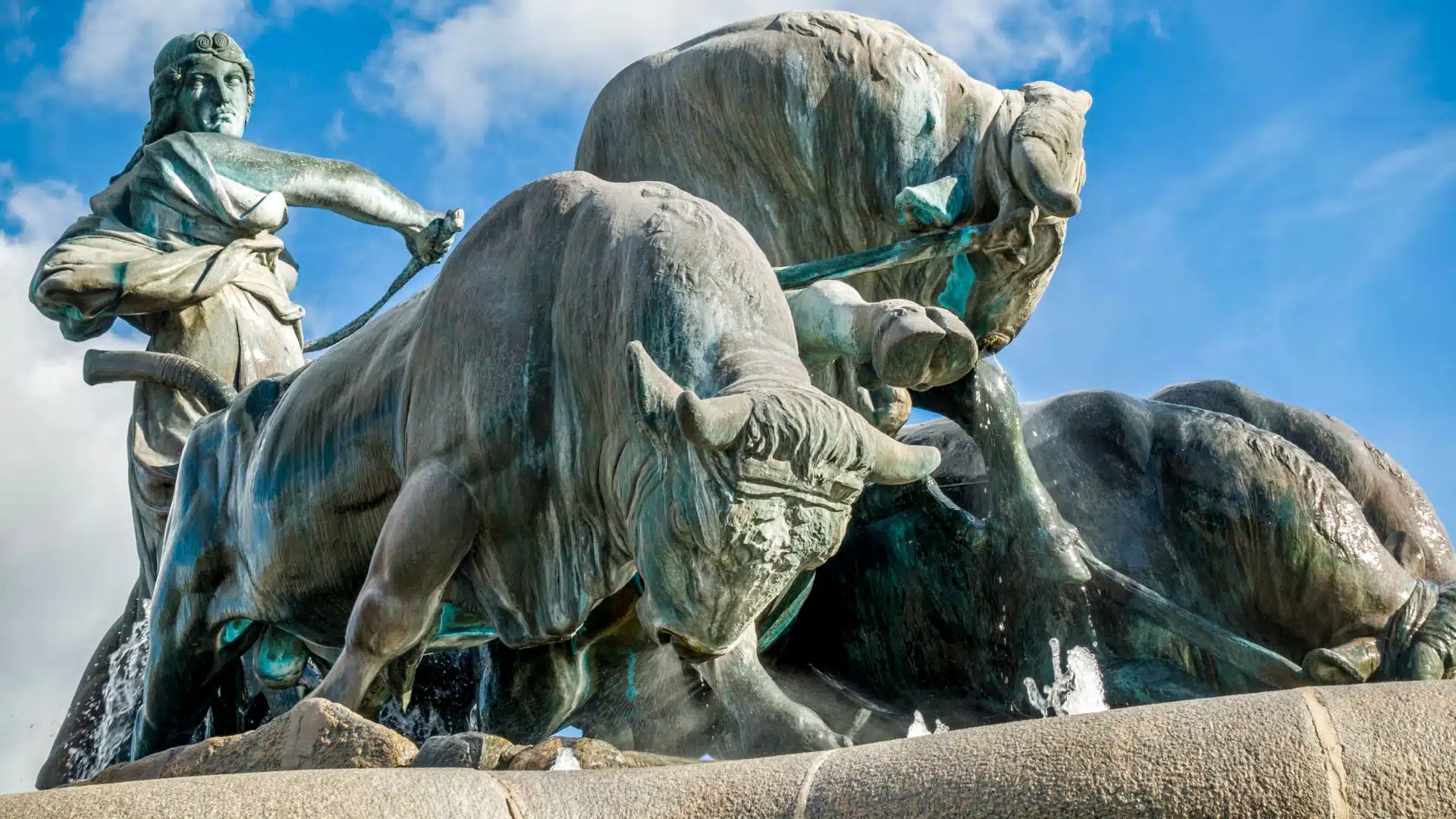
Most American children grow up hearing magical stories from the Greek and Roman Pantheons. Our culture bursts with tales of Zeus’s conquests, Athena’s Wisdom, Apollo’s journeys across the skies, and Venus’s eternal beauty, but neglects some of the most epic myths mankind ever created.
The gods and goddesses of other cultures rival the Mediterranean deities, yet we rarely share their stories.
Today, we’re changing that, focusing on Nordic mythology to explore the Norse Goddesses you should have learned about in school.
Discovering Norse Mythology
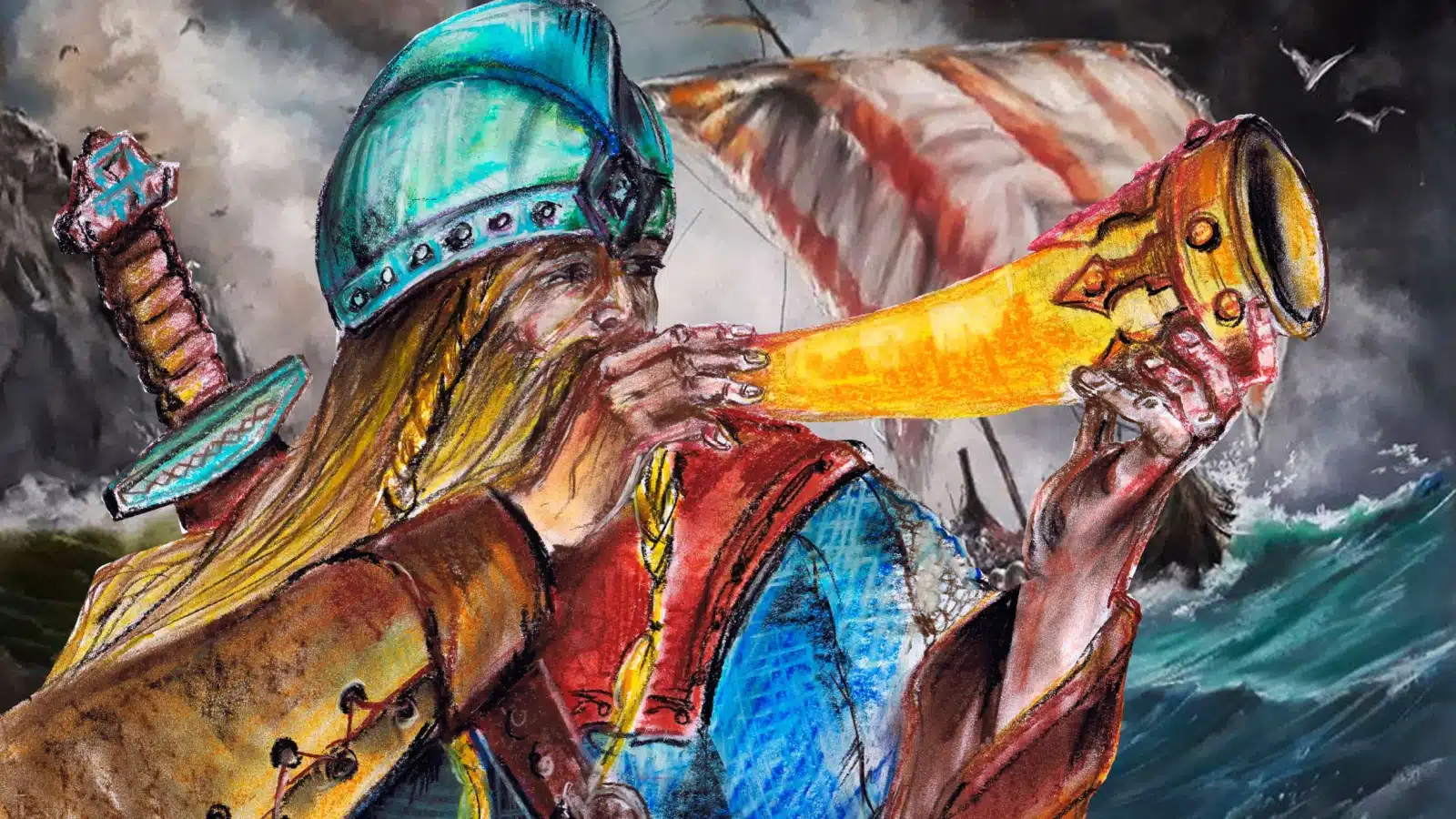
Norse mythology tells the thrilling tales of the gods and goddesses of the Nordic regions, where Vikings ruled. Though the first written accounts date to the 10th century AD, many scholars agree they developed from much earlier oral traditions.
Despite its association with Scandinavian countries, there are plenty of commonalities between Norse and Germanic myths. Germanic and Scandinavian cultures engaged in trade from as early as the Bronze Age and shared a linguistic ancestor.
Many Norse goddesses celebrated here have German origins, while others who originated in Scandinavia may have gained renown in Germany. It is an exciting anthropological trail that researchers are still following to this day.
Regardless of their origins, these Norse Goddesses inhabited Asgard, the Nordic equivalent of Mt. Olympus in Greek mythology.
Step into their realm and discover the fascinating world of Nordic Goddesses.
The Most Powerful Norse Goddess
Norse goddesses were just as powerful and fierce as their male counterparts, but there’s one that stands out as the most powerful of all:
Frigg
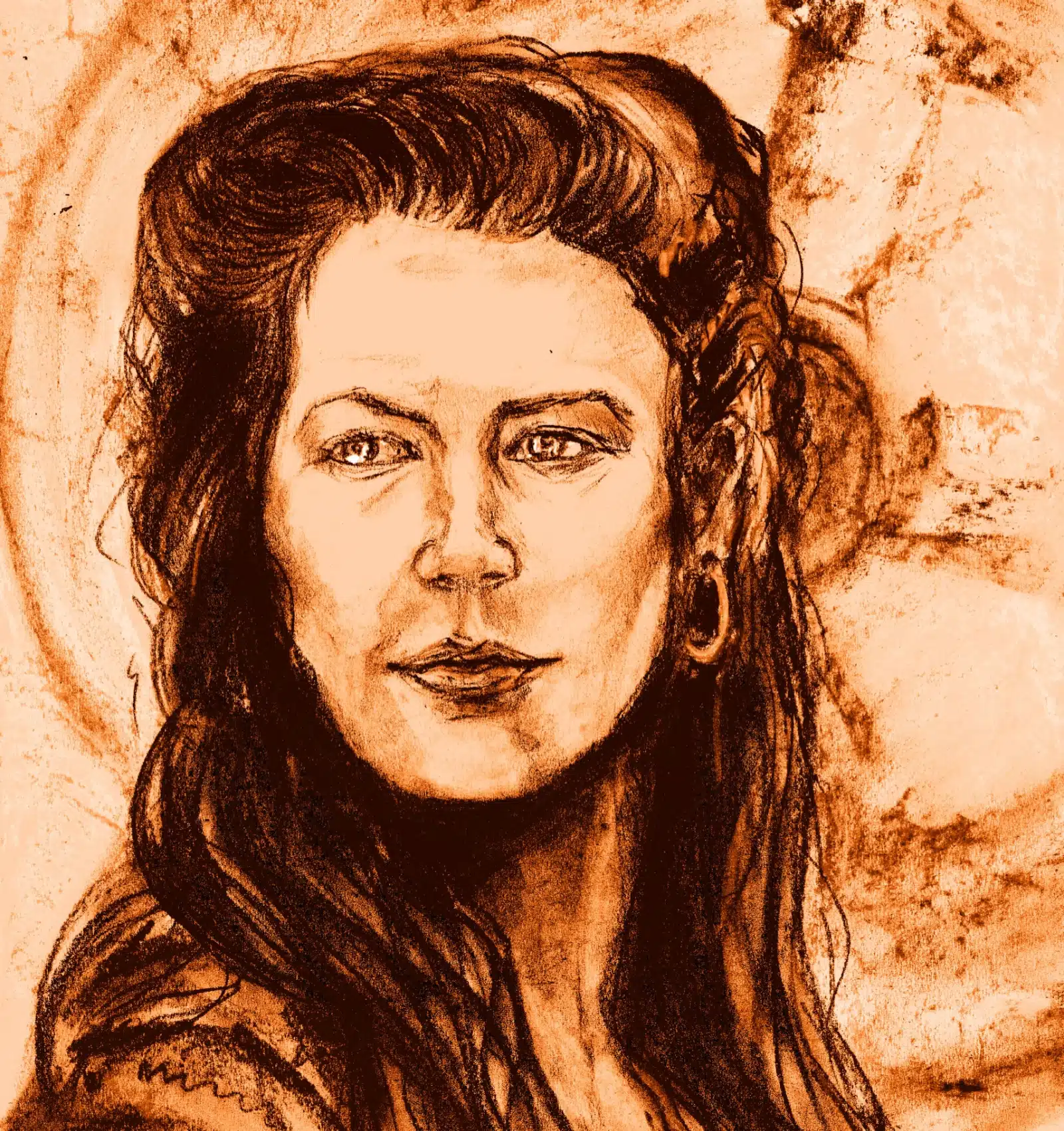
Frigg ruled Asgard as Queen and leader of the Asynjur, the collective of Norse Goddesses. Wife of Odin, the Norse God of War and ruler of Valhalla, the Hall of Warriors, Frigg presided over marriage and fertility.
The Norse Goddess would move the heavens and Earth for her son, Balder, the God of light. Unfortunately, her efforts were in vain, as Loki tricked a lesser god into killing Balder with his one weakness, a mistletoe.
Unable to raise Balder from the underworld, Frigg hosted yearly celebrations to honor his light.
Nordic people honored Balder in the Festival of Lights, which typically took place in December.
The famous legend features hints of other myths. The theme of a mother mourning her child appears in the Greek story of Persephone and Hades, while a celebration to commemorate changing seasons is a common thread of early cultures.
Frigg appears in modern culture, lending her name to our favorite day of the week, Frigg’s Day (Friday).
The Most Famous Norse Goddess
Frigg may be the most powerful Norse Goddess, but she’s not the most popular. Today, if we asked people to name a Norse Goddess, most would probably say:
Freya
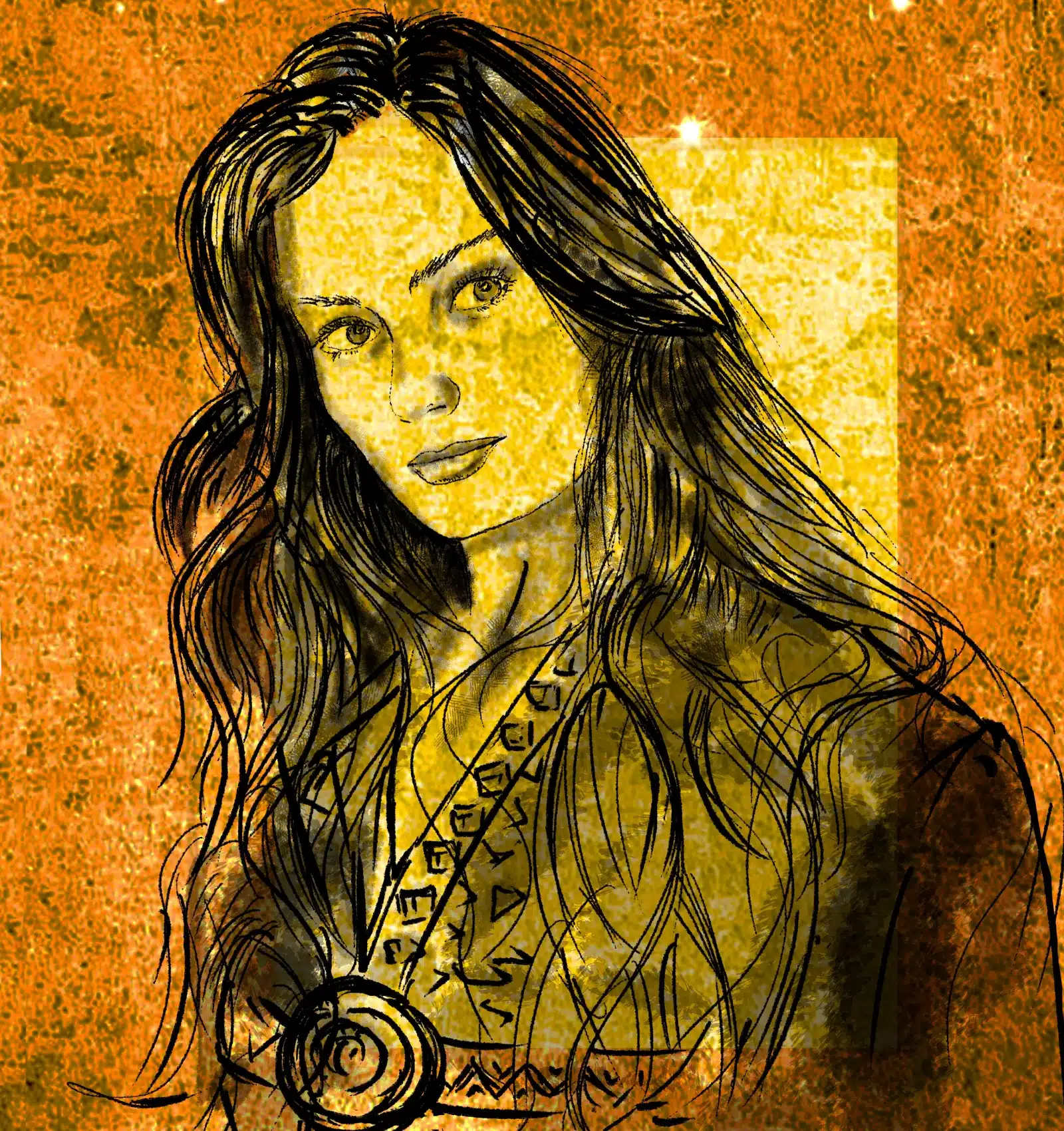
Freya, the goddess of war, love, beauty, gold, and magic, rides forth in a chariot drawn by cats.
She’s a stunning example of divine femininity, secure in her sexuality and unabashed in taking numerous lovers.
When Christianity overtook the Nordic regions, Freya’s sexuality was demonized, as the patriarchal religion scorned women’s sexual freedom. There’s no indication that the pre-Christian Nordic peoples held the same stigma.
Nordic tribes in the Medieval period were remarkably egalitarian for their time. Women enjoyed the rights of landownership and could divorce their husbands. They were still limited to domestic roles, but the parts were respected and celebrated.
Freya oversaw domestic roles and was worshipped throughout the region as a protector of women. In addition, she was a fierce warrior, rumored to have slain half the warriors ever killed in battle.
Freya’s knowledge and power know no bounds. It’s easy to see why she’s still celebrated today.
Are Frigg and Freya the Same?
Some anthropologists question whether Frigg and Freya are two distinct beings or a single goddess who morphed into two entities over time and tellings.
In many tales, Freya appears as Odin’s wife, and the different spellings become less distinct as we traverse time and geography.
Many claim they’re the same, but the lack of concrete evidence pre-dating the Viking era makes it difficult to say.
20 Norse Goddesses You Will Want to Worship
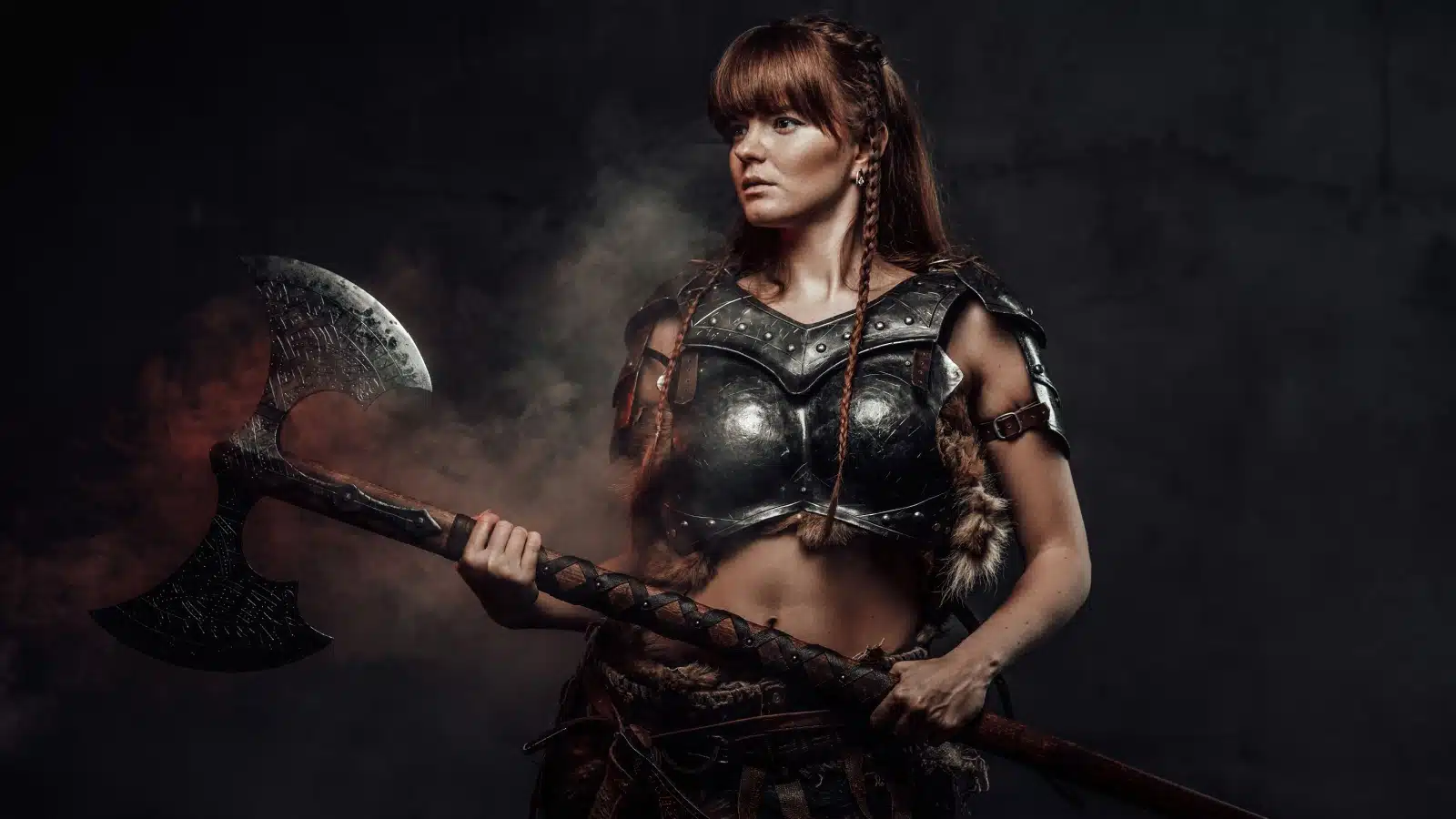
If Frigg and Freya aren’t awesome enough, here are 20 additional Norse Goddesses that played integral roles in Viking culture and folklore.
Hel
The Norse Goddess of the underworld offered Christians a brilliant name for their pit of despair.
Hel’s realm became simply Hel, and it’s now associated with Lucifer’s kingdom in Christianity. Hel shares some similarities with the Greek goddess Hecate.
Eir
Eir is a goddess of protection, healing, and mercy. Though some sources call her a Valkyrie rather than a goddess, there is no consensus on which group she actually belonged to.
Fulla
Fulla appears in both Germanic and Nordic myths. As the Goddess of service, she’s typically associated with Frigg, acting as a handmaiden and keeping her many secrets.
Thrud
Thor’s daughter is associated with battle. Her name means Strength in Old Norse and is associated with flowers, trees, and grass.
Sjofn
Not much is known about Sjofn. She’s associated with love in the Prose Edda, a 13th-century compilation of Nordic myths written in Iceland, so some assume she’s Frigg in disguise.
Skaði
Of course, people living in harsh winter conditions would worship the snow and mountains. Skadi is the goddess of the winter mountains.
Rán
The seafaring Vikings trusted the goddess of the sea for good favor on their voyages. She has nine daughters who create the crashing waves.
Syn
Protectress and goddess of justice, Syn guarded Frigg’s great hall and defended the accused in trials.
Sif
Sif was Thor’s second wife. The giantess was also the goddess of grain and fertility.
Lofn
Some call Lofn the goddess of forbidden love, but it seems she received permission to arrange marriages. She’s described as peaceful, loving, and comforting.
Nanna
Nanna is famous for her association with Balder. Not many stories remain of her as a goddess in her own right. She was Balder’s wife and so stricken with grief upon his untimely demise that she perished too.
Sigyn
Sigyn embodies loyalty. She stood by her husband, Loki’s, side even after he killed Balder, following him to the cave of banishment and protecting him from venomous snakes.
Nerthus
The goddess of peace and prosperity enjoyed walking among her worshippers. She may be one of the earliest Norse Goddesses, with evidence suggesting her worship as early as the Bronze Age.
Jörð
(Jord) is the Norse equivalent of the Earth goddess. She’s Mother Earth personified, and her son, Thor, is one of the most important gods of the Norse mythos.
Hjúki
Part of a brother/sister pair that sees the moon across the sky, Hjúki and Bil remind us of the Roman Apollo and Diana.
Nott
Nott is the Night personified. Her son Dagr represents the day, and together they ensure the sun floats across the sky.
Iðunn
(Iduna) ensures the gods and goddesses of Asgard maintain their eternal youth. As the goddess of youth (and apples!), her presence acts as a fountain of youth.
Gefjon
The goddess of plowing was critical to medieval architecture, especially in frigid northern regions. Gefjon is also the patroness of both virginity and fertility.
Gná
She who walks between worlds uses her power to help Frigg send messages and run errands. Gná can move between the mortal realms of men and the underworld and through the sky, earth, and heavens.
Hlin
Hlin is a protector. She helps save people whom Frigg deems worthy of protection. Some wonder whether Hlin is a separate goddess or another name for Frigg.
Sól
The sun features prominently in nearly every culture’s mythos, and the Norse are no different. Sól (or Sunna) is the sky goddess of German and Norse mythology. Her brother Manni represents the moon.
The Norse take on the sun and moon differs from most other cultures, as most see the sun as male and the moon as female.
Rich Nordic Culture
Norse mythology abounds with riveting tales of war, intrigue, cunning, and despair. The Norse Goddesses play a pivotal role in the mythos, representing the Earth, sun, agriculture, fertility, and everything that works together in the creation of life and the completion of death.
Explore the rich world of Norse mythology and celebrate its patron goddesses. It’s a fascinating new culture waiting to be discovered.