

Kids these days with their mind-rotting video games!
Nintendo and PlayStation raised an entire generation of kids. While we sat in front of our televisions, navigating obstacles, fighting space aliens, and solving puzzles, our parents and grandparents scoffed.
Video games rot minds, they insisted, while allowing the consoles to babysit us for hours on end.
Were they right? Do video games rot minds? Was the entire millennial generation damaged beyond repair?
Do Video Games Rot Minds?

Older generations blame video games for all society’s woes, from school violence to the dumbing down of America.
But a recent study from the University of Houston proves them wrong. The researchers examined the gaming habits of 160 fifth-grade students to discover the link between gaming and cognition.
They found none.
In fact, the opposite might be true.
Video Game Benefits

An earlier study of nearly 2000 children found that gaming actually improves cognition. Researchers found that kids who game for three or more hours a day (longer than recommended) completed cognitive tasks faster and more accurately than those who never played games.
Gamers, an admittedly biased group, also claim that playing has improved their lives. Users discussing the University of Houston study in a popular gaming community say it helps with coordination, while others report that gaming improved their problem solving skills, teamwork, or memory.
However, even this biased group can admit the dangers of too much gaming.
Video Game Addiction is Real
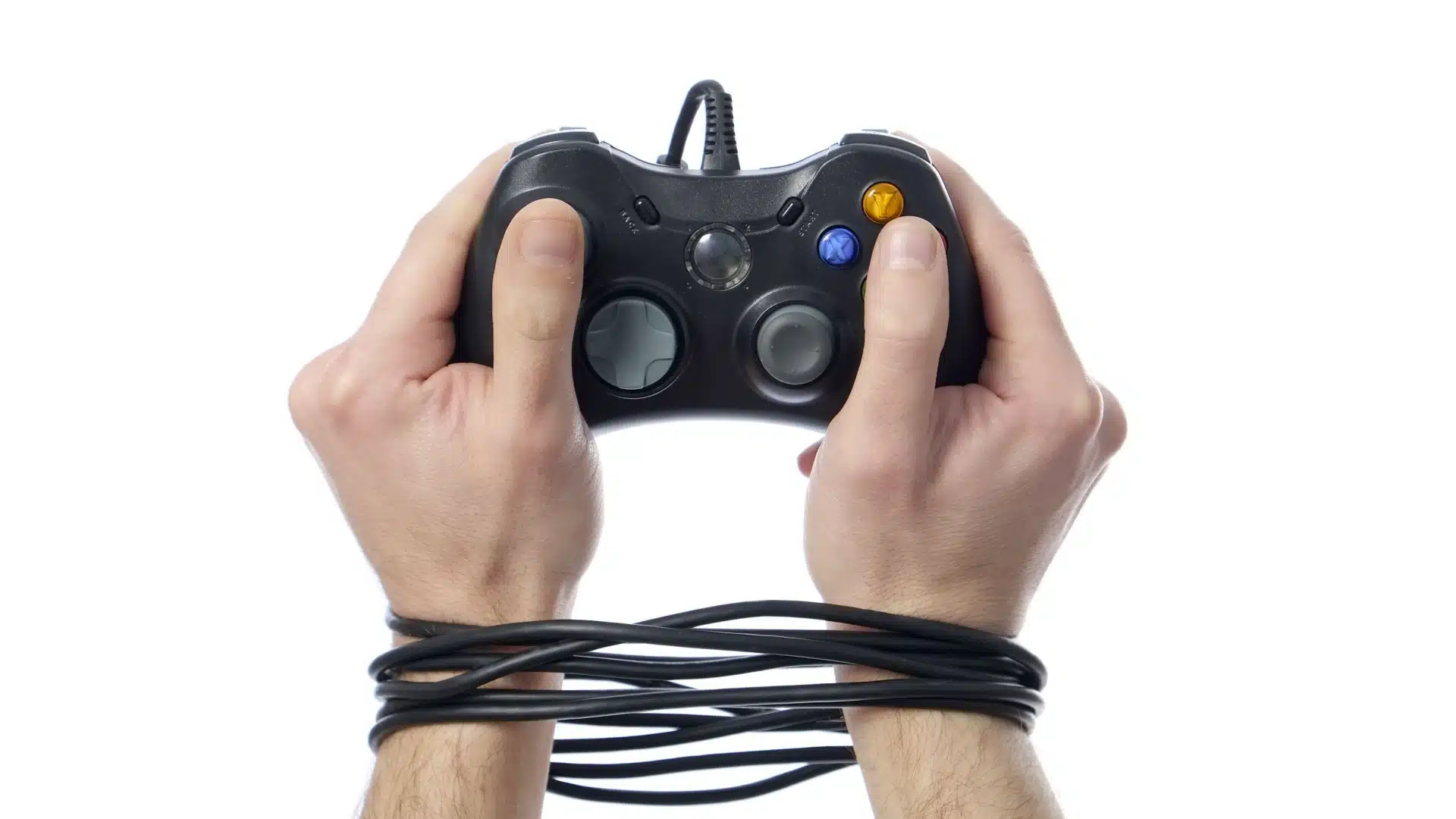
None of the stated benefits excuses a harsh truth about video games, and that’s the fact that they can turn addictive.
One user shared that how their gaming addiction impacted their life.
“When I was young, I spent so much time on video games. Far too much. It removed me from so many opportunities in life. I never learned to properly bond with friends, never learned who I was as a person, never took the time to improve myself in other areas, and never thought about my future because all I wanted to do was play video games.”
Although studies suggest some benefits, those only apply to people who can balance their time in online worlds with real life.
Video Games Limit Experiences

Some community members said that although gaming doesn’t impact cognition, it may prevent kids from having real-life experiences or developing social skills.
“I’m sure being locked up in your room playing games during most of your after-school time can’t be good for physical health or developing social skills,” remarked one.
Others said that studying impacts on cognition doesn’t tell the whole story.
“Might be true, but for me spending countless hours playing video games instead of studying, working, exercising, and sleeping back in the day probably wasn’t the best idea,” shared one.
“It’s not the cognitive abilities we are worried about (and by “we” I mean parents, educators, and psychologists),” replied another. “It’s the social and emotional effects. I’d like to see studies that look at cortisol levels, frustration levels, self-concept, aggression, and emotional regulation after extended video game playing.”
TV vs. Gaming

A lot of millennials scoff at the notion that playing video games is somehow worse than their parent’s favorite hobby: watching television.
Many said that if they didn’t have video games, they’d waste their time vegging in front of the television instead, a passive activity that doesn’t involve any learning or input.
“I always wondered one thing: if I didn’t spend that time playing games, would I have seriously had a better use for it? And I don’t think the answer is so easily yes. Chances are, I would have wasted a lot of it in front of the TV instead, like so many of my peers,” said one user.
Some suggest that if you’re going to let a screen raise your kids, video games are better than television. At least their engaging.
Moderation is Crucial

Most users agreed that video games aren’t the problem but must be played in moderation.
Anything can become problematic when it becomes addictive, and the key to maintaining balance is to know when to turn them off.
“Anything excessive isn’t good for you. Even working out all day without rest or a good diet isn’t great for your body,” replied one user.
“Doing anything all day and night without social interaction will damage social intelligence. It has nothing to do with video games,” said another.
You Need Other Hobbies

Gaming shouldn’t be your only outlet. Everyone who plays games should explore other hobbies. Parents shouldn’t allow their children to spend all their free time playing video games.
“It also helps that I really did have other hobbies than gaming, like reading and fencing, but my parents never gave us a limited gaming time,” said one user, explaining that a well-rounded life helps alleviate video game addictions.
“The distinction isn’t limiting video games but rather ensuring a balanced and well-rounded set of hobbies,” advised another.
Video Games Don’t Rot Minds, but Shouldn’t Be All-Consuming

The studies and community input offered interesting discussion about whether video games rot minds, and the consensus was they don’t.
Games are fun. They offer kids and adults an enjoyable hobby with no detrimental effects on cognition.
But that’s not the whole story.
Video games don’t rot minds, but there are other dangers, especially to those who let gaming consume their entire lives.
Excessive gaming is problematic, but so is excessive anything.
People need to be well-rounded with social activities, hobbies, and pastimes. They need to be able to turn the games off to go to work and participate in the household.
So enjoy your video games, but don’t let them interfere with your life.