

We have a welfare problem in the US.
But it’s not what you think.
The problem isn’t lazy slackers staying home suckling at the government teat, “welfare queens” (God, I absolutely loathe that racist term!) popping out kids to avoid work, or any of the other welfare stereotypes you’re imagining.
The Real Welfare Problem

The real welfare problem is the way the system is set up.
It rewards people who stay home while punishing those who attempt to improve their lot. And it’s not just the welfare system; our entire work culture is designed to make welfare seem better than work.
The labor market is so messed up that some folks are better off staying home on government assistance than working.
They have better outcomes not working than working because when they do work, they don’t make enough money to pay their bills. They risk homelessness.
But staying on government assistance instead helps them avoid destitution.
Why is Not Working Better Than Working?

Here’s an interesting case study. One woman came to the internet, baffled that a new colleague quit after two days because not working was a better financial choice than working.
In this specific case, the employee who quit is a single mother. She wants to work, but after childcare expenses, parking, commuting, and other deductions, she’s left with only $200 per pay period for everything else.
Since she gets paid every other week, that’s about $400 a month for rent, food, utilities, and everything else.
It’s not enough to live.
Government assistance offers her food stamps, Medicaid, and free childcare so she can go to school. When she works, she’s removed from these crucial programs and can’t afford medical care, childcare, or food for her small family.
A Good Wage But Not a Living Wage
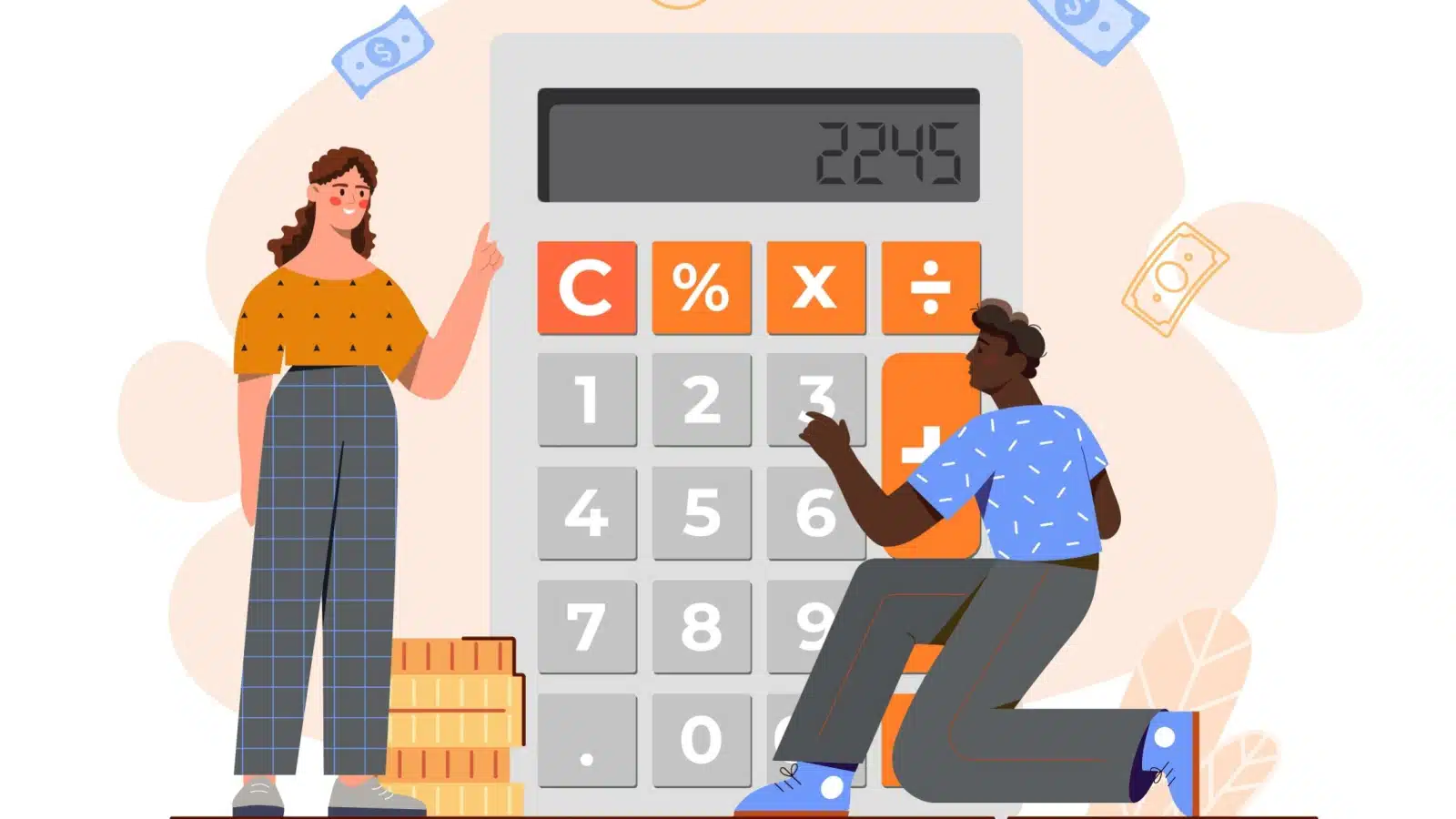
By 2002’s standards, she makes a fantastic wage. The company pays $22 per hour, which comes out to a little over $45,000 per year. Her take-home pay is a little over $3,000 per month after Federal taxes, and probably closer to $3,000 after state taxes.
But with rampant inflation in recent years and the outrageous cost of raising kids, it’s not enough.
The average cost of daycare for one child is $1230 per month. She has two children, so daycare costs her about $2500 monthly.
She must pay $100 per month for parking just to work, leaving her with about $400 for everything else. It costs far more than that to live in 2026.
The Welfare Cliff

The US has a fun system for determining welfare. The state decides how much you should make based on your family size. If you make less than that specific dollar amount, you’re eligible; if you make more, too bad for you.
There’s no nuance, no slow slope allowing people to ease off government assistance and onto work. It’s a sharp cliff, and if you make even just one dollar over the line, you lose all your benefits.
And the problem is that benefits often pay MORE than that line.
For example, let’s say Welfare pays $30,000 per year in overall benefits. But your state decides the cut-off point for getting any benefits is $20,000.
If you make between $20,000 and $30,000, you lose all the benefits and earn LESS than you would have if you stayed on Welfare.
The system actively prevents people from improving themselves.
In our example, the mother was above the federal poverty line, so if she kept her job, she wouldn’t be eligible for any Welfare.
Don’t Bash Single Mothers

Please don’t start waxing poetic about the fact that this story revolves around a single mother.
Stop. Just stop.
No one wants to hear your talking points about what she could have, would have, or should have done.
It’s easy to judge others from your cozy position, but you don’t know how or why she’s in this situation, so stop trying to tell her how she should have handled it.
The System is the Problem
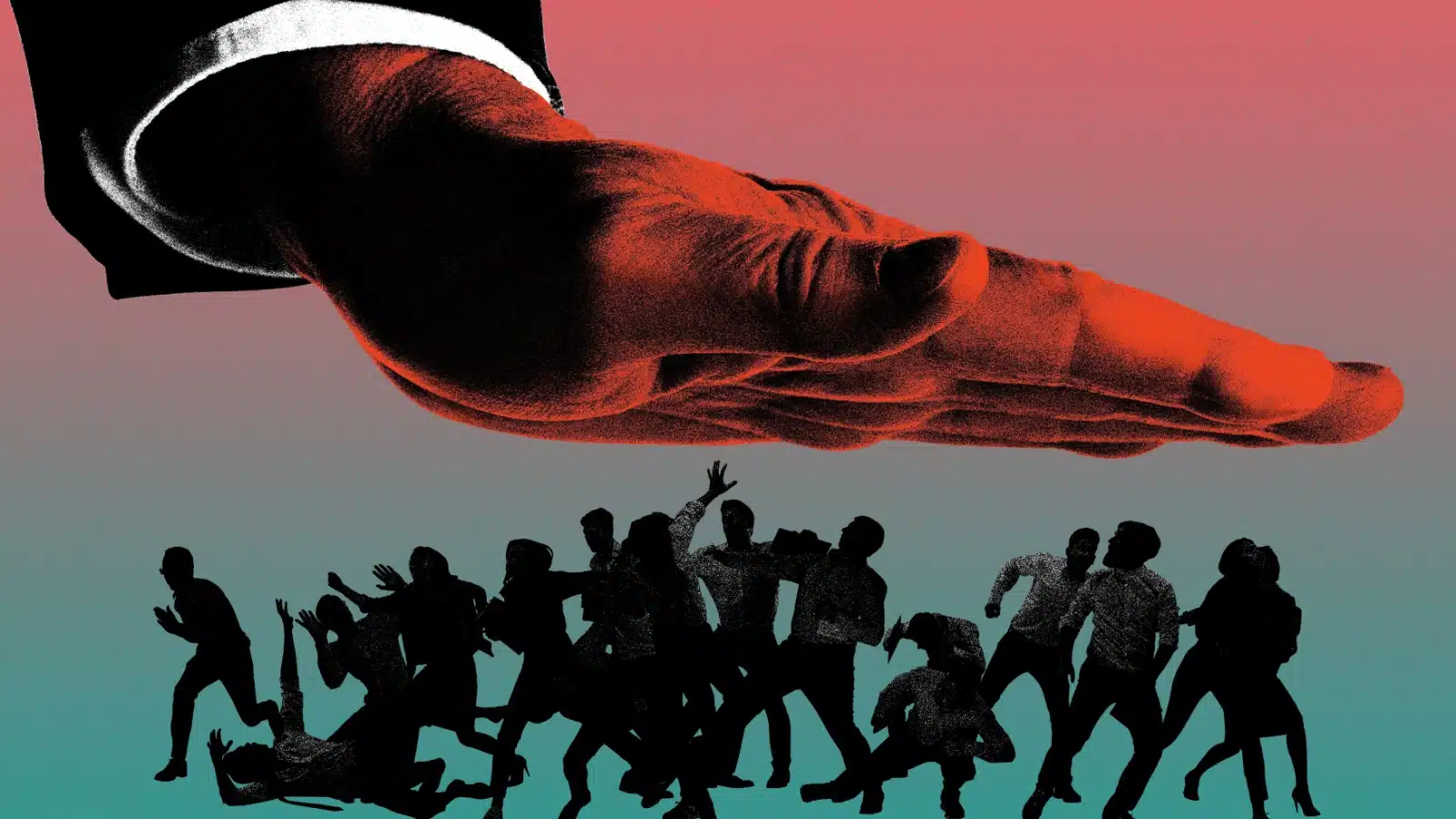
It’s the system, not single mothers, that’s the problem. Daycare shouldn’t cost more than rent. Employees shouldn’t have to pay to go to work. Welfare should ease people off on a gentle slope rather than throw them off a cliff.
Our political policies created this problem. Policy made it more beneficial to stay on Welfare than to work.
And we can change policy.
We can vote for politicians who support universal healthcare (which would solve a lot of these problems), universal childcare (which would solve another huge chunk), and ending the ridiculous welfare cliff so people can ease their way off.
These policies would help everyone, and it boggles my mind that a subset of Americans refuse to support them.
The Other Welfare Problem

I can’t write an article on the welfare problem without at least mentioning the giant elephant in the room.
Yes, the Welfare cliff and the way our system is set up is a giant problem – but it’s actually not the biggest welfare problem in the US.
The biggest welfare problem is that giant corporations use welfare to subsidize their profits. Because they refuse to pay their employees a living wage, the taxpayers have to foot the bill.
To me, that’s an even bigger problem than a single mother doing what she can to survive, though in an ideal world, we’d fix both.