

Everyone tells you a budget will improve your financial life. But if you’ve never managed your money before, that’s not very helpful.
How do you even begin?
Budgeting methods can help.
What Are Budgeting Methods
Budgeting methods are expert-developed systems for budgeting that help you manage your money with ease.
They help beginners by laying out a framework for budgeting, providing the crucial first steps to help you focus on the parts that really matter.
The Top 7 Most Popular Budgeting Methods

Of course, there’s no perfect fit for everyone, which is why financial experts devised a wide range of budgeting methods.
We will help you find the right one for you.
Here are the most popular budgeting methods and how they work.
50/30/20 Budget
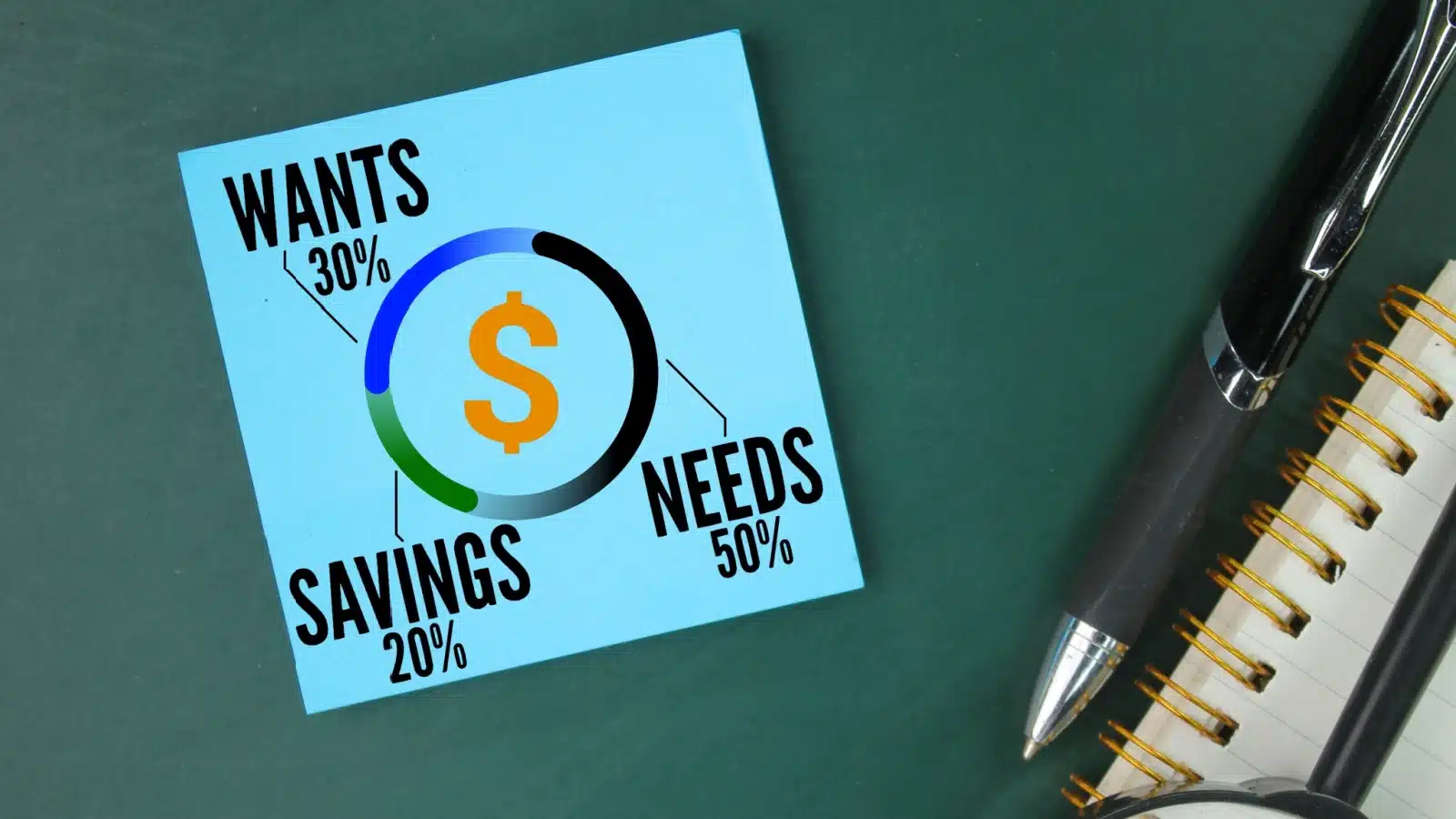
The 50/30/20 budget is based on three massive spending pillars: your wants, your needs, and savings.
With this system, you aim to spend 50% of your income on needs (housing, utilities, food, etc.), 30% on your wants (entertainment, eating out, games, etc.), and stash the final 20% away into savings (or investments).
People love the 50/30/20 because it acknowledges that we need to have some fun in our lives. It allows us to spend money on things we want, making it feel less restrictive.
Line-Item Budgeting
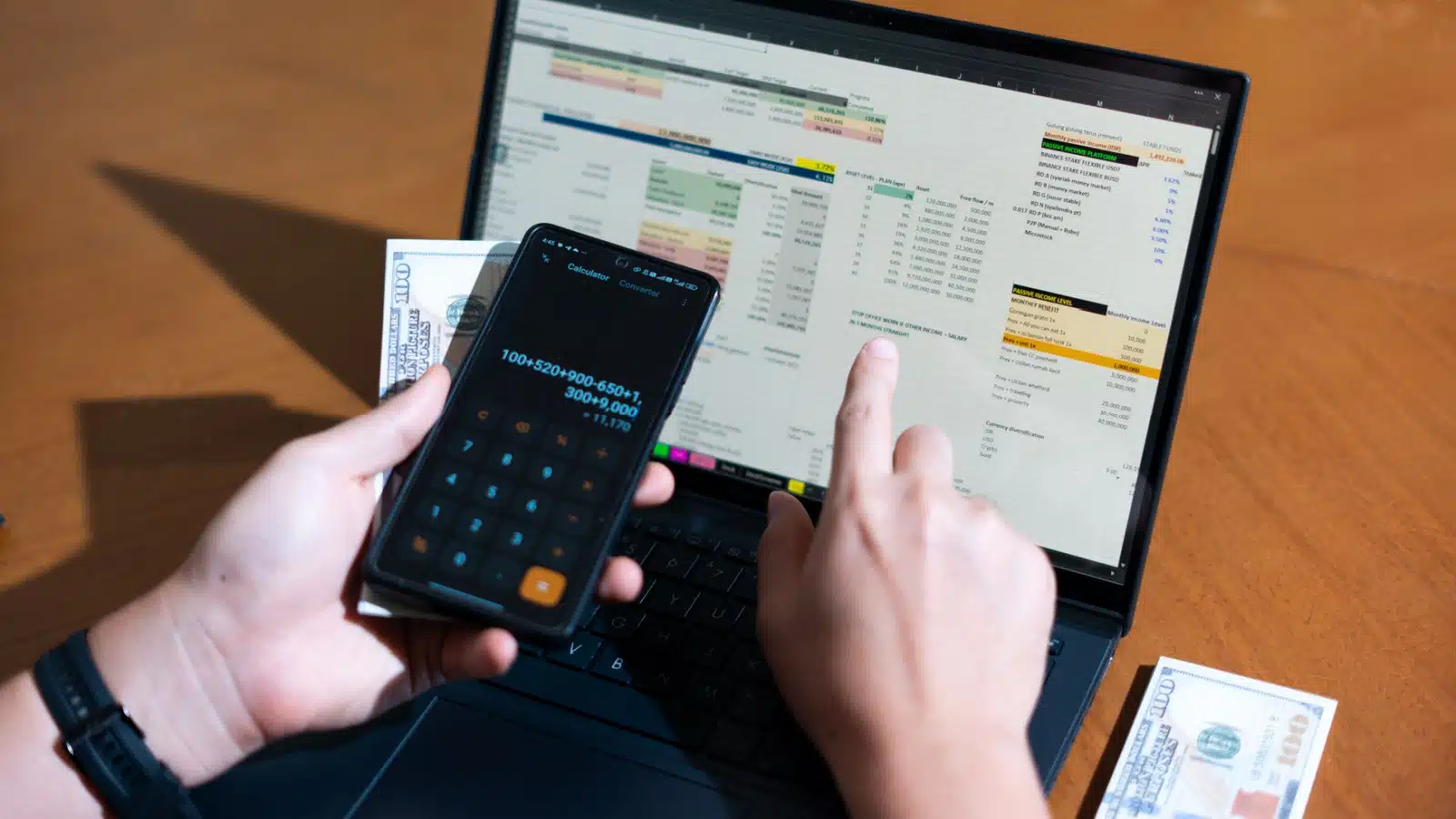
Line-item budgeting is my favorite budgeting method. It focuses on expenses, ensuring you pay all your crucial bills on time.
Every payday, I grab my paper ledger, record my income, and start listing expenses. With each expense, I subtract from the total to keep a running count of how much money I have remaining. I’m basically treating each expense as a “line-item” like a business would.
I ensure I leave a line item for paying myself – like sending money to savings or investments.
Zero-Based Budget
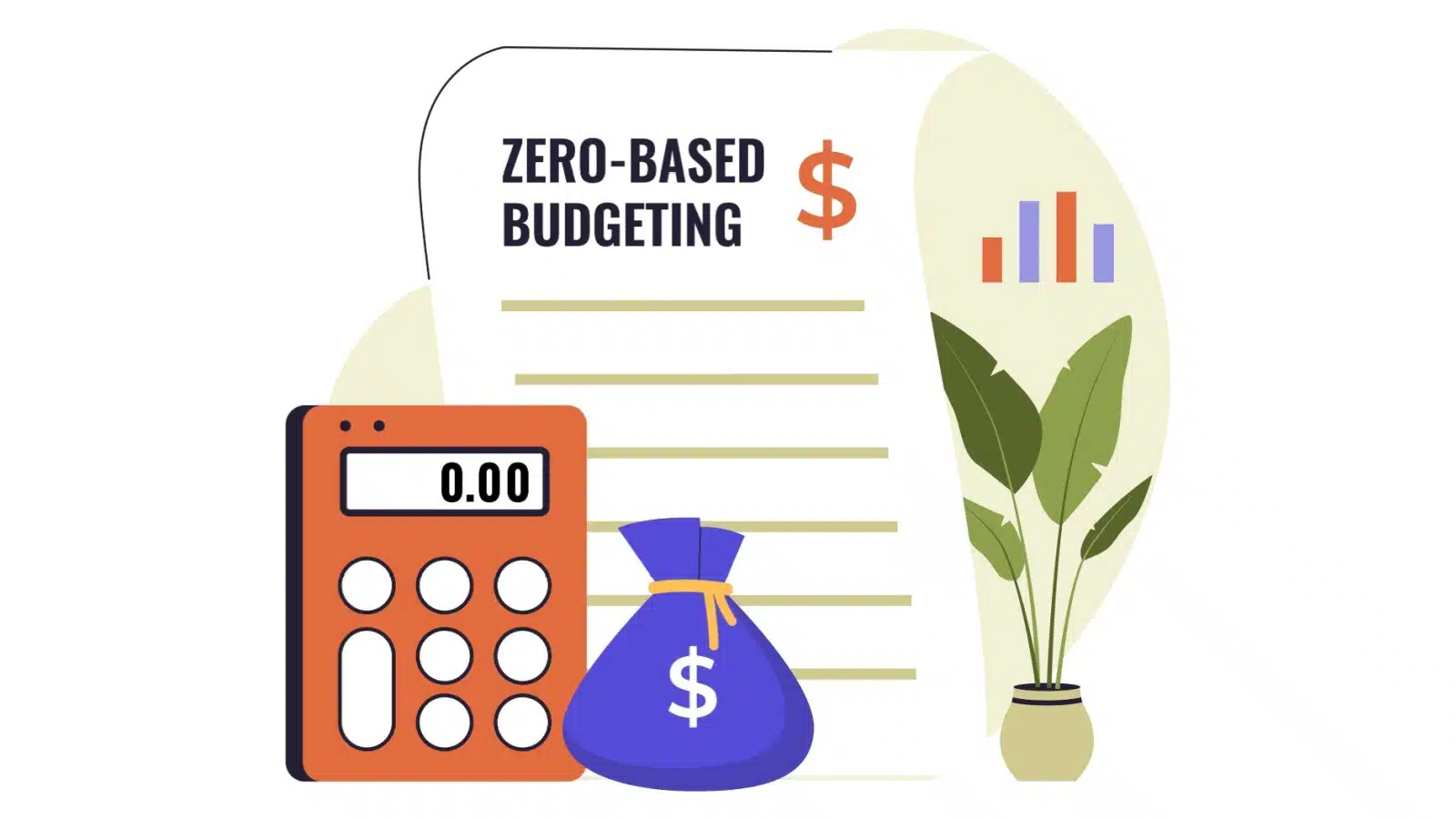
Zero-based budgeting is a variation of line-item budgeting where every dollar has a home. The ultimate goal is to have 0 dollars left over, whereas with line-item budgeting, you can leave a buffer in your account for casual spending or surprise expenses.
When you do your zero-based budget, you account for everything down to the penny. Any “leftover” money goes to savings, investments, or debt repayment.
It works really well for people who love structure and precision. I don’t like it, because I have ADHD and I always forget something. Not having a buffer in my checking account stresses me out.
Envelope System
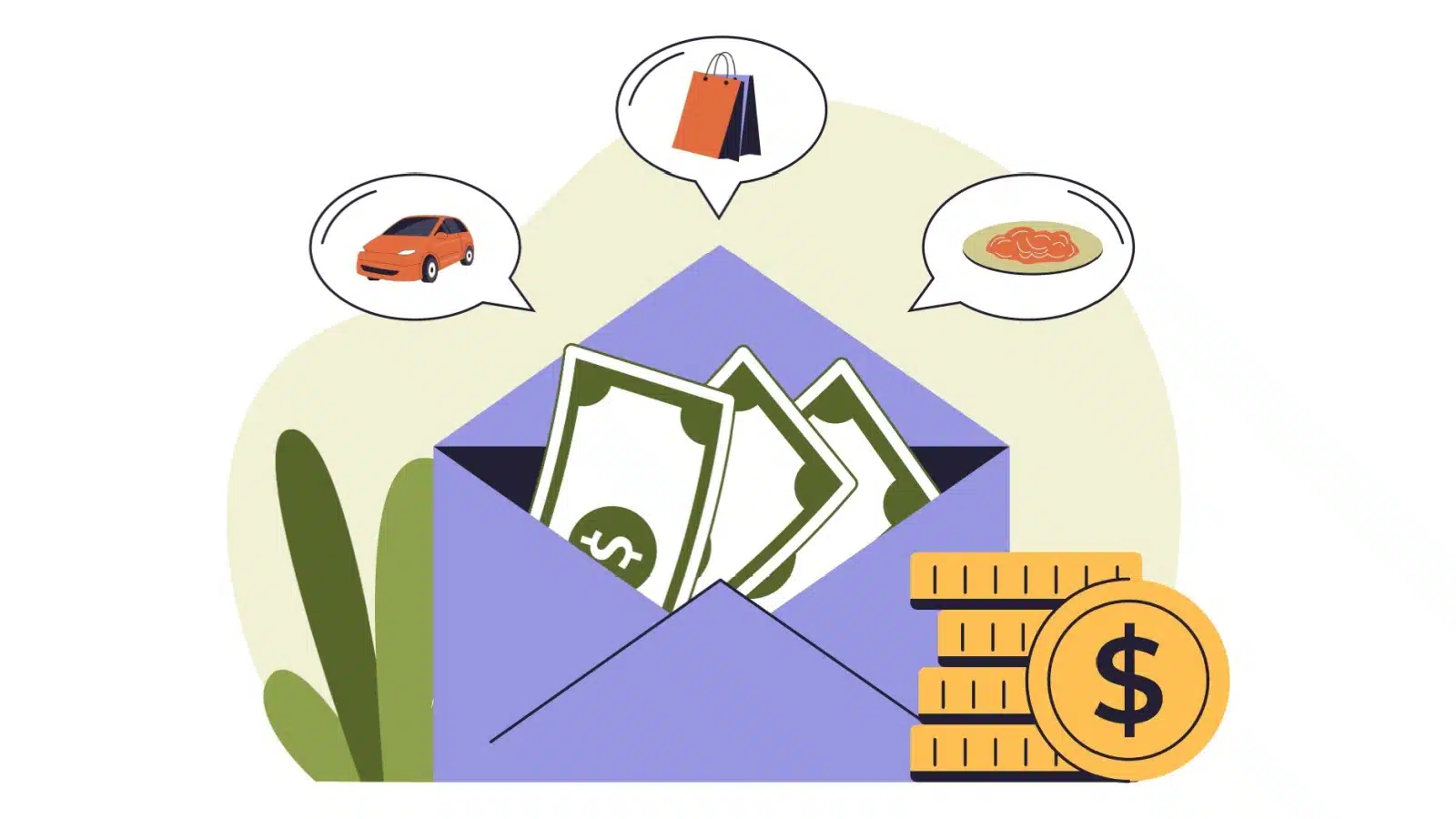
The envelope budgeting system reigned supreme when everyone used cash all the time. It’s a bit harder to manage with virtual dollars, but the same concepts apply.
With the envelope system, you’d place physical cash in labeled envelopes for the various things you need each month. You’d have a “groceries” envelope, “rent” envelope, “food out” envelope, etc.
Once the money in that envelope is gone, you can’t spend anything else on that category. The system works really well for people who struggle with impulse spending. Once the cash is gone, they can’t spend any more.
Pay Yourself First

I’m a huge fan of paying yourself first. I have allocations going from my paycheck directly into various savings accounts, so that money doesn’t even get considered in my weekly line-item budget.
The pay yourself first budgeting method seeks to make saving a habit. You automatically save a certain amount before you even pay the rent. It helps you prioritize your savings.
A variation on paying yourself first is the Reverse Budgeting method. You’re still paying yourself first, but the priority is on specific financial goals rather than forcing yourself to build a savings habit.
80/20 Budget
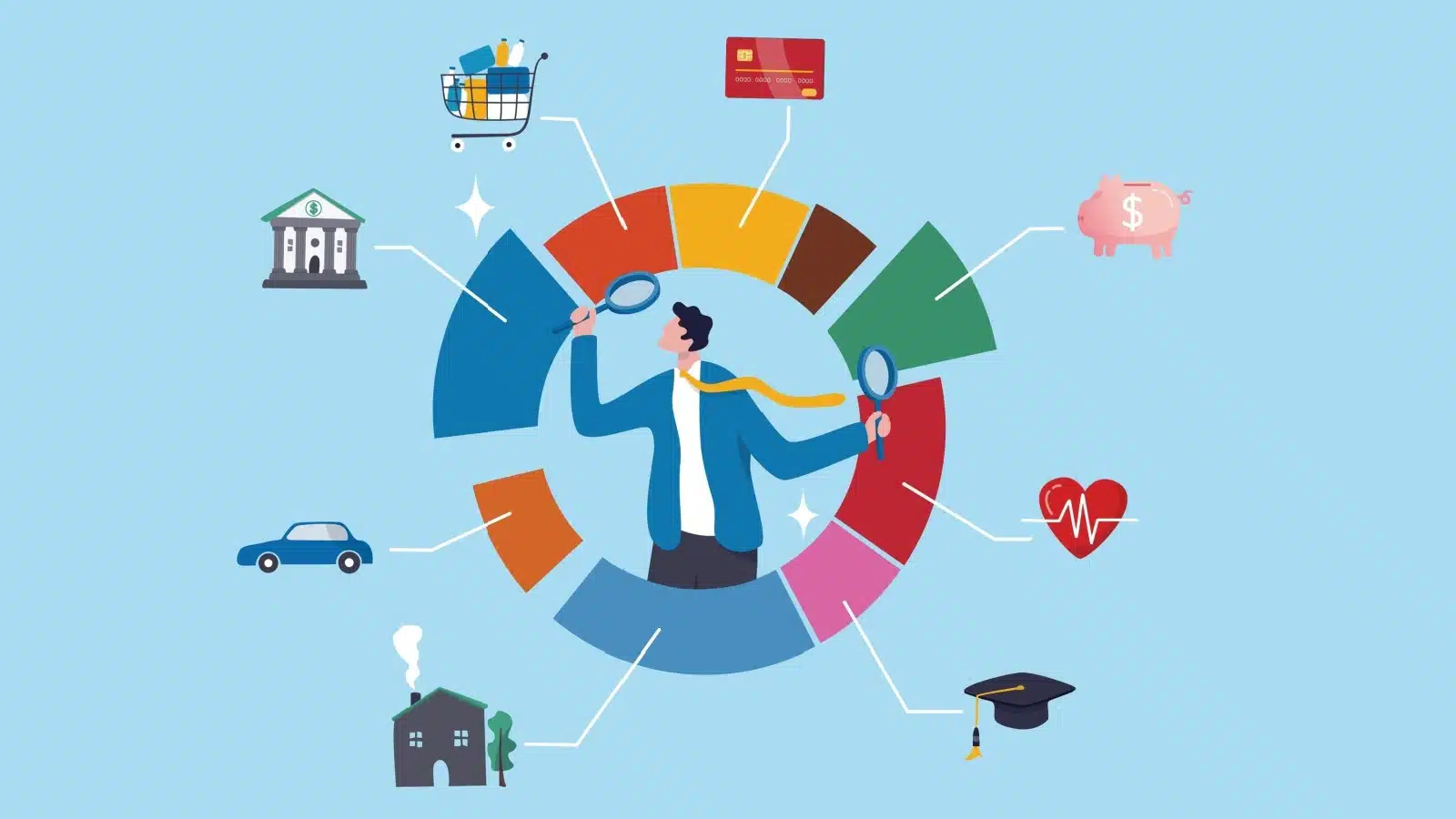
The 80/20 method provides a simple formula for how much money you should save versus how much you should spend. With it, 20% of your income should automatically go towards your financial goals, while 80% is free for spending.
However, the “financial goals” part is a little flexible. Traditionally, it includes funding a retirement account, investing for the future, and emergency savings, but it can also include things like paying off debt or saving for a specific goal.
The “free for spending” part is also a little misleading, because it includes spending money to live, like mortgage payments, food, utilities, and transportation.
Although the 80/20 budgeting method works well for people with high incomes who need a simple way to think about finances, it’s not great for those with tight budgets who need to manage every penny.
Values-Based Budget
“Don’t tell me where your priorities are. Show me where you spend your money, and I’ll tell you what they are.” -James Frick
Values-based budgeting is great for people who think budgeting restricts their spending because it reframes the entire process.
Rather than focusing on the math or the “how to” of budgeting, it focuses on the why. It helps you set priorities based on your values, then build a budget aligned with your ultimate life goals.
You’re not restricting your spending anymore; you’re prioritizing the things that matter most.
Combine Budgeting Methods

The best part of all these budgeting methods is that you don’t have to be a stickler about any of them.
Most people take what works from one method and combine it with another, or they use ideas from a few different methods to build their own unique style of budgeting.
These methods are just a guide – use whatever works for you to build your budget.
Learn to Manage Your Money

Each of these budgeting methods helps you manage your money.
But sometimes, math isn’t the problem. Instead, we struggle with a negative relationship with money, poor money habits, or a lack of financial goals.
We can help.
We created an epic Do-it-Yourself financial coaching bundle filled with content to help you build a better relationship with money, manage it smarter, and develop your financial goals.
Here’s what’s inside:
✍️ Journal prompts to help you define your relationship with money
📝 Goal-setting worksheets
💡 Budget templates & expense trackers
📊 Retirement & long-term planning guides
🧠 Tips to change your money mindset & habits
If you struggle with money management, this bundle can help. Find it on our store (or on Etsy for a slight markup).
Build Your Budget Today
Budgeting can help everyone make better money choices. Try these methods on for size and see what fits.
A better relationship with money starts with a great budget!