

Are you an introvert or an extrovert?
Everyone loves that question because it gives valuable insight into how someone interacts with the world.
But what if you can’t decide which one you are? What if you feel extroverted sometimes and introverted at other times?
You might be an ambivert.
What is an Ambivert?
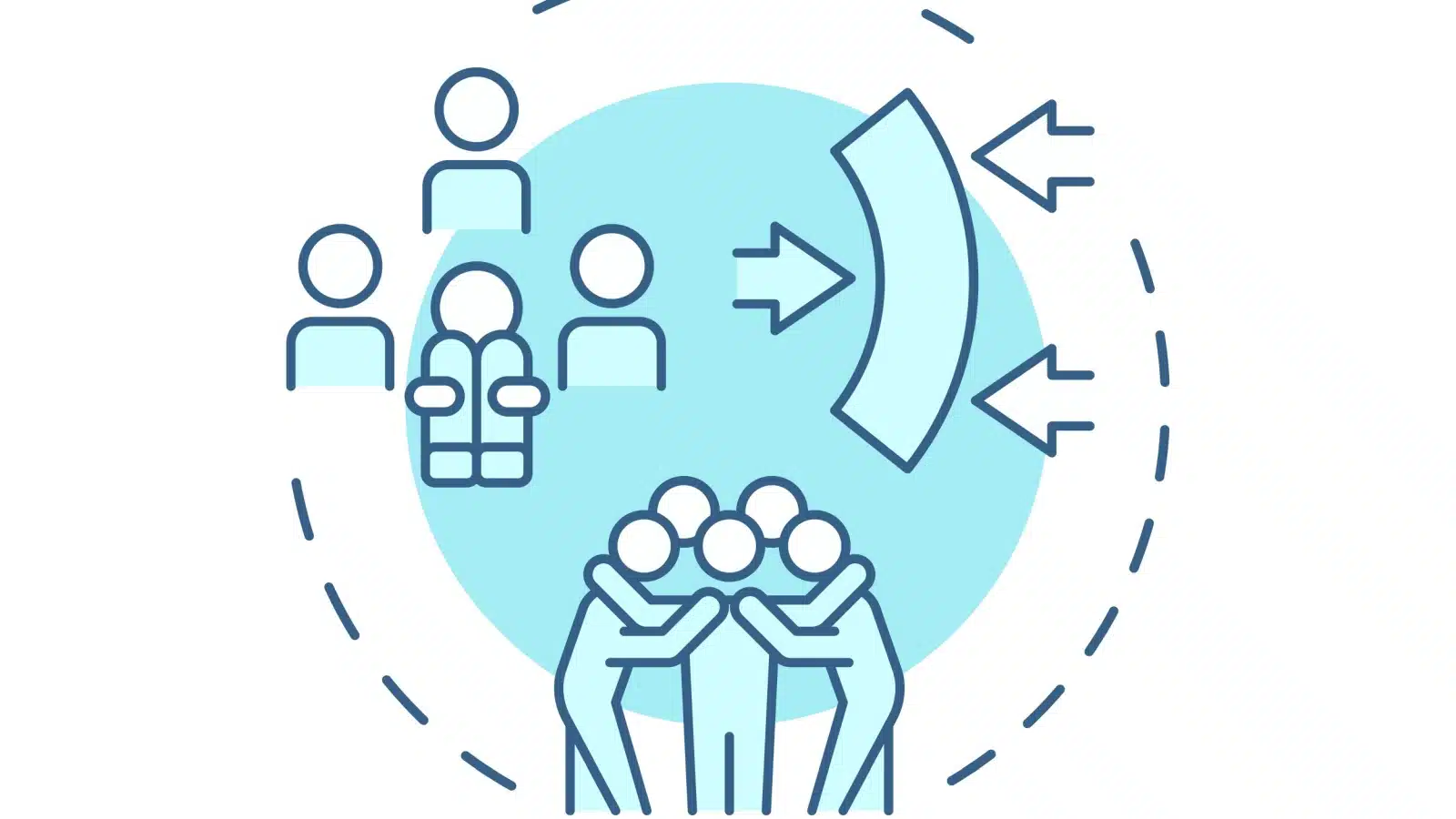
Ambiverts often get left out of the introvert vs. extrovert conversation, but they lie in a crucial part of the spectrum: the middle!
They can seem either introverted or extroverted, depending on the day or situation. They’re enigmas who don’t really fit into either because they seem to be both at the same time.
Because they seem to flow in the center, they often get lumped into one group or the other. Though the term appeared in academic papers as early as a century ago, the personality type only entered mainstream conversations in the early 2000s.
Ambiverts are finally getting the recognition they deserve.
Ambivert Characteristics

Though everyone is different, ambiverts tend to share a few common traits.
They’re usually:
- Adaptable
- Flexible about Recharging
- Good Communicators
- Emotionally Intelligent
- Even-tempered
Adaptable

One of the most defining ambivert characteristics is their adaptability. They can thrive in social situations and by themselves. They neither need people nor need alone time.
Their adaptability allows them to play different roles depending on the social situation. In a room of introverts, they may take charge, while in a room of extroverts, they may sit back and let someone else have the floor.
They don’t need to be the center of attention, but they’re comfortable enough to do it if the situation calls for it. At the same time, they don’t need to sit back unnoticed, but don’t mind when that happens.
They’re also happy with any plan. Big party? Great! They’re game. Everyone’s too tired to hang out? That’s fine too, they’re happy staying in with a good book.
Flexible about Recharging
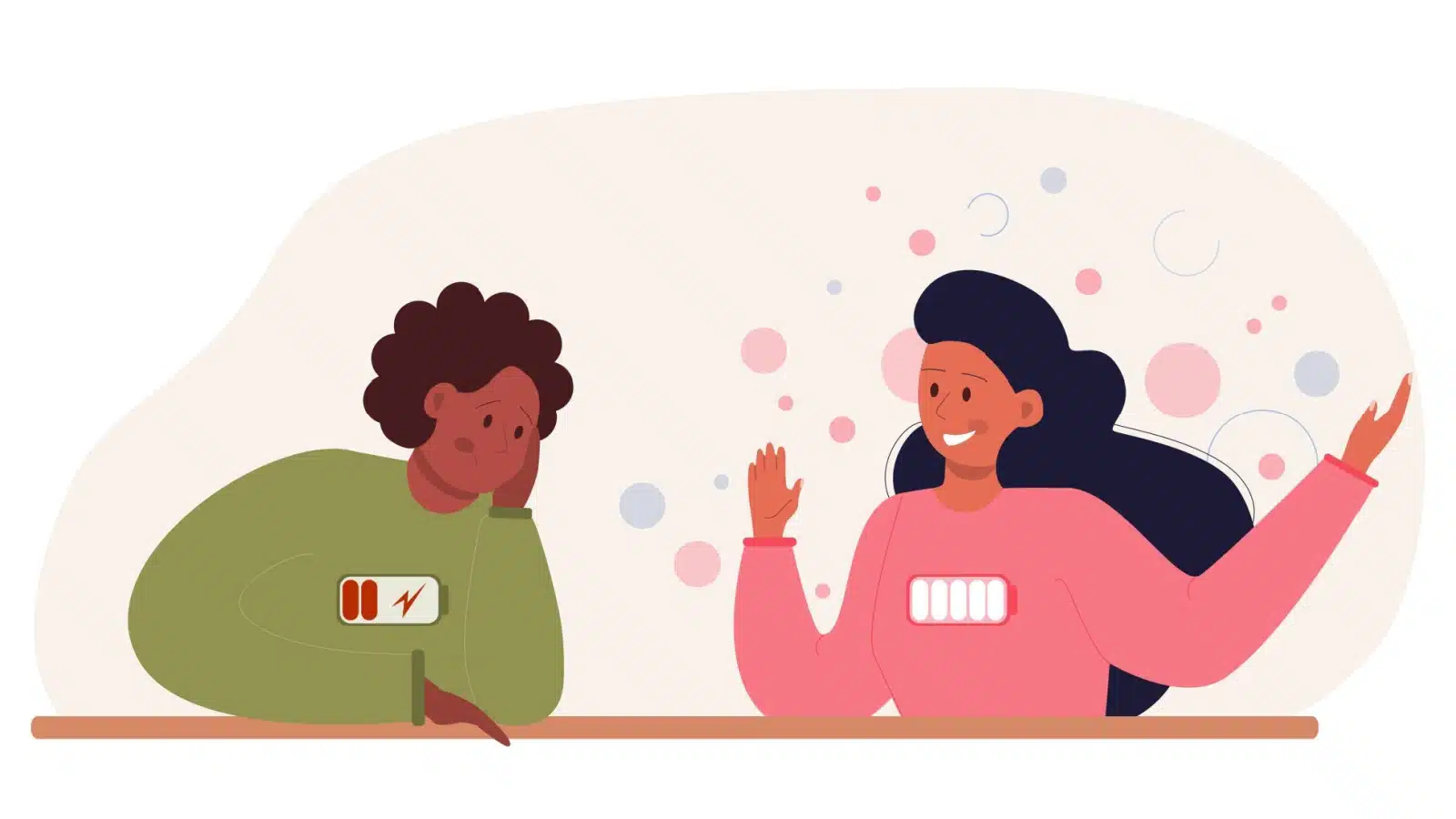
Ambiverts adapt to the situation so well because their social batteries are more flexible than those of an introvert or an extrovert.
They don’t get drained immediately from either being alone or being social.
You could also think of them as having a more efficient battery that doesn’t drain as quickly.
Those who lean more towards the extrovert side may recharge best around people, but because of their energy efficiency, being alone isn’t draining. The same is true for those who lean towards introversion – being alone may recharge them, but social situations don’t suck the energy away as quickly as they would for a true introvert.
Some ambiverts are so flexible that they can recharge no matter the setting.
Good Communicators

While an extrovert drones on and on, oblivious to others wanting to speak, and an introvert happily listens so they don’t have to talk, an ambivert is the Goldilocks of conversation. They get it just right.
They balance speaking and listening, offering their ideas when relevant but ensuring others have their turn too. The ability to switch between engaging and listening like it’s nothing makes ambiverts great communicators.
Emotionally Intelligent
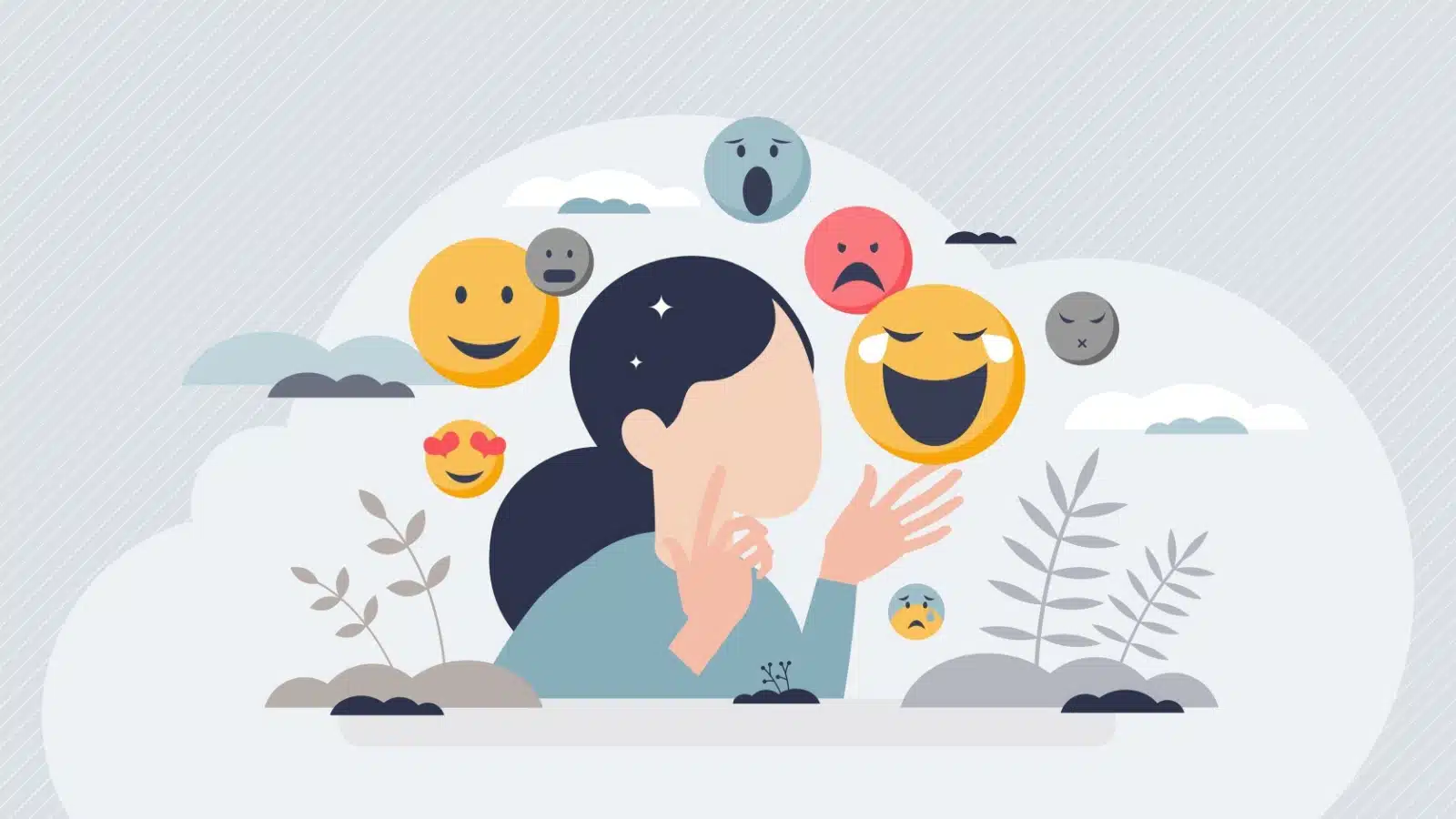
Because ambiverts understand both sides of the spectrum, they’re often able to pick up social cues from both introverts and extroverts.
They can almost sense when an introvert needs to be left alone, or when an extrovert needs to engage with people.
Even-Tempered
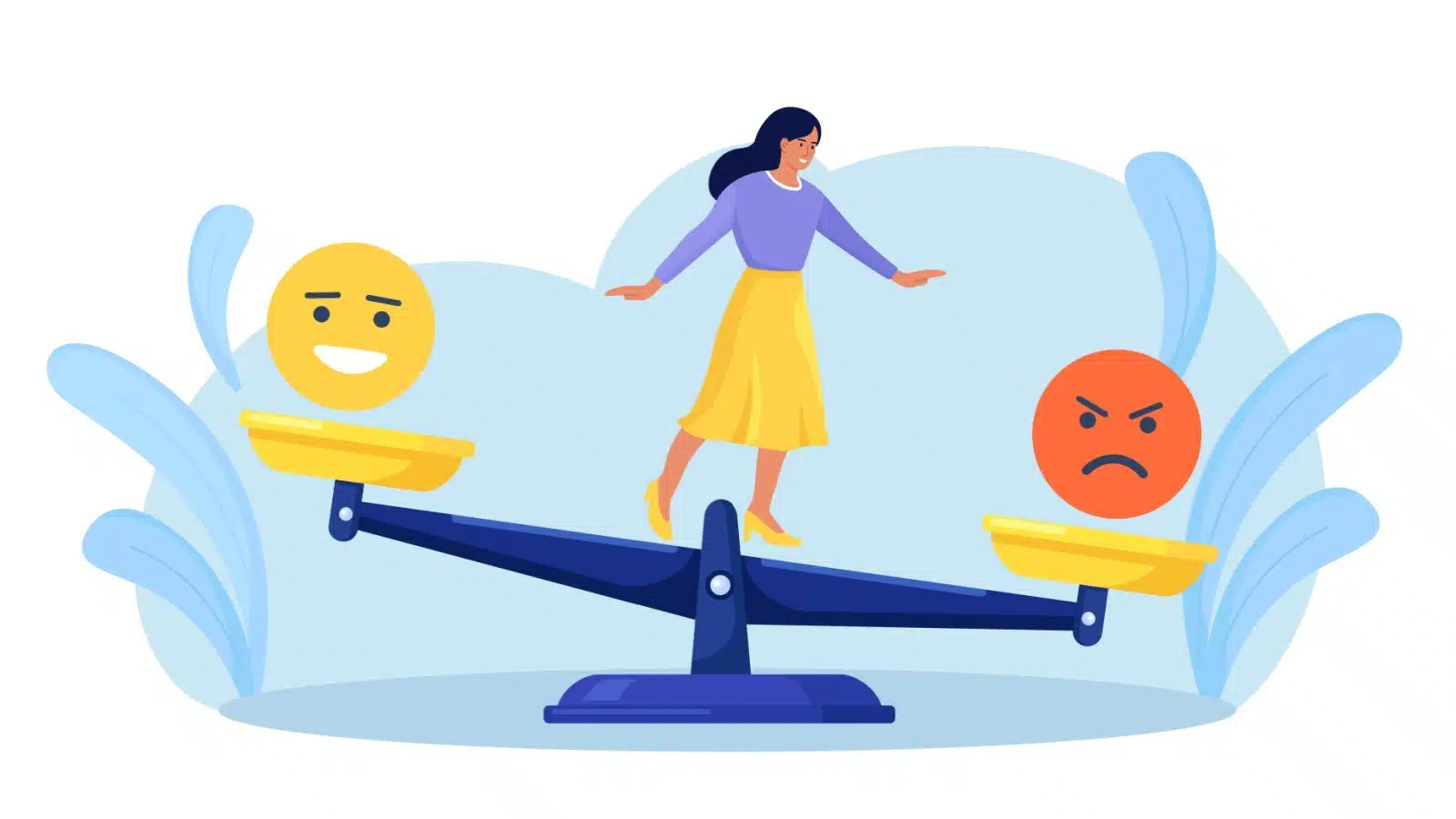
Ambiverts likely seem even-tempered to a casual observer. They get neither stressed out nor obnoxiously loud in social settings.
They seem to keep their cool in every situation.
Of course, the appearance of an even temper doesn’t mean they actually have one. Your personality type doesn’t have anything to do with whether you’re quick to anger or not.
Ambiverts in Social Situations

It’s tough to identify an ambivert in social situations because more often than not, they look like extroverts. But in a room of boisterous extroverts, they may seem introverted.
The best way to identify an ambivert is to spot the folks who seem comfortable regardless of what they are doing. If they’re happy engaging in crowds, wallflowering, enjoying one-on-one conversations, leading the pack, or sitting alone, they might be an ambivert.
Introverted Extrovert, Extroverted Introvert, or Ambivert?
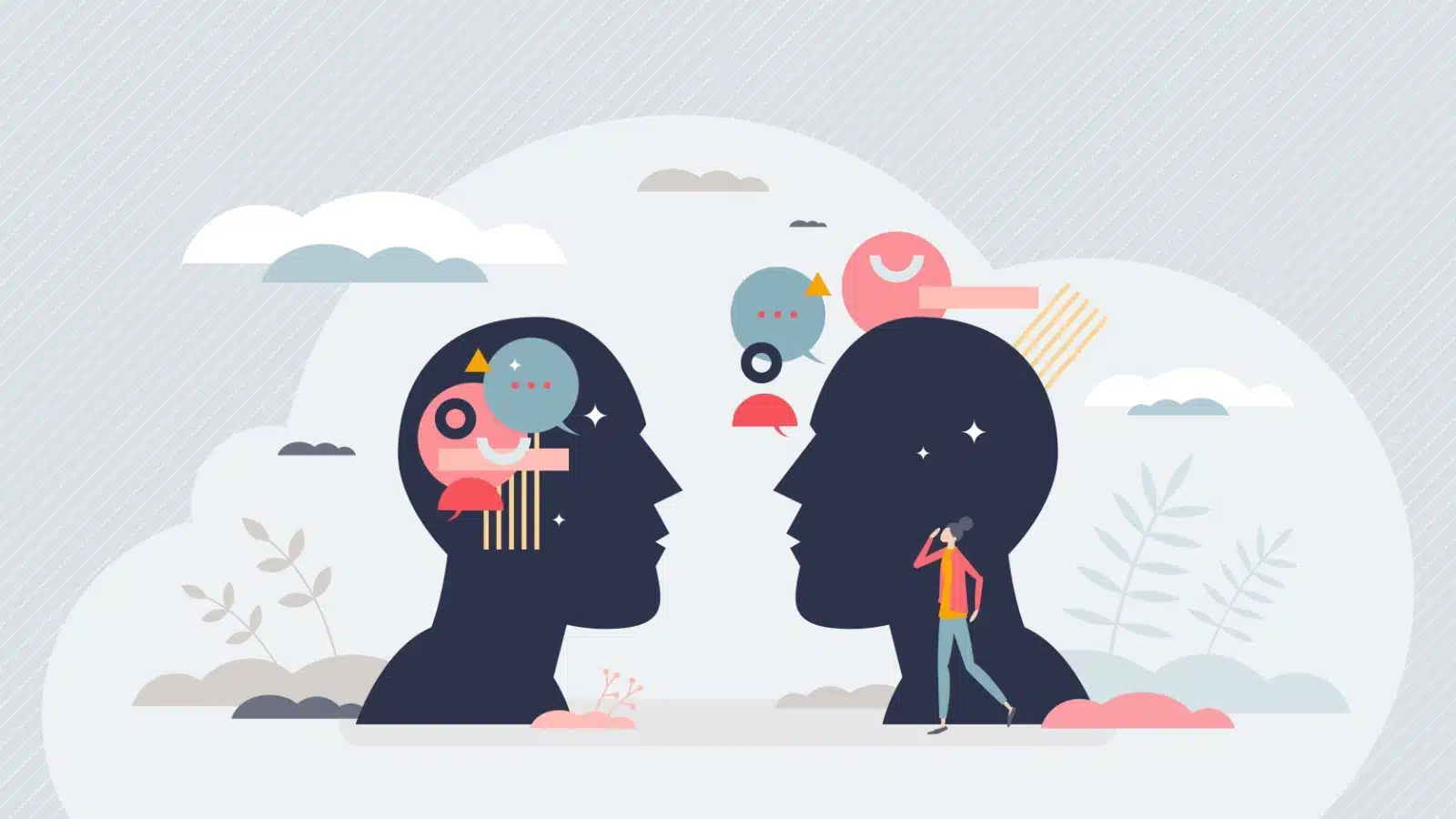
We have introverted extroverts, extroverted introverts, and ambiverts, so how do you tell which you are?
It’s mostly about your social battery.
Does being around people feel energizing or draining? Remember, it’s not about whether you actually enjoy being around people.
Whether they enjoy social situations or not, most introverts will immediately say it’s draining, while most extroverts will identify that they need people to thrive.
Ambiverts may struggle with the question. Was the interaction draining? Do they feel recharged when left alone?
It’s a tough question, not only because it’s hard to tell, but also because the answer can change. On some occasions, social interactions may feel draining, but on others, they may feel energizing.
How to Thrive as an Ambivert

The best thing about being an ambivert is that it’s easy to thrive no matter the situation. Since you can handle both social engagements and evenings alone like a pro, you don’t need much help.
However, we do offer one sage piece of advice: Know Yourself.
Why Knowing Yourself Matters

The term ambivert is generally new in mainstream spheres. You may not even realize you are one!
But the minute you realize this personality type exists, you feel a sudden wave of recognition. You finally feel seen.
You understand why it was so hard to decide whether you were an introvert or an extrovert – because you were neither!
Now that you know where you fall on the spectrum, you have a better understanding of why you behave the way you do in social settings.
Help Others Feel Comfortable

There’s another bonus to being an ambivert: you can help everyone else.
An ambivert can ease the tension between introverts and extroverts by understanding both and adapting to the situation.
In doing so, you sometimes become the glue that holds social groups together by helping the introvert extract themselves from too much stimulation or holding the extrovert’s attention so they get the boost they need.
Ambiverts Finally Getting the Attention They Deserve
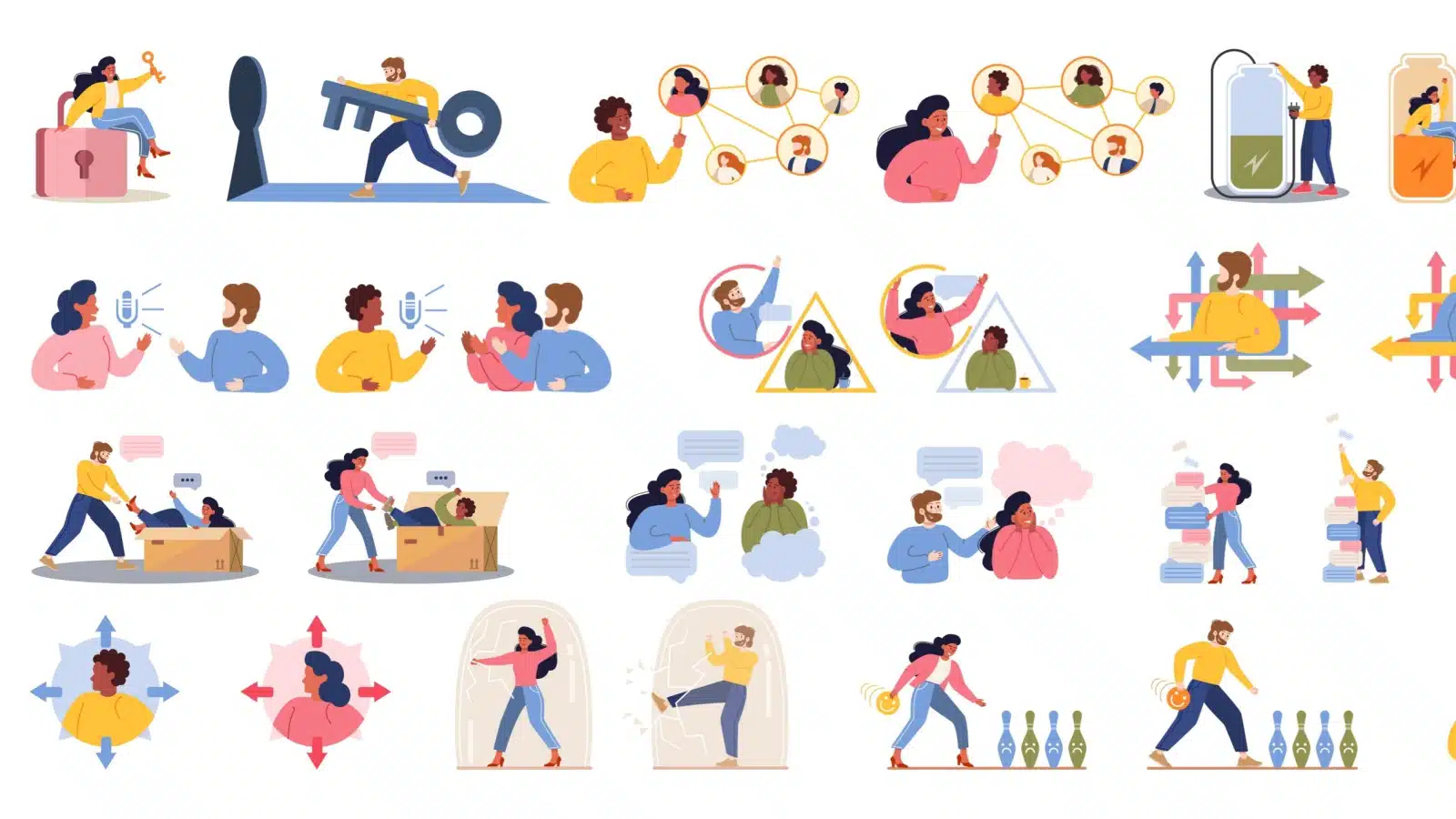
I love all the new research and content on ambiverts. The introvert/extrovert dichotomy didn’t feel complete, and learning about ambiverts (even though I’m not one) helps complete the puzzle.
However, nothing is black & white. Nobody fits neatly into any “personality type”. They are all just guides that help us make sense of the people we share the world with.
Use the terms to do that, but remember to treat everyone as the unique individual they are.