

Summer represents growth, vitality, and life in general.
Embrace it!
Here’s everything you need to know about the summer season, including when it starts, its symbolic meanings, and the best ways to enjoy the season!
When is the Summer Season?
In the Northern hemisphere, summer officially kicks off with the summer solstice around June 21. The solstice is the longest day of the year, so it’s the perfect way to mark the start of the season.
Summer officially ends with the autumnal equinox around September 21.
However, the US has an “unofficial” summer season, that special time from Memorial Day to Labor Day sees the bulk of our favorite summer activities.
In the Southern hemisphere, summer lasts from around December 21 to March 21, as the seasons are flipped.
Summer Months
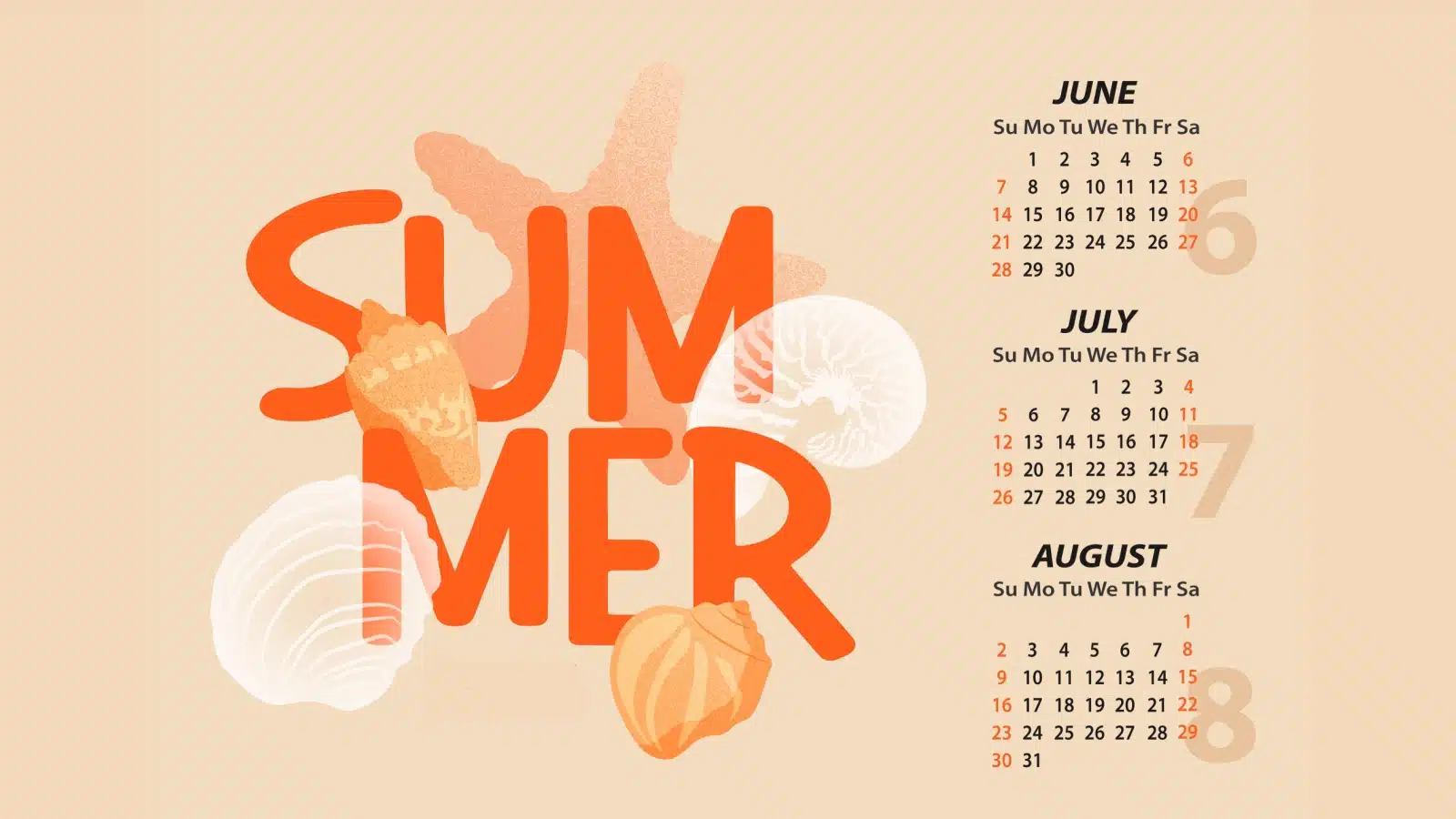
In the north, the summer months include June, July, August, and September, while in the south, summer spans from December through March.
Although the bulk of June falls in spring, we tend to associate it more with summer, whereas the opposite holds true for September. It may technically be summer, but it seems more like an autumn month.
The quintessential summer months are June, July, and August.
What Does the Summer Season Represent?
Summer represents the prime of life.
It’s a celebration of abundance, vitality, and continual growth.
We can see these representations in the Greek myth about why the seasons change – the story of Demeter, Persephone, and Hades.
Although the myth’s symbolism is most apparent in the spring and fall (planting and harvest seasons were far more important to ancient people than the relaxing summertime!), it includes hints of summer’s vitality.
Summer marks the peak of the growing season. Persephone lives with her mother, Demeter, above ground, the plants are thriving, the sun is shining, and they fill the entire world with their joyful energy and abundance.
Holidays in Summer
When researching this article, I found the lack of summer holidays fascinating.
My theory is that ancient peoples didn’t need a reason to celebrate during the summer, like they would have in the other seasons (planting in the spring, harvesting in the fall, and surviving the harsh winter), because summer was easy(ier).
Still, I did find a few ancient celebrations, and modern Americans have two huge holidays this season.
Why not celebrate these summer holidays too?
The Summer Solstice
The major “ancient” summer holiday occurs on the summer solstice. What likely started as a Pagan holiday to celebrate the changing seasons spread across the northern hemisphere, morphing into different types of festivals as it moved.
However, you’ll find many common themes in solstice celebrations, such as bonfires, feasting, honoring nature, and staying up all night.
Here are a few of the most popular ones.
Midsummer
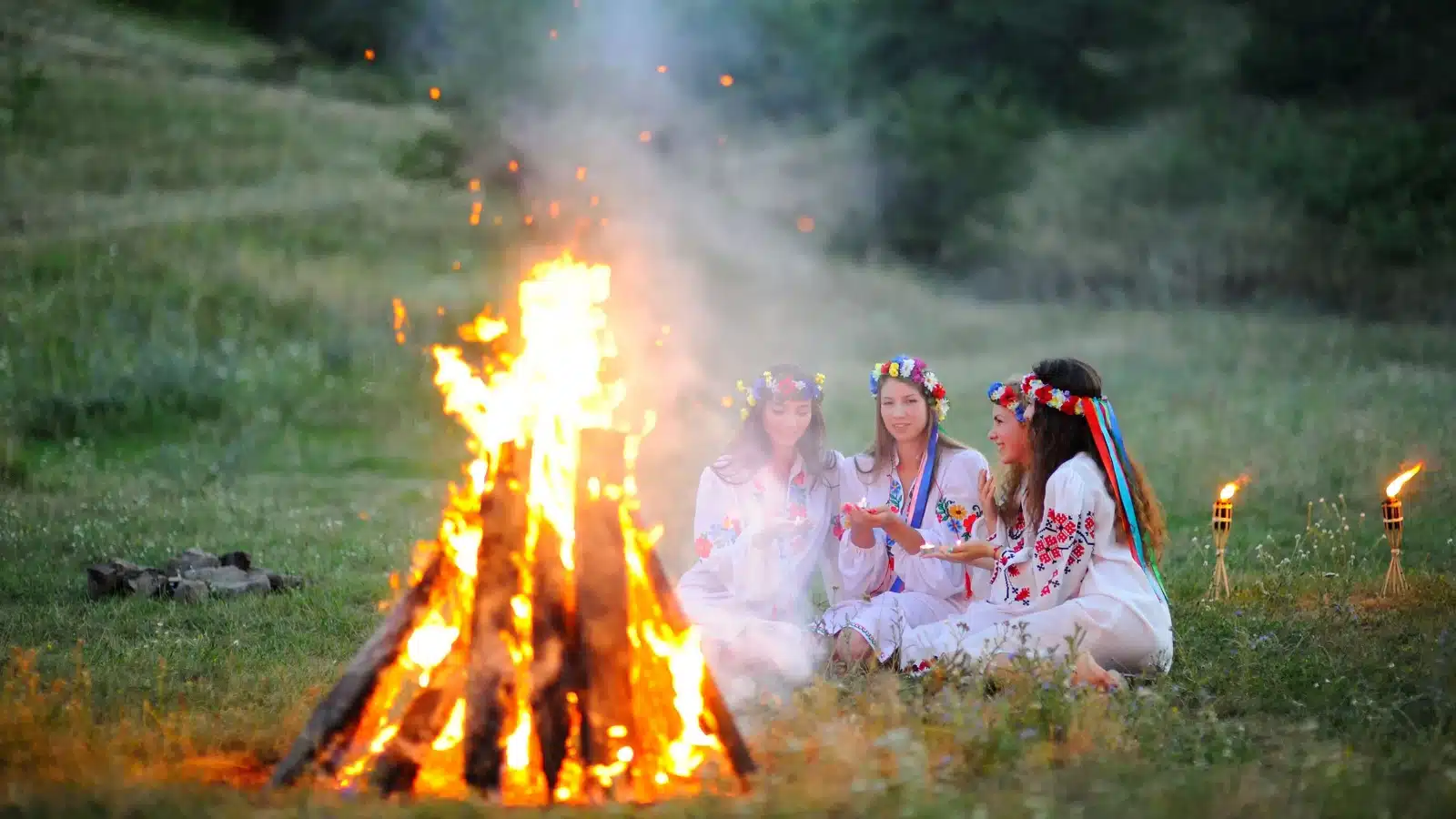
The Scandinavian Midsummer is probably the most famous of these celebrations. People celebrate with feasts, bonfires, and maypoles.
Midsummer festivities span multiple days, usually starting the night before (midsummer eve) and lasting well into the next day.
Jāņi
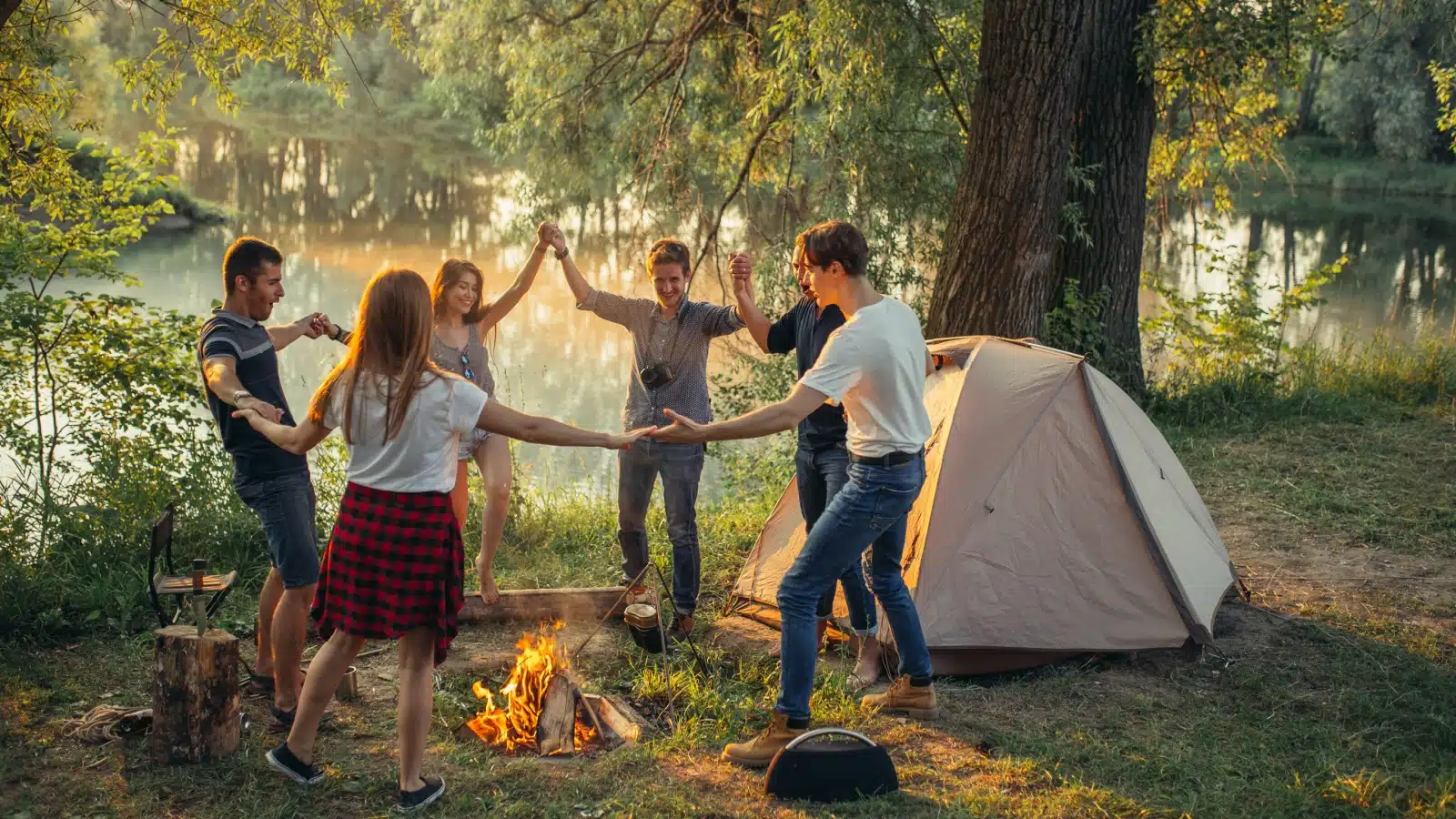
When I was in high school, I had a Latvian friend who always celebrated Jāņi (she called it “the longest day”; I don’t know if that’s a direct translation).
In Latvia, they would stay up the entire night, laughing, eating, drinking, and singing, then watch the sunrise the next day.
Summer Solstice at Stonehenge
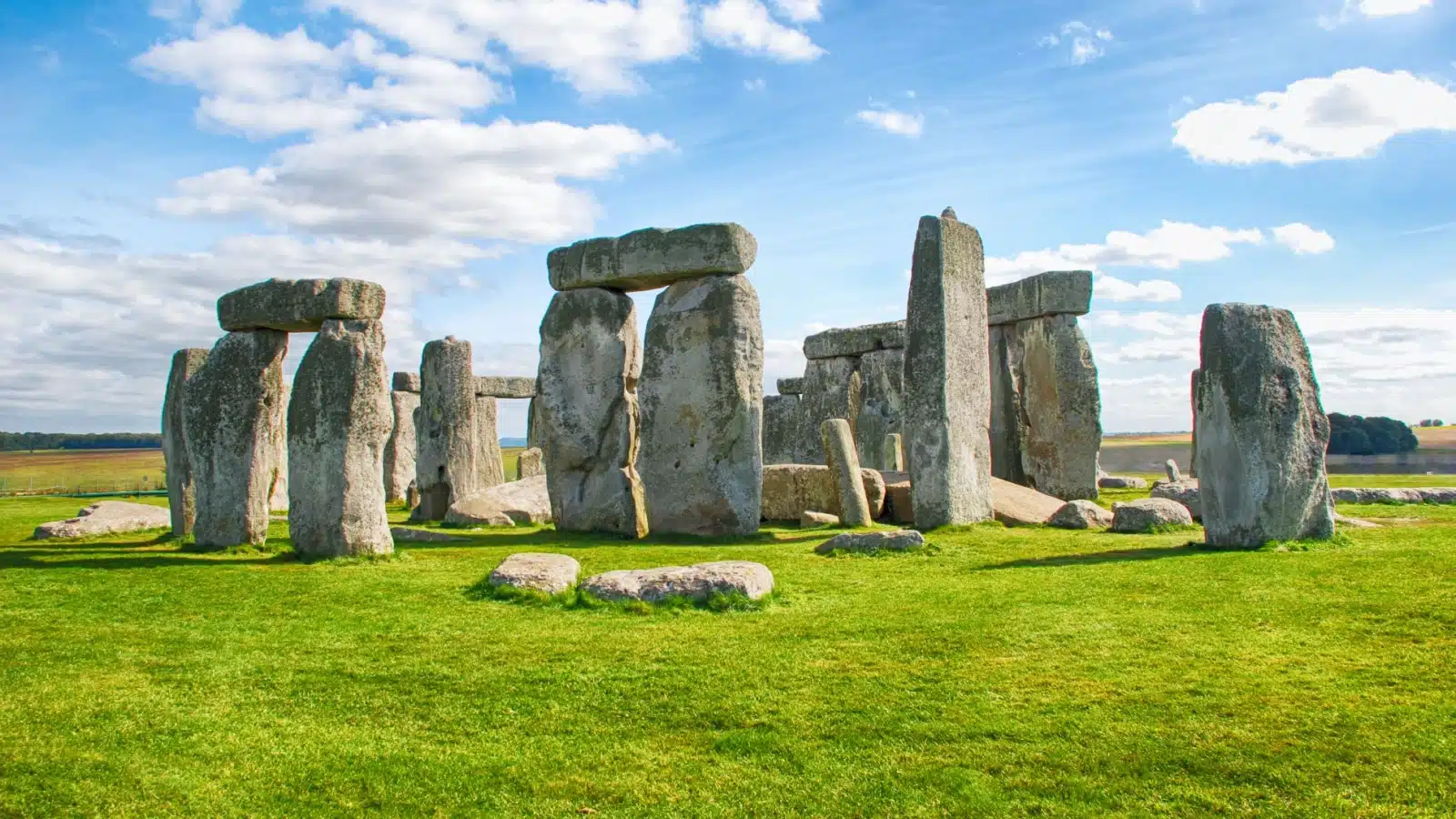
The Pagans never actually disappeared. The four solar turning points (summer solstice, winter solstice, vernal equinox, and autumnal equinox) are their most important holidays.
Although pagans around the world celebrate, one of the biggest events is the gathering at Stonehenge in England. They celebrate with a sunrise gathering, meditation, and Druid rituals.
Ivan Kupala Night
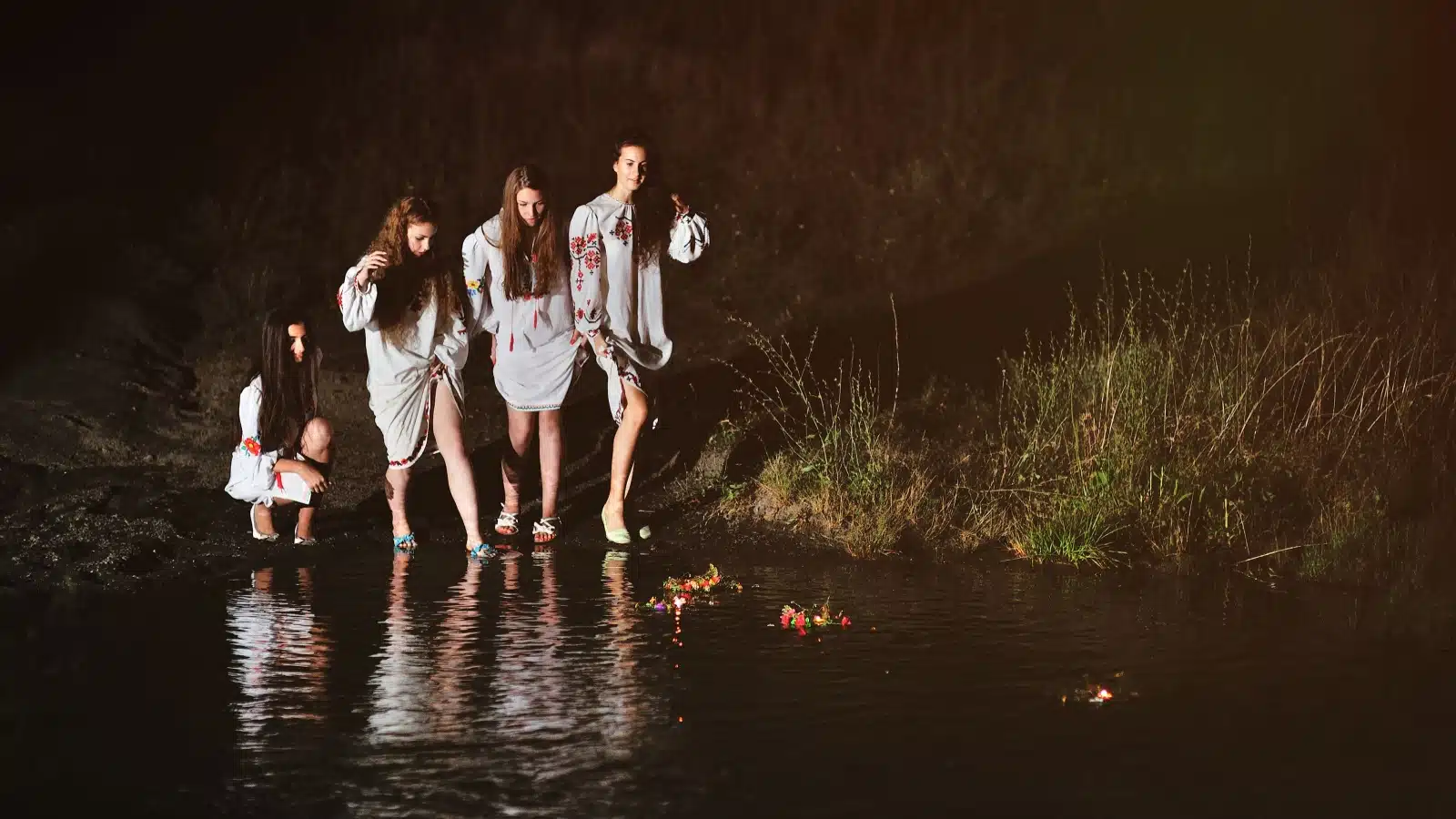
Slavic countries celebrate the solstice with Ivan Kupala Night. People decorate themselves and their homes with flowers and herbs, and bathe in natural bodies of water to celebrate the natural world’s blessings.
Jumping over fires is one of the biggest activities of the night.
St. John’s Eve

When Christianity took over Europe, it didn’t outright ban Pagan celebrations, but it did co-opt them.
Many of the solstice celebrations were transformed into St. John’s Eve. Although the name changed, most of the festivities remained the same.
Modern Summer Holidays
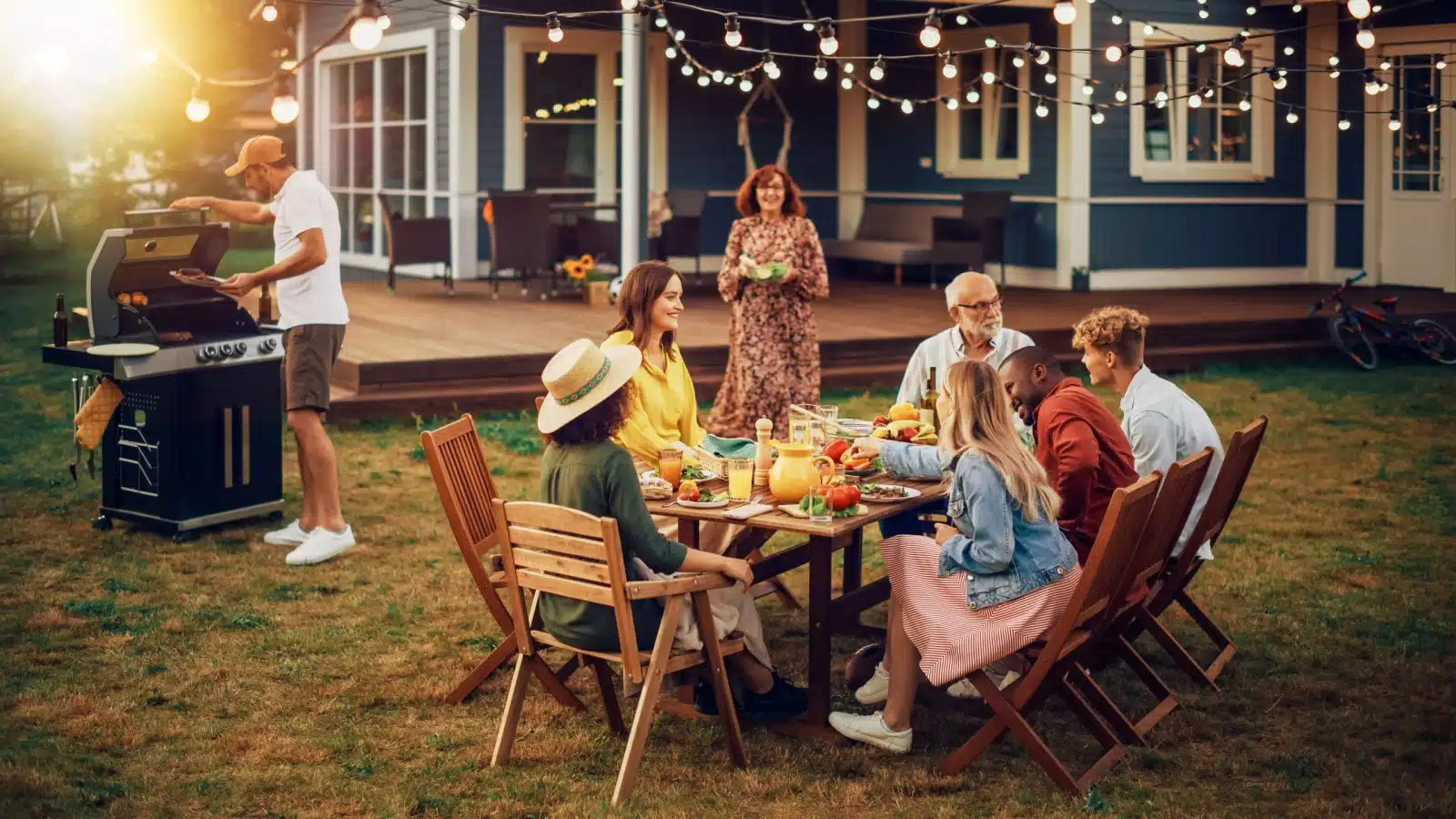
Not every holiday has to have ancient origins. The US has three unique summer holidays, each younger than the country itself:
Juneteenth
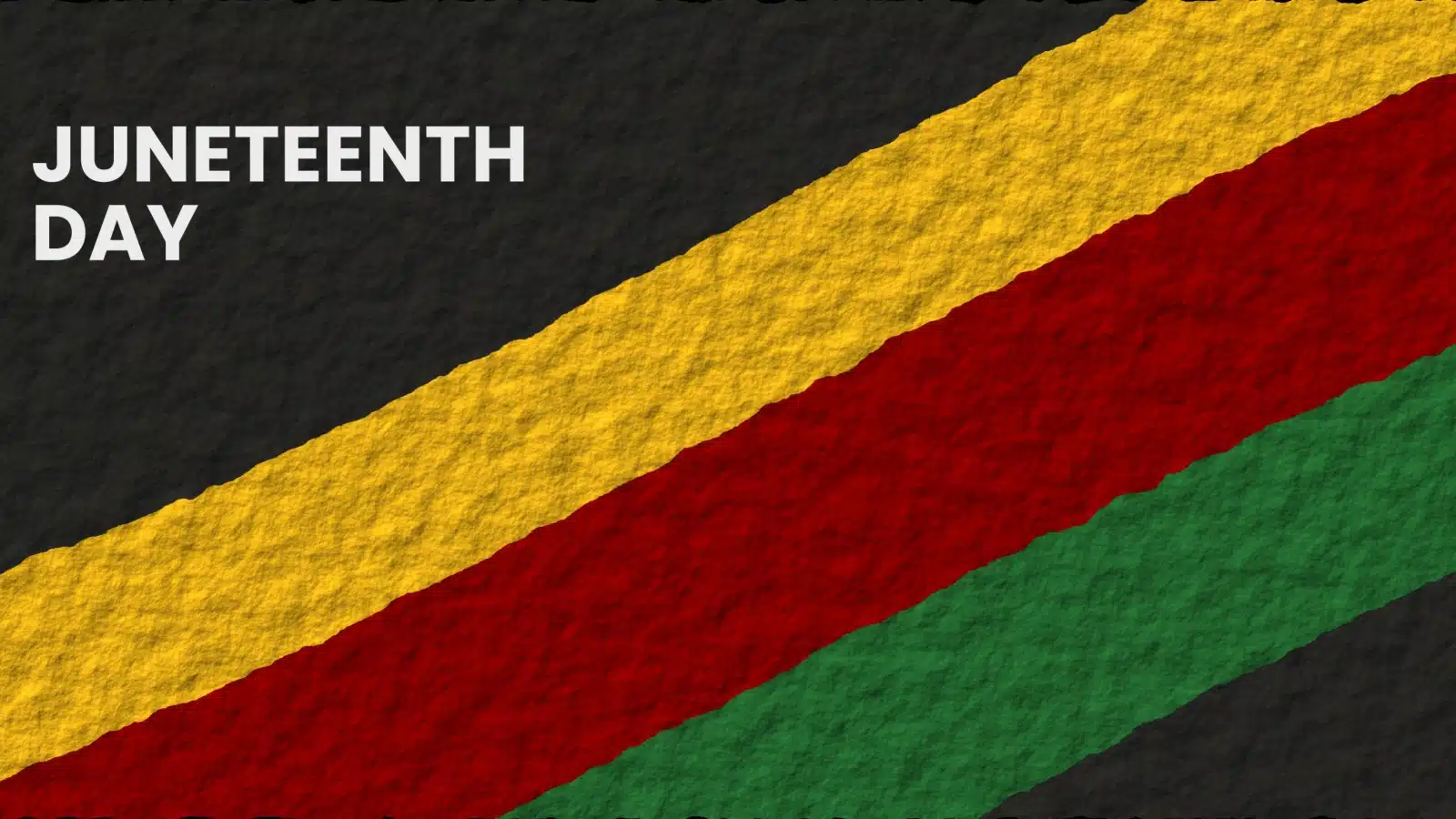
Juneteenth only became an official summer holiday a few years ago, but it was celebrated regionally for far longer.
The holiday dates to June 19, 1865, when the very last enslaved people were finally freed (horrifically, this was two whole years after slavery “officially” ended).
On this day, 2000 Union troops marched on Galveston, TX, the last stronghold of slavery in the country, to enforce the Emancipation Proclamation, finally ending one of the worst chapters in American history.
Today, we celebrate by honoring the contributions of black Americans, continuing the hard work of anti-racist education, and celebrating freedom.
Independence Day

Independence Day is the quintessential American summer holiday.
On July 4, 1776, our founding fathers signed the Declaration of Independence, thus asserting America’s sovereignty.
Though the Revolutionary War lasted another seven years, we point to the Fourth of July as the day we decided we’d had enough and demanded freedom.
It officially became a federal holiday in 1870, and we celebrate with cookouts, fireworks, and pool parties.
Labor Day

Labor Day started in the late 19th century as a way to honor working-class Americans. It was supposed to include a massive parade showcasing the working people’s strength and solidarity, but in modern times, I think we sometimes forget the true meaning.
Today, we see Labor Day as summer’s last hurrah. The working class rarely gets the day off, while the middle class and above enjoy weekend getaways, a final summer BBQ, and doorbuster sales at retail locations across the country, where we force the working class to work.
Summer Season Themes

There may not be as many myths or holidays about summer as in the other seasons, but we can find a few major themes.
They transcend history, as the modern holidays tend to have similar themes to the ancient Pagan traditions that still live on today.
Freedom

Freedom stands proud as one of the major summer season themes, both historically and in modern times.
Two of our three major modern summer holidays are all about freedom, but we can also see the theme in the Pagan celebrations, though it’s more of an individual freedom. People stay up all night, run around in nature, and enjoy the world without worrying about life’s stressors. That, to me, is an ultimate freedom.
Vitality

Summer sparkles with energy. The world bursts with life, from the flourishing crops to the crawling insects and frolicking squirrels.
We feel the planet’s lifeforce flowing through us, giving us all extra energy to enjoy the season’s blessings.
Abundance
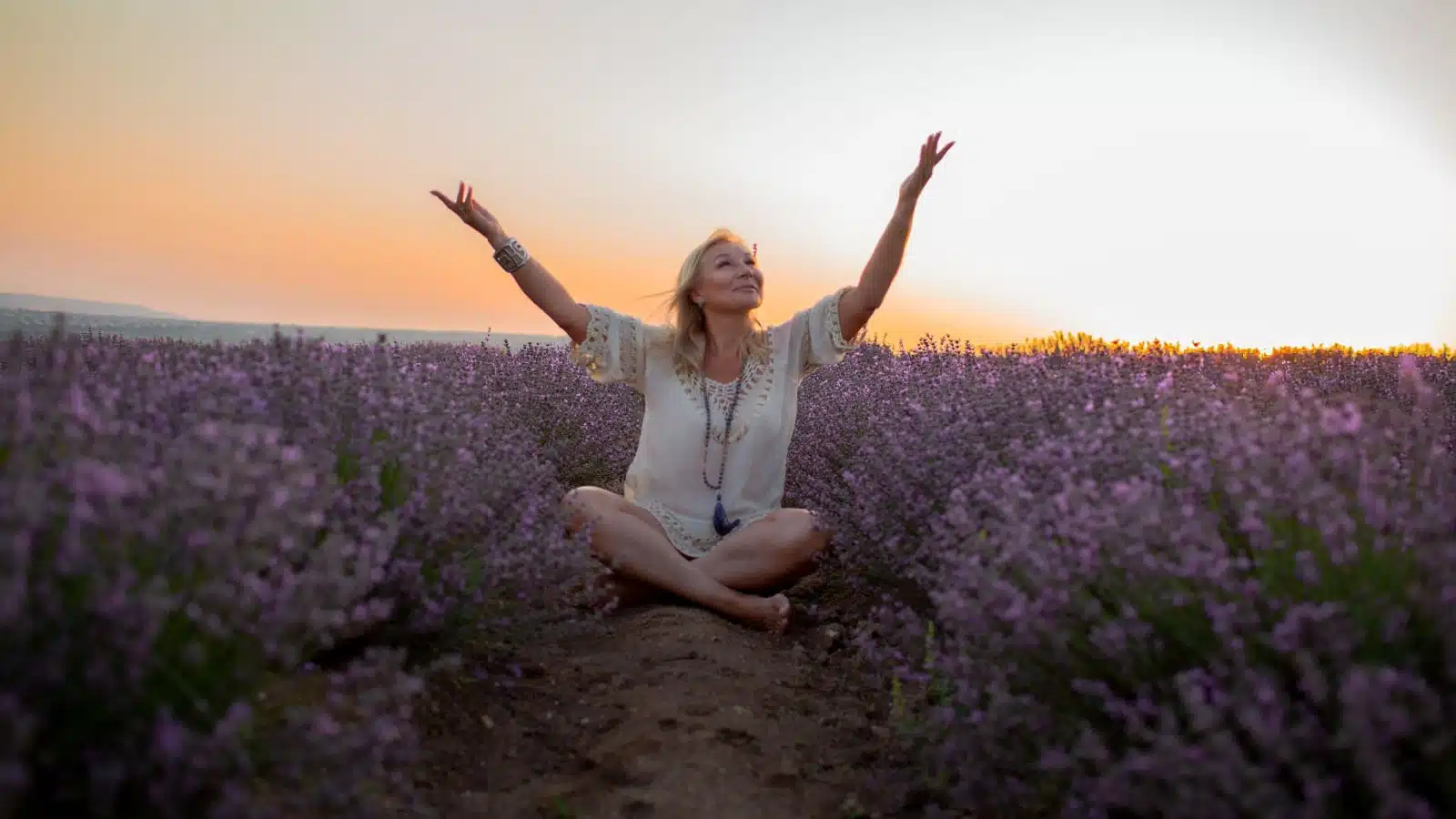
Everyone is calmer in the summer because the world provides everything we need. The season’s abundance flows through us, allowing us to enjoy ourselves without a care.
It’s a vast difference from winter’s scarcity.
Joy

Summer’s warmth, vitality, and abundance bring forth a glorious joy. How can you not be happy when there’s so much life swarming around you, the sun is shining, and the world provides all that you need?
Prime of Life

If I had to pick one theme to embody the summer season, it would be the prime of life.
When we think of seasonal representations of life, we imagine spring as the season of birth and childhood. Autumn is retirement age, winter represents old age and death.
But summer is adulthood. It’s the season of life bursting with energy and possibility. Anything is possible in the summertime.
The world follows the same path. Things grow in the spring, decline in the fall, and die in the winter. But they thrive in the summer.
Just like you.
The Best Ways to Enjoy Summer

We already wrote an epic post outlining the best summer activities, so we aren’t going to rehash it here.
Instead, we’ll offer some broad guidelines for making the most of your summer.
Relax

I know I just said the summer season represents life and vitality, but you know what? Modern culture is so messed up that sometimes, we just need time to relax.
Summer offers that time. Lay out in the sand at the beach, float down a river in a tube, and take a break from the stress of daily life for a bit.
Explore

Summer is vacation season! Take some time to explore your world.
Book that trip. Travel to parts unknown. Go somewhere different.
Exploring doesn’t have to be expensive. Check out the small town an hour away, go to a local state park, or visit a friend in a different state.
Connect

One thing all the summer holidays have in common is community. Modern BBQs and ancient bonfires all see friends gathering for food, fun, and connection.
Get together with your friends. Go to summer BBQs, pool parties, and other events. Make new friends.
Have Fun!

The best way to enjoy summer is to, well, enjoy it! Have fun, whether that means cookouts, movie nights, gaming, reading, traveling, gardening, or whatever it is that you enjoy.
Make your summer epic by doing the things that make you happy.
Enjoy the summer season!