

Could you eat on just $20 for the month?
It seems impossible, especially in this era of rampant inflation and rising food prices, but unfortunately, a $20 grocery budget is the reality for far too many people.
Those who don’t have enough money for food don’t need an article – they need real help. If you only have $20 for groceries, I implore you to seek help by visiting food pantries or applying for government assistance via WIC or food stamps.
This article isn’t really for the folks struggling – I understand you need help that we’re unable to provide.
It’s for everyone else.
Food Insecurity’s Devastating Impact

The USDA Economic Research Service’s 2024 data show that nearly 15% of all American households face food insecurity. That’s close to 50 million people.
Although nobody has published any new numbers, we can only imagine how much worse the political changes and rampant inflation of the last few years have made the situation.
People who’ve never experienced drastic food insecurity don’t understand how challenging it is. It’s much more than feeling hungry all the time.
According to Science Insights, adults facing food insecurity are more likely to develop diabetes, heart disease, kidney disease, and even certain cancers. It also impacts their mental health, as they’re more likely to experience depression and anxiety.
Children facing food insecurity have poorer educational outcomes and are more likely to develop behavioral problems. They tend to grow into adults facing food insecurity, and the cycle continues.
Putting Yourself in Their Shoes
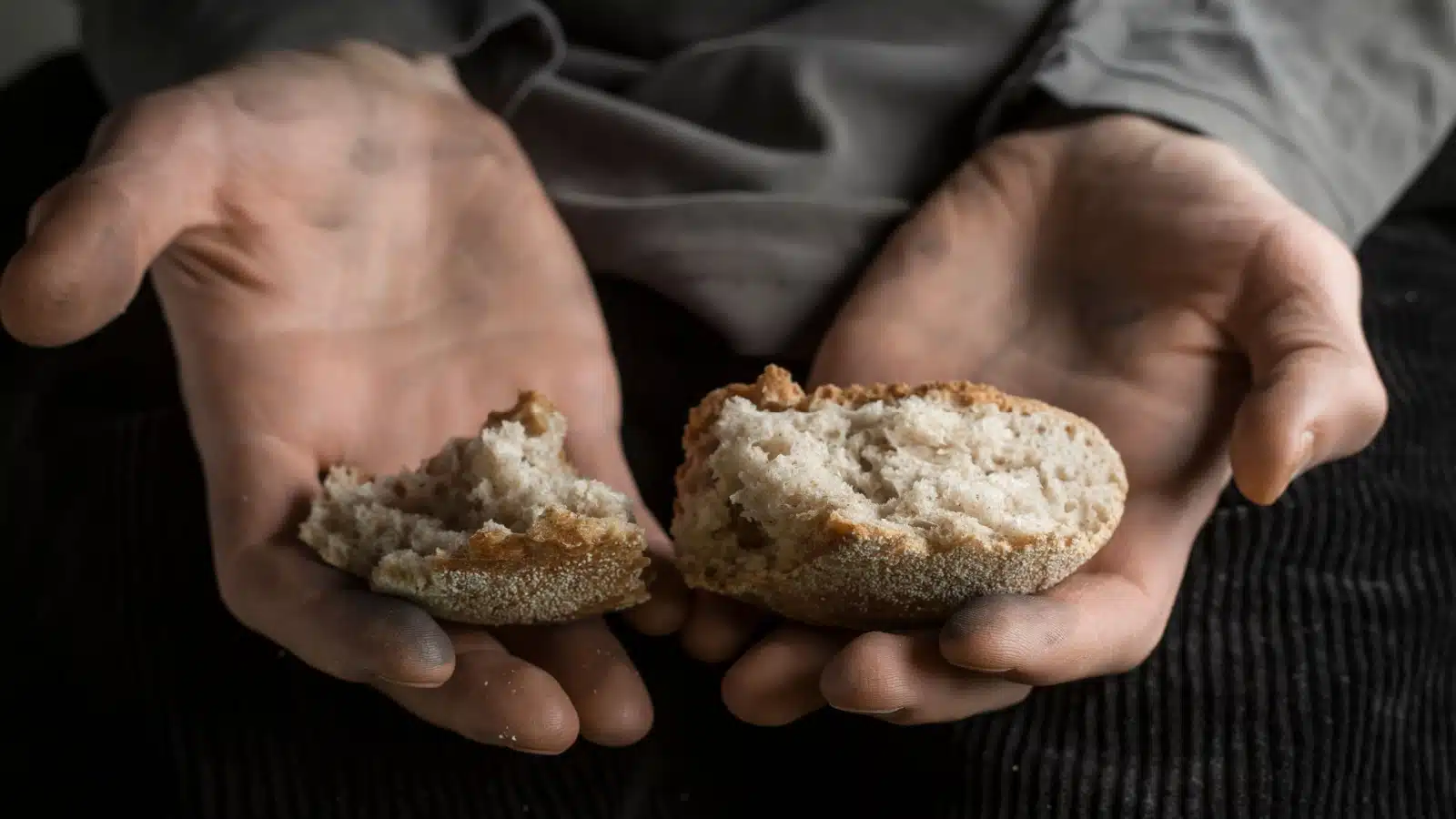
Unfortunately, millions of Americans refuse to empathize with their neighbors struggling with food insecurity.
We see it online where people scream about how unfair it is that someone on food stamps *gasp!* buys their kid a cake, in all the regulations policing what people on assistance can buy, and in the new “policy ideas” that limit access to these much-needed resources.
We can’t help you empathize with the long-term consequences of food insecurity, but perhaps we can show you how difficult it is to buy food, especially given the ever-rising cost of living.
Our research shows that it costs nearly $75,000 on average just to live. The federal minimum wage is still just $7.25 per hour, meaning if someone earns minimum wage, they make about $15,000 per year. A lot of places have raised their minimum wage to $15 per hour, but even that is only about $35,000 per year.
Something has to give, and a lot of the time, it’s the food budget.
How Would You Eat with $20 a Month for Groceries?
This article is a thought experiment designed to force you to think about the people struggling to feed themselves and their families. Although $20 for the entire month of groceries seems like a massive stretch, it could very well be a reality for a lot of people.
What would you do if it were the reality for you?
We’re going to find out by trying to make it work.
If more of us considered how we would handle such dire circumstances, maybe more of us would vote for policies that prevent people from being in those circumstances in the first place.
Rules of the Experiment
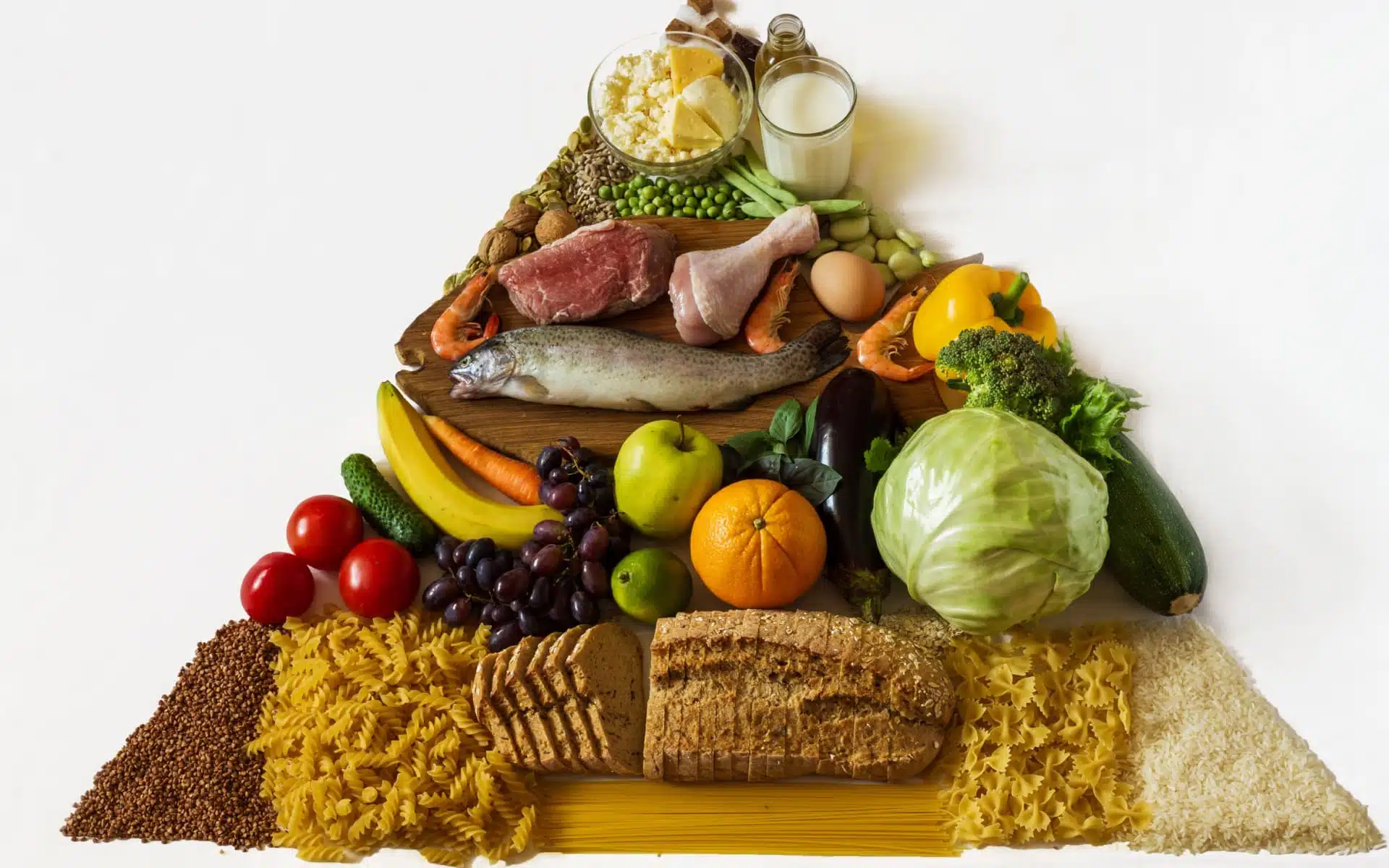
The term “groceries” can cover everything from food to toiletries to pet supplies. Family size also has a massive impact on grocery spending.
For the purpose of this thought experiment, we’re going to focus solely on food for one person.
Focusing solely on food means that this person (who probably really exists somewhere) can’t afford pet food, dish soap, deodorant, Ziplock bags, or anything that’s not 100% essential for survival.
It also means that if this person is a parent, they probably can’t afford to feed both themselves and their child(ren).
Stretching a $20 Grocery Budget for a Month
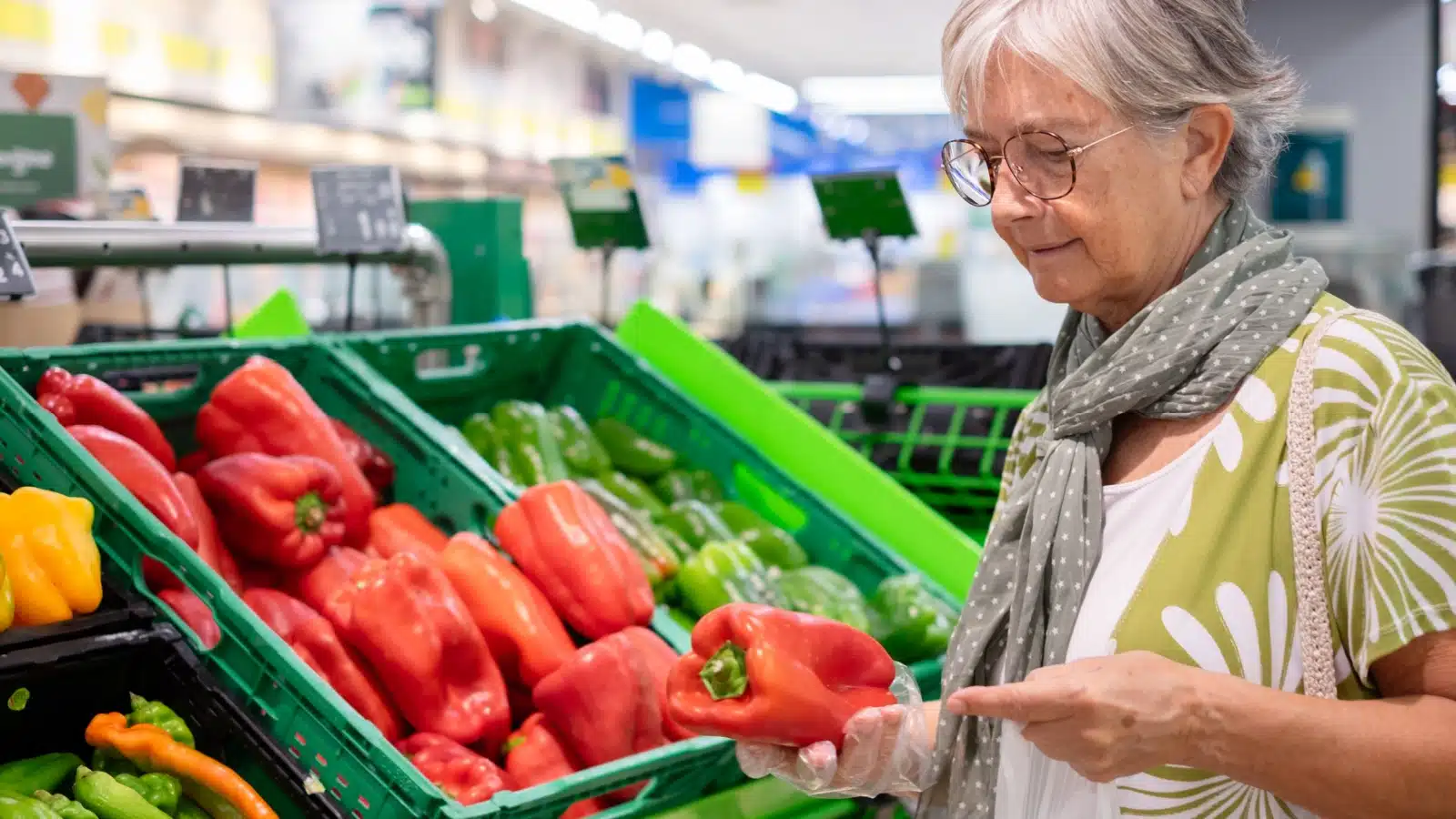
When you only have a $20 food budget, you’re in survival mode. It’s impossible to eat healthy, nutritious meals, but it is possible to survive.
Here’s what I would buy for the month if I only had $20 to spend:
| 2lb bag of rice | 2 |
| 1lb bag of lentils | 2 |
| 1 lb bag of pinto beans | 1 |
| 2lb bag of flour | 1.5 |
| Loaf of white bread | 1.5 |
| 5lb bag of potatoes | 3 |
| 1lb bag of carrots | 2 |
| 1 dozen eggs | 1.5 |
| 1 onion or green pepper | 1 |
| Hot dogs, bologna, or discount meat | 2 |
| Margarine | 1.5 |
We used Walmart’s online shopping platform to check the prices, choosing the cheapest generic offering available.
The list includes some staples, like rice, beans, and flour, and some extras to add flavor, like margarine and onion.
When we first published this article in 2019, we were able to get both onions and green peppers, and also add salt, baking powder, a tomato and bullion.
In 2024, we had to cut back way back, but now in 2026 prices are a tiny bit cheaper (though still higher than in 2019). The total on the chart is only $19, so we could add back in salt, chicken bullion cubes, a tomato, green pepper, or baking powder.
Here’s how we would use this food to survive a month.
Breakfast

Breakfast is the most important meal of the day.
On most days, you can make flavorless crepes with just flour and water. If you add an egg, you can almost make pancakes (most pancake recipes call for baking powder, which we can’t afford, but your breakfast will be slightly hardier if you add an egg).
You can add a dab of margarine to your crepes or pancakes for extra flavor.
During the month, you can treat yourself to one or two meals of an egg, toast, and hashbrowns. For extra flavor, add a slice of onion or green pepper to the hashbrowns.
Keep in mind that you only have 12 eggs, so you can’t have an egg for breakfast every day. Sometimes, you’ll have to settle for crepes or skip breakfast altogether.
You also have only 1 onion or green pepper, so you will need to slice a small piece off and store the rest for later.
Lunch

Bologna sandwiches are ideal for lunch. Unfortunately, a loaf of bread and a pack of bologna aren’t enough to last a full thirty days.
I’d recommend having them for lunch on the days that you have the less-filling crepes for breakfast.
If you opt for hot dogs rather than bologna, your lunch options will be more limited. You can make extra hashbrowns at breakfast and heat them up for lunch (a 5-lb bag of potatoes can stretch pretty far) or have a carrot to hold yourself over until dinnertime.
Finally, you could make a bit extra at dinner and keep those leftovers for lunch.
Dinner
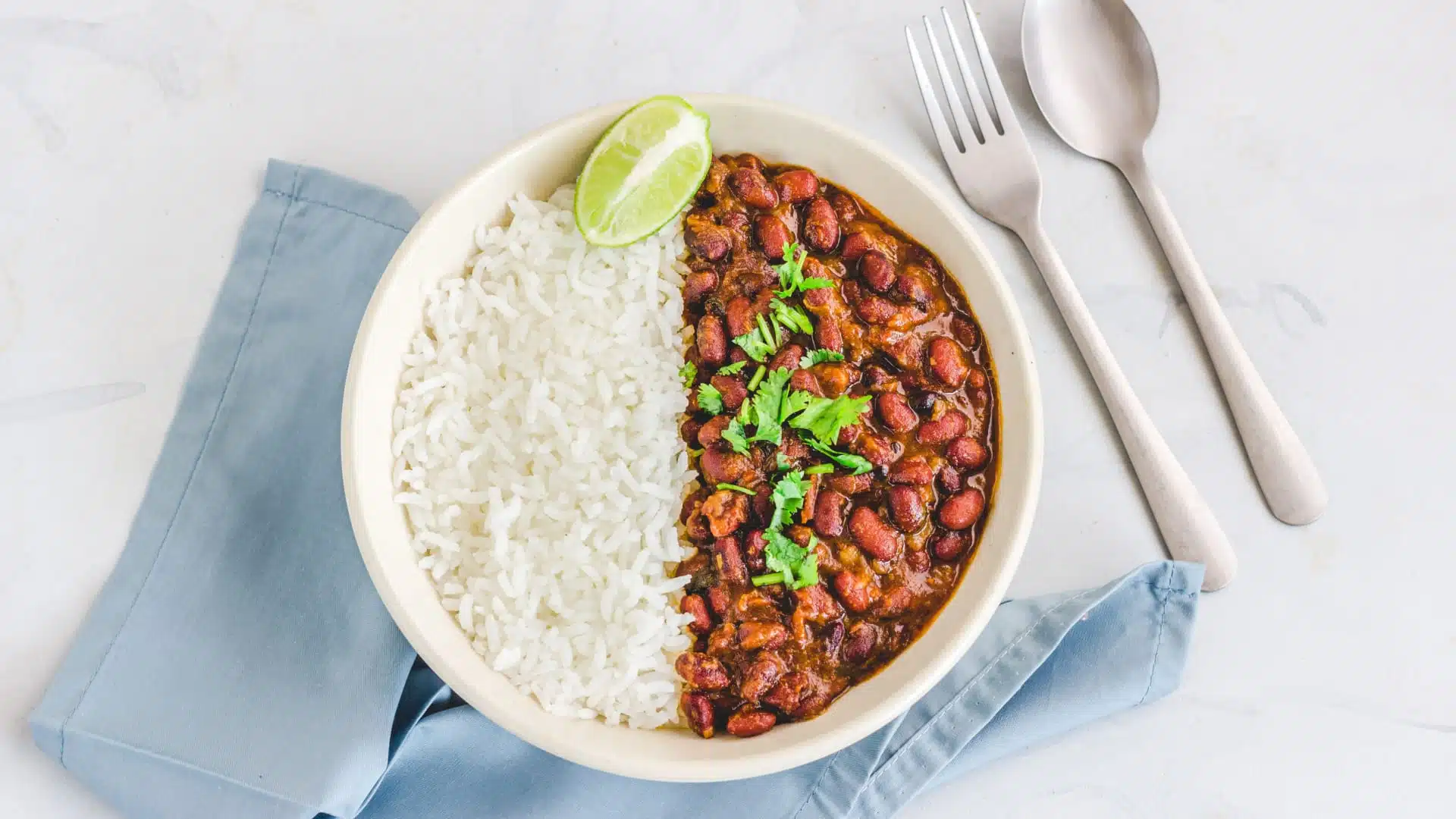
When you only have $20 a month for groceries, your dinners will consist mostly of rice, beans, and lentils.
Fortunately, these three staples are still fairly cheap and filling.
Add chopped carrots and a slice of your onion or green pepper for extra flavoring. If you don’t eat your eggs for breakfast, you can add some to your rice on occasion with a dab of margarine for budget fried rice.
When you’re sick of rice and beans, make potatoes. You can fry them with a bit of salt for homemade fries or potato chips, boil or roast them for a satisfying side dish, or cut them up and mix them with flour for potato pancakes. They’re an ideal food because they’re cheap, versatile, and filling.
If you opt for hot dogs, you can cut them up and mix them with any of your bean dishes. Keep in mind that only 8 hot dogs come in a pack, so you probably will only want to use half a hot dog, and that still won’t be enough for the full 30 days.
However, it will give you extra protein and flavor for half the month.
Making the $20 Food Budget Last

30 days is a long time. Many of the items on the list won’t stretch that far, leaving you with rice, beans, and flour for half the month.
You have two options for stretching it even further.
Swap Items

The 5-lb bag of potatoes is a little pricey. If you decide against potatoes, you can get either an extra dozen eggs and a loaf of bread, hot dogs and bologna, extra veggies, or more seasonings (like salt and bullion).
You can opt for more or less of any item on the list or grab other, similarly priced goods. Though you don’t have a lot of options, you have enough to mix it up a bit.
Skipping Meals
Some people in such dire circumstances may opt to skip meals altogether. Though I’m not a fan of skipping meals, a lot of people do – even if they can afford groceries.
If you decide to regularly skip breakfast, you don’t have to buy eggs, flour, or baking powder, which will free up five bucks to buy more substantial foods for lunch and dinner.
If you decide to skip lunch, you may not have to buy bread or bologna, and you can stretch the dinners that you make a tad bit further. This would free up a little extra money for more discounted meat or maybe another vegetable or spice for flavor.
Making it Work

Although it is possible to stretch $20 for a month of food, it’s not easy (and probably not very tasty).
You will be able to eat (survive), but you will probably get bored of cooking rice and beans pretty quickly.
However, I don’t think it’s possible to feed more than one person on such a small food budget. Like I said above, if you are in such a dire situation, you should definitely go to a food bank or request government assistance.
If You Don’t Know the Struggle

If you’ve never had to experience living off of a $20 grocery budget, do the thought exercise with me.
The next time you are at the grocery store, look at the prices. Find out what you could buy for only twenty bucks that would get you through a full thirty days.
Would you be able to survive?
If not, stop demanding that the poorest among us jump through ridiculous hoops to feed themselves and their families.
Try buying a bag of oatmeal & cook it daily for breakfasts – it should last more than a month.
Interesting post. Gives me new perspective on my mom’s struggles to feed 6 kids.
Yeah, its crazy how expensive stuff is when you actually stop and look at it.
My budget is about $20 – $30 a month for food. However I do raise chickens for eggs and I grow a huge garden – I save my seeds every year. I can quite a bit of food from the garden or freeze. Even though I live up north I garden all year to help save money and to feed the animals. I do sell some eggs each month to pay for their feed. I eat pretty well considering. I do use coupons but only on things I would normally buy. I cook almost everything from scratch. It’s not always easy but its not as hard as you would think . I do not go to the local food bank – I haven’t felt the need. My advice for anyone on a very limited food budget would be to grow some food. Seeds go for $.25 a pack at the dollar store. Ask around -at some libraries they have seed swaps that are free. Also most people do not know this but if you receive food stamps you can buy items you need using that. Just look up places in your area. Most Lowes accept for veggie garden supplies. Growing from seed is easy and cheap. There are plenty of good videos to watch on YouTube. I would definitely start with lettuce, spinach, any greens , radishes and carrots all are easy to grow. You could also grow peppers and tomatoes as well. All these can be grown in pots or buckets ( make drainage holes) and keep outside on a balcony , deck, or if you don’t have access to those if you have a sunny window grow herbs and your greens there. All that will save you money and increase your food supply!
Roseanne, Thank you for the thoughtful comment. I didn’t consider that people could grow and raise their own food on limited food budgets, but that’s an excellent point and I’m glad you brought it up.
I hope it helps someone!