

Long nights and bitter cold don’t have to mean tasteless food. The season bursts with flavors sure to please every palate.
Discover the savory, sweet, and bitter winter flavors to embrace during the coldest part of the year.
The Best Winter Flavors

Discover all the wonderful tastes of winter to savor when the weather gets cold.
Here are our favorites.
Peppermint
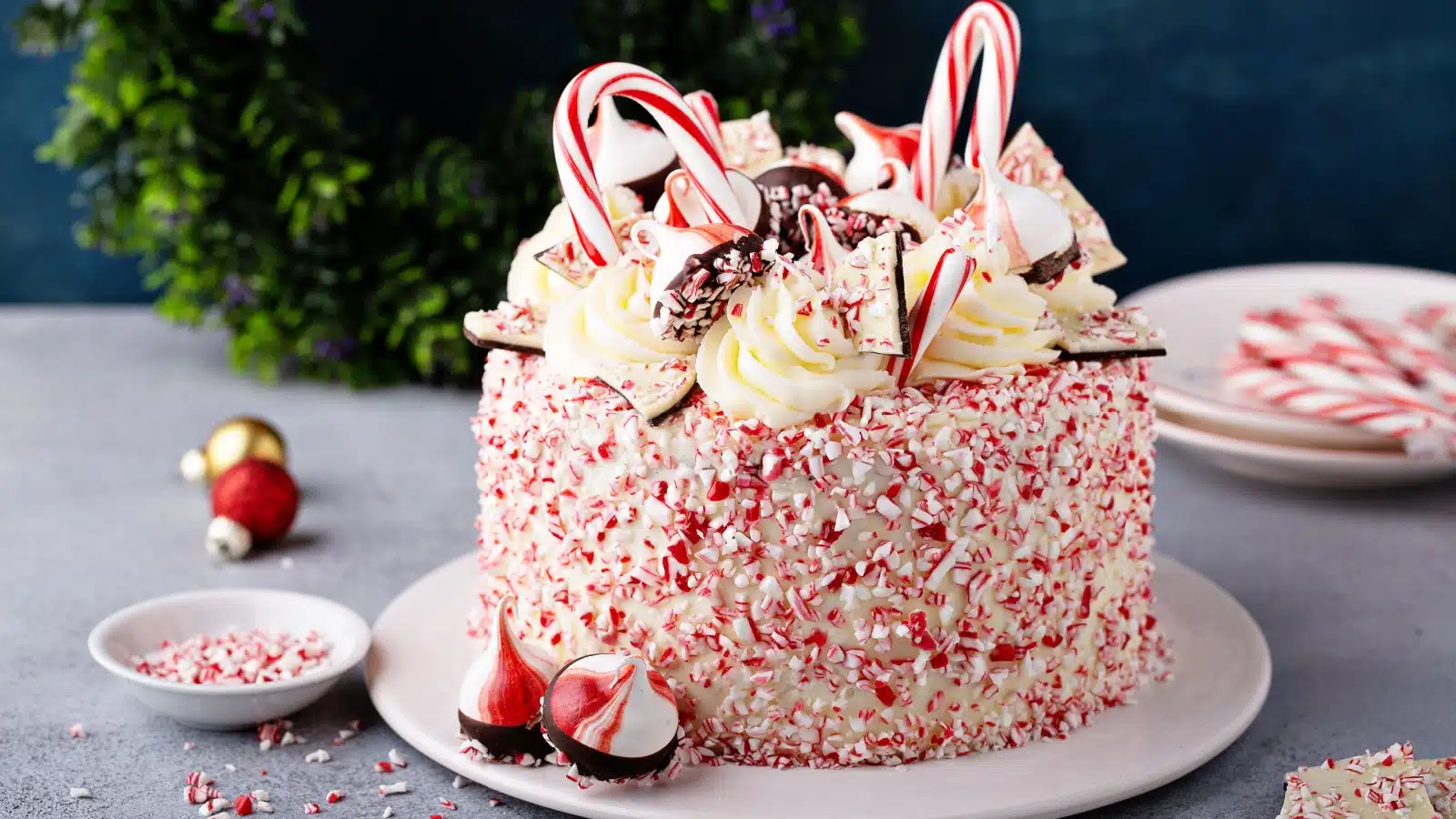
Peppermint is the quintessential winter (and Christmas!) flavor. As soon as Thanksgiving ends, store shelves burst with all things peppermint, from candy canes to peppermint ice cream.
Our favorite coffee shops bring out their peppermint mochas, and we enjoy treats like peppermint bark infused with the icy flavor.
Peppermint serves as the best winter flavor because it embodies the season. It’s crisp, sharp, and cool, like popping a fresh icicle in your mouth. The treat became so intertwined with winter and the holiday season that most offerings only come in the classic Christmas colors, red & white.
Chocolate

Chocolate transcends seasons, but the beans become an iconic winter flavor when roasted in boiling water to become hot chocolate.
Imagine curling up next to a roaring fire while a blizzard coats the Earth in snow. You have a warm cup of liquid in your hands.
What’s the liquid?
We all know it’s hot cocoa.
Hazelnut
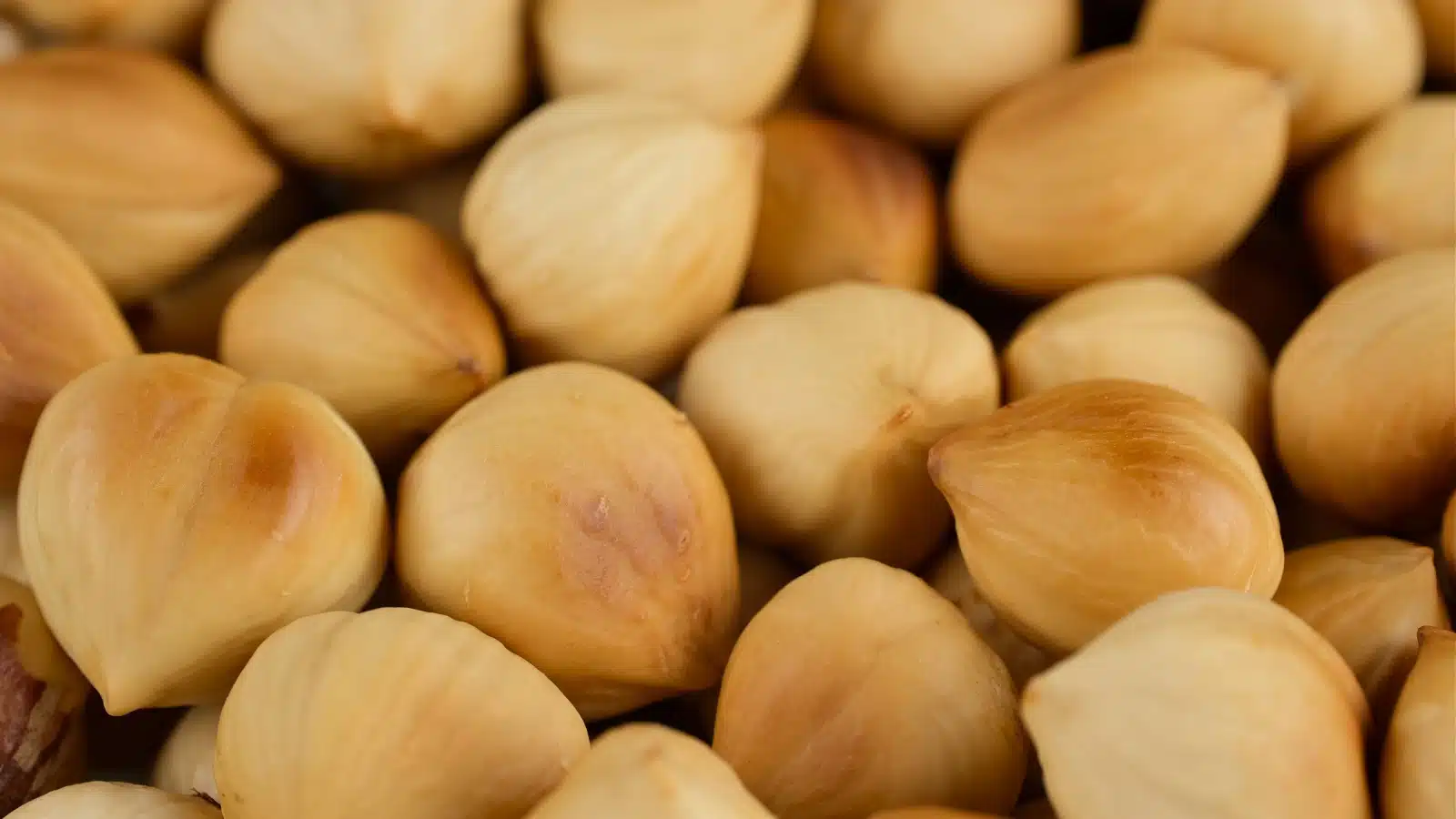
Warm, sweet, and deeply nutty, hazelnuts match winter’s mood. When toasted, they offer an earthy, rich flavor that we crave on cold nights.
Indulge in hazelnut truffles or add them to your morning brew for a richer flavor.
But hazelnut also works in savory dishes. Try it in a winter salad with pear and goat cheese, or as a glaze over your winter vegetable roast.
Cinnamon
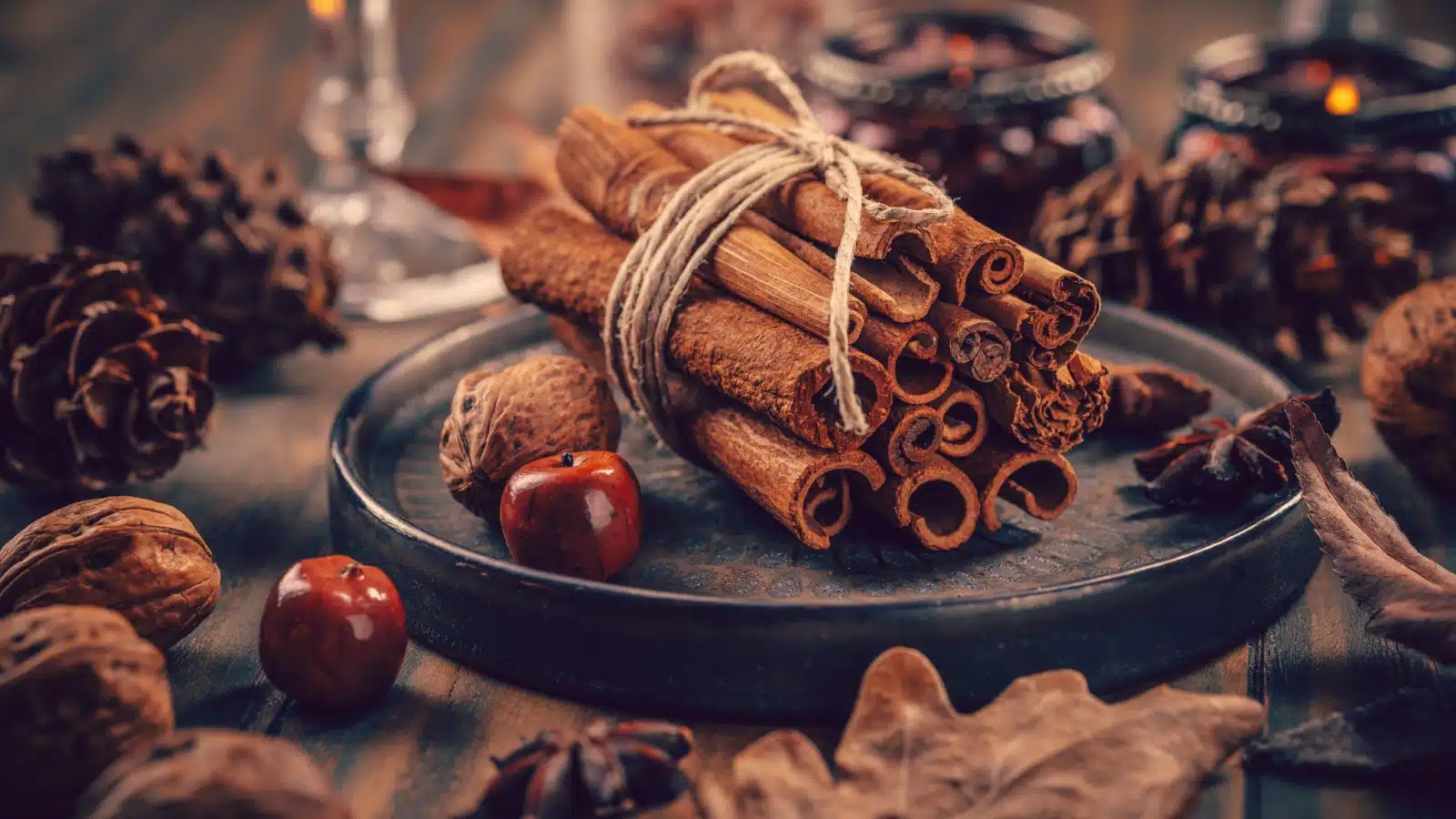
Cinnamon is perfect for both fall and winter. It creates a delightful heat that tingles your tongue and is often just what we want in cold weather.
Make a spicy yet sweet breakfast with cinnamon toast, or indulge in our favorite Valentine’s Day treats, Red Hots, for a more intense spice.
Rum
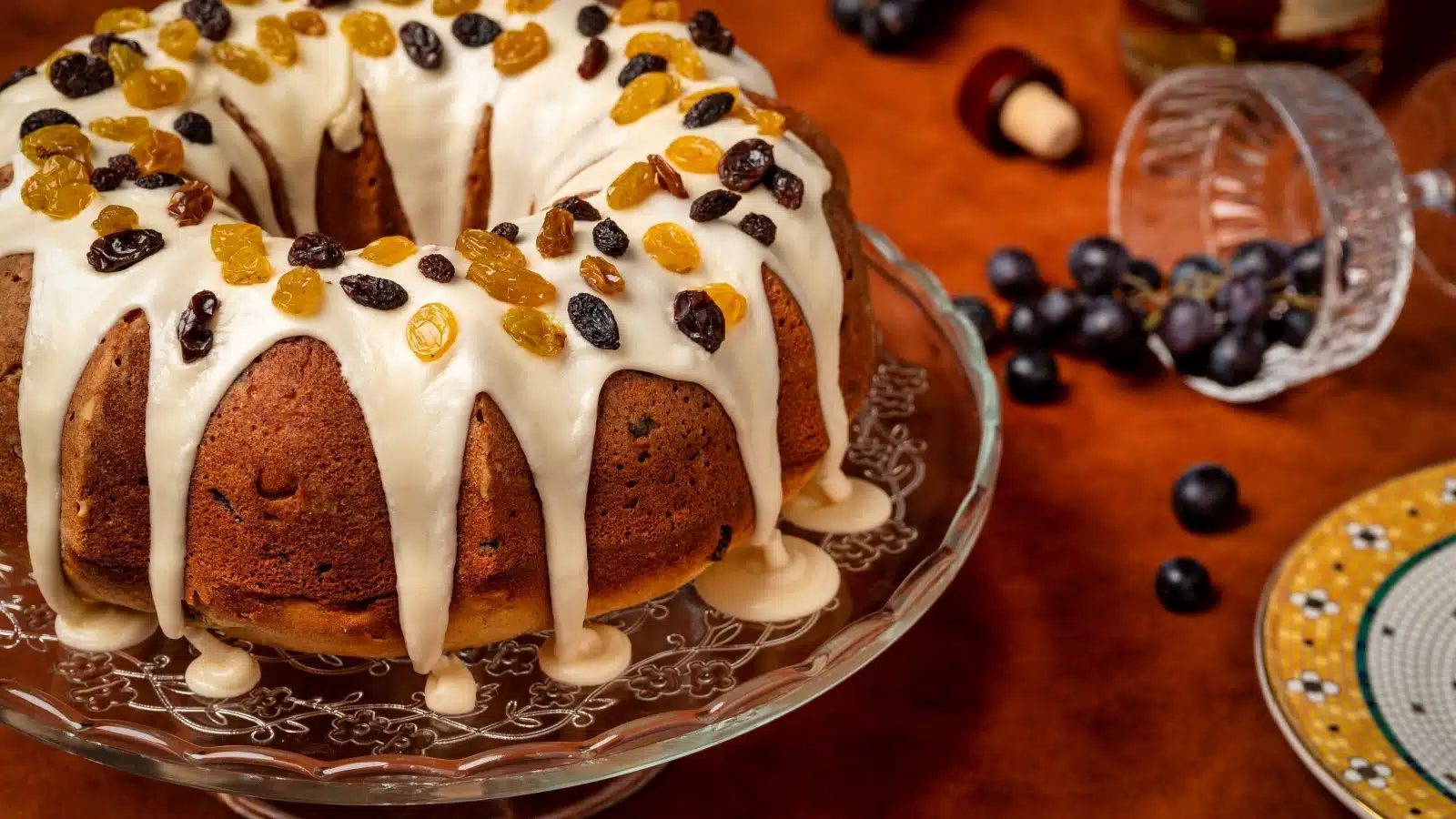
Rum may be from warmer climates, but the sweet, warm liquor makes for great winter drinks. Spiced rum, which features some of our favorite winter spices (Cinnamon, clove, nutmeg, and allspice), destroys any trepidation about calling rum a winter drink.
The adult beverage is a staple ingredient in tons of winter dishes, like rum cake, spiced pecan pie, hot buttered rum, and even mulled wine (if you want an extra kick). You can also use it as a glaze in savory dishes like hams, ribs, and roasted vegetables.
Rum’s earthy, deep, warm flavor profile makes it perfect for winter.
Brussels Sprout
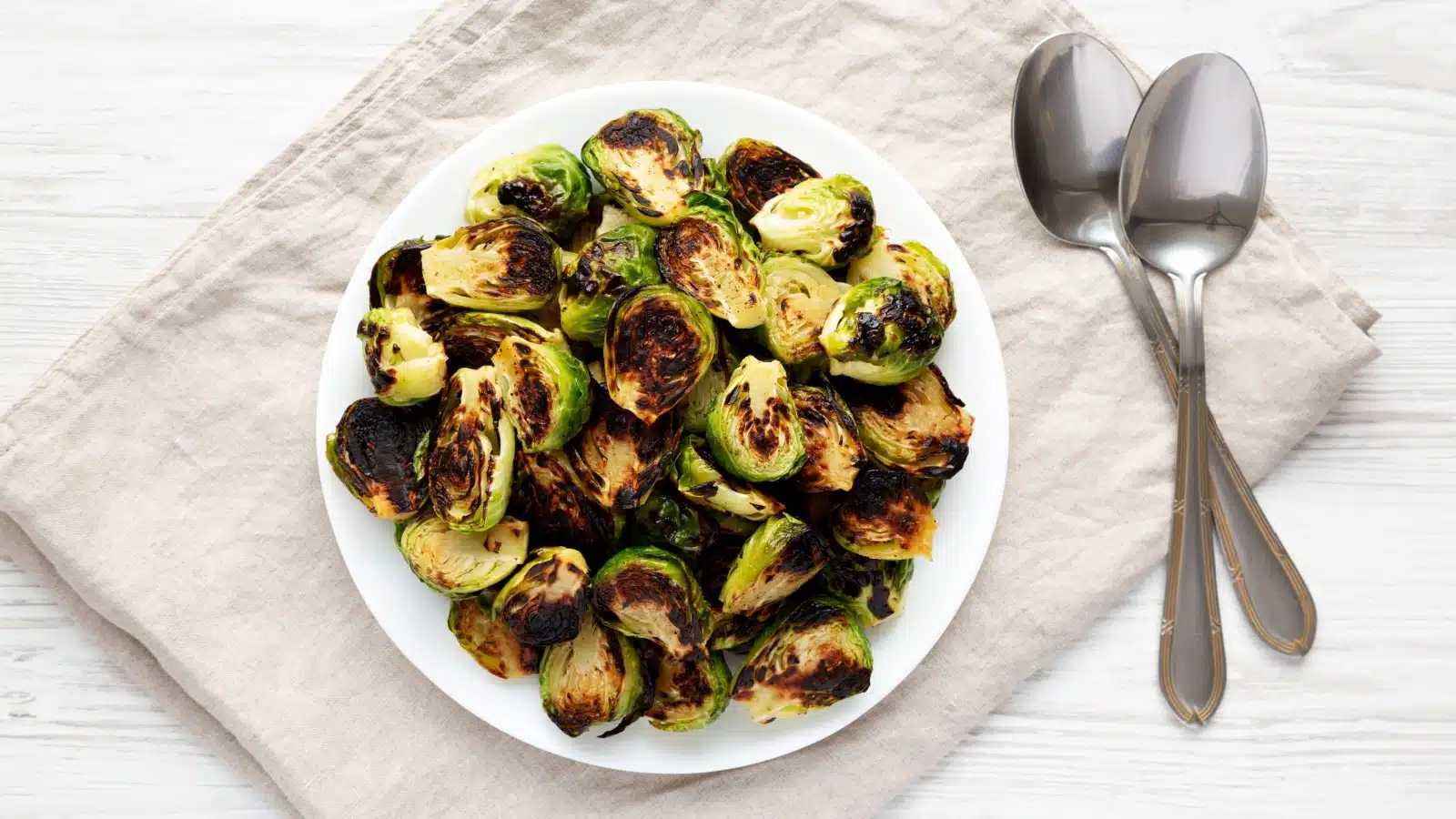
You can’t have winter flavors without winter vegetables!
Everyone who hates Brussels sprouts knows the leafy green has a unique flavor profile all of its own. And although the bitterness causes trepidation, it’s also what makes these cruciferous vegetables perfect for winter dining.
To really amp up the Brussels sprouts winter profile, prepare them with a rum glaze or chopped hazelnuts.
Cranberry
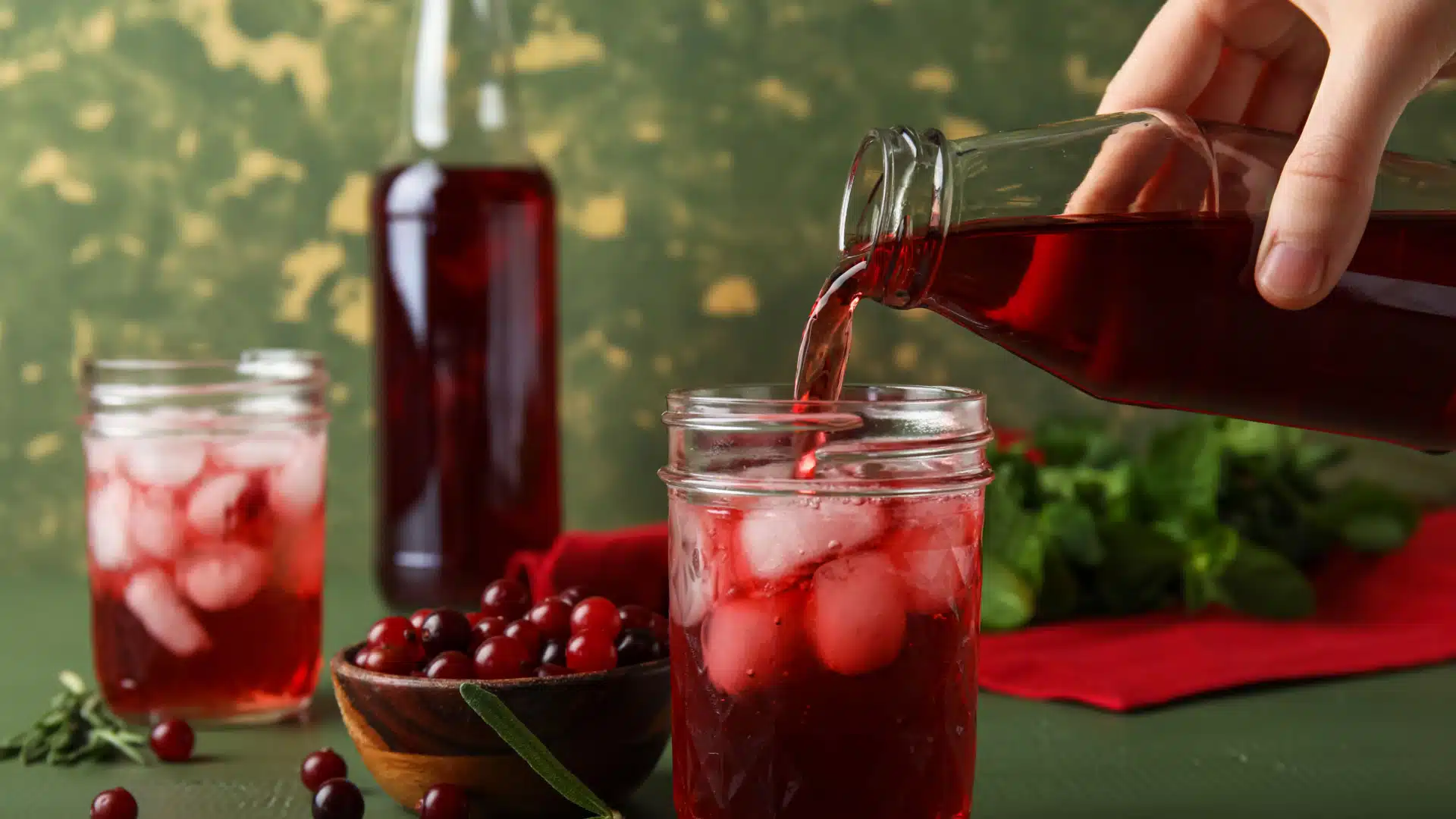
Sweet and tart, cranberry is the perfect fruit for the chilly season. Although it starts appearing in fall dishes, the compelling flavor profile makes it useful all winter long.
Cranberries pair well with savory winter feasts, including roast turkey and pork. They’re a top ingredient in mulled wine, and perfect for winter desserts like cheesecake and cookies.
Toffee
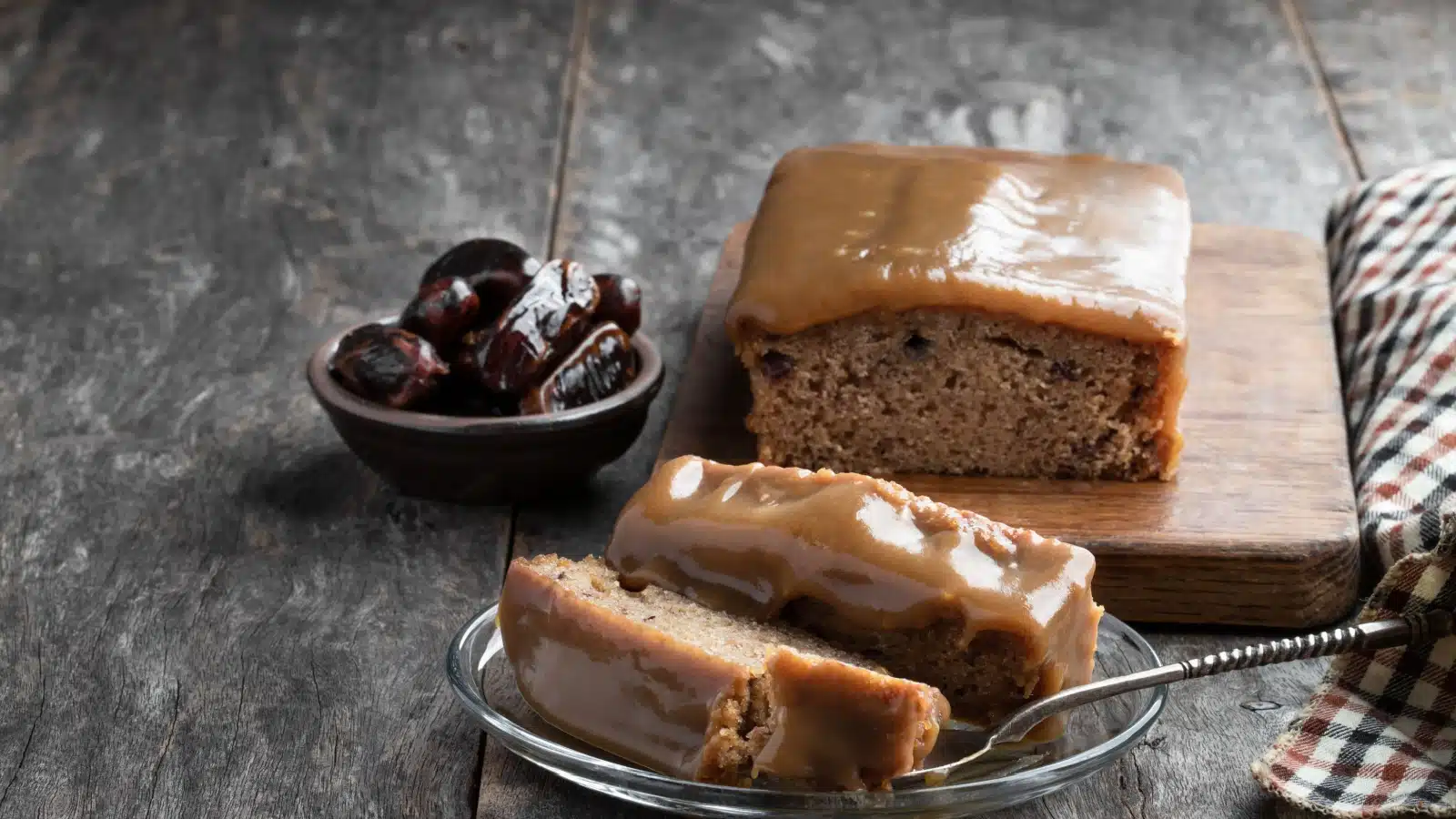
Toffee is far more popular in the UK than in the States, and I could never figure out why. It’s one of my favorite flavors, though I can typically only find it in Heath bars, which are too crunchy for my delicate teeth (despite their deliciousness).
The rich, warm treat made from caramelized sugar butter is perfect for winter desserts like brownies and chocolates.
When I was in the UK, I even had toffee ice cream, which was magical (though I’ve never found it here).
Maple

Maridav via Shutterstock.com.
Maple shines most brightly as a fall flavor, but its deep, woody flavor lets us enjoy it in the winter as well.
And I don’t mean the sickly sweet breakfast syrup you can enjoy no matter the season. I mean the full, thick, earthy goodness that is real maple.
It’s the perfect base for all your winter glazes, from hams to vegetables to ribs. But it’s also the perfect sweetener for cookies, cakes, and pies.
Clove
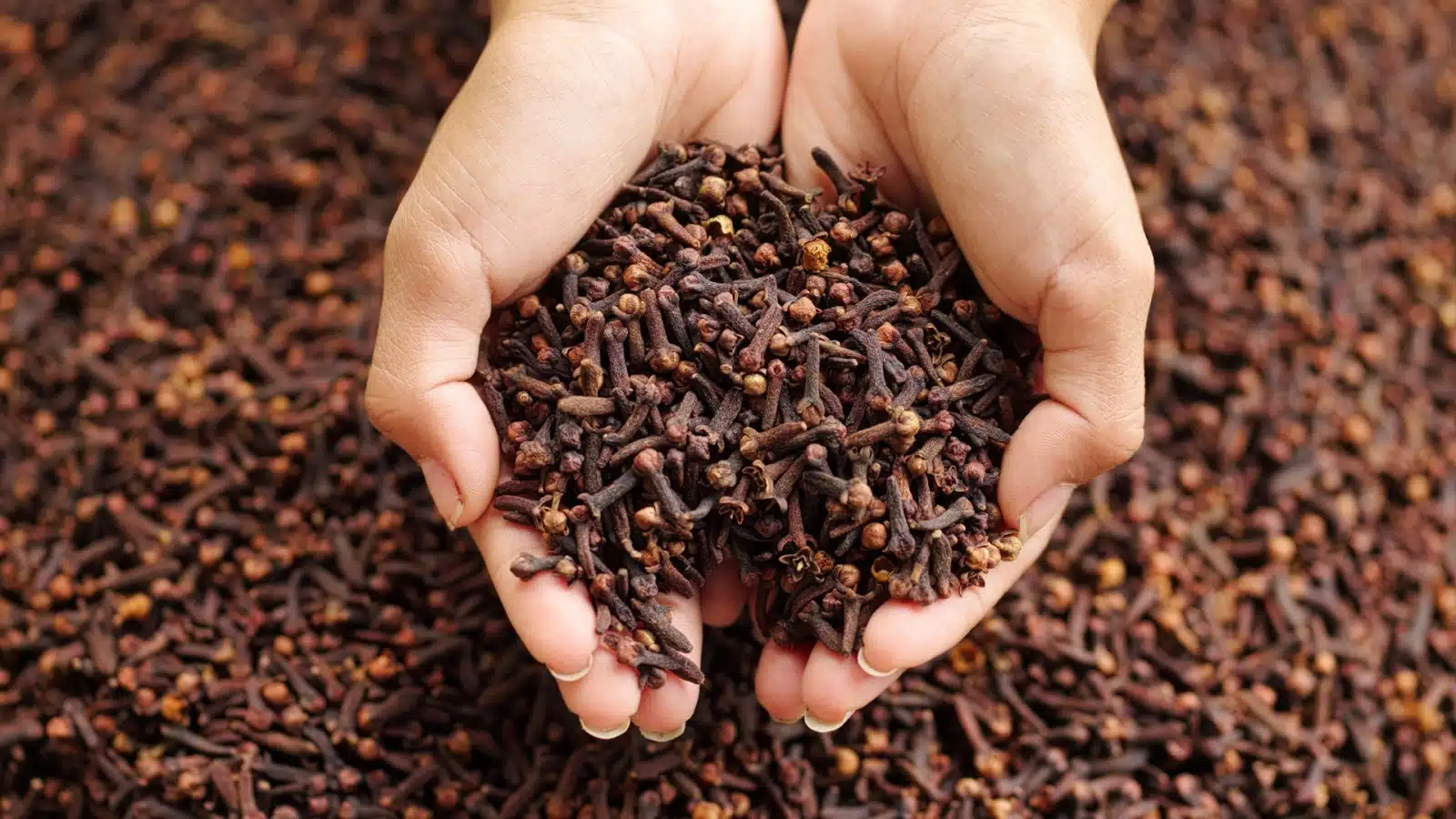
Warm and intense, clove counters winter’s bitter cold. The iconic spice appears all season long in our favorite dishes that help warm us up during the coldest part of the year.
Though clove is traditionally associated with Christmas, you can use it to spice up your meals all winter long. Use it to spice up your lentil or bean stew dishes, add some zest to your glazes, or in your favorite holiday desserts.
Ginger

Nothing adds zest like ginger. Though many Asian cultures use the spice year-round, its earthy flavor and burst of heat make it perfect for winter cooking.
The most popular use is in gingerbread, which makes its annual appearance around the holidays. The iconic winter scent makes homes across the country smell like Christmas while gingerbread cookies bake in the oven.
But the spice can do far more. Add it to your favorite mulled wine, holiday cocktail, or glaze for a kick that screams winter.
Brown Sugar

New Africa via Shutterstock.com.
Winter needs a little sweetness, but traditional sugar is too light and airy. It’s better suited for spring and summer.
It’s deeper, richer counterpart, brown sugar, is just what the doctor ordered. Brown sugar mixes regular sugar with the intensely rich molasses to create a sweetener perfect for cold weather.
The cozy warmth makes it a perfect addition to glazes and stews without making them too sweet. It’s also perfect for holiday pies, cookies, and making any of your favorite desserts a little richer for winter.
Pomegranate
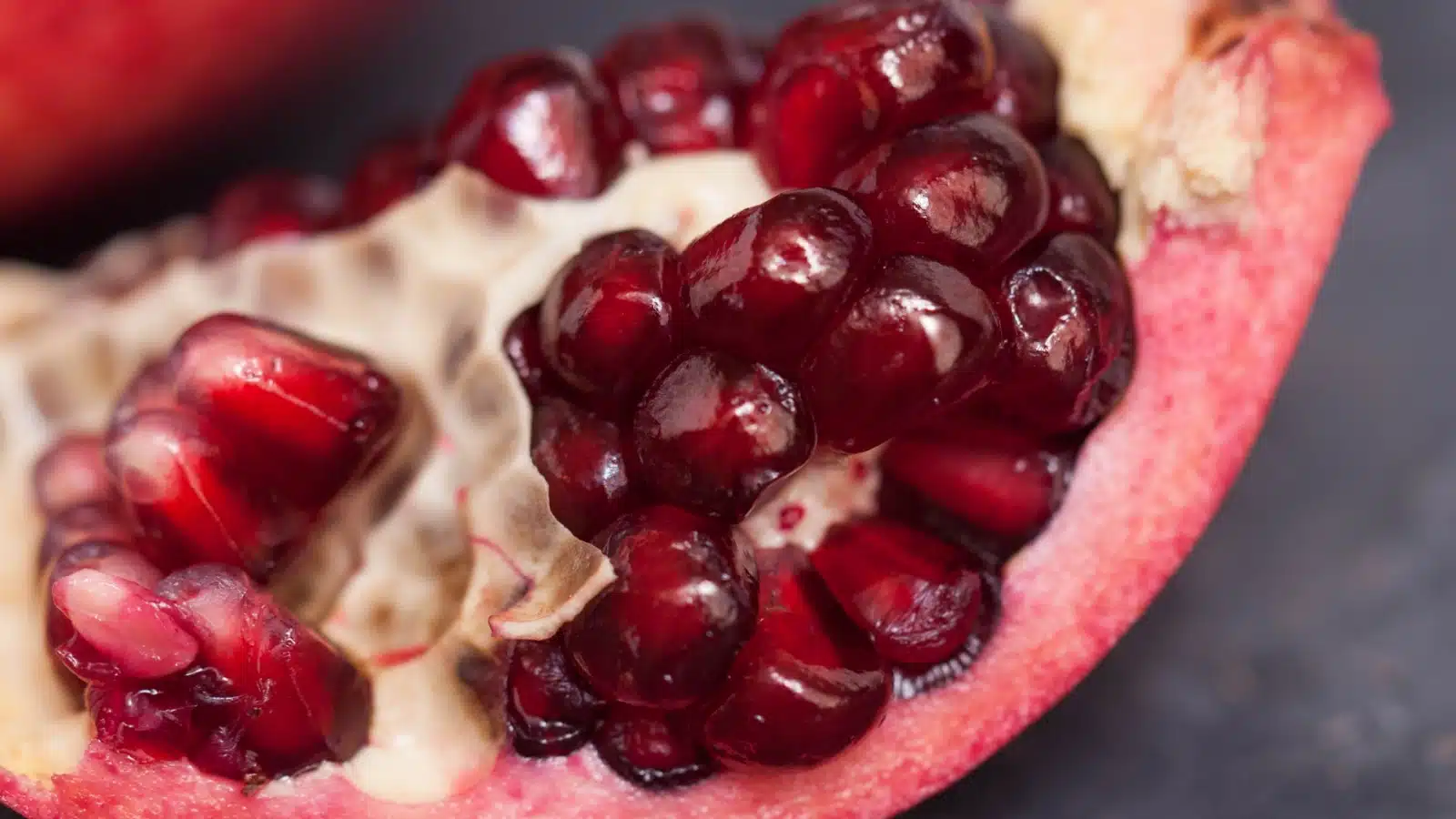
If you want a sweeter winter fruit, choose pomegranate over cranberry. Though both offer that sour tartness you crave in the winter, pomegranate offers a little more balance.
Pomegranates are smoother and a little sweeter than cranberries, making them slightly more refreshing and a better fruit choice as winter flows into spring. Maybe that’s why they’re the fruit Hades used to trick Persephone into living in the underworld.
Add pomegranate to your winter cocktails, salads, and glazes to get the most out of it during the cold season.
Cardamom
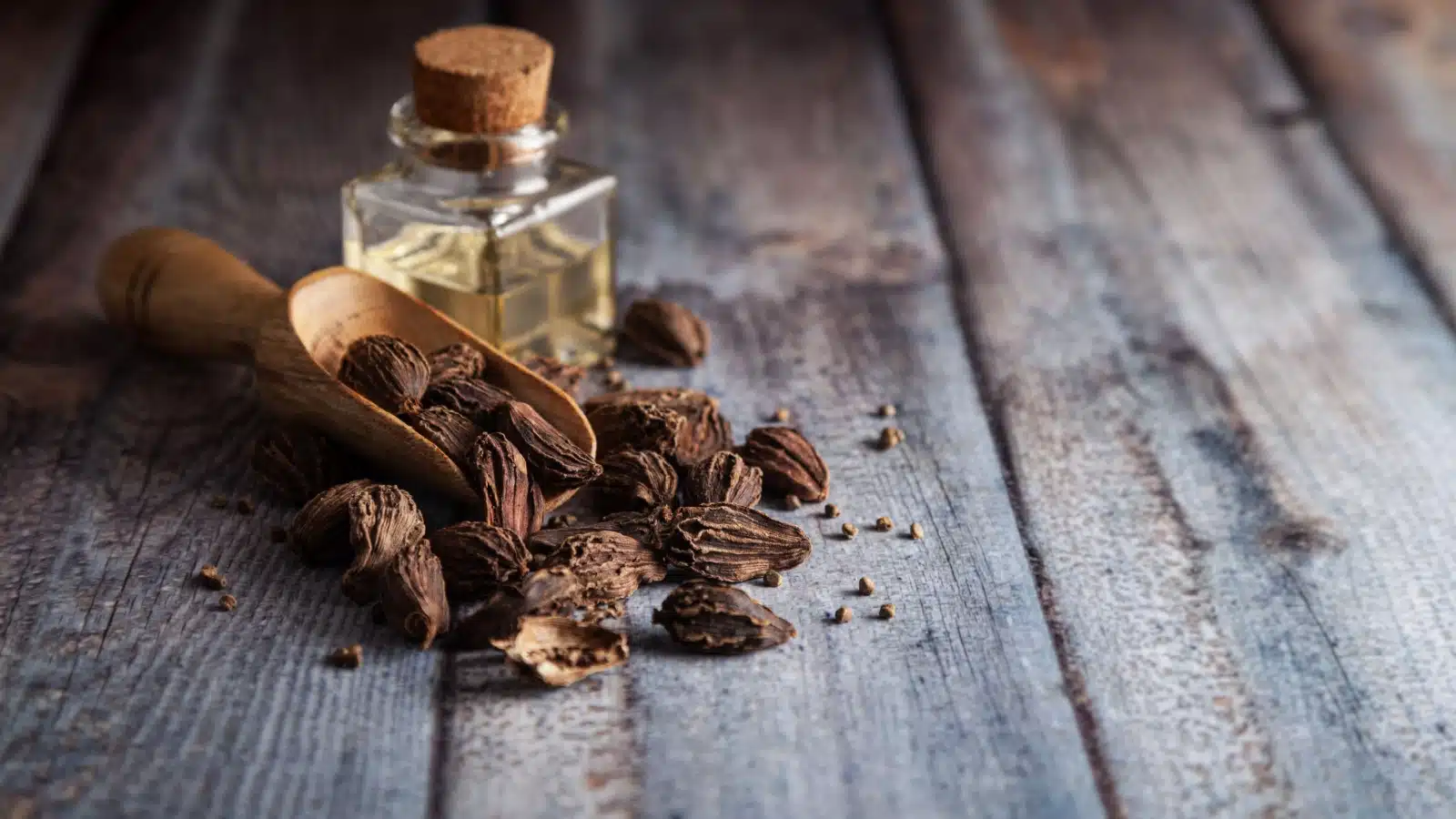
Warm and aromatic with a hint of sweetness, cardamom has all the ingredients of the perfect winter flavor. The gentle spice adds warmth without heaviness, giving your favorite winter foods a cozy feel.
Cardamom is perfect for enhancing a savory beef stew, lentil dish, or roasted vegetable. It’s the key ingredient that gives rice pudding a bit of a kick, and is perfect for making sugary cookies more wintery.
Grapefruit
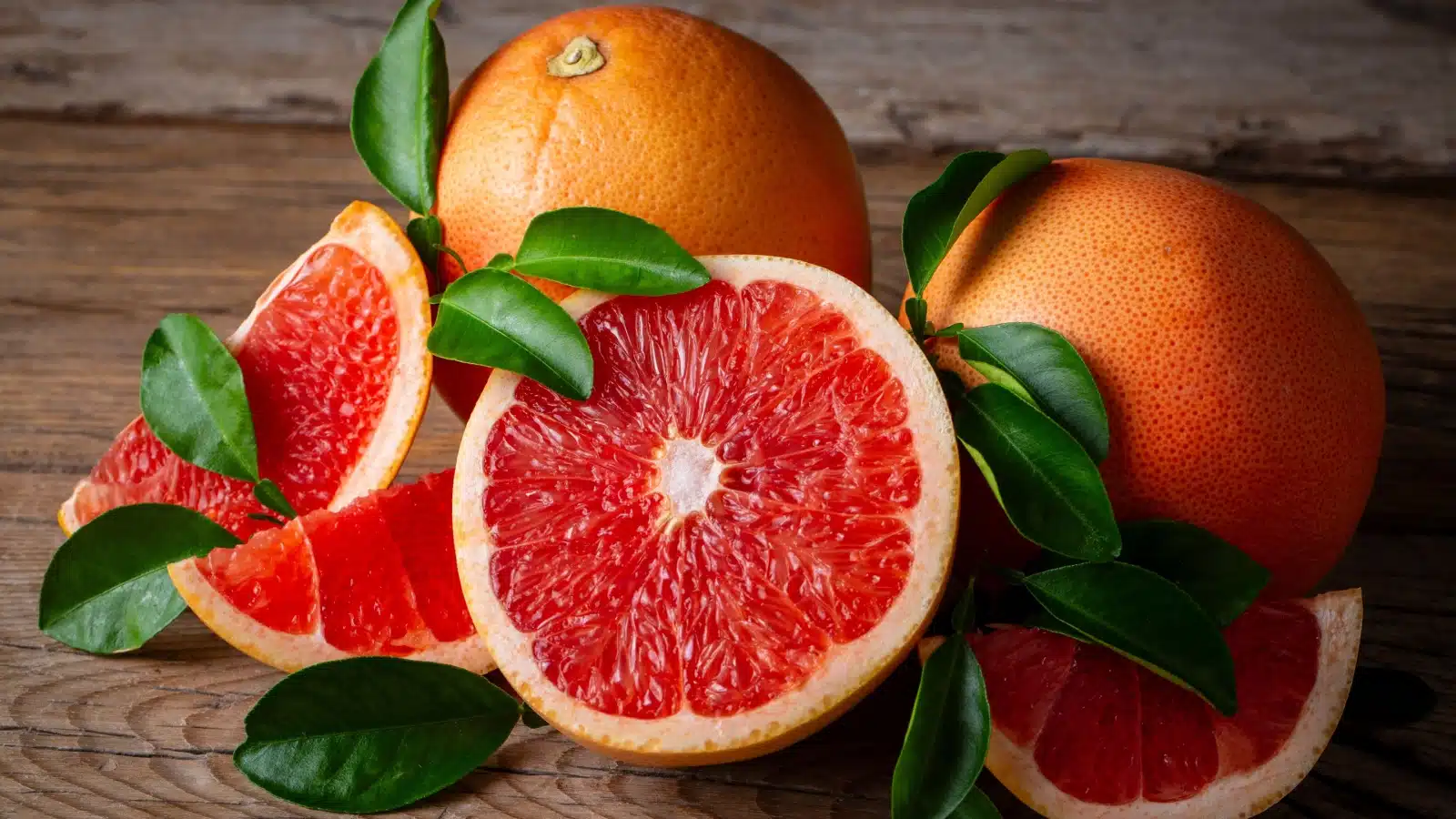
Citrus makes every season taste better, but the type of citrus matters. Lemon and lime bring a burst of refreshment to spring and summer, while the less intense orange is perfect for late summer and early fall.
But grapefruit is the best citrus for winter.
It’s bitter and sour, so it lacks the levity of the brighter seasons, but the flavor profile packs the perfect punch in cold weather.
Add it to your winter salad, use it as a glaze for your chicken dishes, or simply boil it and enjoy it with some of the other winter spices here for a delightful treat.
Roasted Carrot
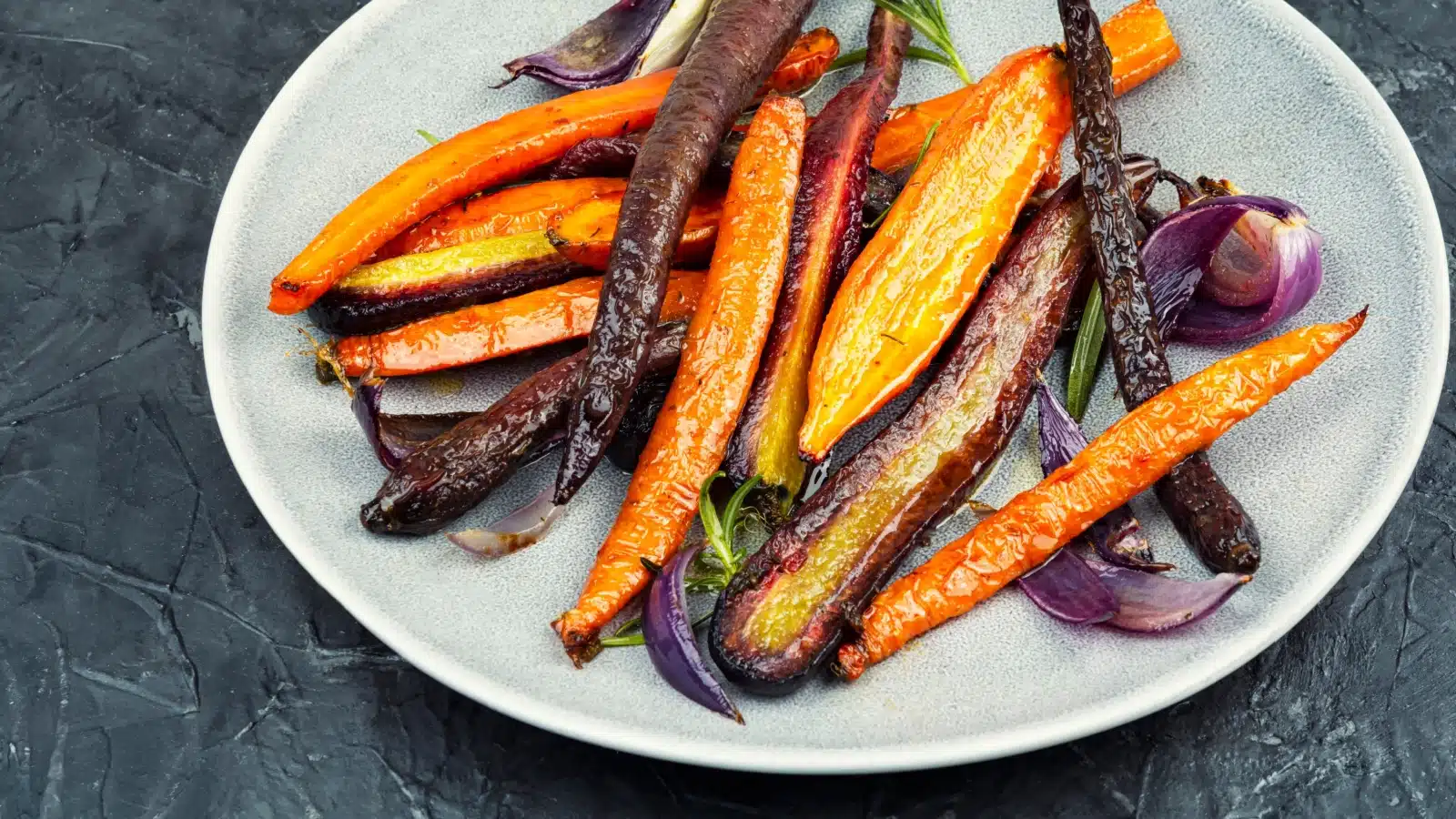
There’s a reason why carrots reign supreme in most of our winter roasted vegetable medleys – they’re a staple of the season.
Fresh carrots embody the spring, but the hearty root vegetable has a completely different flavor profile when roasted.
Roasting carrots brings out their savory side, which contrasts wonderfully with the vegetable’s sweetness. Pair your roasted carrots with any main winter dish for a wonderful side that’s good for your eyes.
Walnut
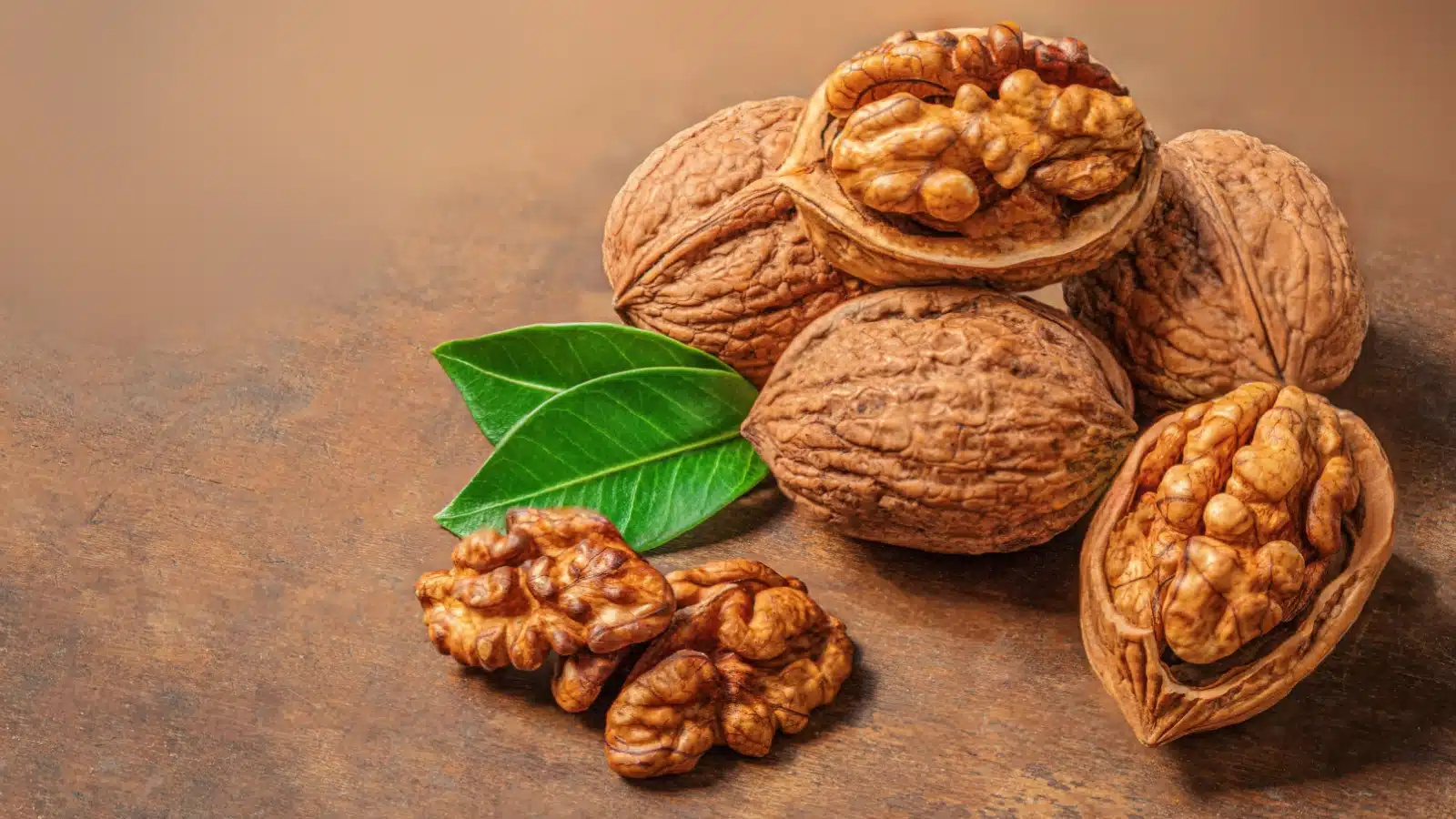
Walnut is the perfect winter nut. Its deeper, earthier flavor is more intense than almonds or pecans, making it a cozier choice for colder weather when we crave richness.
Add walnuts to your winter salads, cookies, and brownies, or simply have some on hand for an easy snack.
They can also add a wonderful richness to savory dishes. Try mixing them in a pesto, using them as a crust on fish or poultry, or adding them to a glaze.
Seasonal Flavors Flow

Seasons don’t change abruptly. Autumn slowly fades into winter, which in turn gently diminishes into spring.
That means some of our favorite fall flavors also work in the wintertime, while winter flavors may last well into spring.
Winter also hosts one of America’s favorite holidays. Although Christmas holds its own iconic essence, many of our favorite Christmas flavors embody the holiday because they’re winter flavors too.
Enjoy Every Season’s Flavors

Variety is the spice of life, and the seasonal flavor changes bring that variety into our kitchens. Embrace them and enjoy the best flavors of every season!