

Mental Health is a crucial component of your overall health and wellness, but far too many of us suffer from unresolved trauma or mental illness.
We often recommend therapy to people struggling with these challenges, and for others who simply want someone in their corner to help them handle the stresses of daily life. Discussing your feelings in therapy can greatly improve your life and overall happiness – but there’s one massive caveat.
Not all therapists are a good fit. Discover the warning signs of a bad therapist and stop wasting time with therapy that won’t help.
Warning Signs of a Bad Therapist

Sometimes, a therapist simply isn’t on the same page as you, and that’s fair. It doesn’t make them a bad therapist.
However, some are so horrible that they actually make your life worse. How do you determine whether the mental health expert you’ve paid such a high price to see is worth the money?
We asked the internet to share their top warning signs of a bad therapist, and also added some of our own red flags.
When seeking a mental health expert, be on the lookout for these warning signs.
They Say Your Suffering is Punishment
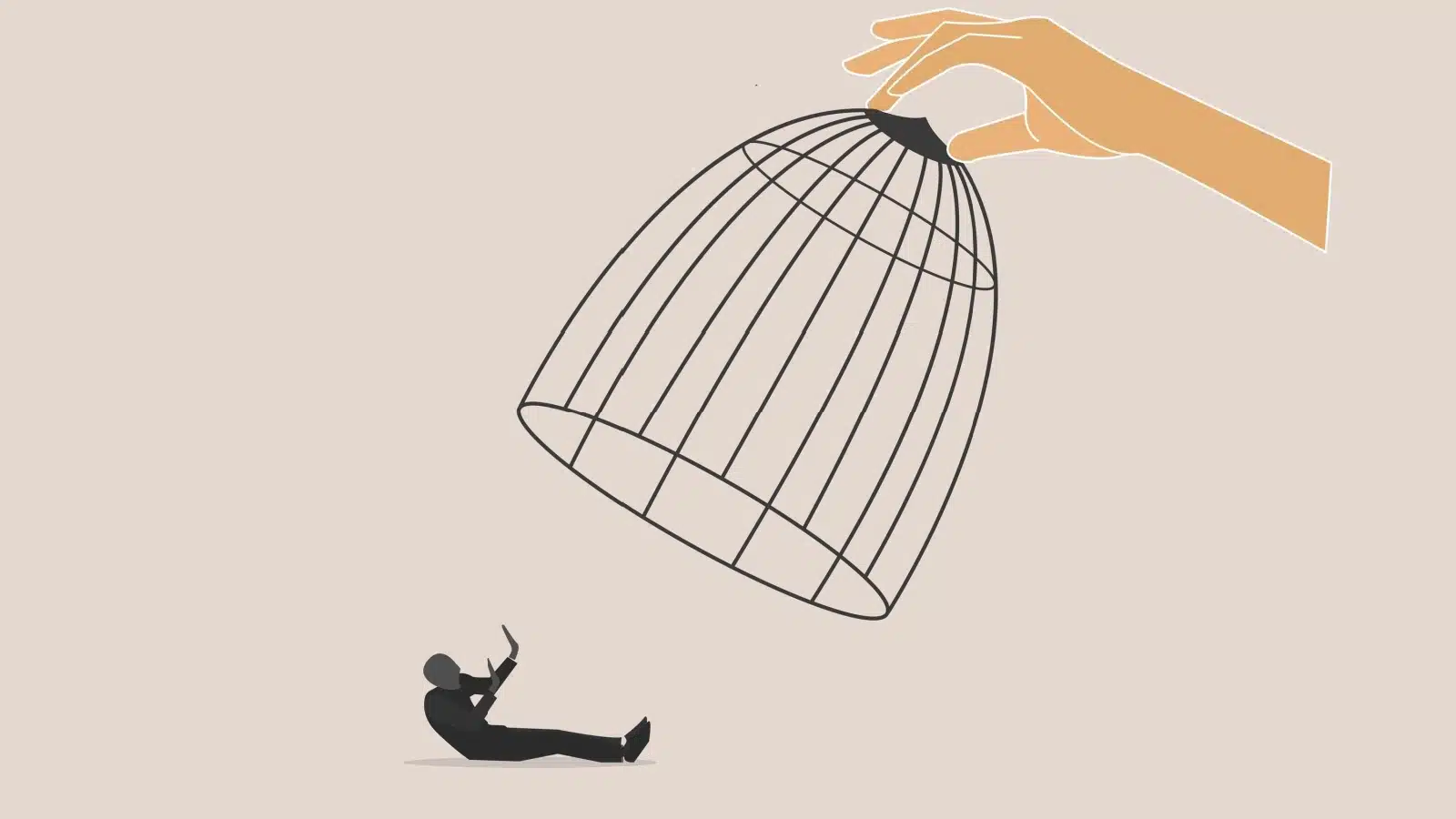
One Redditor shared the heartbreaking comments a friend heard from a trusted therapist. “A friend of mine was told by a therapist that she must have done some horrible things in her past life to have the problems she had in her in present life.”
A therapist is supposed to be in your corner. Their job is to guide you through trauma and help you become the best version of yourself.
This therapist threw their hands up and blamed their patient without even knowing the full story. The assumption that a current situation is a punishment for something in the past is disgusting and antithetical to everything therapy is meant to accomplish.
Even if you’ve done awful things, a therapist is a professional, and their sole purpose is to help you understand why you did those things and help ensure you don’t repeat the behaviors.
If a therapist makes you feel like you deserve whatever trauma or suffering you’re going through, fire them.
They Fall Asleep

When paying high prices for someone to listen to you, they had better listen!
“My most recent experience was that she fell asleep during our appointment. Multiple times, kept dozing off,” replied one user. “I was charged $195 for the session,” they added.
I get that everyone has off days, and we don’t know what this therapist was going through, but if someone can’t bother to stay awake for your session, that’s a red flag.
A good therapist would have rescheduled if they couldn’t be fully attentive to their patient.
Forgetfulness

Therapy isn’t a one-and-done event. It requires building a relationship between the doctor and patient, numerous sessions, homework, and idea sharing.
Some users shared that their therapists forgot everything about a previous session.
“I had one once who literally forgot everything we talked about in the last session,” said one. “She would give me exercises and when I reported back would ask why on earth I would do that,” adding, “We did not last long.”
A therapist who forgets everything about a previous session can’t be trusted to nurture the relationship.
Of course, you also can’t expect them to remember every detail you shared. A good therapist should take notes so they don’t forget, but they should at the very least remember the homework they assigned!
Trauma Dumping
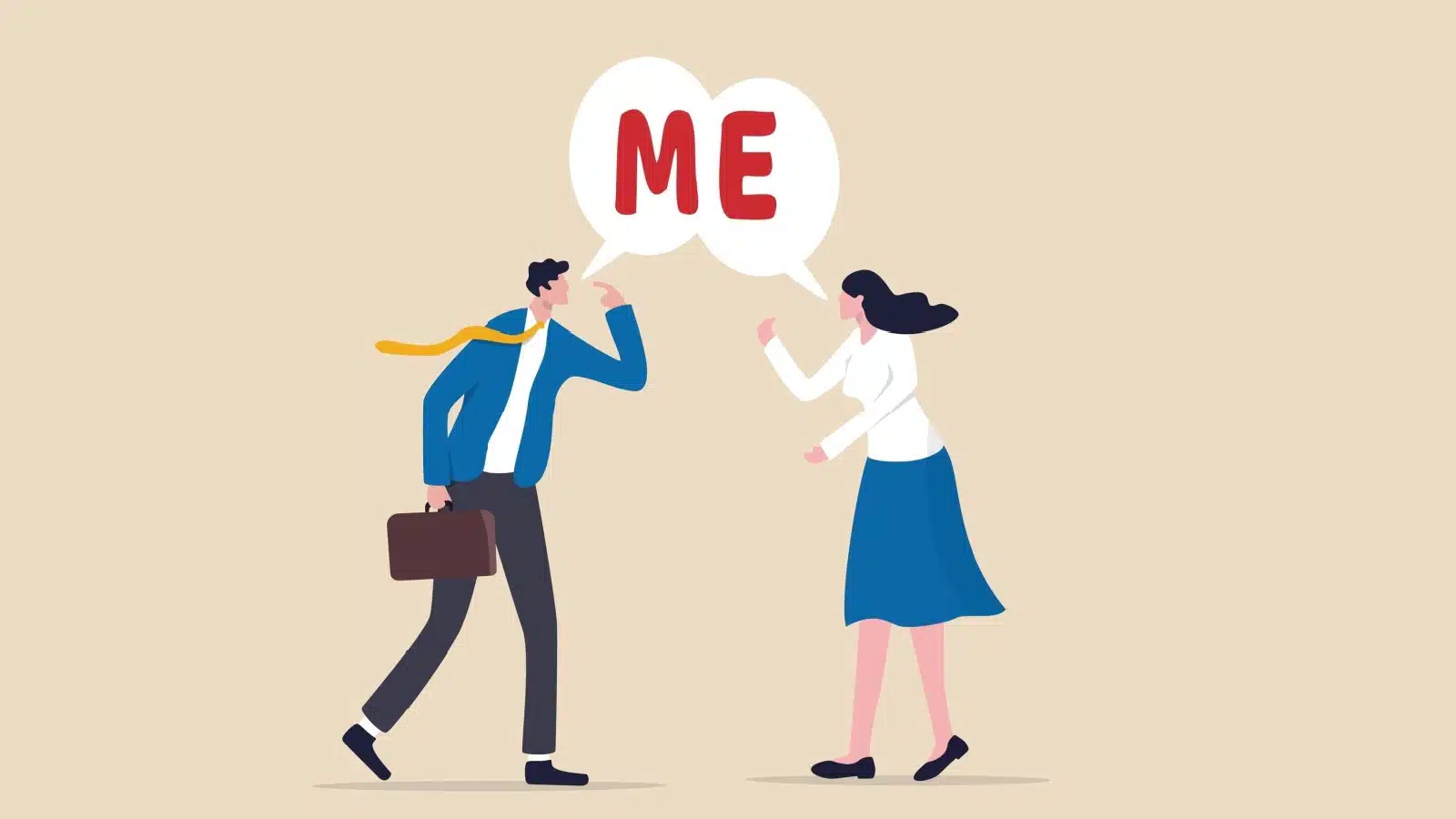
When you have to wonder who’s the therapist in the room, it might be time to seek someone new. Although therapists can share examples from their lives that help patients see their problems from a new perspective, over-sharing and focusing too much on their own experiences is a warning sign of a bad therapist.
One user replied to the thread, stating, “They spend a lot of time talking about their own mental health issues and personal life.”
Others agreed, sharing stories of therapists who focused on themselves.
“My childhood therapist did this so much!” exclaimed one user. “She would start telling me about her —- relationship with her father a lot. I guess she was trying to relate to me? Idk, but she failed.”
A little sharing helps the patient know they aren’t alone, but when the therapist spends the whole session talking about themselves, you have to wonder who is really benefiting.
Essential Oils

Some people love essential oils, constantly extolling their virtues. And if they work for you personally, that’s great.
However, there’s no evidence that oils have the benefits many claim they have. So, it could be a red flag when a therapist pushes essential oils as an alternative to actual therapy or medication, especially if you went to a licensed mental health professional (rather than, say, a holistic healer).
One user shared that it happened to her.
“I came out of a crisis stabilization unit after a near life-threatening panic attack. I was having major residual episodes afterwards,” they began.
The user “went back to the therapist I’d been seeing prior, and she handed me a vial of lavender and said, “Smell this. It’ll calm you down!” Then I asked what to do about my insomnia. She told me to eat a Pop-Tart and then ride the sugar crash to help me fall asleep.
“I had asked her about cognitive behavioral therapy prior. She said that that’s not really what she does at her practice.”
It makes me wonder what she does at her practice. A therapist who “doesn’t do” real therapy is probably not a good therapist.
Bringing Religion Into It

Religion has its place. If a patient specifically seeks a religion-based counselor, discussing religion and spirituality in a session is perfectly fine.
However, if the therapist doesn’t claim a religious-based practice, and the patient isn’t seeking religious-based therapy, religion should be left out of it.
Far too many people had terrible experiences with therapy because the counselor decided to inject their own religious views into the session.
One user said their therapist blamed their problems on a lack of religion. “He told me my fear of my family dying was because I don’t have a relationship with God.”
“My sister went to a therapist her boyfriend recommended, and he told her that the reason she was struggling was because she was living in sin and having sex outside of marriage with her boyfriend, which he knew from conversations with the boyfriend. It was basically the first thing he told her before she’d told him anything about herself,” shared another.
I would also call the blatant misogyny a warning sign of a bad therapist.
It’s All In Your Head
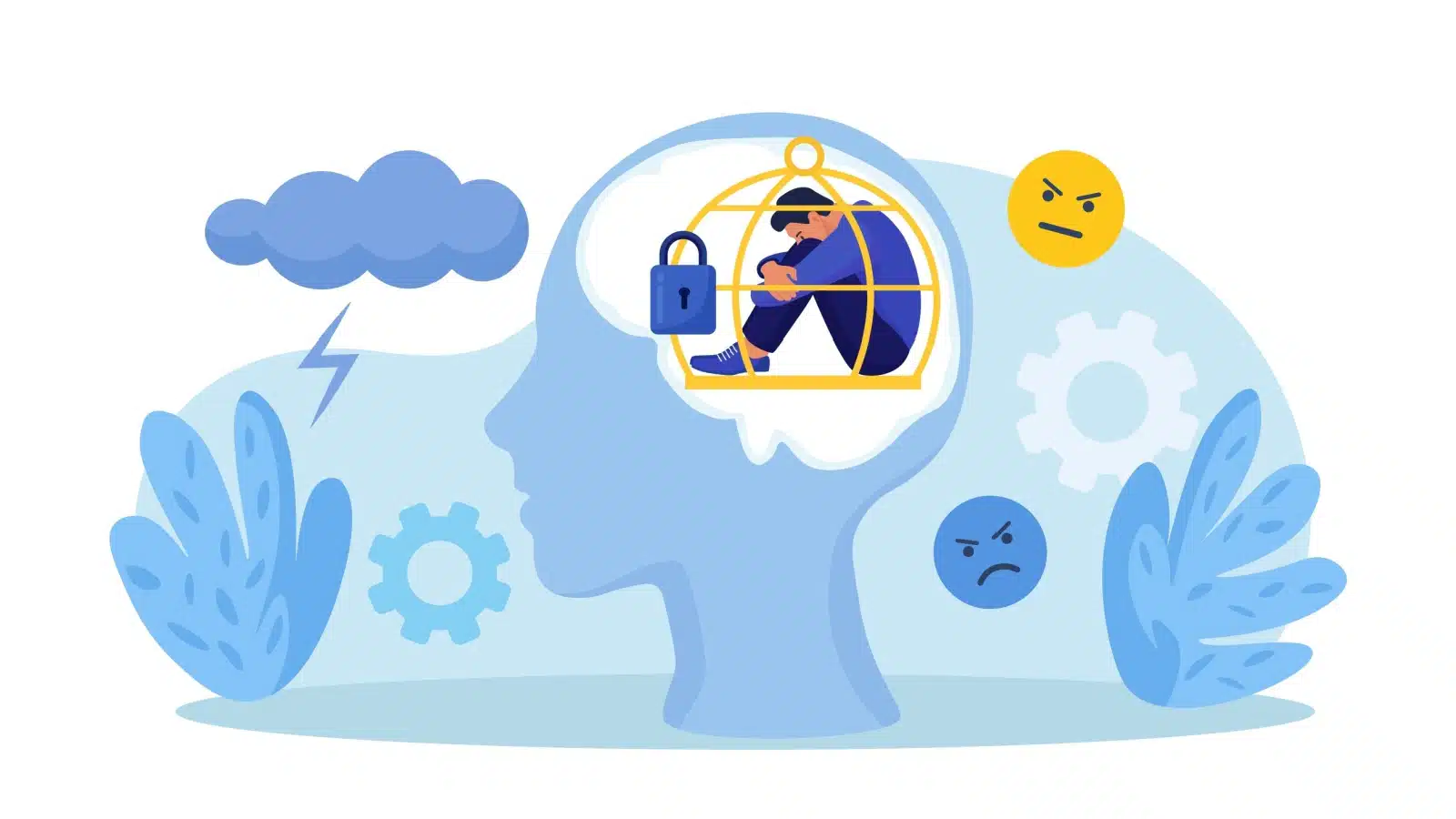
One user shared a tale of a therapist who, confusingly, told them their trauma was all in their head.
“I was dumbfounded that she would say that!” they exclaimed. “I canceled all sessions with her and am currently looking for a new therapist.”
Of course, it’s in their head; that’s why they’re at a therapist, right?
Others were just as confused.
“Therapist: “It’s all in your head.” Patient: “So… I’m in the correct place, right? This is… what you do, right?” snarked one.
Just Listening

A warning sign of a bad therapist is when they don’t engage with you at all.
“They don’t bother making eye contact and barely acknowledge your points, mostly just nodding or going “mhm” don’t offer any useful advice,” one user said.
Another agreed, saying, “ I know they’re supposed to listen, but if they’re not gonna reflect on much of what I’m saying, I may as well go talk to a wall.”
Therapists are supposed to listen. However, a good therapist will interject to ask probing questions, forcing patients to consider events and behaviors from different perspectives.
Hitting on You

Therapy is supposed to be a safe space. Therapists should never hit on their patients.
One user shared that a therapist opened with, “You look hot today.”
Others said that making romantic advances violates trust and can cause a therapist to lose their license in many states.
If a therapist hits on you or makes you feel uncomfortable, run.
Your Condition Isn’t Real

We are only just beginning to unravel the secrets of mental health. Conditions such as Autism, ADHD, Depression, Anxiety, and more have only recently been explored, and scientists are still working to discover how these conditions work and impact the brain.
Therapists should stay on the cutting edge of neuroscience. However, some have dug in deep and refuse to accept the reality of certain conditions.
A therapist who doesn’t believe in things like ADHD or trauma is a bad therapist – no warning sign required. Fire them and see someone who understands mental health.
You Just Need To Try Harder

Another shared a negative interaction with a therapist regarding ADHD. “I went to a therapist about my ADHD, and I started crying and talking about how I have always felt stupid,” they began.
She got all uncomfortable and said, “You’re not stupid; you just need to try harder. Look at your friends, they are all doing better because they are putting in effort. Let’s not talk about that, let’s work on writing in your planner. It’s easy, look.”
That therapist clearly didn’t understand how ADHD works.
12 Sneaky Signs of ADHD

Speaking of ADHD, a lot of people don’t understand how it works. Here are signs of the disorder no one ever tells you about.
A good therapist should know these signs.
Therapy Requires a Good Fit

These warning signs of a bad therapist highlight that therapy only helps when it’s a good fit. You don’t need to stick it out with someone who isn’t working for you – whether they seem like a good therapist or not.
Do what’s best for you and your mental health journey, even if that means testing ten different mental health professionals until you find your match.
It will be worth it.
Source: Reddit