
I discovered impressionist art in 7th grade and fell in love. Our art class spent an entire semester focused on the great impressionist artists. We had to memorize hundreds of painting names along with the artists who created each work.
At the end of the term, we took a field trip to the Art Institute of Chicago, where we got to see one of the biggest collections of impressionist work in the United States. Now, I’m sharing my love of the impressionists with you.
14 Impressionist Artists You Need to Know
My love affair continues to this day, and I’m bringing you the best of the movement.
Discover the most influential impressionist artists who changed the course of art history, along with a few lesser-known names who deserve much more renown. Who is your favorite?
Edgar Degas (1834-1917)

Although Degas hated plein-air, a crucial aspect of most impressionist work, his portrayals of everyday life and use of color and form to craft compelling compositions make the Impressionist Movement the best fit for his work.
Degas didn’t paint many pastoral landscapes focused on light like his contemporaries. Instead, he focused on the art of movement, particularly in dance. In 7th grade, I quickly learned to recognize nearly any painting featuring ballet dancers as Degas, though he also enjoyed painting bathing women and horses.
Pierre-Auguste Renoir (1841-1919)
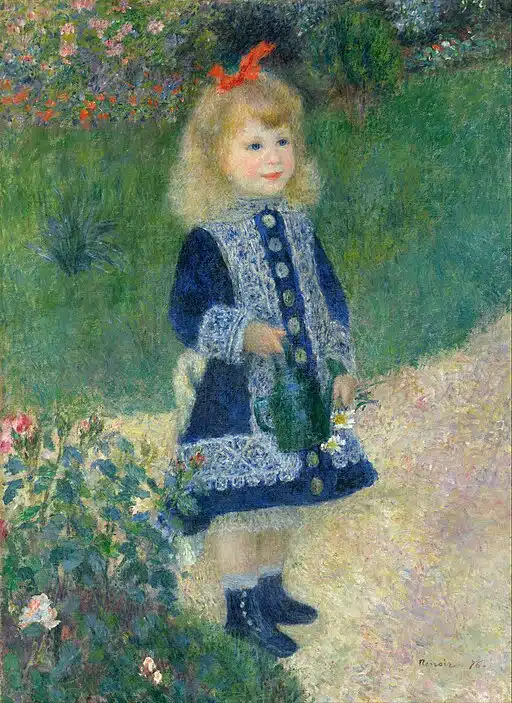
Renoir focused on femininity and the beauty of the female form. He’s well known for bath scenes and nudes, but not all his works were inappropriate for 7th graders.
When he painted clothed women, he often used a brilliant color palette, showing a deep saturation of color and bright lighting.
Renoir was part of the first impressionism exhibit in 1874, but shifted away from impressionism in the 1880s to refine his painting style and focus more on realism.
If you want to see a large body of Renoir’s work, visit the Barnes Foundation, one of the best places for art in Philadelphia.
Mary Cassatt (1844-1926)
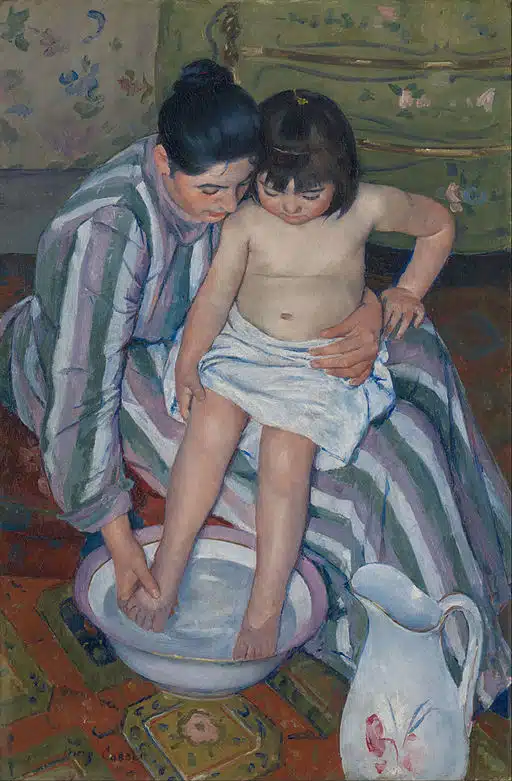
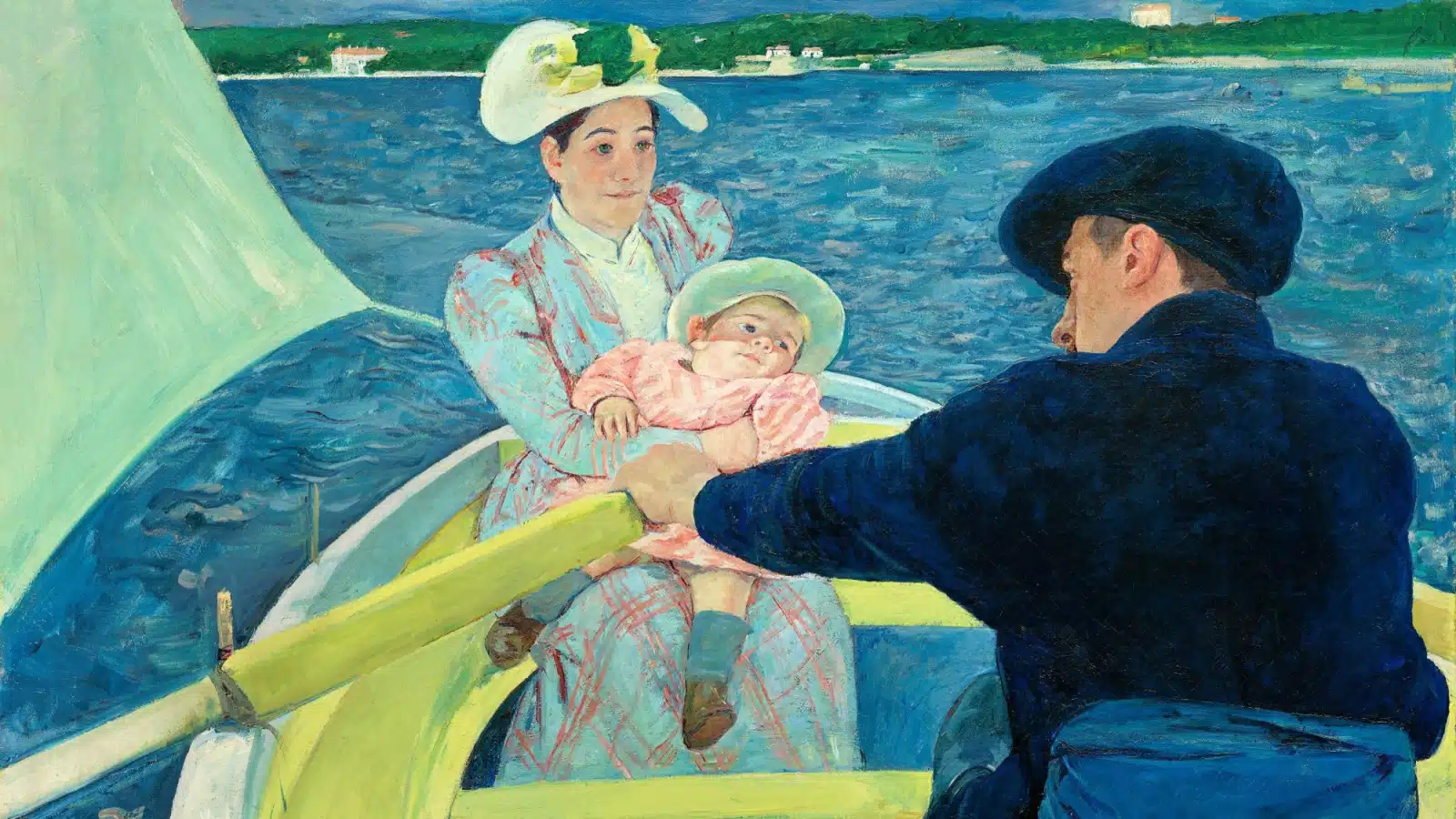
While most American artists were focused on Naturalism, Mary Cassatt moved to France to become one of the greatest female artists in history.
Her work focuses on the feminine sphere. She painted scenes of women’s lives, both in private and social settings. Much of her work was devoted to motherhood, depicting scenes of mothers with their children, both in the home and outside of it.
She showcased women as active participants in their lives, helping to dismantle the misogynistic idea of women as passive objects for the male gaze in artworks.
Claude Monet (1840-1926)
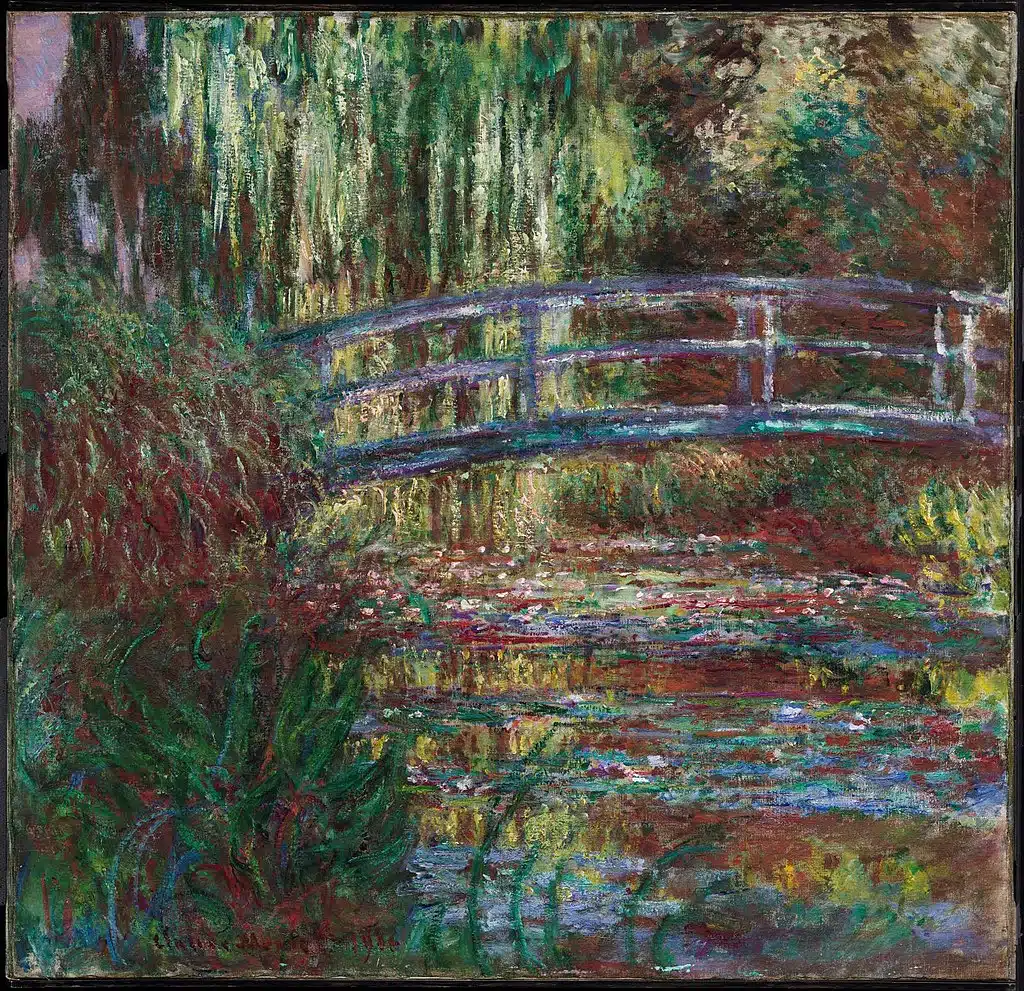
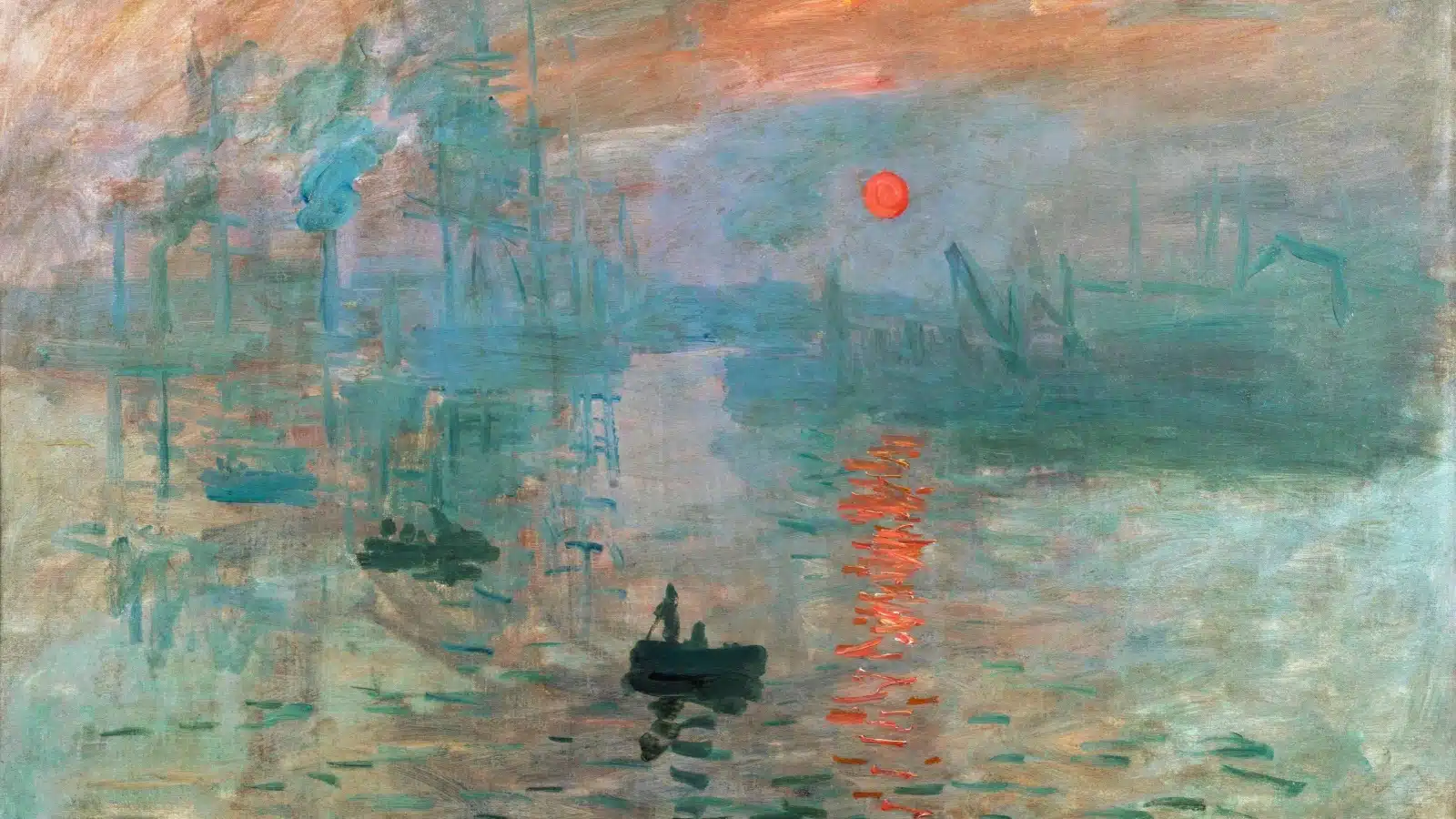
Monet is often considered the founder of the Impressionist Movement, which got its name from his work Impression, Sunrise. Though the label was intended as a derision to make fun of the unfinished and hazy appearance of the painting, it stuck and spawned a movement.
Monet also had the idea to join forces with the other impressionist artists to display their work outside the Paris Salon, in a “if you can’t join them, beat them” kind of way. The resulting exhibition of 1874 created the entire movement.
Today, Monet stands as one of the most famous impressionist artists. His water lily and haystack series, plein air masterpieces highlighting the way light creates images, remain some of the most shining examples of the movement.
Édouard Manet (1832-1883)
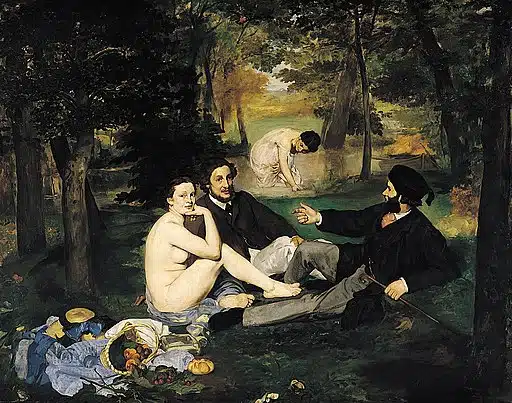
Though the first impressionism exhibit was Monet’s idea, it started due to Manet’s struggles with the Salon. Much to his disdain, his painting Le Déjeuner sur l’herbe (Luncheon on the grass) was rejected from the main Salon. He decided to display it at the salon for rejected work, and it created a massive scandal in the art world.
Critics didn’t like the offensive subject matter (as the painting depicts a nude woman with clothed men) and also attacked Manet’s “unfinished” and “sloppy” art style.
The attack from the art snobs of the day attracted all the up-and-coming artists, like Monet, Renoir, and Degas, who banded together to create the first exhibition.
Manet enjoyed painting café scenes and images of normal social life. His rough painting style was considered impressionism at the time, but many art historians consider it a major step to modernism, which completely breaks down form and function, instead focusing on motion and expression. Because of this, he’s heralded as the father of modernism.
Camille Pissarro (1830-1903)

Pissarro was the glue that held the impressionist artists together, and he’s the only one who exhibited at all eight impressionist exhibits in Paris. He was slightly older than his contemporaries and served as a sort of father figure to both the impressionist and post-impressionist artists. He comforted them when they’re work was rejected and supported the idea of banding together to create their own exhibitions.
Pissarro rejected the painting ideals of his time, which celebrated history, religion, and mythology in almost sanitized settings. Instead, he focused on themes of the common man, like the grittiness of real life and the simplicity of rural living.
He depicted the realism of life with an impressionist style to celebrate the real people living these mundane but necessary lives. His work glorified them, which some critics saw as offensive to art itself, which in their view should celebrate the majestic and divine, not the common folk.
Berthe Morisot (1841-1895)
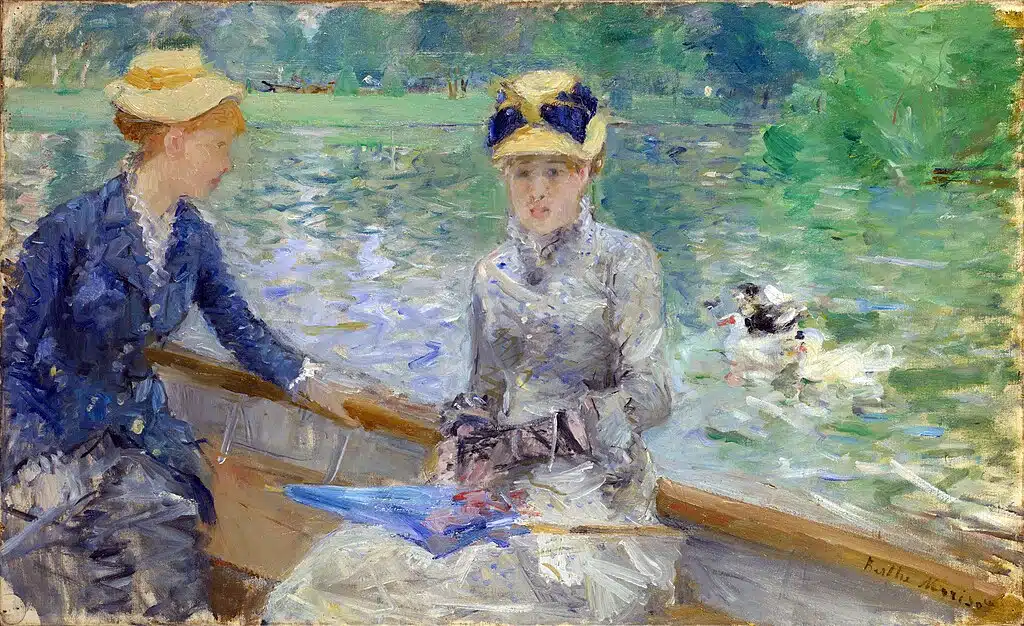
While in training, Morisot’s work was accepted in the Salon for six exhibitions. However, as she refined her style and shifted towards impressionism, the old guard rejected her work.
She joined the cadre of impressionist artists who, upon rejection from the Salon, displayed their own work in 1874 and became an integral part of the movement.
At the time, critics defined her work through her gender. Female artists were rarely taken seriously, and although we wouldn’t notice a gendered difference today, her work was described as airy, with a feminine grace and lightness that male artists would never replicate.
Her biggest desire was to be taken seriously as an artist, and although she may not have achieved that in her lifetime, today she’s celebrated as one of the best impressionist artists ever to have lived.
Louise Catherine Breslau (1856-1927)
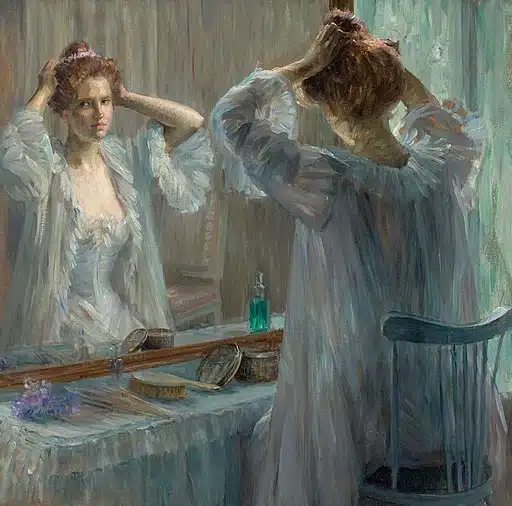
Breslau isn’t typically included as an impressionist artist. Her early work earned her renown in the Salon, and she opened an atelier in Paris to train other female artists. She was celebrated as a portrait artist, served on the Salon’s jury, and was the first foreign female artist to win France’s coveted Legion of Honor award.
Her popularity, fame, and inclusion in the Salon put her a little outside the impressionist group, who struggled to earn critical approval. However, she became friends with Degas, and she incorporated impressionistic ideas into her later works.
You can’t look at The Toilette, Gamines, or Young Girl Reading by a Window and tell me these aren’t works of impressionism. However, much of her work featured more defined brushwork that you’d find in greater realism. She transcends art movements.
Marie Bracquemond (1840-1916)
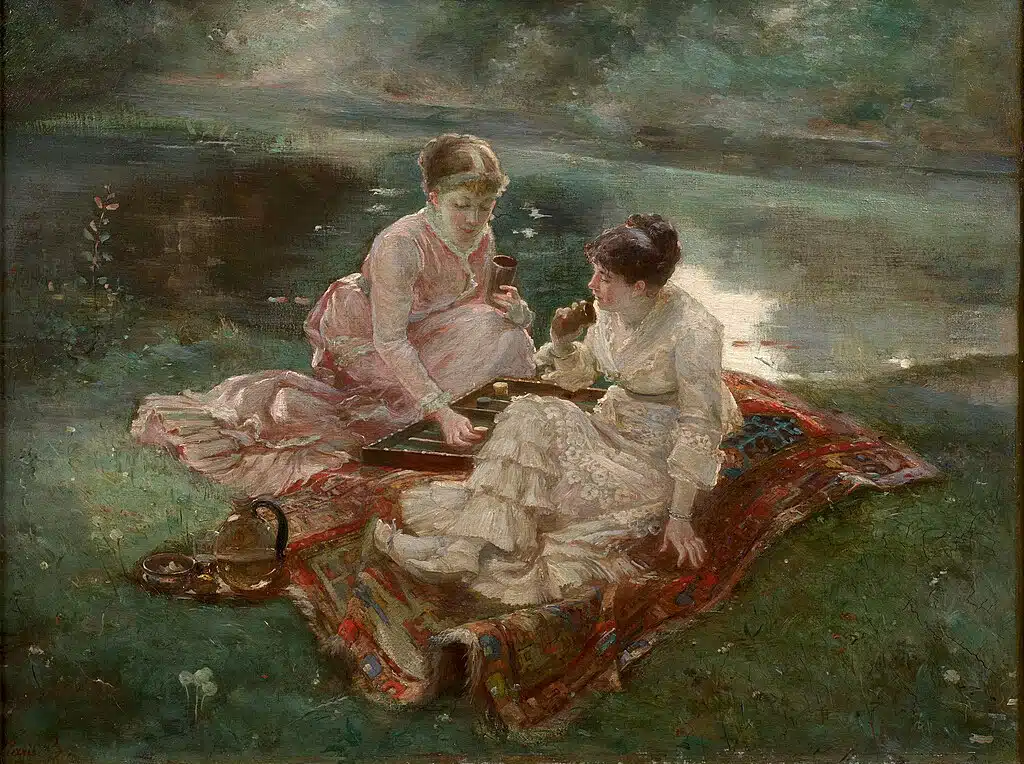
Bracquemond is one of the lesser-known impressionist artists who deserves more renown. We didn’t learn about her in 7th grade, and even in her time, she was often excluded from books about impressionists.
Her exclusion was a result of sexism, mostly perpetrated by her jealous husband, who hated that his wife was a better artist than he was (I’m guessing). He exhibited with the impressionists, but didn’t let her because he didn’t like the art style. He refused to let their artist friends see her work and derided her ambition.
Despite the misogyny holding her back, Bracquemond was a talented artist. She wasn’t as prolific as the other impressionists, but the work she created highlights some of the defining features of the movement: a celebration of light in daily life with relaxed, almost lazy-looking brushstrokes that imply movement over form.
However, despite the perfection of impressionist form, Bracquemond didn’t leisurely paint her subjects. She labored over each piece, planning and sketching for hours to create works with an easy-going effect.
Alfred Sisley (1839-1899)
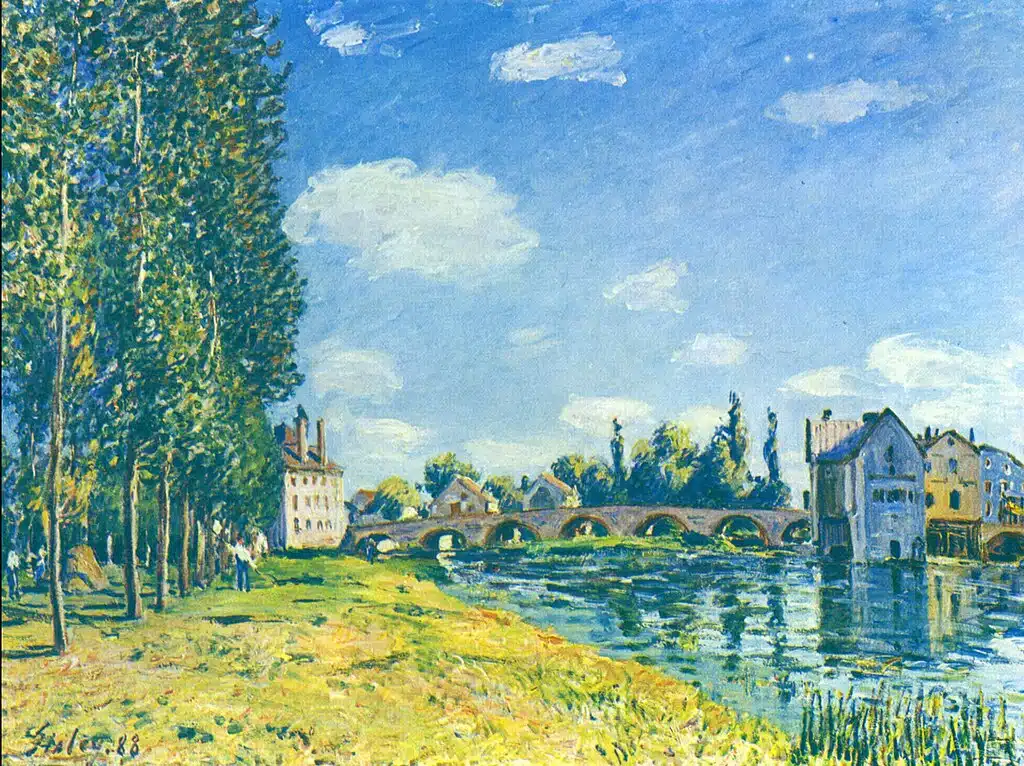
Sisley spent most of his career outdoors, plein air painting impressionist landscapes to capture the effects of light and sun in real time.
Sisley’s work and legacy suffer from his commitment to painting what he saw. Critics describe some of his paintings as generic, despite the wonderful craftsmanship; they seem to lack character. It’s almost what an AI would paint if asked to craft an impressionist landscape.
He wasn’t celebrated much in his time, despite displaying alongside his contemporaries in the famed impressionist exhibits, and didn’t make a lot of money from his work. However, he was prolific, creating over 900 works, which are appreciated today for the near-perfect dedication to impressionist form. His immense talent as an artist can’t be overstated, despite his lack of popularity and renown.
Eva Gonzalès (1849-1883)
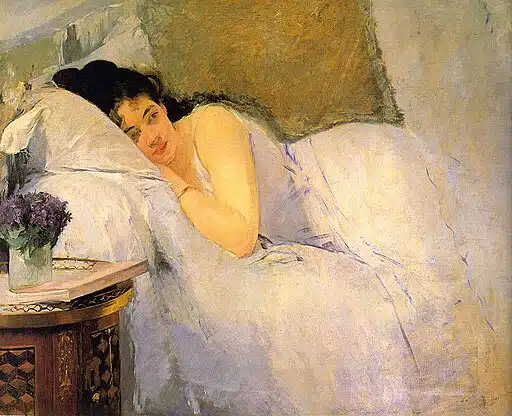
Gonzales’ father, Emmanual, was a founding president of the Société des gens de lettres, which allowed Eva to rub shoulders with the Parisian cultural elite. These connections eventually introduced her to Manet, and she became both his model and his student.
Like Morisot, Gonzales struggled to be taken seriously as an artist. Critics used gendered language to describe her work, using terms like “feminine technique” and “seductive harmony,” which you’d never find in criticism of work by men.
Her work often centers women, showing them in leisurely activities like playing piano, painting, or preparing for the day.
Unfortunately, Gonzales died in childbirth at the young age of 34, limiting her influence on the art world. But in her short time, she produced a wide range of impressionist paintings and drawings that helped change the way society thought about female artists.
Lilla Cabot Perry (1848-1933)
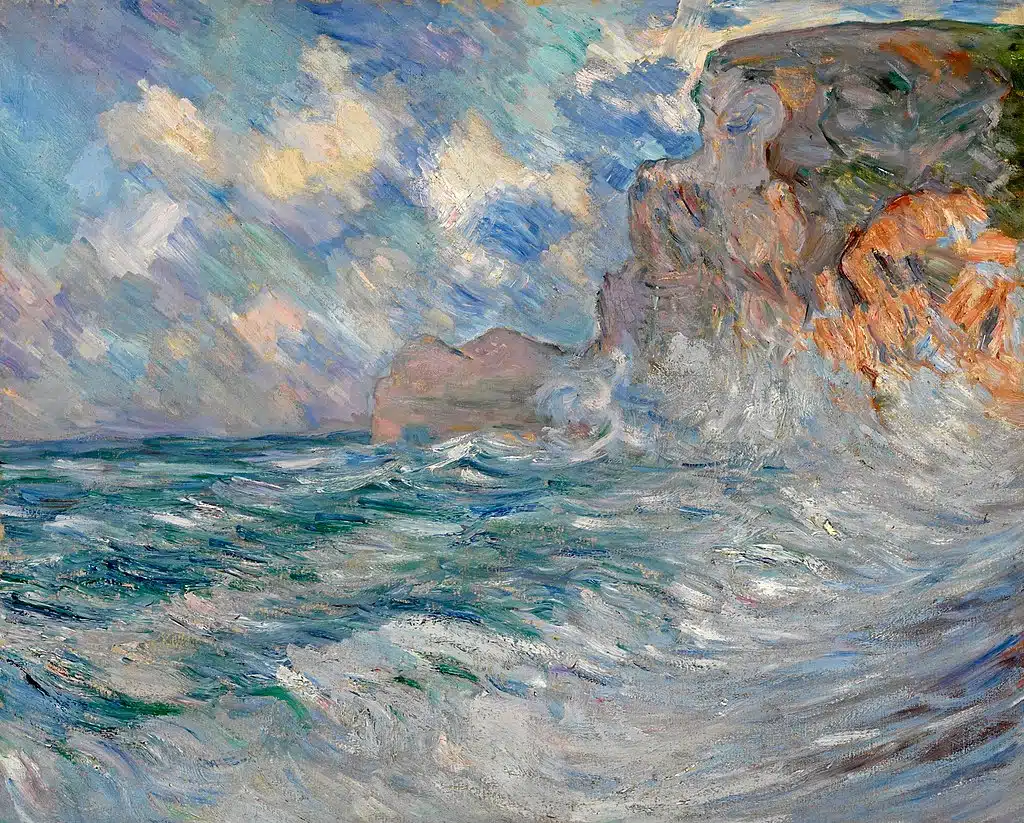
The American impressionist Lilla Cabot Perry didn’t fully come into her own as an artist until she moved to Paris in 1887. Though she studied art in Boston and produced a few pieces before her move, she found a home with the Impressionists after befriending Monet, who inspired her to perfect plein air painting.
She moved back to Boston and brought Impressionism with her to America. Her exhibitions in Boston made it a global art movement, rather than a European fad, and helped her friends (Cassatt, Monet, and Pissarro) find new buyers in America.
Her works centered around women and children, but she also painted vibrant landscapes bursting with color and movement.
Gustave Caillebotte (1848-1894)
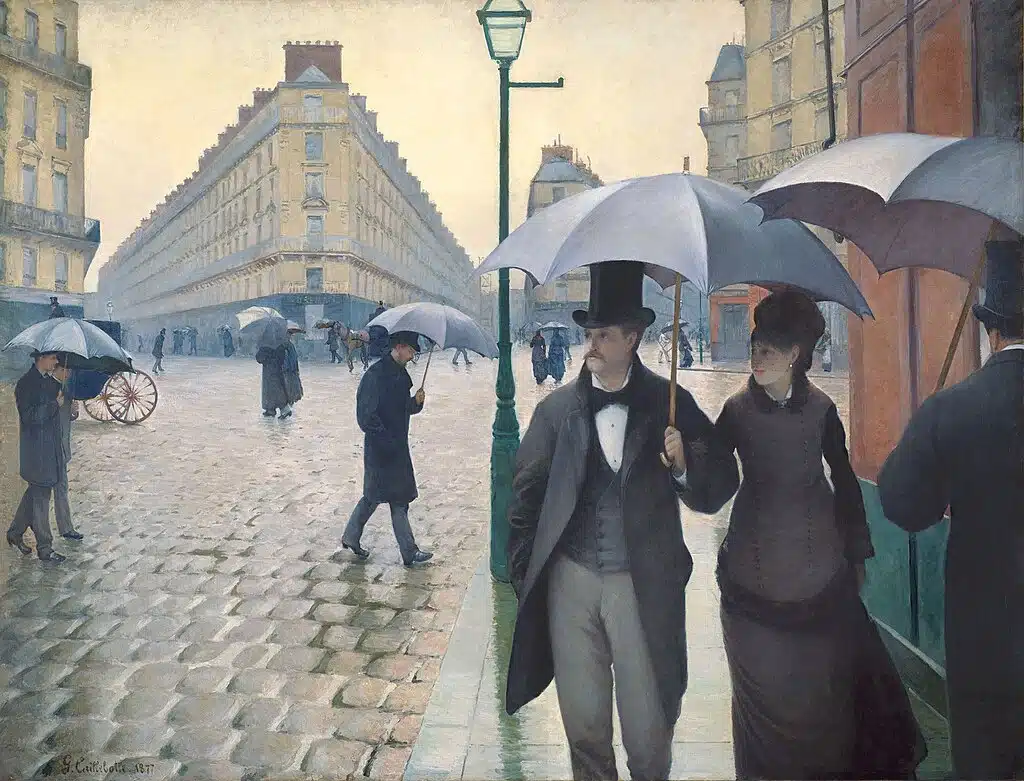
Caillebotte’s work lives in the gray area between impressionism and realism. Though he used more refined brushstrokes and defined lines than in typical impressionist works, his subject matter of domestic life and family scenes embodies the movement’s ideals – a celebration of normal life.
Despite his immense talent as a painter, his family’s wealth provided him with a unique privilege. He didn’t have to create work to support himself, and thus he’s sometimes better remembered as a patron of the arts who supported the greats like Monet and Pissarro than as an artist in his own right.
His untimely death from a stroke at age 45 may have helped his impressionist friends gain the notoriety they deserve. Due to family tragedy, he feared he’d die young, so he wrote a will bequeathing his collection of artwork (which he purchased from his friends) to the French government under the condition that they display it to the public. Though the government initially resisted, they struck a deal with Renoir (the executor of his will) to display some of it as the first public installation of impressionist art in France.
Frédéric Bazille (1841-1870)
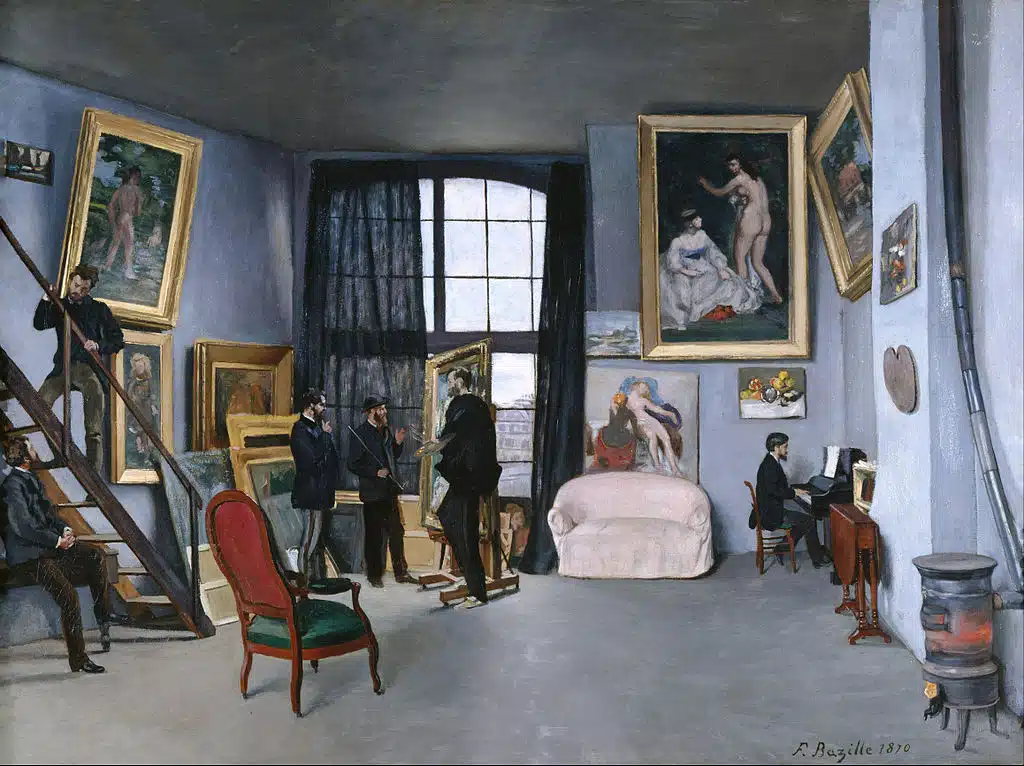
Bazille’s untimely death in the Franco-Prussian War limited the amount of work he produced, and thus he’s not always remembered as one of the great impressionist artists. However, the work he left behind created a lasting legacy.
He worked with Monet to develop the idea of creating an exhibit outside the Salon. He died before the group could finally put it together and thus wasn’t included.
Although Bazille’s work had more threads of realism than his contemporaries, the plein air composition and easy brushstrokes highlighting light over form place his work squarely in the impressionist movement. His Studio in Rue de La Condamine showcases his impressive talent; it’s a shame his artistic spark was snuffed out before his prime.
Post Impressionism

In the late 19th century, impressionism flowed into post-impressionism, and sometimes it’s hard to see the distinction between the two art movements. Some artists transcended the labels, producing some work that falls squarely into impressionism, while making other pieces that fit better in post-impressionism.
Other artists defined the post-impressionist era with their unique style, transforming art as we know it.
Paul Cezanne (1839-1906)
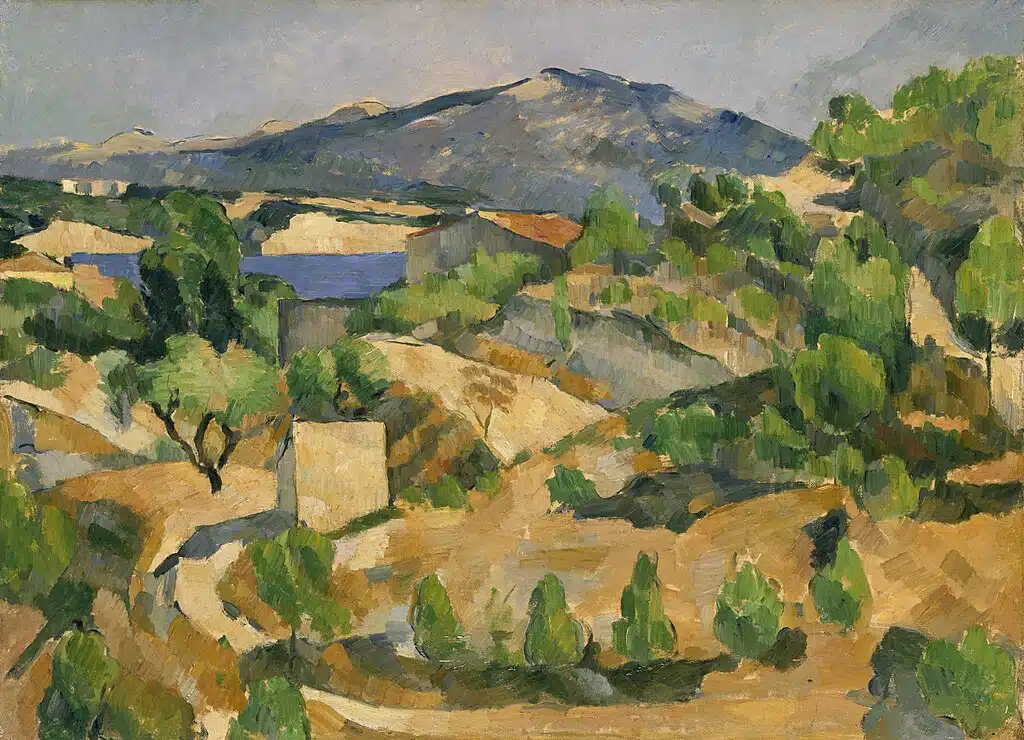
Paul Cezanne toes the line between impressionism and post-impressionism. Some art historians list him as an impressionist artist. It makes sense, as he was a contemporary of the most influential names on this list, but his art style tells a slightly different story.
His work was included in the first impressionism exhibit of 1974, despite other artists’ concerns that his bold color palette and unique style didn’t quite fit. He exhibited with the impressionists again in 1877, drawing harsh criticism.
Cezanne did have a lively impressionist period, where he worked under Pissarro’s tutelage, but his early works featured more romanticism, and his later works fit better under post-impressionism.
Paul Gaugin (1848-1903)

Though Gaugin exhibited with the impressionists and seemed inspired by them, as he grew into his own artist, he began experimenting with different styles, which led to post-impressionism.
He shifted away from portrayals of everyday life (a common theme with impressionism) to focus more on symbolism and man’s relationship with nature. He moved away from the impressionist ideal of painting light and motion toward symbolism, painting not what he saw, but exaggerated notions of what he saw using bold colors and defined lines.
Vincent Van Gogh (1853-1890)
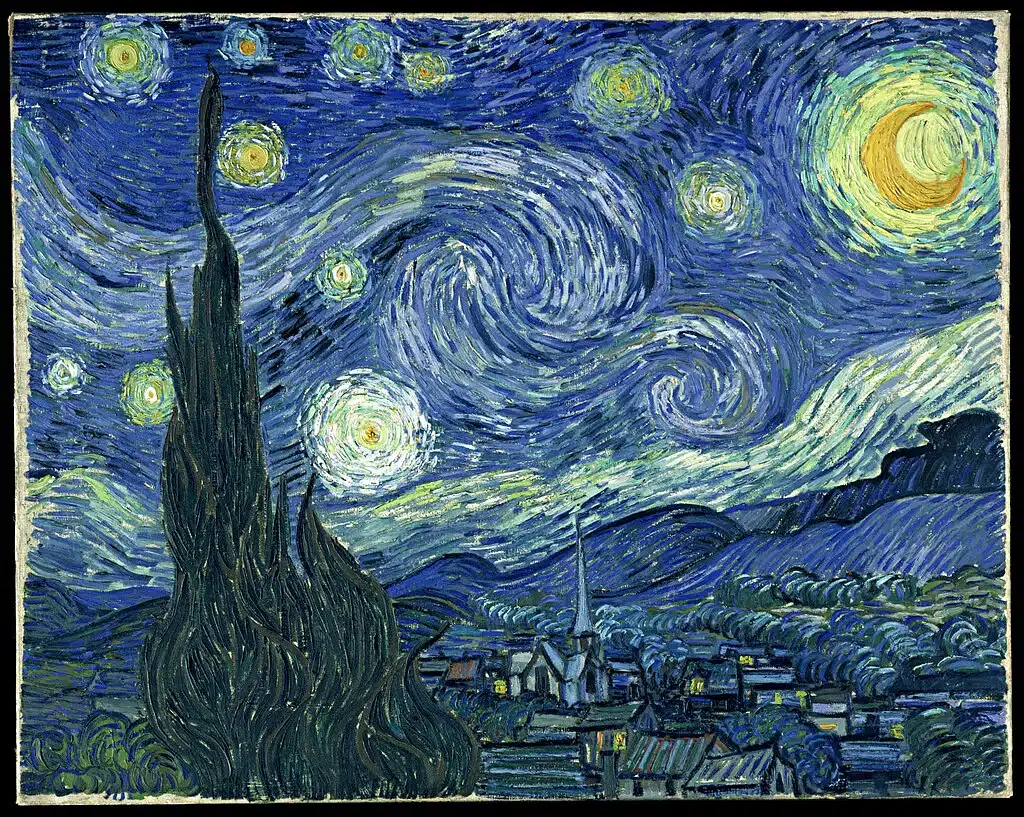
We can’t talk about post-impressionism without mentioning the most famous artist of the movement, Vincent Van Gogh.
Unlike Gaugin and Cezanne, Van Gogh didn’t seem to have an impressionist period. Everything in his work, from the manic brushstrokes to the bright color palette, seems to represent motion and turmoil.
It’s like he took what he saw and created a fluid, emotional representation of it, not confined to the perspective of reality that the impressionists relied upon.
Celebrate Your Favorite Art
I’ve been enamored with impressionist art since the 7th grade and pleased I could share that love with you.
I hope this small list of impressionist artists will highlight some wonderful painters you have never heard of and reignite your love of those you have.