

Companies profit when we buy their products, but how do they convince us to part with our hard-earned cash?
One of the most common sales tactics is selling someone a solution to their problem. If you’re hungry, buy our food! If you’re cold, buy our coat!
When Companies Create the Problem
Many greedy companies learned long ago that the problem doesn’t really need to exist. They can create a problem, then sell unwitting shoppers the solution!
Here are the top problems big businesses created so they could swoop in with the perfect product to solve them.
Gaming Microtransactions

Gaming companies created a problem: Their games were too grindy and boring. The solution? Microtransactions which allow players to buy boosts to glide past the worst parts.
We’ll never understand why people buy games and then pay to not play them, but gaming companies rake in profits with this system, so they are unlikely to stop soon.
No Outside Water

Most theme parks, movie theaters, zoos, and other fun places don’t allow people to bring outside containers, even for water. No worries, though; they’ll sell you a new water bottle with a horrific mark-up.
Printer Ink
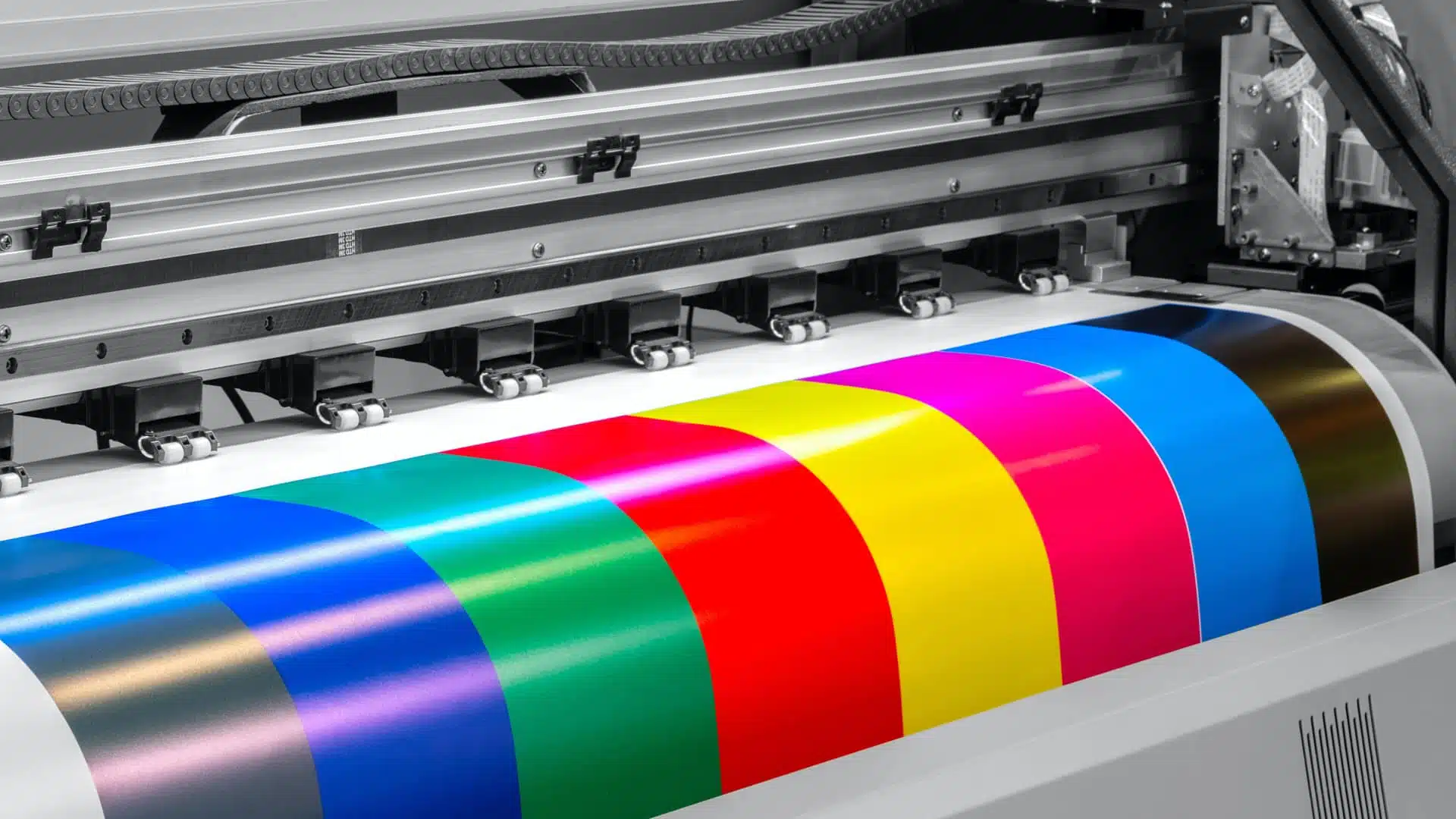
Your printer ran out of bright yellow ink just as you needed to print a black-and-white document. Sorry, you can’t print anything now.
The manufactured problem forces consumers to buy more ink they don’t need.
Tax Filing
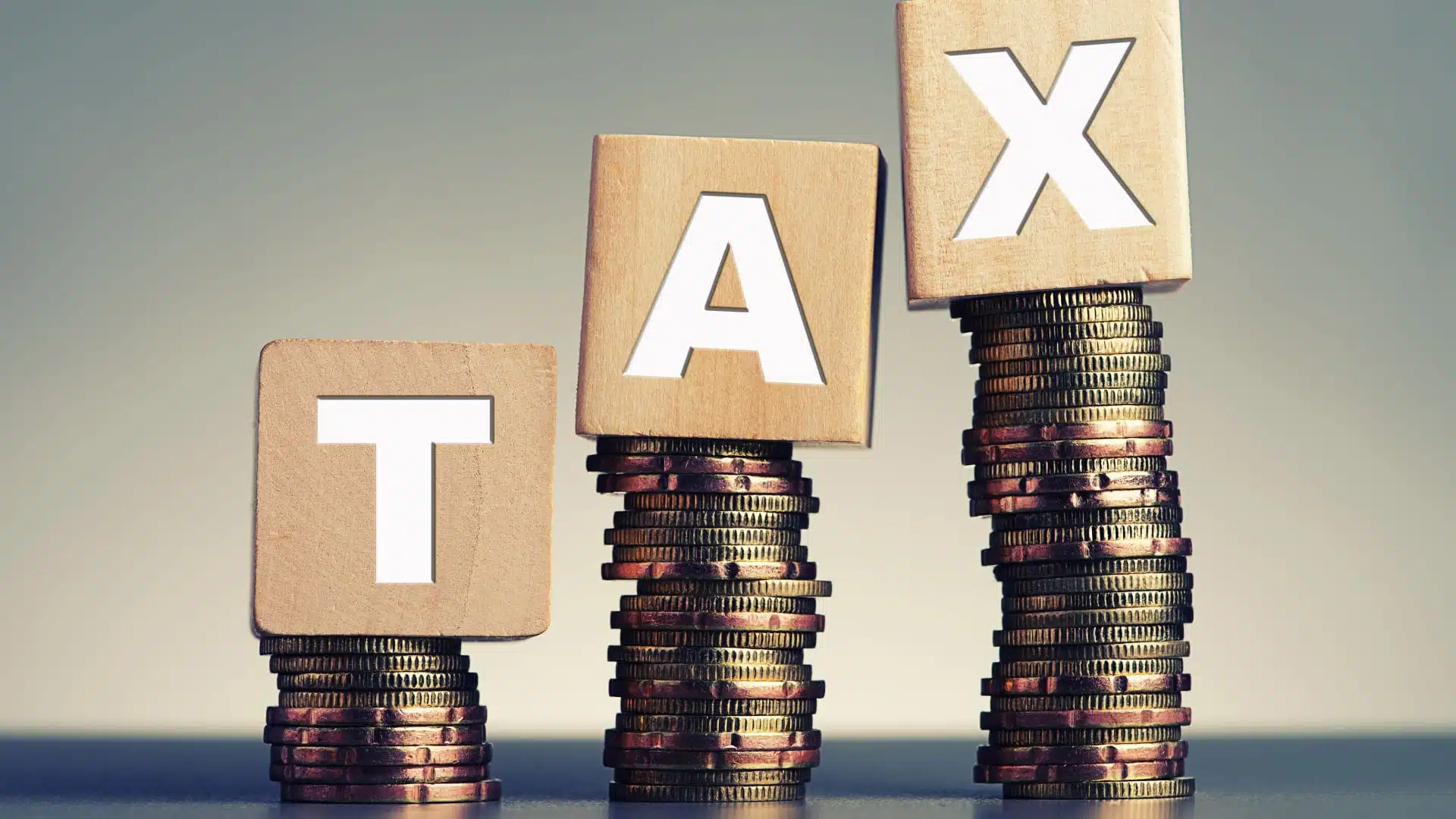
Tax software companies lobby to keep the tax code complex and to prevent the IRS from producing free software for the populace.
Though they didn’t make the complex tax code, their work keeping it confusing and preventing free filing options allows them to sell their tax filing software to the public.
Nestle’s Evil Formula Plan

There’s no more insidious example of a company creating a problem for profits than what Nestle did to impoverished mothers overseas. Nestle offered these breastfeeding mothers’ “free” formula for just long enough for their milk supply to run dry, and then they charged them for it. Mothers couldn’t afford the cost, resulting in malnourished babies.
Nice Lawns

Green lawns are useless. They’re just a cultural symbol to show everyone else how well off you are. However, they’re so engrained that most HOAs require them, so now we have to buy a bunch of junk for their upkeep when we could grow useful stuff like food and flowers.
Wars

The US supplies terrorist cells, those cells become powerful, and then we need to go to war to stop them. These wars make influential business owners very wealthy, so they donate to war hawk politicians to keep the cycle going.
Wireless Ear Buds
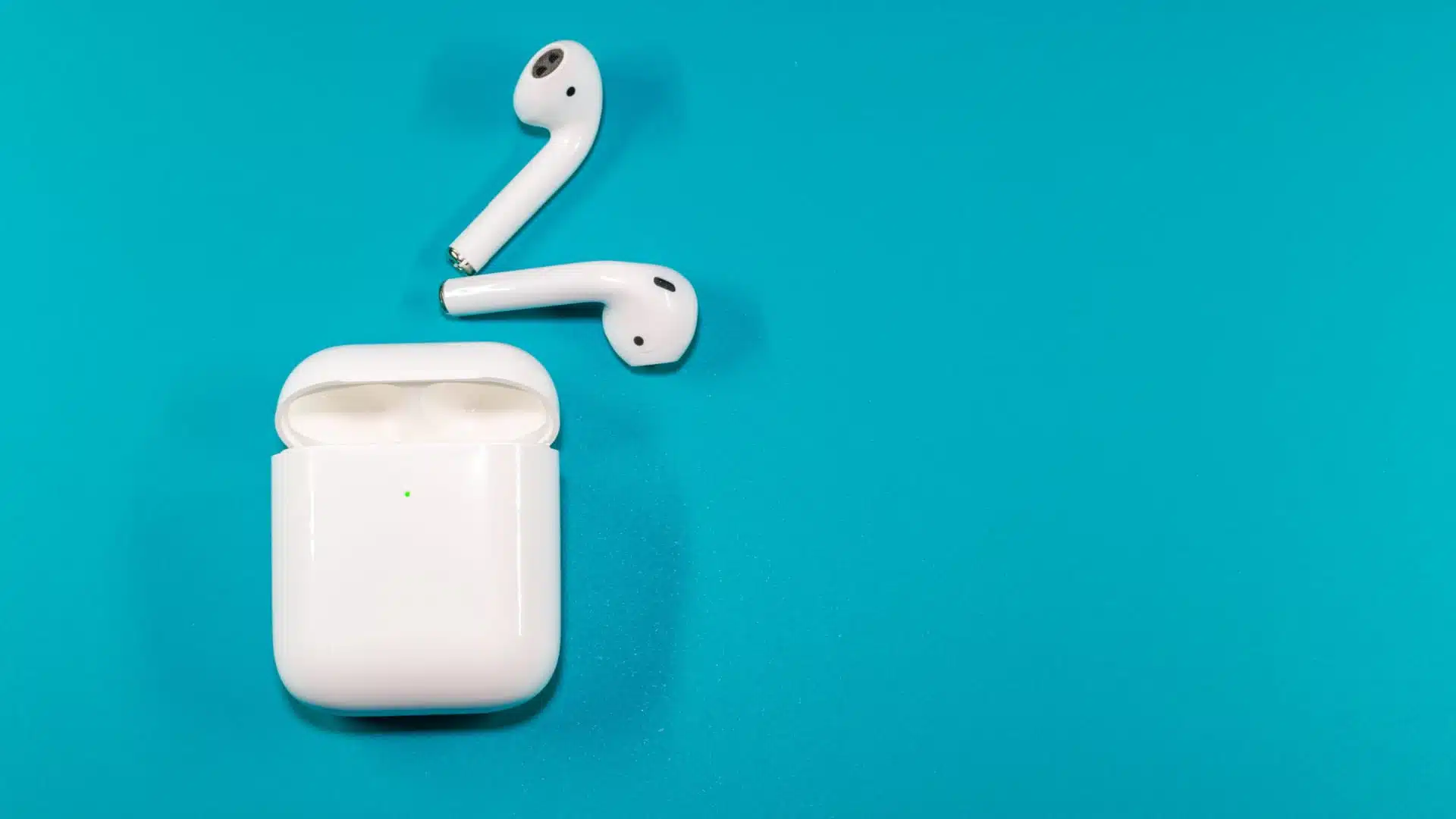
The iPhone learned they could get folks to buy anything. They removed the headphone jack for their iPhones and forced users to buy their wireless earbuds, raking in the profits.
Planned Obsolescence

Many companies create products they know won’t last to force consumers to buy a new one every few years. They don’t make things like they used to because making lasting products is less profitable.
Subscription Models

It’s getting much harder to buy and own things you like. Everything from software to music to car seat warmers is moving to a subscription model, allowing companies to make even more money to the determinant of consumers who have to pay more for the same thing.
Insecurity

The world runs on insecurity. People see perfection everywhere they look, and messages bombard them with what they can buy to become perfect themselves.
Schools and Prisons

Prisons are profitable, but schools are not. Politicians purposefully pull money from education, knowing that uneducated people are more likely to end up in jail. The for-profit prison system wins, and society loses.
Spot The Propaganda
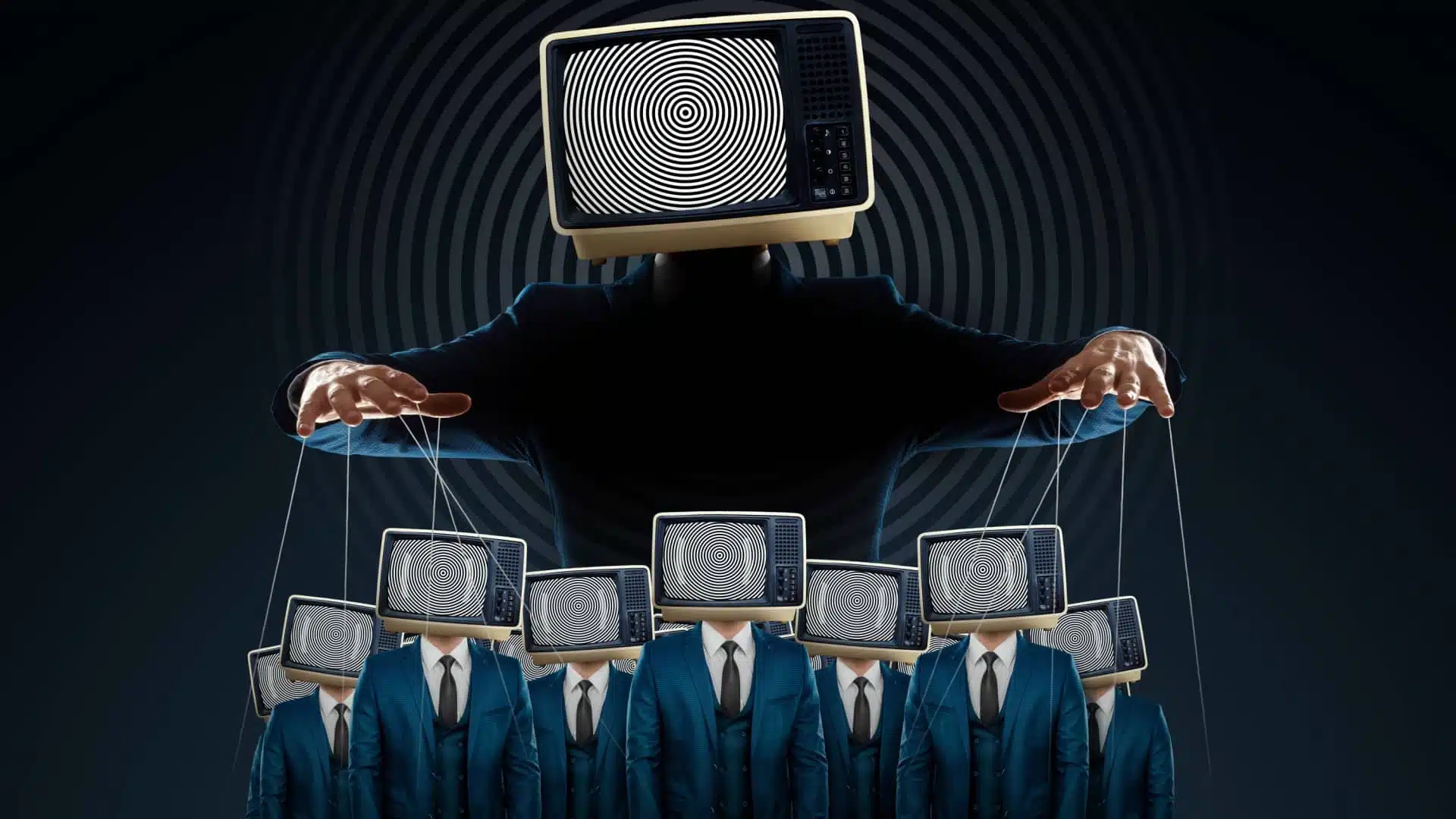
Propaganda surrounds us. It attempts to sway our thinking in both mundane and critical ways. Here are some examples of propaganda we see every day.