

Once, long ago, you could buy a product and know it would last forever. Manufacturers relied on quality and customer satisfaction to stay in business.
Planned Obselence

Now, quantity wins the day, and manufacturers sometimes purposefully make worse products with a target end date, forcing folks to spend their hard-earned cash to buy replacements.
Cutting Costs

It’s not all malicious. Sometimes companies look only to the bottom line and sacrifice quality for profits. The result is similar: consumers get worse products they need to replace faster.
Here are some top examples of products that used to be great, according to the internet.
Houses

Fifty years ago, homes were built to last. Now, builders use cheap labor and materials to mass produce structures that will collapse in just a few years without proper maintenance.
Levis Jeans

Levis was the name in jeans. First designed as the quintessential working man’s jeans, the brand exploded in popularity, becoming the “cool” jean, primarily due to the high quality.
Although you can still find top-notch Levis, it’s getting harder and harder to find a pair like in the old days.
Honeycomb Cereal

One user said that Honeycomb cereal used to be filled with puffy, delicious pieces, with the occasional “flat, overly crunchy, sad piece.”
My favorite pieces were always the flat, overly crunchy sad pieces, so I may have to start eating Honeycomb again!
Pine-sol

Pine-sol was the go-to-cleaning agent for a long time, but some executives realized they could save money on manufacturing by cutting out pine oil. Who would have thought that the ingredient giving Pine-sol its iconic smell was vital to the brand?
Appliances

Appliances were built to last; now, they’re made for profit. People still own and use refrigerators and dryers from the 70s and 80s. Do you think that appliance you bought last year stands any chance of lasting 30 years?
Snacks

The anti-trans-fat craze destroyed a lot of our favorite snacks. We know trans-fat is bad for you. Can we please have it back and enjoy a few snacks?
T-Shirts
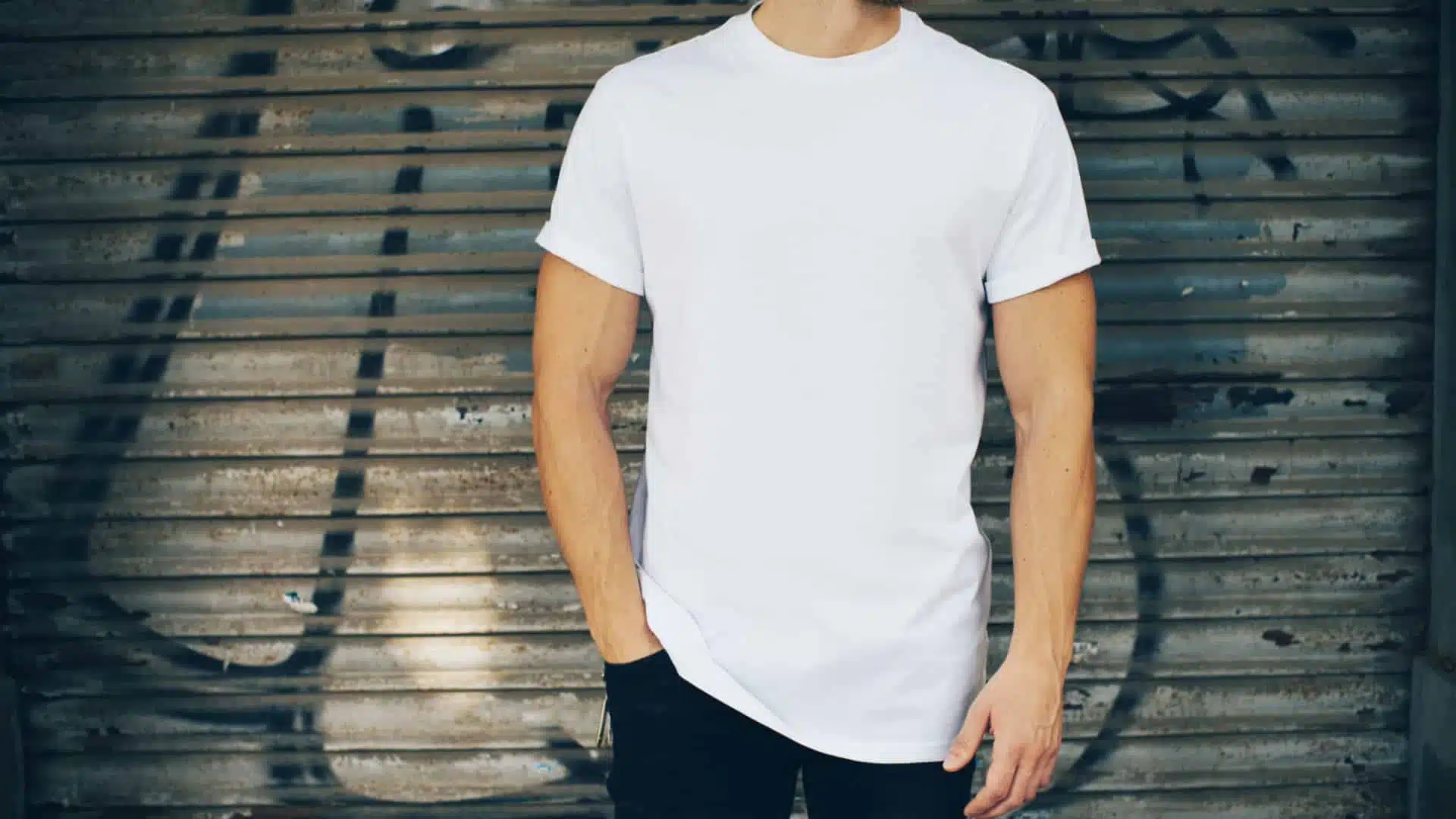
T-shirts used to be thick and lasting. The designs may fade, but they’d still be readable. Now, t-shirts don’t fit well and are nearly unwearable after a few washings.
Clothes in General
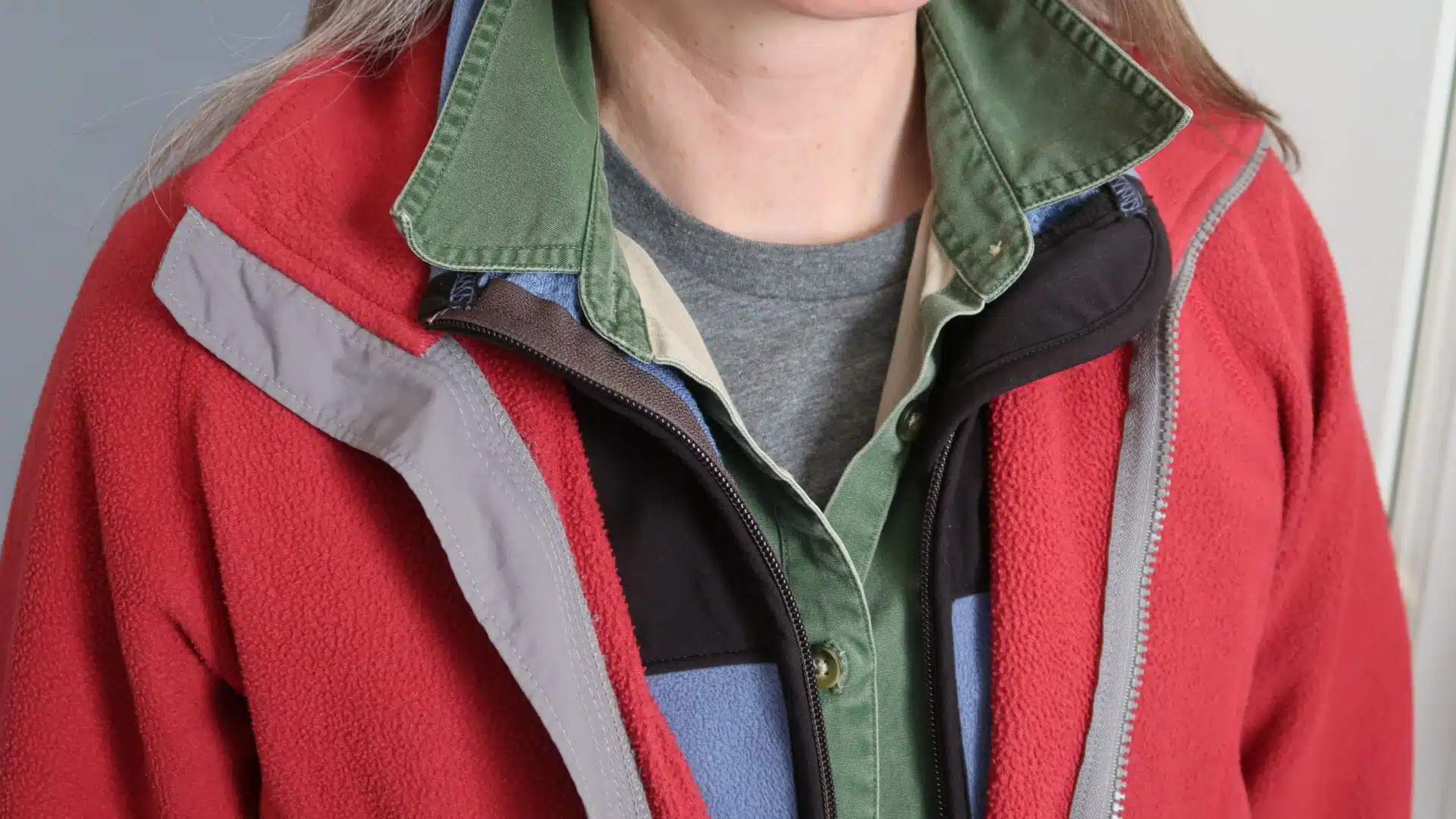
Fast fashion destroyed good clothing. Items shrink in the wash and unravel after just one use. The cheap stuff is made to throw away.
Children’s Toys
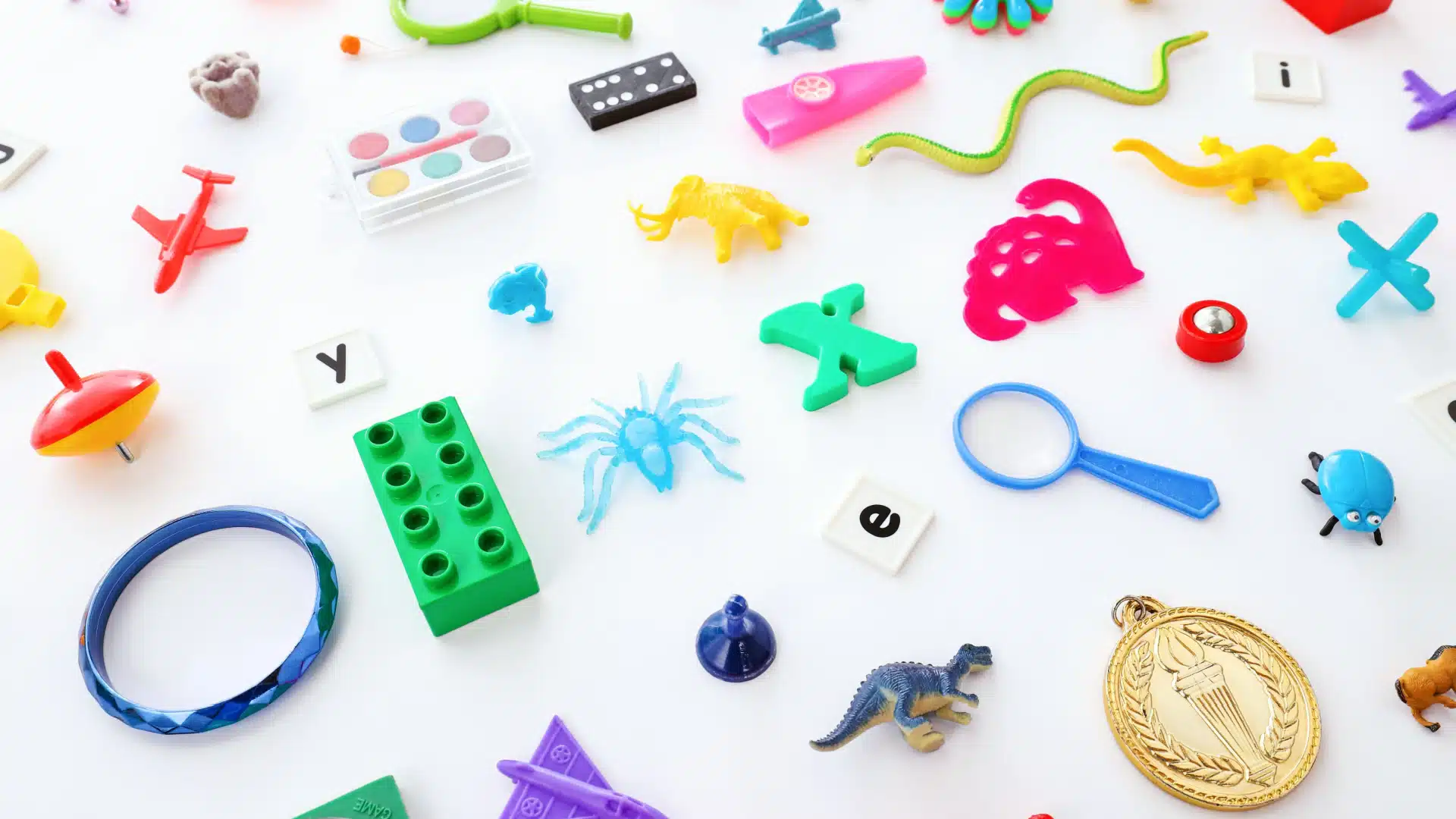
I still have my old GI Joes from the 1980s. They’re made so poorly nowadays that they break after a year. Most modern children’s toys are made from shoddy plastic; back then, they used metals and quality parts.
Candy Bars

Shrinkflation destroyed king-sized candy bars. We’re paying more for less tasty goodness than we did ten years ago.
Mobile Games

In the early days of mobile gaming, the games had to be good or at least playable. The landscape has changed so much that you never know if you’re downloading a legitimate game or a bunch of ads poorly masquerading as a game.
Video Games in General

The pay-to-play model destroyed video games. People don’t even bother investing time in a good game when they can just pay to unlock cool features. The new model also gives those willing to fork out cash a leg up in multiplayer games, destroying the vibe for people who want to build skill.
Cars

The days when Dad went to the garage to tinker with and repair the old car are coming to an end. It’s not that people no longer want to fix their vehicles – but modern technology makes it nearly impossible.
Vital parts are hidden behind loads of useless metals that must be removed before doing anything, and the electronic chips make self-repairs a dangerous gamble.
Frugal Hacks that Aren’t So Frugal

These common myths about frugality often cost people more in the long run.
Source: Reddit