
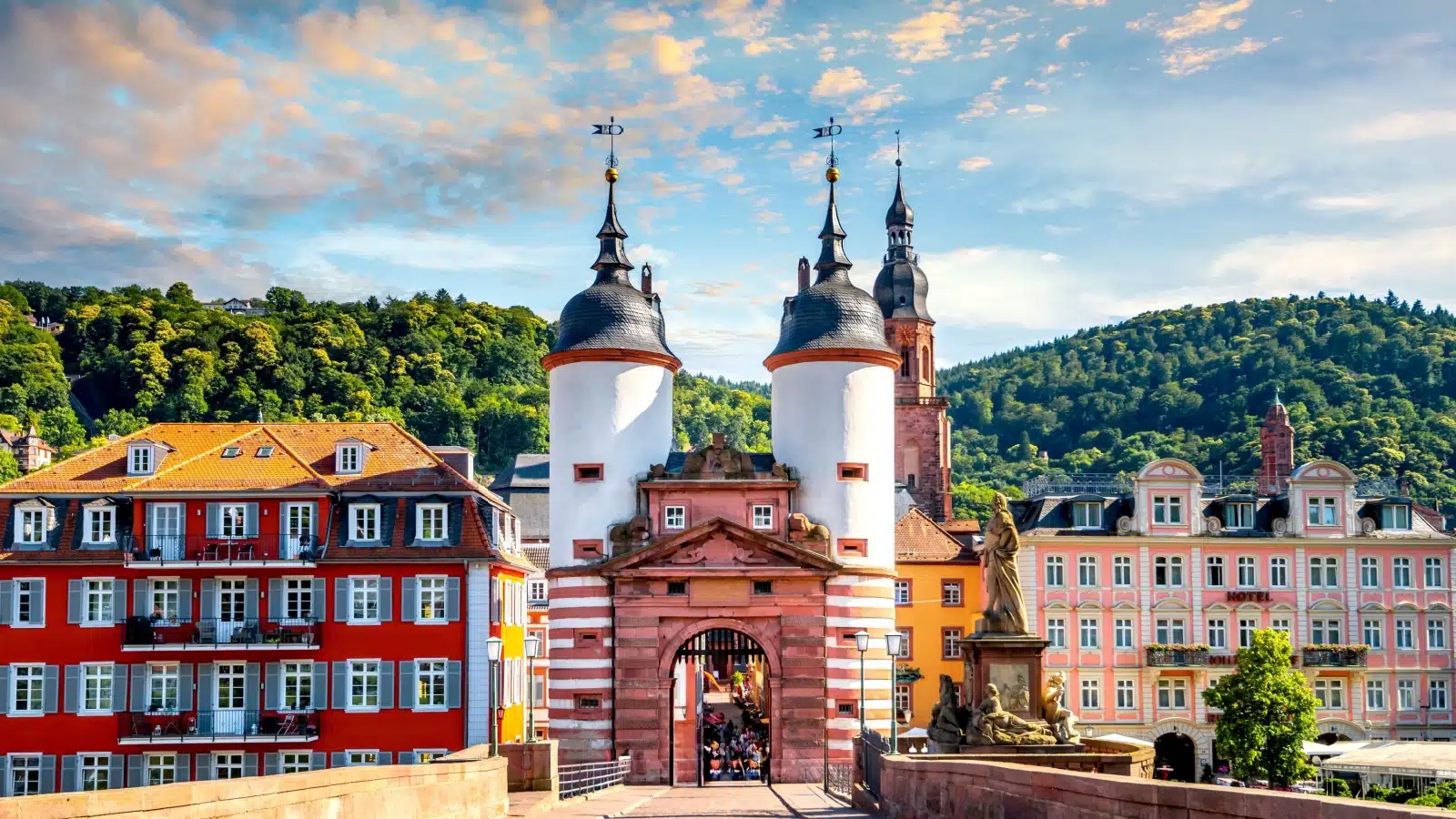
Heidelberg Castle is one of Germany’s (many) wonderous castle ruins. Nestled in the university town that bears the same name, the castle is one of the top tourist destinations in the country’s southwestern region.
Exploring the castle (and the attached town) was one of the highlights of my first trip to Germany.
Exploring Heidelberg Castle

We visited the small town specifically for Heidelberg Castle, which sits upon a hill overlooking the city. As a lover of all things history, I told my friend I had to see at least one castle during my time in Germany, and she chose Heidelberg because it’s a top tourist attraction, and it was convenient to our route.
Next time, I’ll visit Neuschwanstein Castle, the fairy tale castle, the inspiration for Disney Castle, and one of the most famous castles in Germany. But alas, on this trip, we would not be traveling through Bavaria, where that castle is located.
A Brief History of the Castle
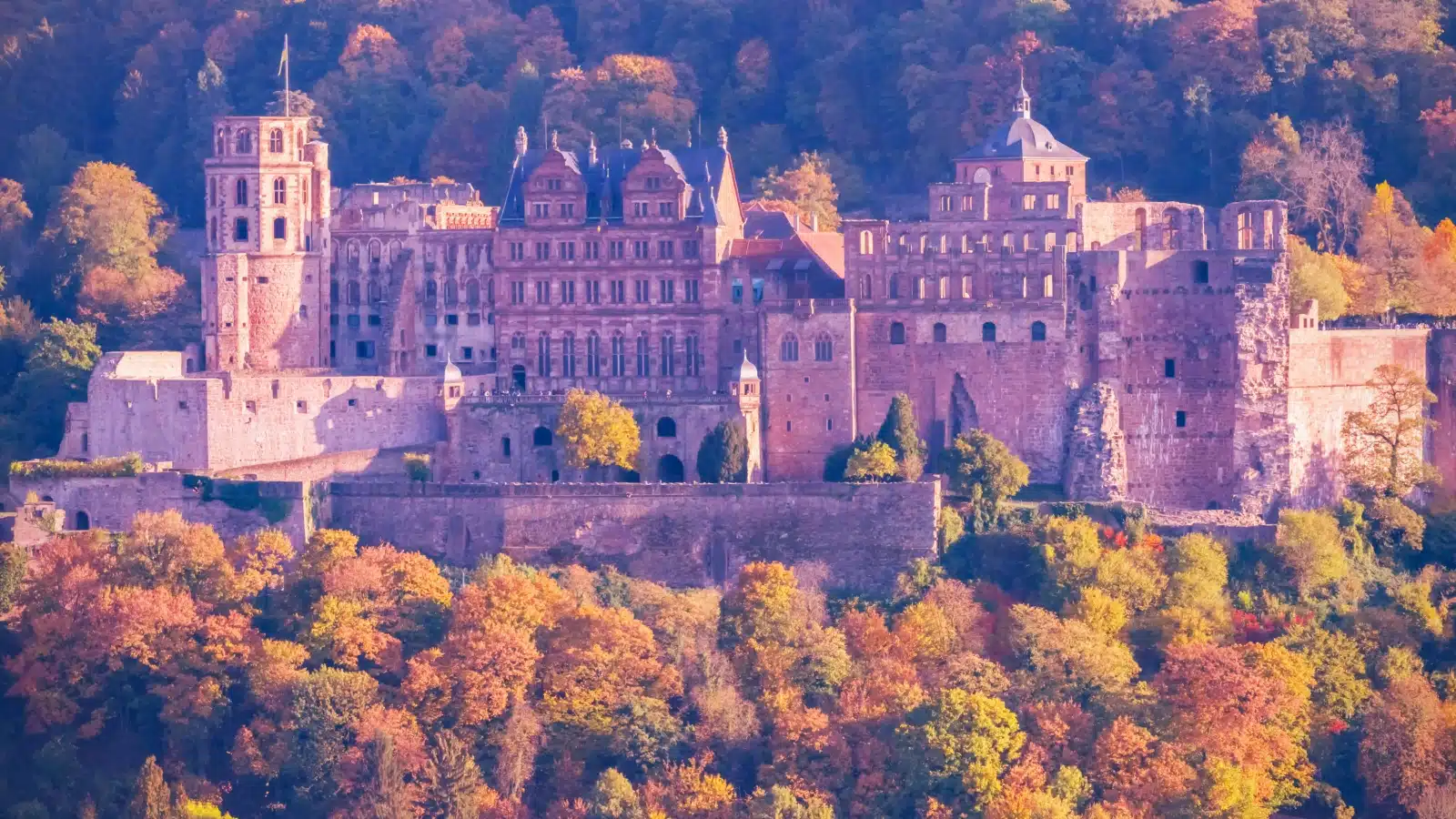
Heidelberg Castle has a far richer history than Neuschwanstein Castle, which is a baby as far as castles are concerned, as it was built in the 19th century.
Heidelberg Castle survived the Middle Ages.
The medieval castle dates to the 11th century. Unfortunately, much of the original structure was destroyed and rebuilt over time. Lightening damaged the upper castle in the 16th century, and much of its original glory burned in a fire in the 1700s.
Although it was never completely rebuilt after the massive loss, historians realized its importance in the early 1900s and began their reconstruction and preservation efforts.
Who Lived in Heidelberg Castle
As the castle is nearly a thousand years old, you can imagine that numerous people lived there throughout the ages. Unfortunately, much of the early history concerning the castle’s residents is unclear. It’s reported that Conrad of Hohenstaufen was one of the earliest residents in the 12th century, but proof has yet to be uncovered.
We know the famous residents who called Heidelberg Castle home in later centuries. Ludwig (Louis) III in the 15th century, Louis V in the 16th century, and Charles II in the 17th century all lived at Heidelberg during their life and reign.
In the 18th century, the court of the Elector of Palatine moved to Manheim, and the castle stood empty, a hollow shell of its former glory.
Touring Heidelberg Castle
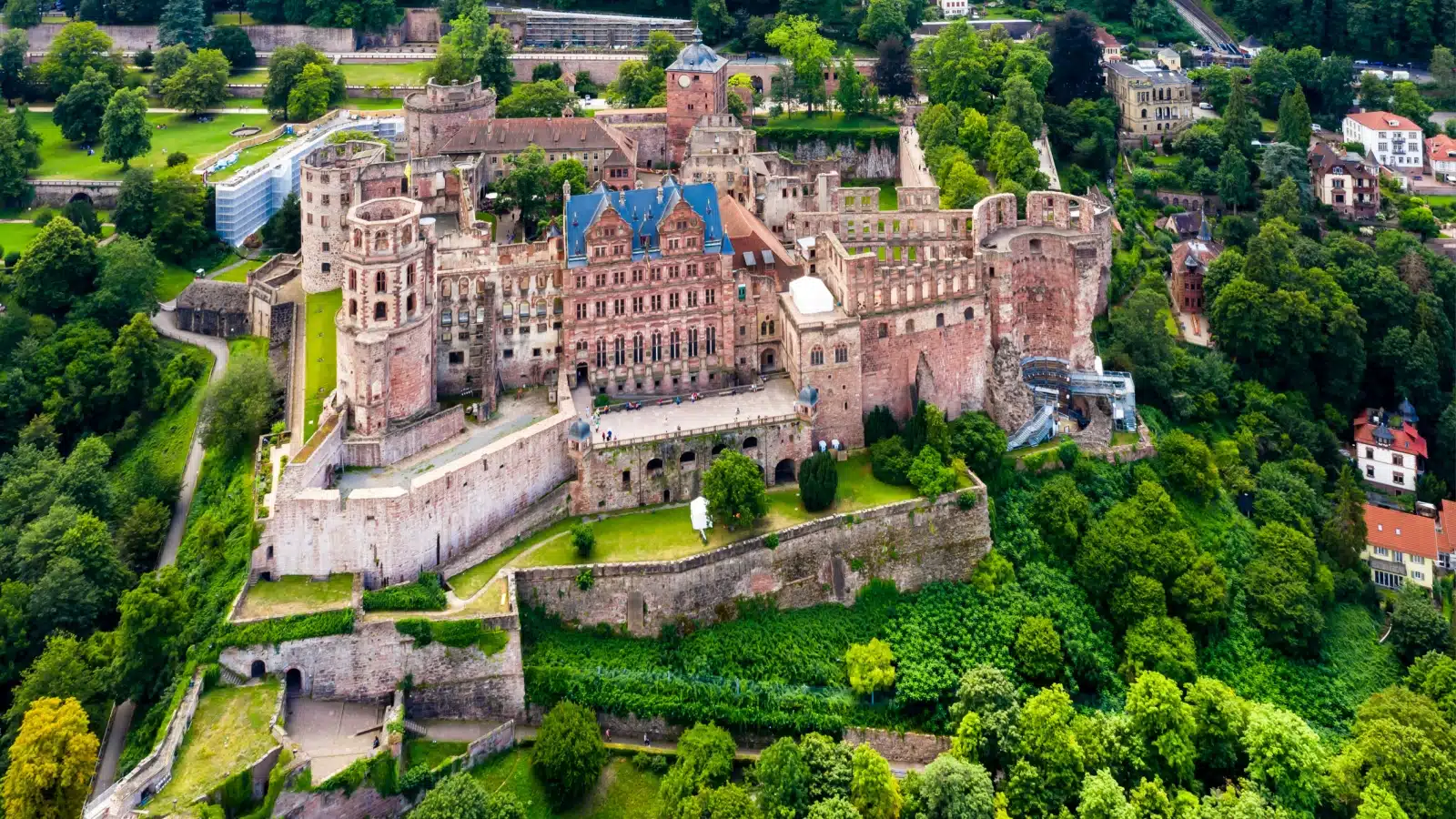
Although you can walk up the sloping hillside to the castle gardens for free, you must purchase a ticket to enter the courtyard.
If you wish to avoid walking up the hillside to the castle, you can take the funicular railway (train). It costs 7 euros to go up to the castle and 10 euros to go all the way to the top of the hill (for one-way tickets). You’ll save a few Euros by paying a round-trip fare.
The summit has a gorgeous viewing area, so it’s worth the extra euros on a clear day to see the city below. A train ticket to the top includes the entrance fee to the castle courtyard, apothecary museum, and barrel cellar but does not include entrance into the castle itself.
Can You Go Inside Heidelberg Castle?
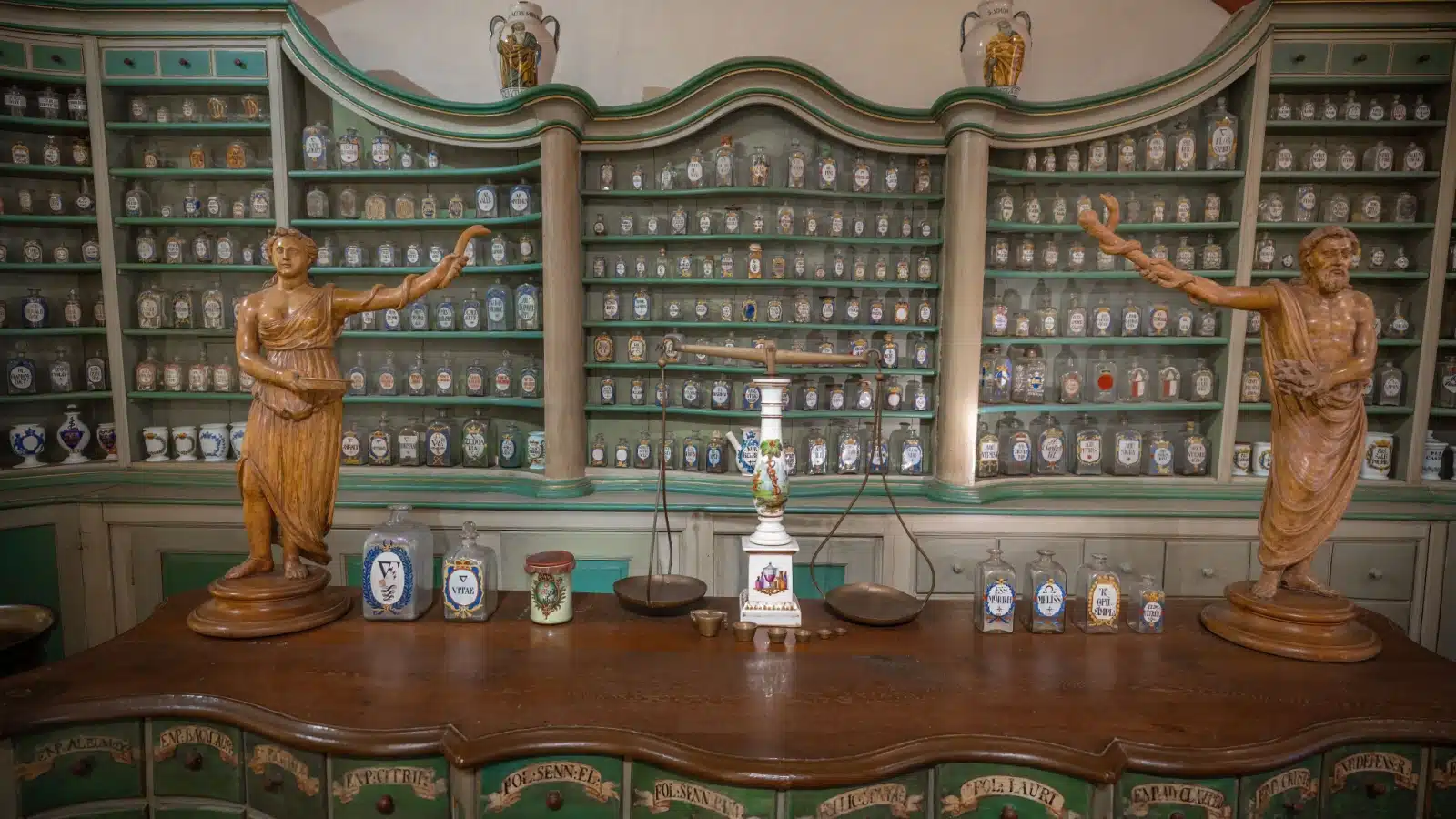
In order to see anything in Heidelberg Castle, you must purchase an 11 Euro Palace Ticket, which includes a railway ticket, access to the courtyard, and access to the German Apothecary Museum (located inside the castle!). For a full look at the castle, you need to book a guided tour, which costs an additional 6 euros per person.
That extra 6 euros for the guided tour is definitely worthwhile!
The guide was highly knowledgeable, explaining the castle’s history in detail, from who built it and why, how it was destroyed, and which influential historical figures called it home.
She also described all of the improvements made to it throughout history. Shockingly enough, the original fortress was smaller and more foreboding than the final structure!
All the Wine
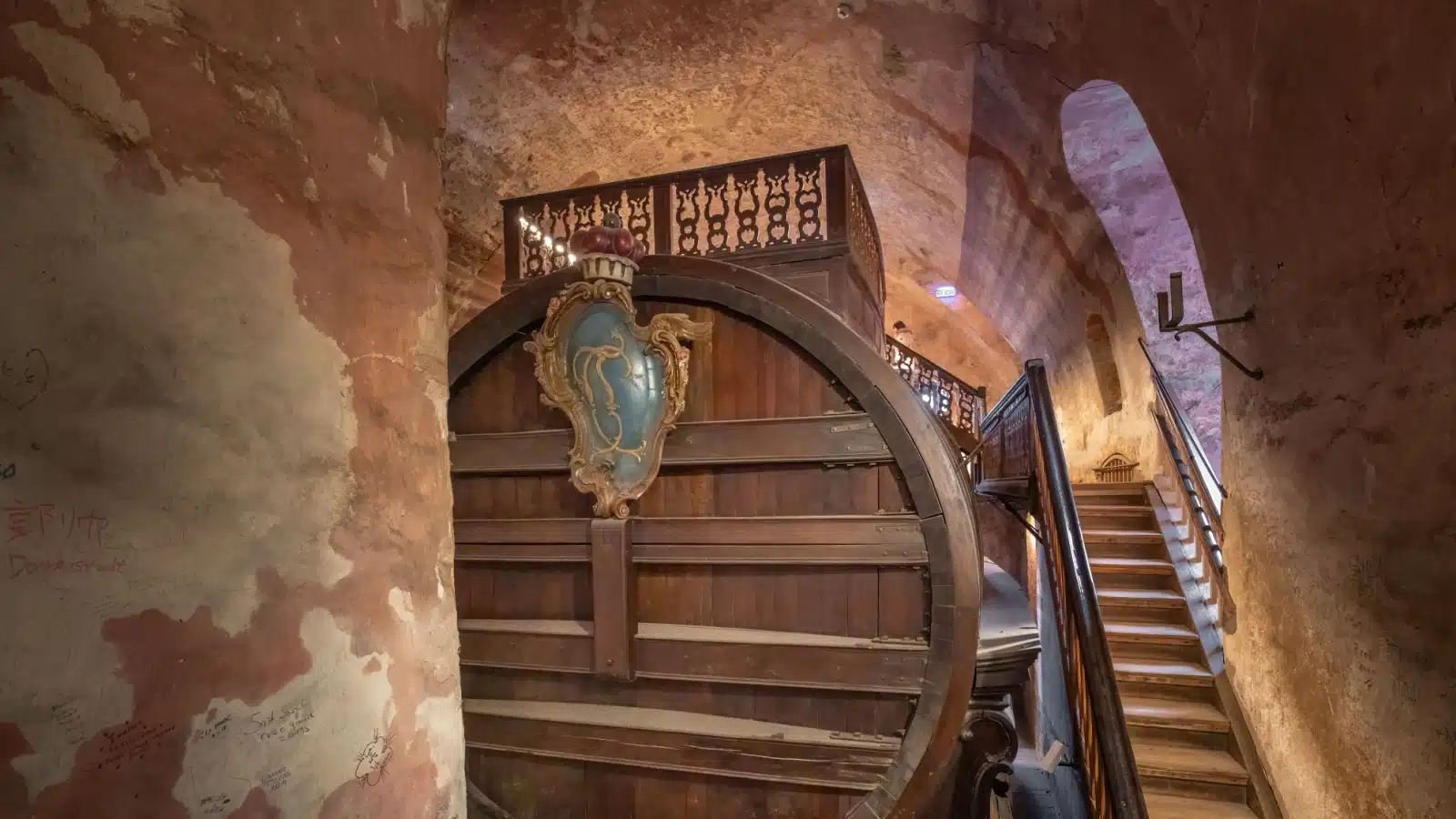
Wine played an extremely vital role in the culture of early Heidelberg. The castle is home to the largest wine barrel in the world, which can be viewed from the barrel cellar.
The tour guide explained how vital wine was to the people of Heidelberg Castle. It was such a prominent good that the townsfolk paid a portion of their tax with it!
Tax collectors gathered all the wine from the townspeople and poured it into the giant barrel. This “wine tax” was then issued back to castle workers and even soldiers as part of their pay.
Complimentary wine is underused as part of a benefits package today!
Wine still plays an essential role at Heidelberg Castle today. The cellar was converted into a comfortable café, with a small coffee and wine shop where you can sample wines from local vineyards.
Wine tasting in a real castle brings a feeling of being at one with history in a way that is difficult to match. It makes you feel like more than a spectator. You’re a part of the castle, breathing new life into it with every sip. Unlike the stale museum-like quality you get from the tours, the cafe makes the castle a part of the here and now.
The City of Heidelberg – What is Heidelberg Famous for?
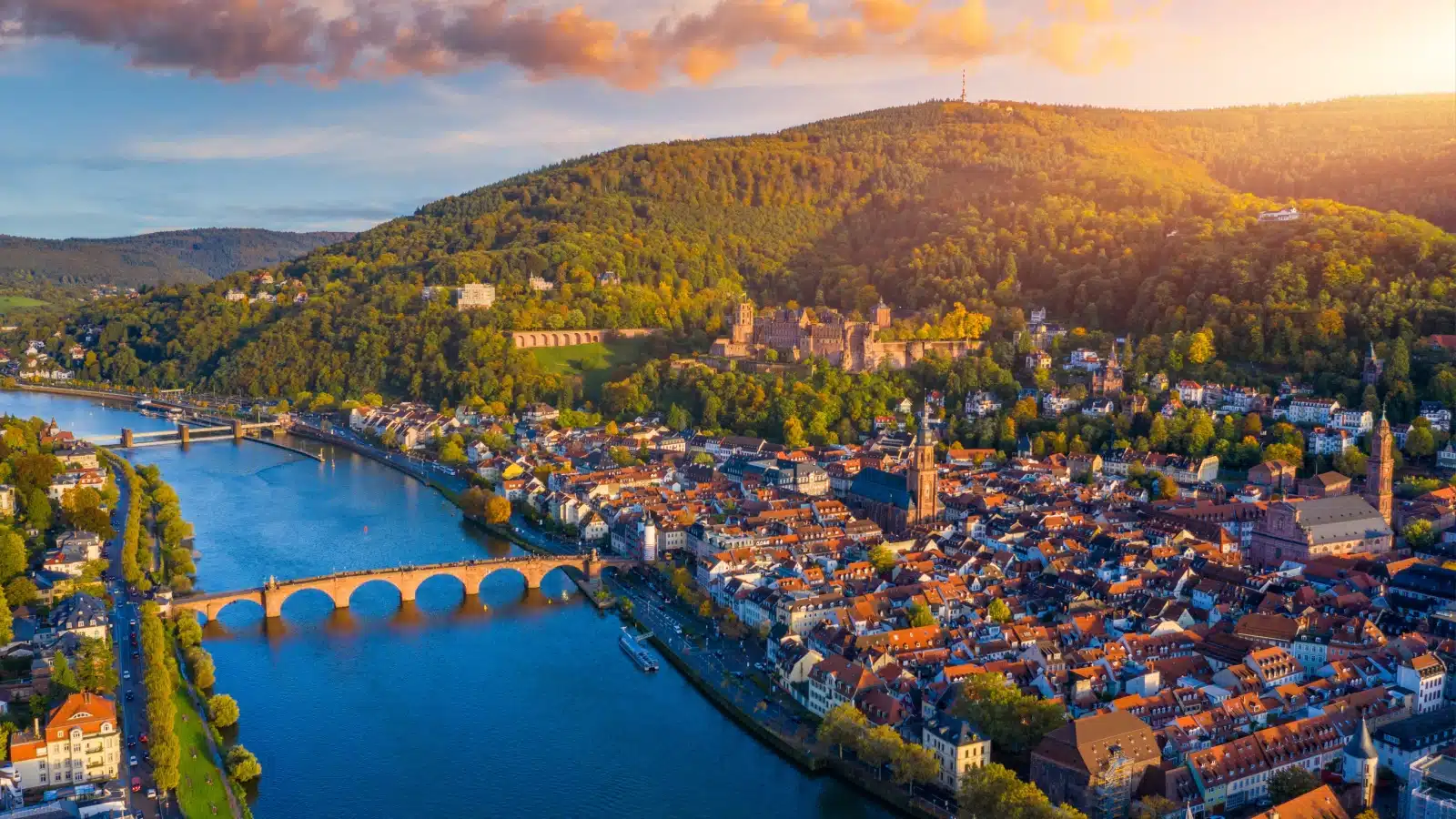
Although the castle is the main attraction, the city of Heidelberg is excellent for its own sake. It’s home to the prestigious Heidelberg University and Philosopher’s Way. In addition to the unique historical sites, it’s a wonderfully picturesque town with stunning hills overlooking the Neckar River. Situated about halfway between Frankfurt and Stuttgart and relatively close to the French border, it’s in the perfect location for a quick detour.
Although the city applied to become a UNESCO World Heritage site in 2007, the application was denied. The UN may revisit that decision in the future, as the beautiful town is bursting with history worth preserving.
Heidelberg University
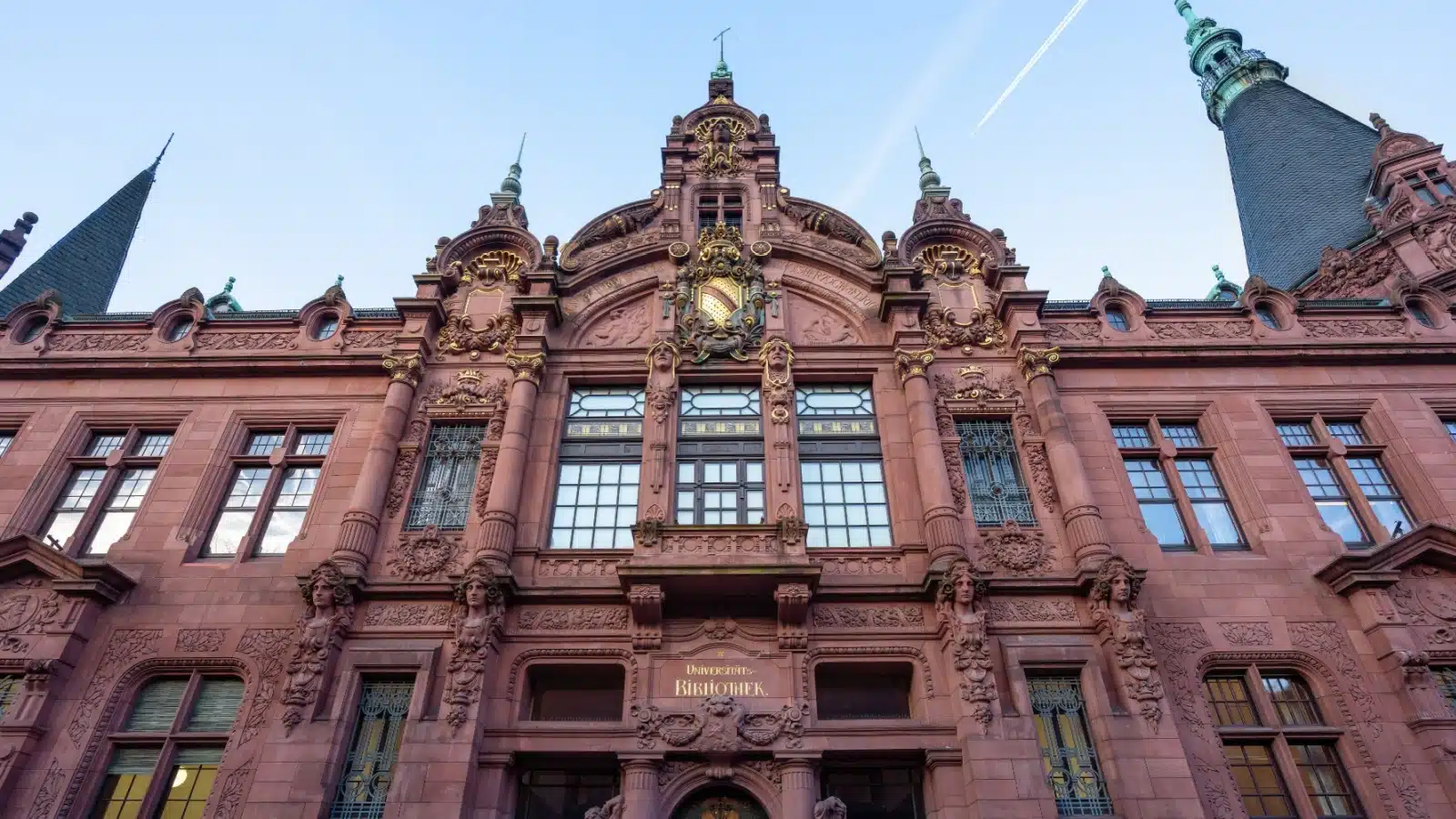
Besides the castle, Heidelberg University is the second most crucial selling point to the city. It’s the oldest university in contemporary Germany, dating to the 14th century.
It’s also one of the most important research universities in Europe.
Unfortunately, I didn’t get the opportunity to study with the great minds of the university during my short time in the city. However, I could easily feel the impact of the college town without stepping inside a classroom.
Young people roamed the streets as they meandered to their classes. They relaxed in cafes, studying, and huddled in the open spaces, enjoying the last nice days before winter.
The town’s entire atmosphere embraced learning, and even breathing the same air made me yearn for knowledge.
The Philosopher’s Way
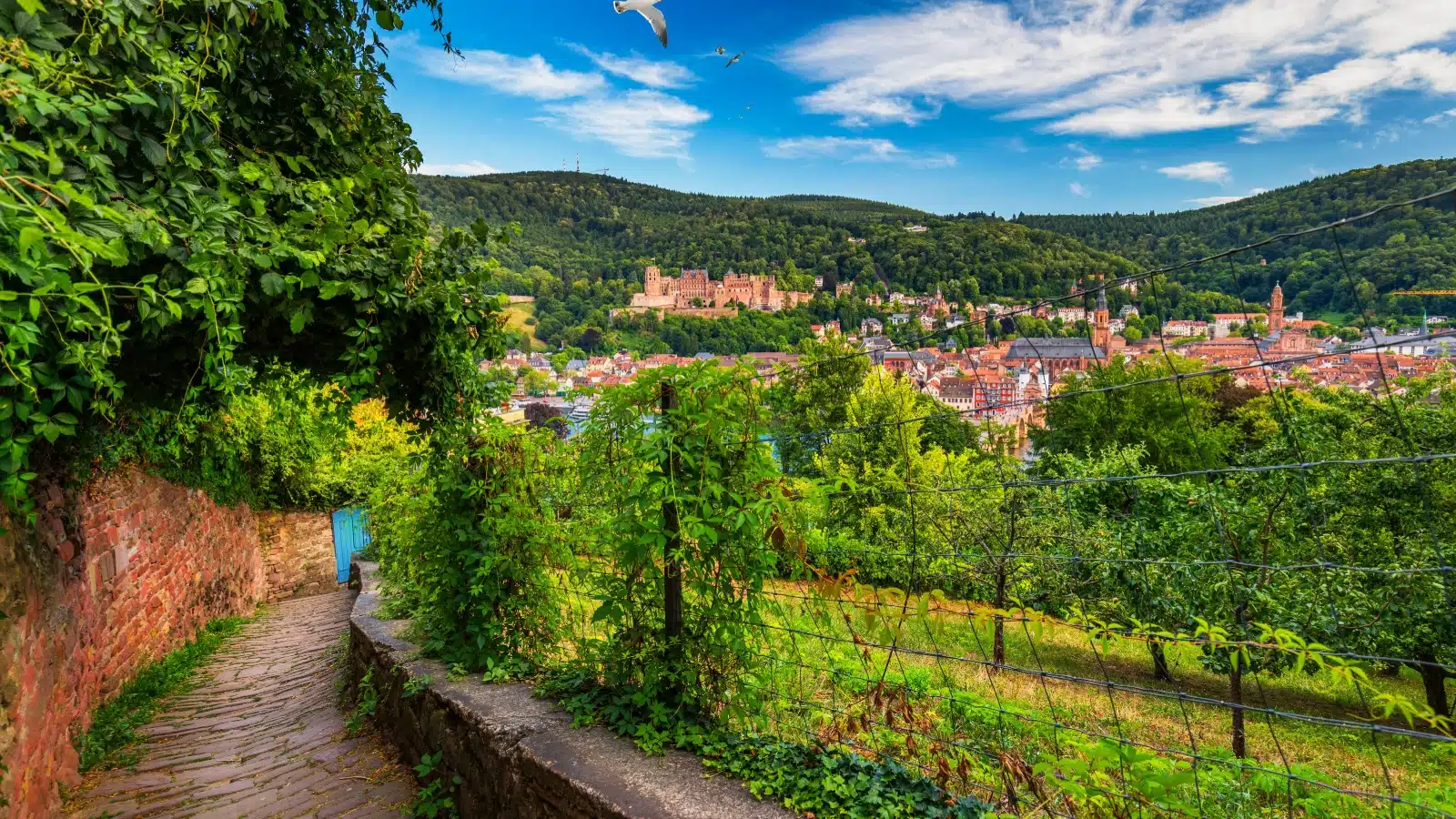
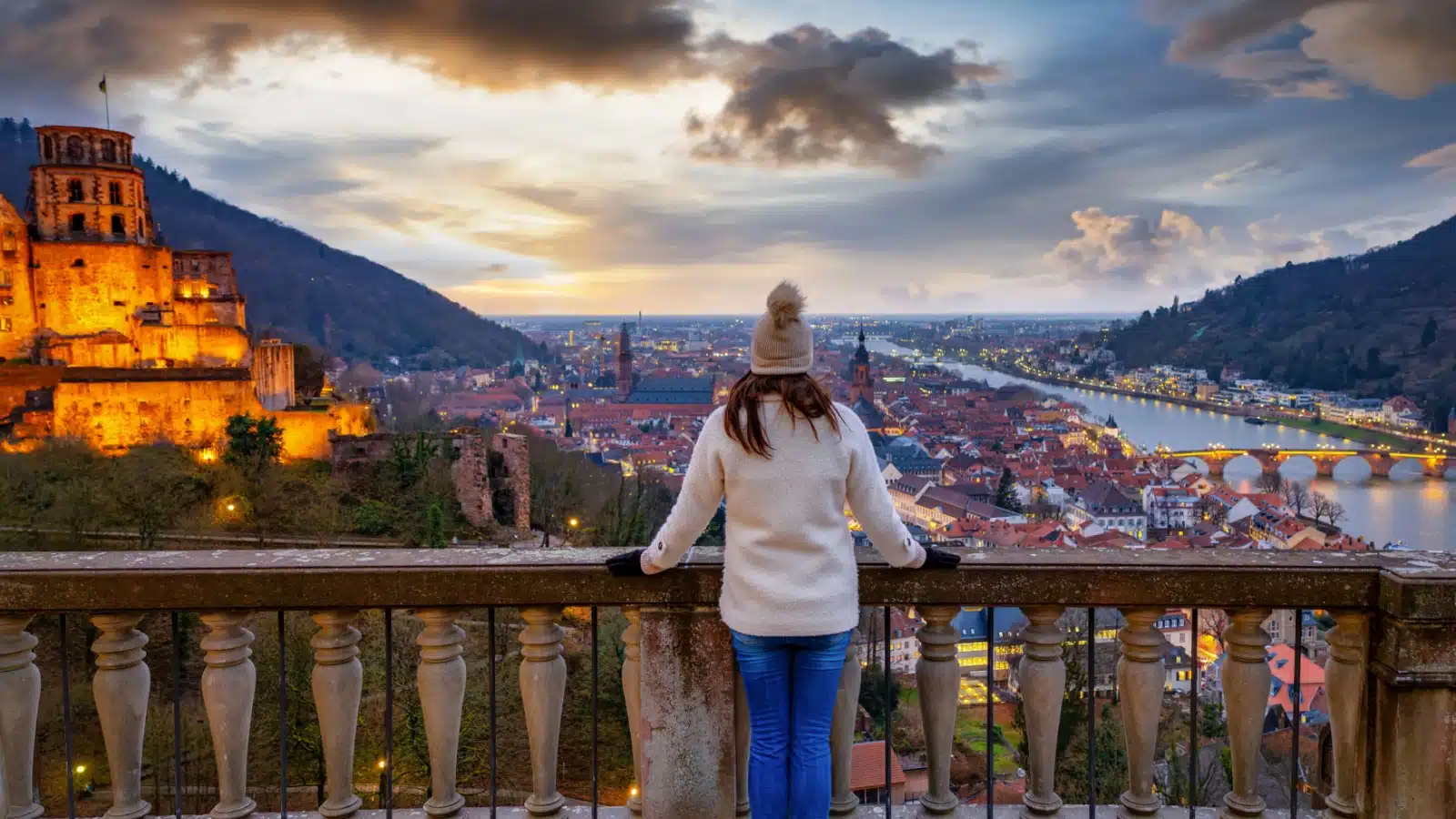
Heidelberg is also famous to German citizens for its “Philosophers’ Way,” a stunning pathway on the hillside opposite the river from the castle. You can view the castle in all its glory from the path, proudly standing over the city below. The effort put into the strenuous climb is well worth the reward of the view at the top.
The name Philosopher’s Way originated because professors from the University on the other side of the river found it to be a relaxing retreat. They would make the arduous climb and use the stunning view at the top to ponder life’s mysteries.
Thingstätte
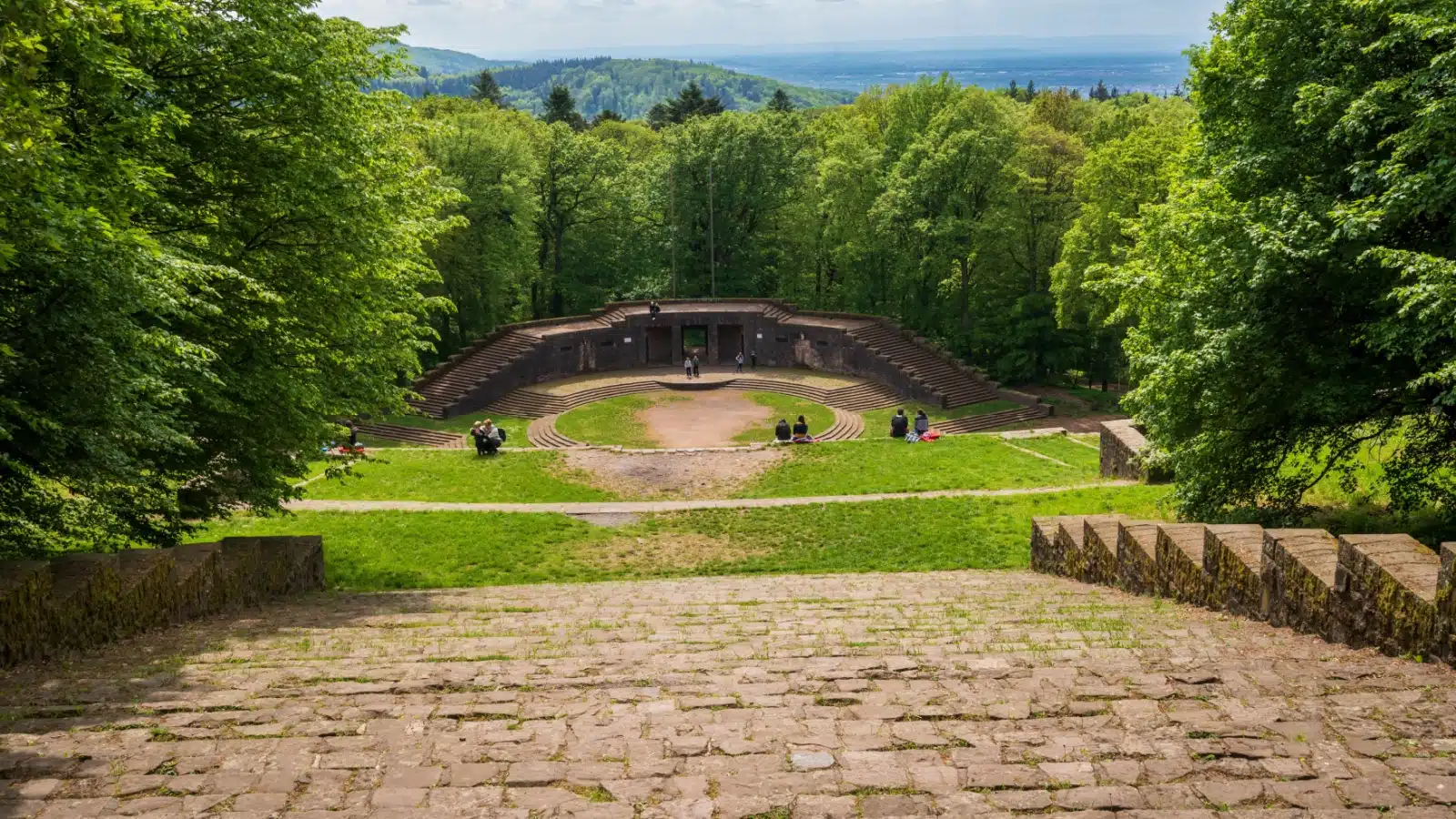
Few cities in Germany escaped the Nazi’s clutches, and Heidelberg is no different. The Thingstätte amphitheater North of old town was built in 1935 as part of the Thingspiel movement. Joseph Goebbels spoke at the dedication, highlighting how important the site was to the insidious party.
The good news is that the amphitheater far outlasted its evil builders. American forces held jazz concerts after the war, and it was used for unofficial celebrations up until 2018. The city considers Thingstätte a historical landmark, and although it currently doesn’t host any celebrations, it’s open for tours.
Unfortunately, you can’t walk to Thingstätte from old town. To get there, you likely have to hop on the bus.
Stephanskloster Ruins
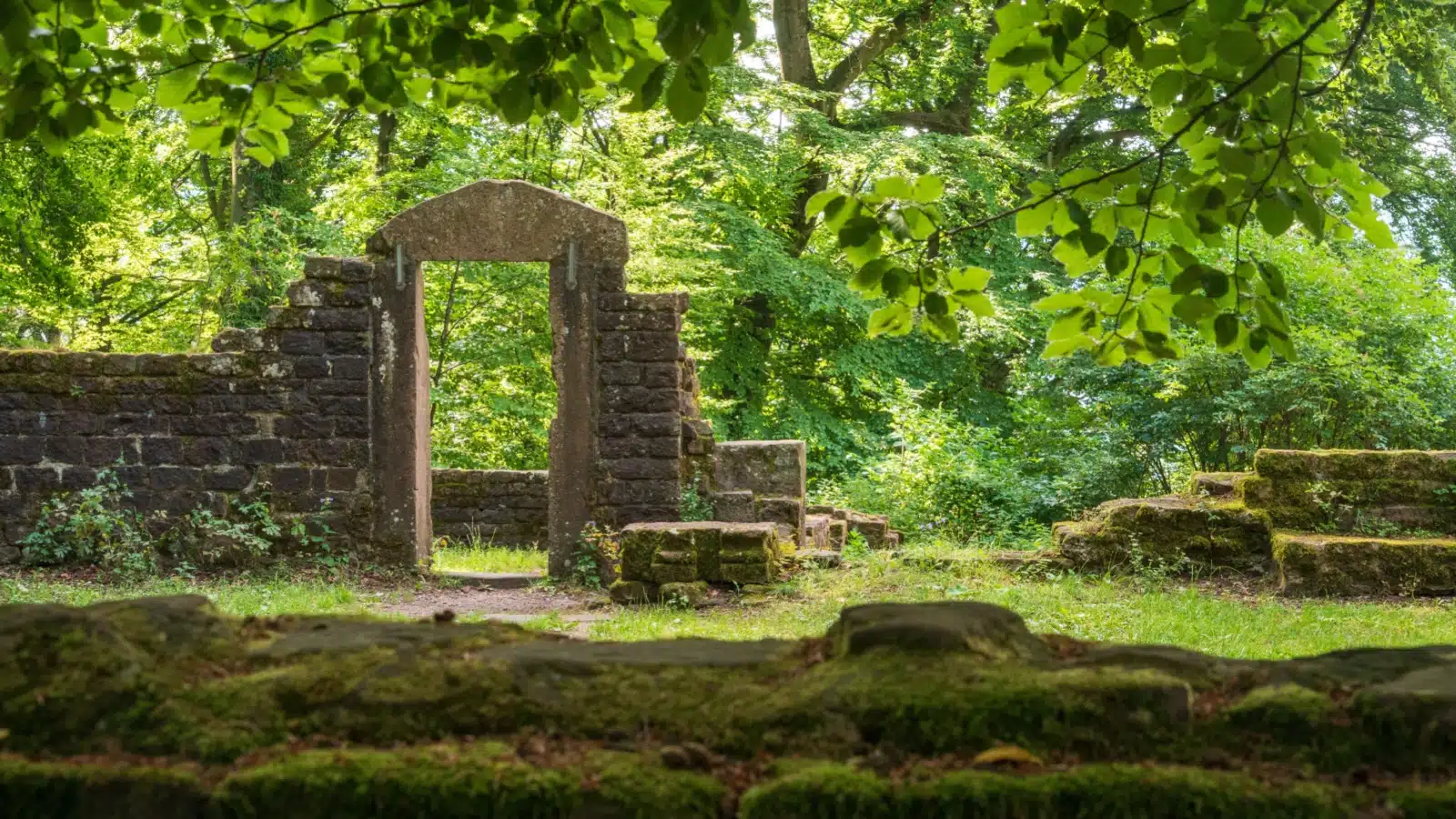
The bus ride to Thingstätte is well worth it, because you can also visit the ruins of a medieval monastery from the same stop. Stephanskloster, founded in 1090 by Benedictine Arnold, served as a daughter monastery to the larger St. Micheals in Heiligenberg.
Today, only the foundation and a handful of ruins remain. However, the site serves a serene respite from the city, and offers a unique glimpse into the medieval past.
Visiting Heidelberg
All in all, I enjoyed my short stay in Heidelberg. It’s smaller than the main tourist attractions in the country but worth the detour.
Anyone interested in philosophy, history, cute towns, or castles must add Heidelberg to their European bucket list. The small village bursts with flavor and offers a unique taste of Germany’s history and culture.