

A financial plan is vital to financial security and success.
Despite what experts say, you don’t need to pay a financial advisor, you can develop a financial plan on your own!
It is daunting, but don’t worry; we’re here to help.
Here is everything you need to know to build your own financial plan that you’ll actually want to follow!
Watch on YouTube instead! And remember to subscribe!
What is a Financial Plan?

A financial plan is a roadmap for achieving your financial goals. You can’t set a plan until you set your goals because how will you know what to do with your money if you don’t see what you want or need?
If you aren’t sure about your financial goals, grab our free download, a four-page worksheet/mind map designed to help you set financial goals and brainstorm what you want out of life.
Why Do I Need a Financial Plan?

ImageFlow via Shutterstock.com.
Financial plans are vital to success. Making a financial plan helps you assess your current financial situation and map out the actions you must take to achieve your goals.
Without a plan, you will continue floundering. You’ll spend money carelessly, invest in the wrong products, and make decisions without a clear path to your goals.
With a plan, you can align your spending with your priorities, choose the right investment vehicles to achieve your goals, and map out your journey to financial security and happiness.
How Do I Write a Financial Plan?

Now that your financial goals are ready, it’s time to write your financial plan.
I prefer to use a journal because I like brainstorming by hand. However, you can use a computer, whiteboard, planner, or tool that works best for you.
15 Items To Consider While Crafting Your Financial Plan

Your plan should take into account every aspect of your financial life. When writing your plan, you must consider your income, expenses, debt, insurance needs, and every other financial thing you can think of.
Here, we’ll explore the 15 most common items to consider when developing your financial plan.
Life Goals

The most vital part of any financial plan isn’t about money at all. It’s about what you want.
How will you know what to do with your money if you don’t know what you want from life?
It’s time to identify your life goals. Figuring out what you want out of life is paramount to successful financial planning. It allows you to focus your time, energy, and money on the things you really want.
It’s okay if your goals change over time. You should re-examine your financial plan at least annually to make adjustments based on any shifts in priorities.
Income

Determining your income from your nine to five is easy, but there’s far more to include.
Do you have a side hustle, investment income, or passive income?
When writing your financial plan, start with your current income for your balance sheet. Include all sources of income, including royalties, annuities, disability payments, social security, and side hustle income.
But it doesn’t stop there. It’s also essential to consider what might happen to your income in the future.
Are you thinking of starting a side hustle? Do you have investments that you’ll draw from one day? Are you eyeing a promotion or career change?
Consider how any of these changes might affect your income.
Debt
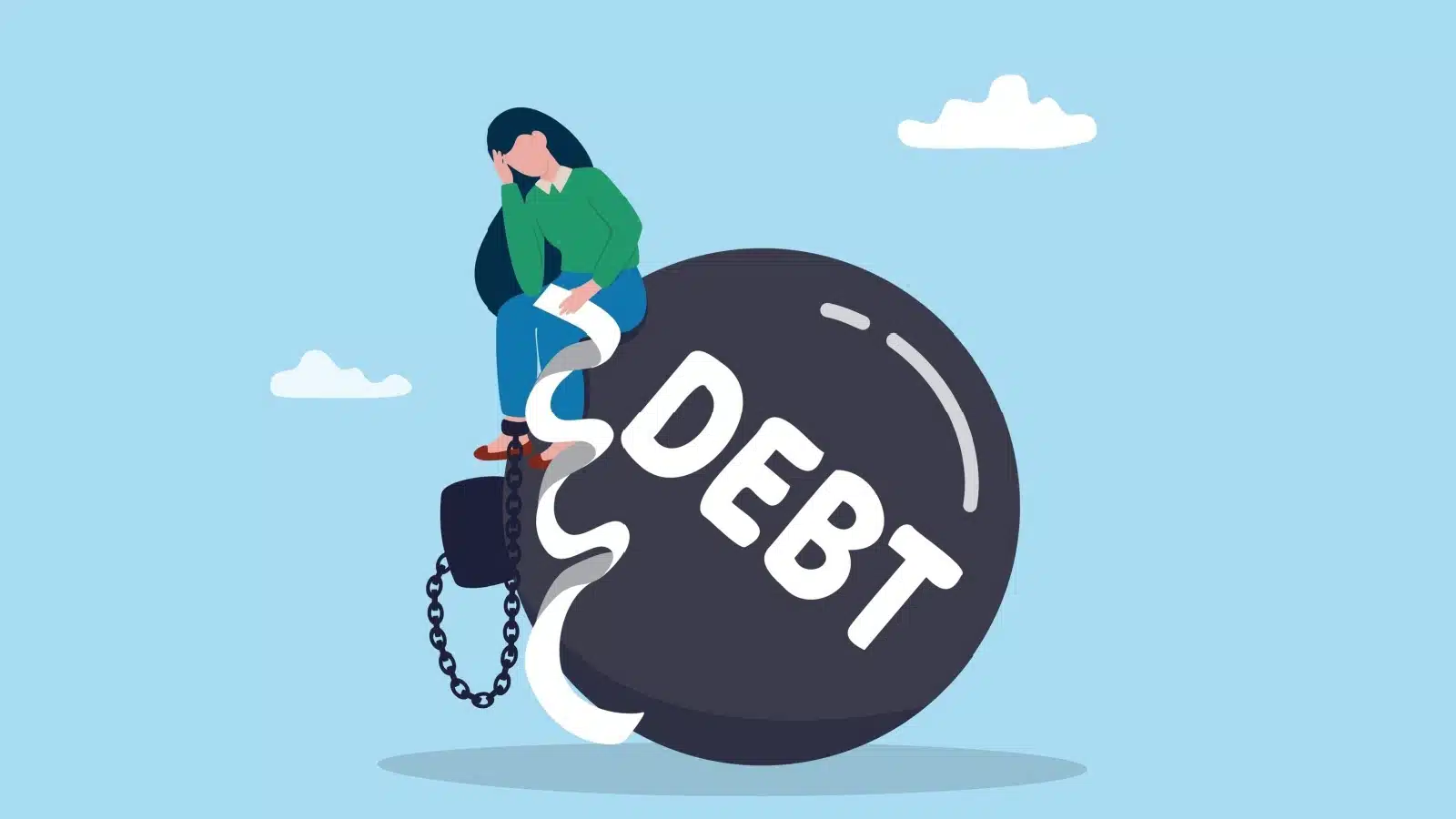
Most of us have some sort of debt hanging over our heads, whether from credit cards, student loans, or even a mortgage. It’s time to determine how much money you owe each creditor and your overall debt load.
It’s a harrowing process and sometimes disheartening to see exactly how much we owe in real numbers. However, it’s crucial to your planning process and will help you achieve your goals.
Insurance

Insurance helps you when the unexpected happens. It’s a vital product that offers peace of mind in emergencies.
You must include car, home, rental, and health insurance in your financial plan. You’re probably already paying these bills, but now is a great time to examine your coverages and ensure they meet your needs. An accident is not the time to discover that your car insurance doesn’t cover enough.
Taxes

“Nothing is certain except death and taxes” – Benjamin Franklin
Your financial plan must account for your tax liability.
You owe taxes whether money comes out of your paycheck or not. Uncle Sam needs his cut if you earn extra income via a side hustle or start your own business.
Investment gains are taxable, as is money you withdraw from your traditional retirement account.
Knowing the tax Implications of your full-time job and any side hustles, investments, or retirement income is significant for long-term financial planning.
Tax Liability in Retirement

There are ways to mitigate your tax liability in retirement. The financial planning process is the perfect opportunity to review them.
Traditional retirement accounts and IRAs (Individual retirement accounts) allow you to invest pre-tax dollars, meaning you can invest even more. However, you must pay those taxes upon withdrawal.
A ROTH IRA allows you to invest post-tax dollars, but you can withdraw after you reach full retirement age without paying taxes.
Traditional retirement accounts are better if you expect a smaller tax liability in retirement, while Roths are better if you expect a greater tax liability in retirement.
Housing

Everyone needs a place to live, but there are various housing options, and whichever you choose may drastically impact your financial plan.
Is homeownership one of your financial goals? Are you happy renting? Do you want to invest in an RV and travel full-time?
Your financial plan should consider your current housing costs and account for your future housing goals (i.e., buying a home, living on the road, moving abroad, etc.)
Include any additional costs associated with housing, such as utilities, maintenance, HOA fees, or anything else you have to pay for your preferred housing arrangement.
Transportation

How will you get around, and how much will it cost?
You may not need a car if you live in a city with excellent public transportation. If you need a car, you must decide what type you need, whether you should buy new or used, and what impact buying a vehicle will have on your finances and credit.
Those with a car note probably already included the car payment in their debts, and we’ve already discussed insurance, but don’t forget to add all the extra expenses associated with vehicles.
Car owners must pay for gas, maintenance, and registration fees. Consider including an extra buffer in your emergency fund for costly repairs.
Investments

Your financial plan must include all of your investment accounts. Do you have non-retirement brokerage accounts or mutual funds? What is your goal with these accounts?
Putting money aside into non-retirement investment accounts is vital to financial security. It’s the best way to build wealth.
However, you should consider how much you invest in each account and your ultimate goals.
Are you investing to purchase a home in the future or for a child’s 529 plan? Are you building your nest egg to achieve financial independence?
Now is the time to understand why you are doing what you are doing, which will motivate you to keep on track with your goals.
Savings

Ground Picture via Shutterstock.com.
Building a savings account is an integral part of your financial plan.
At the bare minimum, you should establish an emergency fund with three to six months of living expenses.
However, you should also establish savings accounts for your other short-term goals. Write these goals out in your financial plan. Name your savings accounts so you know exactly what you’re saving for.
I keep separate accounts for travel and big purchases, so I know what I’m funding when I set money aside.
Should I Save or Invest?

A top question people ask when developing their financial plans is whether they should save or invest.
Ideally, you should be doing both.
You should always keep emergency funds in a savings account because you don’t want to risk that money as you never know when you will need it. Savings accounts are FDIC-insured, and you won’t lose money during a stock market downturn.
After that, you should examine your time frame to determine whether saving or investing is the best option.
Generally, any money you need within the next three to five years should stay in savings. You never know what will happen with investment accounts, and you don’t want to risk having to pull your money out during a down market.
However, the timeframe isn’t the only consideration when deciding whether to save or invest. You should also consider your risk tolerance and how much you need the money to grow.
Savings accounts have lower returns and typically don’t keep up with inflation, but investments carry risk. You must balance your personal risk tolerance with potential growth when developing your plan.
Charitable Giving

People often forget to include charitable giving in their financial plans, but most of us love giving to others once we have enough for ourselves.
Giving back is a beautiful goal. If it’s something you’re interested in, include it in your financial plan.
Consider how you want to give, whether a percentage of your income or a specific dollar amount. You may want to meet an income threshold before giving, so ensure you have that written out.
There’s no right or wrong way to think about charitable giving. You don’t have to do it if you don’t want to or can’t afford it.
However, if it’s something that you are interested in, you should include it in your financial plan.
Retirement

Most people build their financial plans with retirement in mind.
It’s vital to start saving for retirement as early as possible to have enough retirement income to ensure that you can maintain your standard of living.
However, that standard of living is different for everyone. Many people aspire for a million dollars because it’s a nice, round target. In reality, many people won’t need that much, while others will require far more such as a backdoor roth.
When you craft your financial plan, you can dive deep into how much money you will really need to meet your retirement needs.
Consider whether you plan to retire early or work a few years past the traditional retirement age. Think about healthcare costs in retirement, such as Medicare and long-term care.
You should also think about what you want to do while retired. Are you planning to travel, check out all the golf courses, and do everything you couldn’t do while working? Or do you want to relax and take time for yourself?
Your retirement goals have a massive impact on your retirement income needs.
Estate Planning

An estate plan is a crucial part of your financial plan.
An estate plan has a lot of finality, but if one of your long-term goals is to build generational wealth, then you need to plan for where that wealth goes when you are no longer here.
It’s far better to consider your estate plan when young and healthy, so there is no question of what you want. Although you should revisit it every year to ensure that everything is still correct, getting that foundation nailed down as soon as possible will help ensure your final wishes are granted.
Components of a Financial Plan You Might Not Consider

Your financial plan is more than just what money you have and what you will do with it.
You must include assumptions, risk migration, and obstacles when crafting your plan.
Assumptions

vchal via Shutterstock.com.
We can’t know what the future will hold, so we’re forced to make a lot of assumptions during our planning process.
That’s okay, but it’s essential to identify those assumptions so we can mitigate them.
Investment Returns

Most financial advisors assume that investment returns will be approximately 7% annually. Many of us use this target to predict how our investments will grow over time.
However, past performance never guarantees future results. We don’t know if there will be bad years with negative returns or good years with exponential growth.
When planning for the future, try the numbers using a lower return rate to ensure you can still accomplish your goals.
When We Will Retire

Most of us think we will get to retire on our own terms. Unfortunately, life loves to throw us curve balls. We may develop an injury or illness preventing us from working or have to leave the workforce to care for family members.
Explore how your financial plan would change if you had to stop working a few years before your target date.
Personal Assumptions

Everyone has an idea in their head of how their life will go. Think about which parts of the plan you just laid out are facts and which are assumptions.
Risk Mitigation

Everything we do in life has risks. We need to develop risk mitigation into our financial plan.
While insurance mitigates the risk of illness, injury, or accident, it can’t cover all aspects of our lives.
What happens if you lose your job, decide to have a baby, or get divorced? Will your plan still work if you choose to move across the country?
The planning phase is the best time to consider all the possible risks in our lives and determine how to best mitigate them.
You could add an extra buffer to your emergency fund in case of job loss, create a baby fund for future kids, or get a prenup/postnup to ease the pain of divorce.
Having a tentative plan to mitigate any risks we might encounter during our lives is an essential consideration in any financial strategy.
Obstacles

Ideally, your financial plan will span many years. Consider the obstacles you will encounter over such a protracted timeframe.
What obstacles may prevent you from changing careers or getting that promotion? How can you overcome it?
Everyone has a different financial and personal situation, so everyone’s obstacles will be different. Some may need to figure out how to pay for advanced education, while others may need to cover their elderly parent’s healthcare.
Planning for any expected obstacle before it sneaks up on you is crucial. Life events happen whether we are ready or not, but if you plan ahead, you’ll be far more prepared.
Putting Your Financial Plan Together

A lot goes into your financial plan. After compiling your financial information, determining your current situation, and brainstorming your goals, risks, and obstacles, you must put it all together and figure out the “how.”
How will you achieve your life and financial goals? What are you doing right, and what do you need to change to get to where you need to be?
Money Management

For some, this step is about money management. If you already earn enough to meet your goals, you only need to create a budget and open your investment accounts. Start letting the money you make work for you to achieve your goals.
Check out our resource on investing for beginners for tips on where to start.
Earn More

It’s not that easy for others. A lot of people are struggling, and many don’t make enough money to fund their life goals.
That’s okay. In fact, it’s a significant reason for making a financial plan.
Now, you know there’s a gap, and you can make moves to fill it.
There might be hard choices in your future. Do you find ways to increase your income so you can afford everything you want, or do you scale back on your goals? Is your spending out of touch with your priorities, and if so, can you make cuts?
Different for Everyone

Because everyone has different goals and means, the “how” in everyone’s plan will differ. It’s your personalized roadmap to achieving your version of financial success.
You solve the puzzle by finding ways to get from where you are now to where you want to be.
When to See a Financial Advisor

I’m not a certified financial professional; I’m just someone who loves math, money, and helping people live their dream lives. I want to empower everyone to take control of their finances like I did.
Some folks only need a nudge in the right direction, and I can offer that, but there’s no shame in getting professional help if you need it.
If the process in this article is overwhelming for you, or you need specific advice not covered here, make an appointment with a financial advisor. They can provide investment advice, act as brokers, and help you find ways to achieve all of your financial goals. They can help you flesh out your goals and find creative ways to save money or increase your income.
However, proceed with caution. Don’t be afraid to interview them and ask how they get paid. Choose a fee-based advisor with a fiduciary responsibility to their clients, not someone who earns commission selling investment products that might not be best for you.
DIY Financial Coaching

Most people don’t need an advisor to make a financial plan – they can do it themselves!
But that doesn’t mean you don’t need a little help. We’ve got you covered.
We created an epic DIY financial coaching bundle to help you develop a better relationship with money, outline your financial goals, and manage your money wisely. It provides the starting point you need to build your own financial plan – all for less than one coaching session!
This 90-page bundle guides you through:
✨ Setting clear financial goals
✨ Understanding your personal relationship with money
✨ Learning essential money management skills
✨ Budgeting, tracking expenses, and planning for the future
✨ Getting the most out of every dollar you earn
Grab it today and get on track for a brighter financial future!

Available on our shop and at our Etsy store (for a slight markup).
Start Building Your Financial Plan Today!

Whether you do it on your own or with the help of a professional, everyone could benefit from a financial plan.
Take a few hours out of your busy week to start building yours. You may be surprised that you’re already on the path to financial freedom, but you’ll never know until you run the numbers.
What Is A Financial Plan And Why Do You Need?
I should probably answer those questions in the post, shouldn’t I? Good call! I’ll get it updated in the next week or so!