

A life with no demands, no resistance, and no challenge may sound appealing, but it rarely stays satisfying for long.
You’d get bored without something to work toward.
That’s why challenging yourself is one of the most important aspects of long-term happiness.
Why Challenging Yourself Creates Happiness

Our stressful lives cause us to confuse contentment with happiness. We’re so busy that we long for a simpler life.
Wouldn’t it be great if we could lounge around all day, picnic in a field for lunch, bake homemade bread, and have our entire lives taken care of for us?
No, not really.
Maybe for a day or week – but eventually, you’d be bored out of your mind.
Challenges make life interesting.
Here’s why challenging yourself brings lasting happiness.
Teaches You Where You Stand
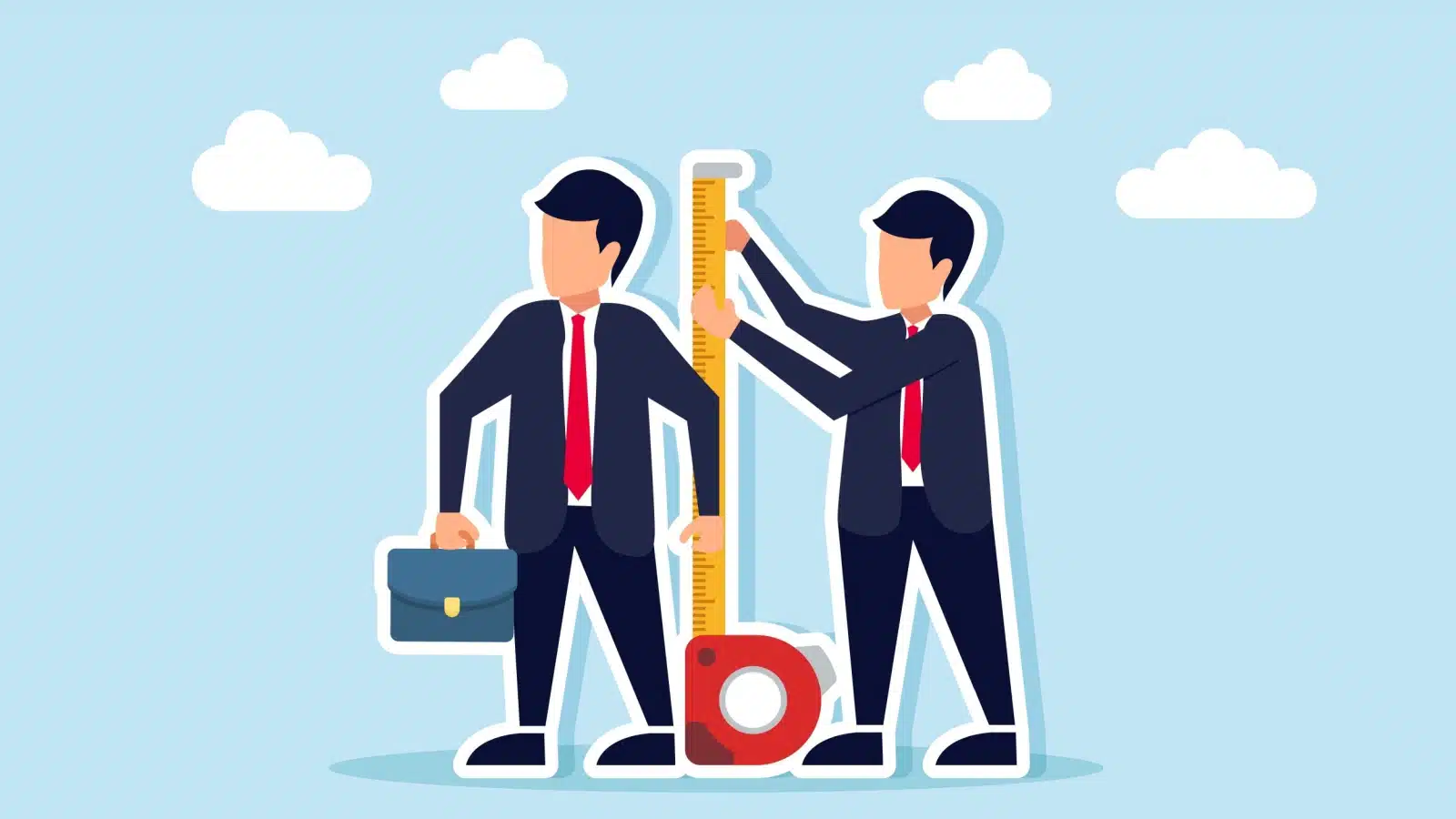
How can you ever discover what you’re capable of if you don’t test yourself?
When you challenge yourself, you push yourself to the edge of your limits and beyond, learning exactly what you can do in the process.
But you’ll never know if you don’t try.
Reveals Hidden Strengths

As a bonus to learning where you stand, challenging yourself can reveal hidden strengths you never knew existed.
You may have an ear for languages, an eye for artistic detail, or a brain capable of solving complex math problems without a calculator. How would you know these things if you didn’t try learning a language, drawing a sketch, or solving complex math problems?
Develops Weaknesses
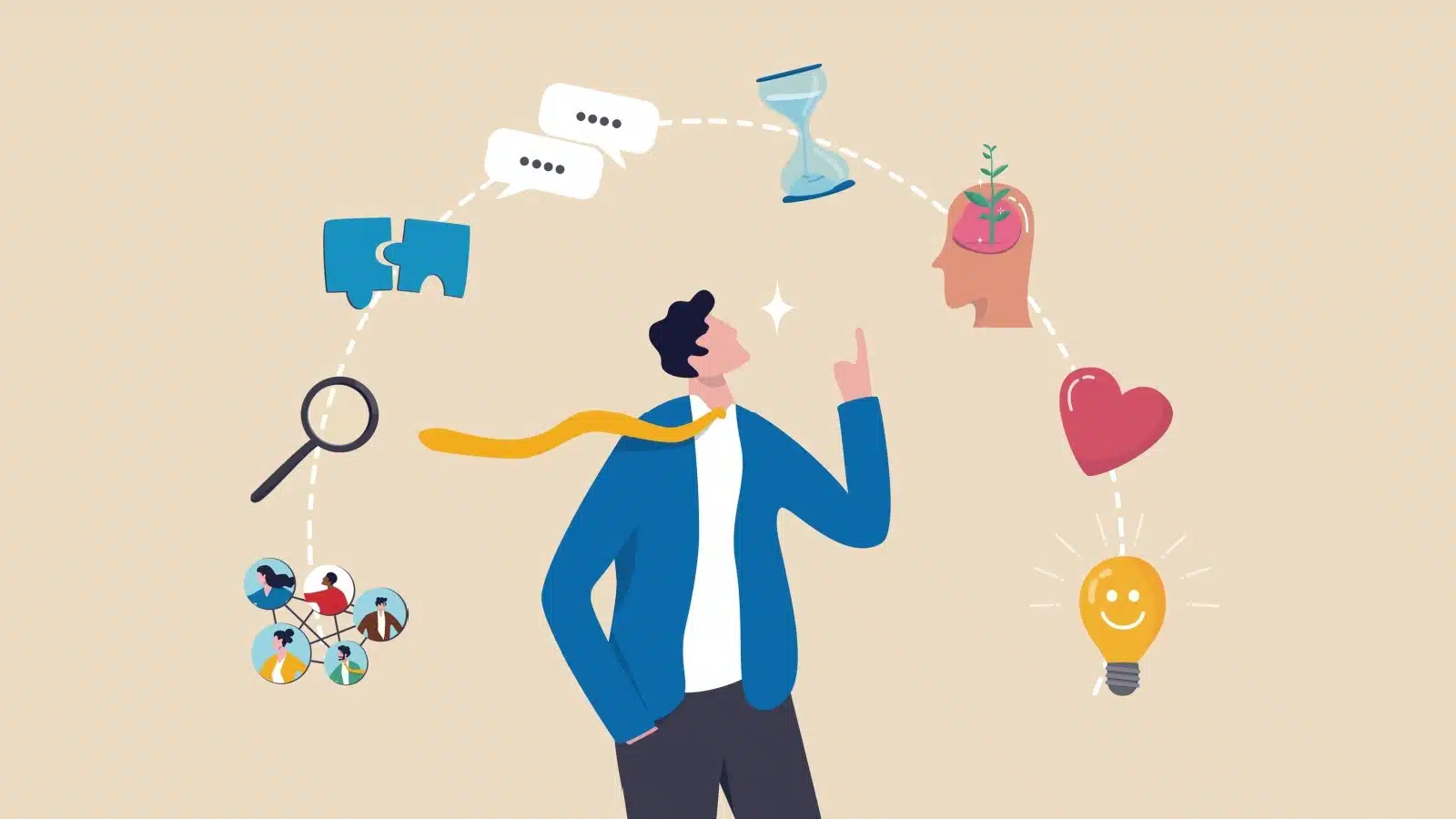
When you challenge yourself, you identify both your strengths and your weaknesses, but the good news is you don’t have to accept your limitations as they are.
You can get better.
When I first joined the military, I sucked at running. I barely passed the physical fitness test, finishing my 2-mile in 20 minutes (very close to a fail for a 20-year old).
But I didn’t accept that. I went to physical training every day, pushed myself, tried (and failed), but eventually, I ran my 2-mile in 16 minutes.
It’s not just physical fitness, though. Through challenging myself, I’ve become a leader, improved my writing (you should see my older articles 🤦♀️), developed social skills, and learned personal finance.
You can develop your weakness too.
Builds Confidence

Most people aren’t naturally confident. They’re confident because they’re battle-tested and they know they can achieve their goal – because they’ve done it before.
That confidence comes from challenging yourself.
Strengthens Self-Discipline

Self-discipline is the ability to control our impulses, even when things get hard.
A lot of people think it’s a personality trait. They’ll say things like “wow, you have a lot of willpower!”
But in reality, self-discipline is a skill, and like any skill, you can develop it.
Challenging yourself builds self-discipline because it forces you to follow through with the challenge, even when there’s no promise of a reward. It helps you build tolerance for the discomfort the obstacles you’re facing bring.
And when you complete the challenge, you build trust in yourself that you’ll follow through with whatever you set your mind to.
Improves Problem-Solving Skills

Most challenges include some type of problem, and when you solve these unique problems, you get to put the solution in your tool kit.
But it’s like math. It’s not knowing the solution that matters. It’s knowing how to get to the solution.
Every challenge you overcome gives you new tools for solving problems. In math, you learn how to add and subtract from both sides of the equation. In life, you learn a wide range of problem-solving skills, like how to change your perspective, think critically, or analyze data.
Enhances Adaptability
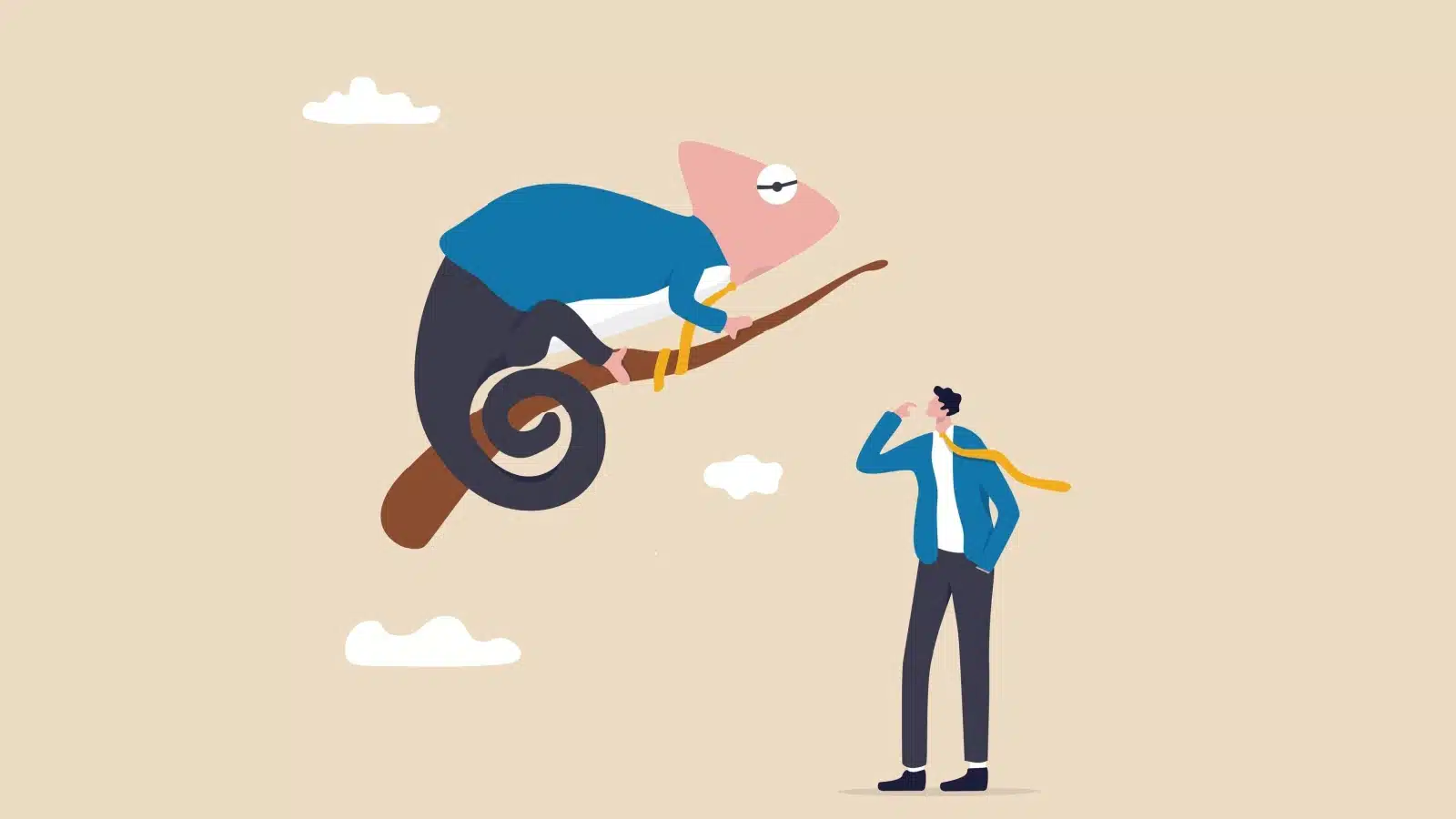
Humanity’s ability to adapt helped us soar to the top of the food chain. But some of us got too comfortable, and with that comfort came rigidity.
Change is the only constant in the world. We need to learn how to adapt to it. If we don’t, we’ll be left behind.
Challenging yourself forces you to adapt. It doesn’t matter how brilliant your plan is; there will always be wrenches and hiccups. To complete the challenge, you must adapt, and you’ll learn that it’s easier than you thought.
Changes Perspective
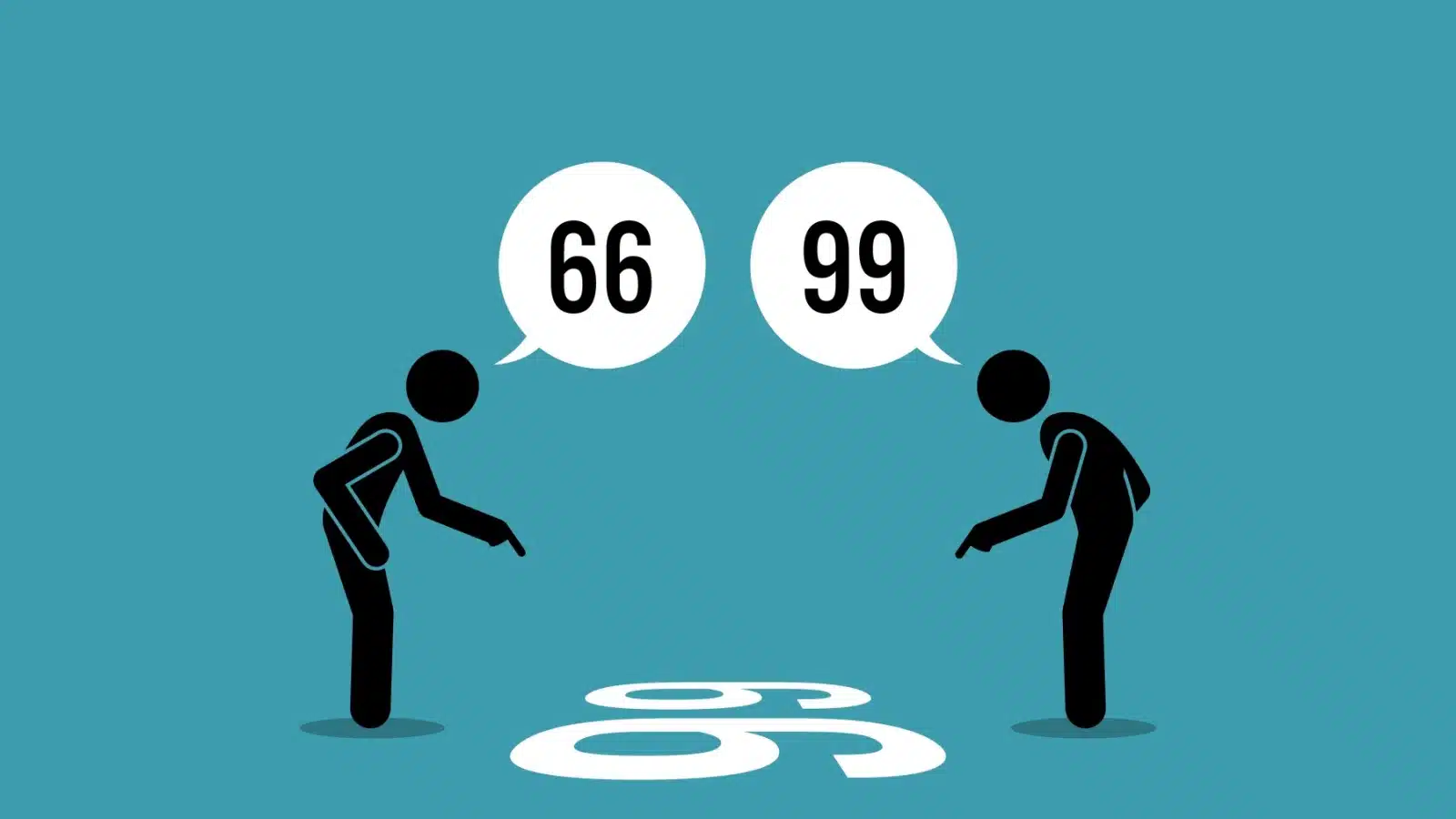
People scream that universities are indoctrination institutions because a lot of kids from small towns with conservative views who go off to college change their views and become more liberal.
But nobody indoctrinates students. The students challenged themselves by leaving their hometowns, interacting with people who hold different views, and learning new things.
They saw the world differently because they dared to explore.
Part of challenging yourself is challenging your deeply held beliefs and core values to discover if those views are truly yours and understand why you hold them.
It helps you align your life with your real values.
Encourages Continual Learning

You aren’t done learning after you finish school. You should want to learn new things your entire life! If you don’t, your skills become stale, and your brain starts to deteriorate for lack of use.
That’s one of the reasons why challenging yourself is so crucial – it encourages you to keep learning and exercise those vital brain muscles.
But it’s not just to prevent atrophy. Learning new things is one of the biggest joys in life. It’s one of the easiest paths to lasting happiness.
Enriches Emotional Well-Being

Have you ever faced a trial that didn’t involve any emotions at all? Even the ones you set up yourself can bring frustration, anger, anxiety, sadness, and joy.
When you challenge yourself, you learn to face negative emotions and prevent them from holding you back. You work through the fear, you use anger as a motivation, and you let go of the sadness failure brought to keep trying.
Every time you overcome a negative feeling to keep trying, you build emotional resilience and well-being. You learn to manage your emotions and focus on the task at hand.
But that’s not all. Every time you complete a challenge, you get to experience the pride and joy that accomplishment brings. That flood of happy feelings brings lasting emotional well-being.
Expands Your Comfort Zone
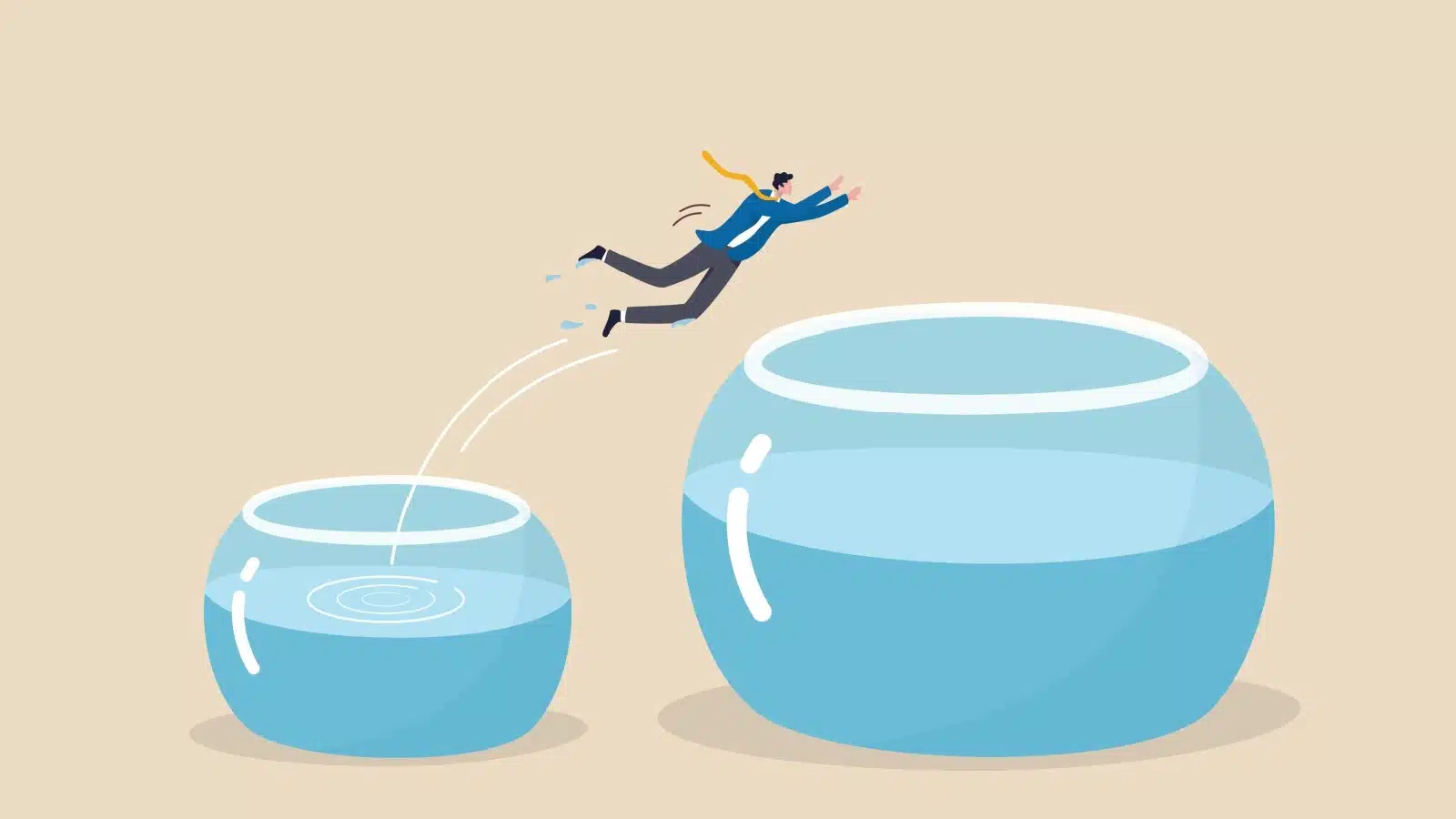
A bigger comfort zone expands the range of situations in which you feel competent and in control.
As you grow, so does your comfort zone.
The more you challenge yourself, the more you grow, and the more you push past the boundaries of what you thought you could do.
As a bonus, you get more comfortable pushing it even further.
Cultivates a Growth Mindset
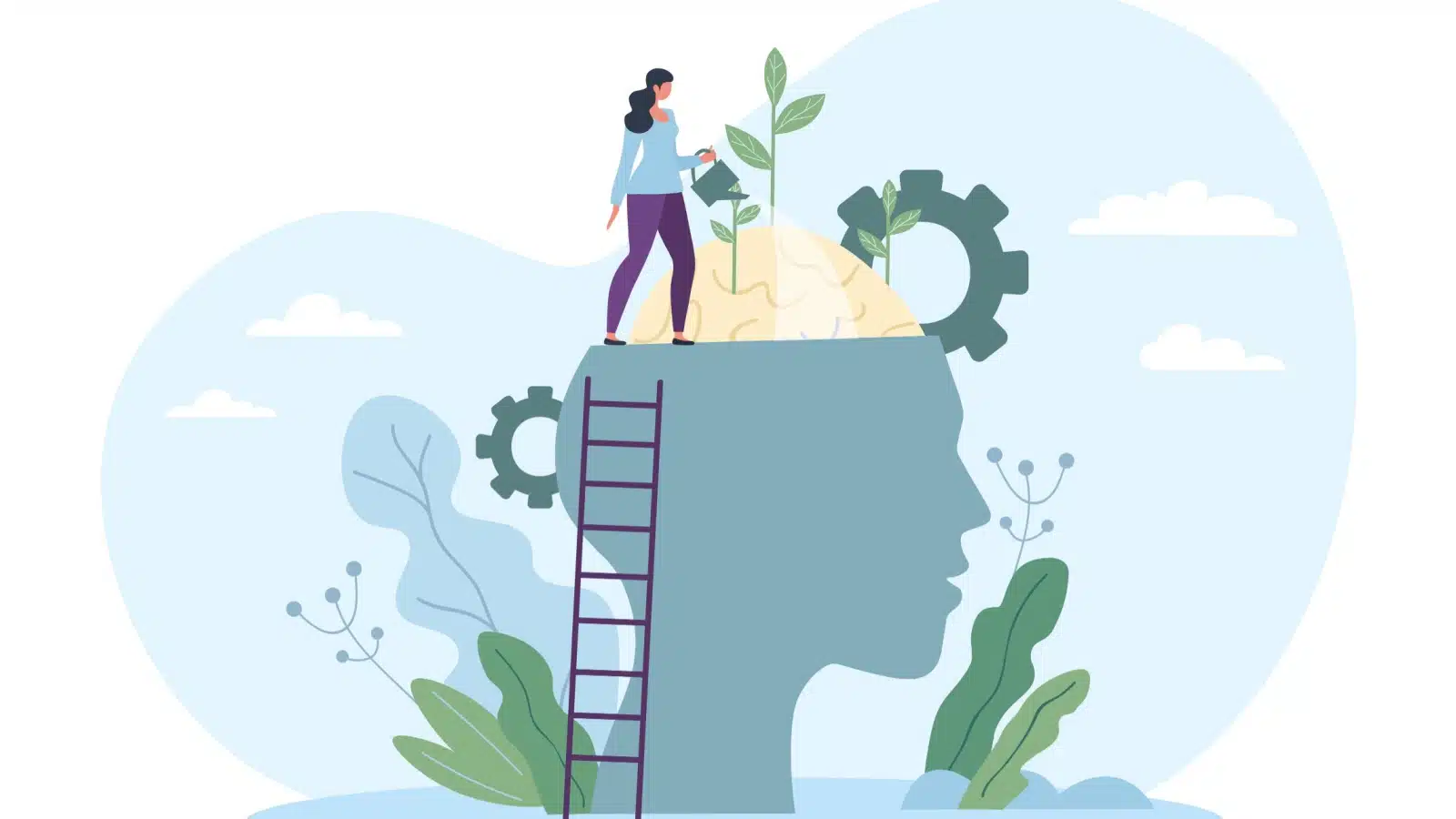
People with a growth mindset believe they can do anything if they put their minds to it. It gives you the confidence to try things, fail, and try again, because you know you can grow and learn how to do it.
Challenging yourself helps you cultivate that kind of mindset. It helps you break away from the idea that you’re not good enough, because you know being “good enough” comes from trying rather than natural talent.
Fosters Resilience

PeopleImages via Shutterstock.com.
Resilience is the ability to persevere despite obstacles and setbacks.
People who lack resilience give up the second the going gets tough. But the good news is that resilience isn’t a personality trait; it’s a skill that can be developed.
It’s why challenging yourself is so important – it builds that resilience. When you challenge yourself, you find ways to overcome the obstacles and keep trying.
That resilience you build through purposeful challenges will remain no matter what life throws at you.
Prevents Stagnation
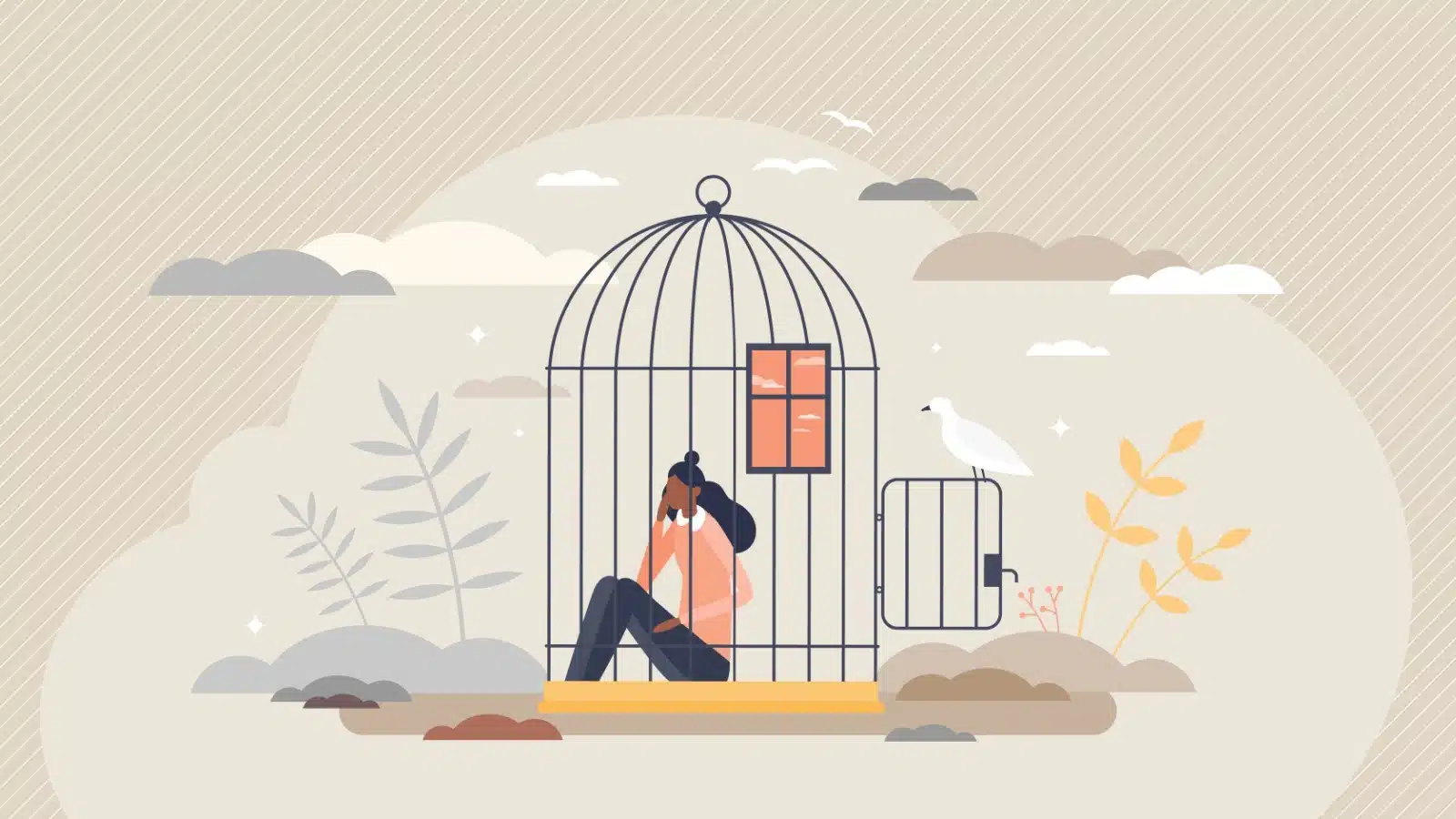
“Things live by moving and gain strength as they go.”
– Bruce Lee
Life is change. It’s new, exciting, different, and the secret sauce to prevent boredom. But far too many of us get stuck in a rut of doing the same thing day in and day out, bored out of our minds. We turn to mind-numbing television or dangerous impulse behaviors just to feel something different.
Challenging yourself is a much better way to prevent stagnation. It helps you grow and develop, giving you something to strive for beyond the reliable nest you’ve hidden yourself in.
It will also ensure you don’t get left behind as the world changes around you.
Reduces Fear of Failure

PeopleImages.com – Yuri A via Shutterstock.com.
If the fear of failure holds you back, challenging yourself can help.
The harsh truth is you WILL fail when you try new things. But you’ll learn that failure wasn’t as bad as you thought.
Failing can teach us valuable lessons about our strengths and weaknesses. It gives us new insight into how to approach a problem, builds resilience, and teaches us valuable lessons.
You can overcome your fear of failure by challenging yourself with low-stakes trials, then slowly making the obstacles harder to overcome.
Leads to More Meaningful Achievements

Nobody wakes up one day with the ability to climb Mt. Everest, run a marathon, or understand the mathematical concepts behind thermodynamics.
They build up to it with smaller challenges. They hike smaller mountains, spend hours training at the gym, and study algebra.
Challenging yourself with the small things builds your skillset, allowing you to take on bigger, more meaningful challenges. But you have to start somewhere.
Increases Long-Term Happiness and Satisfaction
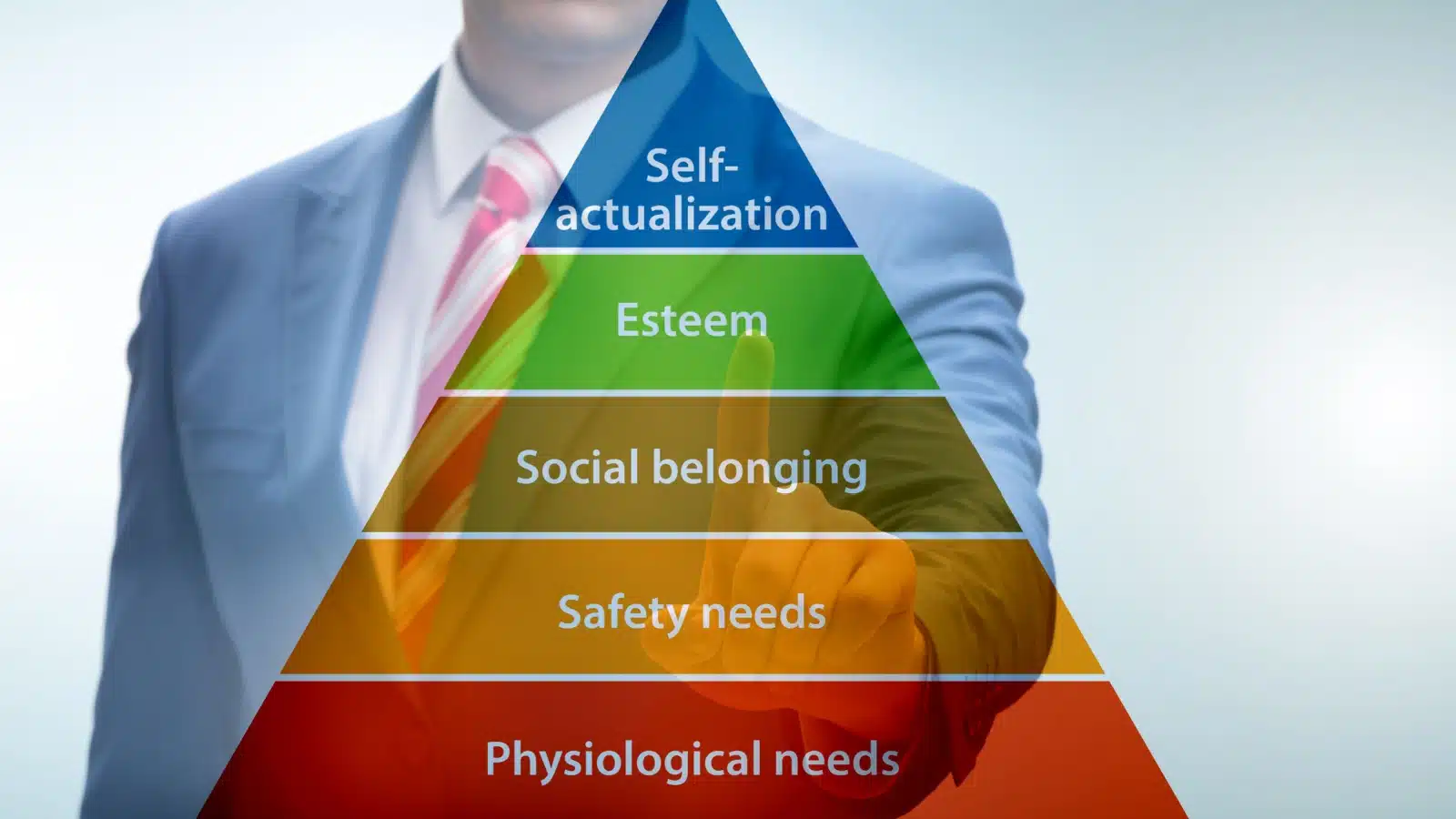
The biggest reason why challenging yourself matters is that it improves happiness.
Abraham Maslow, one of the first psychologists to study happiness, implies it in his famous pyramid.
Esteem rests on the fourth layer of Maslow’s hierarchy of needs. Esteem is pride in achievement, confidence in our abilities, and prestige. We literally can’t be happy without it.
And guess where esteem stems from?
I hope that after all this, you said “challenging yourself.” Although it’s not the only component of esteem, it’s an important one – for all the other reasons we listed above.
If you want a happy life, you need to challenge yourself.
How to Challenge Yourself

We often think of crazy adventures like climbing mountains or hardcore athletic achievements when we think of challenging ourselves. But it doesn’t have to be epic.
It’s as easy as reading a book in a different genre, learning something, trying a new restaurant, or listening to a perspective you’d usually dismiss.
There are lots of ways to challenge yourself. Anything that makes you step even a toe outside of your comfort zone could be a challenge. Once you complete the small ones, make them a little bigger.
You’ll be a better version of yourself in no time.