
It’s all about your mindset, man.
Self-help gurus online (and in real life) wax poetic about mindset’s vital role in happiness.
I do too.
But what does that even mean?
What is mindset, and why does it matter so much?
You’ve got questions; we’ve got answers 😊.
What is Mindset?

A mindset is a set of beliefs that dictate how you think and act. It guides your choices and attitudes, shapes how you see yourself, and informs your beliefs about what’s possible.
But the rub is that it all happens subconsciously. Most of us aren’t even aware of what type of mindset we have or how it operates.
Don’t despair. The good news is we’re capable of changing that. We can identify our mindsets, understand how they guide our thinking, and transform them into whatever we want.
Mindset Examples
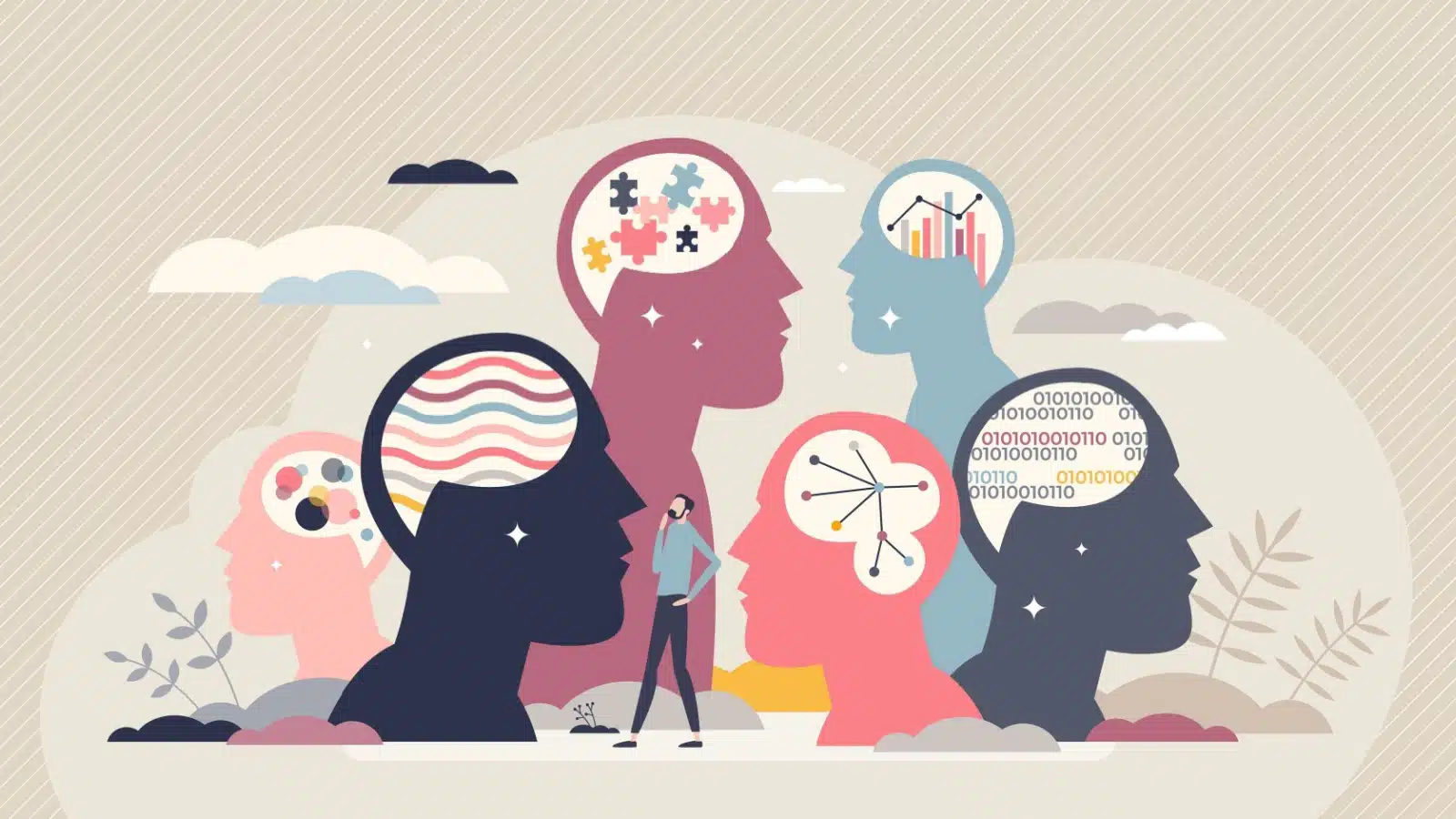
A challenging aspect of defining mindset is that every person has a complicated mix of them.
Nobody has just one mindset, clearly labeled and easy to understand. The ones we’ve identified exist on a spectrum, making it even harder to nail down “what is a mindset.”
Examples can help. Here are some mindset examples you’ll see in pop culture and self-help circles, which can help you wrap your “mind” around the concept.
This vs. That
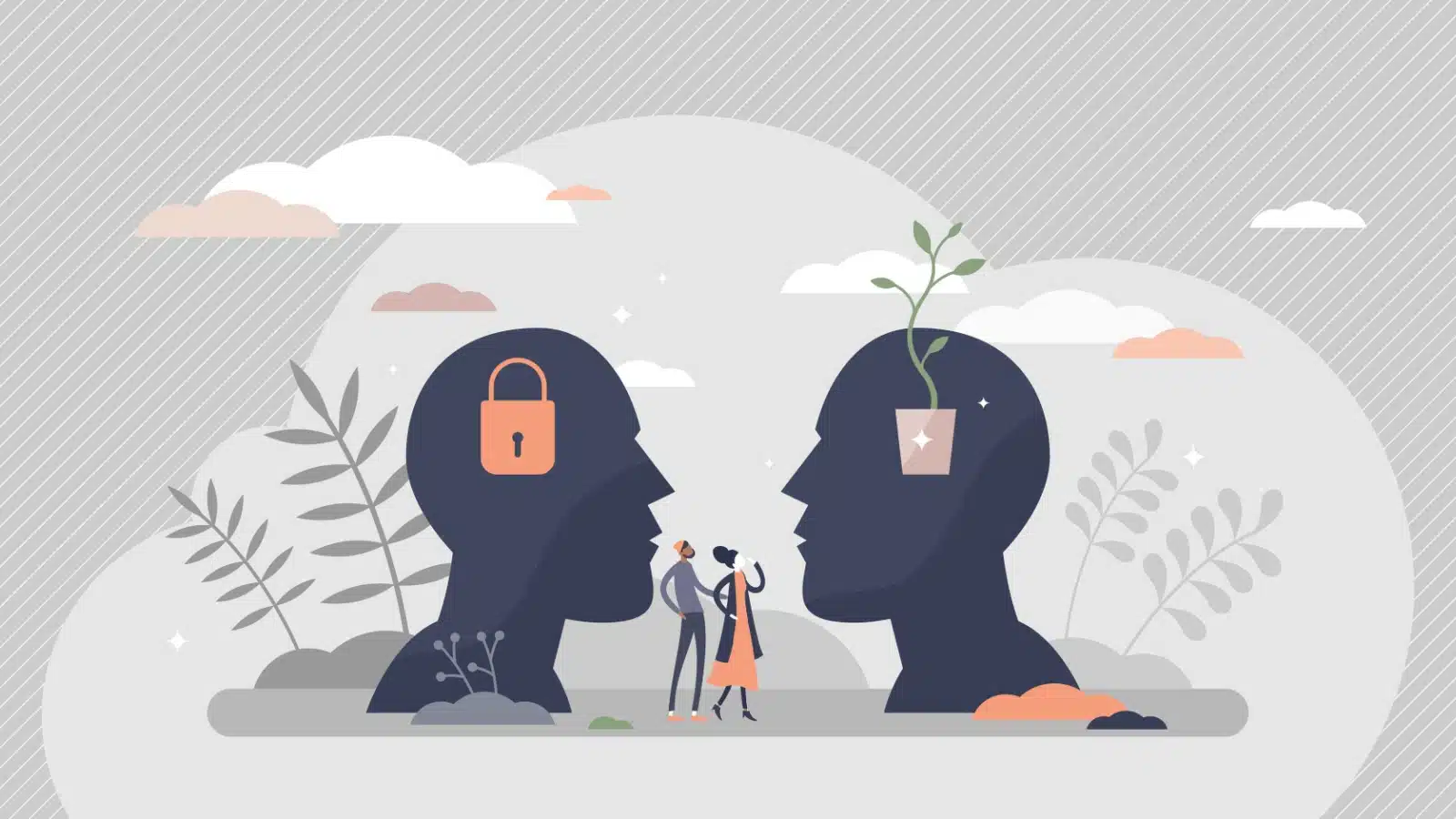
The “this vs. that” mindsets provide the clearest models, because they highlight how different ways of thinking can lead to different outcomes.
Here are the most commonly discussed “this vs. that” mindsets:
- Fixed vs. Growth mindset
- Scarcity vs. Abundance mindset
- Negative vs. Positive mindset
Fixed vs. Growth Mindset

The growth vs. fixed mindset dichotomy describes how open a person is to learning and growing. People with a growth mindset believe anything is possible. They believe they can always improve, and that they can succeed if they keep trying.
Those with a fixed mindset believe in limits. They struggle to learn new things or improve themselves because they don’t believe they can.
Remember the scene in The Empire Strikes Back where Yoda lifts the spaceship out of the pond? Luke incredulously says, “I don’t believe it!”
Yoda responds, “That is why you failed.”
Luke had a fixed mindset. He didn’t believe in his power, and thus he couldn’t use the Force to lift the spaceship.
Scarcity vs. Abundance Mindset

A scarcity mindset whispers that resources are limited. People trapped in scarcity fear sharing because they don’t think there’s enough to go around. Anything they give up is something they lose forever.
An abundance mindset is the opposite. People with abundance mindsets believe that there’s more than enough for everyone. They’re open to sharing because they know there’s always more.
Negative vs. Positive Mindset
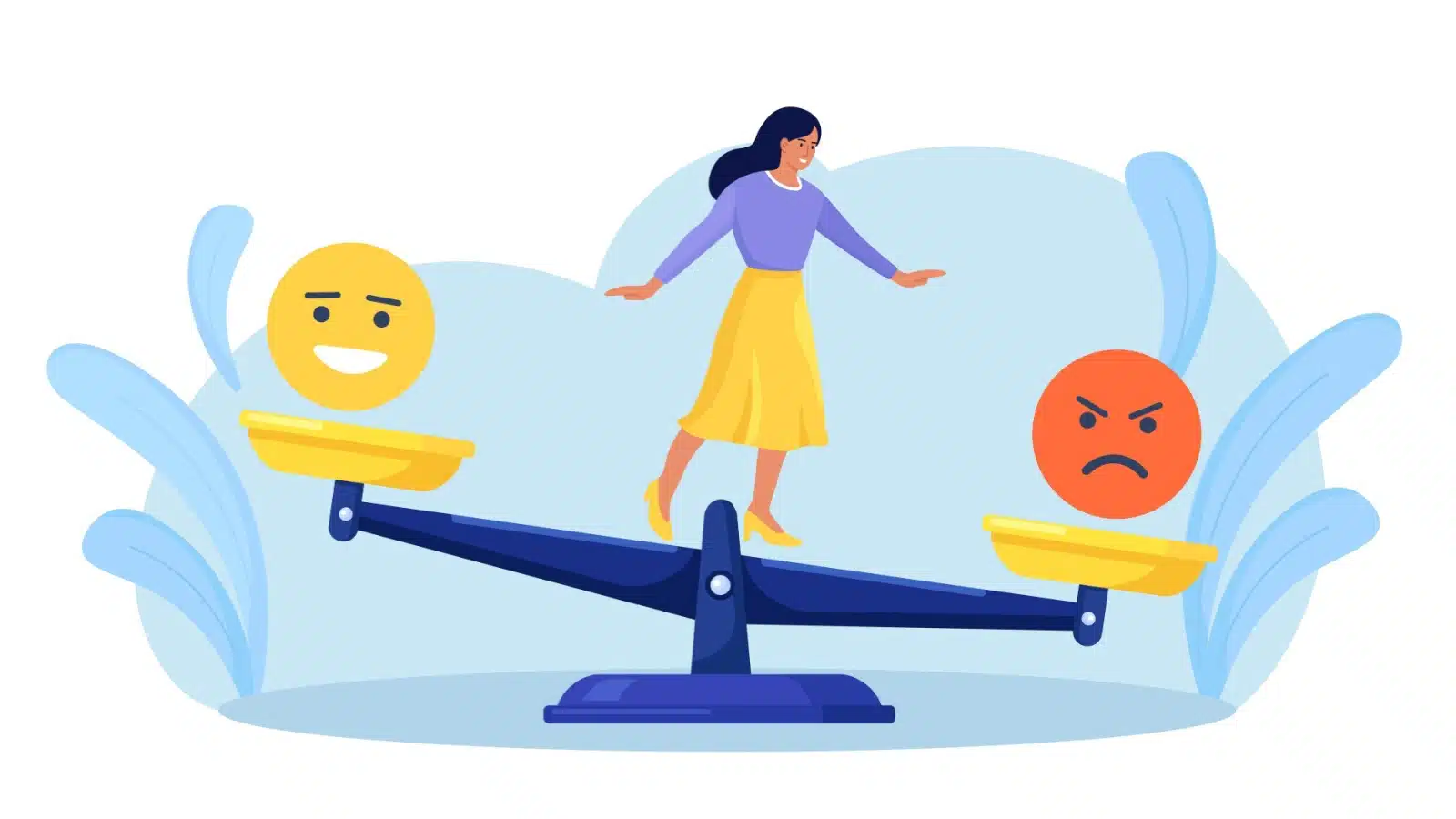
Positive people look on the bright side of everything, while pessimists only see the downsides.
You already knew there were people like that (both!), but they behave that way because of their mindset.
A negative mindset views the glass as half empty, while a positive mindset views it as half full.
The difference in perspective is enough to impact your life.
Mindsets Don’t Always Have a Counter
Though “this vs. that” mindsets make excellent examples to showcase what a mindset is, they aren’t the only types of mindsets you can have.
Many don’t have a counter, and self-help gurus are constantly defining new ones.
Executives may have a business mindset because they trained their entire lives to run a massive corporation. Business owners may have an entrepreneurial mindset because they love working for themselves.
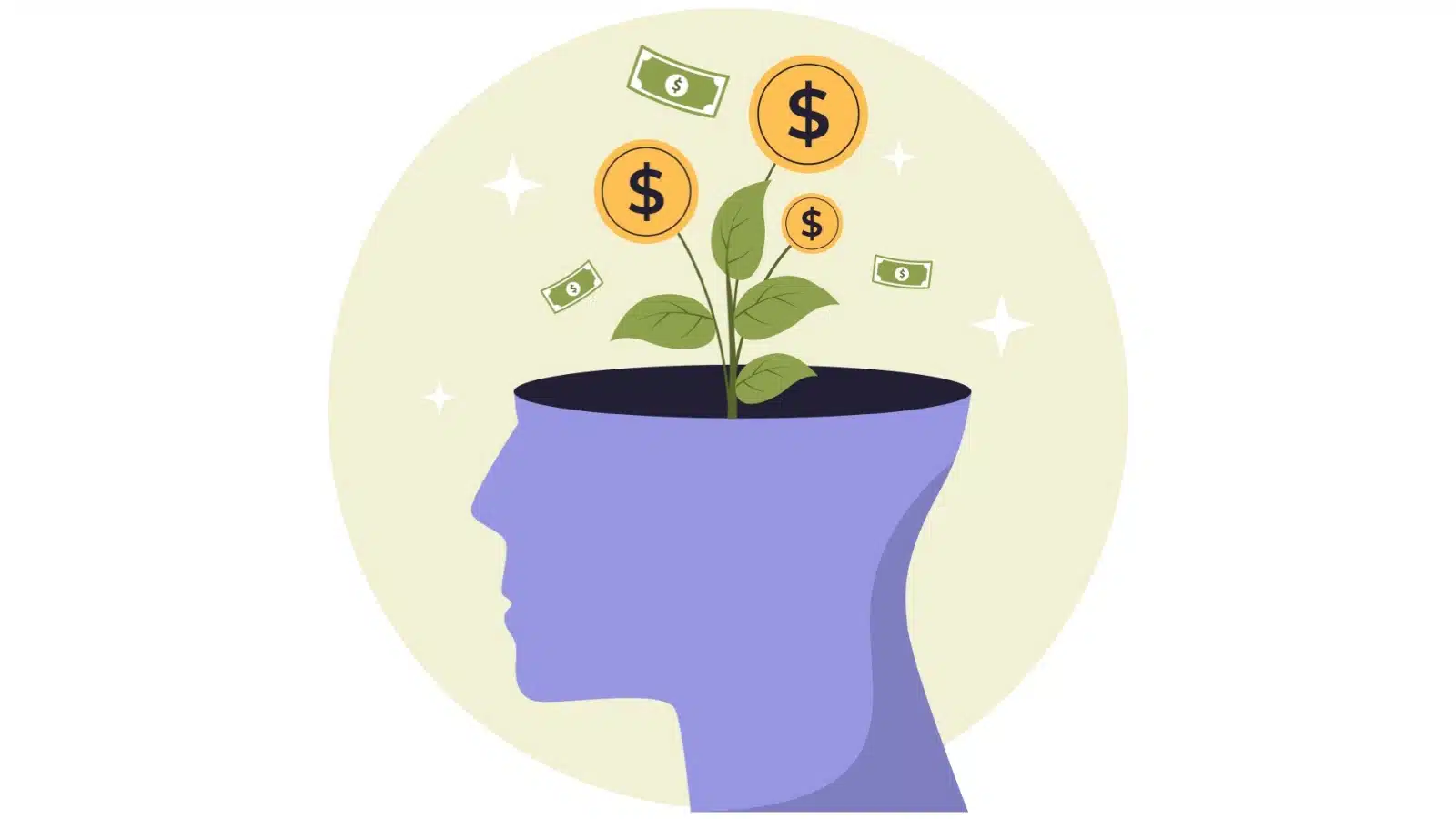
You could have an empathy, money, or leadership mindset. You could have a mindset that isn’t even defined yet.
Why Mindset Matters

The wise Henry Ford once said, “Whether you think you can or think you can’t, you’re right.”
Ford understood the basic psychology behind mindset before the term was all the rage.
Mindset matters because your mindset reflects the deepest beliefs of your subconscious mind. Those beliefs become your thoughts, actions, habits, and behaviors.
They become your life.
Your mindset influences almost every choice you ever make – and you don’t even realize it!
Example of How Mindset Matters
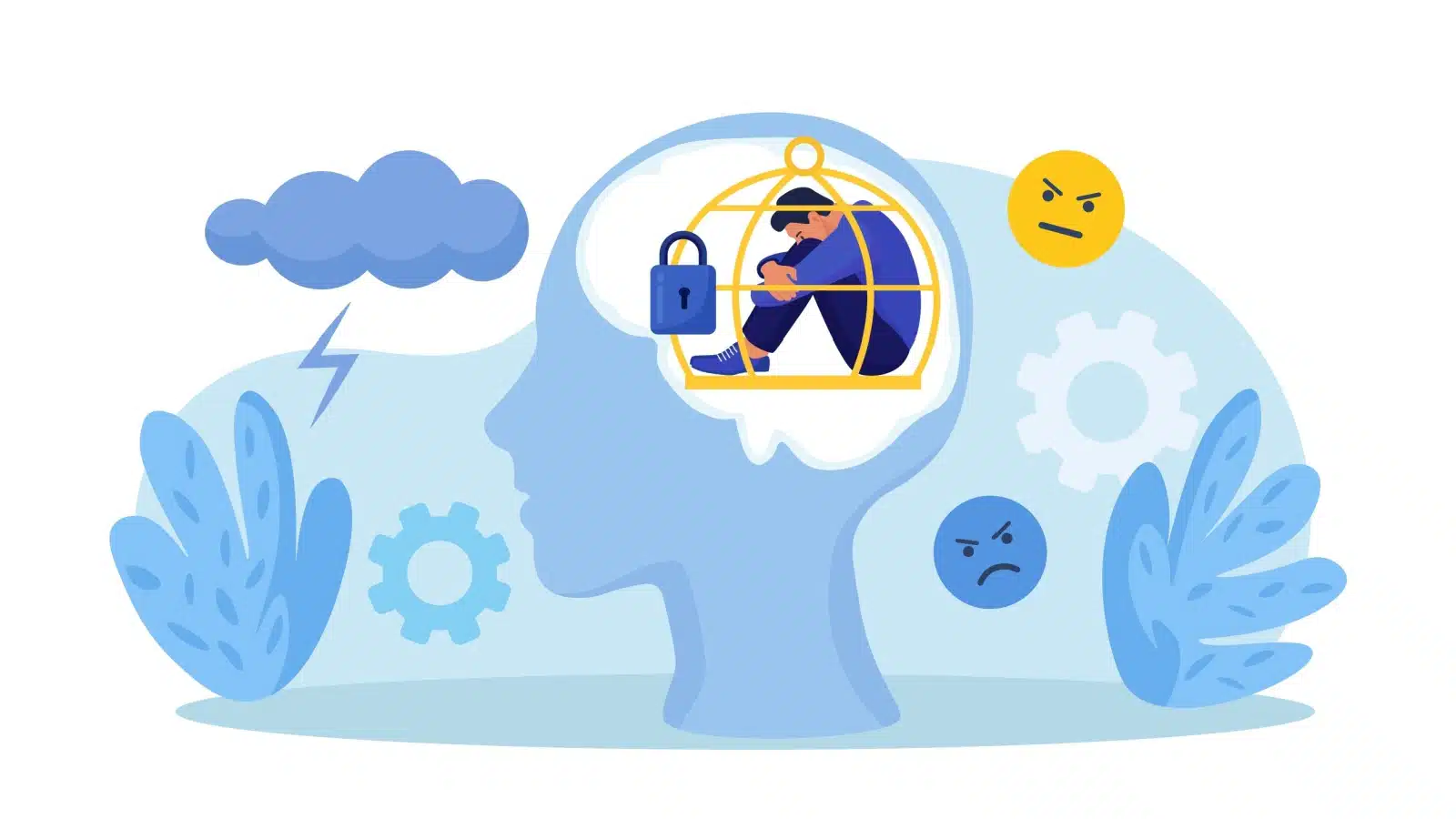
We can illustrate the importance of mindset using the most popular “this vs. that” pairing, the growth vs. fixed mindset.
Let’s say you want a promotion. The job opens up, you apply, you interview, but ultimately, a coworker wins out.
What do you do?
People with a fixed mindset might give up. They won’t apply again when a new position opens, because they don’t think they’re good enough to get the job. Instead, they’ll curl up (metaphorically) in their corner, maybe quiet quit, and act like they aren’t worthy of anything more. Some even treat their old coworker unfairly, envious that they got the position.
That’s not what someone with a growth mindset would do.
They’d talk to the hiring manager and see what they could do better next time; cheer on their coworker, and maybe even ask for mentorship. They’d look for ways they could help the company, improve their skills, and grow into the role they desire.
Now let me ask you something. When a similar position opens up again in the future, who do you think has a better chance of getting it?
If I were the boss, I’d hire the person with the growth mindset.
What is My Mindset?
Now that you understand what mindset is, you’re probably asking the next logical question:
“What kind of mindset do I have?”
It’s not that simple.
You could have a fear mindset, a flexible mindset, a strategic mindset, a social mindset…you get the picture, right?
But you could also have any combination of mindsets. Maybe you have a growth, scarcity, negative, business mindset? Or a fixed, positive, strategic, entrepreneurial one?
Figuring out what type of mindset(s) you have takes a lot of introspection and self-awareness. But it’s worth the effort. Because once you know how you think, you can change how you think.
You have the power to change your mindset, which trains your brain to think about the world differently.
How To Change Your Mindset
Are you ready to change your mindset? It’s not an easy task, but it’s worth the effort. Check out our article on changing your mindset to get started.
You can do it – you just have to believe you can!