

Society has changed dramatically over time. Here, older generations share the most significant differences between working now and then, highlighting how the workplace has changed in the last fifty years.
Women’s Dress Codes

Women in office environments had to wear skirts, pantyhose, and heels. Nowadays, women don’t have to wear such overtly sexual clothing. However, many women still face challenges. If they don’t wear makeup they’re called “tired” and in some industries, not wearing heels is still seen as “unprofessional.”
First Job Gone
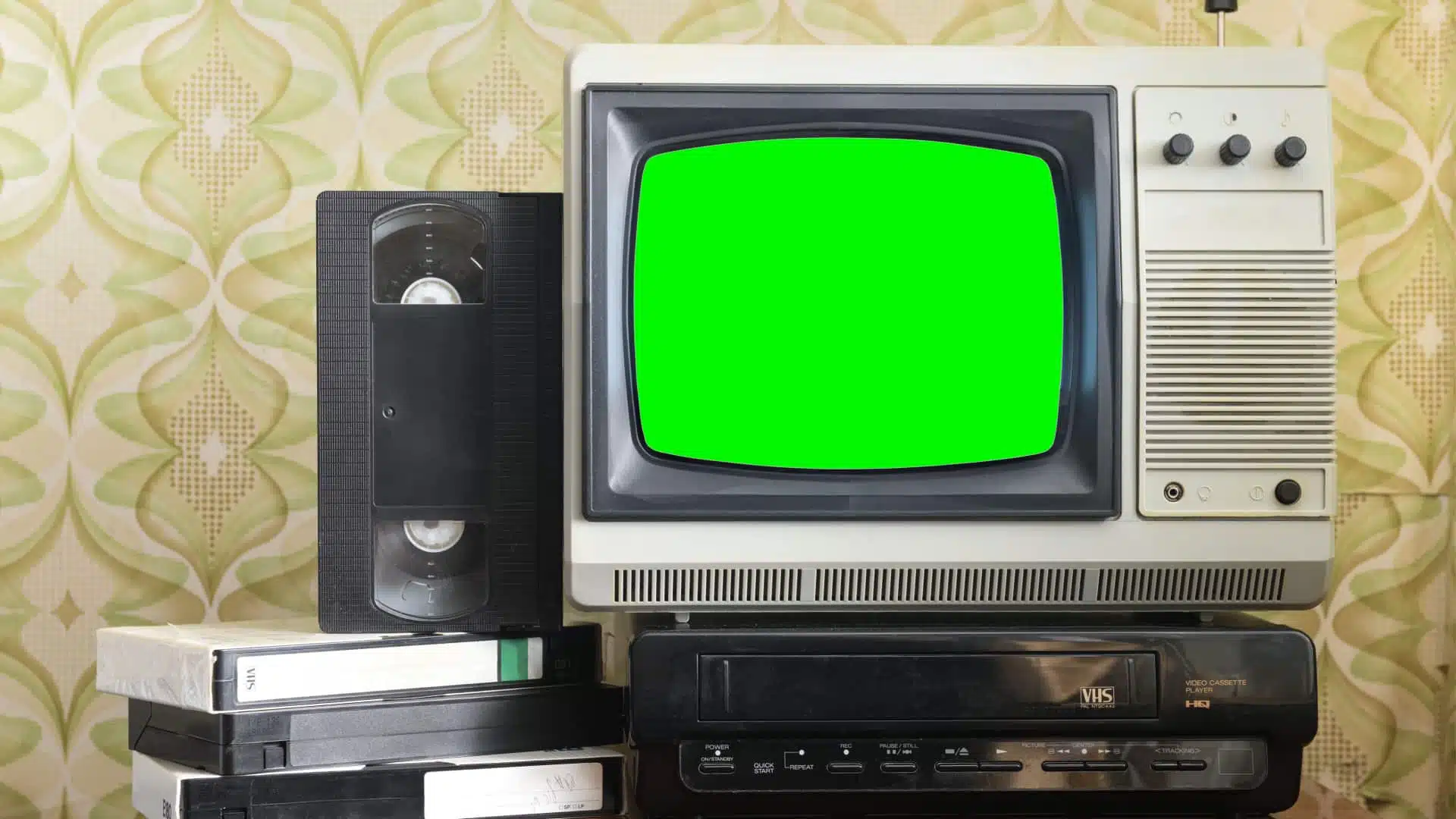
Many older workers shared that their first job no longer exists. Jobs like switch operators, typists, and video store clerks have disappeared. With the rise of AI, Millennials and Gen Zs may see their first jobs disappear too.
Doing What on Company Time?

Fifty years ago, no one thought twice about having beers over work lunches or engaging in inappropriate activities with the work van sitting right outside. Today, we have a lot higher standards of professionalism in the workplace.
Bad for Your Lungs

In the past, work was bad for your lungs. Everyone, from office workers to restaurant servers, had to deal with massive amounts of smoke in the workplace. We’re thankful most laws banned smoking indoors.
Downsizing

Back in the day, everyone had executive assistants, and workloads were split between many people. Today’s work environments place massive burdens on workers in efforts to reduce staffing costs. Now, every employee must do the work of three.
Work Was Fun

Before everyone was stressed out about productivity and efficiency; work was fun. You’d go to the office and chill with folks for a while, get a few hours of work done, have a long lunch, and call it a day. That kind of lax attitude doesn’t fly anymore. Some companies try to bring the fun back with ping pong tables and napping rooms, but it’s a corporate veneer of fun, not the real thing.
Safety Standards

On the flip side, one colossal improvement is that most industries have started taking safety seriously. Employees working hazardous jobs are far safer than they were two decades ago.
No Pensions

Companies used to reward loyalty with pensions, allowing folks to ride out their sunset years with financial security. It’s much harder to find a job with a pension nowadays.
Finding a Job

Boomers always tell their kids to just walk into a company and demand a job; like that works. Sure, it worked forty years ago, but in modern times, all hiring shifted online. Now, you have to beat the algorithm to get an interview.
Phones vs Computers

Fifty years ago, most work communication was done via phone. Today, you can’t catch younger generations on the phone, as we prefer to keep a written record of everything. Computers made it possible. We can send emails and instant messages, getting work done far more efficiently.
I also wonder how companies issued memos and policy papers fifty years ago. Was everything done via word processor or typewriter? When did these machines replace handwritten notes? I’m thankful for these changes, regardless of when they took place.
Work-Life Balance

In the 80s and 90s, companies understood that employees had lives outside work. Now, companies demand every waking moment of your time, and you’ll never get ahead if you don’t give it to them.
Not Constantly Connected

Part of the reason why bosses accepted work-life balance was because they couldn’t reach you after hours. They could call your landline, but if you weren’t home, you weren’t home. Now, they can send you projects via email and expect you to respond.
Less Harassment

Bosses got away with horrible things back in the day. Sexual harassment ran rampant, and women had to deal with it if they wanted to keep their jobs. It was the rule, not the exception.
Decent Wages

Fifty years ago, the people at the top earned good money, but those on the bottom rungs of the ladder still earned a living. Today, the people at the top earn obscene wages while the folks on the bottom struggle to survive.
Diversity

The workforce fifty years ago was fantastic for straight, white, Christian men but not so swell for everyone else. Although there’s still a lot of work to do to fight racism and sexism, we’ve come a long way from where we were.
Fewer Benefits

Pensions aren’t the only benefit that disappeared. Many workers today don’t even earn vacation time. They have no time off for sick leave. They lack medical insurance.
The only improvement is that women no longer get fired over pregnancy.
America’s Toxic Work Culture

Over the years, our work culture became more and more toxic. Discover why it’s so bad on how it’s harming our health.
Good and Bad Work Culture Changes

Some of these changes in the workplace over the last fifty years are for the better, while others are for the worse. I’m really glad women can work without fear of harassment, more people can compete in the workforce, and safety is taken seriously, but I’m bummed that company loyalty no longer exists, workers don’t earn enough, and good jobs seem nonexistent.
Maybe someday we’ll strike the right balance and create a work culture that works for everyone.
How Else Has the Workplace Changed Over the Last Fifty Years?

What else has changed about the way we do business over the last half century? Share your thoughts in the comments!