

“So that’s it then – no weapons, no friends, no hope, take that away, and what’s left?”
“Me.”
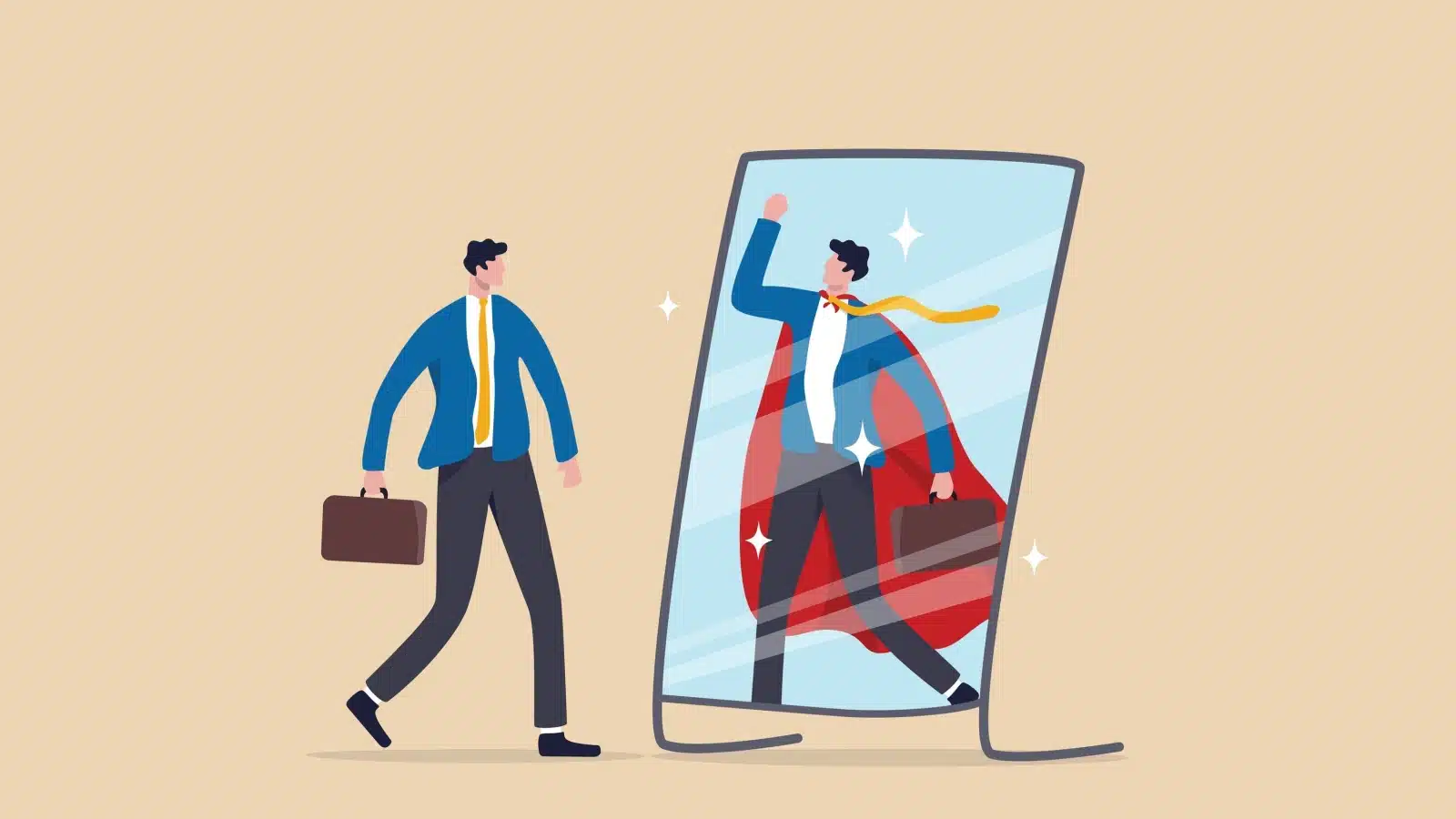
Buffy was an icon of self-empowerment. She believed in herself even when she had nothing. Her self-confidence helped her win the day.
Although you aren’t fighting vampires, the same concept applies to your life. You have the power to change your life.
When you believe in yourself, you acknowledge that you’re in control of your own destiny.
Why Believing in Yourself is Crucial To Happiness
A study by psychologists at UC Davis points to the massive impact self-belief has on overall happiness and success.
They found that people with high self-esteem enjoy greater success in nearly every facet of their lives, from school and career to social and romantic relationships.
The findings showcase that people who believe in themselves and their abilities have better outcomes than people who don’t.
But What Does it Mean?
If you believe in yourself, you can accomplish anything.
People love to paraphrase the famous Back to the Future quote, but they stop there, refusing to go even a tiny bit deeper to explain what it entails.
How can you believe in yourself if you don’t know what it means?
It’s hard because it kind of has a triple meaning. When people say “believe in yourself,” they could be referring to three very different ideas: confidence, self-esteem, or self-efficacy.
The secret is you need all three to truly believe in yourself. But don’t worry, as a certified happiness life coach, I can help.
Confidence

Confidence is a general, broad term we use to describe a belief in our abilities. It’s usually based on vibes and feelings rather than actual evidence.
Think of it as a general sense of self-assurance. It is the belief that you can accomplish things, even if you’ve never done them before. For example, you can be confident that you’d learn how to do a new job, even if you don’t currently have all the skills required.
But there are negative examples as well. Men around the world are confident they can beat Serena Williams in a tennis match – even men who’ve never played tennis in their lives. There’s absolutely no evidence that’s true, but hey, they believe it.
That’s not to say confidence is a bad thing. We need it. We need to believe we can face unknown challenges and persevere.
The happiest people tend to have the most confidence (though they must be careful to toe the line between confidence and arrogance).
Self-Esteem

Self-esteem relates to how you feel about your inherent value as a human. Do you have a strong sense of self-worth?
It does go hand-in-hand with confidence, because people with high self-esteem tend to be more confident. They believe they are worthy, so they act like it.
But it’s far deeper than confidence. When you have a strong sense of self-esteem, you can overcome almost any challenge. Other people’s opinions don’t faze you, because your sense of worth comes from yourself, not from them.
Self-Efficacy

Self-efficacy is a clinical term coined by psychologist Albert Bandura in the 1970s. It goes beyond confidence – you no longer “believe” you can, you now know you can.
You know you can run two miles because you’ve done it before.
That’s a very specific example, because self-efficacy is about specifics. While confidence is a general aura of self-belief, self-efficacy is an unwavering self-belief in your ability to perform a specific task or achieve a specific outcome – based on evidence and facts rather than vibes or feelings. The evidence being that you’ve done it before.
How to Believe In Yourself

The first step to believing in yourself is identifying where you’re lacking.
Do you need to build a general sense of confidence, boost your self-esteem, or believe in your ability to perform a specific task? We can help you with all three!
Boosting Confidence

Confidence doesn’t always come naturally, but you can build it.
Sometimes you just have to fake it until you make it. Pretend that you’re confident, and eventually you won’t even be pretending anymore.
You can also create confidence by making small changes in your life. A new wardrobe or haircut can inject you with new confidence.
But the best way to boost your confidence is via accomplishment. Every time you win at something, no matter how small, you’re gifting yourself a tiny little confidence boost.
Building Self-Esteem

Self-esteem is harder to build than confidence because you can’t fake it. People struggling with low self-esteem might benefit from seeing a therapist who can help.
But therapy is expensive, and a lot of us can’t afford it. You can build self-esteem without their help identifying the sources of your low self-image.
Maybe you spend too much time with toxic people who tear you down. Ditch them and build relationships with supportive people instead.
Some of us have poor self-esteem because we talk down to ourselves. Learn to identify and challenge your negative self-talk. When you start thinking mean things about yourself, pause and reframe. You don’t “suck at the thing”, you just need more practice. It’s not that “everyone hates you,” you just clash with this one person. Learn to love yourself for you.
Conducting shadow work can also help. You’ll dig down deep to discover (and hopefully change) the things you don’t like about yourself, becoming better in the process.
Like with building confidence, achievement helps. Nothing makes you feel better about yourself than a sense of accomplishment.
Creating Self-Efficacy

Self-efficacy is all about a specific task or activity, so to create it, you need to master the task.
How do you believe that you can run up a flight of stairs without stopping? By actually running up the stairs. By trying again and again every day until you can do it without stopping.
The same is true for anything you want to build self-efficacy in, like language proficiency, coding, riding a bike, math, or art.
You can learn to believe in yourself and your skills in any subject by doing it, practicing, improving over time, and ultimately becoming a master.
Believing in Yourself Helps You Achieve Your Dreams

Believing in yourself is essential because it can give you the courage to set and pursue magnificent goals. The improbable becomes probable as you know you can achieve anything you want. Doubts disappear, and you act towards living the life you want, regardless of what others think.
Self-belief is also vital because it can motivate you to keep trying even in the face of adversity. It can boost confidence when life becomes challenging and encourage you to keep going.
If you genuinely believe you can overcome obstacles, you will persevere and emerge stronger and better.