

Empathy is the superpower that makes cohesive teams, nurtures lifelong friendships, and changes the world for the better.
And the best part? It’s a skill, and like any skill, you can learn it.
Learn how to develop empathy to be a better leader, friend, partner, and person.
What is Empathy?

Empathy is the ability to put yourself in someone else’s shoes and see the world from their perspective. And because you’re in their place, you feel what they feel.
It comes so naturally for some people that they don’t even know they’re doing it. They feel other people’s emotions right along with them, whether they wanted to or not.
But it doesn’t come naturally to everyone. Some of us need to work at it, and that’s okay.
How to Develop Empathy
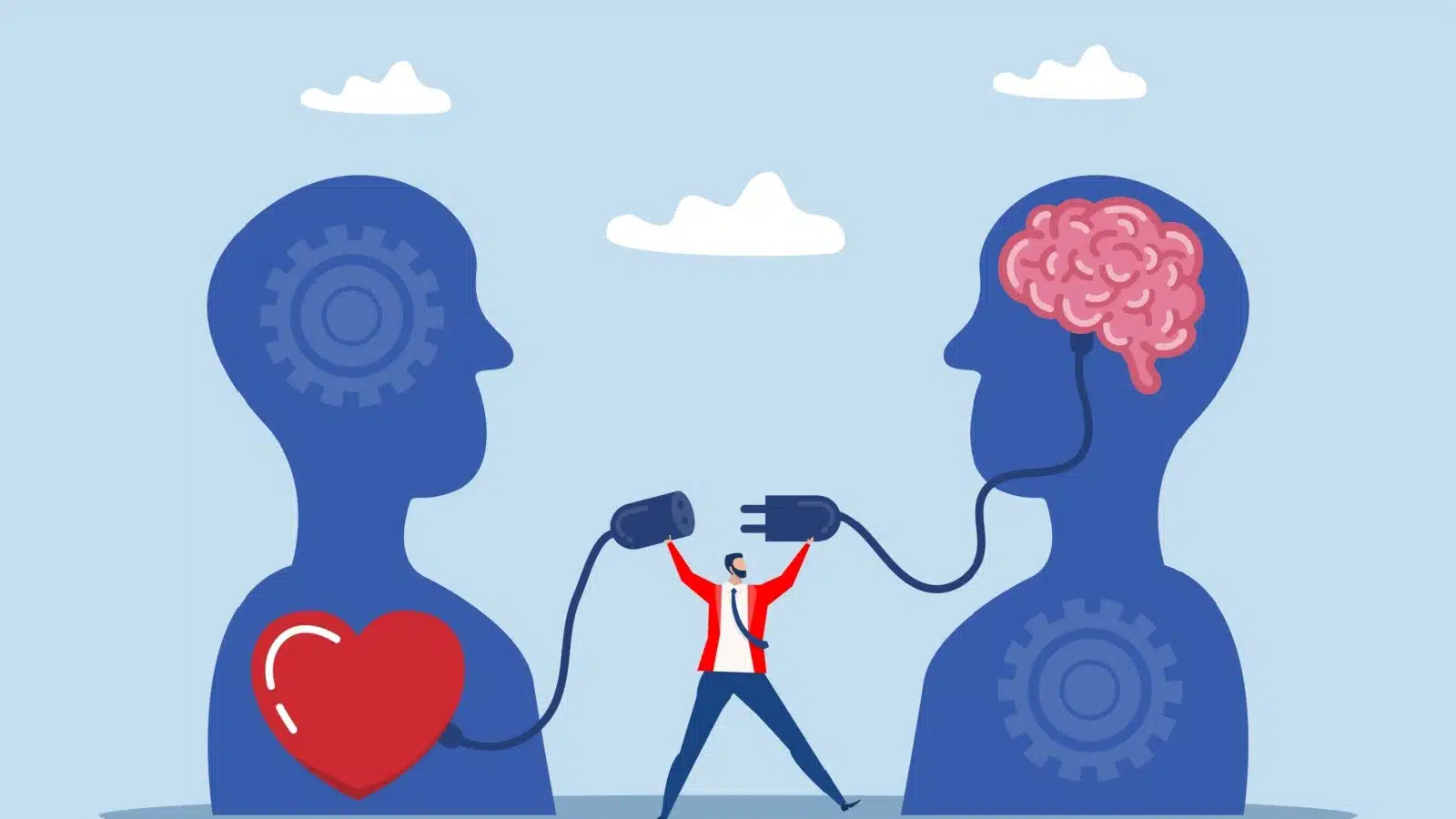
via Shutterstock.com.
Empathy is like any other skill. Some people are naturally better at it, but that doesn’t mean everyone else is destined to an empathy-free life.
We can all learn how to be more empathetic.
Here’s how.
Understand the Types of Empathy
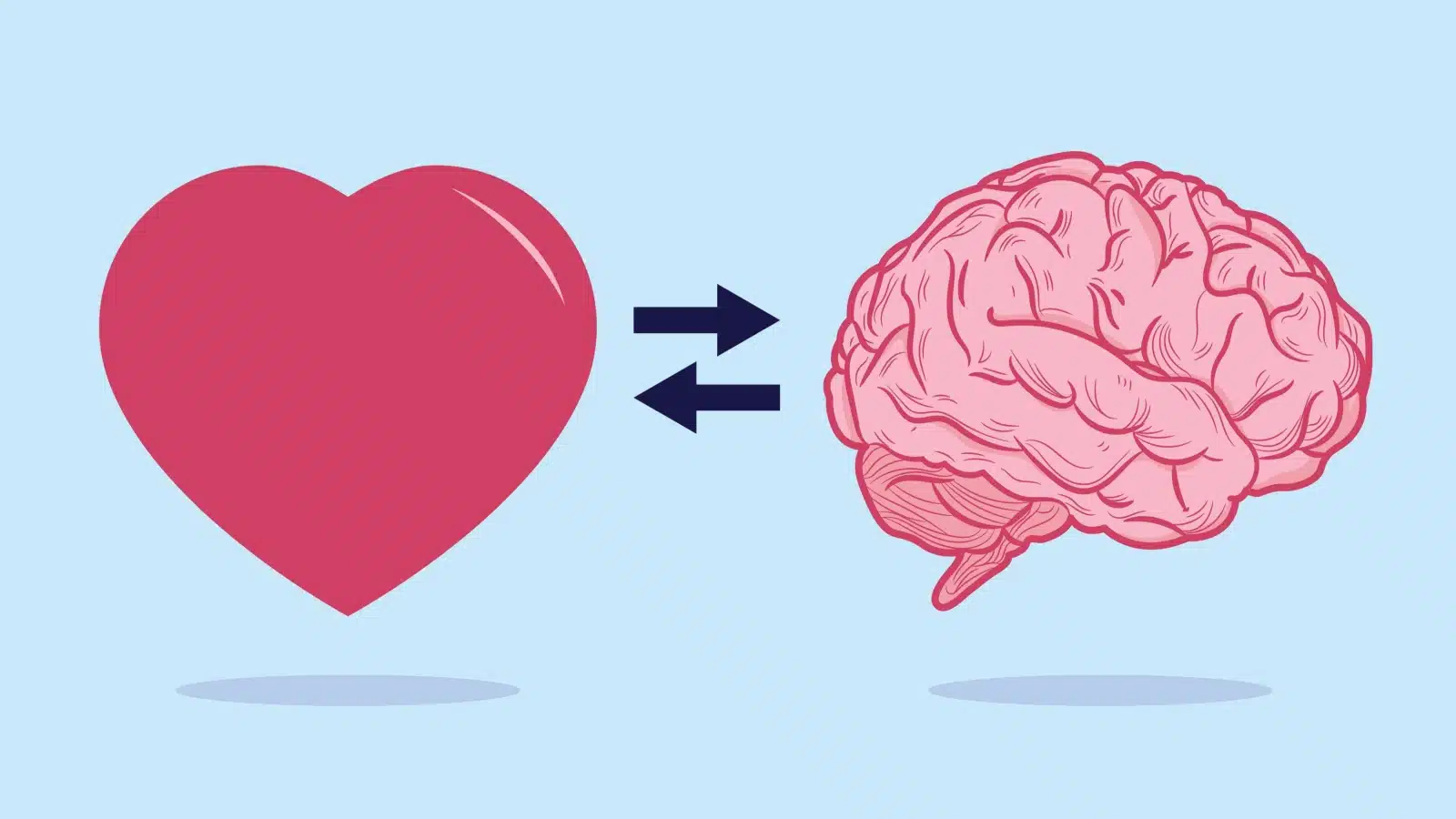
The first step in developing empathy is understanding how it works. Psychologists identified four major types of empathy:
- Cognitive – Intellectually understanding someone’s emotions without feeling them
- Affective – Feeling someone else’s emotions
- Compassionate – A combination of feeling & understanding, paired with wanting to help
- Mirror – Physically mimicking someone’s emotional response, usually unconsciously
The people who naturally feel other people’s emotions (often called empaths) typically display affective empathy or mirror empathy. These skills are much harder to develop, but you don’t need them to be empathetic.
You only need cognitive empathy, which you develop with these activities.
Listen More
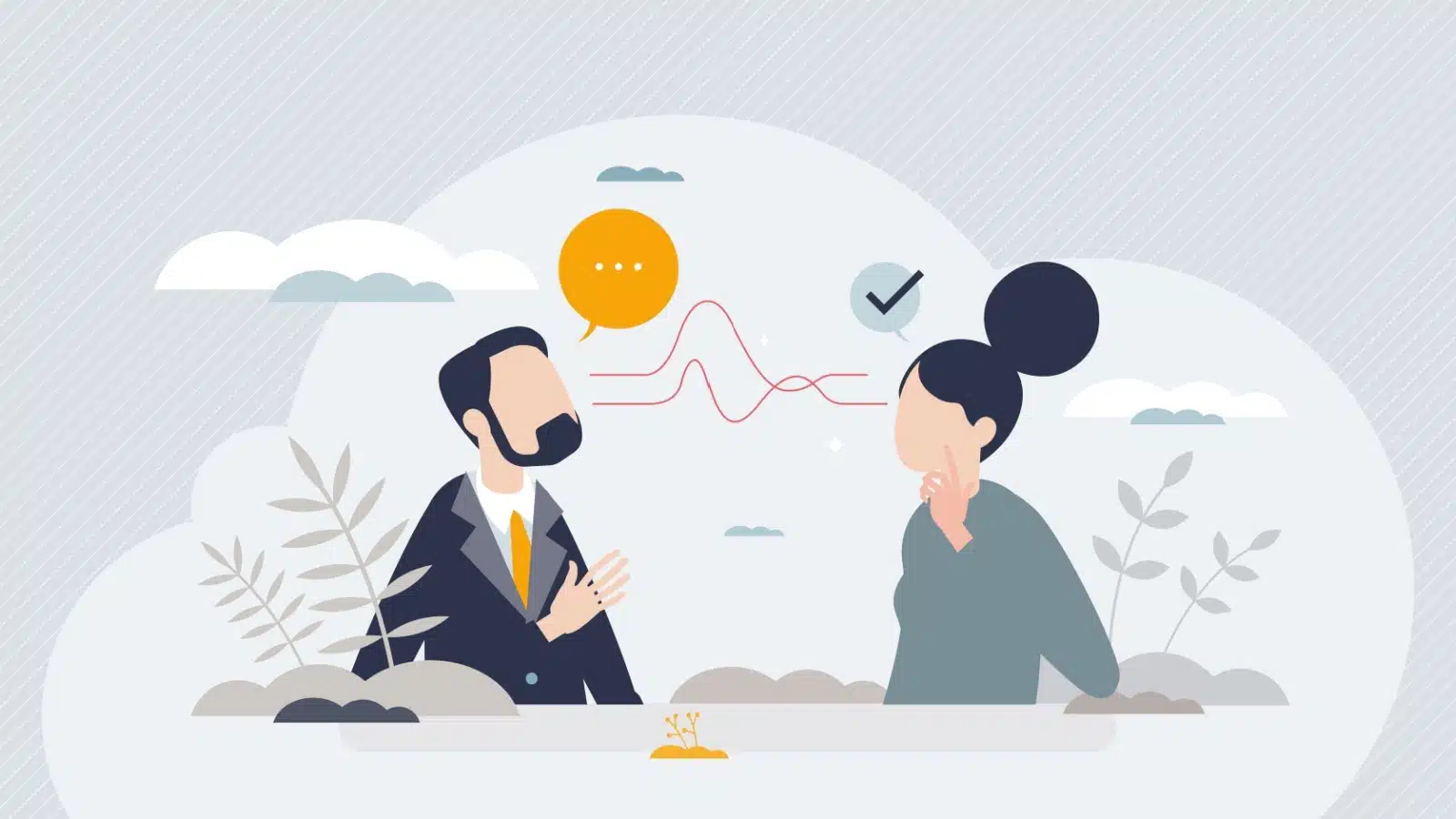
The best way to develop empathy seems so easy, but it’s a massive challenge for many of us.
Shut up and listen.
That’s it, that’s all you have to do. But it’s not so simple.
Active listening is a skill.
Listen to what other people are saying, but instead of waiting for your chance to speak, really focus on their message and hear their experiences. Allow yourself to learn from them.
Ask Better Questions

Part of active listening does involve speaking, but not about yourself. Instead, try asking more meaningful questions.
Ask how an event made someone feel, how a new law impacted someone’s life, or why a story resonated (or didn’t). Get people to share on a deeper level so you can better understand their perspective.
Stop asking questions for a “gotcha” moment or to shift the conversation to yourself.
Attune to Your Own Emotions
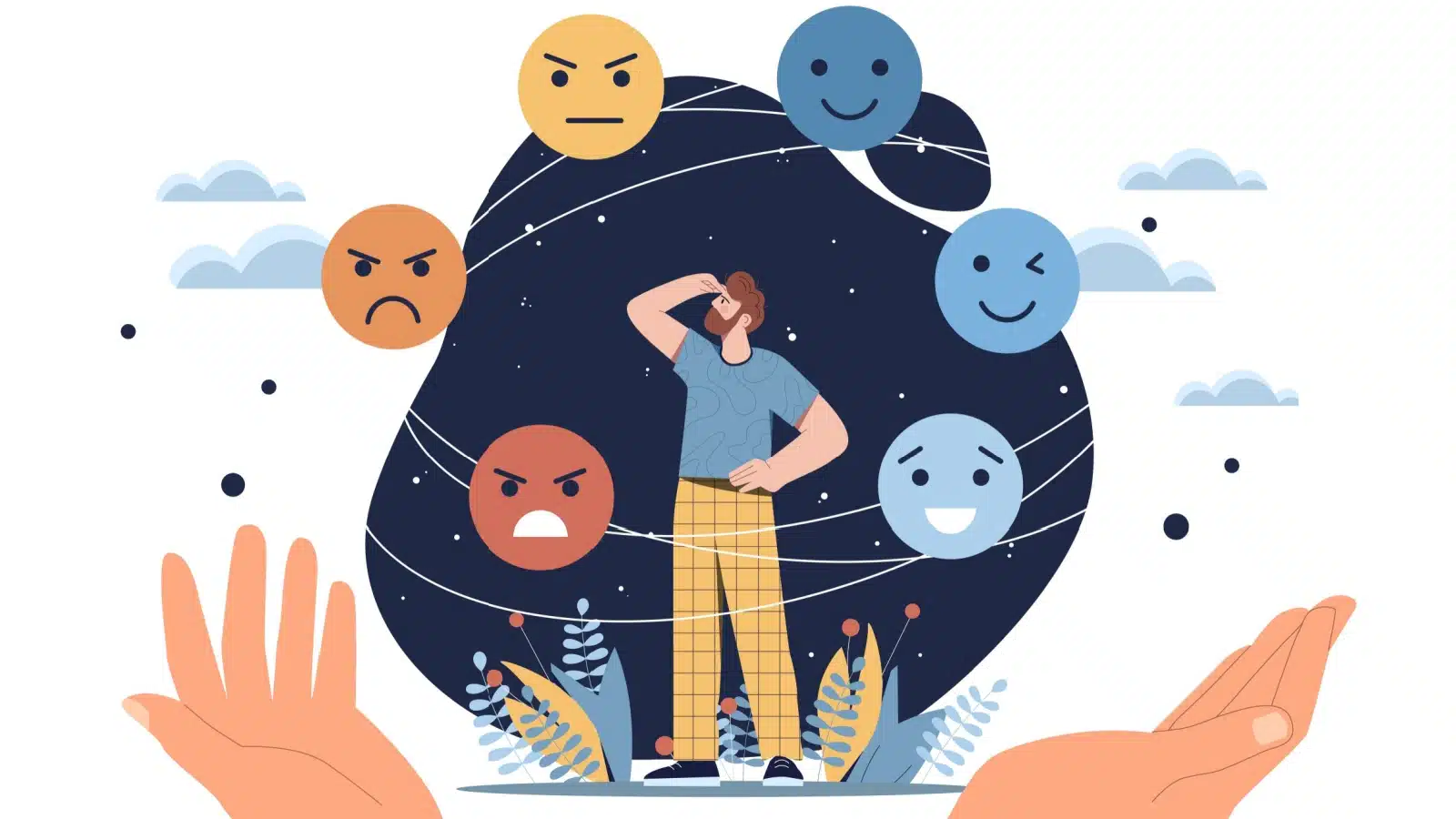
Empathy is the art of understanding other people’s emotions, but it’s impossible to do that if you don’t understand your own.
Take time to explore how things make you feel. Notice everything from the joyful highs to the tiniest pricks of despair. Consider why you’re feeling that way, and how your emotions impact your decision-making.
Journaling is one of the best tools for exploring your emotions. Write down your feelings, the good and the bad, and try to understand where they are coming from.
Reflect on Your Personal Experiences
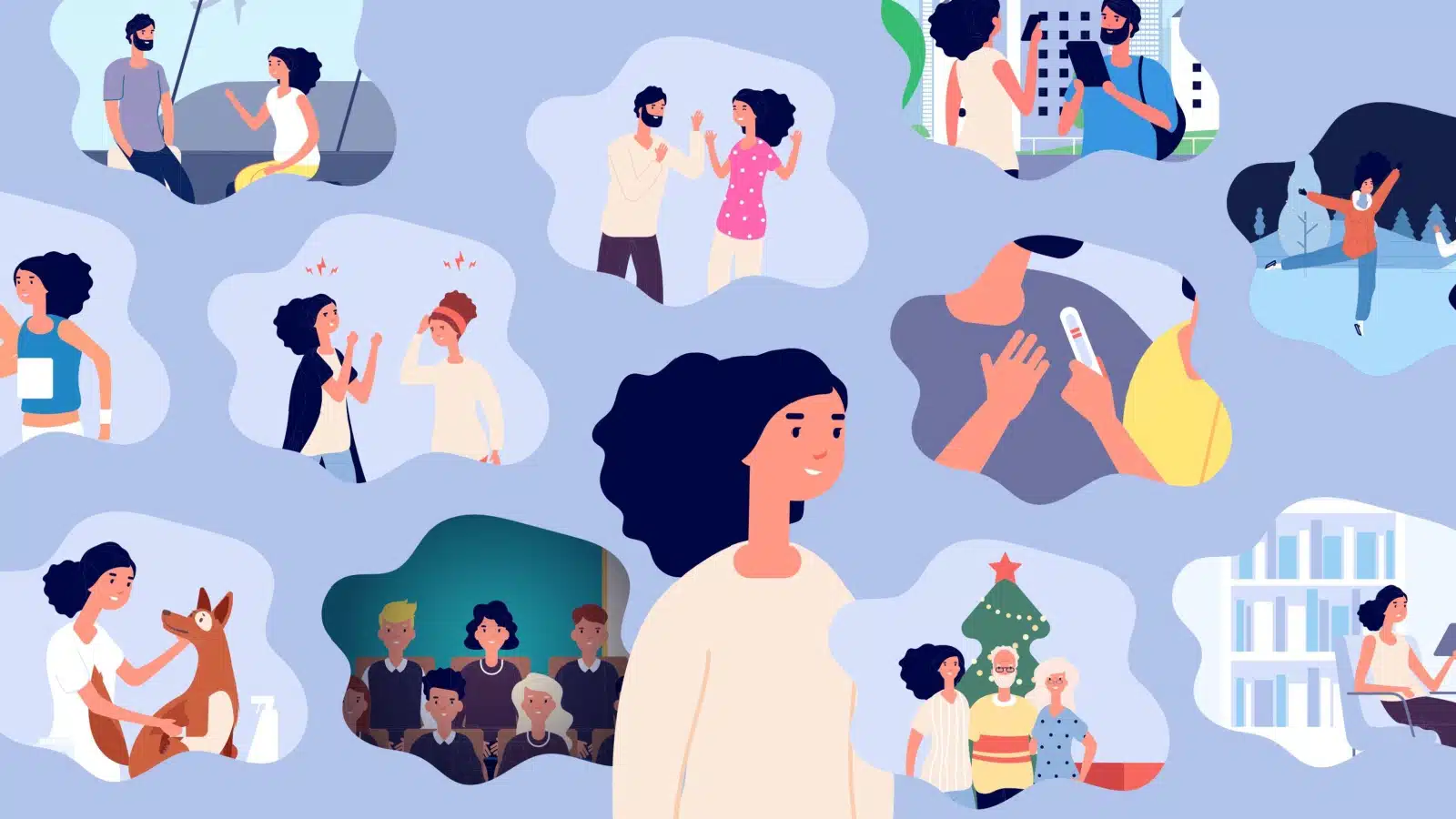
Although empathy is the ability to understand someone’s emotions and perspective without having experienced the same thing, relating events to similar things in your life can help you develop the skill.
Reflect on the things in your past that brought immense sorrow or ecstatic joy. Consider how similar events might make other people feel.
Read Stories from Different Perspectives

Reading is one of the easiest ways to develop empathy, and you don’t even have to realize you’re doing it!
When you get lost in a good story, you experience the world from the characters’ perspectives, feeling how events impact them as if it were you.
To use reading to develop empathy, you’ll have to step slightly outside your comfort zone. Pick up fictional works or memoirs from diverse authors. Try to relate to the character’s story, even if they don’t look, act, or think like you.
Travel

Traveling is the best way to broaden your perspective, which is essential to developing empathy.
Explore new cities, states, and countries. See how people on the other side of the world live.
You’ll discover that although they may have different ways of doing things, they’re mostly the same as you.
Engage with Different People

Interacting with people is the absolute best way to develop empathy.
When you actually interact with other people, you stop fearing them, and you start feeling for them.
The internet has made engaging with people easier than ever. Join groups, chats, and forums filled with people who have different perspectives. Learn from them, don’t argue with them.
Practice Perspective Taking
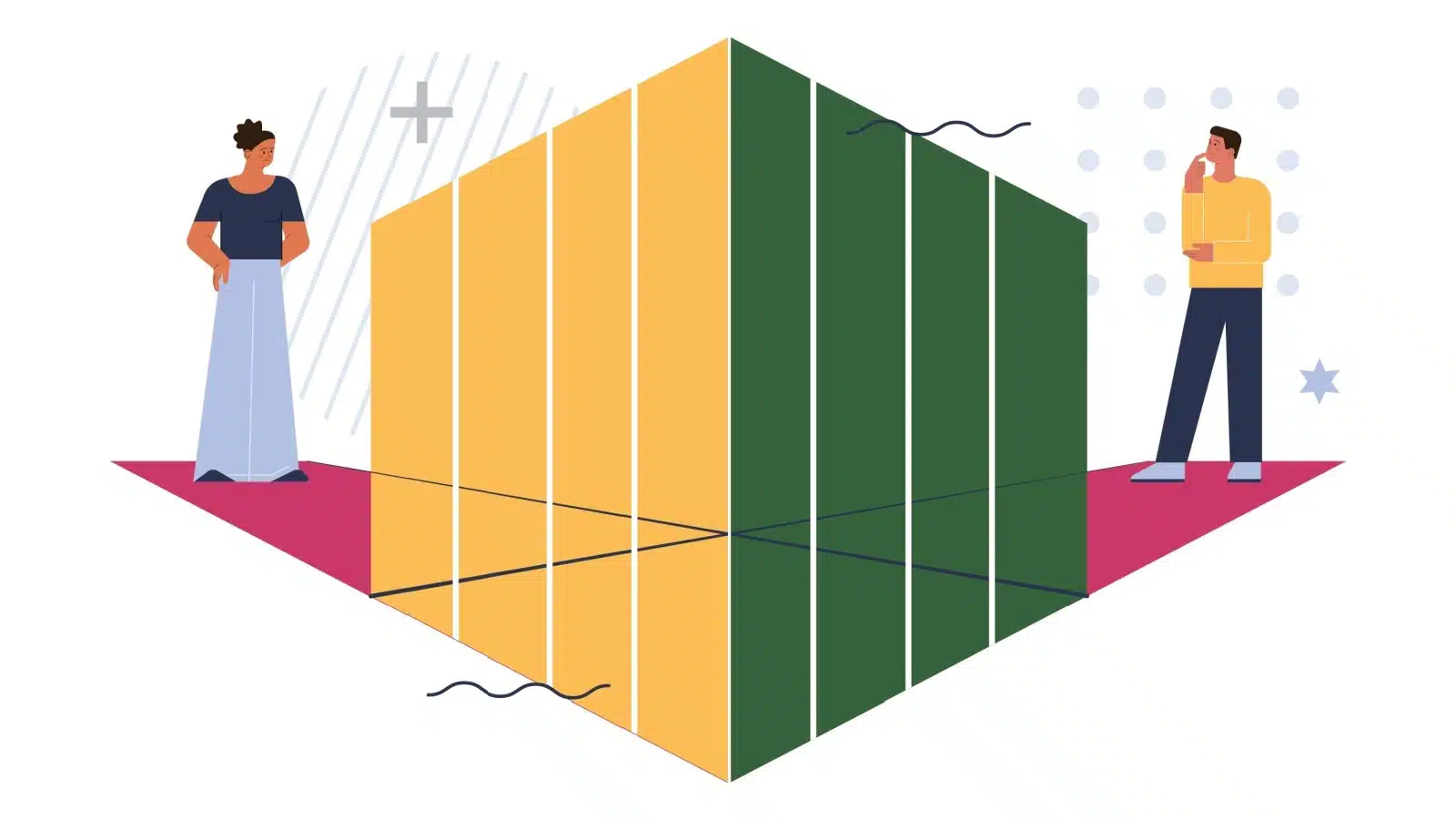
Perspective-taking is the conscious act of developing cognitive empathy. Instead of jumping to conclusions or assuming someone’s intent, you take a step back and explore a situation from their perspective.
Think about their experiences, their interests, and their concerns. Look at the problem from their point of view.
I love practicing perspective-taking while driving. It’s so easy to assume the worst of that guy who cut you off. He’s just a selfish jerk who can’t drive, right?
But what if he’s late to work and has one of those jobs where you get a strike if you’re even two seconds late? What if being two seconds late means losing his livelihood? Maybe he’s stressed and didn’t realize he cut you off.
I don’t know the real story, but practicing perspective taking helps calm me down.
Explore Your Bias
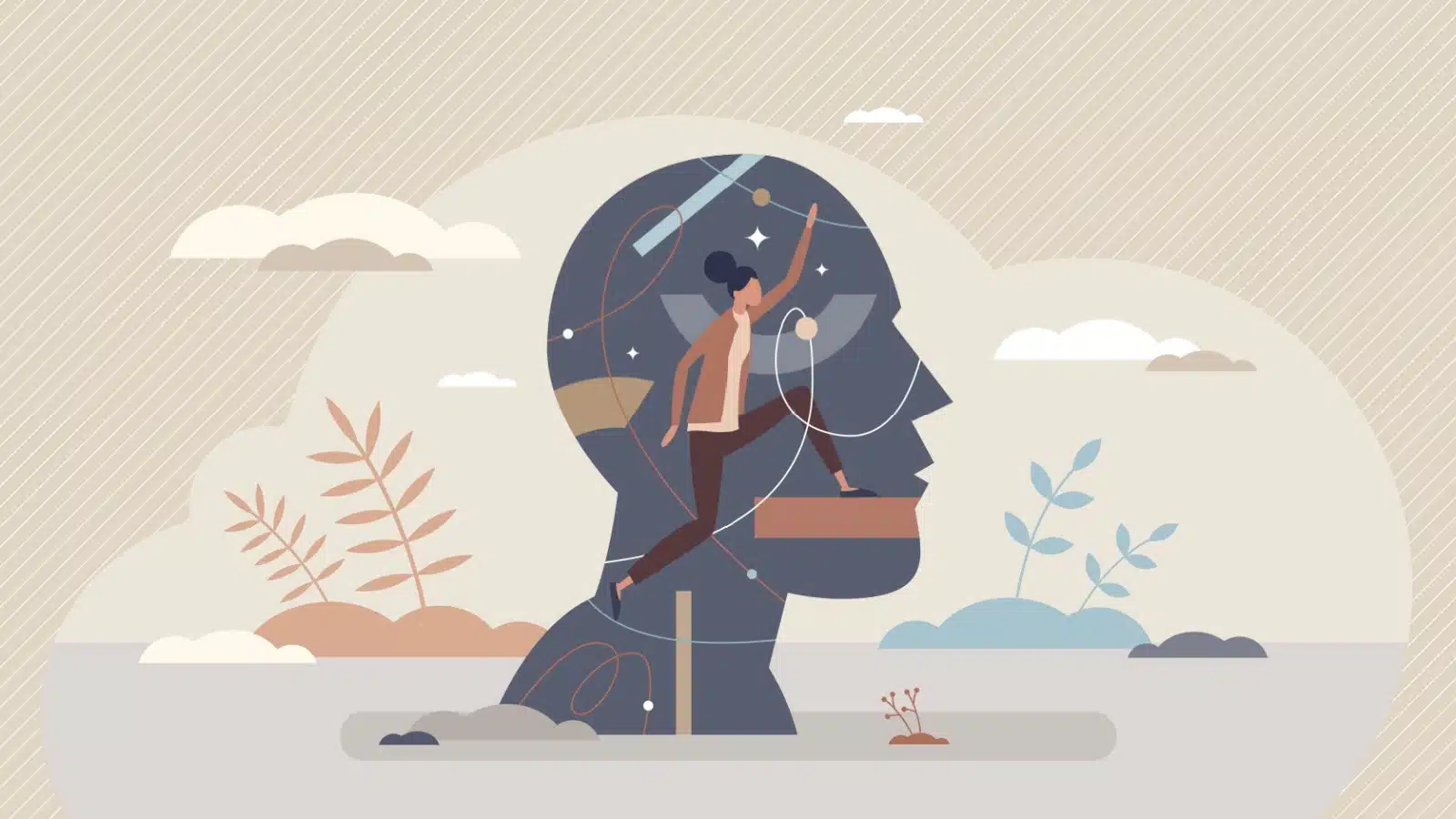
Everyone has bias – yes, even you (and me!).
It’s evolutionary. Our biases helped us make snap decisions, which saved our lives.
But today, they can be limiting. We hate without understanding why and fear with no real justification. These biases can hinder our ability to develop empathy.
There’s good news, though. We’re not beholden to our biases. We can make a conscious effort to identify and examine them, dismissing the ones grounded in fear.
Once you overcome your biases about a person or group, you can develop empathy for them.
Volunteer

Volunteering lets you see humanity’s best (and sometimes its worst, depending on the cause).
When you volunteer at an animal shelter, you develop empathy for the scores of pets in need of loving homes. Volunteering at a soup kitchen builds empathy for the unhoused who need the services. Working with at-risk kids helps you understand the injustice that many vulnerable populations face.
No matter where you volunteer, you will see that many issues aren’t caused by individual failure, but by systematic problems that we collectively ignore. That’s sure to inject some empathy into your life.
Step Out of Your Bubble
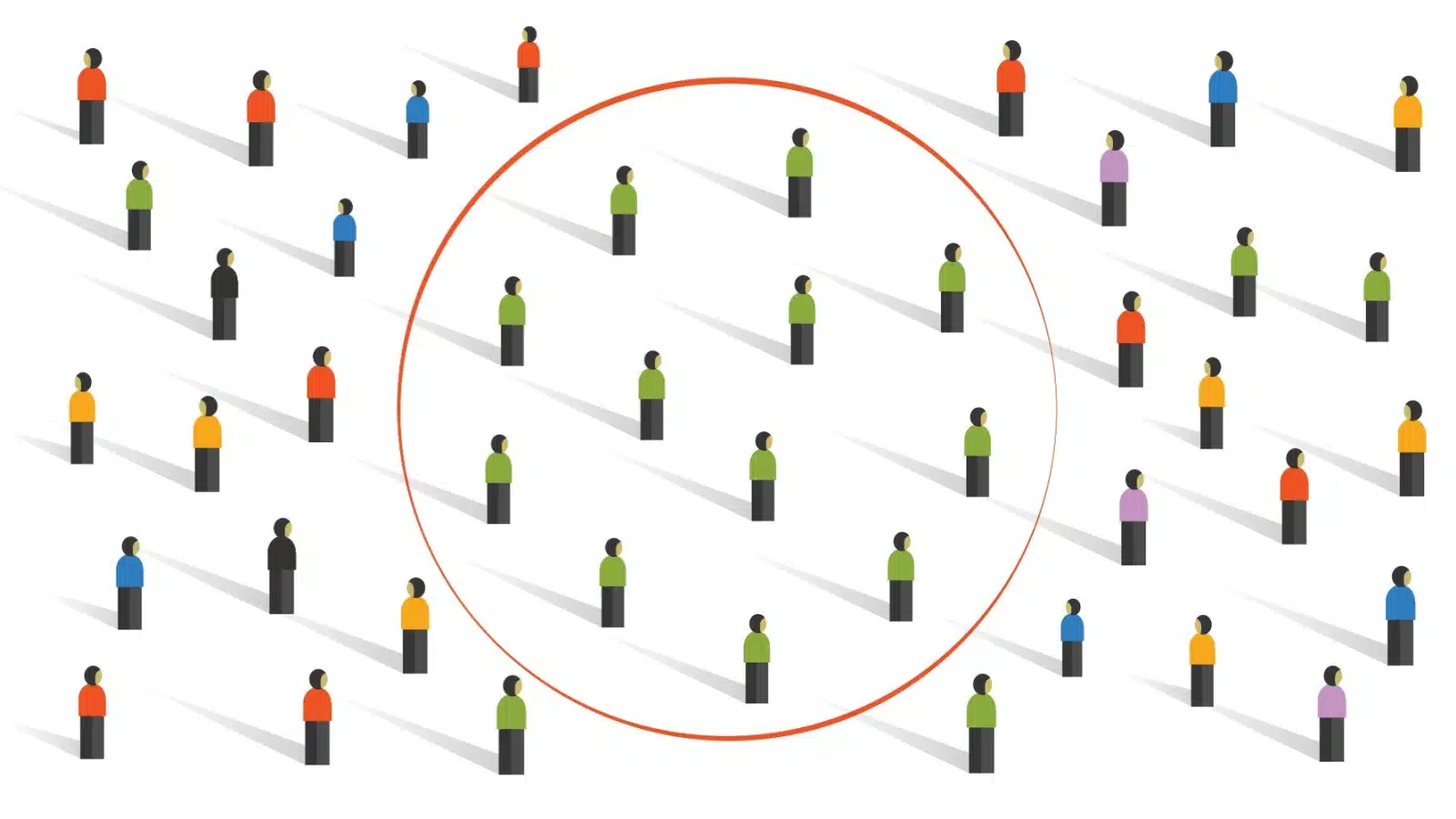
There’s a reason why rural kids who go away to big universities come back with more empathy, and no, it’s not liberal brainwashing. It’s because universities burst with diversity, giving rural kids who grew up in a monoculture the opportunity to meet people from all over the world.
I get it, your bubble is cozy and safe. Everyone in it believes the exact same things you do.
But what if they’re wrong? What if there’s a different way to look at the problem, and a different path towards a solution?
You’d never even consider it if you stayed inside your cozy bubble.
Bonus: Drop Your Ego
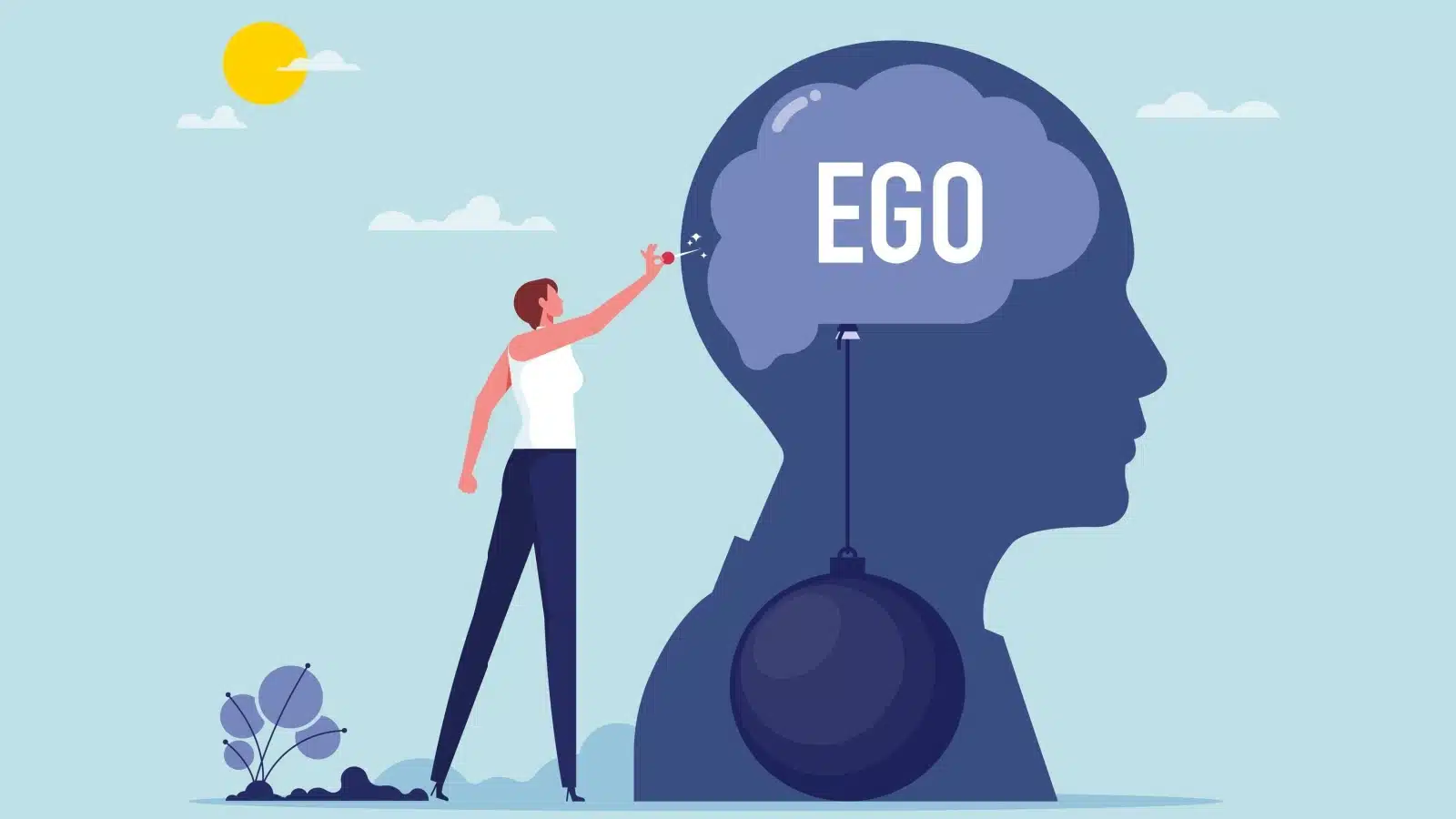
Your own ego is your biggest limitation to developing empathy. It’s the wall you built around yourself to protect yourself from harm, but sometimes it’s so good at its job that it refuses to let you see the world for what it is.
We want to believe that everything we have in life is due to our own hard work. Accepting the harsh truth that life isn’t fair, everyone doesn’t have the same opportunities we had, and we’re a hair’s breadth away from destitution, destroys the proud success story we created about ourselves.
It also leads to a lack of empathy, as we start to blame individuals rather than society for all their woes.
It’s time to drop the ego. Acknowledge all the help you’ve received along the way, whether it be in the form of generational wealth, parents who supported you, teachers who cared, access to good schools and quality food, and even simply the time and energy to focus on your goals.
Not everyone has those things.
Building Empathy is Hard, But Doable
Many of the ideas on this list pose a massive challenge. Looking inward, accepting the world for what it is, and reflecting on our own biases and mistakes, is a difficult process. You may discover things about yourself that you weren’t prepared to face.
But if you want to develop empathy, it’s necessary.
And you should want to develop empathy. Once you can understand other people’s feelings and perspectives, it’s like a missing puzzle piece locking into place. You’ll become a better coworker, leader, friend, and partner with your newfound empathy superpower.
You’ll become a better person.
And isn’t that worth the difficult journey?