

Our earliest ancestors looked to the sky and saw a miracle. A bright white glowing orb lit their way in the dark.
It’s no wonder we turned to lunar magic to guide our worship.
What is Lunar Magic?
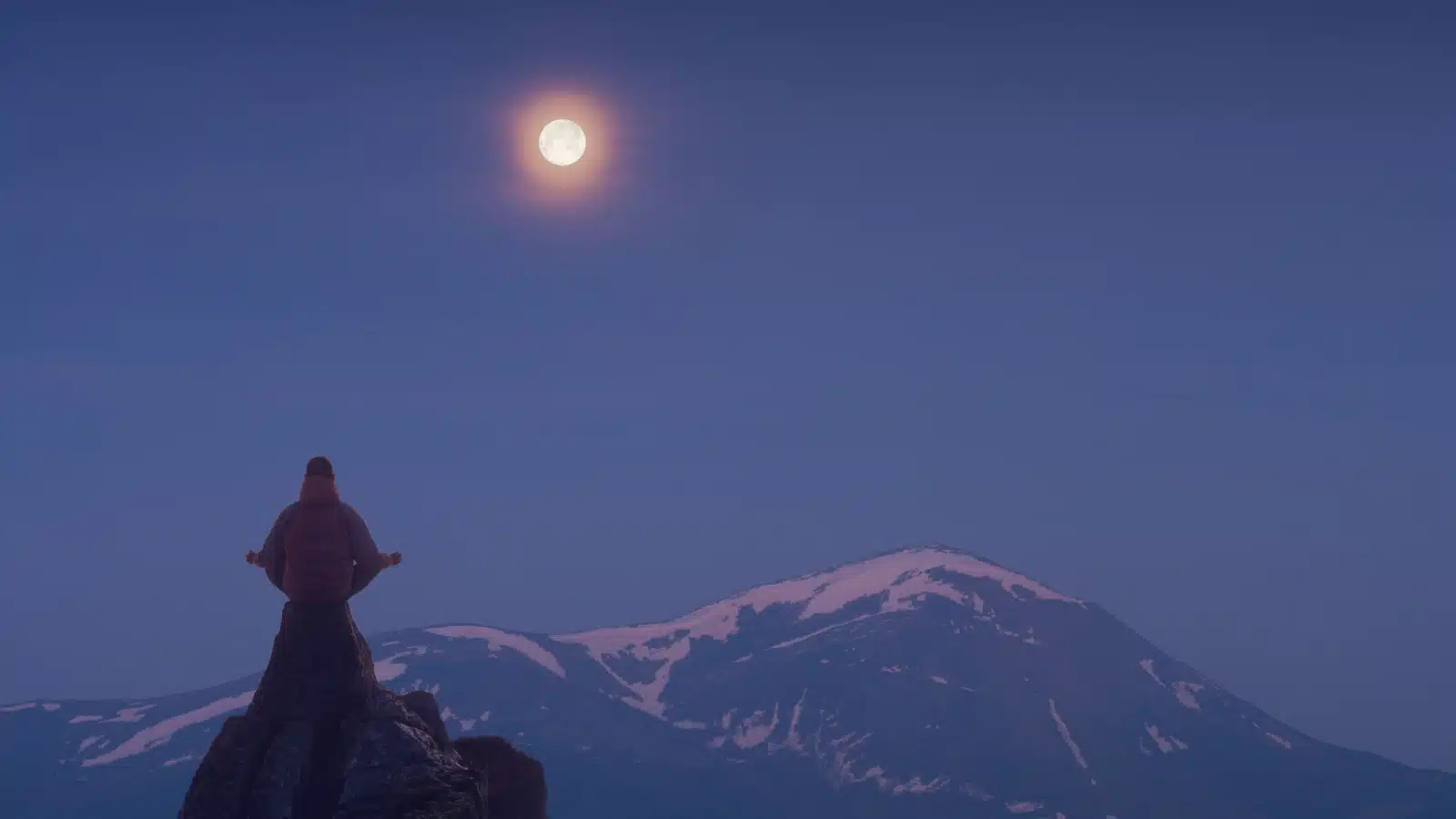
Lunar magic (also called moon magic) is a system of magic based on the moon.
Witches work their enchantments in moonlight, using the celestial body’s immense energy as a catalyst for achieving their goals. They draw power and inspiration from the moon’s phases, using them to craft the perfect spell.
Lunar Phases
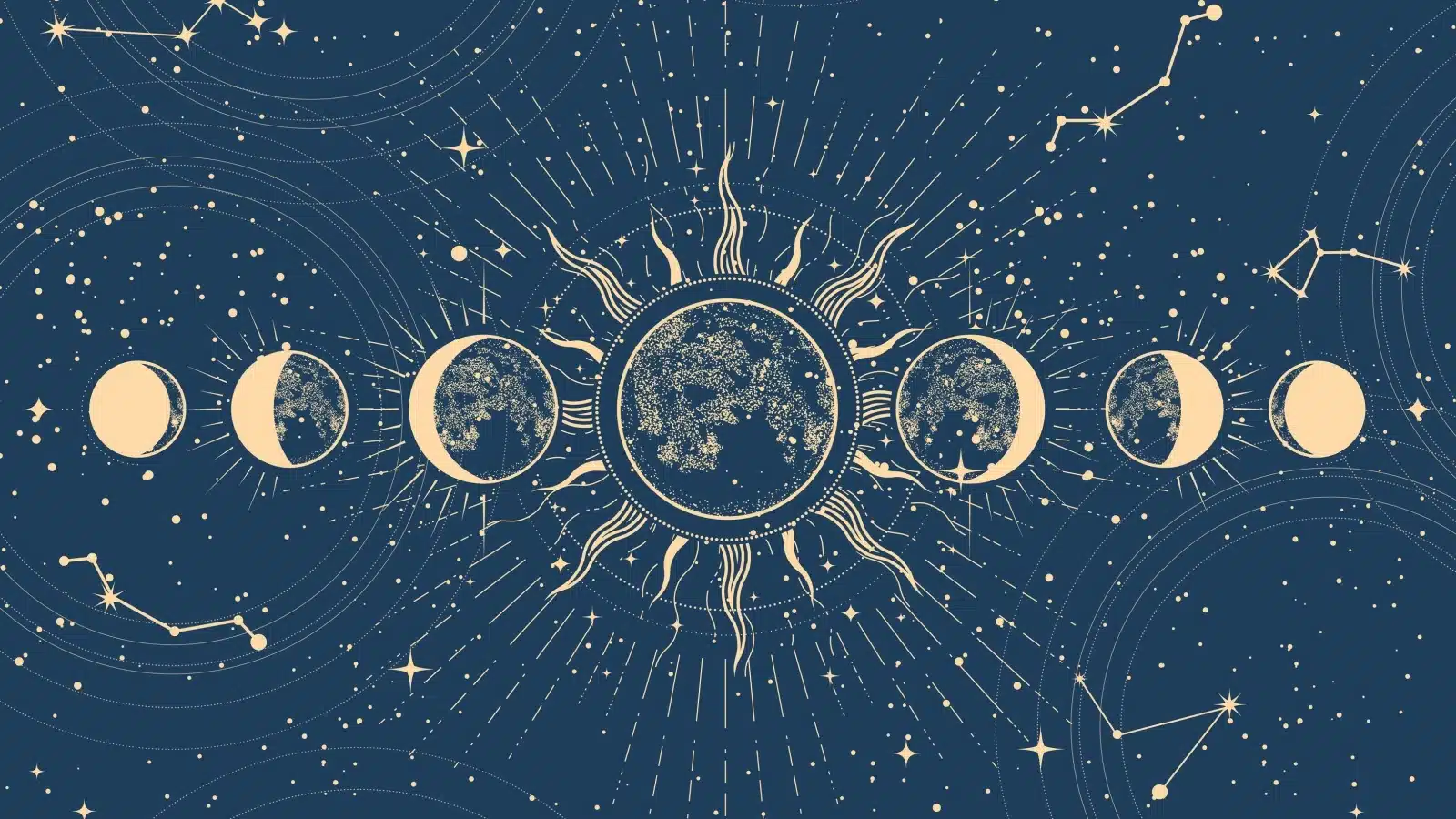
Witches believe that the moon’s phases hold unique powers, so they pay special attention to the lunar phase when designing and casting their spells.
Scientifically, we acknowledge eight distinct lunar phases:
- New Moon: The moon is positioned between the Earth and the Sun, making it invisible from Earth as the illuminated side faces away from us.
- Waxing Crescent: A small sliver of the moon becomes visible as it moves in its orbit, with the illuminated portion increasing.
- First Quarter: Half of the moon is illuminated, and it appears as a half-circle. This phase occurs when the moon has completed about a quarter of its orbit around Earth.
- Waxing Gibbous: More than half of the moon is illuminated, and it continues to grow towards a full moon.
- Full Moon: The entire face of the moon is illuminated, as it is on the opposite side of the Earth from the Sun.
- Waning Gibbous: After the full moon, the illuminated portion begins to decrease, but more than half is still visible.
- Last Quarter: Again, half of the moon is illuminated, but this time the opposite side is lit compared to the first quarter.
- Waning Crescent: A small crescent of light remains visible as the moon approaches the new moon phase again.
Lunar witches believe each of these eight phases holds mystical powers. Here’s what each phase represents:
- New Moon: New beginnings, letting go, setting intentions, and renewal
- Waxing Crescent: Growth, manifestation, building something
- First Quarter: Taking action, implementing plans, pushing through challenges
- Waxing Gibbous: Refinement, adjustment, adaptation
- Full Moon: Peak Energy. Culmination, Celebration
- Waning Gibbous: Gratitude, sharing, giving back
- Last Quarter: Forgiveness, release, Letting Go
- Waning Crescent: Reflection, Introspection, Rest, Preparation
History of Moon Magic
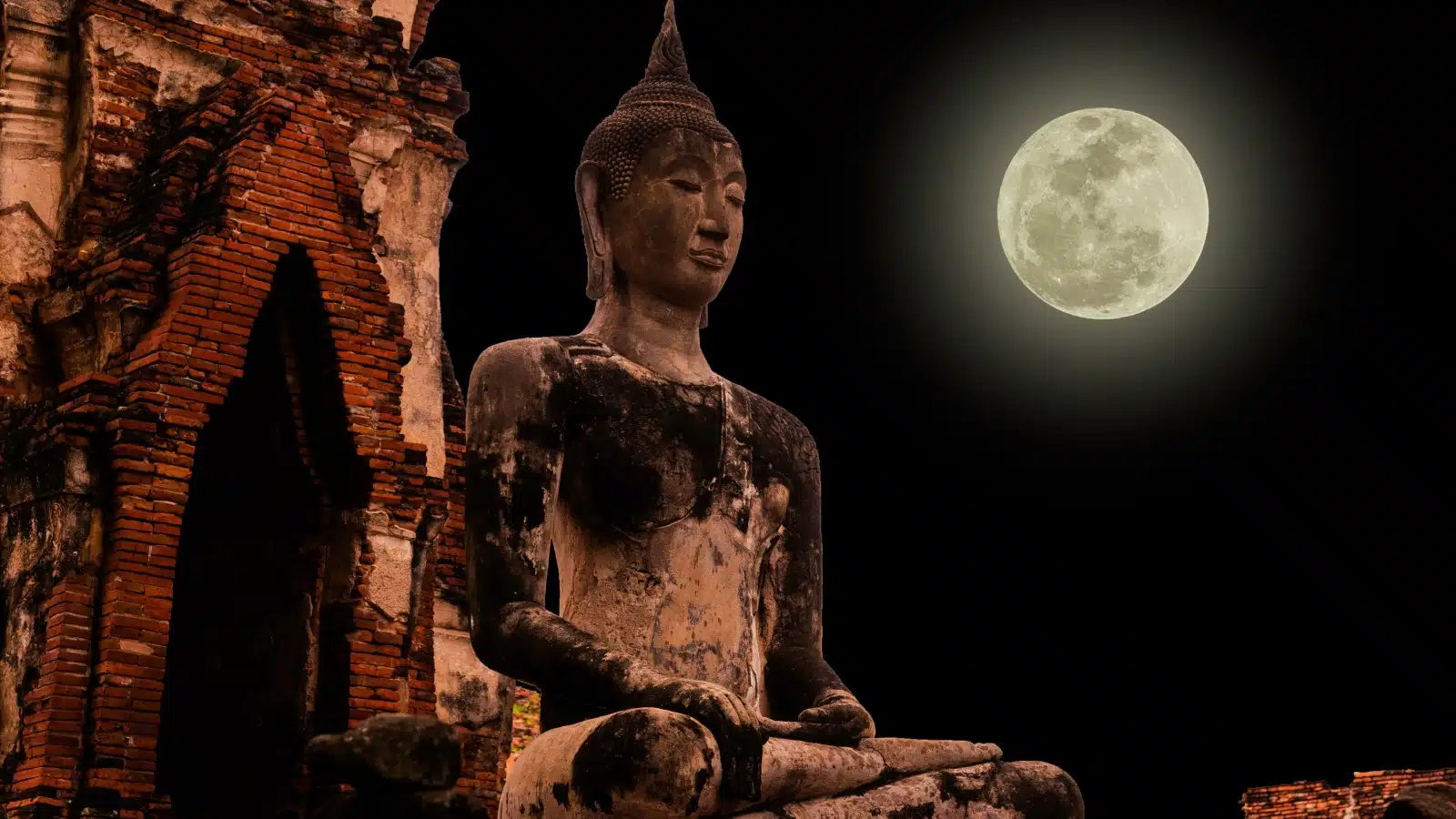
Humanity’s use of moon magic predates the written word. There’s evidence of moon worship in the earliest records of Ancient Egypt, Babylonia, and Asia.
Many Ancient societies honored deities associated with the moon. The Greeks worshipped Selene, the goddess personifying the moon. The Romans combined her with Artemis to create Diana, who had a cult embracing lunar practices.
Sina, a Polynesian deity, lived on the moon, while Toth (Egyptian) wore a crescent representing the moon on his head.
The ancient Celts worshipped Cerridwen, goddess of the underworld, who represented fertility, on the full moon, while the Aztecs revered Coyolxauhqui, whose head became the moon.
Moon Symbolism
Moon worship is born out of the moon’s symbolism. The moon’s phases match the seasons. It starts from nothingness, grows into its full glory, then recedes back into nothingness, much like the dead of winter morphs into spring, grows into summer, ages into fall, then dies again.
These natural cycles inspired myths and legends, which eventually transformed into religion. Nearly every religious practice has a deity or holy person that endures the same cycle – birth, life, death, rebirth.
The Moon and Femininity
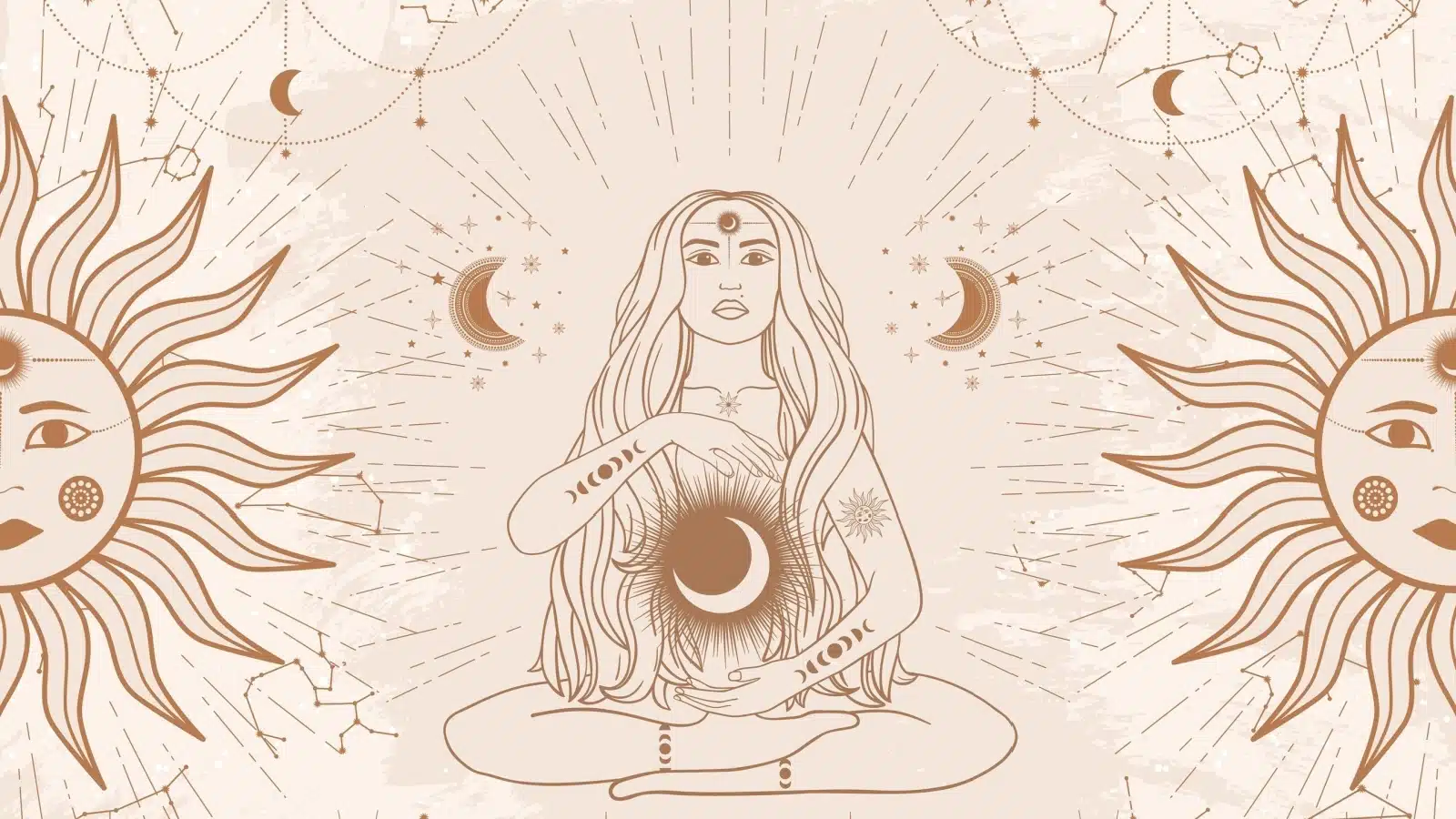
The majority of moon deities throughout history were female. Modern witches embrace moon magic because of the moon’s association with femininity.
There’s a compelling anthropological reason.
The Earliest Calendars
Humanity’s oldest calendars are typically moon calendars. Historians believe a 10,000-year-old ancient lunar calendar found in Scotland might be the earliest calendar ever found. Ancient Sumerian and Hindu calendars were also based on lunar events.
There’s evidence that lunar timekeeping is even older, with some archaeologists saying we’ve been keeping track of lunar cycles for 35,000 years.
Riddle me this – why would ancient people need a calendar that tracks a 29-day cycle?
The Moon and Fertility
The moon represents fertility (and thus femininity) because the 29-day cycle closely matches the 28-day average menstrual cycle.
Ancient peoples could use the moon to track their cycles and thus have a little more control over their own fertility.
Over time, the time similarities got a little garbled, and many people associated full moons with periods or peak fertility, but most of those connections are symbolic rather than scientific.
However, women could use the phase of the moon to estimate their cycles, which would have been a massive benefit, despite the limitations of the rhythm method.
Modern Lunar Magic Practices
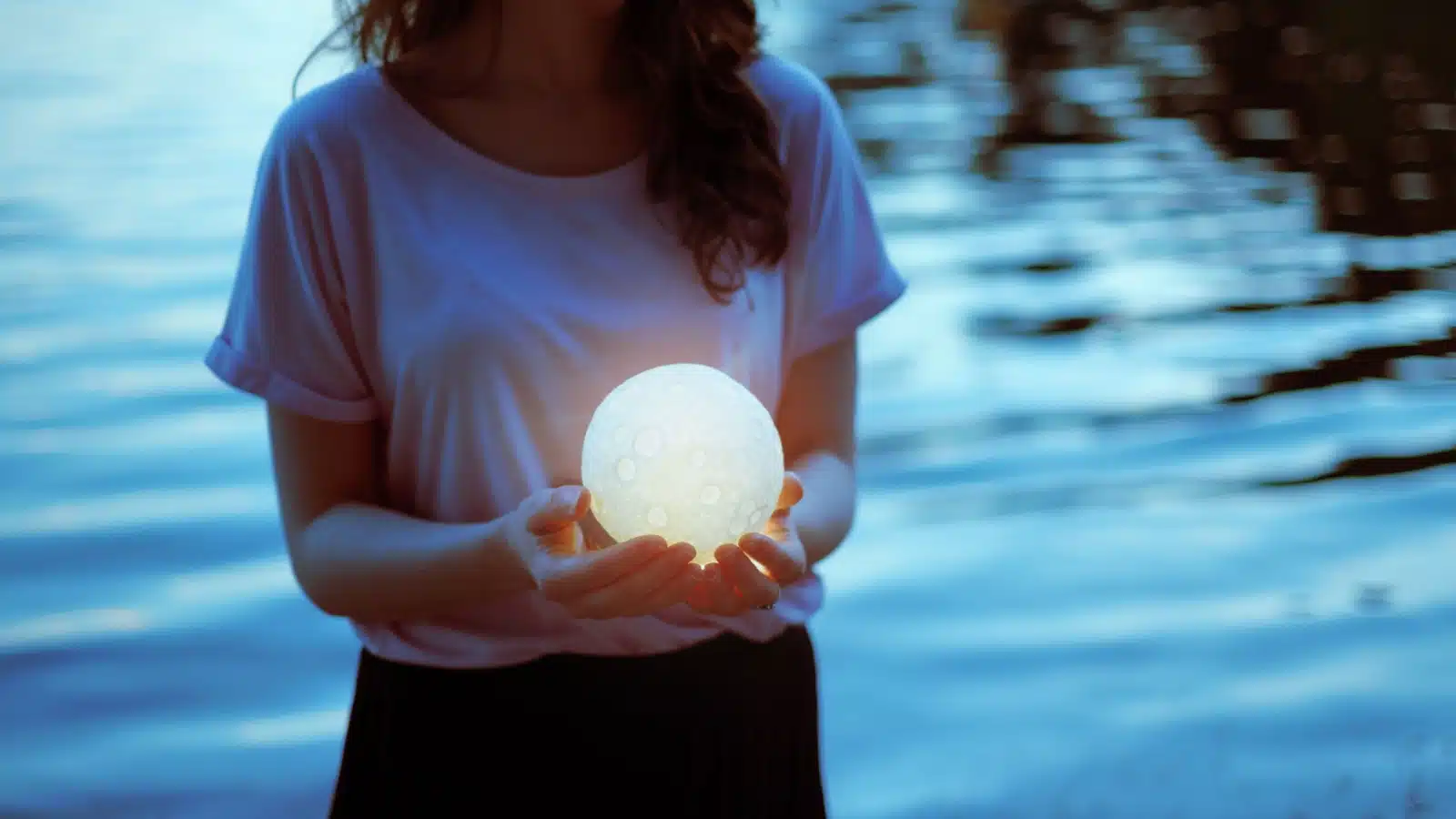
Modern practitioners still embrace the moon’s magic and symbolism when working their craft. They use the moon’s light as a guide when creating spells, conduct rituals under specific phases, or bask in the energy the moon offers during its celestial journey.
Moon magic isn’t a one-size-fits-all craft, allowing witches a lot of flexibility in using the spiritual energy.
Simple Lunar Magic Rituals
Start using moon magic in your practice with simple rituals using its energy and symbolism:
- Moon Bathing: The simple practice of sitting in the moonlight. Just be in the glory of the moon.
- Moon Meditation: Takes moon bathing to the next level. You’re not just basking, you’re focusing your breathing on the moon’s energy. For best results, focus your meditation based on the moon’s phase.
- Journaling in the Moonlight: The light of the moon inspires your intuition and creativity.
- Setting Lunar Intentions: Use the symbolism of moon phases to set your daily intentions.
- Collecting Lunar Energy: If you can’t do a spell under the light of the full moon, you can collect its energy in crystals for later.
How to use Moon Magic when Crafting Spells
The most crucial aspect of using moon magic is knowing when to perform each spell. Lunar magic is based on cycles, so you must use the right spell at the right time.
For example, you should conduct spells about growth during the waxing crescent and spells about prosperity during the full moon. Spells geared towards stress relief, calmness, or understanding should be performed near the end of the cycle when the moon is waning.
Consider the desired outcome of your spell and decide what lunar phase best matches that outcome. Perform your spell on nights when that phase is at its peak.
Celebrate the Moon!
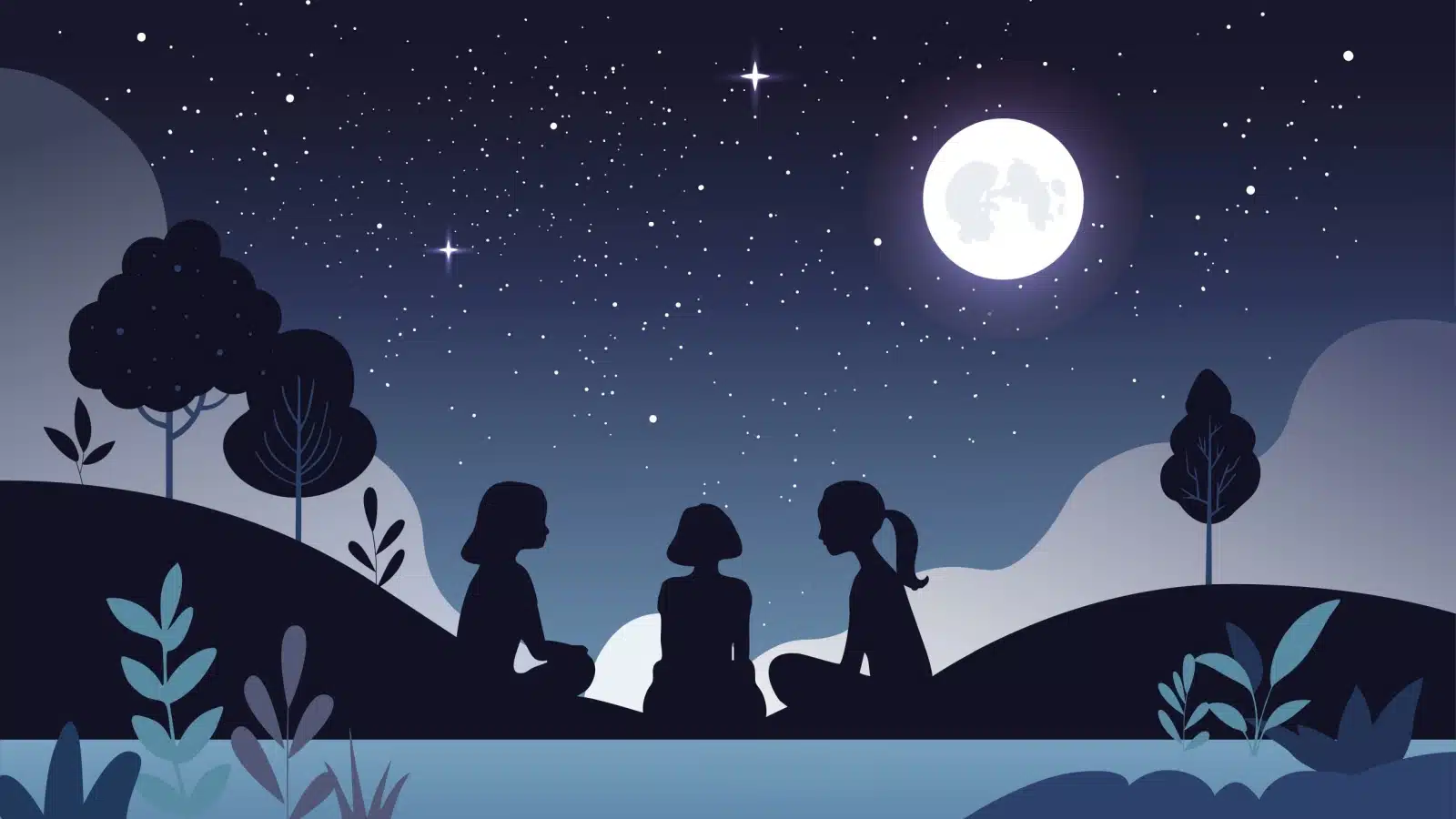
Moon magic used to be one of the most popular rituals of mankind. Though it lost its luster in the wake of scientific achievement, we shouldn’t ignore it completely.
There is evidence that magic really works, and if you love the moon, incorporate it into your rituals.
We should all celebrate the moon more, with magic or simply basking. It guided humanity for millennia, and will probably outlast us all.