
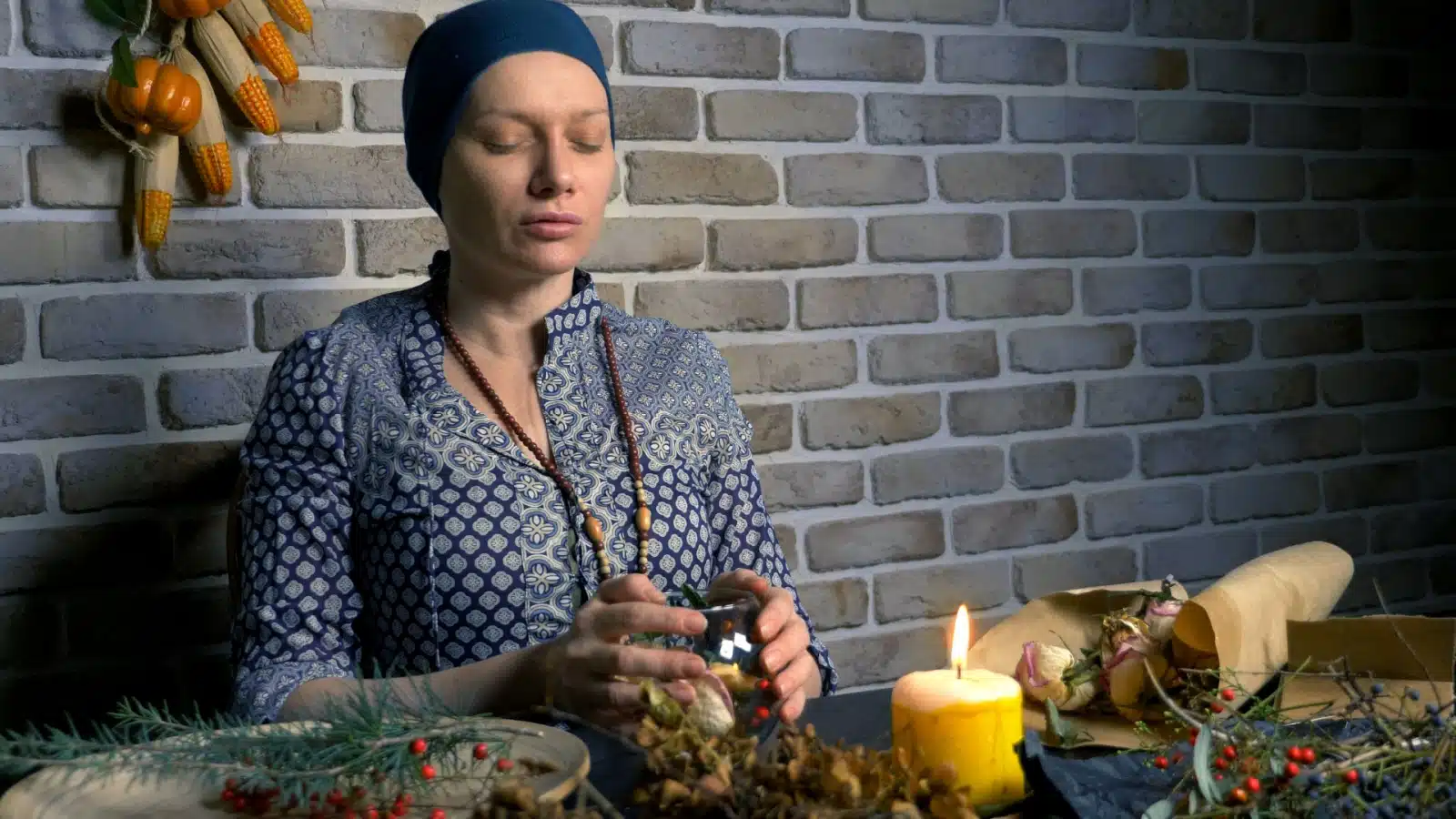
Praise the Greek Goddess of witchcraft, magic, and the night!
Witches celebrate the Night of Hecate to honor the deity overseeing their craft.
Who is Hecate?
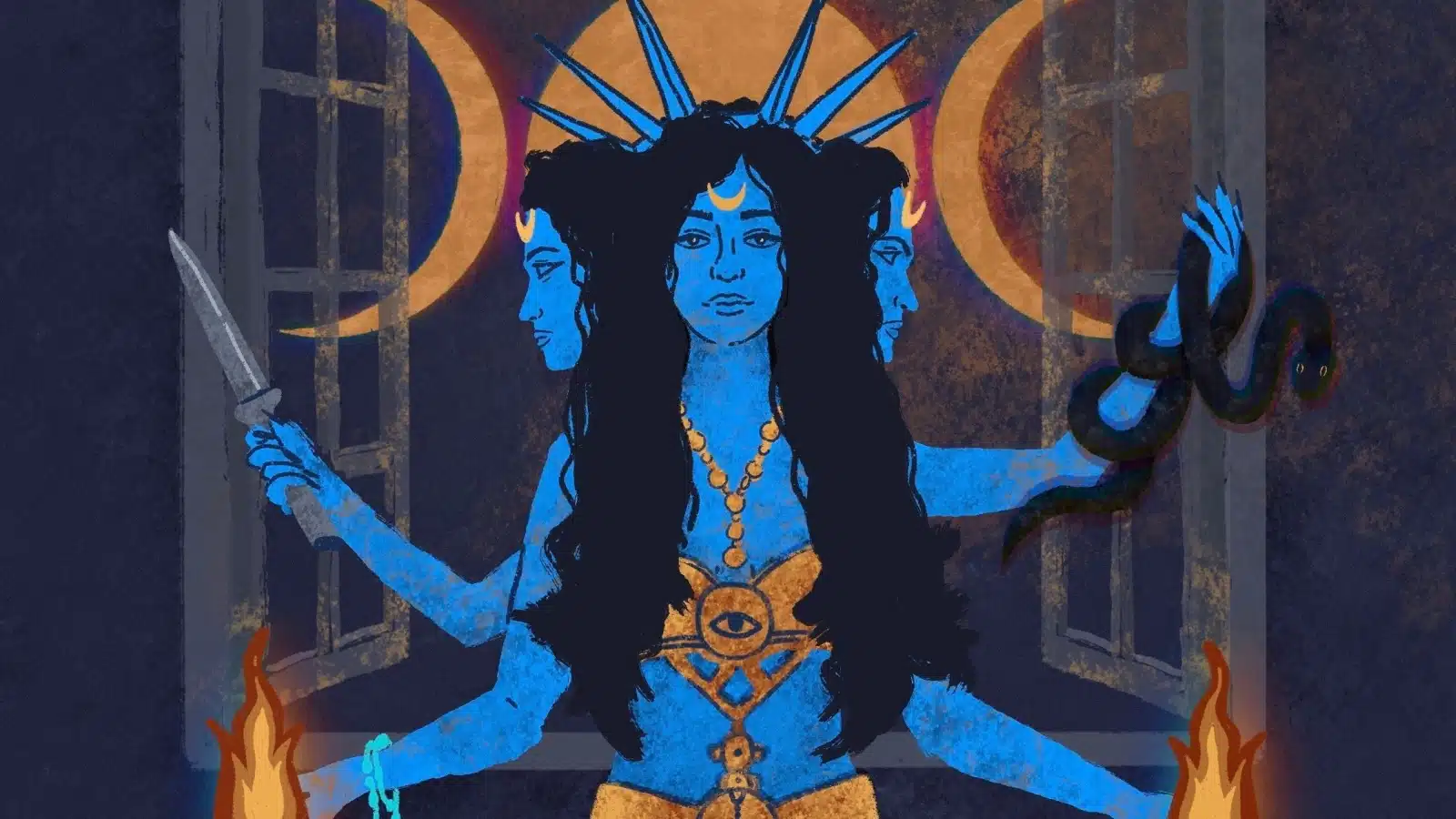
Hecate (or Hekate in Greek) is a member of the Greek Pantheon.
According to mythology, the Goddess protected practitioners of witchcraft and embraced magic, the nighttime, the moon, and herbal healing. She also guarded against evil curses and dark magic.
In Athens, Hecate was worshipped as a guardian of the home, along with more commonly remembered Goddesses such as Hestia and Apollo.
Dogs were a prominent symbol of Hecate in ancient Greece. She’s often portrayed with dogs; hearing a howling dog would prove that Hecate listened to your prayer. Some cults even sacrificed dogs in the name of their goddess.
What is the Night of Hecate

The Night of Hecate offers practitioners an opportunity to celebrate their patron goddess. They spend the evening feasting, presenting offerings, and conducting rituals highlighting their devotion.
The celebration takes place in the fall, as modern witches believe the veil separating our world from spiritual realms is the thinnest.
The thinner veil strengthens magic and makes it easier to commune with beings from beyond, offering the perfect opportunity to honor an otherworldly being.
When is the Night of Hecate?
November 16th
In modern practices, worshippers honor Hecate on the same day each year. November 16th marks Hecate’s Night.
A Mid-August Celebration of Hecate
Some circles celebrate Hecate in mid-August with a festival. This festival has clear origins in Ancient Rome.
The Romans celebrated the Nemoralia, a three-day festival honoring Diana, the Goddess of hunters, crossroads, and the moon.
Although Diana is typically associated with the Greek counterpart Artemis, a discerning eye can see some Hecate in her, as the crossroads were typically Hecate’s realm.
Origins of Hecate’s Night
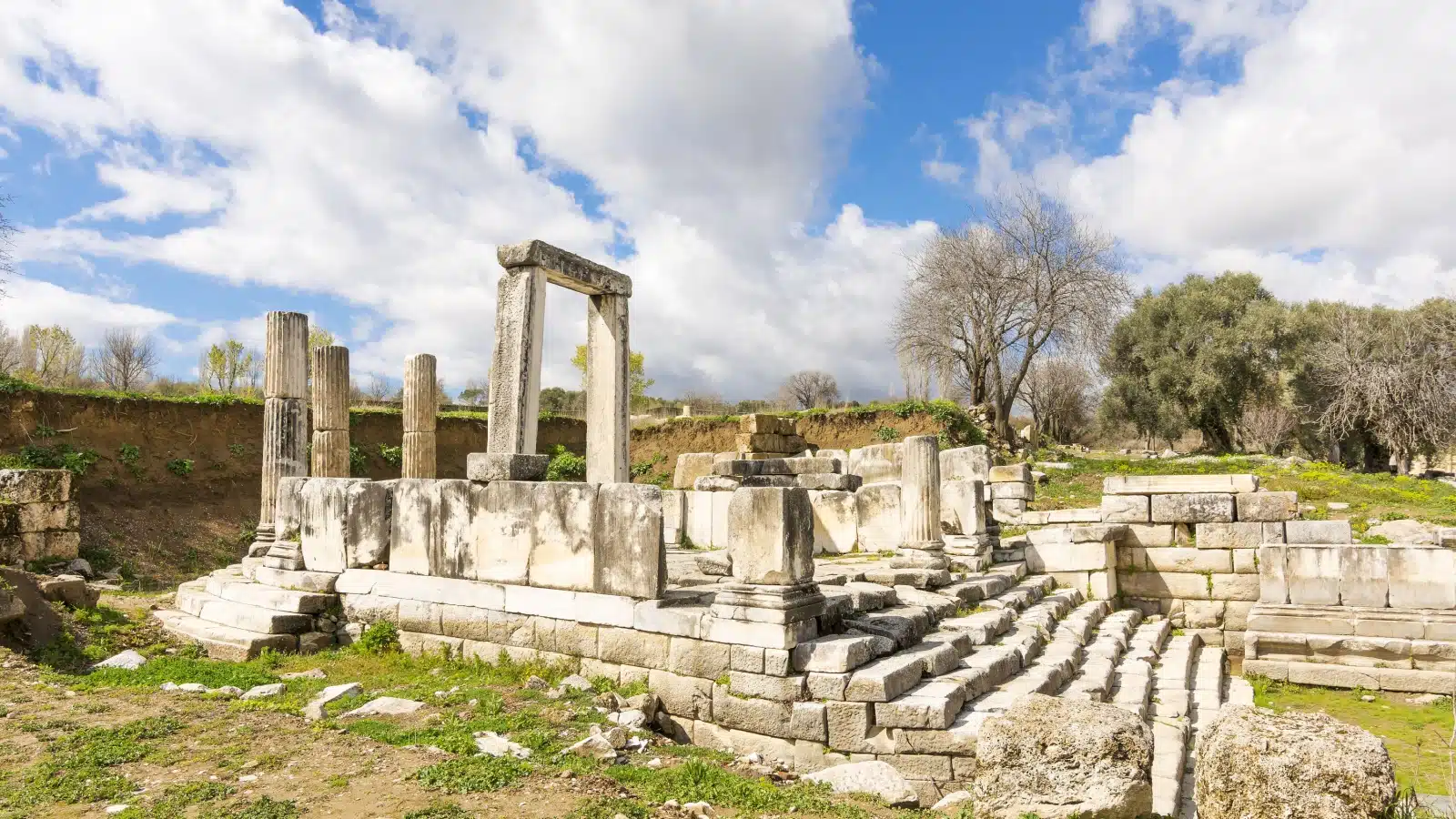
The origins of Hecate’s Night remain unknown. A lot of blogs and other online resources describe an Ancient Greek festival, but no scholarly review of Ancient Greek holidays reveals a celebration on November 16.
The Greeks celebrated Hecate monthly in a festival called the Deipnon. Each month when the moon was darkest, the Greeks would make a special offering to Hecate to appease the vengeful spirits of loved ones and purify their homes.
During the final day of a new moon, they’d set a meal out at a crossroads for the goddess, make a sacrifice, and purify their homes.
The Roman Catholic celebration, the Feast of St. Hilda, may be marginally related to Hecate’s night. Though no scholarly evidence shows a connection, some pagans believe St. Hilda may have been derived from early goddesses, including Hecate.
Who Celebrates the Night of Hecate?

Pagans and witches are most likely to celebrate Hecate’s Night. However, there are multiple variations of each religious practice.
Modern Pagans may consider themselves witches or Wiccan or may worship ancient gods from across cultures (Greek, Norse, Native American, etc.). Those who worship the Greek or Roman Pantheon are most likely to celebrate Hecate’s Night.
Witches are just as wide-ranging as Pagans. Some follow Wiccan traditions, which don’t include Hecate’s Night on their calendar (known as the Wheel of the Year), while others follow their own practice. Some Witches may even be Christian or Jewish and observe the holidays of the more common faith.
Witches come from all walks of life; although some may celebrate this night, others may not. It is typically a personal choice.
Best Ways to Celebrate the Night of Hecate
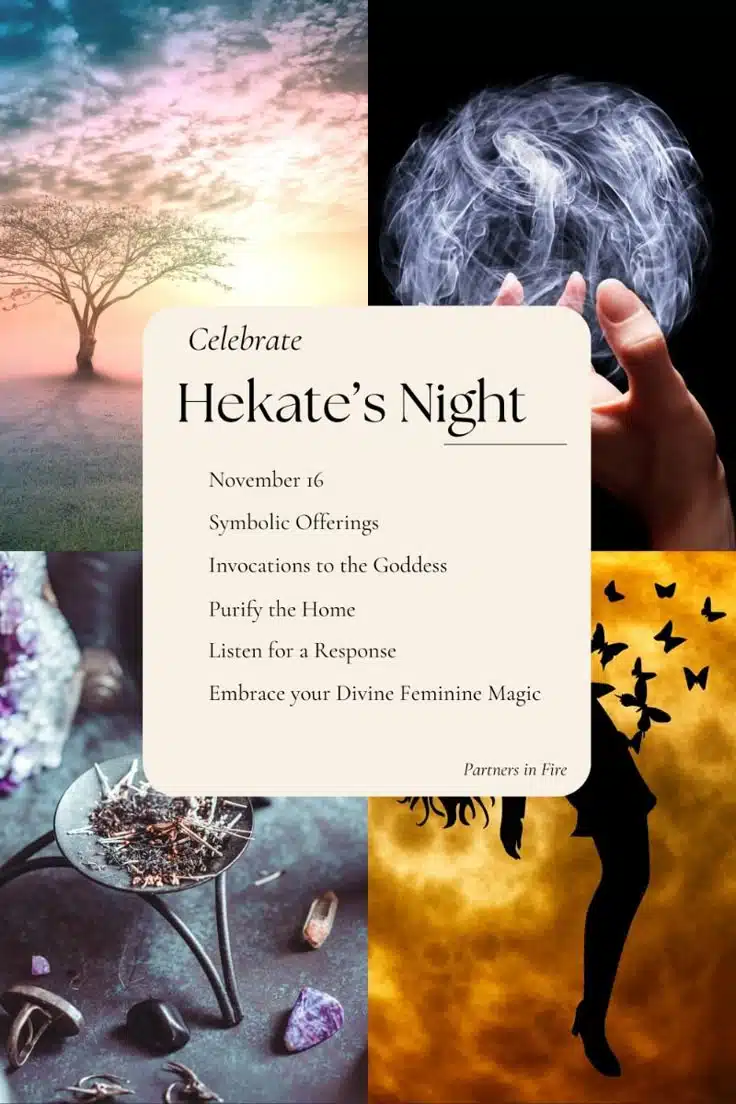
If you want to honor Hecate on her special night, consider following the traditional practices by making an offering or purifying your home.
Make an Offering
An offering is something you give to a deity to highlight your devotion.
For most, the offering is symbolic, much like an Easter or Thanksgiving dinner. Special items like eggs, pastries, onions, and fish are prepared and offered to the Goddess. Some prefer to provide these meals to people experiencing homelessness to pay the Goddess’s goodwill forward, while a few still follow the old ways, leaving the offering at a crossroads.
The offering should include an invocation to Hecate, similar to a Christian prayer. The devotion should thank Hecate for her wisdom and guidance throughout the year and ask for continued good fortune for the year to come.
Keep an ear out for howling, as practitioners who hear dogs while making an offering can be assured the goddess heard their prayer.
Purify Your Home
Practitioners also use the night to purify their homes.
During the Deipnon in ancient times, the Greeks would carry clay incense through their homes to ritually cleanse the space, leaving it at the crossroads with the food offerings upon completion.
Modern witches may opt for a sage cleanse to purify their space.
Magic on Hecate’s Night
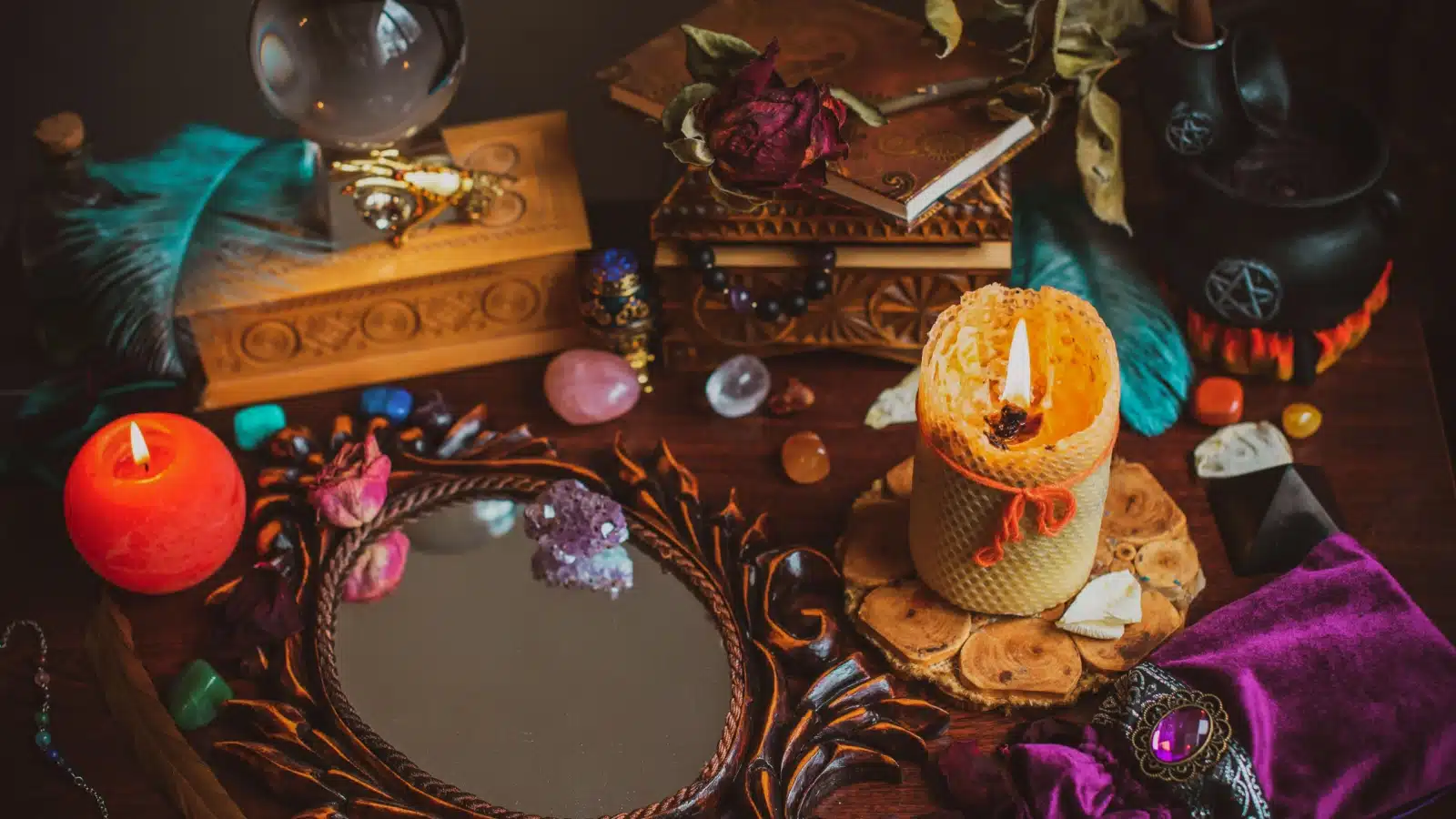
November 16th is an excellent night for magic spells and offerings to the goddess. It’s perfect for dabbling in witchcraft for non-believers and giving thanks to the patron deity for practitioners.
If you’ve ever been curious about witchcraft or magic, consider offering to Hecate on November 16th. You may be surprised to find a deeper spiritual connection throughout the rest of the year.
Is Magic Bad?
Witchcraft carries a negative stigma, but despite the sordid history and cultural dismissal, there’s nothing evil about it. It’s a spiritual practice that differs from prevalent modern religions but offers believers similar comfort and guidance.
Much of the negative attention directed at witches throughout history was due to a misunderstanding of the craft and a power struggle where the dominant religion sought to crush any competition, especially from women.
Unfortunately, the stigma remains, and witchcraft still has a negative connotation. Witches in song, stories, and folklore are portrayed as evil, child-eating seductresses.
However, times are slowly changing, with more and more people dabbling in witchcraft and accepting it as a valid spiritual practice. Even media portrayal is changing, with modern stories showcasing good witches fighting the forces of evil.
Celebrate Hecate!
You don’t need to be a witch or a Pagan to celebrate Hecate on her special night. Consider giving to the homeless, making her special meals, or saying a simple prayer.
Open your mind and heart to spiritual ideas you haven’t considered. You may be surprised by where it leads.