

Nothing in life is free.
If you think it’s free, you’re being duped.
Nothing in Life is Free
A lot of things seem free. You can visit millions of websites online without paying anything other than your internet bill. You could go to a library or cafe with free Wi-Fi to access the same sites for free.
But is any of that genuinely free?
Here’s how the things that seem free, from online tools to video games, government services to free samples, really aren’t.
The Internet

The internet abounds with seemingly free resources. Social media platforms offer users a place to share their thoughts with the world without paying a thing.
Websites like this provide free information and well-researched advice on everything from happiness to money and travel to productivity. News sites provide up-to-the-minute breaking news, and streaming sites let you watch games and movies.
It seems like a glorious place filled with free activities, information, and resources.
But that’s not the case.
You Are the Product
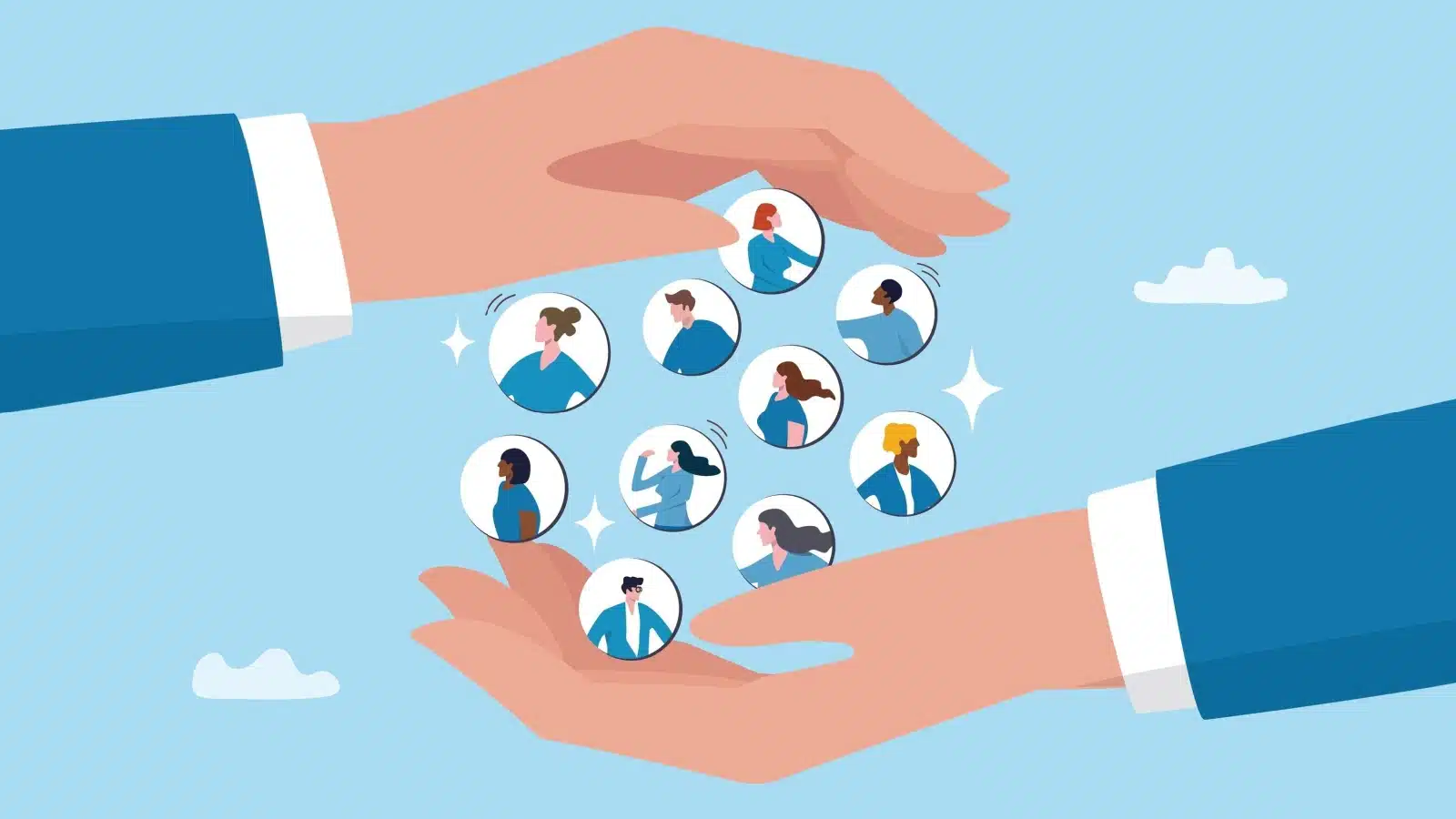
The one thing all these “free” websites have in common is that you are the product. They give you stuff for “free,” but they get so much in return.
Advertising and Sales
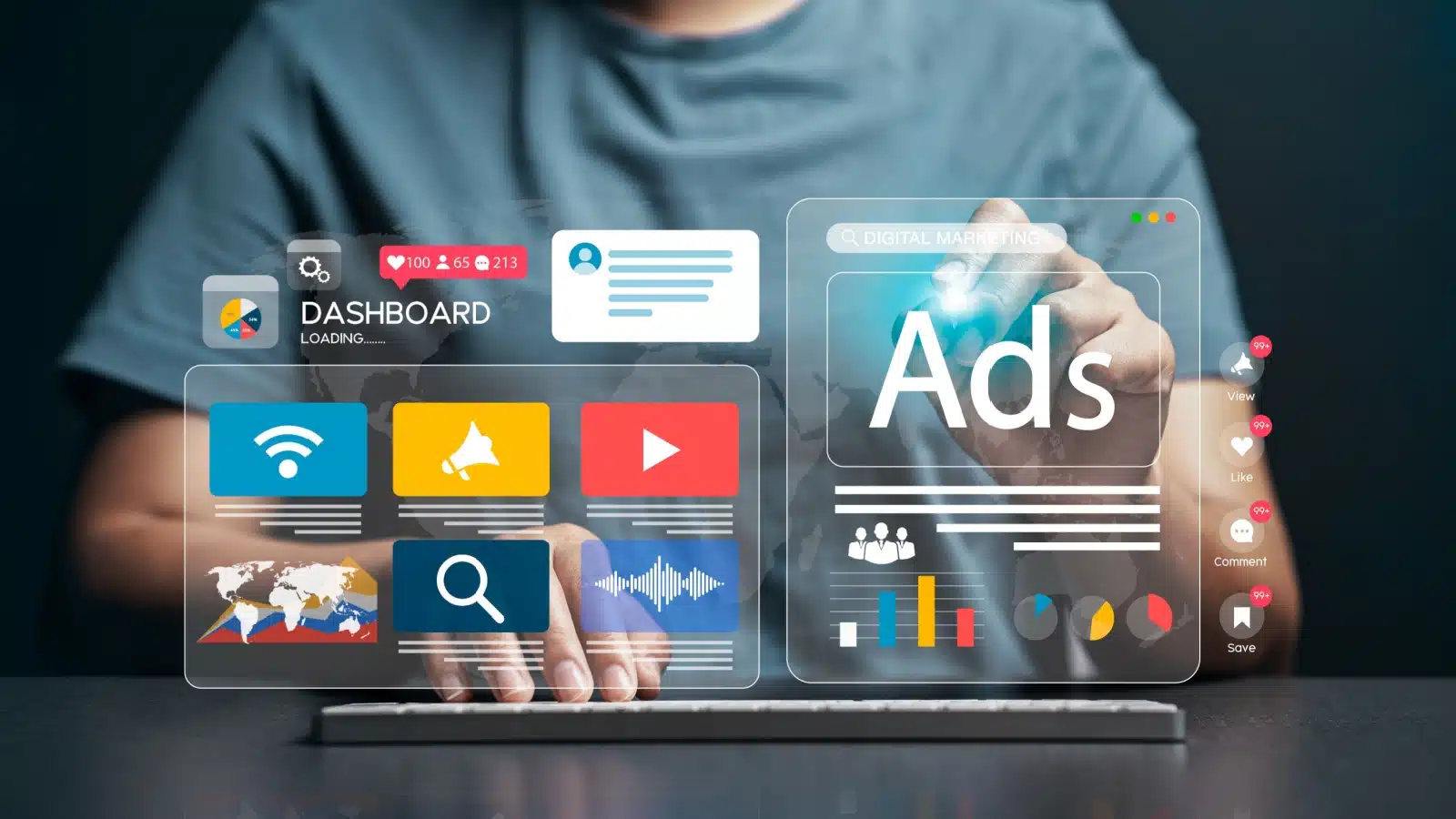
Many websites showcase display ads and affiliate links. They provide the information and resources for free, but there’s a trade-off. The bargain is free information for advertising dollars. You get what you want but also see ads that pay the website provider. Advertisers hope you’ll remember their company when you need something.
The bargain is even more apparent with affiliate links. Website owners offer free information or product reviews in the hopes that you will use their link when buying something, earning them a commission.
There’s nothing inherently wrong with the bargain. The user gets the information they want, and the website gets the money it needs to keep providing the information.
Running a website isn’t free, either.
Data Harvesting

It becomes more insidious when users don’t fully understand the bargain. Many big websites, especially social media sites, harvest users’ data and sell it to marketers.
They know everything about you: your age, political affiliation, family status, education level, where you live – and they use that data to target advertising from their partners, getting you to buy more stuff you don’t need.
They’ll do everything they can to keep you on their platforms for as long as possible – not because they care about you – but because you are the product they sell to advertisers. The more users they have, the more ad revenue they can collect. The more data they harvest, the more money they can make selling it.
Free Samples/Events

Even in the offline world, nothing is free.
Companies sponsor free events and offer free samples, but never out of the goodness of their hearts.
You’re still the product offline.
The free events, samples, and resources are a marketing ploy.
When you attend these free events and partake of free samples, you’re getting to know the companies. They’re trying to build a relationship with you so you will become a customer. It’s all part of a sales funnel.
It’s not necessarily a bad thing. Which company would you rather buy a soft drink from, the one who hosted a free concert in your town or the one who didn’t?
Government Services

Maybe corporations don’t give anything away for free, but what about government benefits?
The government offers the most impoverished citizens free food, shelter, medical care, childcare, and more.
It also offers services for everyone, like libraries, education, roads, police, and fire.
None of the government services are truly free, though.
Tax Dollars
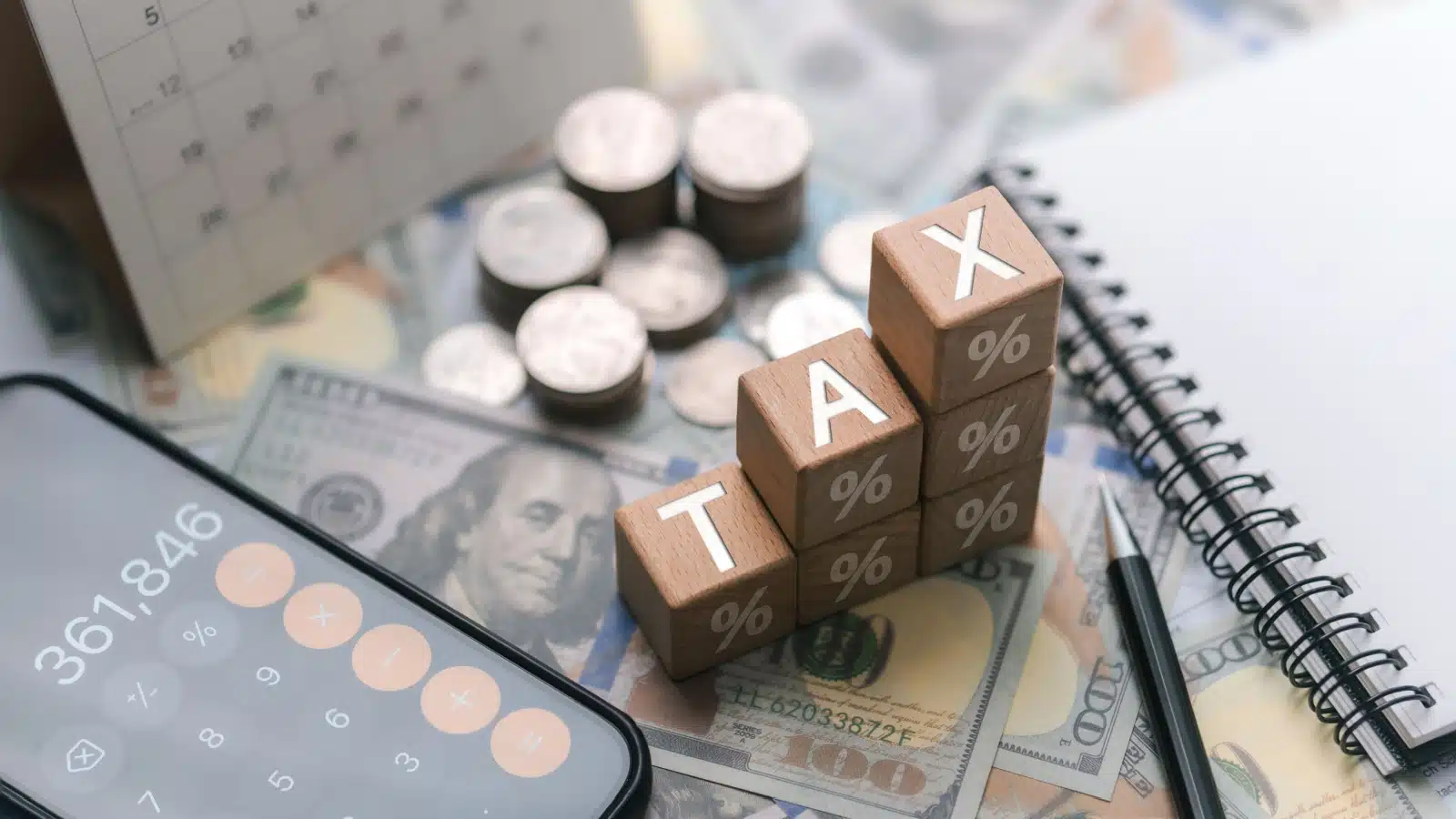
Everything the government provides costs money. It must pay workers’ salaries to staff libraries and police stations and pay service providers to offer childcare or medical assistance.
Any government service is funded through tax dollars (the government also has additional funding sources, like import fees and service fees, but that’s not important here).
You pay property, income, and sales tax to help fund these resources for everyone.
Is Anything Free?

We say nothing is free, but that’s not entirely true.
Oxygen is still free. We don’t need to pay a fee to breathe. We can enjoy walks outside for free, but we must remember that tax dollars likely made the sidewalks and walking paths.
Existing is free, but survival isn’t.
Everything Costs Something

Nearly everything we enjoy in life costs money somewhere down the line.
And that’s okay.
Someone sacrificed their time and energy to provide the service or product you enjoy, and they should be compensated.
Everyone hates paying taxes, but tax dollars make society work.
People hate paying for products and services, but someone had to labor to create that product.
Web users hate display ads and affiliate links on websites, but the website owner puts time, money, and energy into creating the content for you.
The folks who provide the goods, services, content, and infrastructure that make society work deserve to get paid for their efforts.
Why is it a Problem Then?
If we should expect to pay for everything we get, why write an article about it? What’s the problem?
That’s a complicated question without an easy answer.
I see four significant layers which lead to questions about why nothing is free:
- Manipulation
- Outrageous Expectations
- For Profit
- Helping the Less Fortunate
Here’s why these four things work together to make people upset that nothing in this life is free.
Manipulation

Companies pretend to offer free services. They manipulate the public into thinking they’re getting something when, in fact, they are the product.
That’s wrong.
Companies need to be honest about their actions. They need to be upfront that you’re the product and getting access to their platform specifically so they can sell your data and market their advertisers’ products to you.
It’s okay if you are the product if you know that going in.
Outrageous Expectations

Part of the blame lies on the general public, who always expects something for nothing.
The world doesn’t work that way. Someone pays for anything you get for free. Our world runs on trading time and labor for cash, so whenever you get something free, someone down the line pays for it.
It’s unfair to expect other people to work for our personal benefit. We as a society need to understand that nothing is free and expect to pay for the goods and services we all use.
For Profit

Our society runs on profit, but not everything should be “for profit.”
People get upset that they must pay high prices to giant corporations for basic necessities, claiming they should all be “free.”
But they don’t mean free; they mean provided by the government, paid with tax dollars. The idea is that we would all pay less if we only paid for what we need rather than paying extra overhead for folks to profit.
Of course, this only applies to things essential for survival and community, which the government typically provides. Companies only exist to profit, and we shouldn’t strip them of the ability to make money.
However, we as a society should decide what essential goods and services the government should provide at cost, and which are open to competition by private entities.
We should force the government to work for us so our tax dollars are used efficiently. Nobody needs to profit from essential services like prisons, police, garbage collection, and libraries. The entire point of paying taxes is collectively paying for these things at the lowest cost possible.
Helping the Less Fortunate

We live in a society, and part of that arrangement is helping those who need it. We need to accept that we will pay for goods and services for those who can’t afford them on their own.
We need to change our perspective on giving things to people “for free.”
Yes, welfare, disability, social security, Medicaid, and other government programs provide services to people “for free,” and no, it’s not really “free” because everyone else pays for it.
But why is that a bad thing? Why is it wrong to help people who can’t help themselves?
That’s what community is.
Our ability to help each other built civilization. We conquered the planet because we care for and support each other when needed.
I’d much rather my tax dollars go to house the poor, care for the sick, and educate the children than go into the pockets of massive corporations in the form of contracts and subsidies.
Nothing in Life is Free – and that’s Okay

Nothing in life is free, but that’s not a problem. We should accept that everything has a cost and step up to pay our fair share.