

We see the word “introvert” used in all sorts of ways on the Internet. It’s used as a synonym for shy, socially anxious, awkward people, or those who aren’t comfortable around others. In reality, it’s none of those things.
So, what is an introvert?
Discover the true definition, common characteristics, how to thrive as an introvert, and the most common myths surrounding introversion.
What is an Introvert

An introvert is a person who recharges by being alone. They draw strength and energy from solitude and need time alone to process information, destress, and relax.
That’s it.
Introvert Characteristics
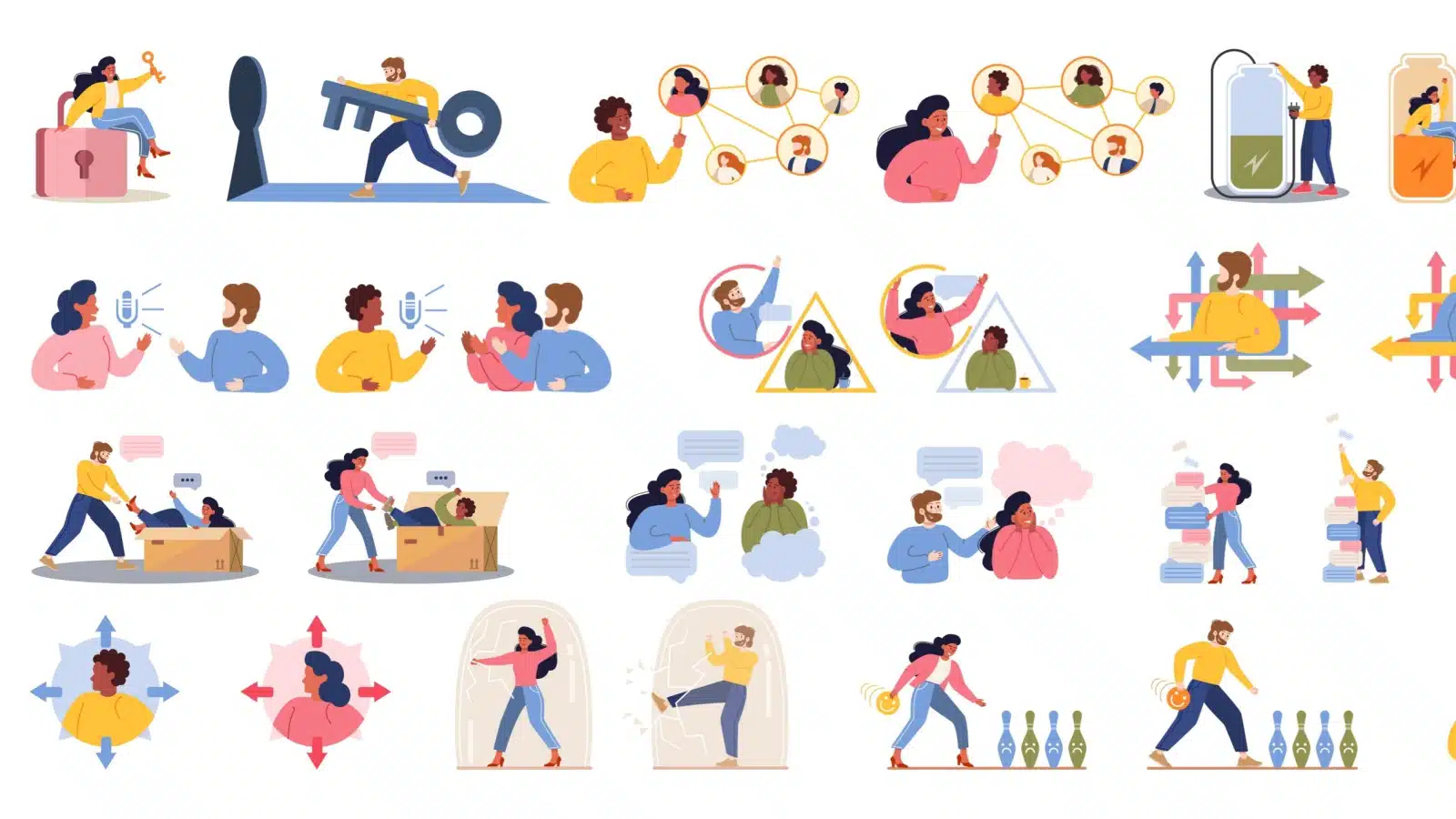
Though how they recharge is the defining characteristic of introversion, many introverts share other traits.
Although every individual is different, here are some traits that are typically common to introverts:
- Enjoy Solitude
- Prefer Small Groups
- Value Deep Relationships
- Reserved
- Think Internally
Enjoy Solitude

Tirachard Kumtanom via Shutterstock.com.
Most introverts thrive in solitude. Being alone helps them relax, recharge their social batteries, and prepare for the next challenge.
They’re comfortable by themselves and don’t mind spending hours with just their own company.
Prefer Smaller Groups

When introverts socialize, they tend to prefer smaller, more intimate groups. They would rather fully engage with a few people on a deep level than engage with a large amount of people on a surface level.
Values Deep Relationships

The small group preference is a function of the introvert’s desire for meaningful relationships. While extroverts tend to have lots of friends and acquaintances, introverts prefer to have a smaller group of friends but form deep bonds within their circles.
Reserved
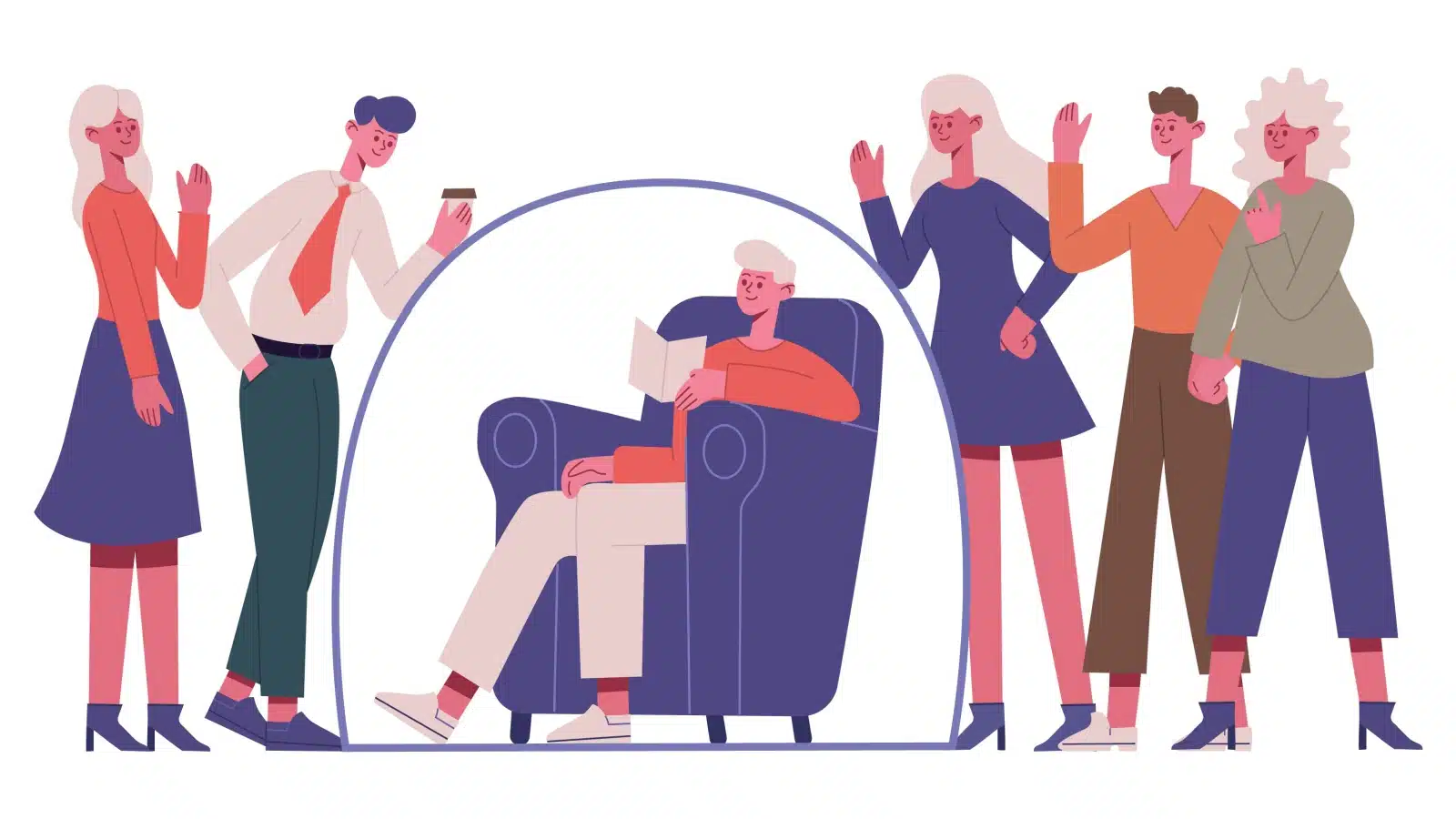
Introverts don’t feel the need to be the center of attention. They can party with the best of them but also know when to hold back.
Introverts don’t usually divulge a lot of information about themselves to people who haven’t earned their trust. You won’t find them sharing their life story with complete strangers.
Think Internally
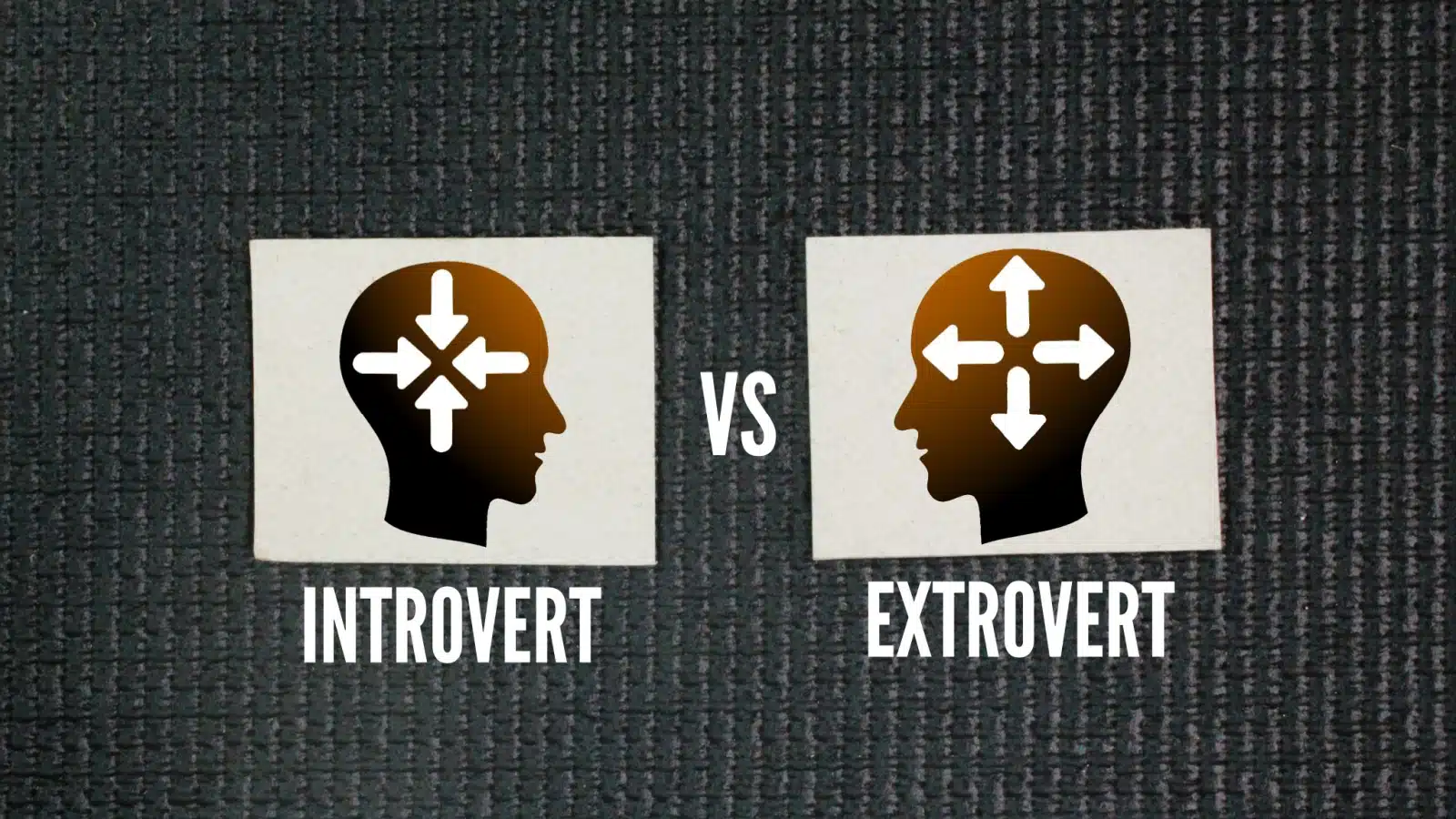
Do you think inside your head or need to externalize your thoughts by talking or writing them out?
Many introverts think and process information internally, while extroverts tend to put it outside of themselves to work through it.
Introverts in Social Situations

You can’t always point out the introverts in social situations, as they don’t always behave like you’d expect. Introverts can take the stage for karaoke, charm a room, and engage in small talk with coworkers.
Many people mistake introverts for extroverts in social situations because introverts can hang with the best of them.
The extroverted introverts cause the most confusion.
Extroverted Introverts

Extroverted introverts love social interactions. You can’t tell them apart from extroverts at a party because they’re engaging with everyone and often the life of the party.
While these introverts enjoy social activities, parties, and get-togethers, maintaining their outgoing façade takes a lot of energy. They may love meeting new people, sharing ideas in groups, and leading discussions, but afterward, they need a quiet space to recharge. The gathering doesn’t energize them the way it energizes true extroverts.
Conversely, some shy extroverts hate being social but need those interactions to feel whole.
Debunking Myths About Introverts

via shutterstock.com.
Myths about introverts abound online. Lots of self-professed introverts share these myths, conflating two personality traits into one.
You’ll see people talking about how they’re introverts and cannot pick up the phone or talk to people.
These traits don’t define introversion. They’re myths that won’t die because people keep spreading them. Common myths about introverts include:
- Social Anxiety
- Shyness
- Hate People and Groups
- No Friends
Social Anxiety

PeopleImages.com – Yuri A via Shutterstock.com.
The socially awkward guy who can’t gather the courage to speak to a woman is always defined as an introvert. We chalk the awkwardness up to introversion, wipe our hands, and say well, it’s an inherent trait. There’s nothing you can do.
Social anxiety is not an “introvert thing”. Many introverts love social interactions, while many extroverts are socially anxious.
Social anxiety is a mental health condition that can be conquered by speaking with a professional, whether you’re an introvert or an extrovert.
Shyness
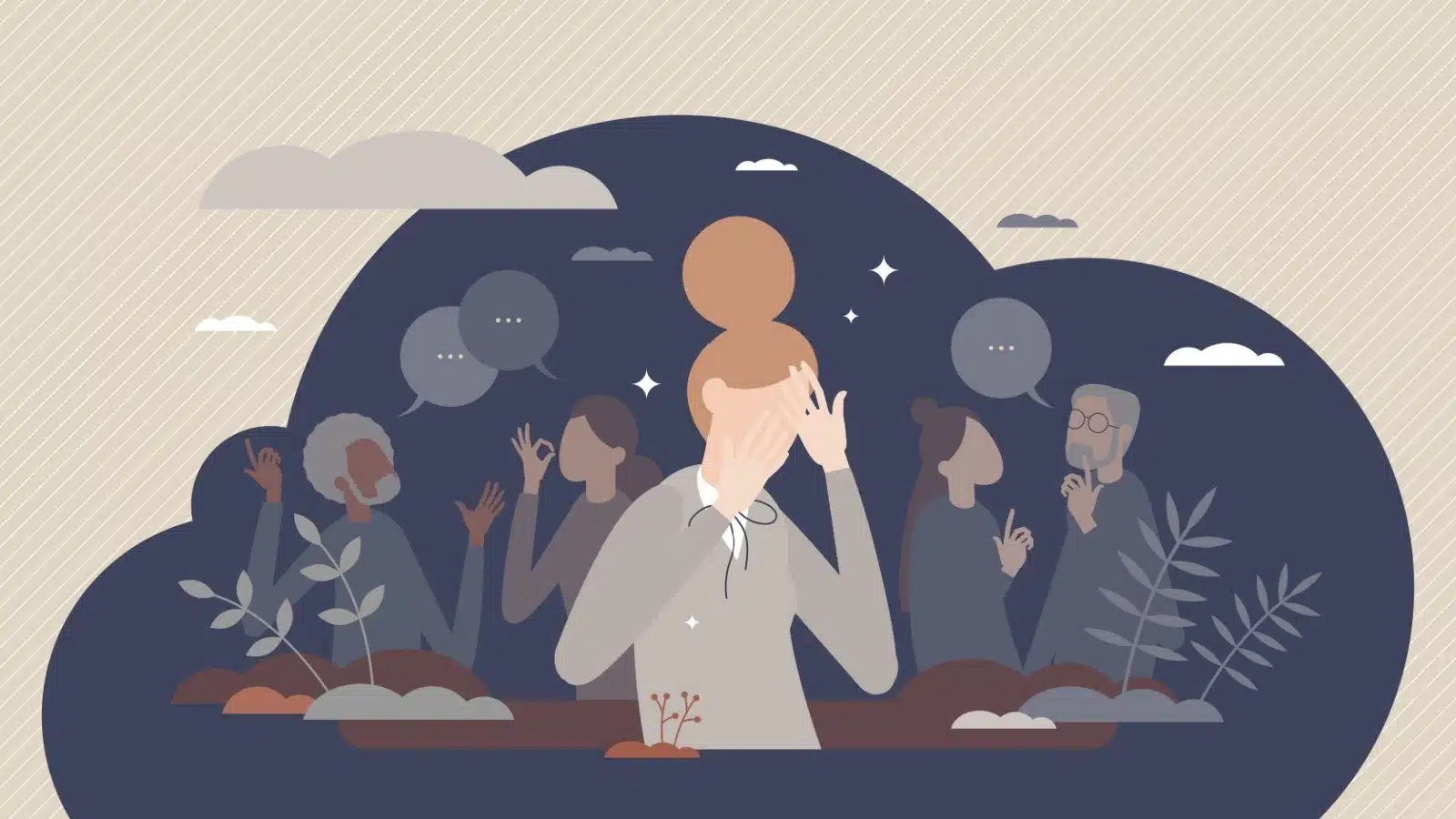
While some introverts are shy, it’s not a defining characteristic. Extroverts can be shy, while introverts can be sociable.
Shyness is typically a lack of confidence rather than introversion vs extroversion.
Introverts seem shy and reserved because they don’t need social engagement as much as extroverts. Some simply don’t want to engage, but that doesn’t make them timid.
Hate People

Some people claim to be introverted because they hate other people, social settings, and everything related to the public.
Both introverts and extroverts can hate people. Extroverts need people more to feel refreshed, so they have to hide their disdain. Introverts don’t need it, so it’s easier for them to admit when they can’t stand people.
How To Thrive as an Introvert

Modern society allows introverts to thrive. People are far more understanding that others have social batteries and need time to recharge than ever before.
Introverts who completely disdain social interactions can work remotely and have everything they need delivered directly to their homes, so they never have to interact with people they don’t want to.
Unfortunately, this model can lead to social isolation and loneliness, even for the most reserved introverts.
Here’s how to find balance and thrive as an introvert.
Know Yourself
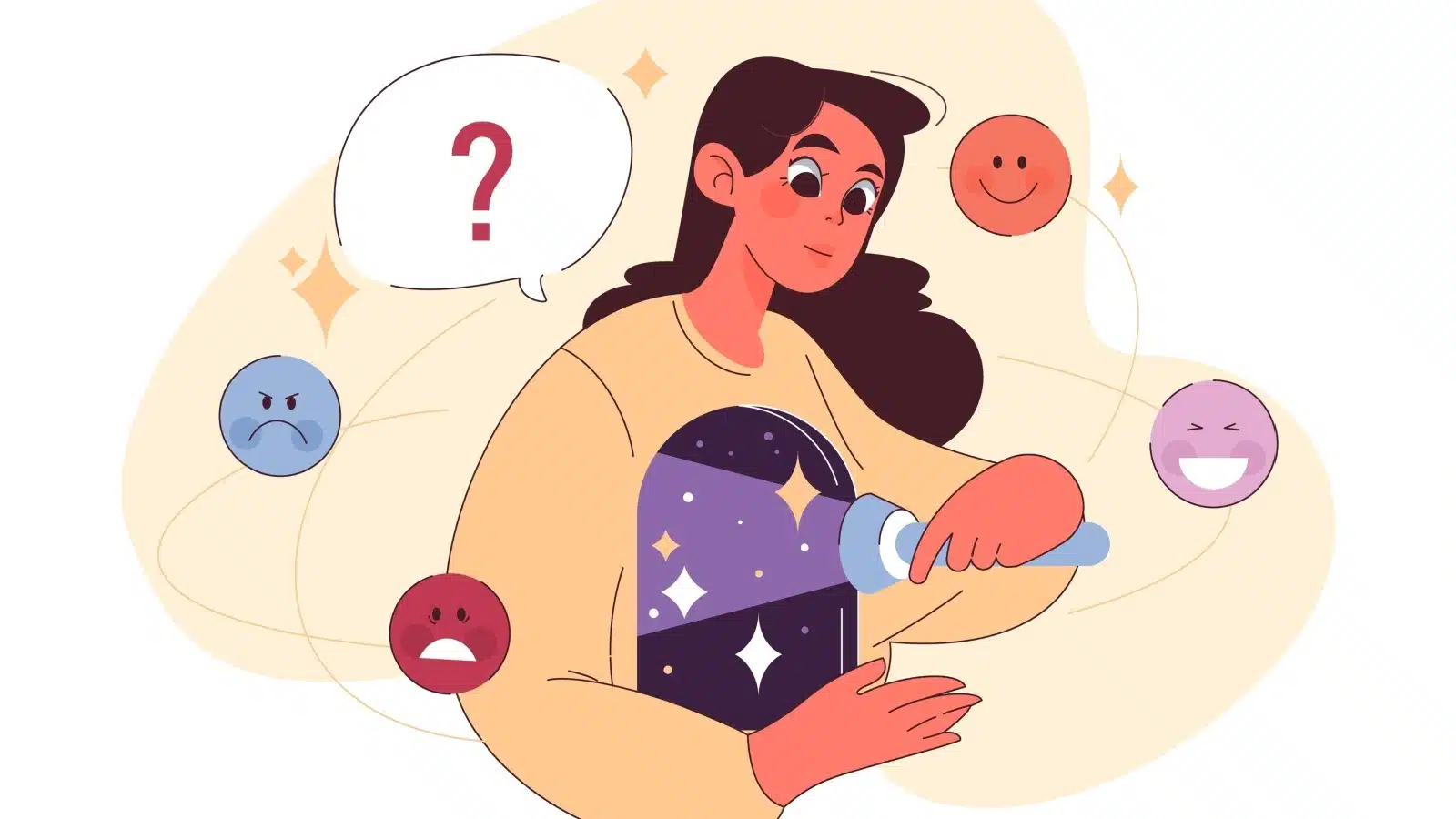
The first step to thriving for anyone is to know yourself. Know your strengths and weaknesses, your limits, and your desires.
Some introverts don’t realize they’re introverted because they love social interactions but are confused when they always feel so drained. Others think they hate people, so they avoid everyone and then wonder why they feel sad and lonely.
You must deep-dive into your subconscious to determine if you’re really an introvert, just shy, hate people, or hate feeling drained after social events.
Understanding yourself is crucial to thriving.
Be Honest About Limitations
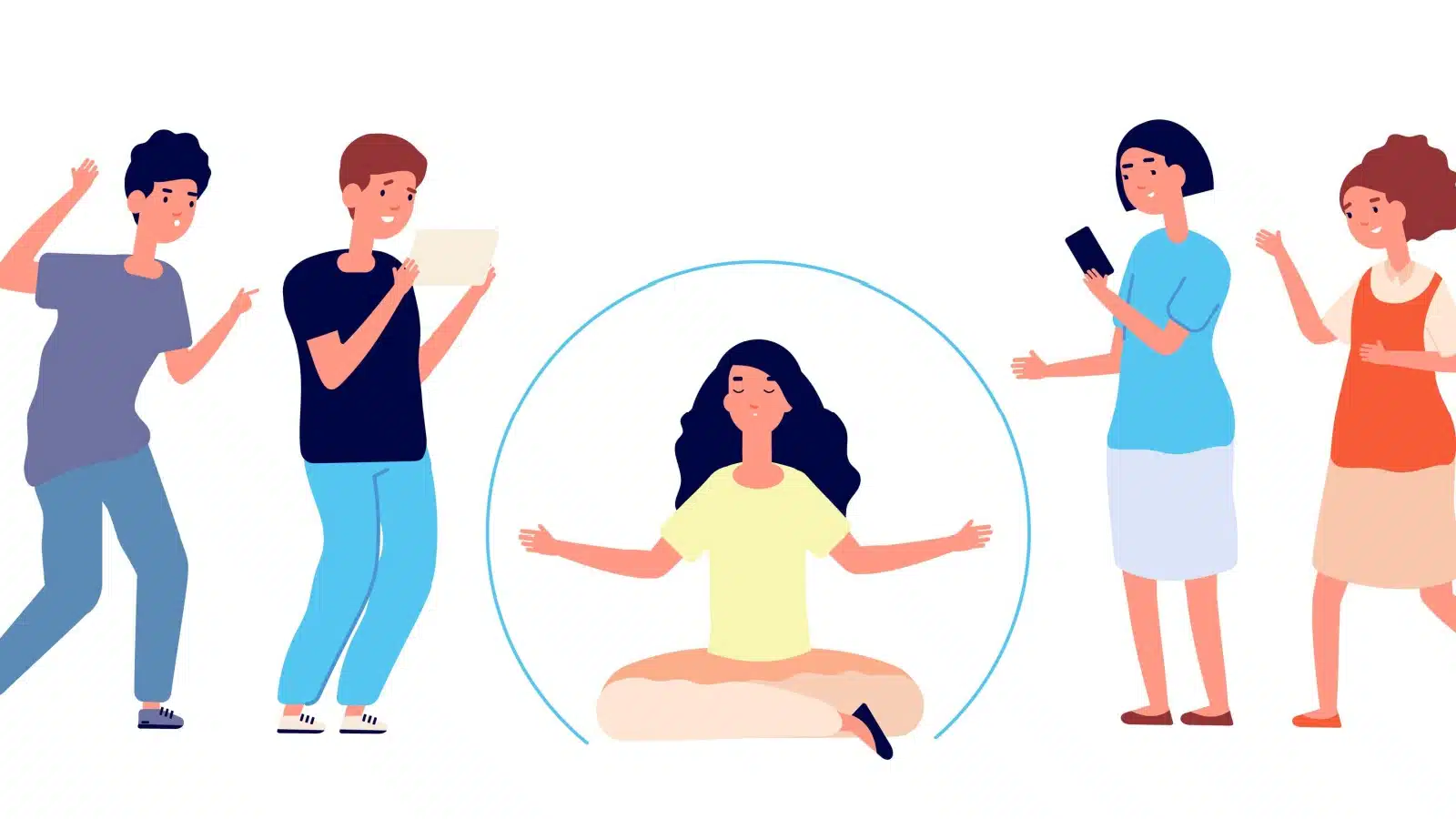
Now that you know yourself, you must be honest with yourself (and others) about your limitations.
If you’re a social introvert, you must be realistic about how many social interactions you can handle before you’ll crash. Sometimes, that means saying no to an event you really want to go to so you have time to recharge.
Let others know when you need a break. It may be hard for them to adjust at first, but eventually they will.
Make an Effort to Engage

If you’re an introvert who avoids social situations, you must put yourself out there. Some introverts hide themselves away and whither with isolation and loneliness.
Being an introvert doesn’t mean you can’t have friends or relationships. It’s harder to build those, especially if you’re shy and reserved, but you must make an effort if you value them.
Join social groups and organizations. Volunteer for a cause that’s dear to your heart. Find people who are passionate about the same things you are. These activities will give you a starting point for building lasting bonds with like-minded folks.
Supporting Introverts in Your Life

Some extroverts can’t fathom an introvert’s disdain for social interactions. They thrive in public, so everyone should, right?
If you’re an extrovert with a beloved introvert in your life, give them grace. Don’t force them into social situations they don’t want to be in. Listen to them when they say they need time to recharge. When they come out with you but retreat to a corner on their phone, leave them be.
Getting Along With Everyone

I’m not a psychologist, and this article’s purpose isn’t to dive deep into the psychology of introverts vs. extroverts.
I’m a certified life coach focused on happiness and an extroverted introvert. I know too well the myths surrounding introversion and society’s expectations of introverts and extroverts to behave in specific ways.
My goal is to define introversion and clear up the confusion so that everyone can learn to respect each other’s boundaries and treat each other with respect and dignity despite our differences.
So whether you’re a socially awkward or outgoing introvert, shy or confident extrovert, you can better understand your friends and peers and work to get along well with everyone.
After all, respect and mutual understanding are crucial to happiness.