
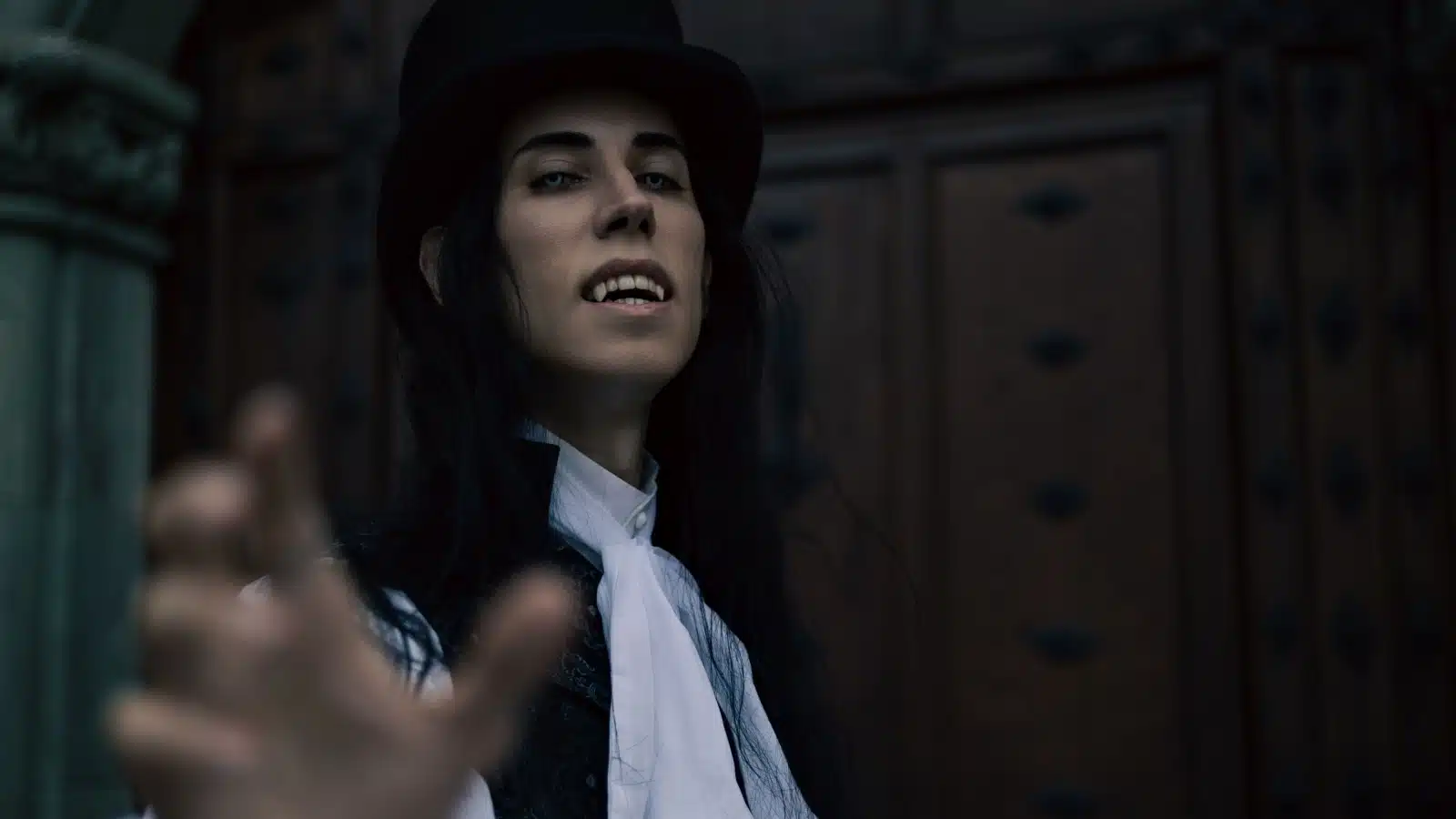
Bloodsucking fiends prowl the night, hunting wherever people gather. The charming gentleman at the prestigious ball and the scary figure lurking in the back alley could hold the same dark secret.
They want to suck your blood.
They’re vampires, preying on the very worst aspects of humanity.
Society embraced its love affair with the undead in fiction, but are vampires real? If not, why do they hold such a seductive sway, and where did the myths come from?
Are Vampires Real?

No.
In the most practical sense, vampires aren’t real. No undead blood suckers walk among us, searching for their human prey.
So, if vampires aren’t real, why do they hold such a mystical sway over us?
Vampire Origins
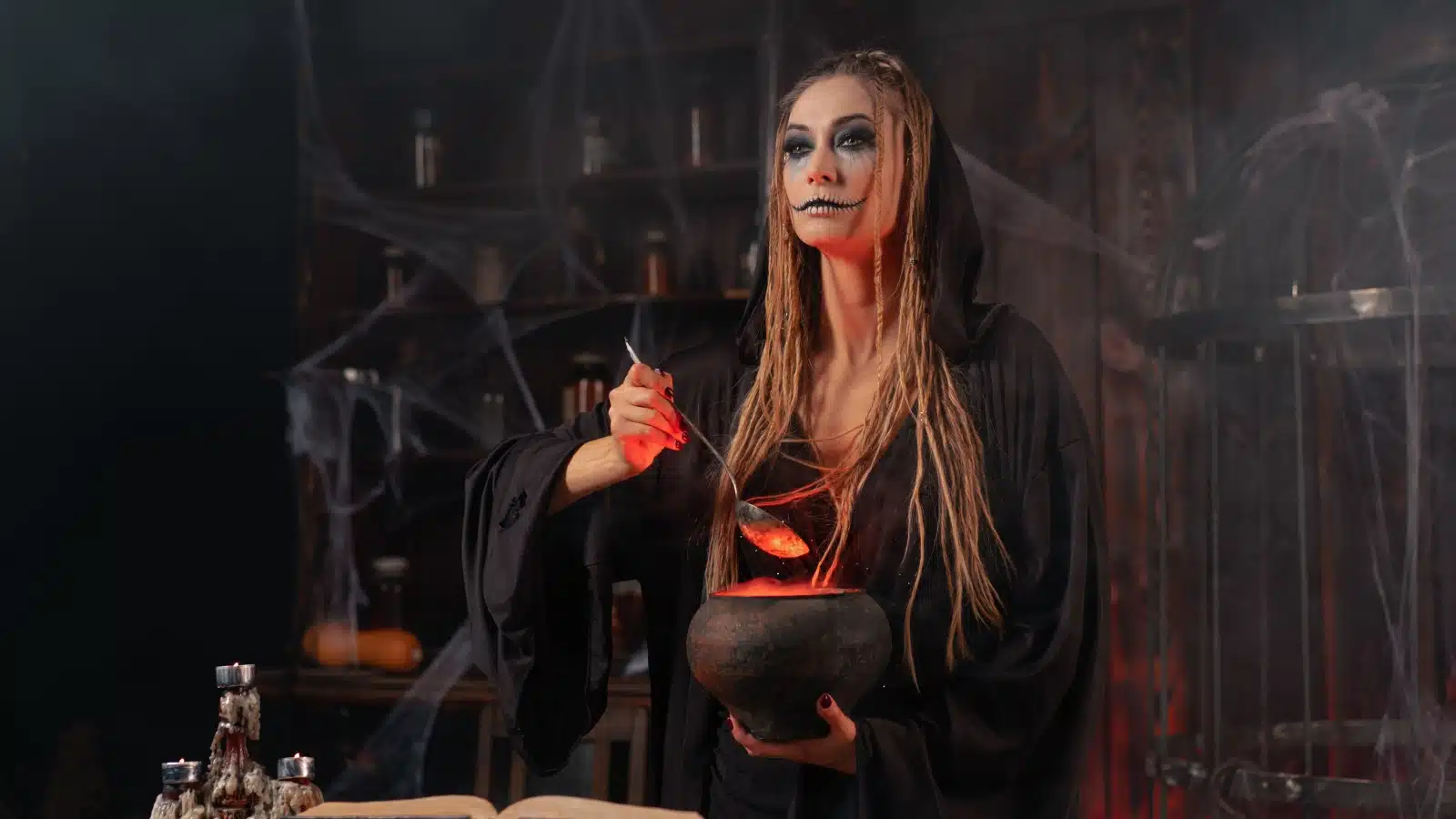
The answer may lie in their origins.
Tales of monsters who thrive on blood date to our earliest civilizations. The ancient Greeks told stories of the Empousai and Lamiai, demons who assumed the form of beautiful women to entice men to their doom, feasting off the blood of their victims.
The ancient Assyrians feared the ekimmu and the utukku, spirits who couldn’t find rest, so they haunted and tormented the living. The utukku fed on blood or the human life force, making them the earliest precursors to today’s vampires.
These early legends inspired many of the famed mythical creatures we celebrate today.
Records of Vampires
Though the ancient monsters shared characteristics with vampires, they weren’t really the same thing.
The oldest record we have of a vampire-like creature comes from a Russian text dating to 1047, but the term vampire was first recorded in the 16th century.
The Age of Enlightenment and the Romantic Period drastically changed our relationship with the supernatural. With the Enlightenment and the subsequent scientific revolution, mankind learned how the world worked. We no longer needed mythical explanations like vampires to explain illnesses.
Instead, we used these ancient ideas to explore the human condition through fiction. The earliest works include The Vampyre, written in 1819 by John Polidori, and Varney the Vampire, published in 1845 and attributed to James Malcolm Rymer and Thomas Peckett Prest.
The Vampyre turned the creature into an aristocrat who used his wealth as a shield to hide his evil deeds, an archetype that exists to this day. Varney the Vampire introduces many familiar vampire tropes we know today and flips the script on evil by making the vampire a sympathetic character.
Bram Stoker’s Dracula, written in 1897, thrust vampires into the spotlight, where they remain.
Dracula
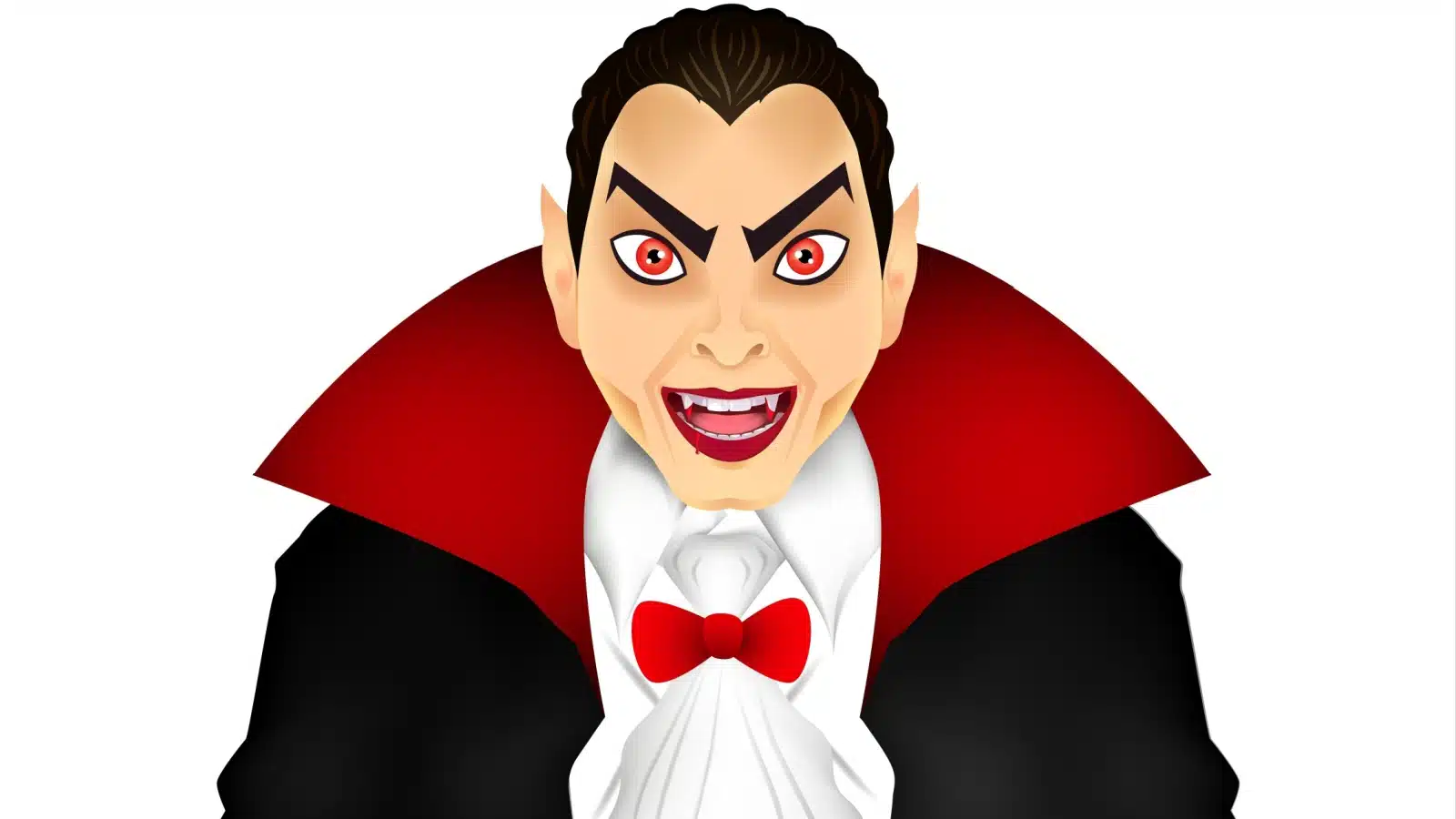
The gothic horror classic created the vampire legends we love today. The novel features the title character, Count Dracula, as a cruel aristocratic vampire whose depravity is matched only by his suave powers of seduction. It also introduced Van Helsing, the quintessential vampire hunter.
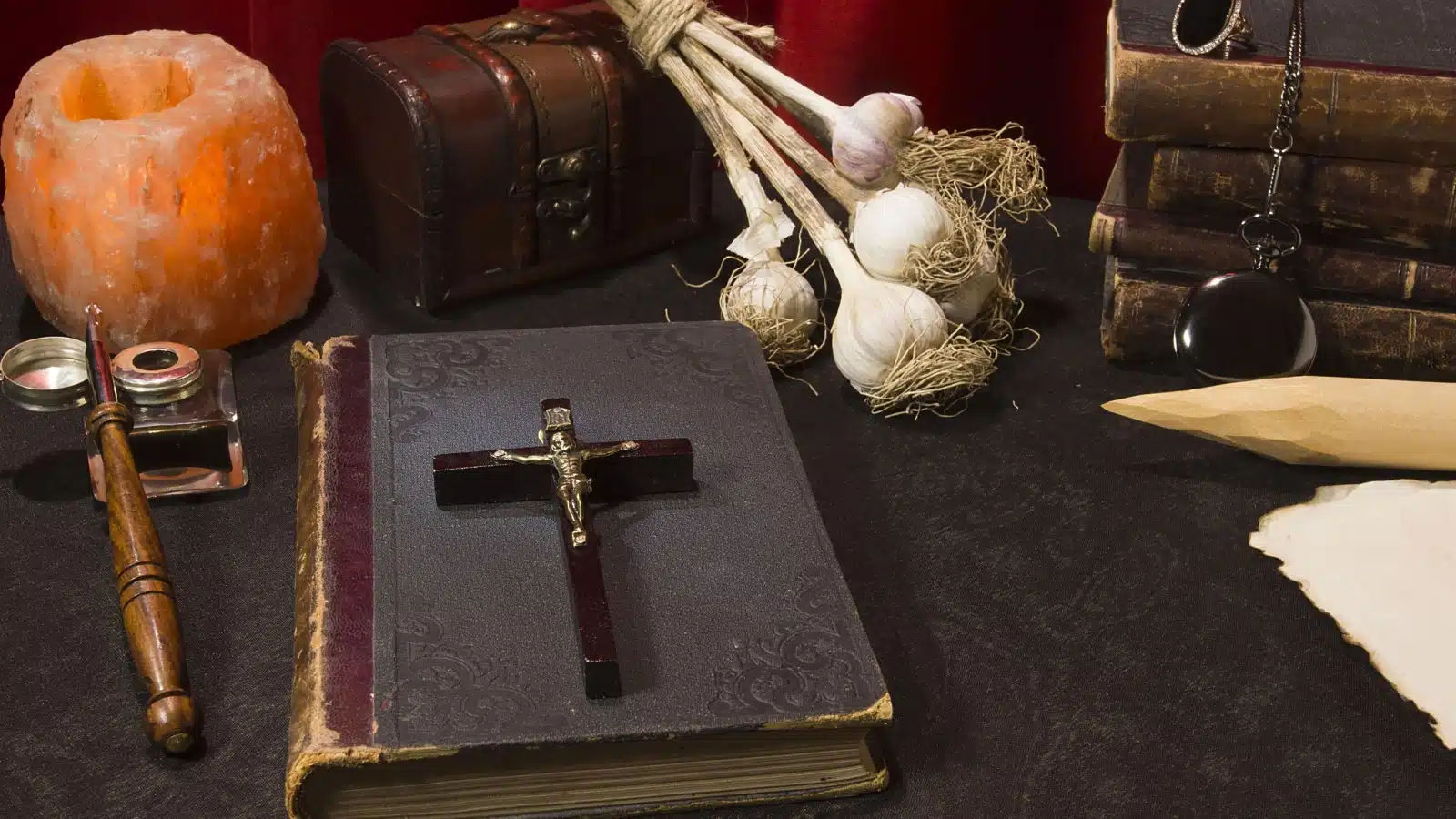
Dracula introduced or popularized many of our modern ideas about vampires. The novel highlights vampires’ aversion to garlic, crucifixes, and the sun, and introduces the idea that they don’t cast a reflection on mirrors.
The characters and tropes featured in Dracula remain popular even a century after the book’s original publication.
However, Stoker drew inspiration from a real historical figure.
Vlad the Impaler
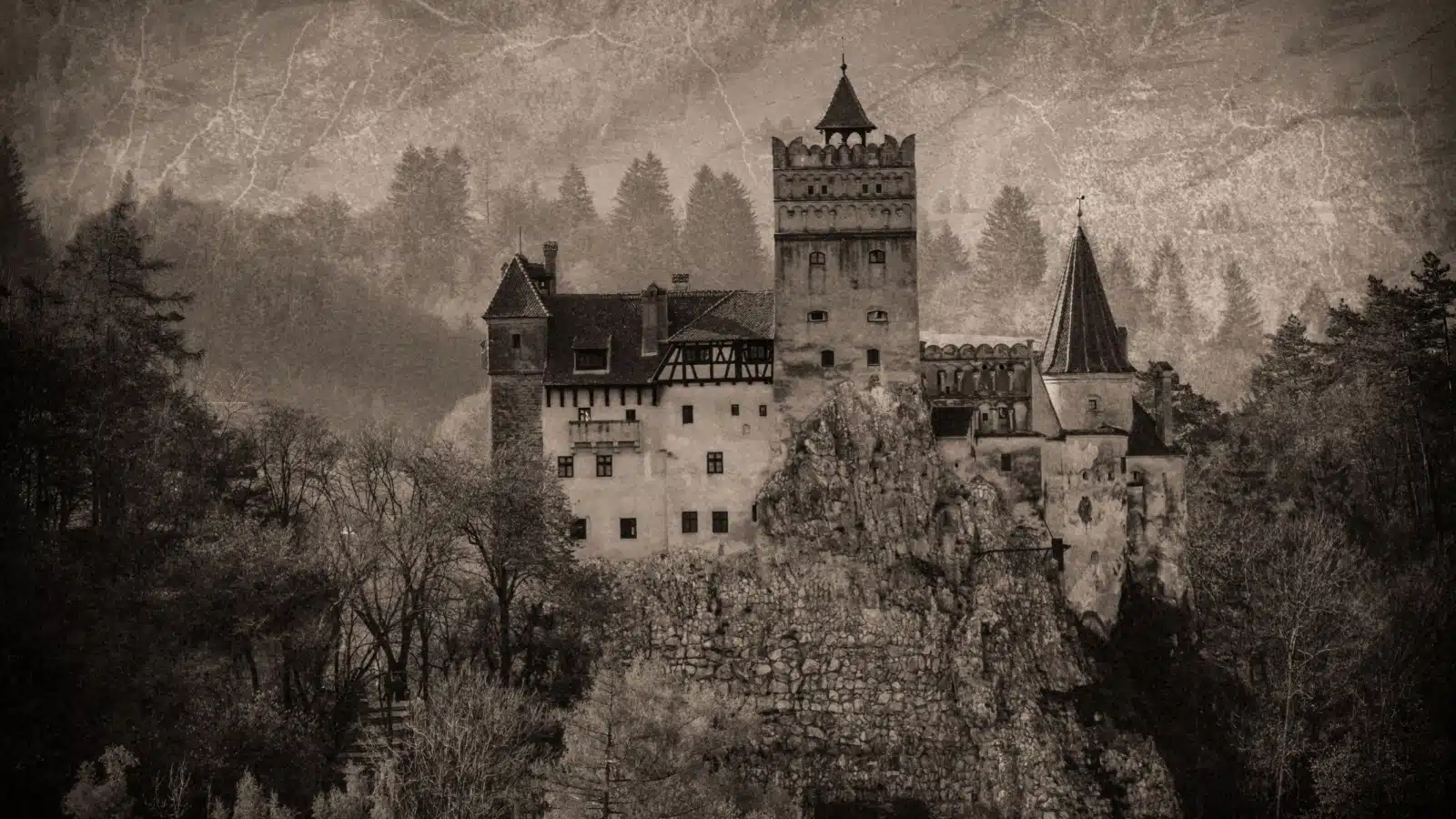
The modern image of vampirism featured in Dracula originates from the real-life horrors committed by Vlad Dracul, the 13th-century ruler of Wallachia (modern-day Romania). Though Vlad wasn’t a vampire, his reputation for cruelty inspired Bram Stoker’s legendary novel.
Vlad ruthlessly slaughtered and tortured his enemies during his reign over the Ottoman wars of the 13th century. He impaled enemy armies on the battlefield, earning himself the nickname he still carries to this day.
According to legend, the extent of his depravity was so horrifying that upon seeing the field of impaled soldiers leading up to Wallachia, the Ottoman army turned around and left, refusing to battle.
Of course, legend and history are often difficult to separate. Although we know for sure that Vlad was a cruel and ruthless leader and that he wasn’t a vampire, we don’t truly know how many of his atrocities were real and how many were exaggerated or fabricated by enemies (or allies).
History became legend, then transformed into sensationalized fiction exploring the human condition.
Vampires and the Human Psyche

Vampires aren’t real, so why do they hold so much sway over us? Why is humanity fascinated by the seductive allure of death, or undeath?
To uncover why vampire myths remain impactful, we must dive into their themes and how they relate to the human experience.
The most common themes in vampire legends include:
- Sexuality
- Power
- Immortality
- The cycle of life-death-rebirth
Sexuality
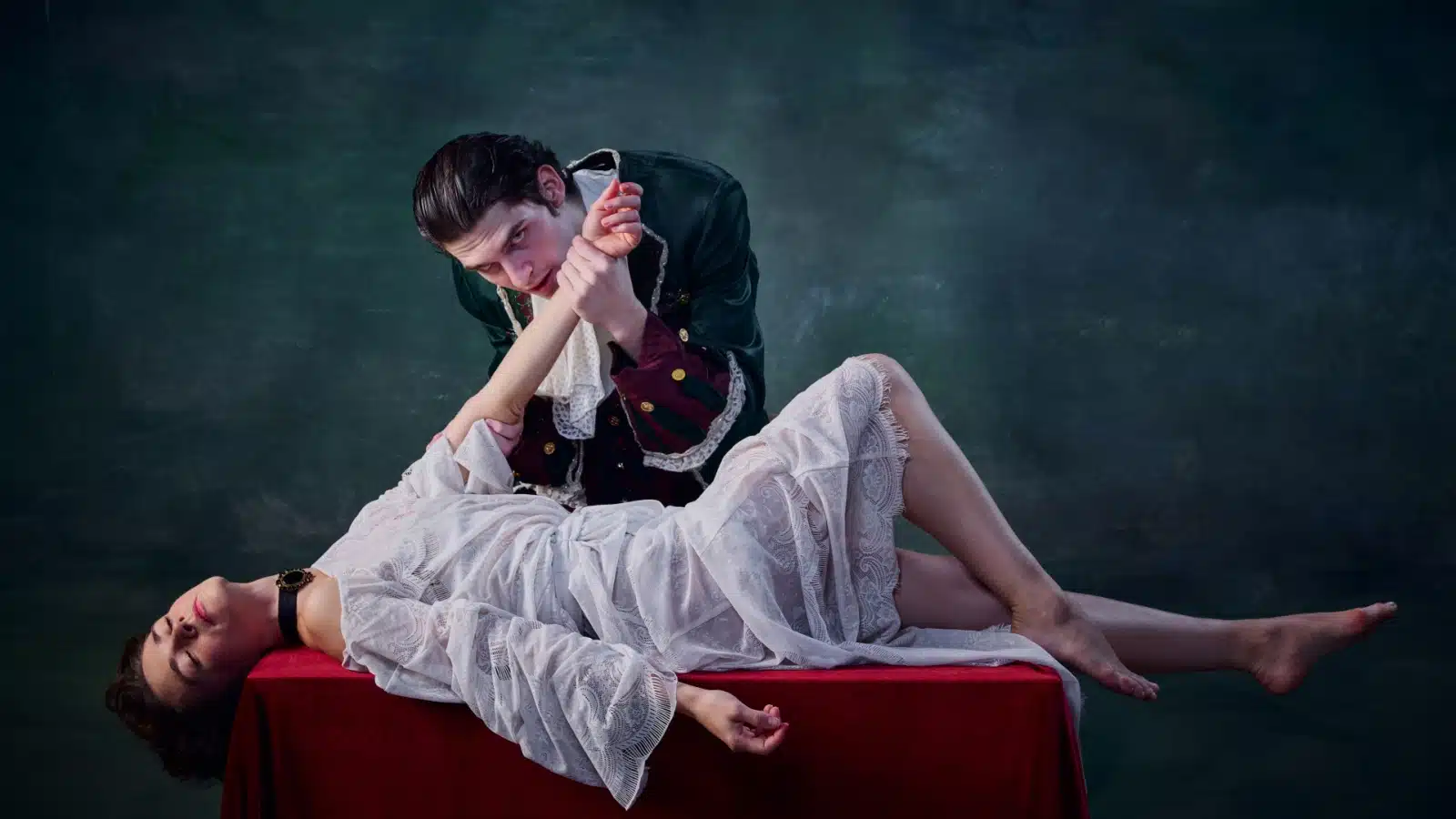
Vampires entice us because they offer the thrill of unrepressed sexuality. They take what and who they want, penetrating and destroying innocence with their bite in an overt metaphor for sexual activity.
It’s no coincidence that Bram Stoker’s Dracula rose to fame at the height of the Victorian period, a time when culture celebrated sexual repression and purity (especially in women).
Modern vampires hold the same allure. Whether it’s Spike and Angel from Buffy the Vampire Slayer, the Salvatore brothers from The Vampire Diaries (TVD), Luis from Interview with a Vampire, or Eric from True Blood, vampires are hot. They burn with raw sexual energy, tempting the innocent to abandon their purity and embrace passion.
However, cultural changes regarding female sexuality made massive impacts on vampire lore. In the past, the women who gave in to their desire were doomed. In modern retellings, women take charge of their sexuality. Buffy’s relationships with the two most brutal vampires in the world transform them both into champions. Caroline from TVD thrives after her transformation into a vampire. Luis refuses to give in to the bloodlust, hiding himself away from temptation.
These modern stories flip the metaphor on its head. Buffy and Caroline showcase an empowerment of female sexuality, while Luis highlights the repression of male sexuality.
Power
When vampires aren’t enticing unsuspecting victims with their sexuality, they’re tempting them with a promise of uninhibited power.
Nearly all vampire tales imbue the creatures with supernatural powers. They’re stronger and faster than average and gain unique abilities like mind control, invisibility, or animal morphing.
Their lack of a moral compass allows them to behave in horrific ways, yet sometimes, deep down, we wish we could get away with similar behaviors.
We may not take it to the extreme that vampires do, but we all wish we had more control over our lives. We wish we could curse out our bosses, do whatever we want with our time, and destroy those who annoy us.
Vampires scratch that itch. They offer us the power to do anything, but it comes at a great cost.
Vampires highlight humanity’s dichotomy: ultimate power and freedom vs responsibility and morality.
Immortality
Vampires intrigue us because they offer something humanity longs for: eternal life.
But what seems like a blessing is ultimately a curse. The undead can’t survive without blood from the living. Vampires, in their quest for never-ending life, lose the essence of what makes them human.
The undead can’t have children. They’ll never grow old or die. Instead, they watch the world age and change around them, stuck forever in the moment they turn.
As the ultimate loss of humanity, vampires lose their souls. They’re immortal in the sense that they linger on, but everything that makes them human is lost.
Interview with a Vampire highlights the juxtaposition of eternal life versus growing as a human with Claudia, who was turned into a vampire as a child. Though her mind matures, her body never does, and she’s doomed to live out her eternal life as a little girl.
Life/Death/Rebirth
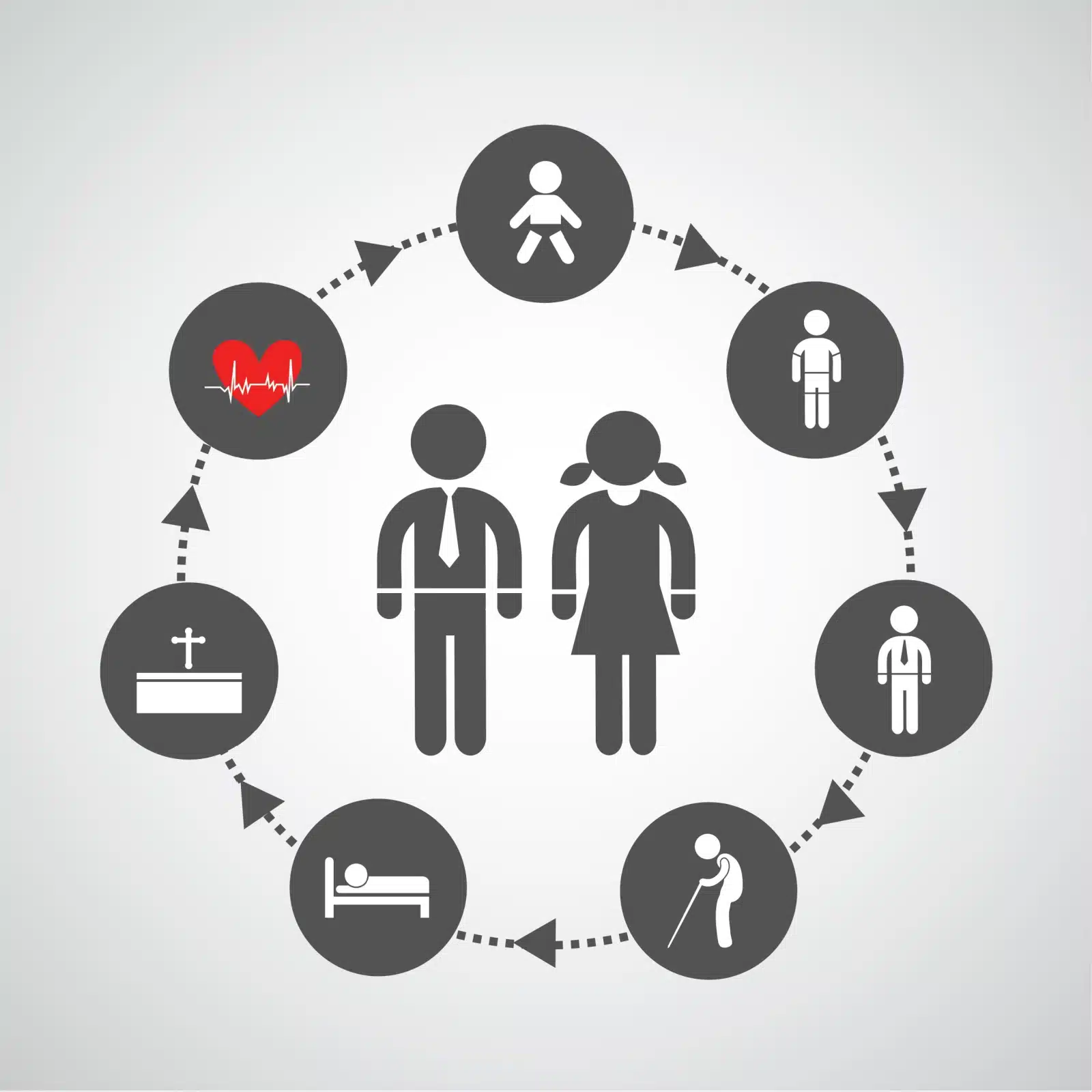
Vampire legends speak to a human experience far older than cultural sexuality, power struggles, and the longing for eternal life. They’re a twisted spin on our earliest myths and the symbols of life that connect us all.
As ancient humans attempted to understand their world, they developed stories about how day turns to night or fall turns into winter. These cycles became tales about sun gods and underworlds, birth and motherhood, death and resurrection.
Vampires follow the same cycle. It starts with the living human, who must die before being reborn as an immortal.
The callback to humanity’s most ancient legends keeps vampire stories compelling in the modern age.
When Truth and Fiction Merge
Many insist vampires are real due to seemingly inexplicable events that scream “Vampire!”
Exhumed caskets covered in scratch marks, bodies found drained of blood, ageless celebrities, and blood disorders like porphyria all contribute to the idea that real vampires walk among us.
Usually, the horror stories of exhumed caskets and exsanguinated victims are grossly exaggerated and, when real, have natural (rather than supernatural) origins. Ageless celebrities have access to the best health regimes in the world. People with porphyria may seem vampire-like, but they don’t feast on blood; they’re ordinary people trying to get by with a medical disability.
Enjoy Vampire Stories
Although vampires aren’t real, the stories persist for a good reason.
They speak to humanity’s very nature, helping us understand our darkest natures and deepest desires.
But they also make statements on cultural mores, either rejecting or reinforcing our values, forcing us to think about where our beliefs come from and whether they’re based in reality or bias.
Vampire stories may be fictional, but they’re compelling because they have so much to say about ourselves and our society.
So enjoy them.
Enjoy the sparkling vampires of Twilight, the ferocious vampires of Blade, and the morally grey vampires that abound in modern pop culture. They all have their place in our collective subconscious.