

A financial emergency can disrupt your entire life.
Sometimes, these setbacks occur so often that we feel like we’re constantly waiting for the next show to drop. Every time we seem to get ahead, something new happens that thrusts us back behind the starting line.
It seems like you’re floating from one financial emergency to the next, unable to do anything more than tread water.
We can help you get ahead.
What is a Financial Emergency?
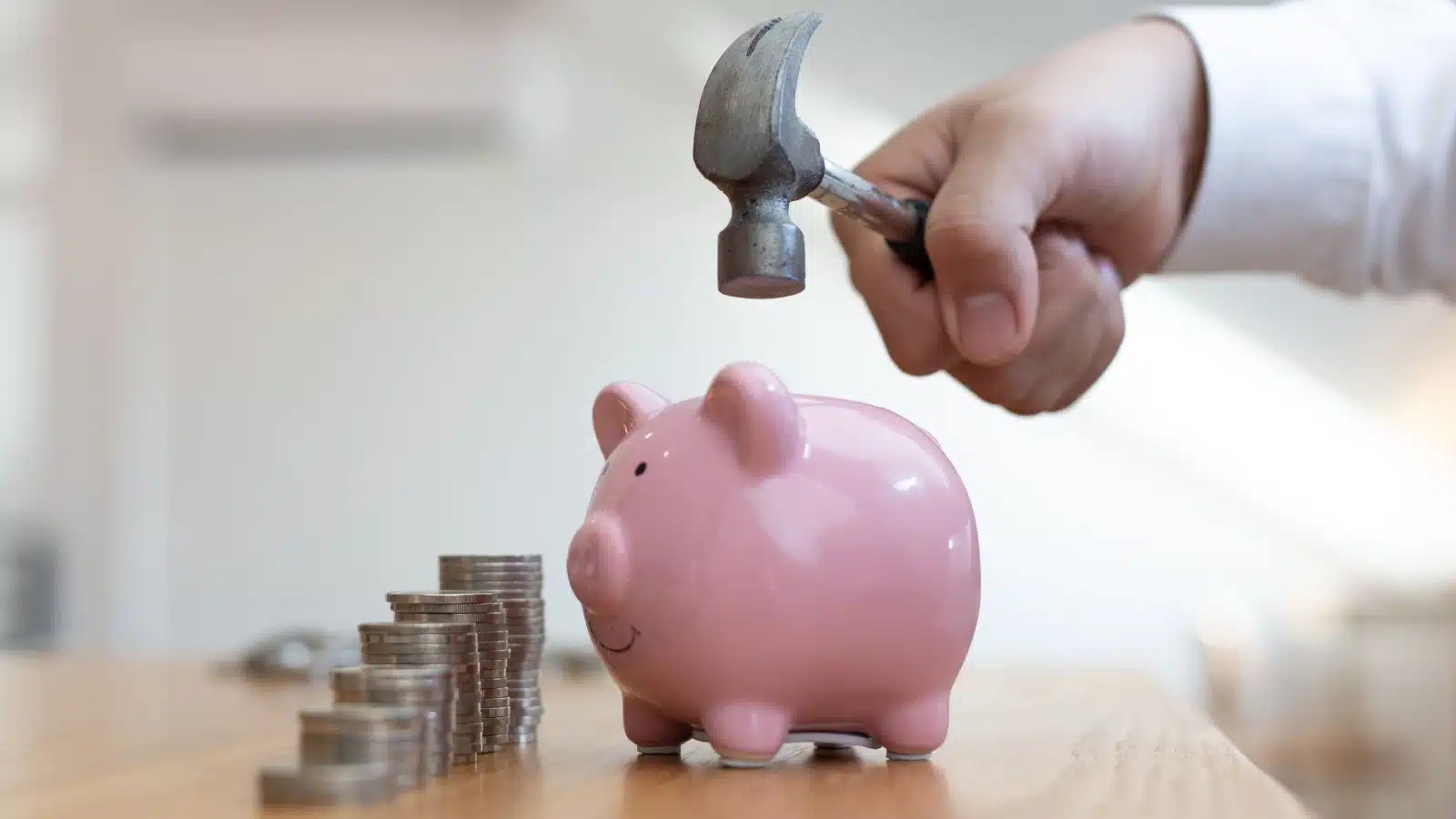
A financial emergency is an unexpected expense that disrupts your life. It’s a surprise bill that forces you to spend money you didn’t expect. Most of the time, it involves a large sum, but the amount depends on your perspective. Some folks can handle an unexpected bill for $200; others can’t.
Those fortunate enough to have an emergency savings account can use the money in that account to navigate the emergency, but many people must rely on credit to get out.
Examples of Financial Emergencies

Financial emergencies often strike when we least expect them.
To hedge against them, you must consider everything that could go wrong. Here are some of the most expensive examples of budget-busting financial emergencies.
Home Repairs

If you’re a homeowner, you need to account for unexpected expenses. They will arise.
Sometimes, a storm comes through that destroys your roof. Sure, you have insurance, but you’ll have to cough up the deductible.
But it’s not always an external event. Things break. Pipes burst and leak. HVAC units stop working.
Insurance doesn’t usually cover repairs on normal wear and tear or household maintenance. Though a home warranty can cover the gap, you may have to pay thousands of dollars in repairs if you don’t have one.
Vet Bills

via Shutterstock.com.
When you own pets, you expect vet bills, but don’t always expect how much they will cost.
Typically, you can expect to spend a few hundred dollars a year on vets per pet. But accidents happen, and the vet will become more costly as your fur babies age.
My favorite cat faced severe trauma when a dresser fell on him. The resulting bills cost me nearly $7000 and him a leg.
Though emergency vet bills aren’t usually that much, they can add up, especially if you have more than one. Ear infections, random illnesses, and all the other weird things that befall pets can sometimes make us regret getting them.
Car Repairs

Most of us with cars desperately need them to live our lives. Our vehicles bring us to work so we can make money and to the grocery store so we can get the food we eat.
As cars age and new models become more expensive, car repairs and maintenance cost more and more. It could cost over $500 to repair a light fixture or $200 just to find out why that stupid light won’t turn off. A flat tire, fender bender, leak, or electrical problem could set you back hundreds of dollars.
Medical Bills

People without good insurance face a horrific choice when they’re sick or injured: they can stay home and see what happens, hoping for the best, or they can risk spending thousands of dollars on medical care.
Medical emergencies can also disrupt your work. If you don’t have sick leave, you may lose even more money to take time off.
Dental Work

Even the best healthcare plans don’t cover luxury bones, or what ordinary people call teeth. If you have a dental emergency, you’ll pay big, even if you have a dental plan.
Root canals, extractions, and bridges cost thousands of dollars, and luxury bone insurance usually only pays a small amount. You’ll have to cover the rest on your own.
Appliances Break

Homeowners fear the day their dryer stops heating or their dishwasher springs a leak. Warranties usually only cover the first year; planned obsolescence ensures they break shortly after the warranty period.
Appliances are typically not covered under insurance plans (though some home warranties cover them), so if they break down, you’ll have to pay out of pocket.
Unexpected Moves

Many people are forced to move unexpectedly. Their landlord decides to sell, or a relationship ends, forcing them to find a new place.
If you don’t have a friend to stay with, moving will cost a small fortune. You’ll have to pay application fees, the first and last month’s rent, a security deposit, and more.
The entire process can cost thousands of dollars you weren’t prepared to spend.
Loss of Income

An unexpected job loss is just as much of a financial emergency as events that cost thousands of dollars.
Now, you can’t afford to pay for anything. It’s one of the most devastating financial emergencies to navigate.
Impacts of a Financial Emergency

A financial emergency can have severe impacts on people who aren’t prepared. They can wipe out your emergency fund or saddle you with massive debt. The worst ones may even force you into bankruptcy.
These events could also leave psychological scars. They create stress and anxiety that’s difficult to overcome, especially when the hits keep coming. Digging out of the debt these emergencies created seems insurmountable. Every time you think you’re getting ahead, something else happens, destroying all your progress.
Constant Financial emergencies negatively impact your emotional and mental health.
How To Prepare for a Financial Emergency

Financial emergencies strike when we least expect them, but we can prepare ourselves. We know bad things happen in life, so we must plan ahead.
Here are three ways to prepare yourself for any emergency.
Build Your Emergency Fund
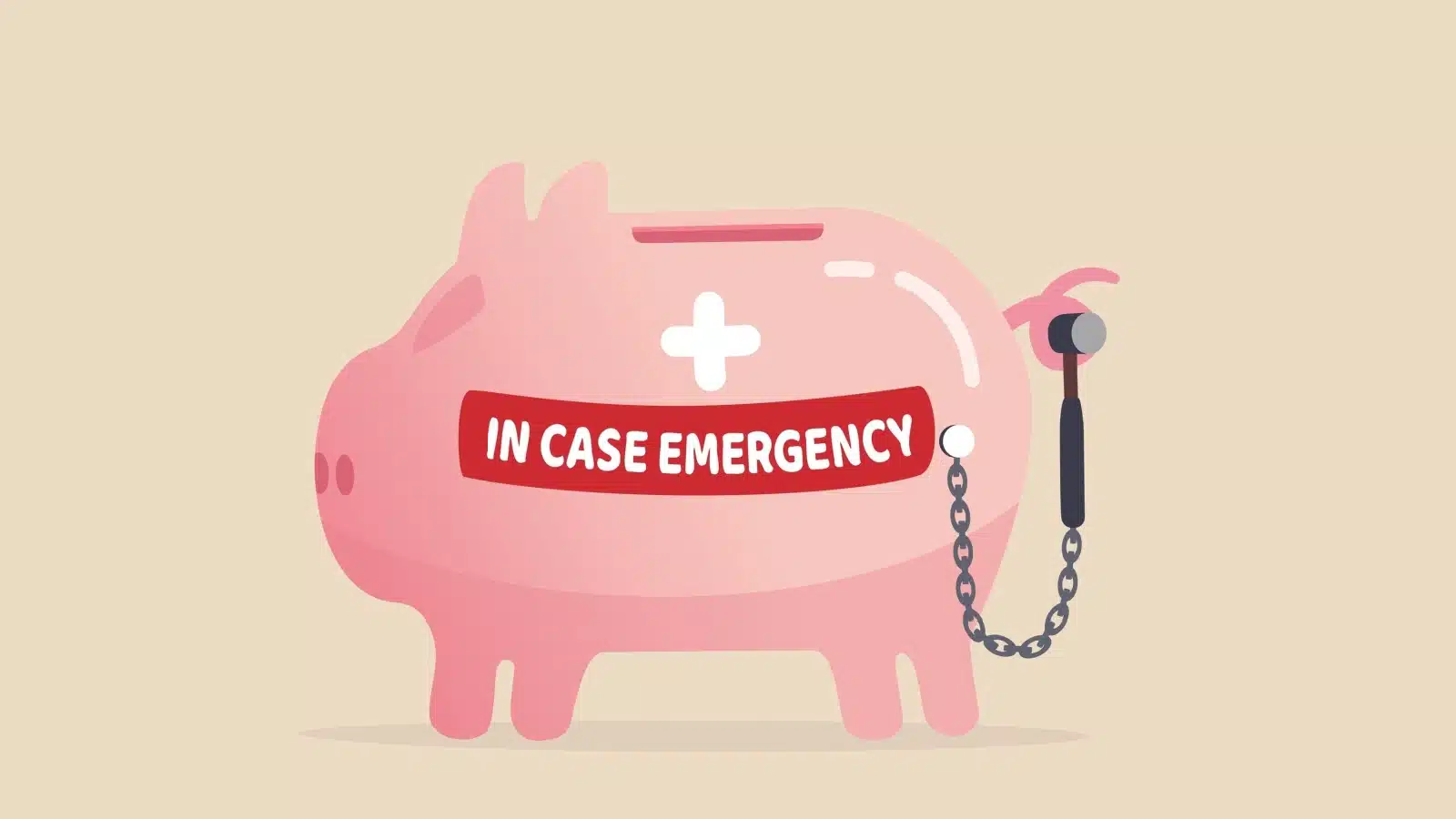
An emergency fund is our best defense against any financial emergency.
Put money aside from each paycheck into a dedicated emergency fund so you have cash available when the inevitable happens.
Most experts recommend that you have three to six months of expenses saved in this account, which should help you survive most one-time emergencies.
How To Start Your Fund

You may feel like you don’t have anything extra to save, that you’re already living paycheck to paycheck and can’t afford it.
Though some people stretch their budgets to the last dollar, most of us have a little wiggle room, even if it doesn’t feel like it. You just have to find it.
First, make a budget. Determine what you need to pay for, and write it all out. Next, monitor your spending to see if it matches your budget. You may discover you’re spending an extra few bucks a month on soft drinks at the gas station or fast food for lunch.
Now, it’s time to cut back. Find places where you can save money. Maybe switch to generic brands at the grocery store, raise the temperature on your thermostat in the summer, or cancel one of your streaming services.
Finally, put all your savings aside in a separate account. It doesn’t matter if it’s just five bucks a week. A little start is better than nothing.
Credit
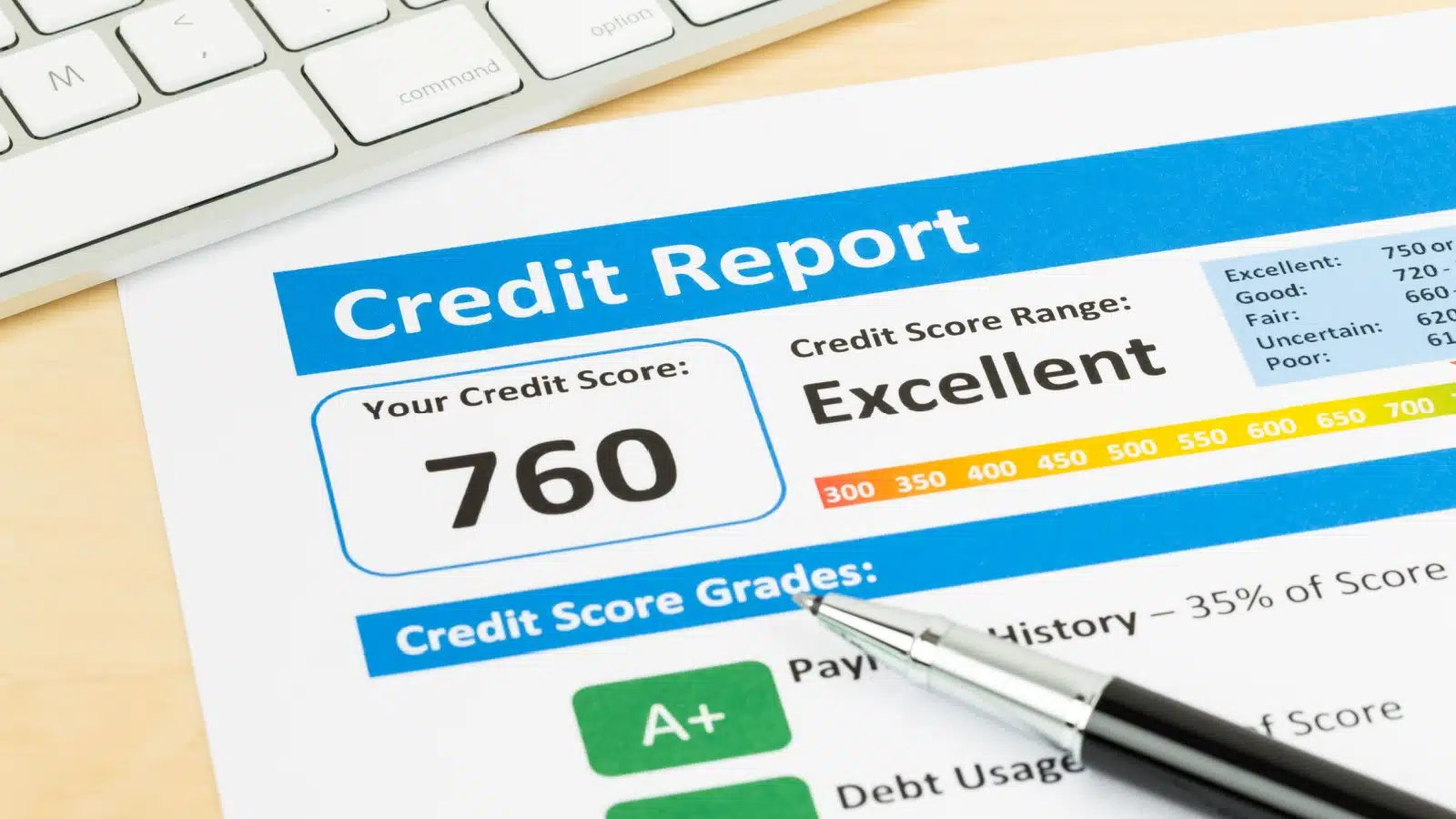
We don’t always have enough money in savings to cover all the unexpected expenses that pop up. Having a line of credit available is a godsend.
Maintain a good credit score to ensure you have credit available for emergencies. Don’t cosign for people, and pay all your bills when they are due.
Don’t use your credit card as “free money” for shopping. Use it enough to build and maintain credit, but pay it off each month if you can. When an emergency pops up, you’ll be thankful you have a line of credit available to help pay for it.
Insurance and Warranties

Finally, review your insurance coverage and warranties. You may want to decrease your deductibles so an emergency has less impact. If you go this route, you will pay more for monthly coverage but less if you have to use it.
Home warranties can help mitigate the cost of many house repairs and even appliance replacements. The upfront cost provides exceptional peace of mind, especially if you live in an older house.
A Word on Investing

Though you should invest to achieve your life goals, investments aren’t ideal for financial emergencies. Since you never know when an emergency will strike, you may be forced to pull money from an investment during a downturn, which impacts your total gains. In addition, you can’t always pull money from investments immediately, and when an emergency strikes, you need money fast.
You should always have some emergency money in a checking or savings account.
How Can I Get Emergency Money Fast?
Hey folks! Transparency Disclosure- Some of the links in this article are affiliate links. That means I’ll receive a small commission if you decide to click on it and buy something. Don’t worry, it doesn’t cost you anything extra!
When you have an emergency, sometimes you just need money fast to pay for it. In situations like these, you can consider selling things you no longer need on Craigslist to get the cash or even using a pawn shop. I don’t like Pawn shops, but in a pinch, you have to do what you have to do.
You could also apply for a personal loan at companies like Upstart, which offer competitive rates and take more into account than just your credit score. They are an excellent option for people with fair credit and extenuating circumstances.


Finally, you can look into government assistance programs. If your emergency happened due to a natural disaster, you may receive relief from organizations like FEMA. Depending on the nature of your financial emergency, you could also apply for help from charities or other government agencies.
Recovering from a Financial Emergency

Recovering from a financial emergency can take years, depending on the impact. It can take a long time to dig out of the debt you had to take on to resolve the problem.
The best ways to recover are:
- Prioritize Debt Repayment
- Increase Income
Pay Off Debt
If you used credit to pay for the financial emergency, you must prioritize paying it off. Examine your budget and find ways to funnel extra money to debt repayment.
The more you pay on interest, the more the event will cost in the long run. In addition, your higher balance will limit your ability to pay for future emergencies.
Increase Your Income

Many of us don’t have any wiggle room in our budgets for debt repayment or refunding our emergency savings accounts.
But you can earn more money by picking up a side hustle. Drive for Uber or walk dogs in your spare time to earn extra cash, which you can funnel into these crucial financial goals. Work overtime.
You may be in for an exhausting six months, but getting back on track towards financial security will be worthwhile.
An Emergency vs an Expected Expense

Sometimes, financial emergencies aren’t really unexpected. We know pets get sick and old houses need repairs. They’re emergencies because we didn’t plan for them.
Start planning for the expected. Christmas happens at the same time each year. Taxes are due each April. Older cars break down, and appliances need to be replaced.
Plan for these expenses so they don’t surprise you. The best way to do that is through the sinking fund.
Sinking Funds

A sinking fund is a checking account dedicated to those significant expenses we should expect. You should put a small amount of money into this fund each month to pay for those big-ticket items when they pop up.
Sinking funds can be used for anything. They can be dedicated to a specific expense, like vet care, or be a general fund for all the big expenses that might appear.
Sinking funds are different from an emergency fund, as sinking funds are for things you know are coming, whereas an emergency fund helps pay for the completely unexpected.
Financial Emergencies Always Looming

Things happen. Life happens.
You will encounter a financial emergency.
Don’t wait for it to happen. Prepare now.