
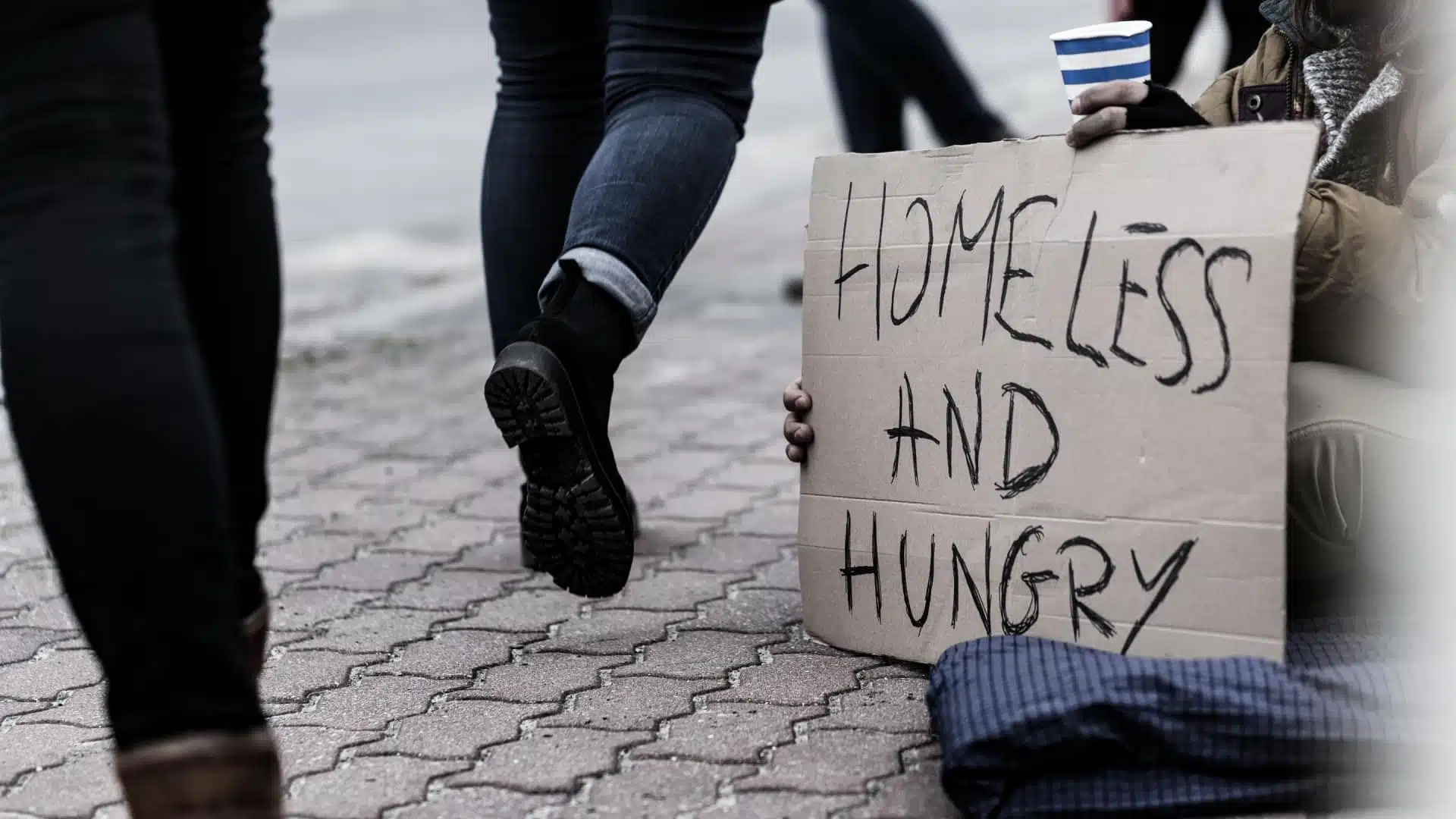
The idea that the poor get poorer as the rich get richer fills the media, but they rarely provide concrete examples of how that happens.
Here, we showcase 14 laws and policies work to keep poor people trapped in poverty.
Fees for Driving

The government says driving is a privilege, not a right, but that privilege is a lot harder for folks in poverty. Fees to register and inspect a vehicle are tough to come by for folks struggling on minimum wage, and they’re out of luck if a costly repair comes up during the inspection.
Annual Rent Increases

Many low-wage workers fear resigning their lease, knowing that most places are raising rents. They may be forced to move if they can’t afford the increase, which costs even more money.
Wage Stagnation
The constant rent increases wouldn’t be so devastating if wages increased to match inflation. The price of everything except labor is rising. The minimum wage hasn’t increased in decades.
Lower Quality Items

Poor folks can’t afford to buy quality, lasting products. Instead, they have to buy the cheap stuff and replace it regularly, costing them more in the long run.
Bulk Buying

Most things are cheaper in bulk, but the poorest among us who live hand to mouth can’t buy in bulk.
Expensive Education

Advanced education is out of reach for millions of Americans. College is barely affordable for middle-class kids, who must take out massive loans to pay for schooling. It’s a pipe dream for poor kids.
Lack of education makes it harder to dig out of poverty, as these kids can’t dream of entering high-paying professions requiring a degree.
Welfare Cliff

The welfare cliff makes improving yourself nearly impossible. People risk losing all their benefits if they make just a penny too much.
Food Deserts

Many low-income people live in food deserts, where they only have access to overpriced, unhealthy processed food. It costs them more to feed themselves, but they don’t have the time or money to get to grocery stores.
Payday Loans

We don’t understand how predatory payday loans are legal. They target poor, desperate people who can’t get credit elsewhere and charge outrageous interest and fees.
Overdraft “Protection”
Banks charge poor folks fees upon fees to access their money and even more if they happen to overdraft. And, of course, banks will charge the largest purchase first, ensuring they collect as many overdraft fees in a single day as possible.
Late Fees
People who must juggle the bills must pay more in added late fees. It’s either pay the extra fees or lose an essential utility.
Interest Rates
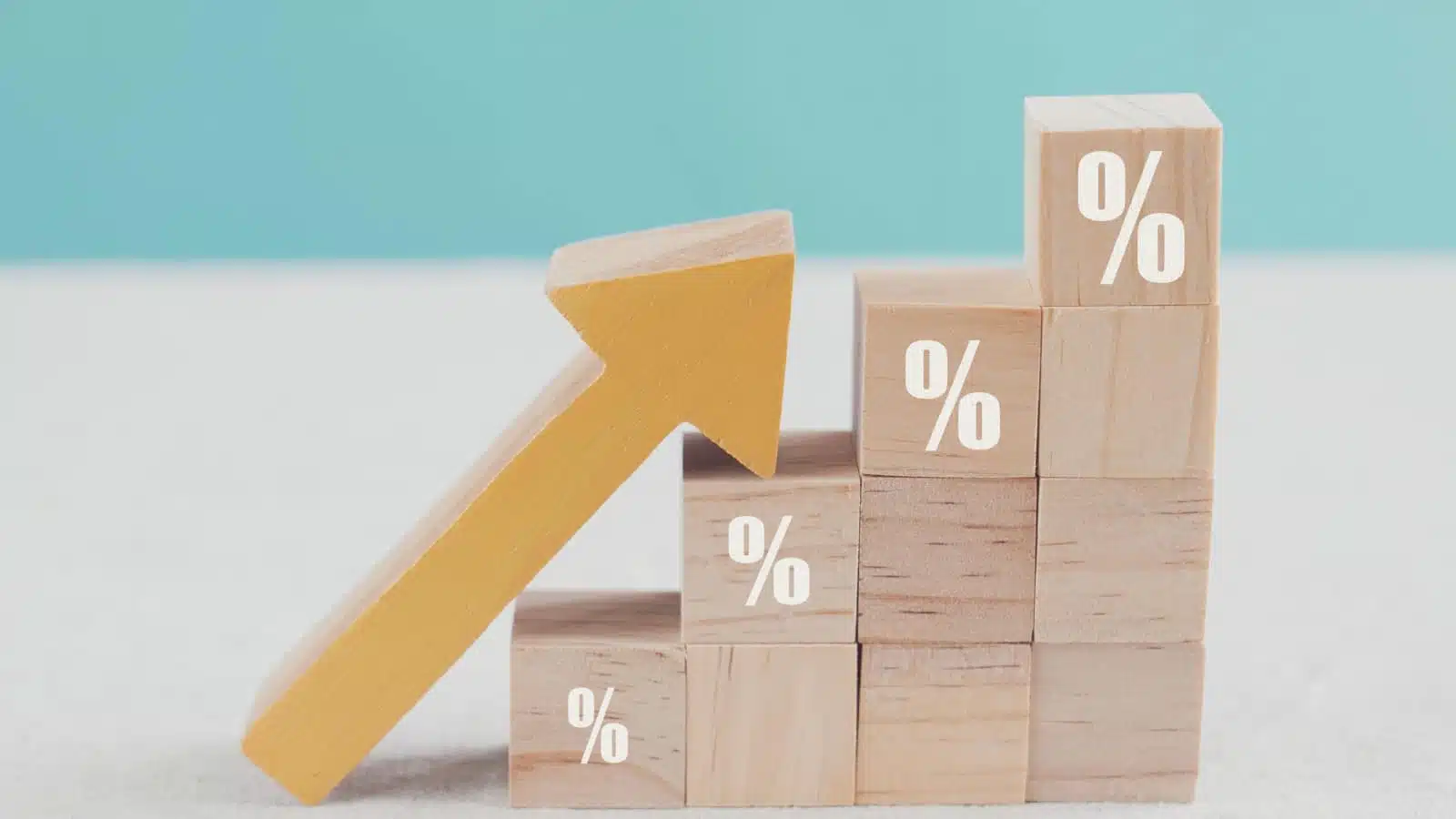
Poor people often have poor credit, which means they pay more for loans than rich people. Companies take extra risks by lending to struggling people, but the additional costs for everything make it even harder for them to get ahead in life.
Staying Healthy

Poor people struggle to make healthy choices because they can’t afford them. They can’t afford healthy food or see a doctor for a minor problem. They can’t afford dental work. Therefore, they wait until a minor issue becomes a massive (far more expensive) problem.
Banking in General

Many impoverished people can’t even afford a bank due to the fees banks charge if you don’t meet their criteria (which many poor folks can’t). People who don’t have bank accounts have to pay fees to cash their checks or rely on prepaid cards, which also charge fees. No matter what they do, they must pay to access their money.
Find out more about how banks hurt poor people.
Yes, There is a Real Poverty Trap in America
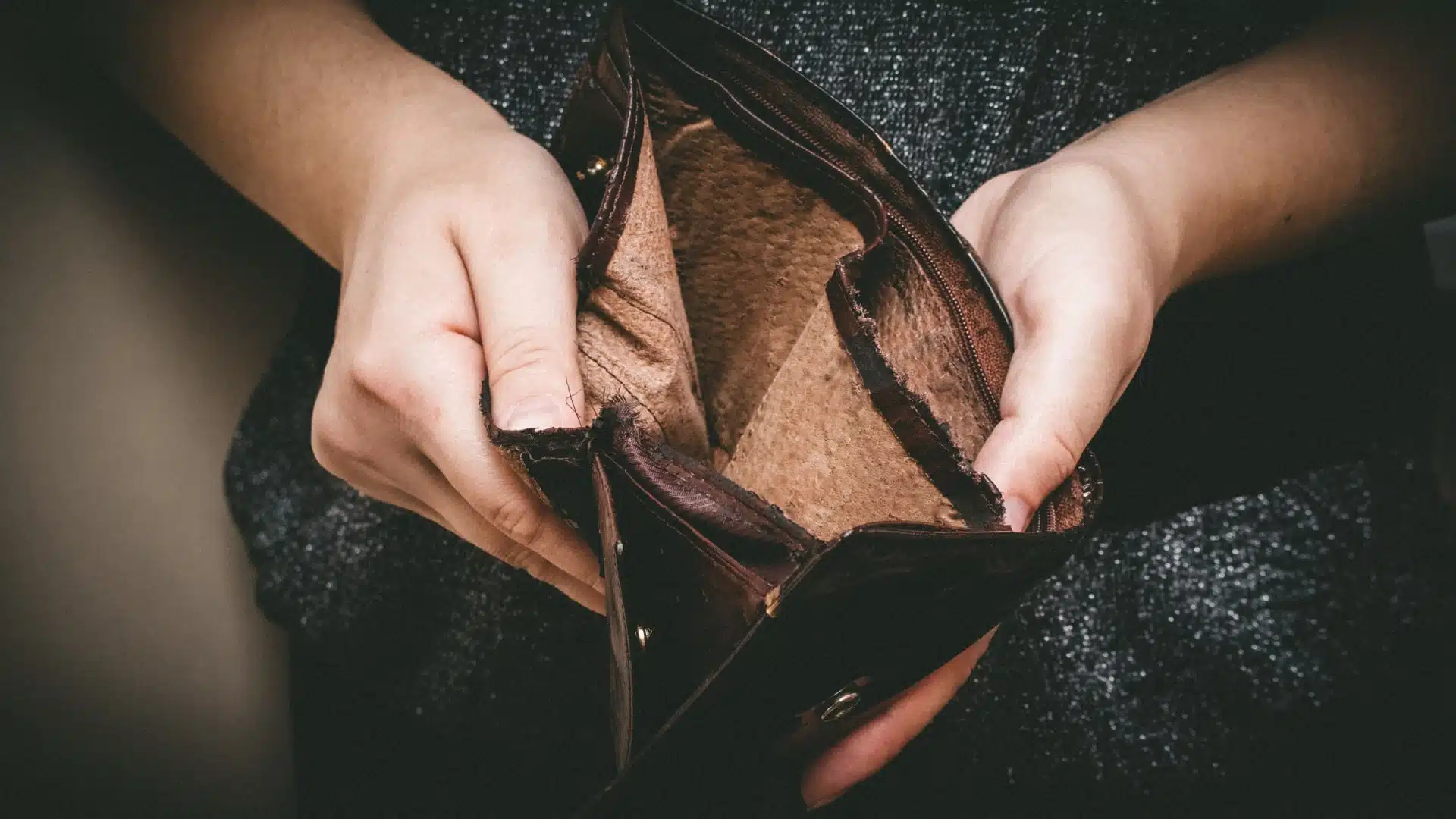
We often think of third world countries when we talk about poverty, but it’s thriving right here in the US.
Here’s the truth about America’s Poverty Trap.
The Truth About Generational Poverty

Generational poverty is just as real as generational wealth. Here’s a look at generational poverty in America.