

The old advice on how to succeed in life no longer works. Older generations knew that if they showed up and worked hard, they’d always have a stable job.
Today’s workers know different. They no longer have job stability, no matter how hard they work.
What Are Stable Jobs?

Stable jobs are secure jobs that pay a living wage (and perhaps a little more), offer raises, and provide essential benefits like health insurance and paid time off.
But there’s more to it than that. Stable jobs come with an unspoken contract. If an employee shows up and does what they’re supposed to do, they don’t have to worry about getting fired, laid off, or replaced. They might even be able to score a sweet promotion!
They’re jobs that workers can depend upon, jobs that people spend their entire careers in because the loyalty goes both ways.
These stable jobs no longer exist.
Job Security a Pipe Dream for Today’s Workers

Workers crave job security. They’ll sacrifice higher pay and better benefits for peace of mind, knowing they will always have a job.
It’s basic psychology. Security is near the base of Maslow’s hierarchy of needs. It rests on the second level, just above basic needs like food, water, and shelter. It means that after people meet their immediate needs, our brains automatically seek ways to ensure we can continue to meet them.
Our hunter-gatherer ancestors followed herds, then invented agriculture to achieve security. In today’s world, job stability provides that assurance.
Unfortunately, it’s getting harder and harder to find a stable job.
No Worker Protections

The United States has very few protections against instant termination. Although there is a small list of reasons you can’t fire someone (like a protected class or a whistleblower), most workers can be let go for no reason.
All states except for one have “at-will employment,” which is 1984 double-speak, meaning your boss can fire you anytime for any reason.
You can be fired without notice because you were a minute late, had to call out sick to care for your child, or simply because your boss doesn’t like you.
No warning, no ceremony, just fired without any recourse.
Layoffs

A company can also lay off employees without prior notice. They’re shady about it, too, often waiting until the very last minute to tell people, preventing them from finding stable employment elsewhere.
No policy states that they even have to tell you. Some folks find out they’ve been let go when their security badges stop working, or they’re kicked out of their company’s Slack channel.
One day you confidently have a job, the next you don’t.
Outsourcing and AI

The worst part about layoffs is what companies do after. Sometimes, the company goes under and truly can’t afford employees anymore.
It’s an awful situation for everyone.
But more often than not, companies lay off workers to outsource their jobs to cheaper countries or replace them with artificial intelligence. It’s not because they can’t afford to pay them, it’s because they’re constantly searching for increased profits.
US employees must compete with those in other countries who will work outrageous hours for pennies on the dollar, or with automation that’s almost free after the initial investment.
No Loyalty

These companies treat employees like endless cogs in a giant wheel. The people who give their blood, sweat, and tears are nothing but numbers that eat into their profits. The goal isn’t to treat them well; it’s to suck as much work out of them for as little pay as possible.
They’ll scream about loyalty, but know it doesn’t go both ways. These companies want employees loyal to them, but they do not show the same loyalty back to their workers. They’ll fire you instantly if it’s better for their bottom line.
No Stability

The result for employees is a massive reduction in job security. People are no longer assured of stable employment.
No company guarantees you won’t be laid off or fired for no reason. Even companies that seem like they treat employees well are subject to mergers, buyouts, new managers, and the whims of the economy.
And it’s the workers who rely on their paychecks to survive that suffer the most.
What Can Workers Do to Survive?

Workers aren’t completely powerless, at least not yet.
Here’s what they need to do to protect themselves in this new era of job insecurity.
Job Hop

You know a company won’t be loyal to you, so why stay loyal to a company?
Keep your eyes open and ears peeled for new opportunities. Switch companies and industries regularly.
Look out for yourself first because we all know your boss will do the same.
However, you must be careful with job hopping. You’ll want to stay in some positions for 2-3 years to avoid the “job hopping red flag” on your resume.
Skill Improvement

To stay competitive, you must constantly update your skills. Take courses outside your primary line of work to become more well-rounded. Collect certificates and volunteer for tasks and committees that stretch your comfort zone.
It’s vital to focus on in-demand skills of the future that can easily translate to different industries.
Unfortunately, nobody knows what the next “in-demand” skill might be, but the more well-rounded you are, the more marketable you are.
Emergency Savings
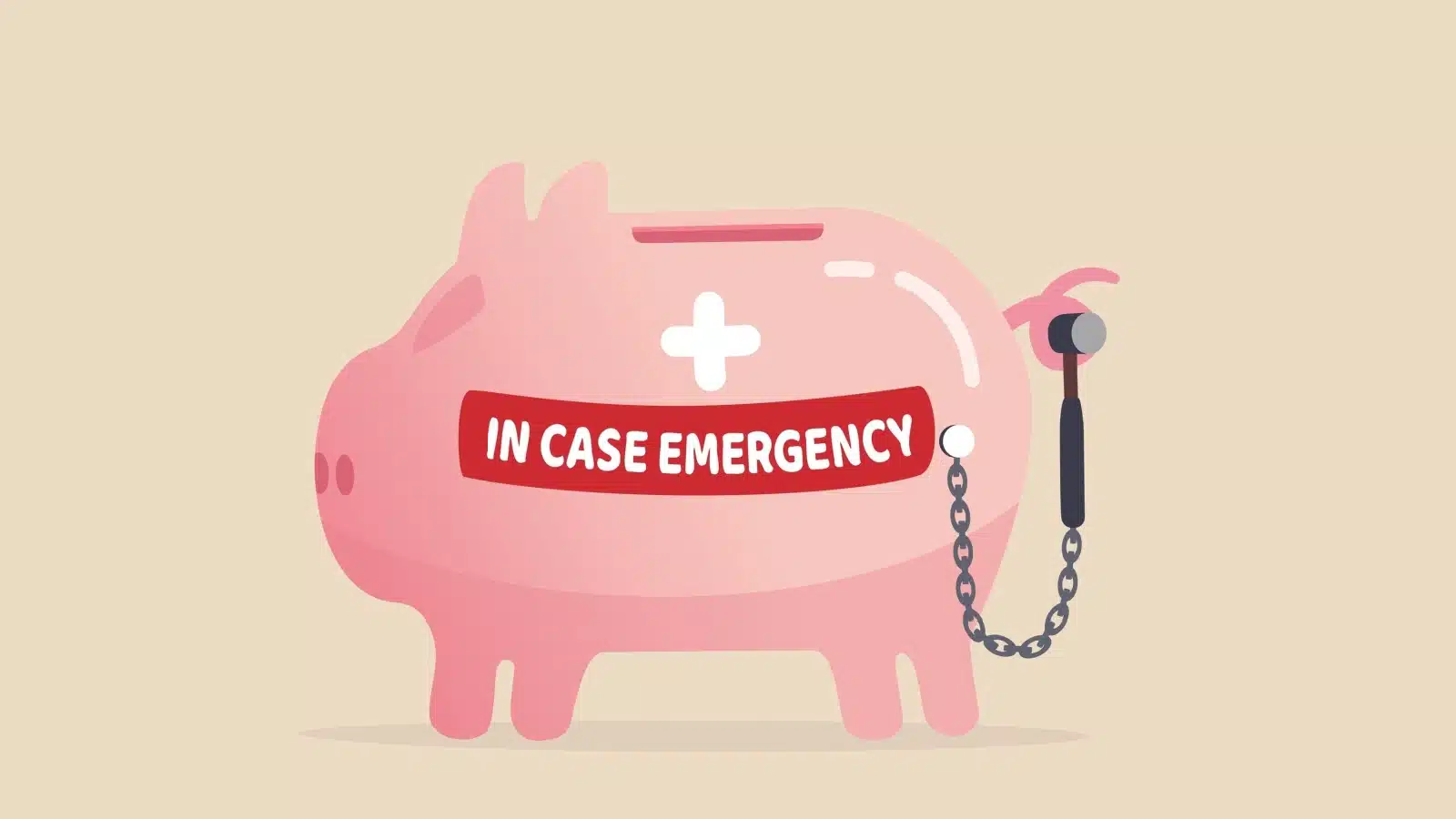
You may still face a layoff despite your best efforts to remain competitive and employable. An emergency savings account with 3-6 months of living expenses is your best protection against an unexpected job loss.
You’ll be thankful you have that cushion while you look for a new position.
Self-Employment

Self-employment was too risky for most people who craved the security of a full-time job.
Since full-time jobs no longer offer that security, maybe it’s time to give self-employment a second look.
Consider freelancing, consulting, or starting a side hustle that will ensure a little income should you lose your primary job.
Unionize

Why do you think older workers enjoyed job security? No laws mandated it, but most companies offered it.
Unions played a crucial role.
Propaganda made you think unions are bad, but they’re the reason we have a forty-hour work week, overtime, and safety requirements. Unions protect workers from companies trying to exploit them.
If you dislike how your union is managed, join the leadership team.
Vote

The best place to effect change is at the ballot box. Vote for candidates who support unions and worker protections. Stop supporting candidates who favor exploiting workers to enrich the corporate overlords.
It will not trickle down to you.
Let’s Bring Job Stability Back

Stable jobs don’t have to go the way of the dinosaurs. If “We the People” fight back and demand changes to the toxic work culture that benefits us rather than giant corporations, we can have the security our parents and grandparents enjoyed.