

The cultural idea of the prenup is something that protects a man’s hard-earned assets from a conniving woman hoping to hit a payday after a hefty divorce settlement.
When we think of prenuptial agreements, we usually picture a well-off man thrusting paperwork in his poorer fiancée’s face, telling her she needs to sign off or he won’t marry her.
The image is wrong, and it hurts women.
Why Do Women Hate Prenups?

This standard view of prenups makes women hate them. Women believe in the romanticized notion of marriage, where it’s the couple against the world and that they’ll be together forever.
Of course, their fairytale bubble gets popped at the very mention of the term “prenup.” It invokes a feeling of distrust and makes them feel like their partner may not be as committed as they are.
I can’t help but think society made women hate prenups on purpose, to prevent us from realizing how the legal document protects women.
Women Should Want Prenups Even More Than Men

Women are far more vulnerable in marriage and divorce than men. If anyone should demand a prenup, it should be the woman.
Numerous studies show that women’s financial outcomes from divorce are far worse than men’s. Women move down the economic ladder, lose their homes, and even fall into poverty post-divorce at far greater rates than men.
And yet, it’s the men who demand prenups and scream about unfair divorce outcomes.
Here’s why women must rethink the prenup and what they must consider before signing it.
Prenups Protect Both Parties
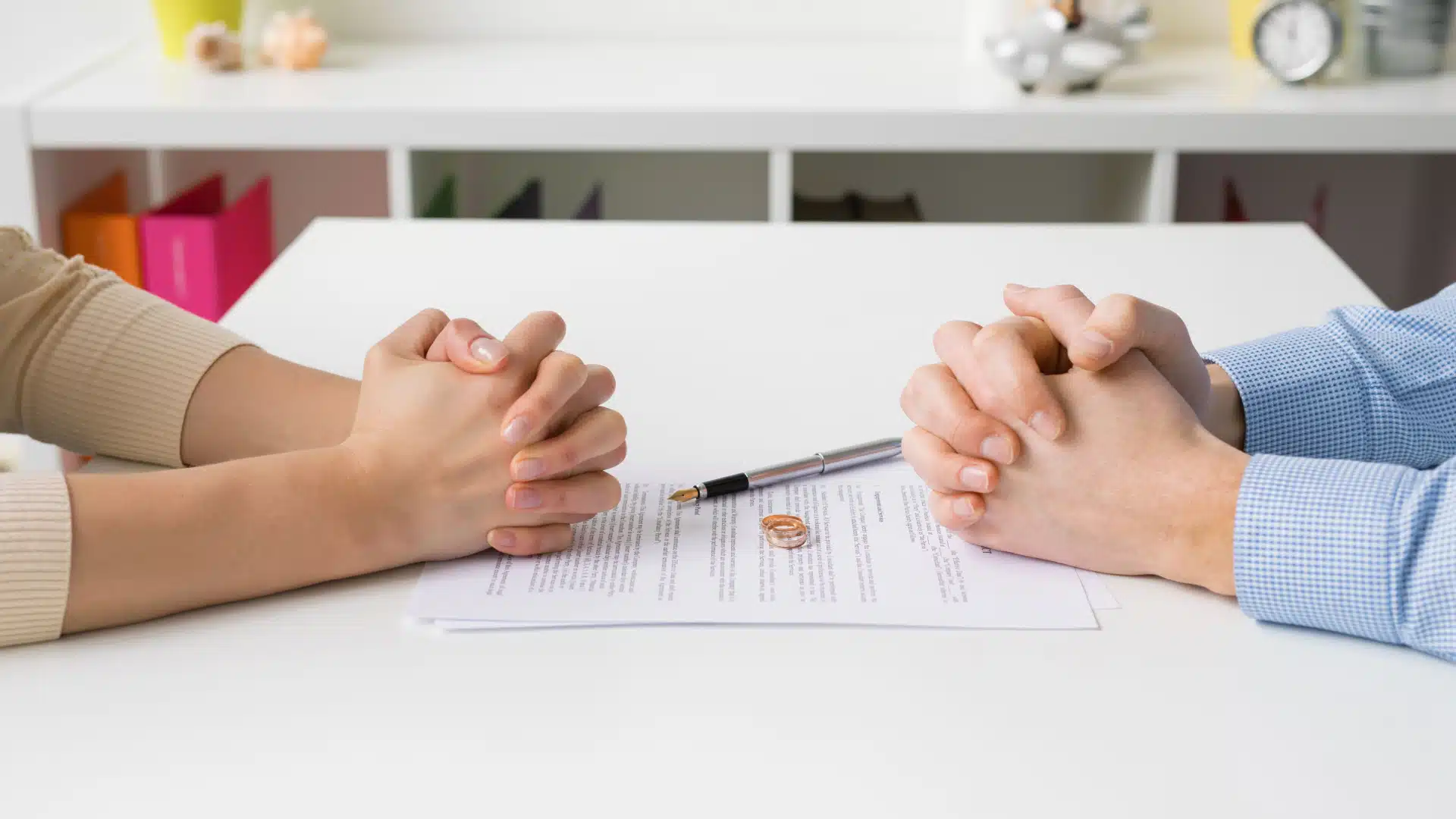
A good prenup should protect both parties. Unfortunately, the person asking for it is usually better off financially, and their interest lies in protecting their financial assets.
But the lower earner also needs to protect themselves, especially if children enter the picture.
A good prenup will protect both parties, covering a wide range of scenarios that could impact either’s financial stability.
Pregnancy Impacts Women

The biological aspects of having children will never be equal. Only women bear the burden of pregnancy and breastfeeding.
A prenup must protect the mother’s health and wellness during pregnancy and recovery. It must account for the unequal burden of having children by ensuring all medical bills are split fairly and the mother’s finances aren’t negatively impacted (in comparison to the father’s).
How to Include Pregnancy and Childbirth in a Prenup

You can include clauses about pregnancy and childbirth in a prenup, but most people don’t do it. However, having children causes a massive impact on women’s financial lives, and if he’s demanding a prenup, he’d better be willing to discuss it.
Decide upfront if someone will stay home with the kids, and ensure the prenup protects that person by providing them a stipend, ensuring they get their own funded retirement account, and ensuring an equal split of earnings during this period.
Far too many men see their stay-at-home wives as an appliance, not a person, sacrificing their own careers and earnings to raise children. Far too many women trust their husbands to have their best interests at heart, only to be thrust into poverty when he brings home a younger model.
A prenup can protect women from these men. Those who see women as wife-appliances won’t ever sign something that forces them to cover her financially. A man who loves and values his wife won’t think twice about making sure she’s protected during this vulnerable time.
Even Working Moms Suffer

Society punishes motherhood at every turn. Even working mothers face undue burdens while trying to juggle careers and parenthood. Working moms may need to opt for more flexible, lower-paying careers or may need to take extra time off to care for sick children.
Even those who don’t often get punished, losing out on promotions because of the stigma surrounding motherhood.
If you want to have children, your prenup should cover every possible burden of motherhood. You should be protected if your earnings suffer due to child rearing, even if you don’t decide to stay home. There should be a clause that offers compensation for taking a lower-paying but flexible job, and another that protects you if you need to switch to part-time work.
Consider Other Sacrifices
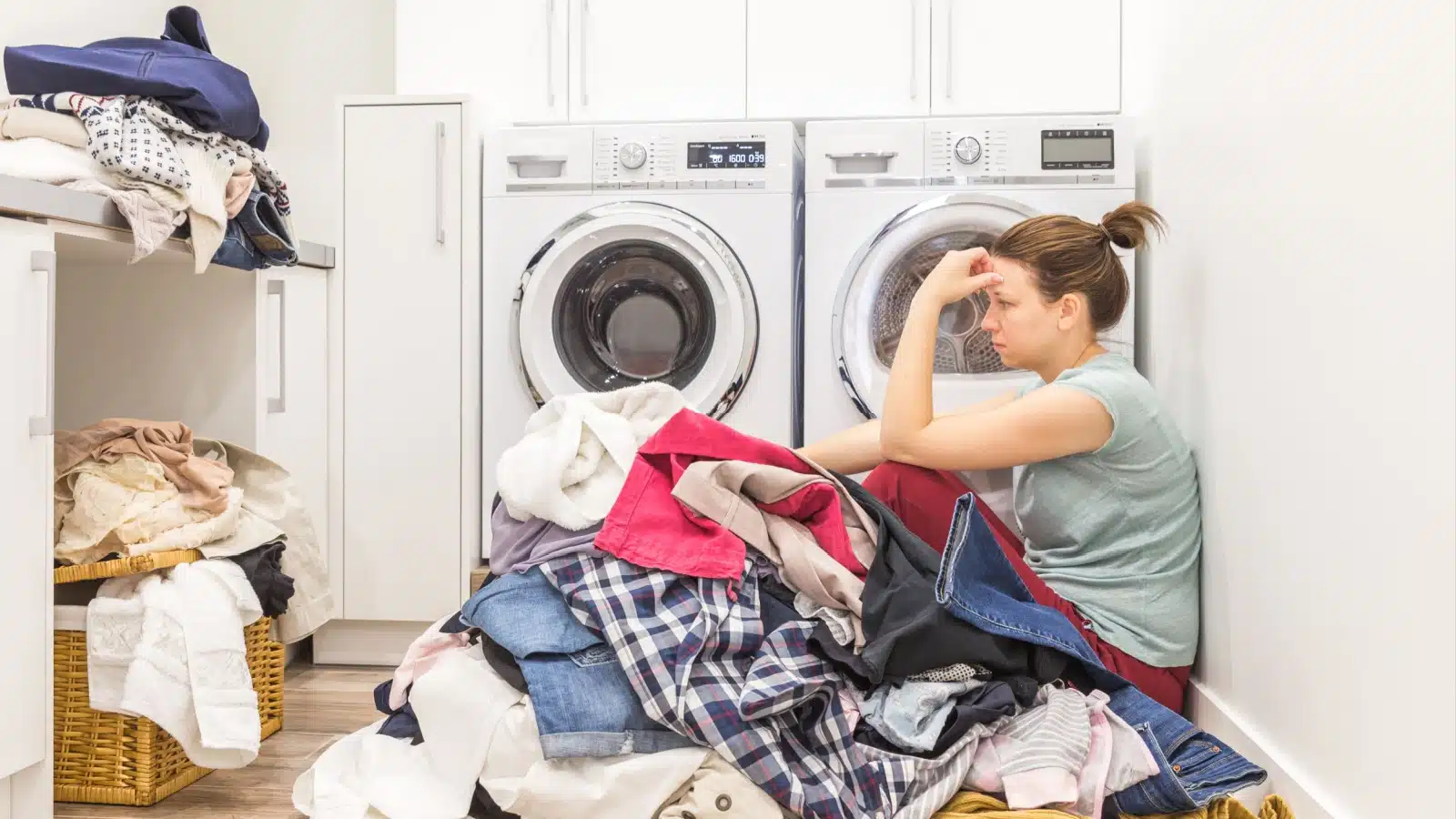
Women who don’t have kids also sacrifice for their husbands. Thousands of women give up their dreams and careers to support him and his, limiting their lifetime earnings.
When he gets a job on the other side of the world, she often quits her job to move with him, even if it means she’ll have to take a lower-paying position. She’ll often work to put him through medical school or law school or to help pay his student loans, only to be dumped as soon as he gets that high-paying career.
Women also do the bulk of the housework, both with and without kids, handle all social engagements, and care for both parties’ aging parents.
Women put a lot into marriage. These contributions and sacrifices must be considered when crafting your prenup.
Protect Yourself

You will need your own lawyer to draft up language to protect yourself in all these circumstances.
The exact language will vary based on your circumstances, but every woman should ensure the prenup covers these possibilities. It’s especially crucial if you want to have children.
What if He Scoffs?

Modern prenups rarely discuss pregnancy and child-rearing. They rarely offer protection to mothers who sacrifice their bodies and careers to raise kids.
A man who insists on a prenup may scoff at the very suggestion that a woman protect herself with these clauses.
If he does, don’t marry him.
You do not want to marry someone who refuses to recognize the massive sacrifice mothers make to raise children. You don’t want to marry someone who doesn’t value your contributions, even if they aren’t financial.
Presenting him with these clauses in the prenup will tell you exactly what kind of man he is. Does he see you as an equal partner worthy of respect and dignity, or does he view you as an appliance he can use and discard?
You want to find that out before you marry him, not after.