
Poetry is a gateway to our souls. It’s one of humanity’s greatest inventions and oldest forms of expression, an art form that separates us from the beasts in our ability to convey intense emotions through imaginative wordplay.
The Most Famous Poets in History

Celebrate humanity’s best with a trip through time to explore the most famous poets who ever lived, from the ancient Greek and Roman playwrights until today.
Rekindle your love for the written word, prose, and our unique ability to express such a depth of emotion through words alone.
Sappho
Although they are
only breath, words
which I command
are immortal
Our journey starts in Ancient Greece with one of the most famous female poets who ever lived. The infamous Sappho hailed from the island of Lesbos in the Mediterranean, and her sensual works about femininity inspired the name “Lesbian” for women who love women.
However, Sappho herself wasn’t (as far as we know) a lesbian. Her poetry featured erotic prose, but it was likely in celebration of the goddess Aphrodite rather than a glimpse into her personal life.
Homer
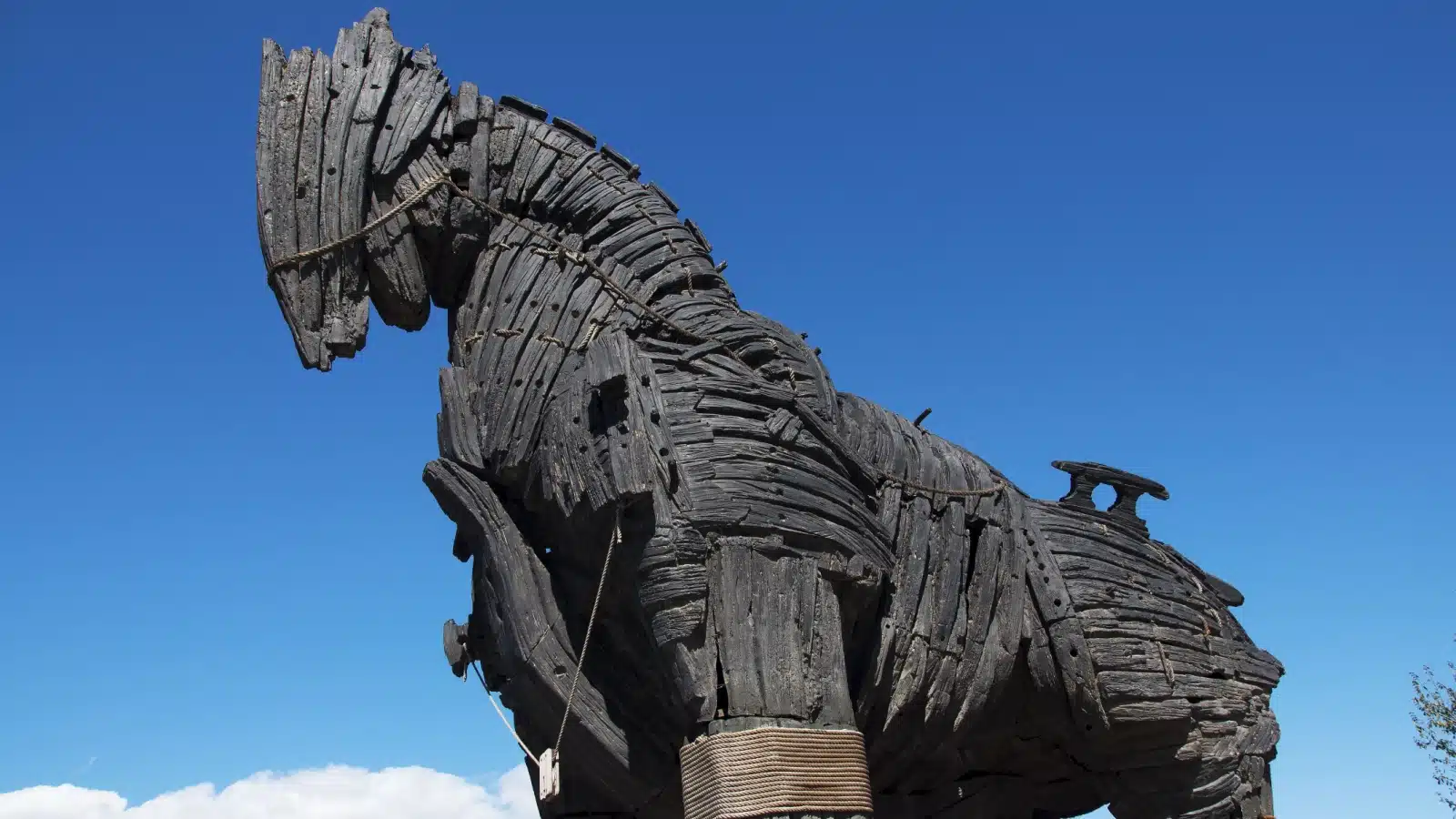
Homer’s epic poems, The Odyssey and The Iliad, memorialized many of our favorite Greek legends for posterity. Though novel-length, the works are written in prose and thus considered epic poems rather than novels.
The two poems give us accounts of the legendary Trojan War and Odysseus’s troubled voyage back to Ithaca.
Unfortunately, we know very little about Homer. Legend has it he was blind, and it’s possible he didn’t write either tale; he only copied them and got his name attached.
Sophocles
O LOVE, thou art victor in fight: thou mak’st all things afraid;
Thou couchest thee softly at night on the cheeks of a maid;
Thou passest the bounds of the sea, and the folds of the fields;
To thee the immortal, to thee the ephemeral yields;
One of the most celebrated playwrights in Athens gave us Oedipus, the tantalizing story that teaches us we can’t escape our destiny.
Though we remember Sophocles best for his tragedies, he was also a renowned poet. He authored numerous shorter pieces about love and life, virtue and vice. His surviving work gives us a glimpse into the life and times of Ancient Athens.
Ovid
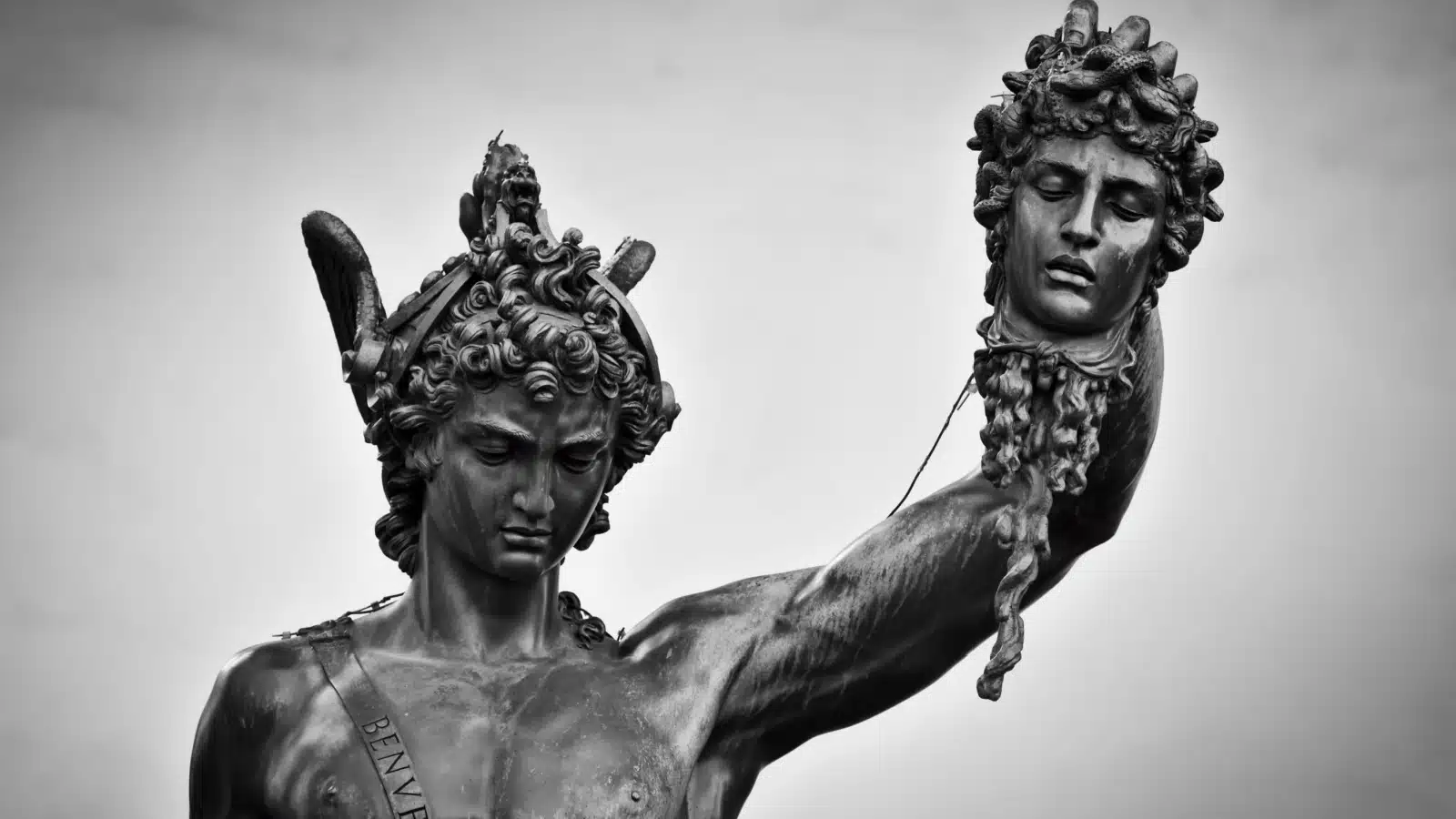
Ovid’s magnum opus, Metamorphoses, tells us about Perseus’s battle with Medusa, Orpheus’s journey to the underworld in a failed effort to save Eurydice, and the slaying of the terrifying Minotaur.
Although written in the 1st century by a Roman, these hexameter verses give us the best surviving records of these ancient stories.
Virgil
Virgil’s most famous poem tells us how Rome was founded. It provides the connection to the Greeks, telling us how Aeneas fled Troy to found the classic city.
The epic has nearly 10,000 lines, all composed in dactylic hexameter (just like the Odyssey and Metamorphoses).
Virgil also authored poems with more pastoral themes, celebrating agriculture, the homestead, and the joys of a quiet life on the farm.
Horace
Nothing’s too high for mortal men:
like fools, we aim at the heavens themselves,
sinful, we won’t let Jupiter
set aside his lightning bolts of anger.
The Greek lyricist Horace is most well-known for his Odes, a collection of works celebrating everything from his contemporaries like Virgil, to the seasons, his country, his king, and the gods and goddesses.
His work is witty, engaging, and often satirical. They provide a glimpse into how Romans really felt about the world in which they were living.
Chaucer
Sparse poetry survived from the millennium between the Roman Greats and the Middle Ages. After Ovid’s death around 17 AD, it took nearly 1300 years for another famous poet to hit the scene, and Chaucer made a big splash.
The famous poet is hailed as the Father of English Literature and is sometimes credited with modernizing the English language (though that’s debatable). His epic work, The Canterbury Tales, features 24 stories, each with a unique character narrating their part. The often raunchy, satirical poems cover themes like religion, social class, and perspective.
Shakespeare
Shall I compare thee to a summer’s day?
Thou art more lovely and more temperate:
Rough winds do shake the darling buds of May,
And summer’s lease hath all too short a date;
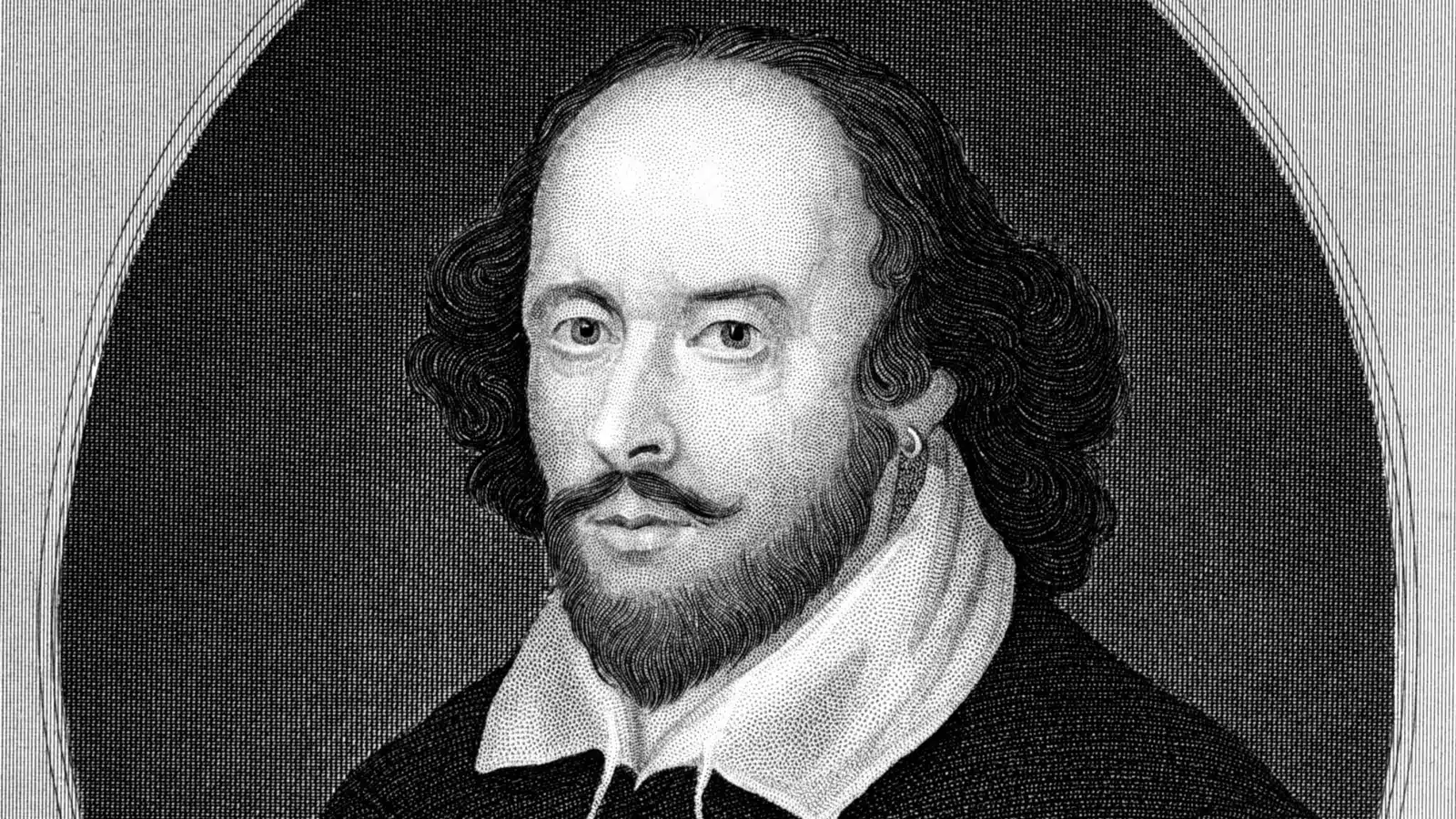
If we had to pick one poet as the most famous poet of all time, we’d have to pick William Shakespeare. If Chaucer created English literature, Shakespeare perfected it.
Though most people remember Shakespeare as a playwright (whose plays incorporated a wide range of poetry), he also authored hundreds of sonnets and other short poems. The Renaissance poet gave us hundreds of idioms, transforming the “turn of phrase” into an art form.
Alexander Pope
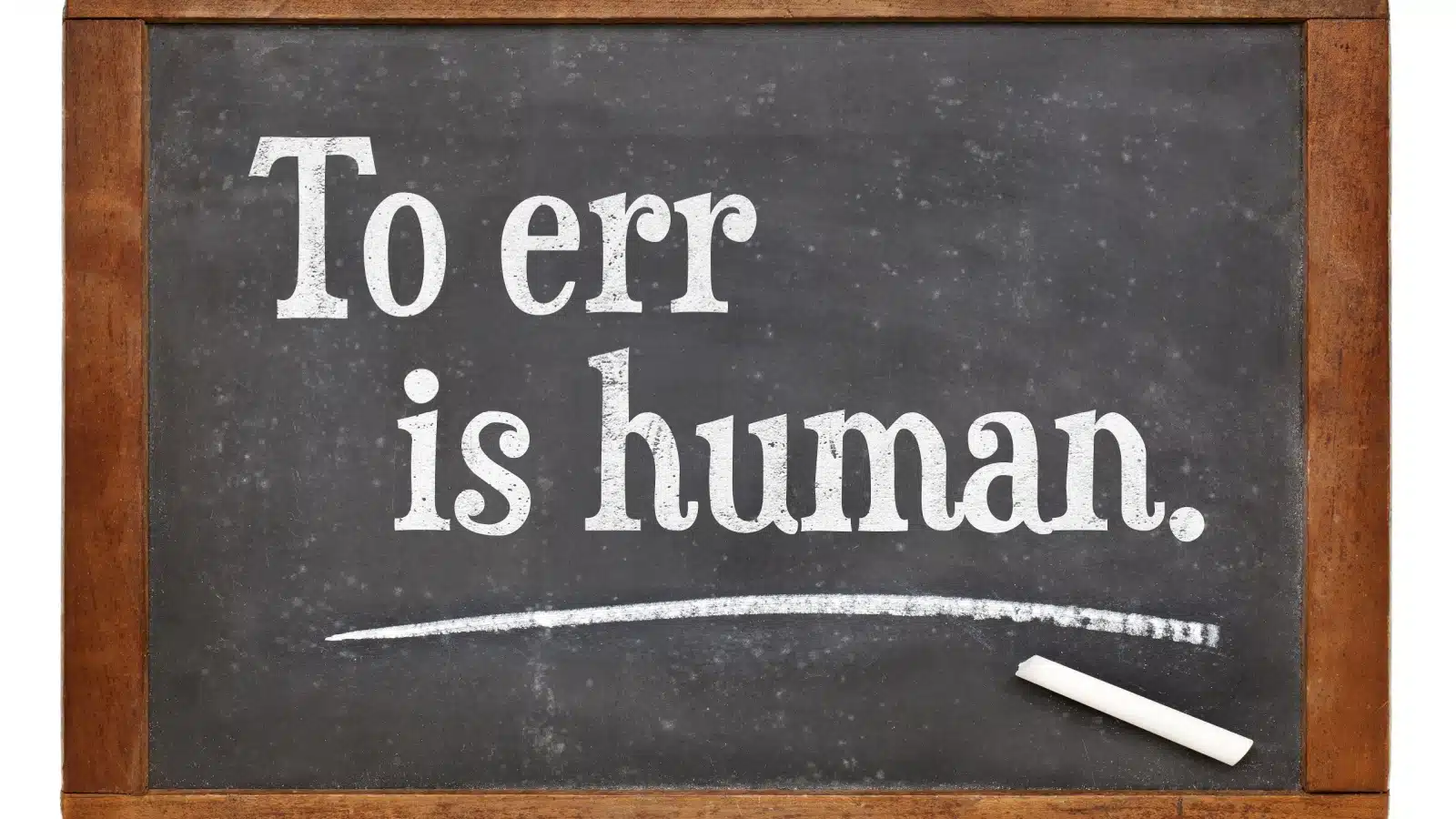
To err is human; to forgive, divine
Alexander Pope bridged the gap from the Renaissance to the Age of Enlightenment. Although he’s most famous for translating Homer’s epics, he was a fantastic poet in his own right, crafting satirical verses about high society, governance, and politics.
One of Pope’s most important works, An Essay on Criticism, argued that form and structure are more essential to poetry than free-form expression. The meta work featured poetry critics debating poetry.
Lady Mary Wortley Montagu
Lady Mary Wortley Montagu’s life and poetry highlight women’s subjugation and oppression in the 17th century. Though a skilled poet, she didn’t even mean to become published or remembered as one. Some of her poems were attributed to others, and we still may not know all of her works.
As a woman of high society, Lady Mary dreamed of her own freedom to live her life as she chose, but she didn’t seem to consider the overarching cause of feminism and women’s liberation.
Nevertheless, her poetry offers a glimpse into her life, providing us a unique view of womanhood (and her ideas of it) during the period. Though some scholars classify her work as “too masculine,” I see it as an attempt to escape the shackles society assigned to femininity at the time.
Mary Alcock
Now you contrive the lovers’ meeting,
To set your reader’s heart a-beating,
But ere they’ve had a moment’s leisure,
Be sure to interrupt their pleasure;
Provide yourself with fresh alarms
To tear ’em from each other’s arms;
No matter by what fate they’re parted,
So that you keep them broken-hearted.
As a 16th-century woman, Alcock didn’t have the opportunity to focus on poetry. She spent her life caring for ailing parents and her sister’s children.
Nevertheless, she wrote poetry in her free time, which was published after she passed. Although her works received little acclaim at that time (likely due to her gender), we appreciate them more today.
One of her most famous works A Receipt for Writing a Novel, features clever prose about writing a novel. It’s a delightful read that seems to poke fun at the common literary tropes of her time.
William Wordsworth
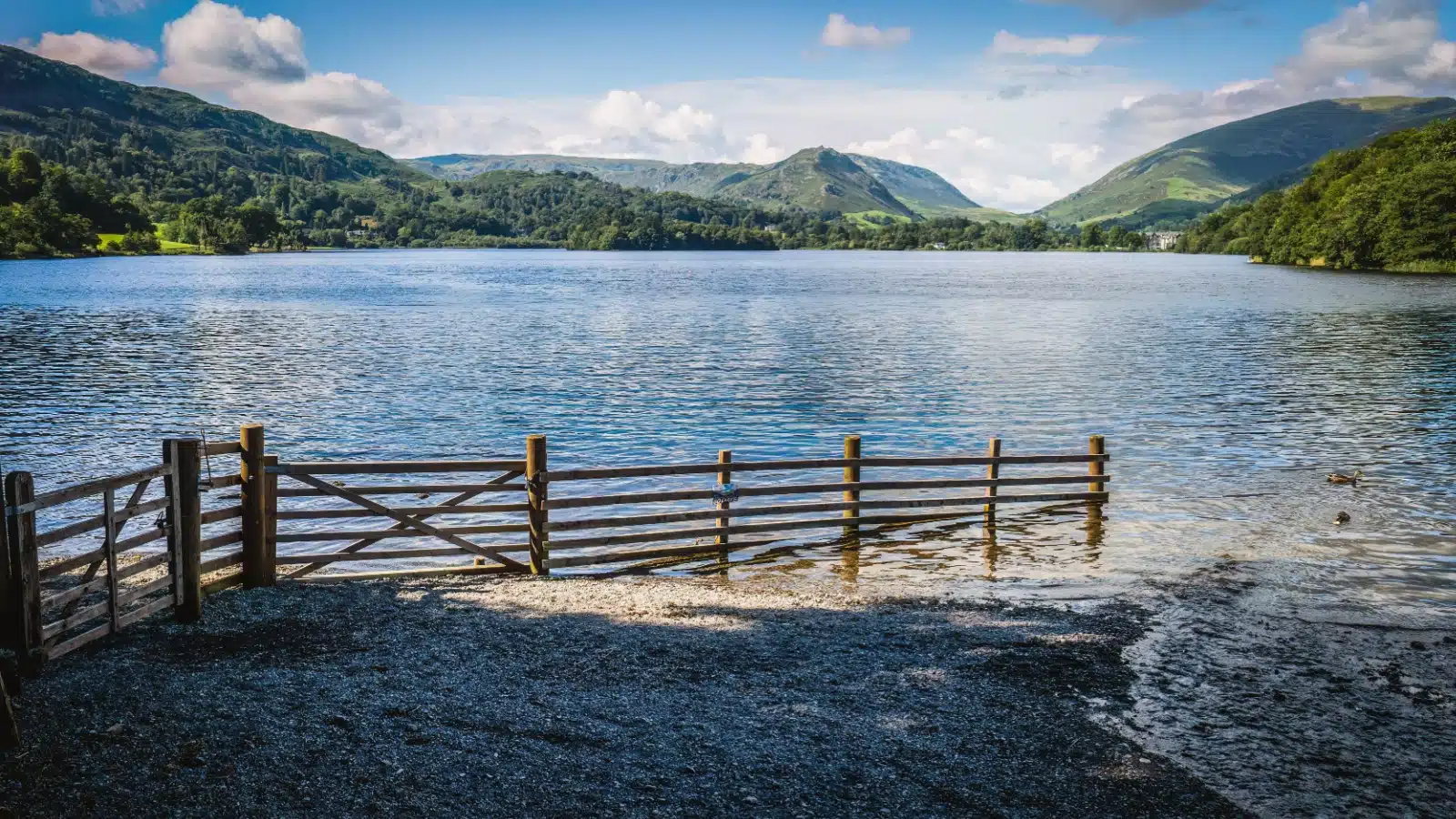
With a name like Wordsworth, what else would you do but become a poet? Wordsworth (along with his friend Coleridge) was a forerunner of the English Romantic movement.
Their works celebrated nature, subjectivity, and imagination in response to the overly rational ideas of the Enlightenment.
Wordsworth’s most famous poem was also his life’s work. He started his Poem to Coleridge, now known as The Prelude, in his late 20s, but let perfection be the enemy of progress, refining it throughout his life, never quite completing it.
Samuel Coleridge
At length did cross an Albatross,
Thorough the fog it came;
As if it had been a Christian soul,
We hailed it in God’s name.
Coleridge’s most famous poem, Rime of the Ancient Mariner, was first published in his joint work with Wordsworth, Lyrical Ballads, the collection credited with starting the Romanticism movement.
The talented poet also authored Kubla Khan, a short, unfinished poem with majestic imagery contrasting the beauty of a pleasure dome with a great emptiness. Literary scholars still argue whether the poem has any real meaning or was written for the sake of poetry alone. Perhaps we’d know if Coleridge wasn’t interrupted while writing it.
Lord Byron
Lord Byron was a rockstar poet even in his own time. As one of the forerunners of the Romanticism movement, his poems evoked a sense of individualism, adventure, and celebration of the natural world.
One of his most famous poems, Don Juan, is about a man seeking adventure in exotic locales. He’s a charming nobleman who swaps a life of luxury in high society for intrigue in the frontier. However, most of us may remember him best for his stunning opening line, “She walks in beauty, like the night,” which is ingrained in our collective subconscious.
William Blake
William Blake was the poet equivalent of celebrated artist Vincent Van Gogh. He produced a wide range of amazing poetry during his life, but he wasn’t appreciated in his time. Though living during the transition from the Enlightenment to Romanticism, Blake’s poetry transcends categorization.
His early works were influenced by Enlightenment thought, celebrating rebellions like the American and French Revolutions and supporting the class struggle of the oppressed against the bourgeoisie. As a pre-romantic, he celebrated individualism and freedom in all forms – against religious dogma, slavery, and class injustice.
John Keats
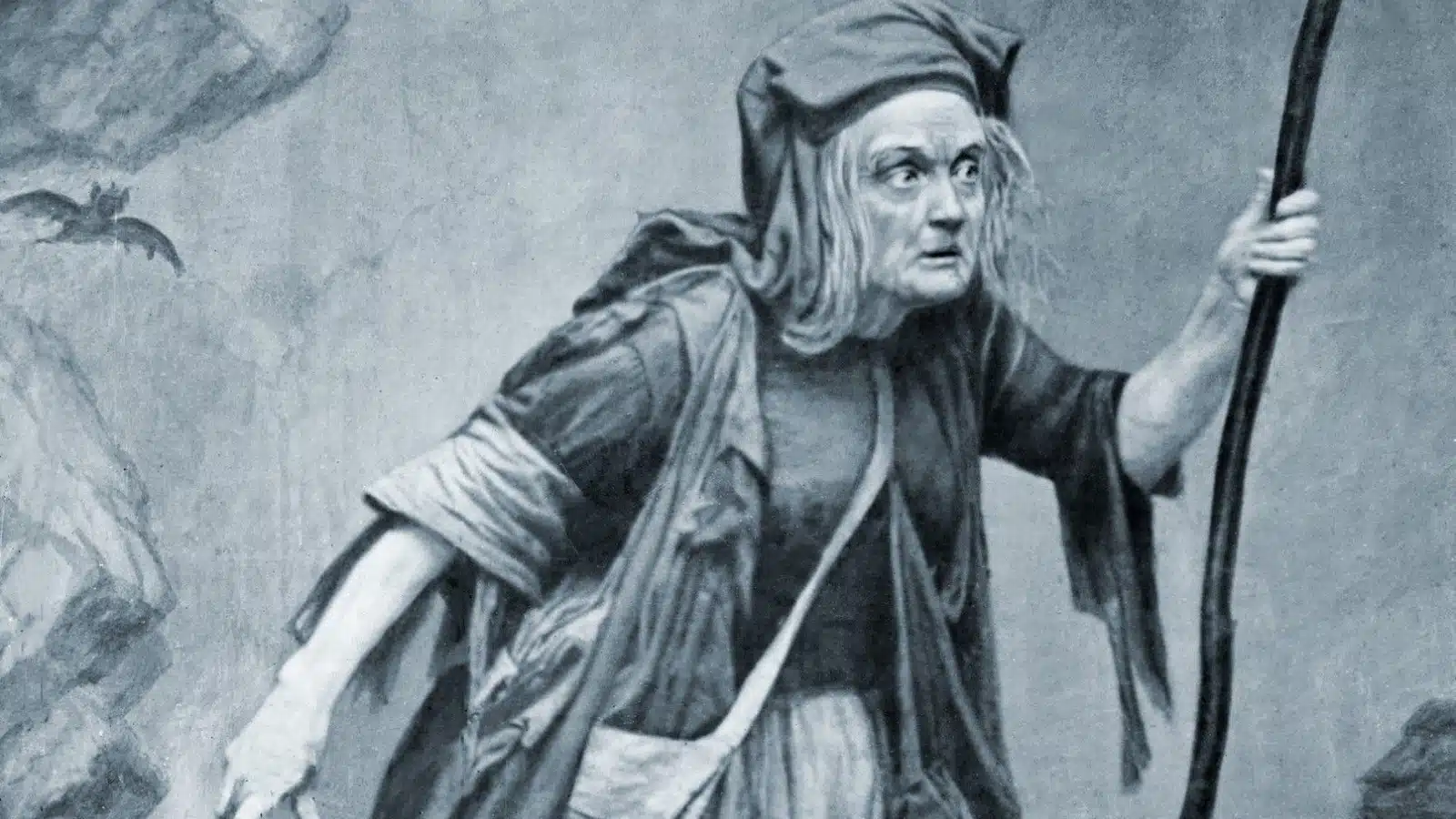
As a second-generation romantic, Keats took the celebration of nature to the next level with poetry exploring themes of death and mortality, the uncomfortable aspect of life that many of us try to ignore.
One of his most famous poems, Ode to a Nightingale, highlights these themes, showcasing the transience of pleasure and the harsh truth that all of us will grow old, weary, and eventually leave this Earth.
Ralph Waldo Emerson
God said, I am tired of kings,
I suffer them no more;
Up to my ear the morning brings
The outrage of the poor.
Emerson led the transcendentalist movement of the early 19th century, which celebrated the goodness of humanity and nature while decrying the corruption of modern civilization.
Although remembered more for his philosophical essays on humanity and our place in the natural world, his poems opened the door to new forms of prose and visual metaphor, influencing some of America’s best poets, like Whitman, Thoreau, and Dickinson.
Emerson’s short, punchy verse simplified complex subjects, making them more accessible to the common man.
Walt Whitman
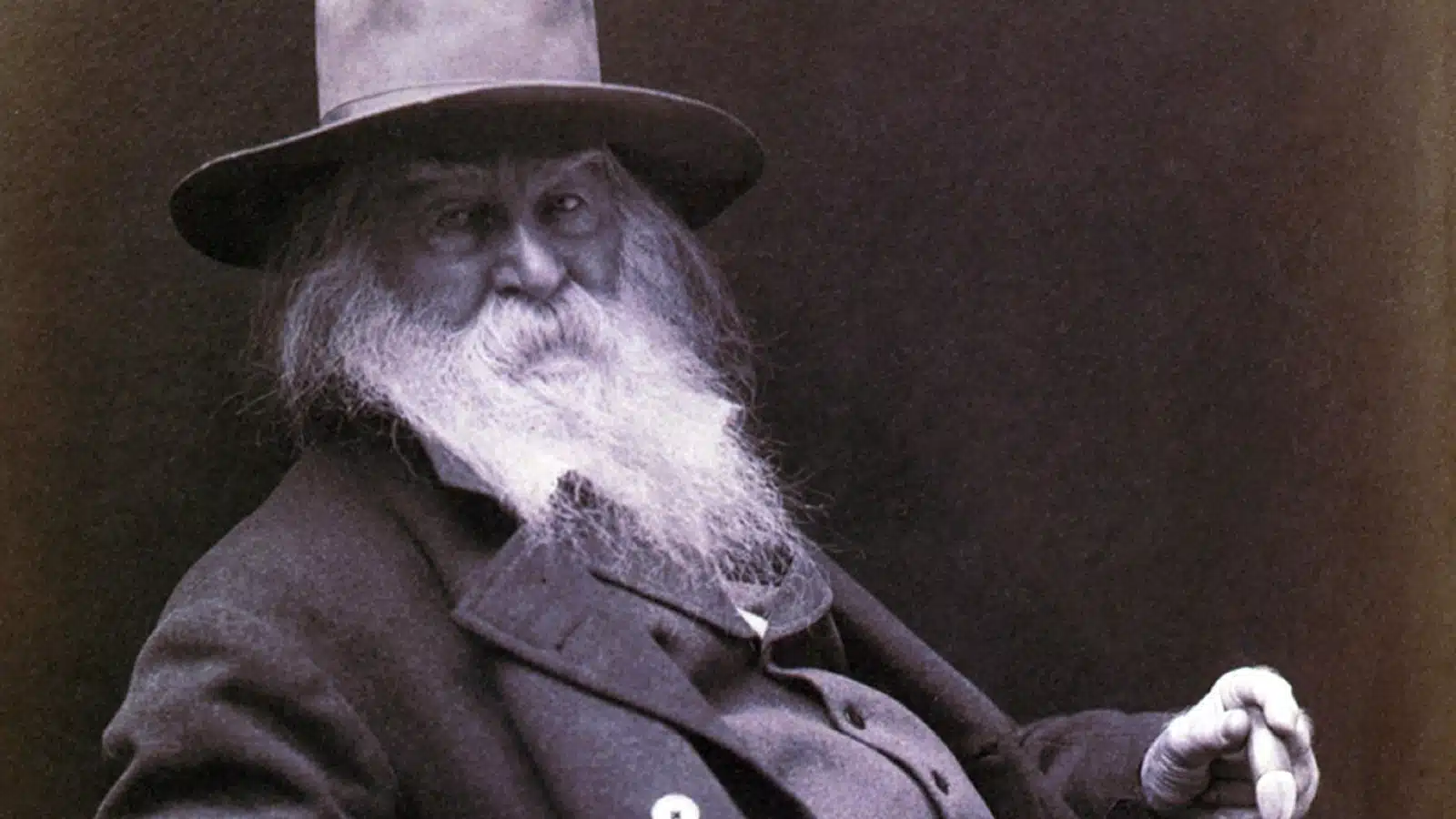
Whitman defined 19th-century America. His poetry, written with a distinctly American character, helped canonize the ideals of democracy and freedom into the US cultural subconscious.
His first major work, Leaves of Grass, a self-published collection of poems, rejected the social norms of modesty, instead celebrating sensuality and sexuality in a way that contemporaries labeled obscene. Today, it’s praised as one of the best examples of American poetry.
Whitman’s also notable as a Civil War-era poet. He authored important works like Oh Captain, My Captain and When Lilacs Last in the Dooryard Bloom’d, both responses to Abraham Lincoln’s assassination.
Henry David Thoreau
Thoreau’s poetry idolizes nature and the pleasures of a simple life. He was a naturalist before the American Naturalist Movement even started, in both a scientific and poetic sense.
His greatest work, Walden, explores the transcendental themes of individualism and self-sufficiency experienced during his two-year seclusion in a cabin in the forest. He was also a strict abolitionist, supporting humanity’s freedom in all forms.
Emily Dickenson
Because I could not stop for Death –
He kindly stopped for me –
The Carriage held but just Ourselves –
And Immortality.
Though not appreciated in her time, Emily Dickinson now stands as one of the most famous female poets in all of history. Her massive body of work helped – Dickinson was a prolific poet who authored nearly 2000 poems, though most remained unpublished for decades after her death.
Her work covered a wide range of themes, from death and illness to spirituality and transcendentalism. She often wrote of flowers and gardening, though the imagery was likely metaphorical.
My favorite aspect of Dickinson’s work is the humor. She made indulgent use of satire, irony, humor, and puns in her work, showcasing her sharp wit in poems like I’m Nobody! Who Are You?
Edgar Allan Poe

Is there a more compelling opening line to a poem than “Once upon a midnight dreary, while I pondered, weak and weary,” from Poe’s iconic The Raven?
America’s most famous poet, Edgar Allan Poe, brought the macabre into the mainstream. His dark, gothic poetry instilled a sense of dread and foreboding in readers, offering a glimpse into his disturbing psyche that fascinates us still to this day.
Though an immensely talented poet, Poe struggled in life. Though he earned a living from his writing, it wasn’t a lot, and he was poor most of his life. His mysterious death from some unknown medical condition (possibly rabies) only added intrigue to his story, making his chilling tales even more compelling.
Louisa May Alcott
Though Alcott is best known for her novel Little Women, she was also a prolific poet, exploring themes such as transcendentalism with a more feminist approach. Her work evokes a longing for the freedom her male contemporary poets seemed to take for granted, highlighting the different reality 19th-century women faced in comparison to men.
Her poem A Little Bird I Am uses the allegory of a caged bird to highlight the social constraints keeping women trapped, while the ironic A Song from the Suds showcases how women’s never-ending work hinders their freedom to think and dream.
W.B. Yeats
Yeats, an early 20th-century Irish poet, was a modern poet who preferred classical styles and motifs. His early works featured symbols and imagery from folklore, and though he focused on Irish legend, he also borrowed from Greek mythology, like in his epic Leda and the Swan.
The socio-political tides of his time greatly influenced Yeats’ work. He wrote about the Easter uprising in 1916, the uncertainty of raising children while his country was embroiled in a revolution, and the trepidation of what was to come in a post-WWI Europe.
T.S Elliot
The river’s tent is broken: the last fingers of leaf
Clutch and sink into the wet bank. The wind
Crosses the brown land, unheard. The nymphs are departed.
Sweet Thames, run softly, till I end my song.
The English poet is best known for The Waste Land, a response to the devastation and uncertainty wrought by WWI. The poem stands as one of the most important poetic works of the 20th century, highlighting this era of great change in society.
But Elliot didn’t only write about destruction. His whimsical Old Possum’s Book of Practical Cats offers a stark contrast to his earlier works, celebrating the secret life of cats. The fun book of poems was later adapted into the musical Cats by Andrew Lloyd Webber.
Robert Frost
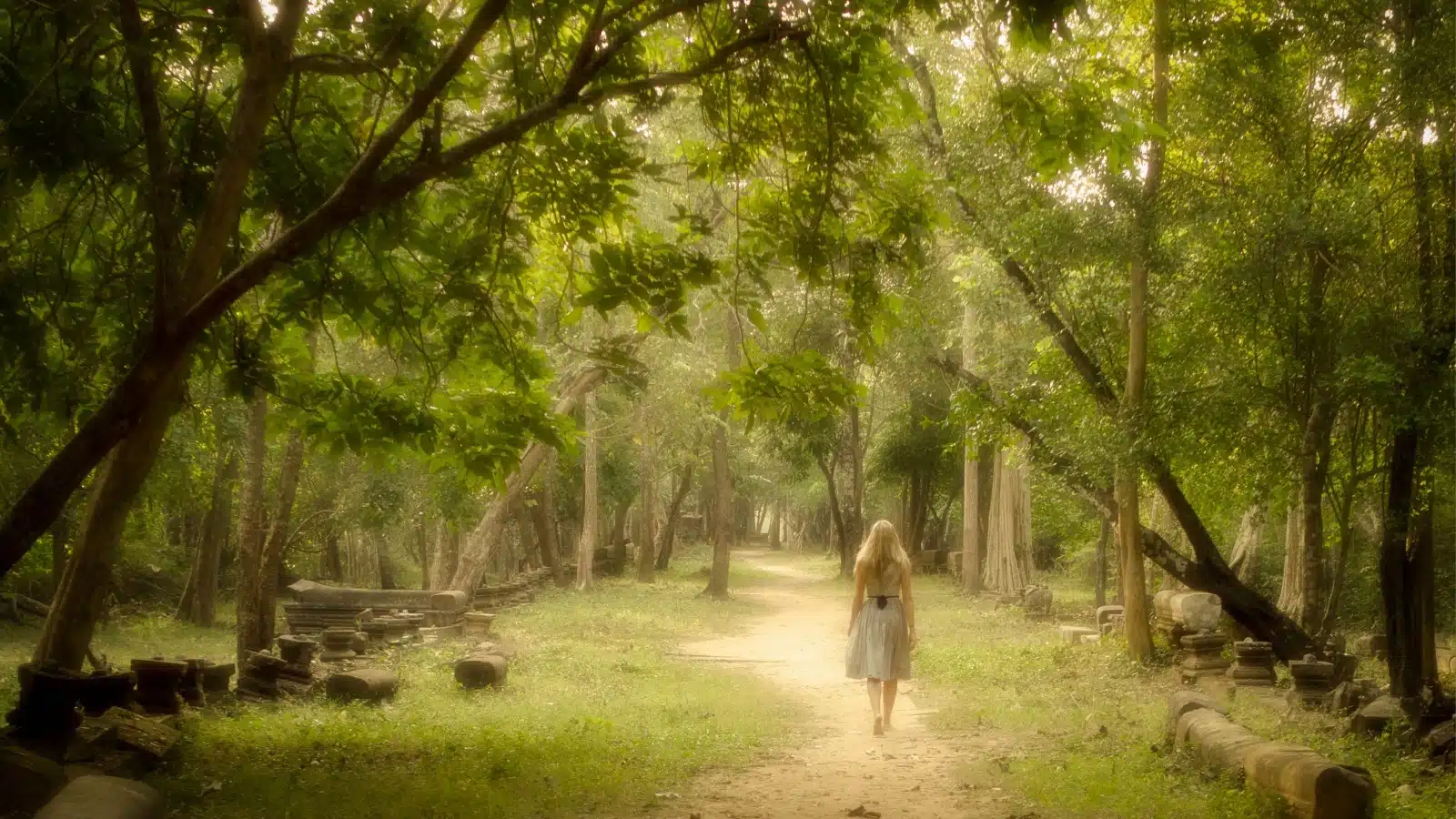
Robert Frost wrote one of the most famous poems of the modern era. Nearly everyone knows of the road less travelled, which comes from his iconic The Road Not Taken.
Frost reminds us that in life, we have choices, and sometimes choosing one path closes another for good. Although we wish we could do all things, growing up is learning that we can’t. The hero of Frost’s poem wants to travel both roads, but he makes a choice, knowing he’ll never return to explore the road not taken.
Maya Angelou
The caged bird sings
with a fearful trill
of things unknown
but longed for still
and his tune is heard
on the distant hill
for the caged bird
sings of freedom.
Best remembered as a civil rights activist and author of the autobiographical I Know Why the Caged Bird Sings, Angelou was also an important American poet. Her works represent her spirit, but also the spirit of the civil rights movement in general.
Angelou’s poetry features themes of freedom, social justice, and perseverance. She writes of blackness and womanhood in 20th-century America, highlighting the unique struggles black American women face when dealing with both racial and gender inequality.
As one of the most influential poets of the 20th century, Angelou was invited to share a poem during Bill Clinton’s inauguration in 1993. She recited On the Pulse of Morning, a work that offers a glimpse of hope despite a tumultuous past.
Modern Poets

Why doesn’t poetry hold our imagination like it once did? Why can’t you name a modern poet?
Although you’re likely struggling, our journey doesn’t end here. Poetry hasn’t disappeared – it simply morphed.
Consider this lovely verse:
“And there will come a time, you’ll see,
with no more tears and love will not break your heart,
but dismiss your fears. Get over your hill and see what you find there,
with grace in your heart and flowers in your hair.”
Does that not sound like poetry?
They’re from the song After the Storm by Mumford & Sons.
Songs are poetry, set to music. Our modern poets are our favorite singers and songwriters. They’re everywhere, surrounding us with emotional prose that fills us with hope, anger, joy, and sorrow, just like the poets of old.
Poets vs Authors

The hardest part of identifying a list of famous poets is separating poetry from other literary works.
What makes somebody a poet rather than an author or playwright?
I won’t pretend I’m a scholar who can argue the distinctions, so I chose people who are celebrated as poets, even if they’re also renowned novelists. I avoided writers who are mostly known for their novels, even if they also wrote poetry.
Agree or disagree – and let me know who you would have added to the list in the comments!