
Why do the seasons change?
Today, we know that the Earth revolves around the Sun on a tilted axis. The tilt always points in the same direction, so for part of the year, we’re tilted a little closer, and for the other part, we’re slightly further away.
But human history spans millennia, and we didn’t fully understand how the tilt impacted the seasons until renowned scientists like Copernicus and Kepler advanced their theories in the 14th and 15th centuries.
Before that, we explained these cycles with myth.
The Greek tale of Hades & Persephone remains one of the most compelling stories of seasonal change.
Hades & Persephone
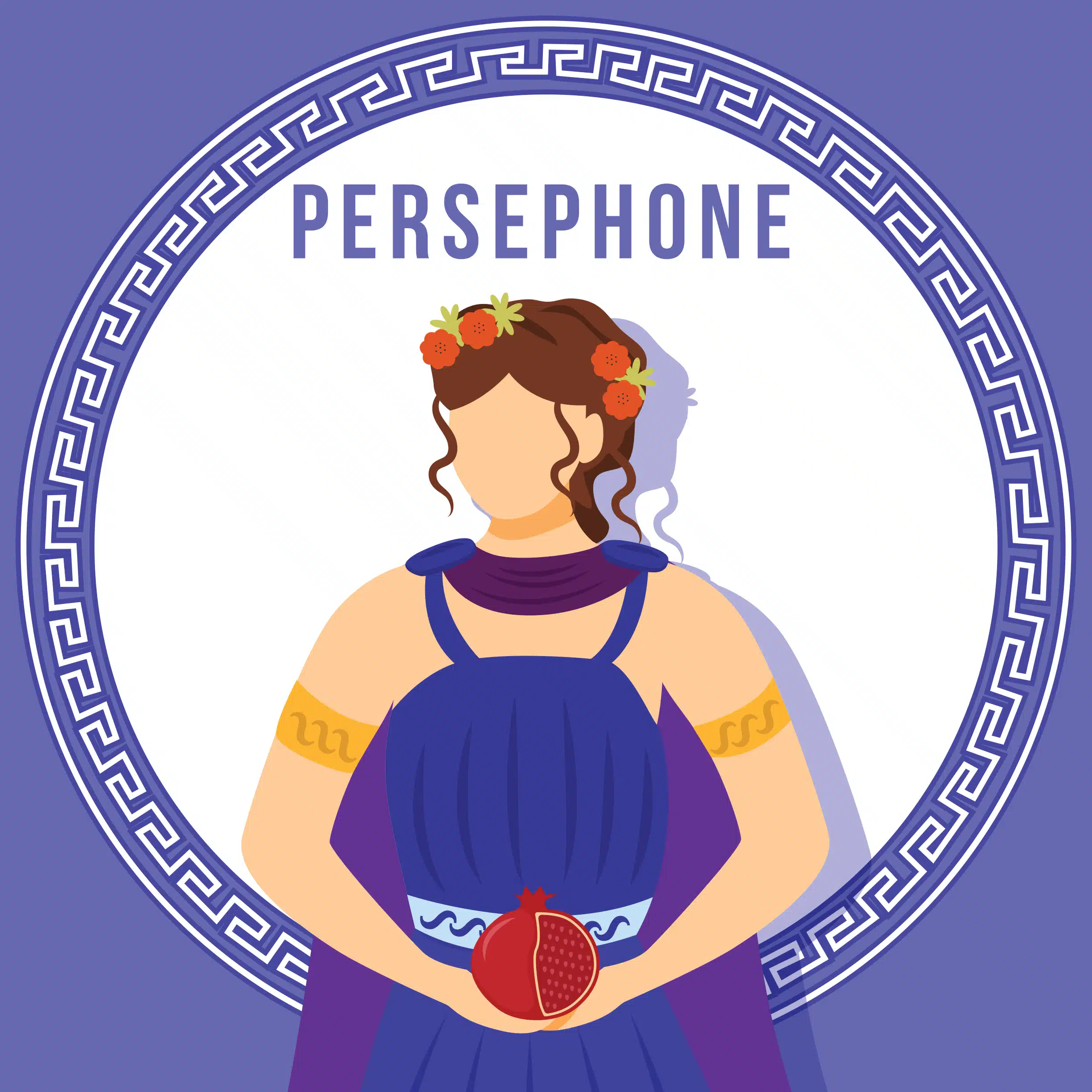
According to legend, Hades, God of the underworld, fell in love with Persephone, daughter of Demeter, Goddess of agriculture and nature, and Zeus, ruler of all the Gods on Olympus.
Hades went to his brother, Zeus, seeking consent to marry Persephone.
Zeus agreed, but cautioned that Demeter would never allow it. The two devised a plan: Hades would wait until Persephone was away from her protective mother, then take her to his realm.
Hades Abducts Persephone
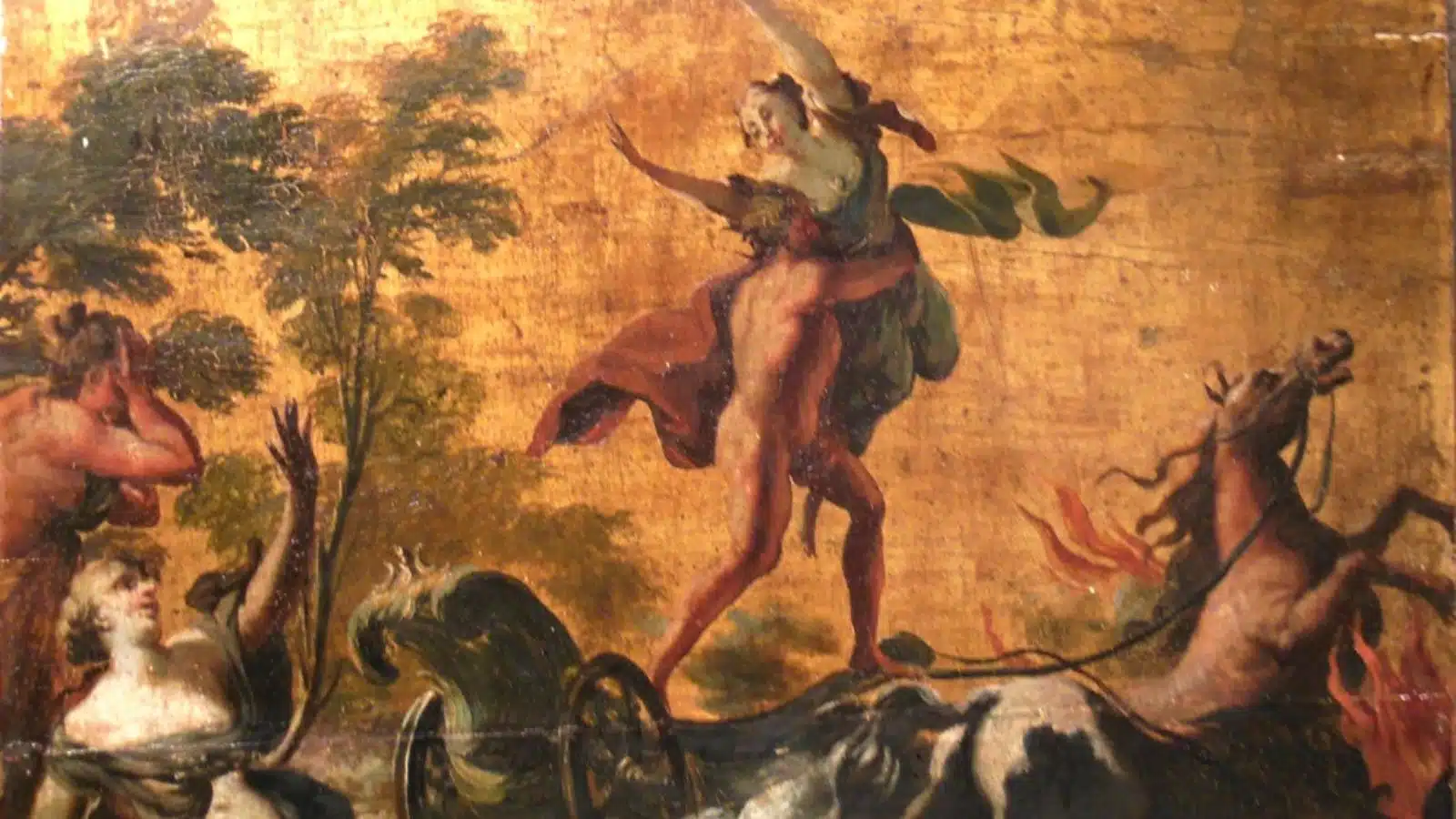
On a lovely day while Persephone joyfully played in a meadow, plucking flowers, Hades saw his chance. As she reached down to pick a gorgeous narcissus, a gigantic chasm burst open beneath her.
Hades charged out in his golden chariot, grabbed Persephone, and carried her off to the underworld.
Demeter Searches for Her Daughter
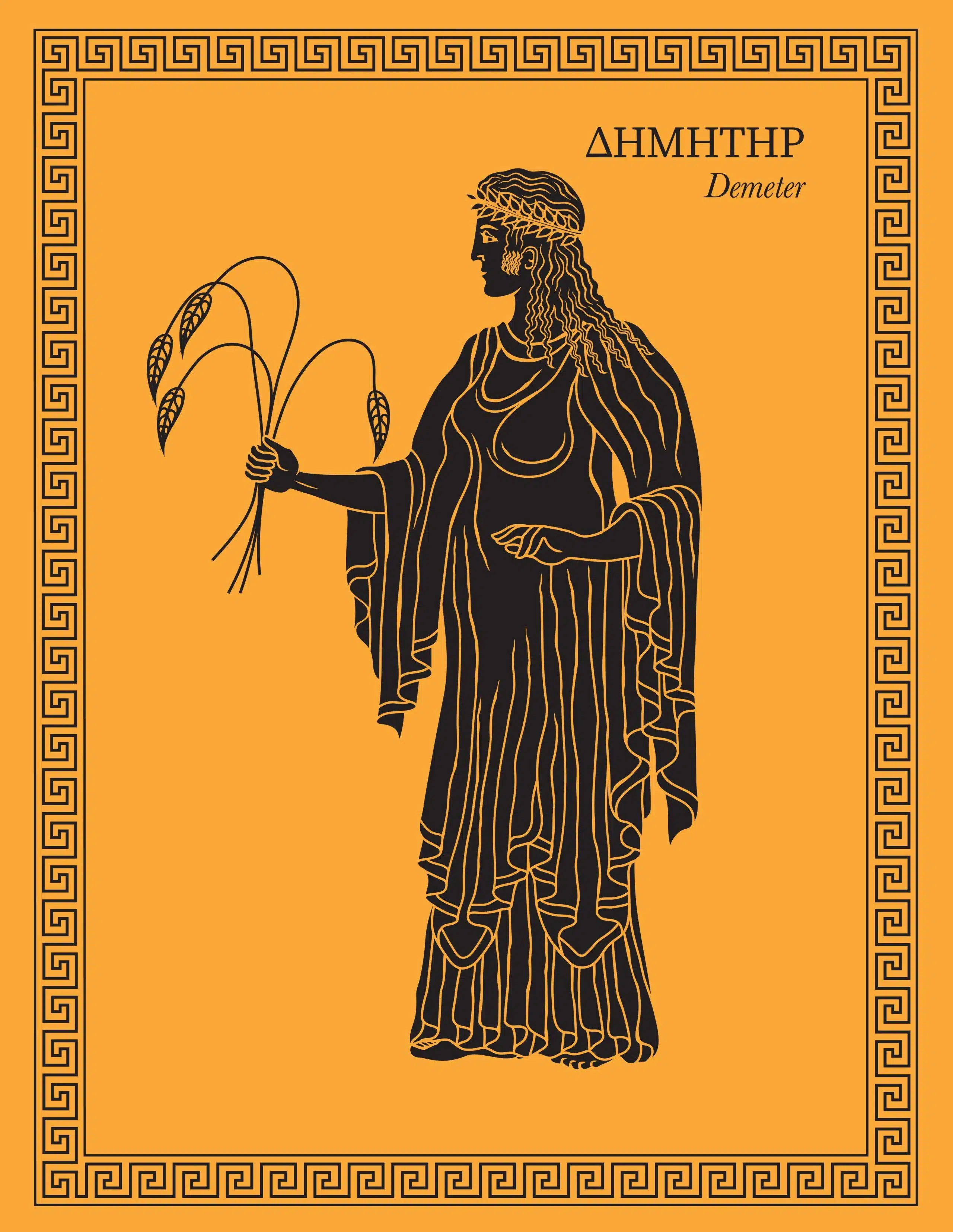
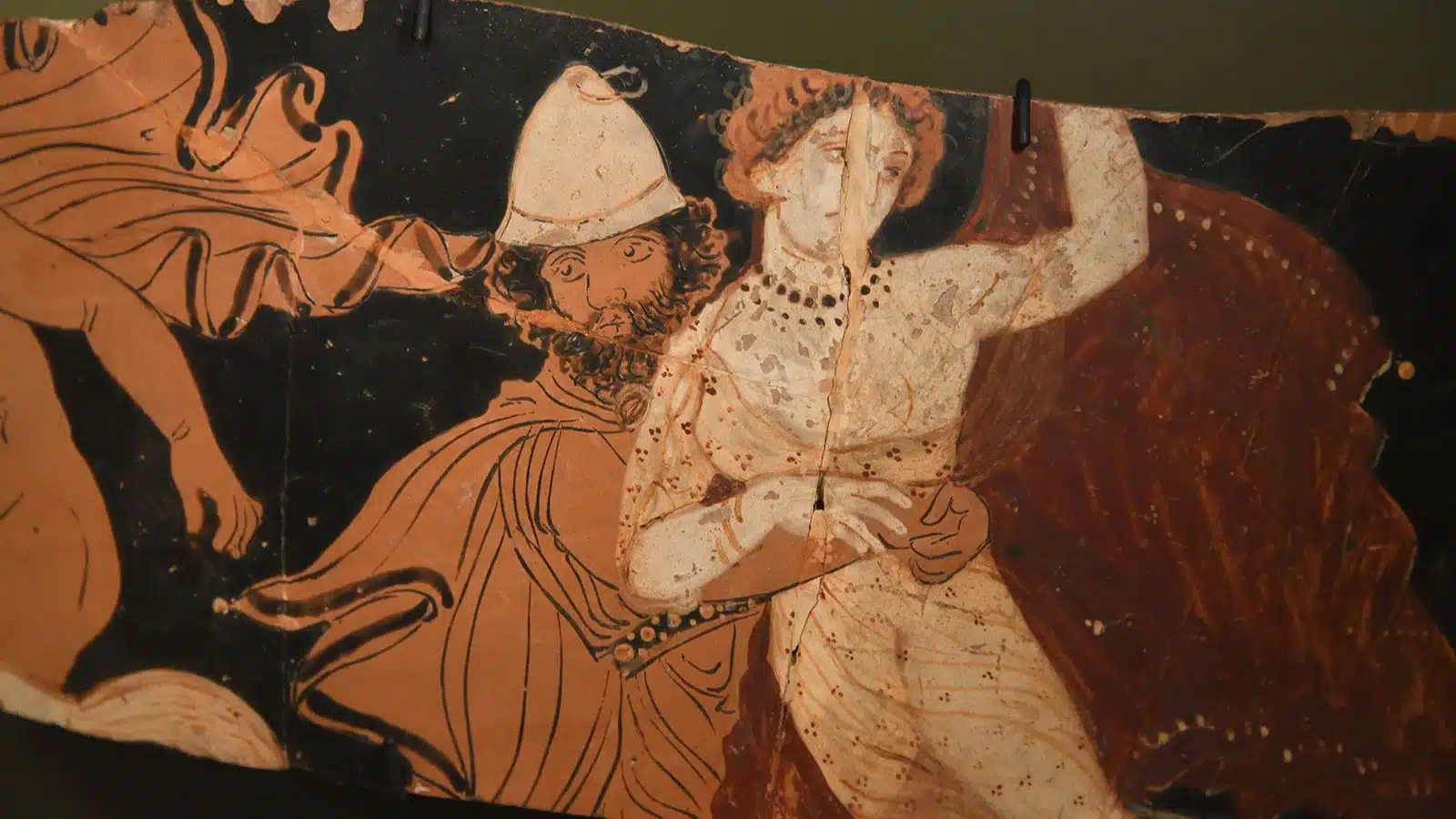
Demeter heard Persephone’s anguished cries and rushed to the scene, but it was too late. She was gone.
Despair washed over her as she cloaked herself in mourning and began searching the world for her beloved daughter.
Because two of the most powerful beings in creation conspired to abduct Persephone, most of the other gods and lesser beings were too afraid to tell Demeter what happened.
Only one Goddess, Hecate, patron of witchcraft and the night, offered assistance. She heard Persephone’s cries but didn’t know who took the girl.
Together, they sought guidance from the Sun, who sees all.
Discovering the Truth
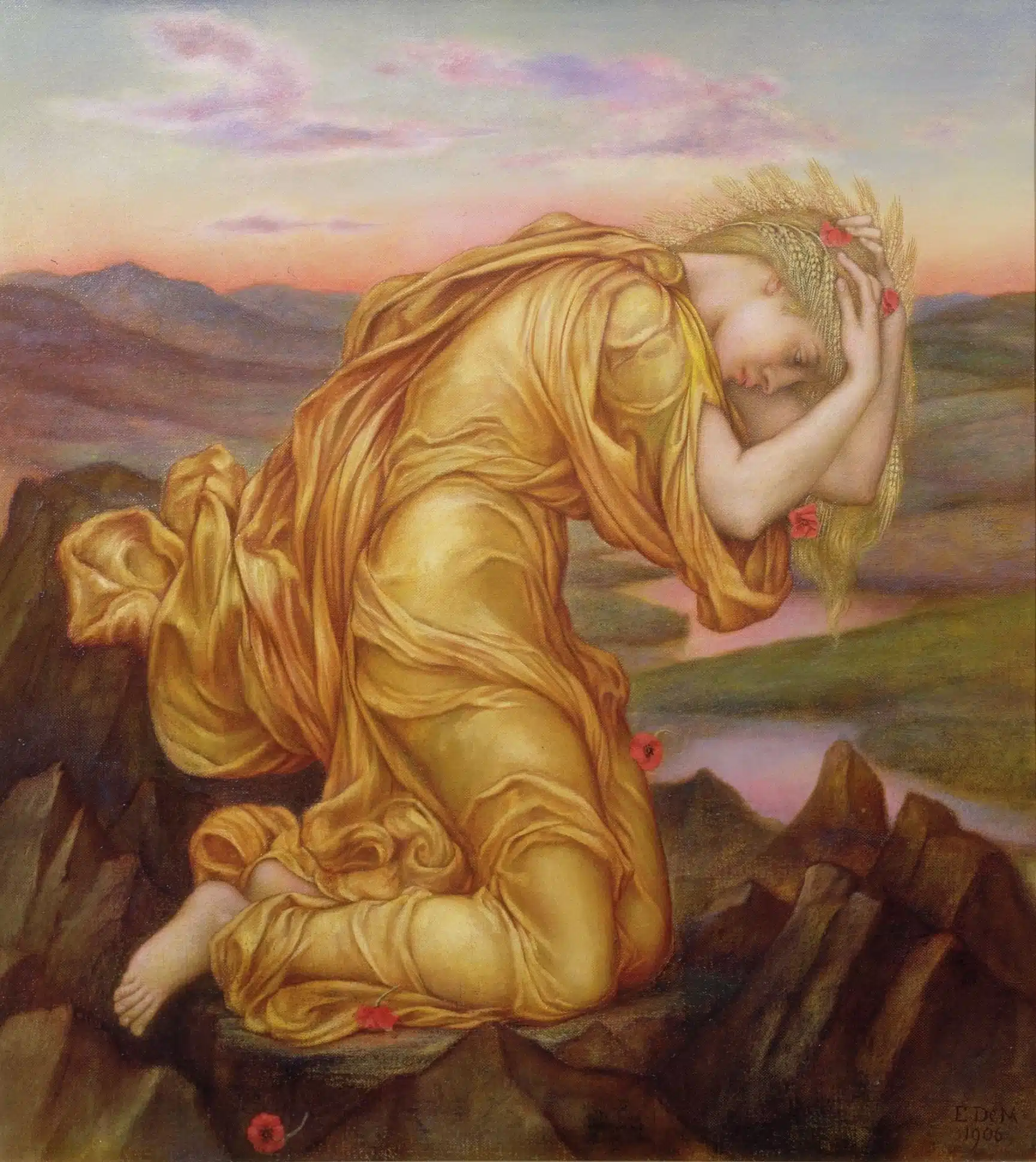
The Sun witnessed the abduction and had also spied upon Zeus’s secret meeting with Hades.
Feeling sympathy for Demeter, he revealed the truth. Hades took Persephone, with Zeus’s blessing, to be Queen of the Underworld.
The Sun asked Demeter to cease her search, for nothing could be done. Hades demanded respect, and Zeus had consented to the match. Hades & Persephone were wed.
Swallowed in Grief

A wave of despair washed over Demeter. She abandoned Olympus and her duties, wandering aimlessly among men.
With all the joy sucked out of her life, Demeter became an unrecognizable shell of herself. Sallow, thin, cold, she brought darkness with her wherever she went.
The cloud of darkness lingered, destroying crops, killing trees, and blanketing the world in frost. Demeter’s sadness brought the winter.
Zeus’s Compromise
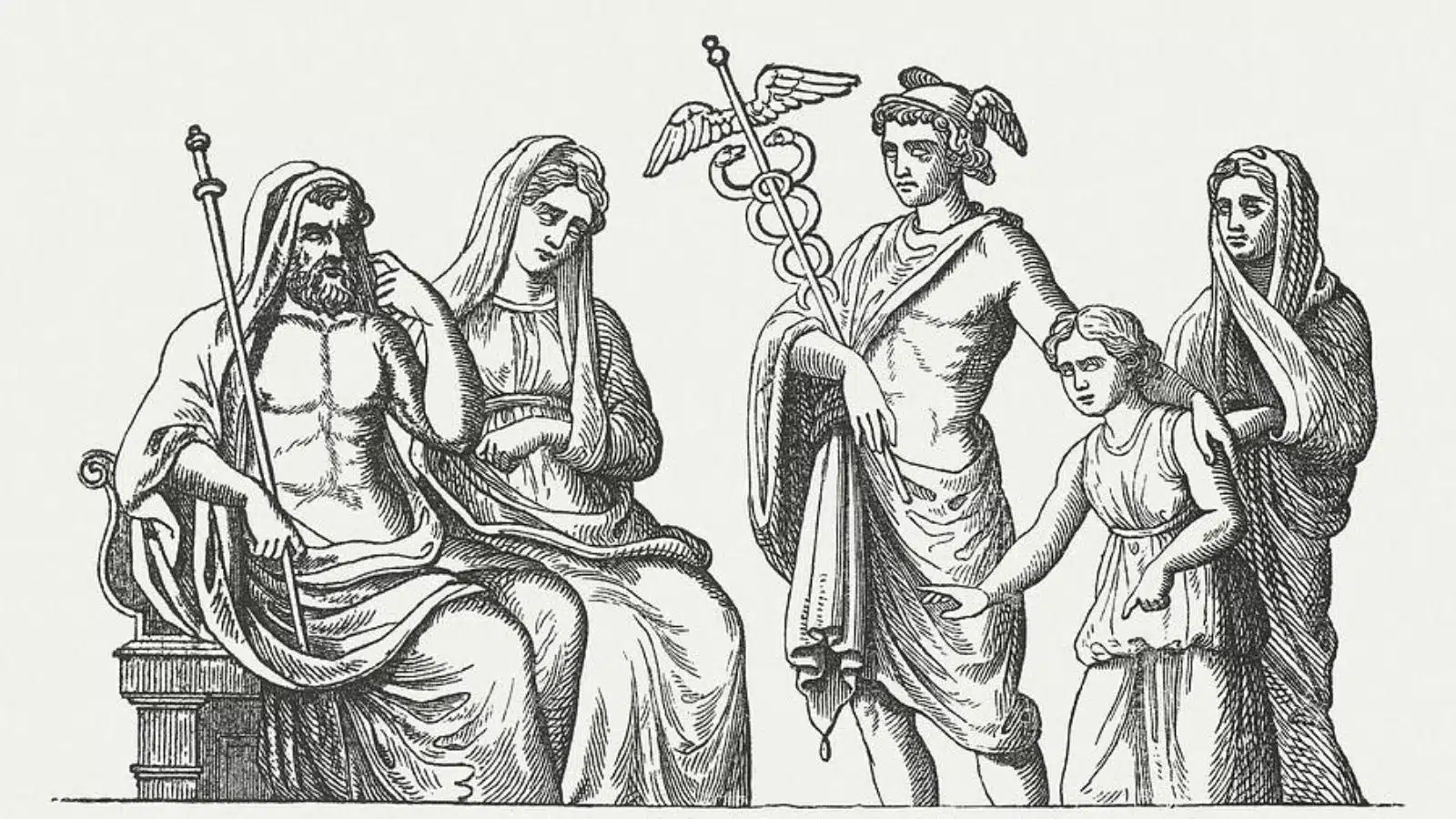
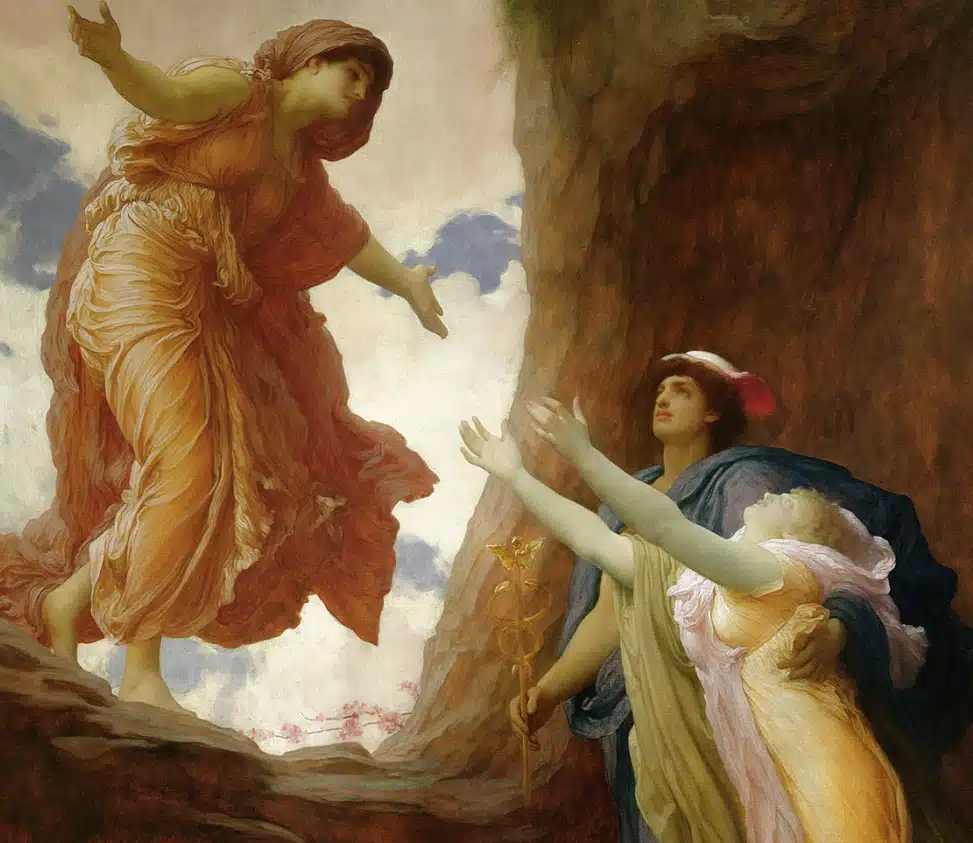
Zeus soon realized that Demeter’s grief would cloak the world in an endless winter, thus destroying his entire kingdom. He sent Hermes to the underworld to release Persephone from Hades’ grasp.
Hades did not want to give up his bride, but how could he say no to the ruler of the Gods? Therefore, he agreed, but he tricked Persephone into eating the fruit of the underworld, which would bind her to the realm, before she left.
As a compromise, Persephone was allowed to spend half the year on Earth with her mother, and half the year below with Hades.
The Changing Seasons

Every year, when Persephone emerges from the underworld, Demeter rejoices. Warm air rushes in, bringing the rains. Flowers blossom, trees grow, animals have babies, and the meadows spring to life.
Persephone’s arrival marks the spring season, when the world is vibrant and lush.
But as summer fades to autumn, Persephone must return to Hades. Demeter weeps. The trees lose their leaves and fall to the ground like Demeter’s tears. Her sadness ushers in the long, cold winter season.
Joy has perished from the Earth.
Did the Greeks Really Believe in Hades & Persephone?
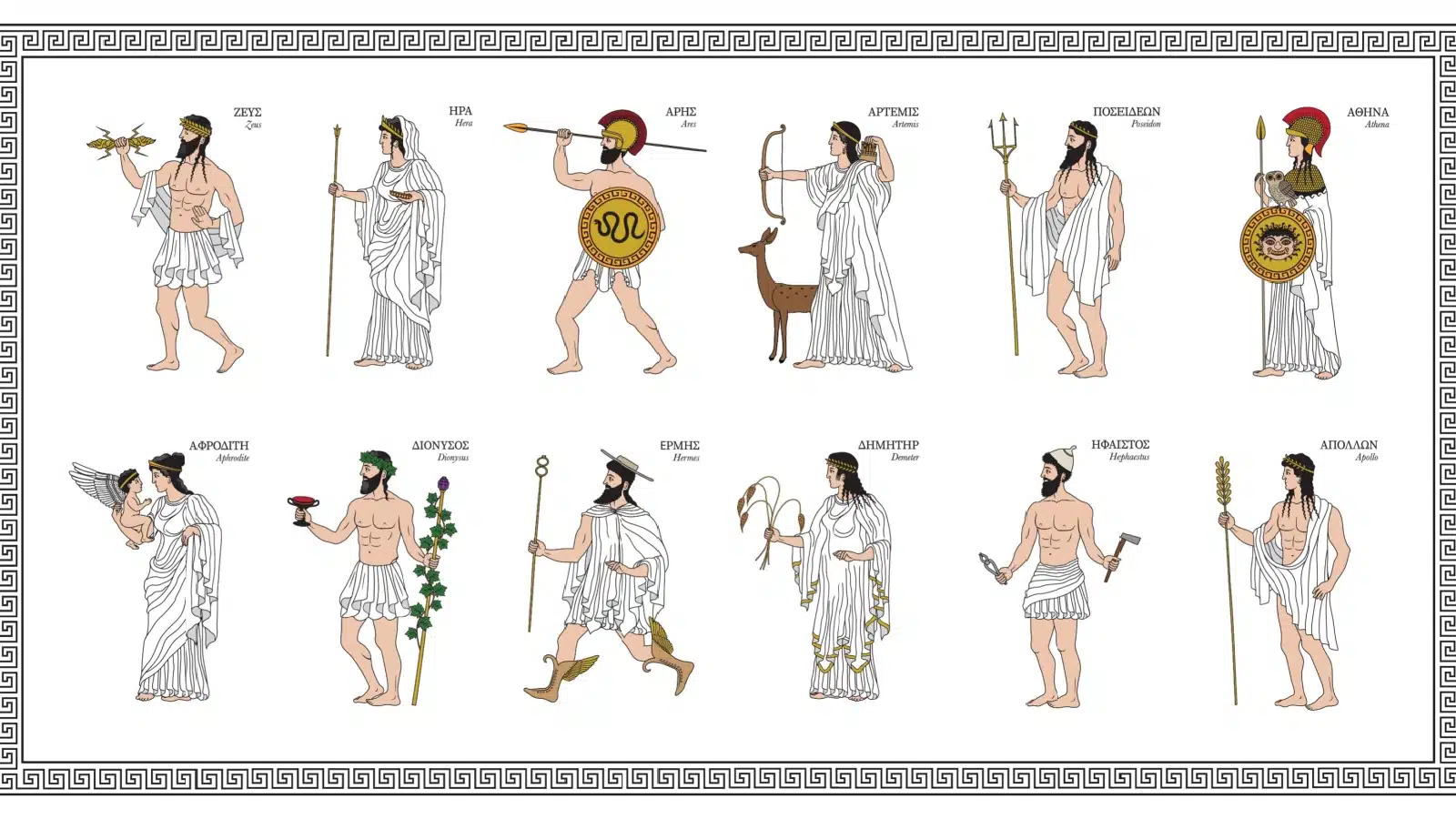
We say that ancient people used myth to explain the world, but does that mean they really believed it?
Did they take Hades & Persephone literally?
We might never know the real answer, but we can make assumptions by looking at the world today.
Using Christianity as an example, we see that some adherents take every word of the Bible literally, while others consider the entire work metaphorical. Some pick and choose which parts to take literally and which to consider metaphor.
We can assume that Greek mythology was similar. Some true believers thought every word happened as written, while others understood it as a metaphor to explain the (at the time) unexplainable.
What Hades & Persephone Represent

The myth of Hades & Persephone clearly represents the changing seasons, but it goes further than that.
Spring represents life, renewal, and abundance. Summer brings adulthood and maturity. The autumn season represents old age and wisdom, while winter holds death.
These changes symbolize the changes in man as he navigates life, but they also represent reality.
The yearly cycle of spring-summer-winter-fall held far more meaning to early humans than it does to us.
It meant life and death.
The crops and baby animals that spring brings were essential to survival. If the fall harvest wasn’t abundant, winter meant famine and starvation.
Of course, this is still reality today, but many of us are so separated from the agriculture that sustains us that we don’t realize its vital role in our lives.
You could also read Hades & Persephone as a story of love and loss, or as a take on children growing up and leaving the nest. It touches on a wide range of human experiences.
Did Persephone Love Hades?
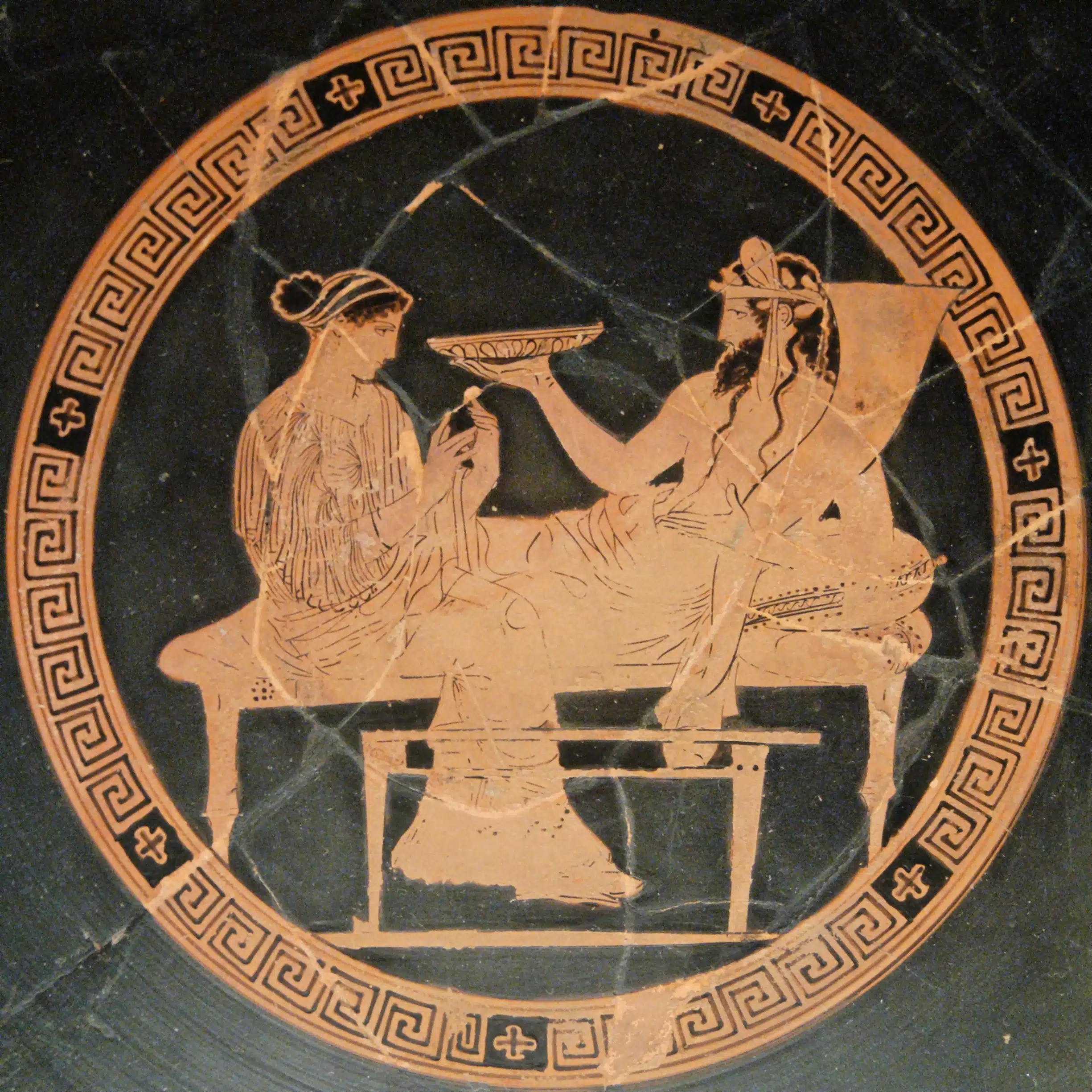
Modern audiences struggle with the story of Hades & Persephone, and for good reason. Persephone has no agency. She’s kidnapped and forced into marriage.
The story never asks how she felt. It doesn’t wonder whether she wanted to leave her helicopter mother, whether she loved Hades, or whether she was happier in the underworld or on Earth. Her perspective is glaringly absent.
Unfortunately, the female perspective is often lacking in myths and in history.
We know from other myths that she loved another man, Adonis, who divided his time between Persephone and Aphrodite, and that she didn’t seem jealous of Hades’ extramarital affairs.
We also know her as the Queen of the Underworld, a duty she doesn’t take lightly. She greets heroes like Orpheus and Heracles when they enter the underworld, granting their wishes.
Perhaps she didn’t love Hades, but embraced her role as queen.
Why Humanity Loves Hades & Persephone
The story of Hades & Persephone survived millennia for a reason. It speaks to the essence that makes us human.
Humans are the only species on Earth that can even wonder why the seasons change. We’re the only animals that can imagine reasons for it, and the only ones that can learn the true cause.
Hades & Persephone is about seasonal change, love and loss, life and death, and navigating circumstances we can’t control and don’t understand.
The themes in this (and most) myths transcend time and culture because they’re themes all humans encounter.
That’s why we will continue to love the story, despite some of the modern flaws.