

Technology changes at exponential speeds, making products (and ideas!) we hold dear obsolete in seconds.
Historically, we’ve celebrated it. Telephones made telegrams obsolete. Indoor plumbing made outhouses obsolete. Electricity replaced steam, tractors replaced hand plows, and cars replaced carriages. These examples of human ingenuity improved millions of people’s quality of life.
Things that Won’t Exist in the Future
But there’s always a cost, and future advances will incur a steep one.
Many of the things that won’t exist in the future are things we need to survive and thrive, at least in our current system.
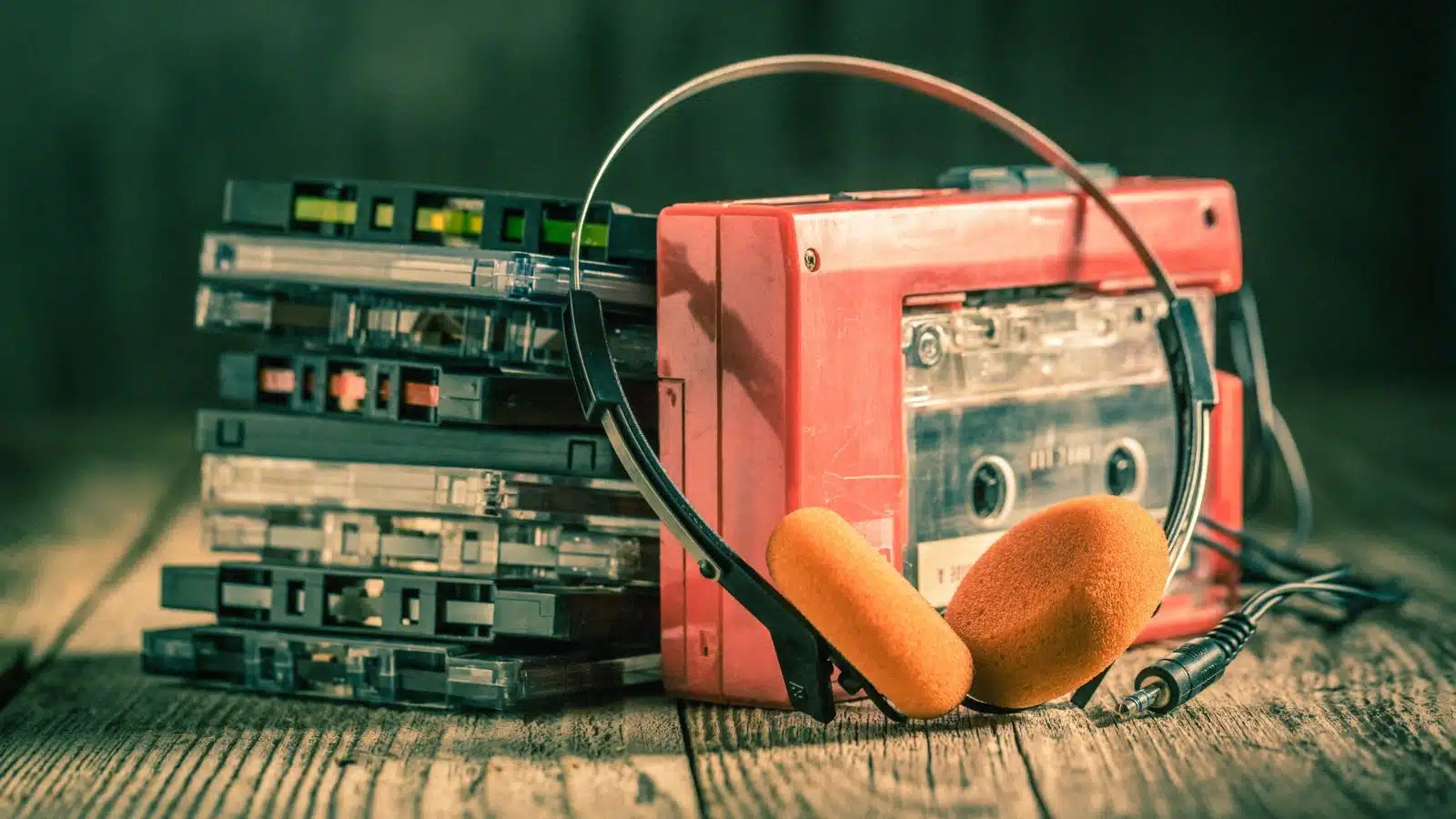
Are we prepared for these things to become obsolete, going the way of cassette tapes and the Walkman?
Our Jobs
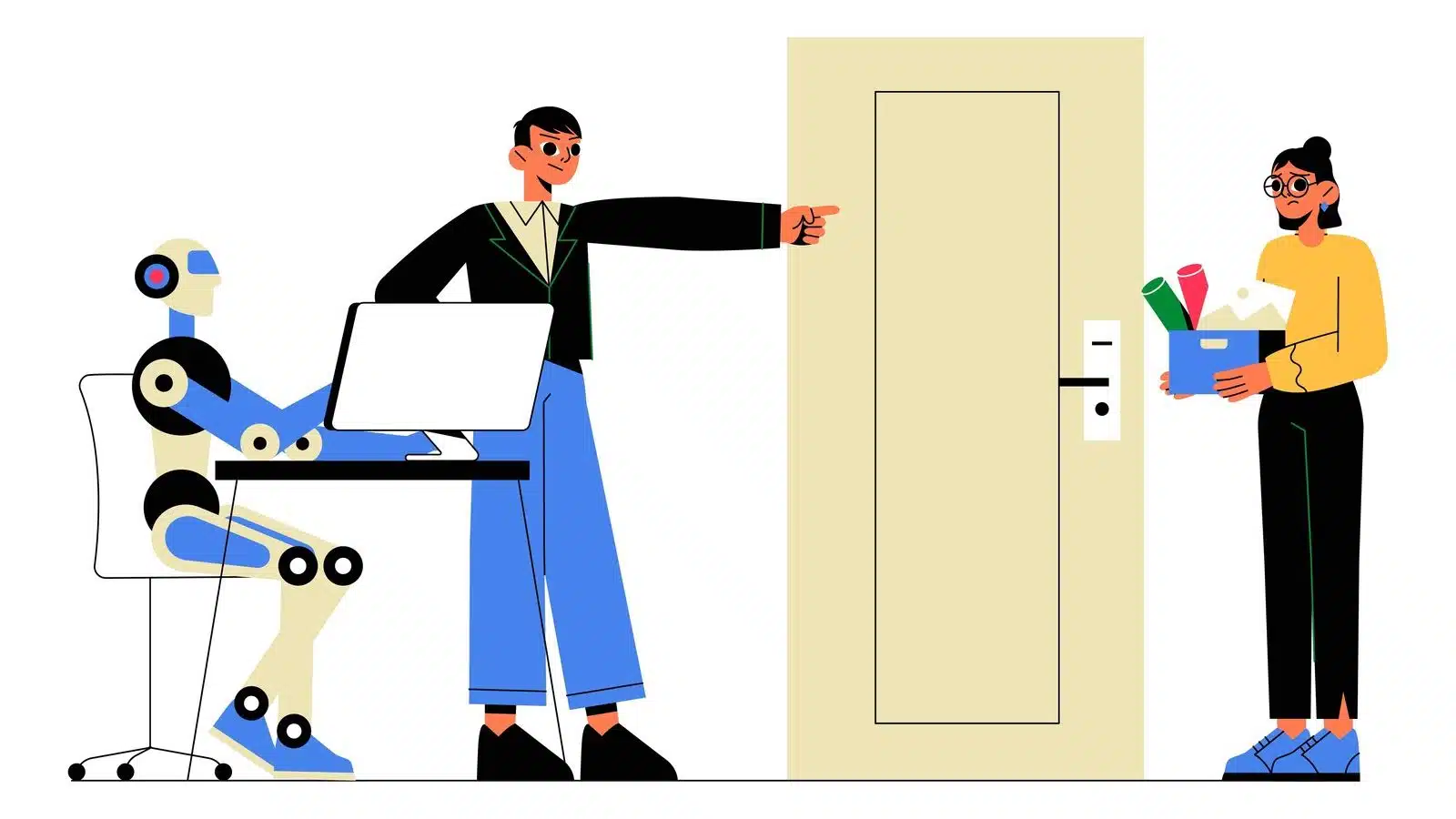
With advances in AI and technological developments, many modern jobs won’t exist in the future.
It’s already happening. We’re seeing massive layoffs in technology fields. In 2026, nearly 200,000 people lost their tech jobs. When you add layoffs in other industries, over 330,000 people were impacted.
But it’s not just career positions that are at risk. Freelancers in creative fields, like writing and graphic design, are losing work to AI. Bloggers watched their incomes crash as AI stole their content and answered user questions without a click-through to the page.
This is only the beginning. Technology improves exponentially. AI will only get more capable, meaning it will replace even more jobs.
We need to plan for this massive influx of unemployment before it’s too late.
Owning a Product

In the past decade or so, companies learned they could increase profits by renting their goods rather than selling them.
Enter the subscription model.
It might make sense for software and streaming, but other companies with physical products also wanted a piece of the subscription pie.
Now, people are paying by the month for stuff they used to own, like automatic car starters and seat warmers, video games, printers, and appliances.
I hope the subscription model fades before it comes for everything.
Home Ownership

The lack of ownership isn’t limited to products.
With the price of homes constantly rising, many fear they’ll never be able to buy.
Younger generations who didn’t have the opportunity to buy when prices were low are feeling the biggest impacts.
If young people can’t buy houses, will homeownership survive?
Physical Media

Are old media storage devices like CDs and DVDs obsolete?
Most people access their media through streaming services. Any song, movie, show, or game is available at the click of a button (for the right price), so why do we even need the physical media anymore?
Access.
Sure, those games and movies are available now, but what happens when your streaming service decides to cancel it?
PlayStation recently announced they were moving away from physical media entirely, creating a backlash among its customers. But they know most people buy the digital version anyway, so they refuse to capitulate.
We won’t be able to own games anymore.
Courtesy

People are so wrapped up in themselves and their online world that they forget how to engage in public.
Courtesy is out the window as we slam doors in each other’s faces, scream at each other for every little perceived slight, and trample each other to score a better deal.
We hope this one makes a comeback.
Home Telephones

Everyone has a cell phone, so we don’t really need a home phone anymore. I haven’t had one in years.
But what happens in an emergency when cell towers go down? We will wish we had that hardline connection.
Skills

The rapidly changing technological landscape has made many essential skills of a decade ago obsolete.
We no longer need to know how to write in cursive, balance a checkbook, or use the Dewey Decimal system.
These skills are slowly eroding.
Critical Thinking
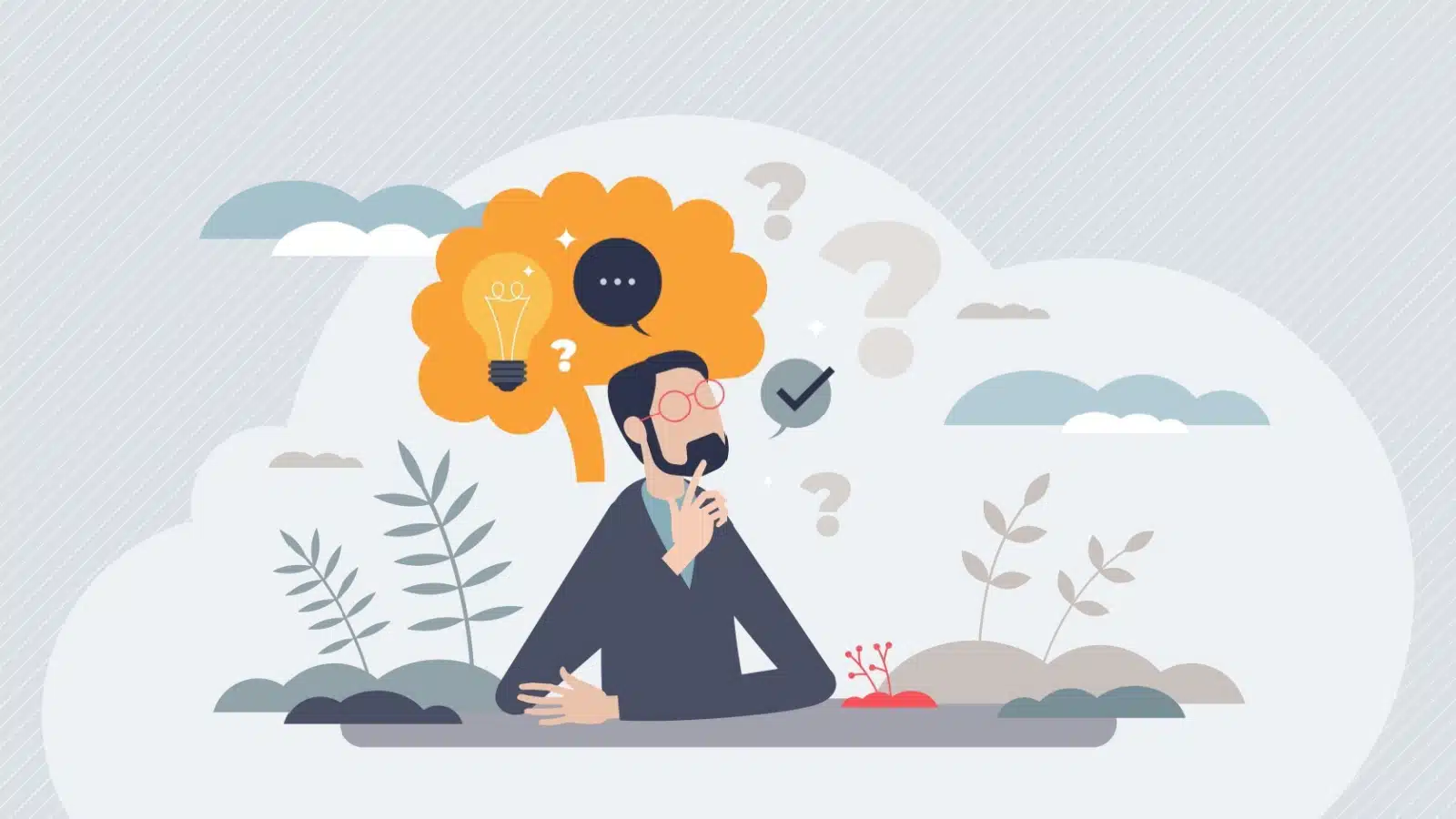
One of the most crucial things that won’t exist in the future is our ability to think critically.
People are outsourcing their thinking to machines. They’re asking Google questions and relying on AI answers without question. They’re believing short sound bites on social media without fact-checking. They’re sharing scandalous headlines without even reading the article.
Our ability to think critically about an idea, exploring who might benefit from sharing it, examining the author’s bias, and looking at other perspectives is one of the things that elevated humanity.
When we lose that, we’ll be doomed.
The Internet

I know what you’re thinking. The internet is the epicenter of most of these technological changes; how can it be one of the things that won’t exist in the future?
You got me. There will still be an “internet”. But it won’t be the same.
The internet I grew up with featured thousands of different pages bursting with unique content. Anyone could start a website, share a video, or gain followers on social media. We made an ecosystem where everyone could win.
And corporations took offense to that.
The internet we know and love is slowly being eaten by giant corporations looking to hoard all the profits for themselves.
Social media algorithms decide what content you’ll get served – and they hide anything that might drive traffic off their platform or support a view they don’t like. Search engines use AI to steal content from the internet and serve it to customers, so they never click through to the website. Giant corporations started using YouTube and Etsy, paying so you’ll see their content instead of content from regular folks who can’t afford the “pay to play” system.
Will the internet survive this mid-life crisis? How much longer will it be before normal folks who can’t compete throw in the towel? How much longer until the internet is just 10 websites?
Perhaps dead internet theory was right all along.
Manned Checkouts

More and more stores are moving to self-checkout as they have learned they can reduce costs and place the labor burden on their customers without lowering prices.
And a lot of consumers love it.
Some companies are even experimenting with completely unmanned stores, where people use a credit card to get in, select their items, and automatically get charged on the way out.
Thanks, I hate it.
Eventually, customer service jobs will become obsolete, leading to higher unemployment and worse, well, customer service.
Cash

Though stores can’t reject legal tender, most Americans don’t even carry cash anymore.
All our money is stored as numbers on a computer server.
Yes, it’s convenient. But recent AI attacks on banks make me wonder how safe it is. Conspiracy theorists love talking about the day the banks lose all their information, but is that actually in the realm of possibility?
If cash is one of the things that won’t exist in the future, how can we ensure the safety of our financial system?
Third Spaces

Where can people hang out without spending money?
In the past, we had malls. You could spend the whole day wandering a mall without buying a thing. But when everyone started shopping online, the people who went to buy things stopped going.
Many malls already shut down, and the ones still lingering are relics of the past.
It’s not just malls.
Starbucks no longer lets people hang out without ordering. Bookstores removed cozy chairs. McDonald’s took away the play place and replaced their cheery, colorful decor with a drab, prison-like aesthetic. The message is clear: don’t hang out here.
The loss of third spaces is a leading contributor to the loneliness epidemic. People have no money and nowhere to meet people.
Compromise

American society is so divided we lost the will and ability to compromise.
Our side is always right, the other side is always wrong, and there’s no room for nuance. It’s so bad that I’m worried it won’t exist in the future at all.
I don’t know how we got here. But to fix it, we need to develop a little empathy and learn to see things from other people’s perspectives.
There usually is room to meet in the middle.
America

The saddest thing that won’t exist in the future is the America we know and love. Our country is being dismantled from the inside out.
America used to be the greatest country in the world. Today, it’s rife with problems.
We’re no longer the leader of the free world, the shining light for freedom and opportunity.
Instead, we’re a cesspool of hate, greed, corruption, fear, and fascism. We’re basically the dark side of the Force.
Other countries see it. The rest of the free world knows America is becoming obsolete. A third of the country cheers it on.
But I haven’t given up hope.
America has some of the best people in the world. We’re innovative and resilient. If enough good people stand up against this evil facing our nation, we will persevere.
America can reclaim its strength and glory. We don’t have to be a blip in a history book.
Let’s Be Positive
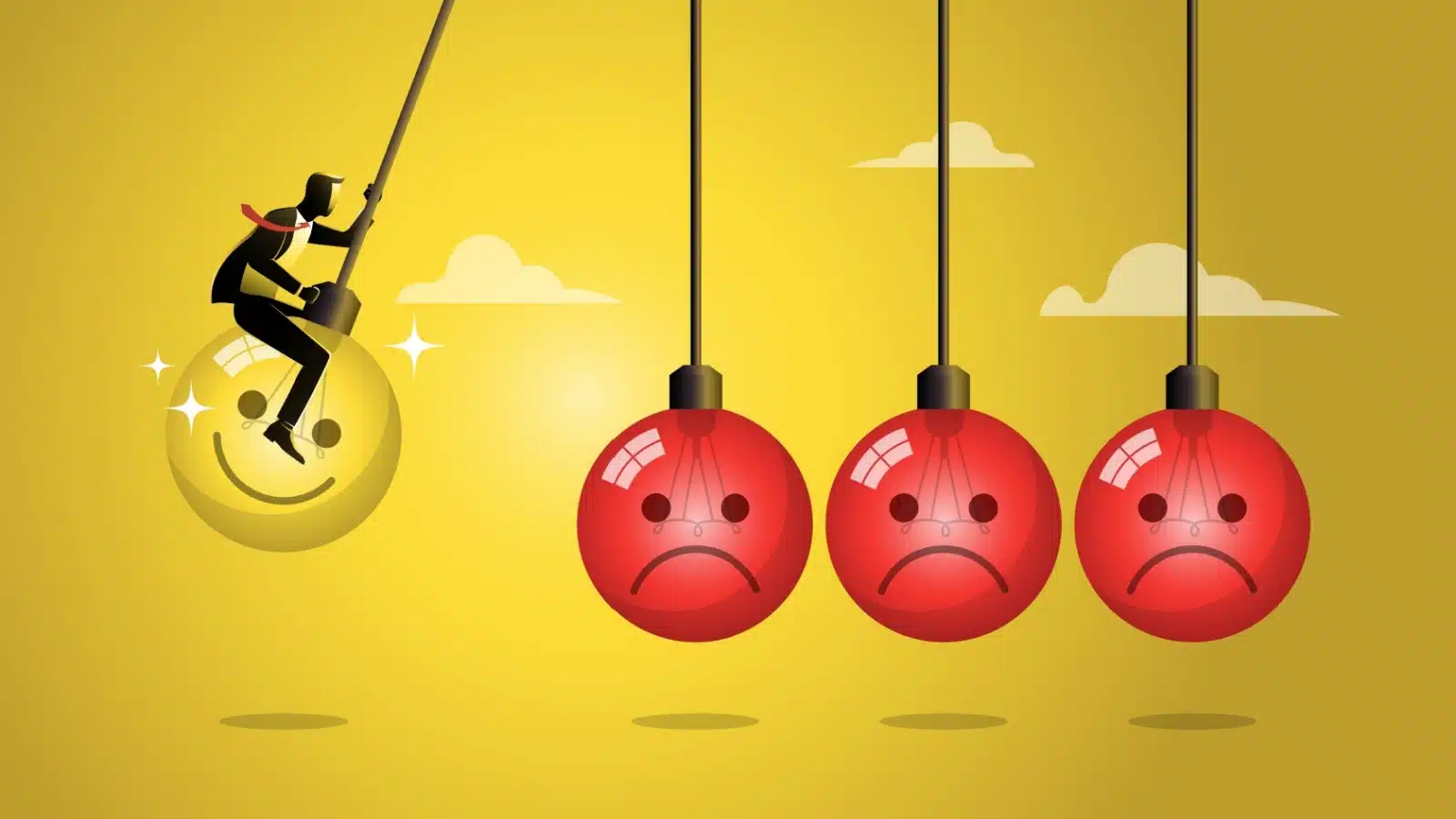
Okay, I just gave a bunch of examples of things becoming obsolete in a bleak future.
But the future doesn’t have to be bleak.
Obsolete technology can go away, and its replacements can enhance our lives.
Maybe the things that won’t exist in the future will make all of our lives better. Here are some positive examples.
Five-Day Work Week
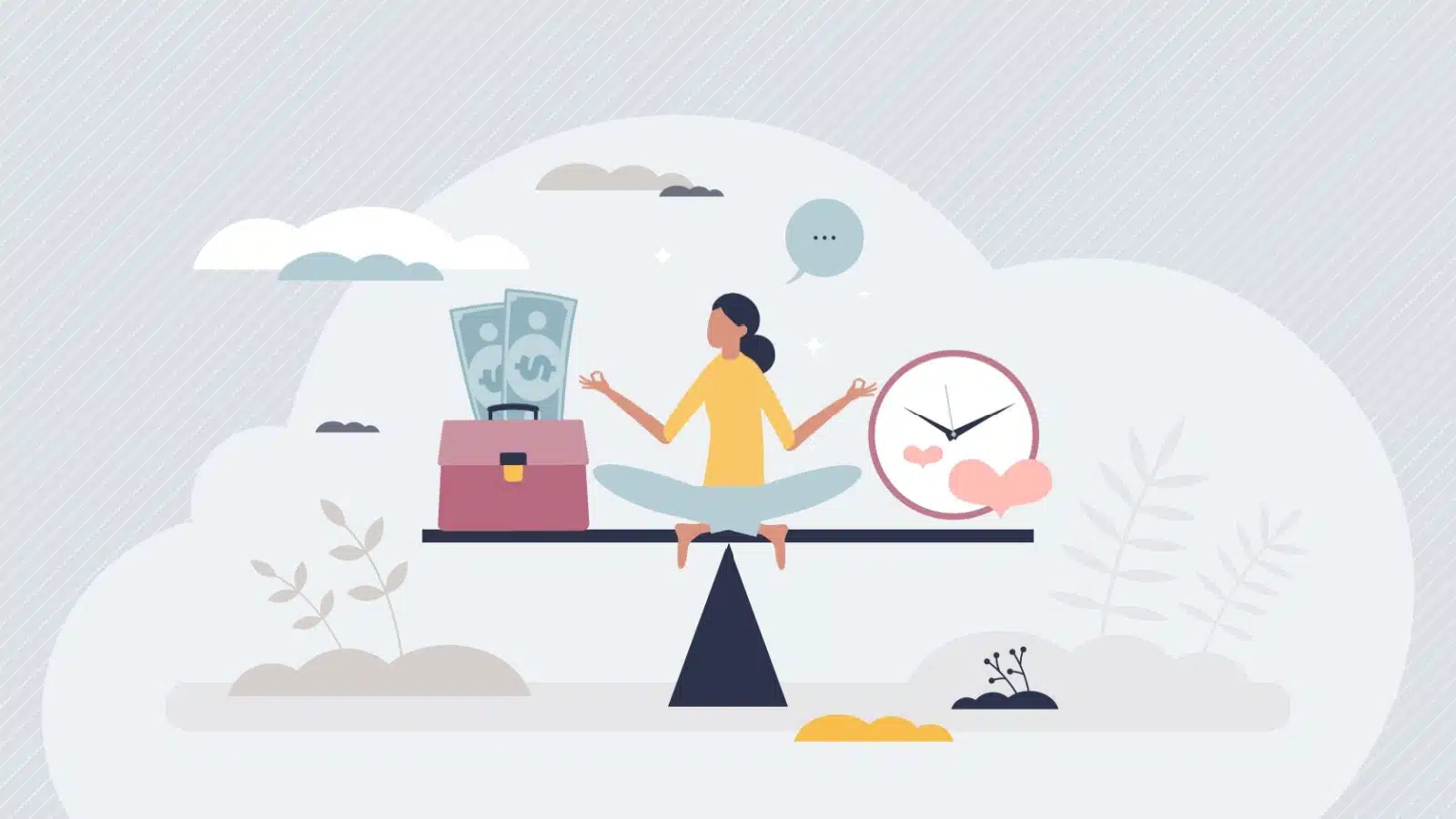
I hope that advances in AI and technology will make our current toxic work culture obsolete.
We don’t need to spend nine hours a day in an office five days a week. We could use these technological advances to improve people’s lives.
This change can’t come soon enough.
Working to Live

If AI takes everyone’s jobs, how will we survive?
Today’s society revolves around work. If you don’t work, you starve. But does it have to be that way?
Maybe we could have some type of post-work society where people can focus on the things that really matter, like raising families, creating art, and serving others.
All the -Isms
I’m probably being overly optimistic with this one, but as we move towards a global society, maybe we’ll learn we aren’t so different.
Maybe technology will make racism, sexism, agism, and all the other isms we deal with every day obsolete.
Wouldn’t that be wonderful?
The Future is Uncertain

We can’t know all the things that won’t exist in the future, because the future hasn’t been written yet.
It holds both terrifying prospects and amazing promise.
The outcome is up to us.
We can reject technology’s takeover of jobs without a plan to support the people who are impacted most. We can create our own third spaces, collect physical media, and support small content creators to keep the internet free and open.
So the question is, what will you do?