
The world is not okay.
Unfortunately, it’s difficult to address (or even think about!) global problems when we’re struggling so much ourselves.
I get it, but we need to stop ignoring the biggest problems in the world, because if we do, they’ll soon end up on our doorstep.
The Biggest Problems in the World
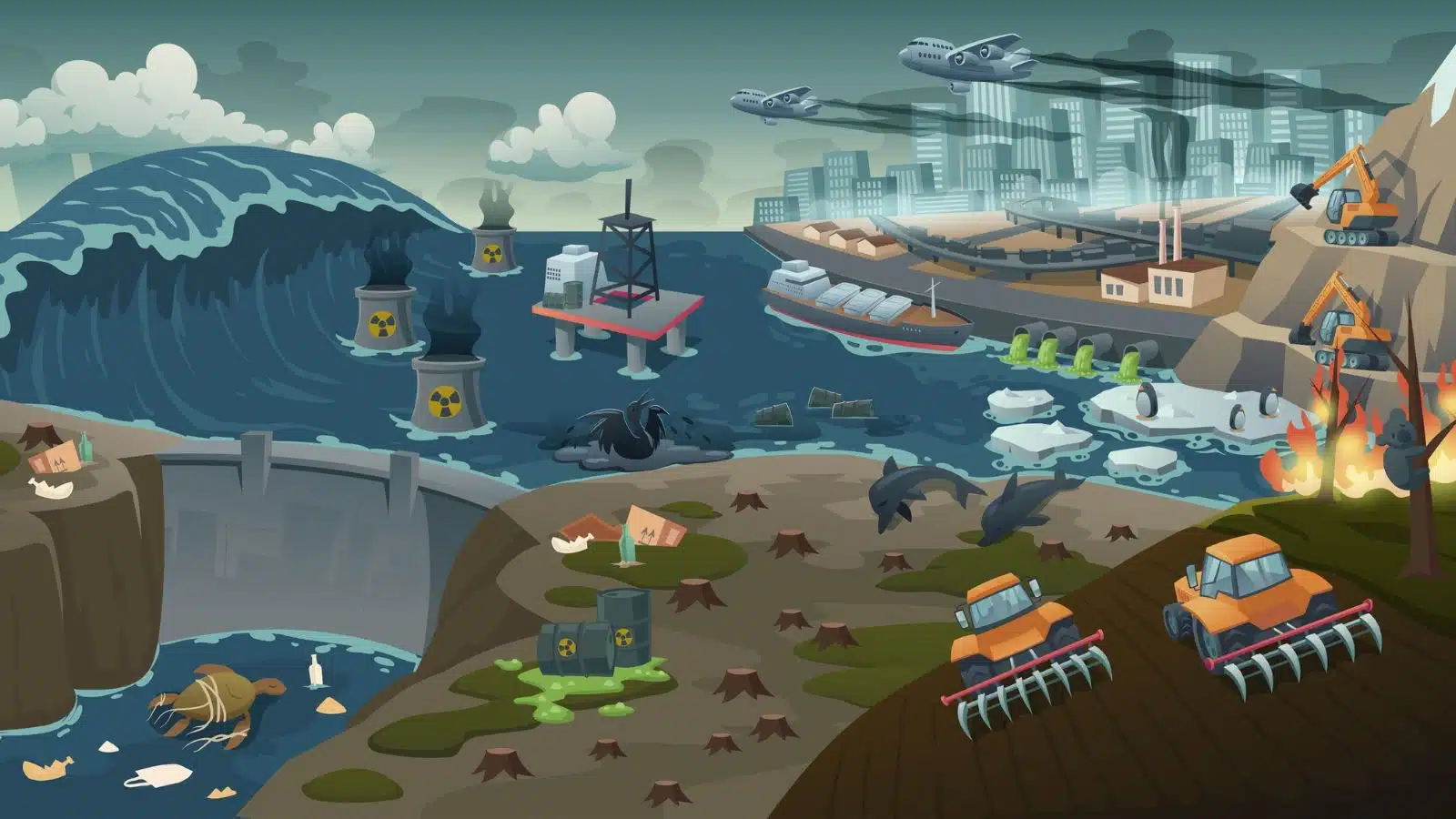
Today, we’re highlighting some of the biggest problems humans worldwide face that we rarely pause to consider.
Despite our individual concerns, we must stop ignoring these potential global disasters.
Bacterial Resistance
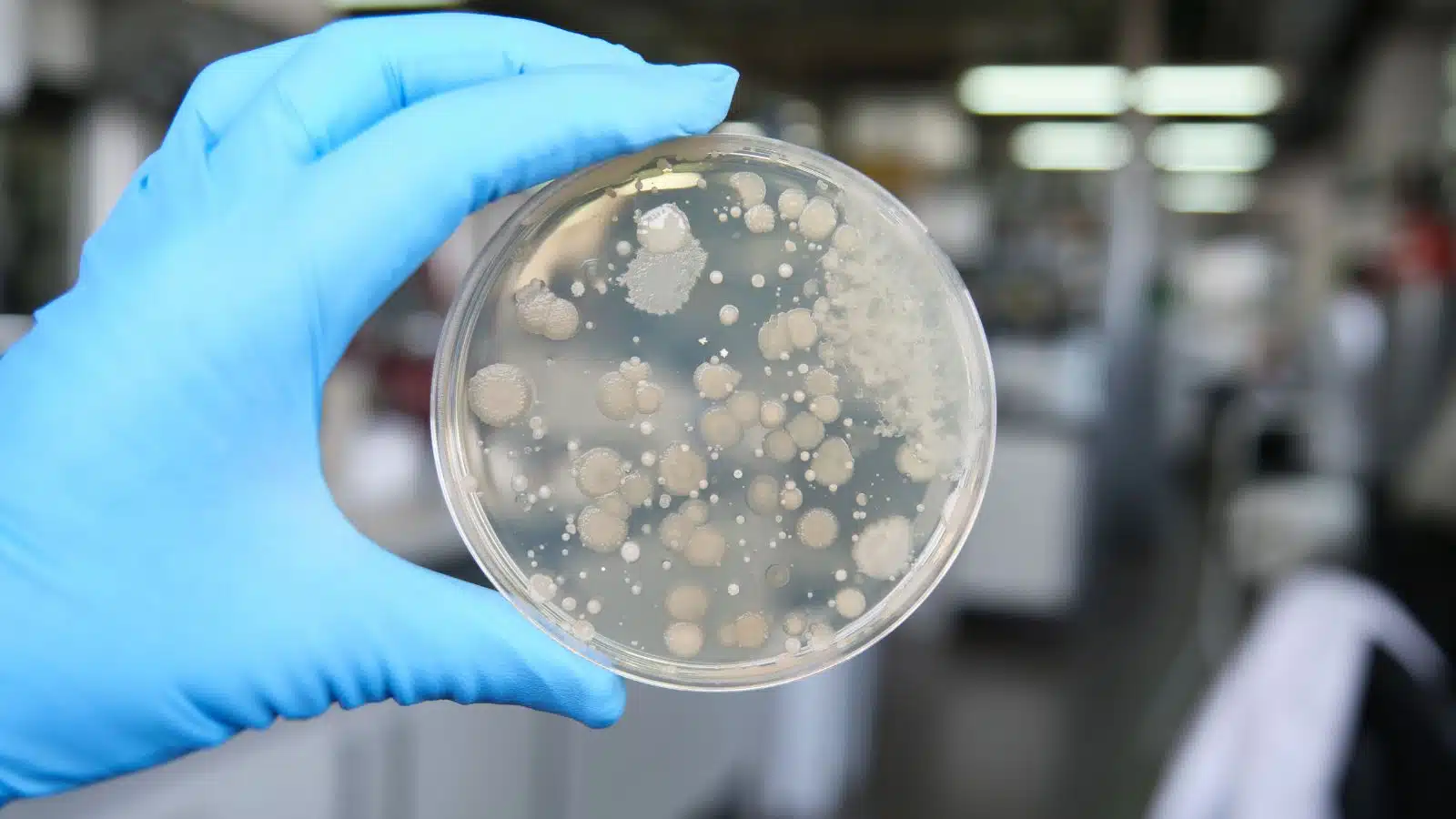
Our over-reliance on antibiotics is causing a terrifying problem. Bacteria adapt quickly, and many are growing resistant to our cures.
Scientists engage in a never-ending battle to develop new types of antibiotics in a desperate attempt to stay one step ahead, but the public thwarts them at every turn.
First, we ask for antibiotics for every little thing, even viral infections where they won’t make a difference. Even when they are the right tool, we don’t take them as directed, and decide to skip the last few doses when we’re feeling better (which allows the bacteria to fester and grow stronger).
But that’s not all. We also jam antibiotics into cows, pigs and chickens to enhance factory farming, allowing all sorts of bacteria to adapt.
It’s a global problem, because our resistant bacteria will travel across the world. We’re lucky COVID was the worst pandemic we’ve seen – it could be much worse.
Imagine how deadly an infection will be when all the bacteria become resistant to all our antibiotics.
Pollution

As we develop new technologies and creature comforts, we leave a trail of trash in our wake. The oceans have floating plastic islands as our landfills grow ever deeper with more and more garbage.
Our air quality gets worse and worse as we pump more dangerous chemicals into the air and our bodies burst with microplastics.
We’re poor stewards of our planet, and it will eventually catch up to us. Pollinators will die, crops will cease to grow, we won’t even be able to breathe outside, and we’ll all wonder what went wrong.
Climate Change
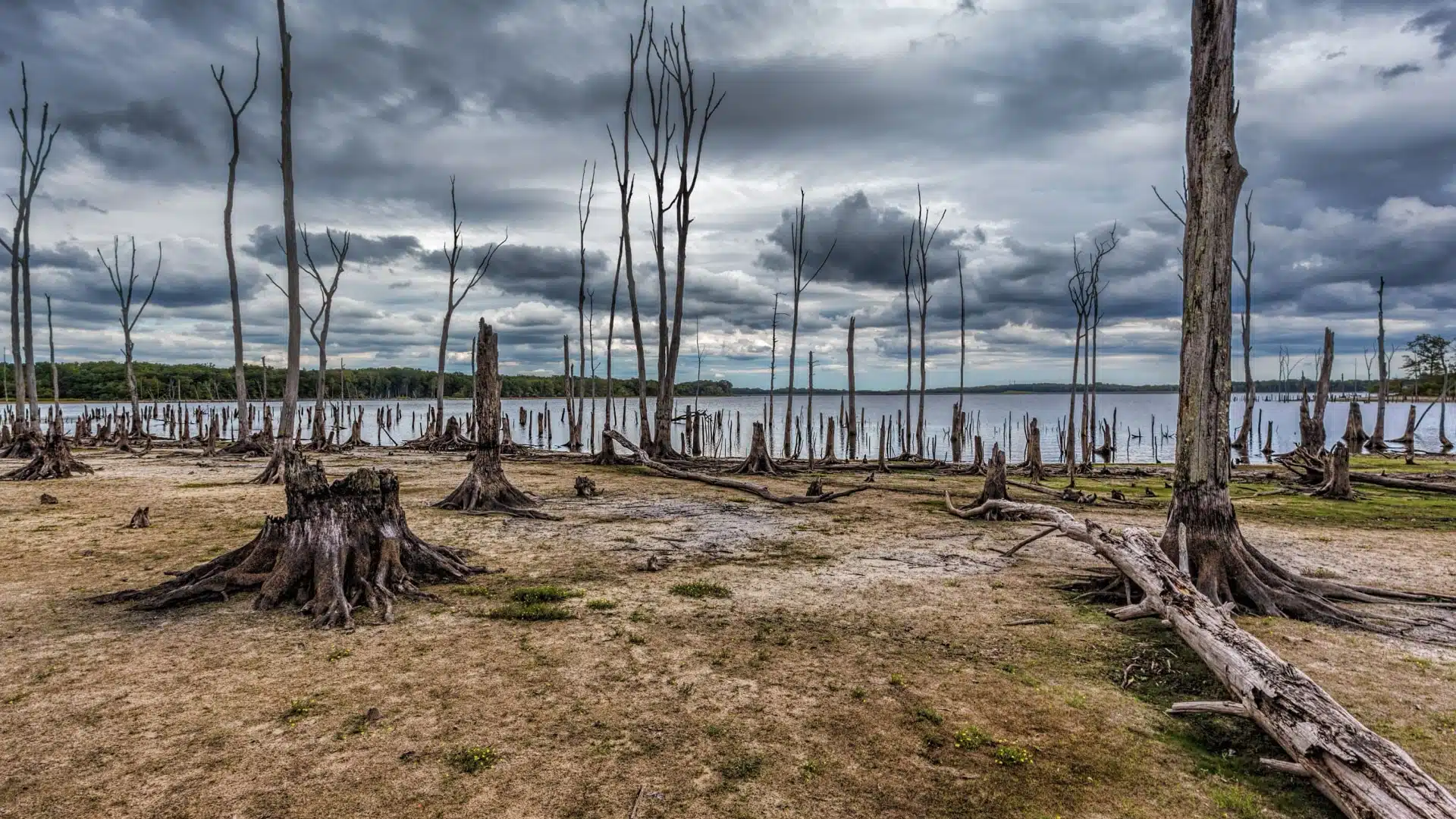
The world’s climate is changing. Hurricanes pummel coastlines around the world while rivers flood and fires rage. Drought destroys crops as the oceans slowly get warmer, destroying the abundance of sea life.
Unfortunately, half the country sticks its head in the sand about this massive global problem, pretending climate change doesn’t exist while we experience the hottest summers on record, along with bigger, stronger tropical storms.
Climate change goes hand in hand with pollution. The toxics we release into the air impact our climate. Unfortunately, dealing with the problem will be costly and inconvenient, so instead, half of us stick our heads in the sand and hope it will solve itself.
Insect Biodiversity

Remember when we were kids, catching lightning bugs in jars? Or the horrible wake of destruction you left when driving down a country road at night?
When was the last time you saw a firefly? And although you’re probably happy with a cleaner windshield, the lack of insects portends one of the biggest problems in the world: declining insect biodiversity.
We usually don’t think much about insects, but their declining populations could spell doom for the global ecosystem.
These little creatures do so much. Most directly, they pollinate the crops we need to survive. The decline in bee populations should worry everyone.
But every insect plays a role in the ecosystem. They’re the bottom of the food chain, providing sustenance to millions of creatures across the world. When they die, the food chain – and the entire ecosystem – collapses.
Biodiversity in General
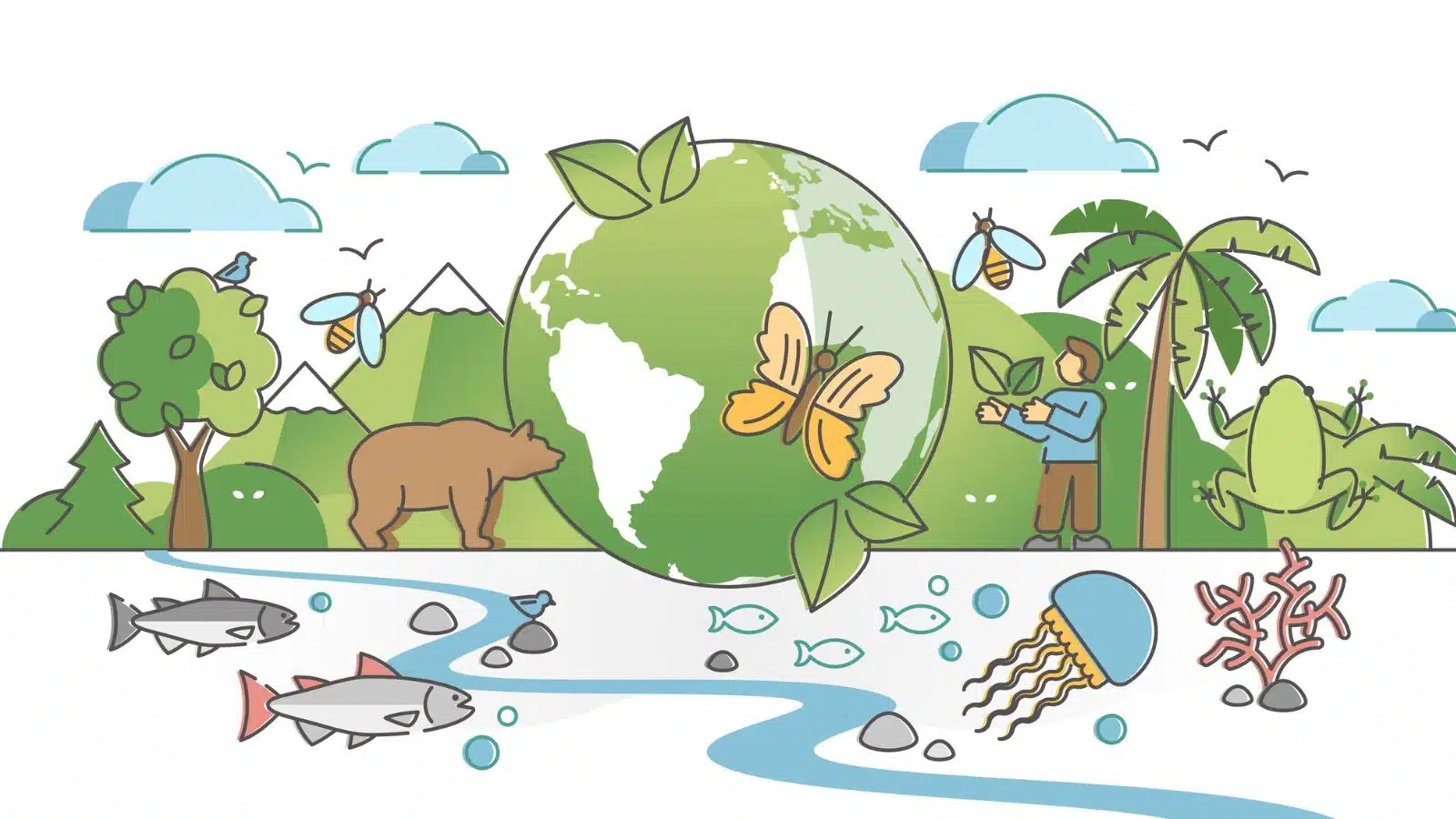
It’s not just insects.
Throughout its long history, Earth witnessed five mass extinction events (you’re probably most familiar with the mass extinction event that wiped out the dinosaurs 66 million years ago).
We’re currently in a sixth.
Though the majority of extinction events were caused by a cataclysm such as a volcano or asteroid, this sixth one is caused by human activity. It’s nearly impossible to put a number on it (especially as it’s actively ongoing), but we know the world lost close to 1000 species since the start of the Industrial Revolution – and that’s just what we KNOW. Millions more are threatened.
A loss of biodiversity can impact everything, from climate to agriculture.
Freshwater Depletion
We need water to survive, yet we’re wasting it.
Underground aquifers are being depleted, glaciers that feed rivers are eroding, and millions of people don’t have access to safe drinking water.
We could solve this crisis by investing in desalination, but it’s proven too expensive for corporate interests.
Meanwhile, we plant water-loving crops in desert environments and prioritize lush green golf courses over ensuring freshwater stability.
AI and Automation

We tend to think of AI and automation as a US problem, but it has ramifications that will be felt around the world.
In the US, advances in AI technology are already putting people out of work, and it will only worsen as technology improves. It will put people out of work worldwide, and so far, few governments are considering the massive repercussions.
What will happen when there’s no work for the majority of the world population?
Poverty

Forty-four million people around the globe live in poverty. It’s a global problem, with the highest rates in Southeast Asia and Sub-Saharan Africa.
Poverty is a never-ending problem with massive impacts. Obviously, there are the first-order impacts: millions of children starve, and people die of preventable illnesses, but there are second and third-order impacts as well.
By enabling poverty, society is actively preventing a portion of the population from contributing.
I think the quote from Stephen Jay Gould explains it better than I ever could:
“I am, somehow, less interested in the weight and convolutions of Einstein’s brain than in the near certainty that people of equal talent have lived and died in cotton fields and sweatshops.”
War
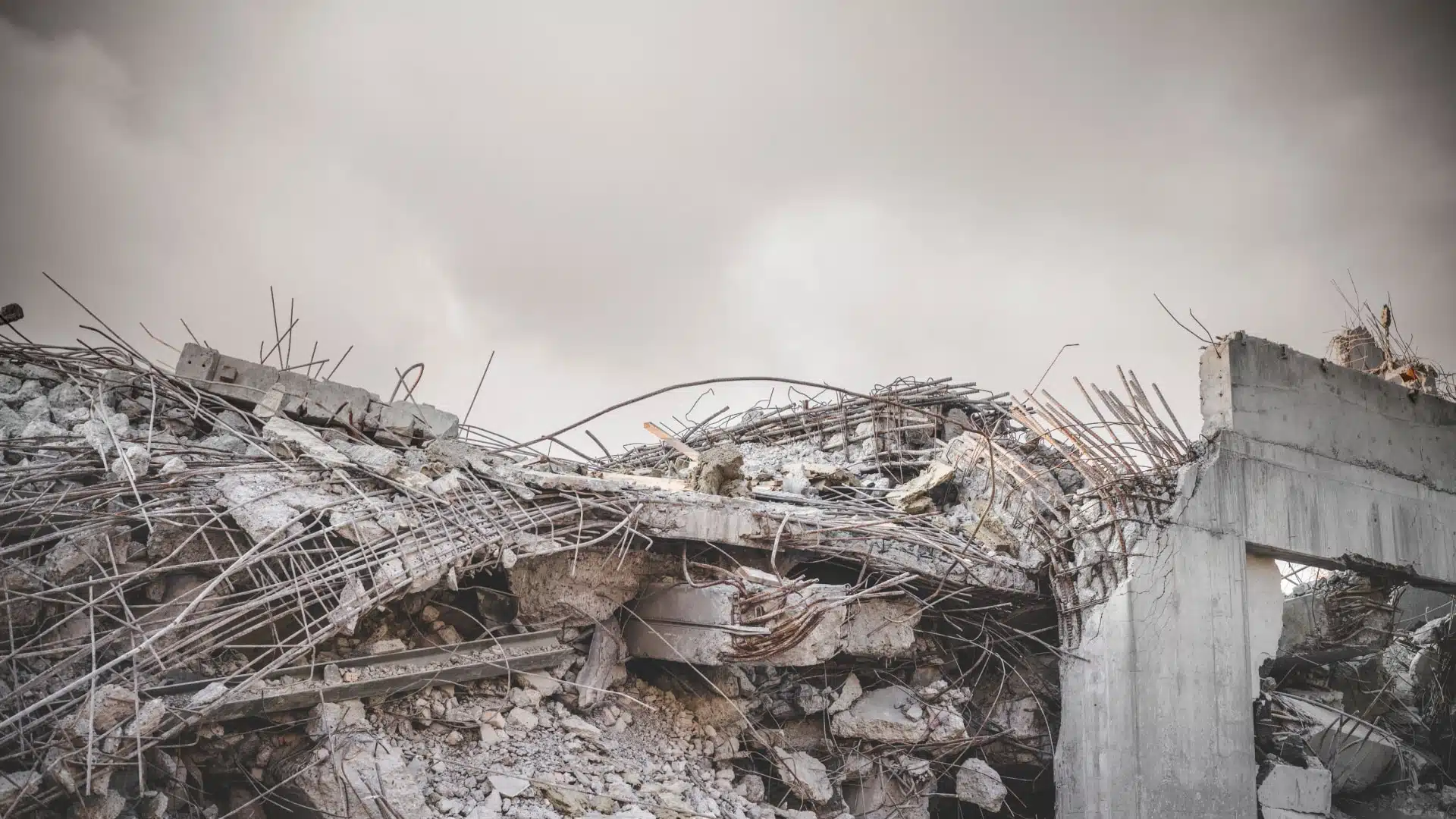
We all know war is one of the biggest problems in the world, but most of us feel powerless to stop it.
Our leaders engage in wars that the people didn’t vote for. Authoritarian rulers invade other countries in a desperate attempt to consolidate power. Civil wars break out across the world.
The endless wars slaughter the innocent and destroy the planet while enriching humanity’s worst. We need to find a better way to resolve our conflicts.
Authoritarianism

In times of strife, people seek comfort in strong men leaders, not realizing that they’re sacrificing their freedoms for those comforting words.
Authoritarianism is on the rise worldwide, and if we don’t start addressing it, we’ll be stuck under it.
Military Dictatorships
We all know the awful conditions faced by North Koreans, but they’re not the only country suffering under a military dictatorship.
We all forget about the people in Africa and Southeast Asia who lack freedom.
Human Rights Violations
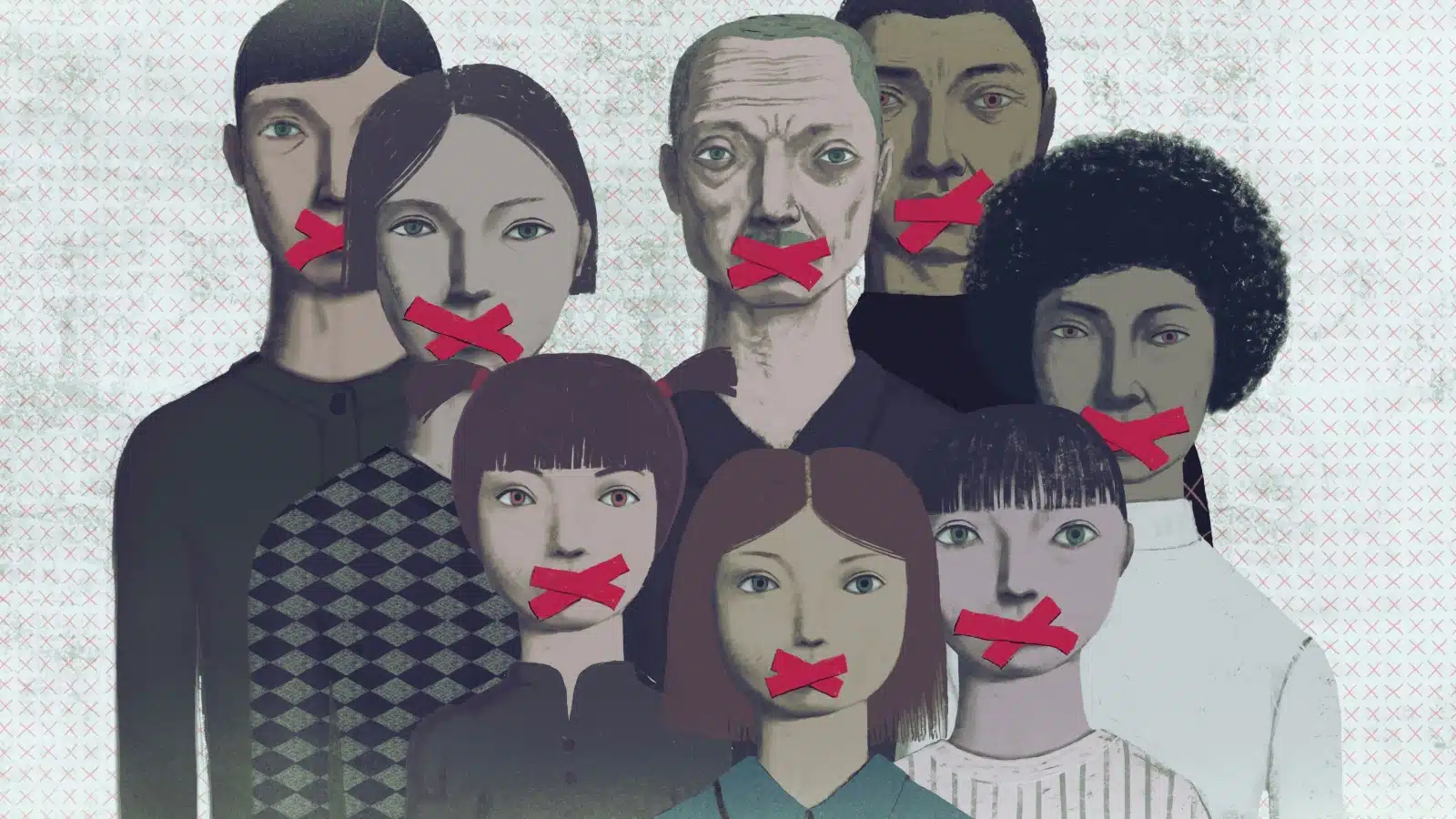
Nearly every country is guilty of massive human rights violations. Far too many countries treat women as second-class citizens, and even Western countries are working to restrict bodily autonomy and voting rights.
People worldwide suffer unjust imprisonment, forced labor, and forced mutilation.
Americans love to cover our ears and pretend this problem only occurs in faraway lands, but we support it. Not only do we buy merchandise built by slave labor, but we also happily violate human rights here at home.
We have the highest prison population in the world and a brutal police force under the guise of “tough on crime”.
Half the population celebrates as federal agents murder people in the street and the Supreme Court strips voting rights.
Human Trafficking

Slavery may be illegal, but it’s thriving right under our noses. According to the Guardian Group, human trafficking is the fastest-growing criminal industry in the world.
The American Association of University Women estimates nearly 25 million trafficking victims worldwide, and 50% were trafficked for sexual exploitation.
Instead of going after traffickers, we spend our resources hunting down people who committed a civil penalty by overstaying their visas or who want to smoke a joint in their free time. Priorities.
The End of Global Democracy
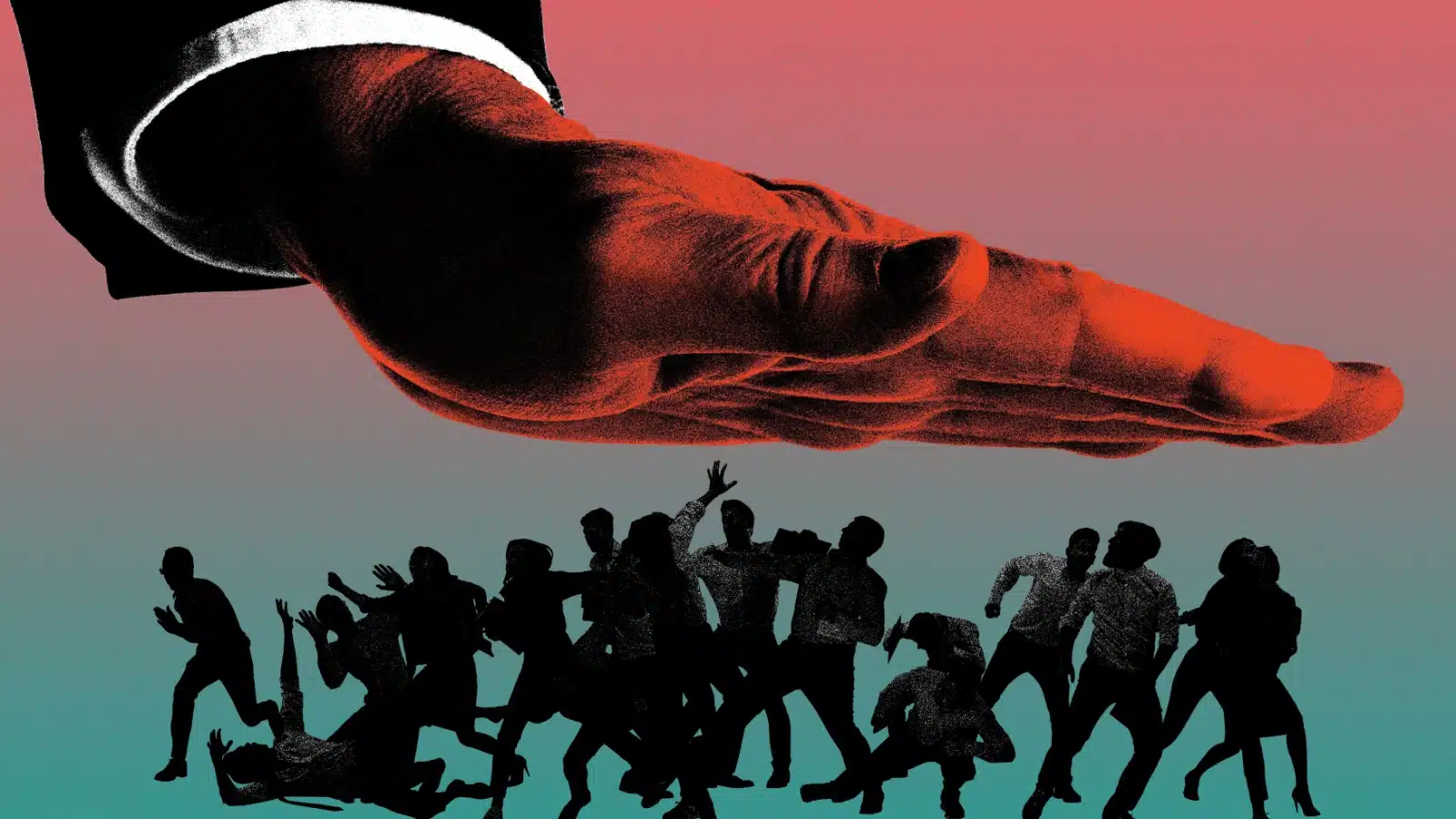
Fascism is rising around the world. An election in Nigeria was blatantly stolen. Right-wing extremism is growing. Voter rights are systematically being destroyed.
Not only do people not seem to care, but they also seem to welcome it while shouting about freedom and liberty.
What will the world look like without any freedom anywhere?
Why Don’t Americans Care?

It’s misleading to say Americans don’t care. Some Americans are suffering from the global problems on this list, and those who don’t may have other worries.
The biggest problems in the world take a backseat to the smaller problems we’re facing on a daily basis.
We Don’t Have the Bandwidth

The world has so much evil that we can’t think about it all.
We all only have so much time, money, and energy; it’s impossible to think about everything going on in our daily lives, much less in the lives of others worldwide.
We’re Struggling Too

These global problems impact millions of Americans too. We also have a whole host of other problems to worry about.
Stagnant wages, a toxic work culture, loss of human rights, climate catastrophe, and other problems affect Americans daily.
We can’t help others when we can’t even help our own communities.
Not Sure What To Do

We hear stories about the atrocities happening in other countries but feel powerless to help. What can we do about ethnic cleansing in Africa, female oppression in Afghanistan, or child labor in India?
It’s hard to think about these problems knowing we can’t do anything to solve them.
It’s Happening Here Too

The harsh truth is many Americans celebrate some of these global crises.
Fascism is on the rise in the US, with millions of supporters. Millions of people voted against women’s rights. US citizens engage in human trafficking, buying and selling other humans as if they’re cattle. We continue to buy cheap products made from forced labor overseas. Some people are even hoping for a civil war.
We can’t begin addressing global problems when facing (or even promoting) these same issues in our own communities.
Is There Hope?

It’s not all hopeless. The world is on the brink, but we’re not at the point of no return.
We can get our country back on track and lead the world to a better future.
To do so, we must develop empathy for our fellow man, even those who don’t share our values, beliefs, and backgrounds.
We must vote with our dollars, becoming more conscious of how our purchases affect the global community.
And finally, we must prioritize humanity. We elevate status, money, and even our personal beliefs over human dignity to the detriment of all.
We must reflect upon our true values and support candidates, policies, and programs that put people first.
We can find solutions to the biggest problems in the world when we all work together, but if we refuse, they might destroy us all.