
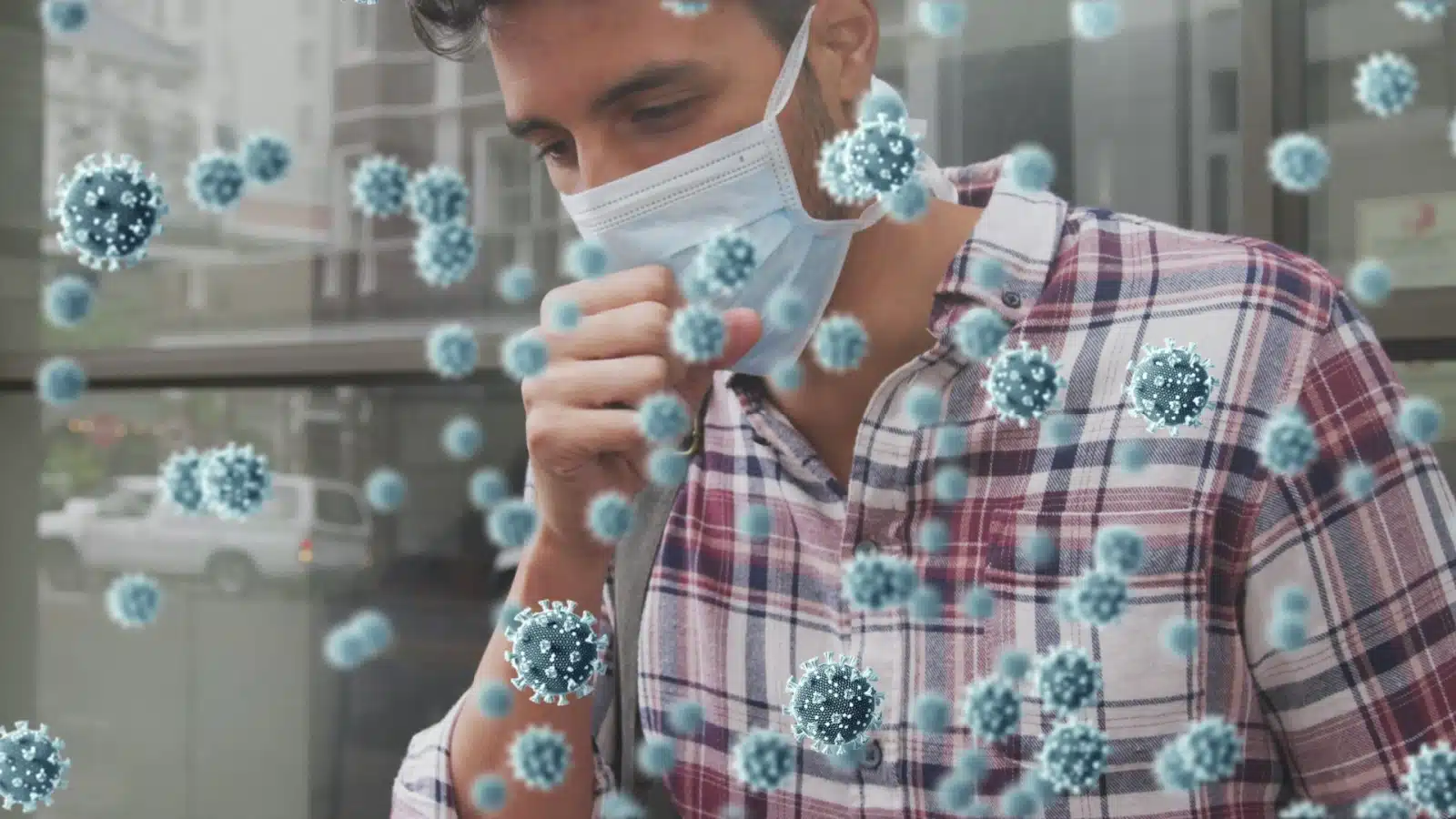
The first two years of the 21st century’s rolling 20s brought turmoil. The COVID pandemic affected every aspect of our lives, and many of us will never be the same.
We thought things would return to normal, but it seems that some of the things COVID changed are here to stay.
Things COVID Changed

I think we found a new sense of normalcy in the post-COVID years, and may not even remember how things were in the before times.
Here’s a look at the things COVID changed, for better or for worse. Some have had lasting cultural impacts, while others changed our attitudes, but not anything else.
Growing Distrust
I don’t know if COVID abruptly changed people’s attitudes toward the government or if it was just the straw that broke the camel’s back, but the government’s (and the public’s) handling of the crisis makes many of us question whether we’ll still be around in the next five years.
There was barely a response plan; people refused to follow even the basic instructions provided, and millions died as a result.
It’s no wonder nobody trusts anyone anymore.
Jaded
Seeing how the powerful (along with all the temporarily embarrassed millionaires) demanded everyone go to work amidst a pandemic to “save the rich” made us even more jaded about society’s trajectory.
This was more a case of COVID removing the wool from our eyes than something COVID changed, but it’s gotten even worse since the pandemic ended.
A lot of people stopped caring.
The General Mood

Struggling through COVID soured everyone’s mood, and no one has bounced back.
We’re all sadder, angrier, and more scared, and we started turning that fear outwards to everyone else.
I don’t think it was the pandemic itself, but COVID, and especially the way everyone handled it, served as a catalyst. A good response could have prevented the collective downturn, but instead, everything got worse.
Staying Home

The pandemic forced everyone to stay home, and many of us discovered we liked it there.
We don’t go out nearly as much as we used to, though rapidly rising prices may also be a factor in why we all prefer to stay home.
Appreciate Solitude
Staying home forced us to appreciate ourselves more. Some people who couldn’t fathom being alone for a single night, much less two years, learned to appreciate the value of their own company.
But our newfound love of solitude brought an unexpected consequence:
Isolation
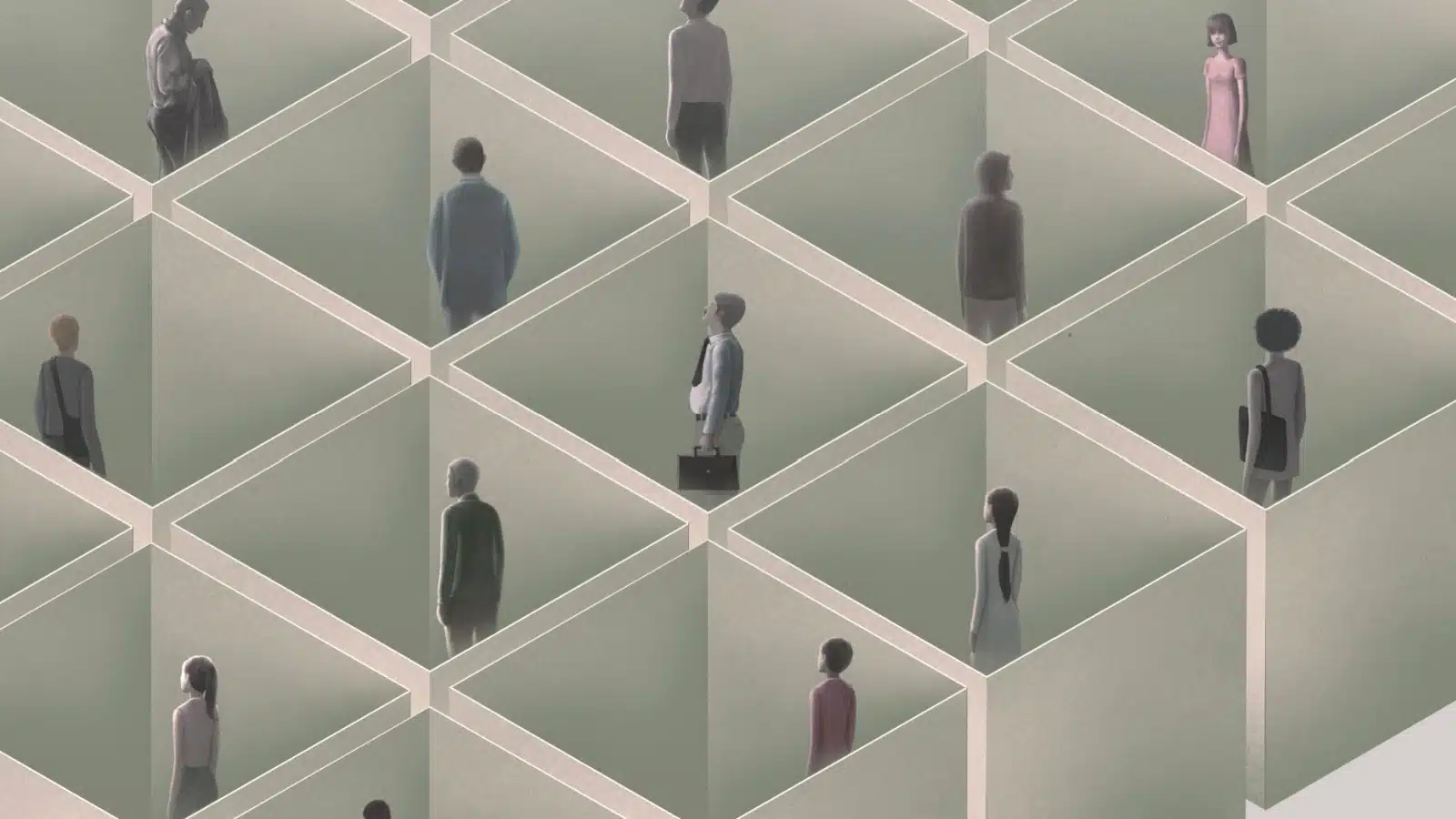
The pandemic destroyed all remaining 3rd spaces in society. People go to work, come home, and stay isolated from their families and friends.
We want to go out, but it’s exhausting and expensive, so we stay home, and the third spaces we used to cherish slowly go extinct.
In addition to that, we’re lonelier than ever before. Staying home might be comfortable like an old sock, but it’s not good for us in the long run.
Inflation
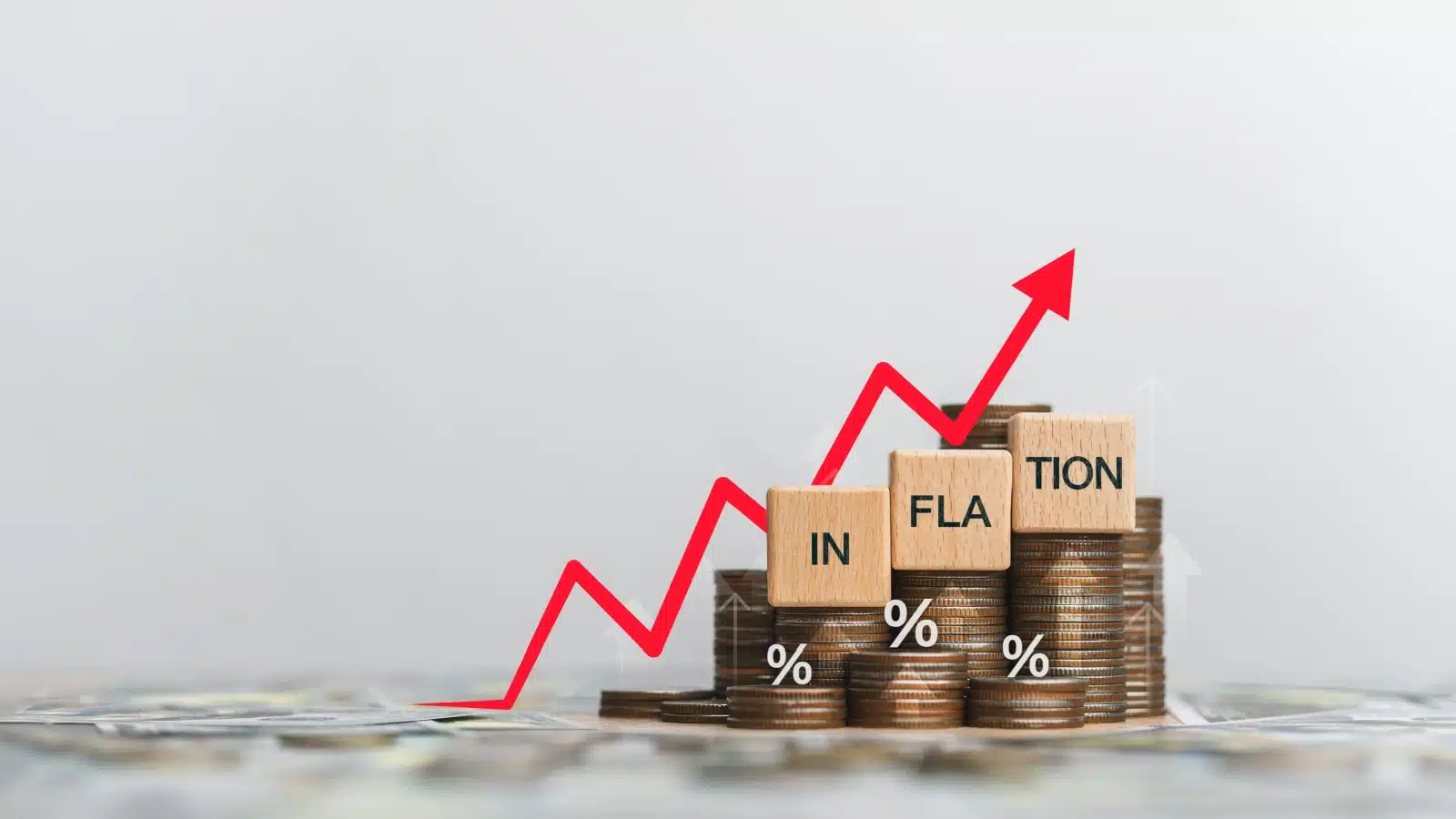
They said that inflation was due to supply chain issues during COVID, but prices on everything, from food to lumber to housing, continue to rise even though the pandemic has been officially over for years.
We fear that COVID changed prices forever, and nothing will ever be as cheap as it was before the pandemic.
Cherish the Time Together

Millions of people lost friends and family members during the pandemic. It taught us to appreciate every second we have with our loved ones, because we can’t know when it will be the last.
Unfortunately, I’m worried COVID didn’t change this for good. It seems like lots of people are going back to the old attitude of “meh, I’ll see them next time.”
Don’t – you’ll regret it.
Wrong Career

Working through a devastating pandemic (while navigating the government’s lackluster response) taught many healthcare professionals that they don’t, in fact, wish to practice medicine.
People in “essential” positions that aren’t really essential (think hotel workers, food service, etc.) learned how little their bosses (and society) value their work – or even their humanity.
As the pandemic changed our attitudes about work and helped us realize what we want (or don’t) out of life, a lot of workers used it as an opportunity to switch careers.
Burnout
One of the major things COVID changed is our burnout levels. We were managing before it struck. Yes, it was hard, but most of us were surviving.
Adding COVID on top of everything when we were already struggling to stay afloat was just too much. More and more people feel burnt out and unable to cope with it all.
As a silver lining, COVID also changed our conversations about burnout. We’re all experiencing it, and we’re also much more open about it.
Reduced Staff
Some people didn’t have a choice about changing careers, as the pandemic taught businesses they could make do with fewer staff.
Greedy bosses learned they could save money by maintaining COVID-era staffing levels, making things worse for everyone.
The next time you visit an understaffed store, don’t blame the workers for their inability to help – remember that it’s one of those things COVID changed because big money realized they could get away with it.
Customer Service

As a side effect of reduced staff, customer service suffered. People can no longer get the help they need from understaffed, overwhelmed employees.
But that’s not the only thing COVID changed. For some reason, it made the consumers themselves worse.
Why would someone want to work in customer service when they’re constantly berated by rude, entitled customers?
Proving Profits Above People

We all had the inkling in the back of our heads that American work culture values profits over people, but the COVID pandemic proved it.
We’re much more aware of just how powerful our corporate overlords have become.
Unfortunately, a good portion of the population still celebrates them as “innovators” rather than sees them as the exploiters they truly are.
People’s Attitude Toward Work

The realization that companies value profits above workers, horrible experiences working in customer service, burnout, and being forced to do the work of four people changed people’s overall attitudes about work.
People no longer want to work for companies that treat them poorly, pay them paltry salaries, or try to control their lives.
Those stuck in these jobs started the quiet quitting trend, because why should they care about doing well when the company doesn’t care about them?
Rethinking Work-Life Balance
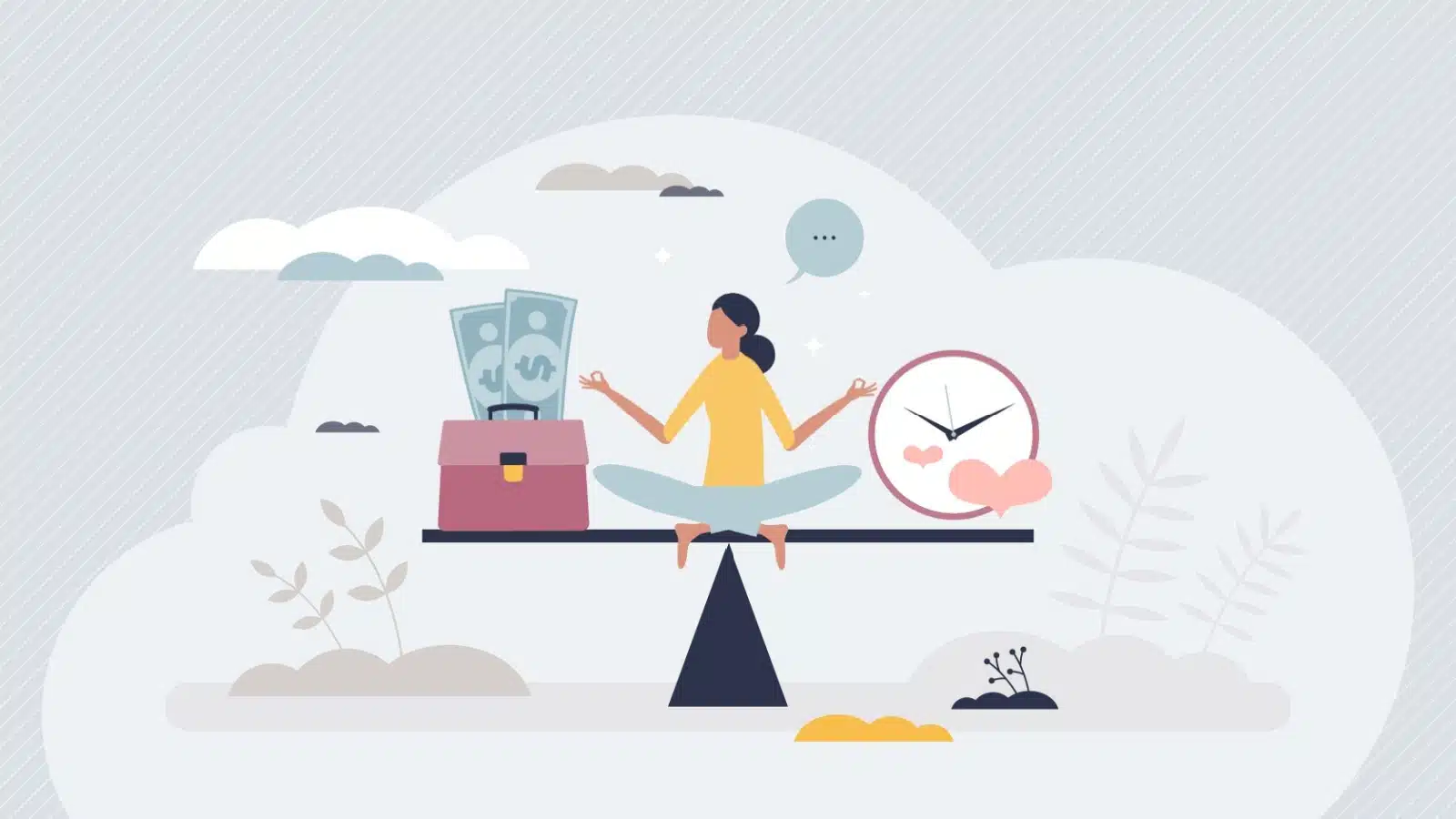
The pandemic taught us that work isn’t everything. Many of us realized we’d rather have more balance than bigger paychecks.
Unfortunately, big business didn’t agree. There’s been a massive backlash to workers’ newfound attitude as companies slash jobs in favor of AI.
The little guy might prefer work-life balance, but many of us are still stuck working terrible hours for paltry paychecks, despite the lessons learned from COVID-19.
Tipping

The only good news for customer service employees is that COVID changed tipping.
We rewarded service personnel during the pandemic by offering generous tips to everyone who went to work, including cashiers and counter workers.
But even though it’s been over for years, the tipping hasn’t gone away. A lot of people think tipping culture has gone way too far, and refuse to tip for anything other than traditional service.
Honestly, we get it. We think all workers deserve a living wage and shouldn’t have to rely on tips.
Living Authentically

COVID taught us that life is short, so there’s no sense in spending your time hiding who you are. A lot of people took that message to heart and embraced their true selves.
I’m all for it.
Living authentically is the best way to live.
Focus on Health

The COVID pandemic changed a lot of people’s attitudes about health. It forced us to rethink the way we were treating our bodies.
For many, it led to a renewed focus on a healthy lifestyle.
However, it’s not one of those things COVID changed for everyone. A lot of folks took the opposite route, deciding to enjoy the short time with indulgences.
Menus
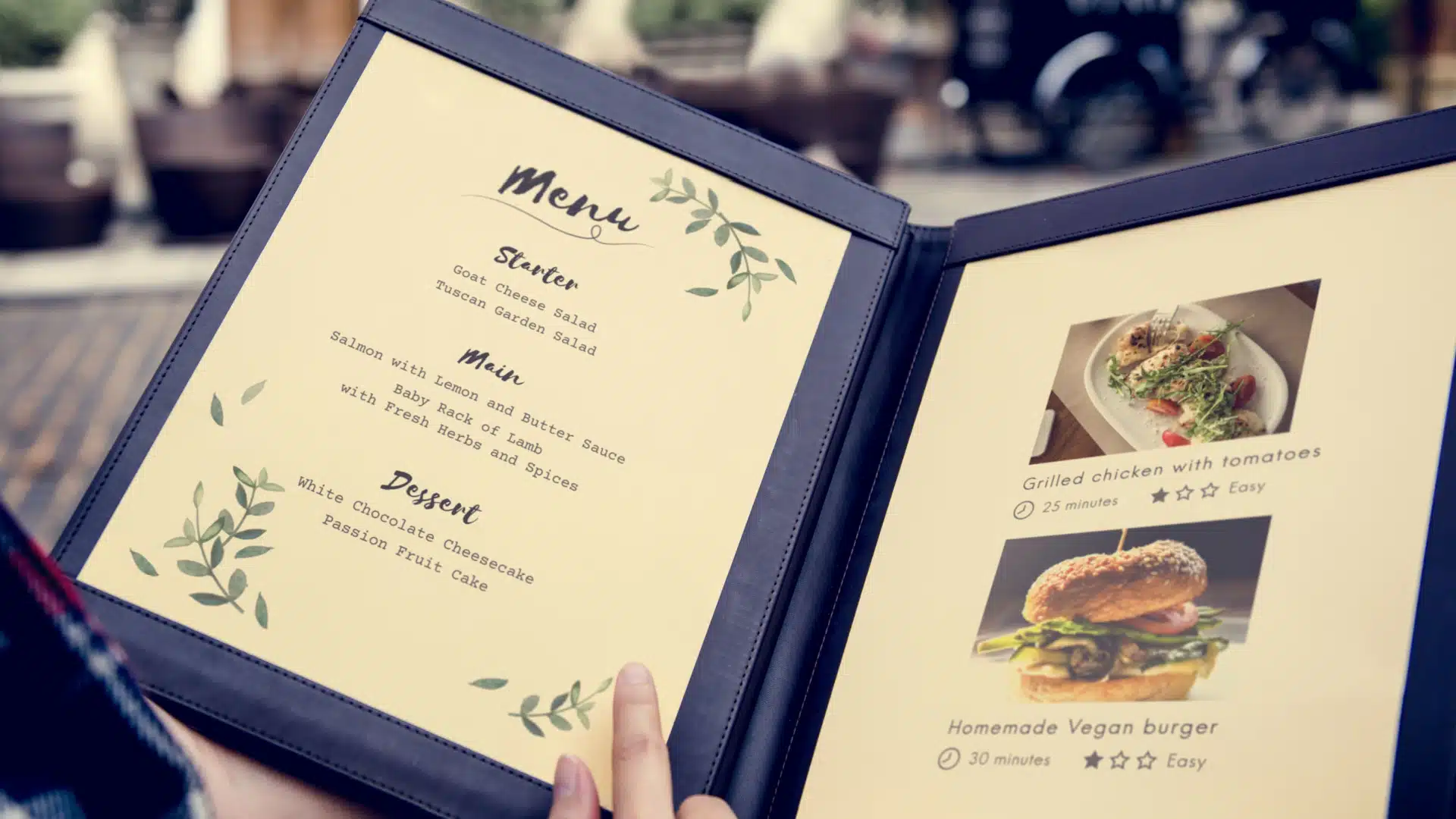
One of the silliest things COVID changed is restaurant menus.
Far too many restaurants no longer have paper menus. Why would they return to spending money on menus when they can force the customer to struggle with a stupid QR reader to see the options?
Education

A generation of children received substandard education for two years, and nobody thought to address it.
The kids who missed two years of classes have reduced social skills and are behind on nearly every subject, but we all just pretended they’d be fine.
In fact, after COVID, the homeschool trend continued to skyrocket, and a lot of kids are suffering because their parents don’t provide a proper education.
Giving Up On Libertarianism
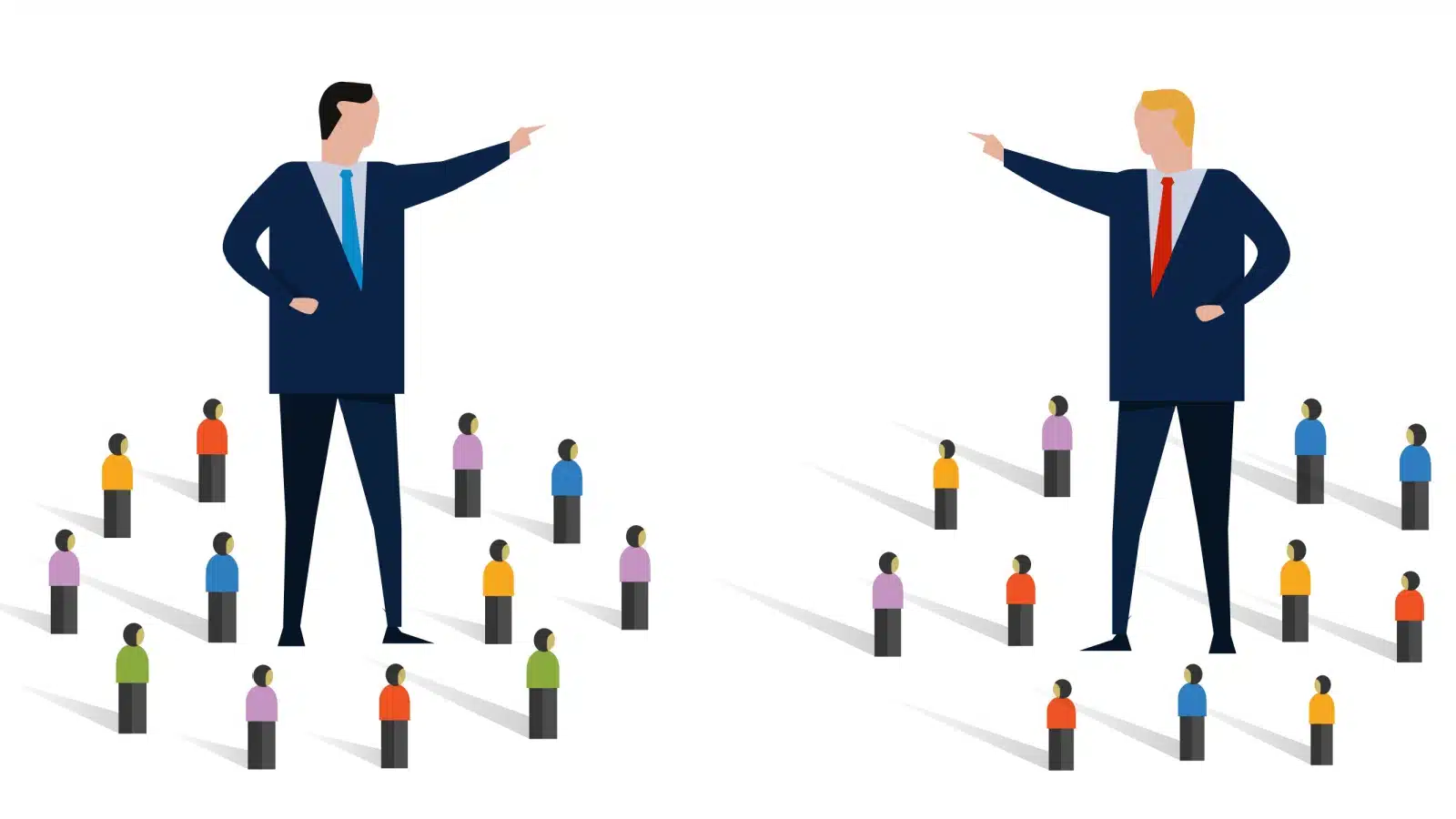
Many young people were drawn to Libertarianism as an alternative to the current two-party system. It seems perfect in theory, as everyone is free to do whatever with very little government oversight or intervention.
However, the pandemic showed these young libertarians why government intervention is vital. People in general are selfish; many refuse to do the simplest of things to help their fellow man.
We need the government to ensure the most vulnerable stay safe.
What Really Matters
The biggest takeaway from the COVID pandemic is that life is short, and no one cares about you as much as you do.
The only thing that truly matters is living a life true to your own dreams and desires. Many people quit their jobs to pursue their interests because they realized the castle we built didn’t really matter. Others focused on hobbies or spending time with loved ones.
We hoped COVID helped you realize what really matters, too, and that in these post-COVID years, you’re spending as much time as possible on the things that bring you joy.