

Temptation surrounds us. It’s everywhere, calling to us and whispering sweet nothings about happiness if only we buy the thing.
Marketers make it hard to resist the allure of their products, so we spend money we shouldn’t for that fleeting moment of wholeness.
Before we know it, the money is gone, replaced with junk food wrappers, toys, books we’ll never read, and who knows what else.
When you learn how to stop spending money on things you don’t really need, your life will get so much better.
Blowing All Your Money the Second You Get It

It’s payday!
You celebrate with a few cold ones after work, then hit the mall on the weekend to grab that new purse you’ve been eyeballing. Of course, you want to treat yourself to coffee from your favorite cafe on the way.
By the time the weekend ends, you barely have enough cash left for groceries and rent.
How did you get here? And how can you regain control of your spending?
How to Stop Spending Money

It’s okay. We’re all human, and we all deserve to treat ourselves now and again. But when treating ourselves becomes a habit, our spending can spiral out of control.
Follow these steps to stop spending all your money and start on the path to financial security.
Track Your Spending
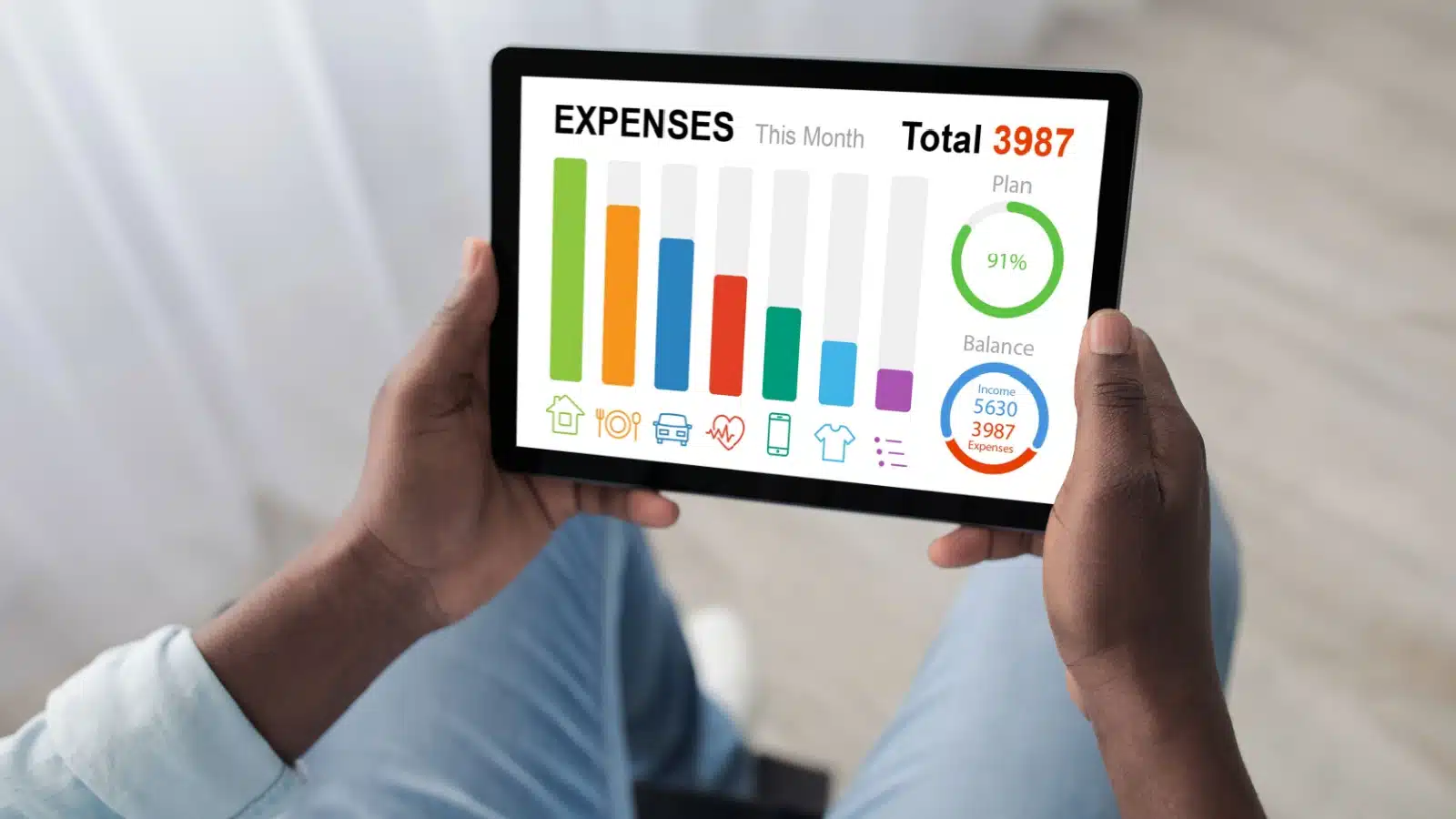
To control a spending problem, you need to identify where the money is going.
Start by tracking every purchase for a month. Include everything, from your biggest bill to the smallest stick of gum you bought at the gas station.
Understanding where your money goes is the first step to managing your spending.
Make a Budget

When you track your spending, you identify where your money goes. Budgeting allows you to redirect that money.
People hate the word “budget” because they think it limits them, but in fact, it does the opposite. It helps you set spending priorities, which allows you to fund the life you want instead of spending money on autopilot.
With a budget, you tell it where to go rather than watch it fly out the window seemingly of its own accord.
Pay Yourself First

Alliance Images via Shutterstock.com.
Your first line item on your budget should be a payment to yourself. But it’s not for nights out or a shopping spree.
That money should go directly into a savings account. If possible, set up automatic allocations so it doesn’t even touch your checking account. Out of sight, out of mind, works great for building your savings.
Many people don’t have much disposable income for savings. Start small—with just five dollars a paycheck if that’s all you can afford. Slowly increase the amount as you get used to budgeting or get raises.
Know Yourself

Everyone has different weaknesses. A mouthwatering sandwich may tempt some, while others can’t resist the craft store’s captivating pull.
You can’t control your spending until you identify the areas where you lack willpower. Tracking your spending will help, but you also must be honest with yourself.
Most of us can justify spending if we don’t want to stop. You need that shirt for work. You need that game because you will play it with your friends, and it’s your only social outlet.
But you know you didn’t really need it. Stop lying to yourself and accept that you’ve spent money needlessly.
Avoid Temptation

Once you know your spending triggers, you can avoid them.
Food is my biggest trigger, especially at restaurants. I love trying new things and usually can’t decide between entrees. I get two, plus an appetizer. It’s terrible for both my wallet and my waistline.
So, I avoid restaurants. I only go out on special occasions.
Stay away from stores you tend to overspend in. Stop going to Target if you can’t help but fill your cart with cute home goods. Avoid the mall if you can’t stick to window shopping.
Avoiding your biggest temptations eliminates their hold on you.
Make a List
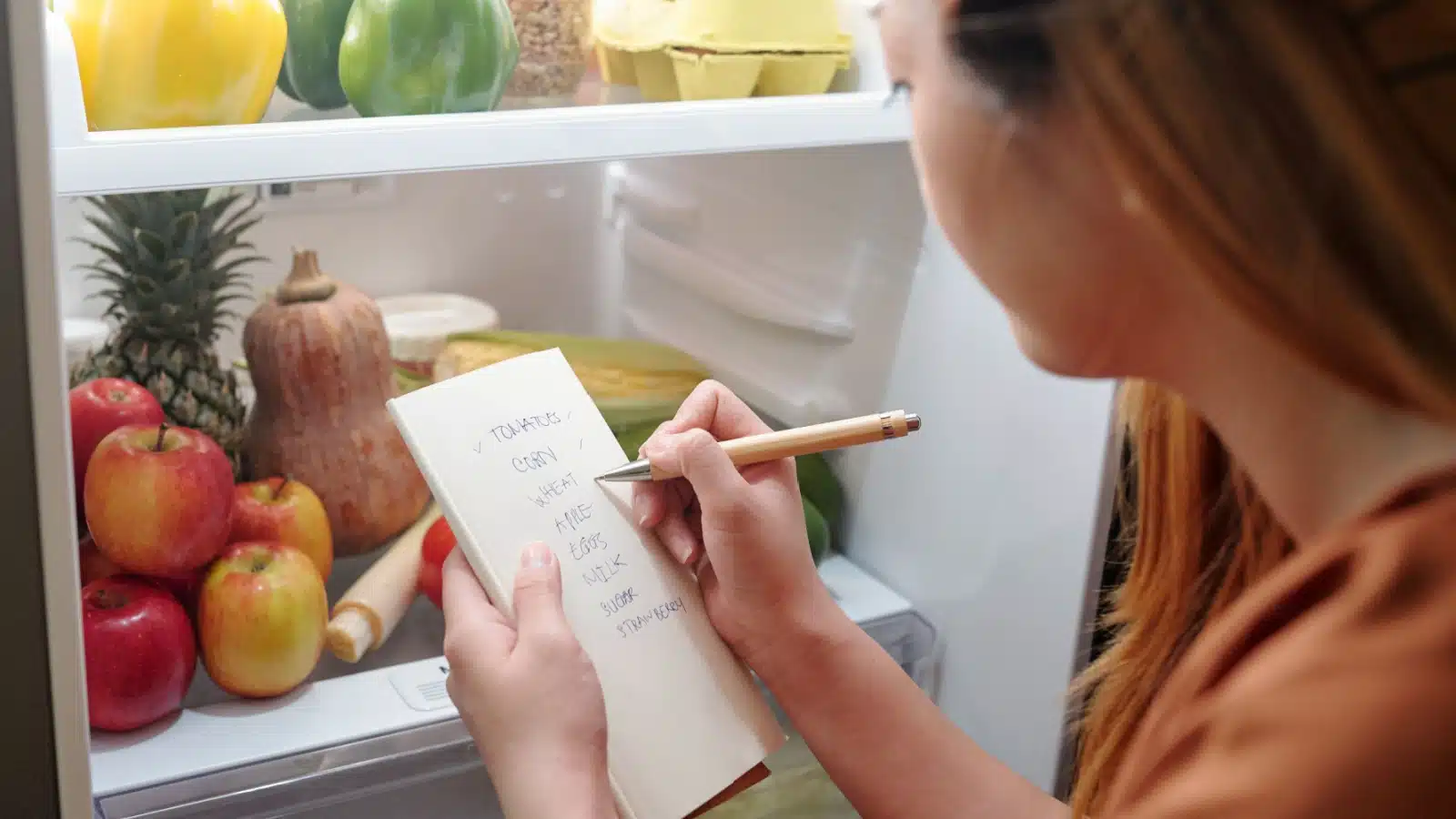
We can’t always avoid all our temptations. People with bad junk food habits still must go to the grocery store. We need things from Target and the mall.
If you must face your temptations, do so with preparation in hand. Make a list of everything you need, and stick to it. Only visit the aisles you must.
Fixate on your list with a tunnel vision so intense that nothing else exists, and you won’t spend needlessly.
Allow Yourself One

It sounds counterintuitive, but sometimes, the best way to prevent yourself from spending all your money is to spend a little bit.
Sometimes, we have to give ourselves a little win. That way, we won’t feel like we are depriving ourselves, and we won’t binge on our vices.
When I make my weekly grocery store list, I allow myself one bag of chips and one random impulse buy. Both items appear on my list, so I know I get to have them.
Allowing myself those two treats helps curb my other impulses.
Avoid Emotional Shopping

You shouldn’t shop when you’re tired, stressed, angry, or hungry. While buying these can momentarily alleviate those bad feelings, it will only cause you more pain in the long run.
Positive emotions can also lead to impulse spending. For example, when we get excited about a new project, we buy $100 worth of supplies we will never use. Similarly, when we are happy about a raise, we overspend to celebrate.
Avoid shopping when emotions run high to avoid access spending.
Hire a Coach

Hiring someone to help you stop spending money seems counterintuitive, but a financial coach can help you identify your money triggers, hold you accountable for needless spending, and start managing your money wisely.
A financial coach is not a financial advisor. They should not actively manage your money for you, nor should they advise you on financial products (like investments or insurance). Instead, they will help you understand your relationship with money and gain control of your financial life. For many, it’s money well spent.
DIY Coaching Bundle
Coaches are expensive, and a lot of folks don’t have the disposable income to hire one. We can help.
We developed an in-depth DIY financial coaching bundle to help you learn how to stop spending money and gain control of your finances. Our printable bundle will help you manage your money, budget, and track your spending, set financial goals, and get the most out of every dollar you earn.
Grab your copy here: DIY Financial Coaching Bundle

Our DIY coaching bundle is also available on Etsy for a slightly higher price if you prefer shopping on that platform.
How to Stop Spending Money When You Have No Money

We need to address the giant elephant in the room. A lot of people who live paycheck to paycheck don’t have a spending problem; they have an income problem.
It’s impossible to stop spending all your money when you’re spending it all on essential living expenses. If this describes you, you have two options:
- Increase your Income
- Find Ways to Save on Living
Increase your Income

The best way to fix your problem is to increase your income. Consider asking for overtime, starting a side hustle, or applying for new jobs.
Discover some of the best ways to earn more money:
- How to make money online
- Side hustles for real people
- Make money gaming
Find Ways to Save on Living

Backgroundy via Shutterstock.com.
If you have an income problem yet struggle to find a new job or side hustle, you must find ways to cut costs. Consider getting a roommate, lowering your thermostat, cooking at home, packing lunches, reducing energy consumption, or canceling cable.
Find more ways to save:
- Save money on groceries
- Save money on living expenses
- Save money on heating
- Small ways to save
You Can Stop Spending All Your Money
Old habits die hard. But you can break them. With a bit of willpower and discipline, you can persevere and stop spending all your money.
The hardest part is starting. It will get easier once you realize you can live without new shoes every month and start seeing your savings grow.
You’ll have a solid emergency before you know it, and you won’t even feel like you had to give anything up!
I think the act of grocery shopping in and of itself is a huge money saver. The main reason we order takeout or go to a restaurant is because there isn’t enough food in the house. Stocking the fridge and pantry really helps us save. I loved your last paragraph about how hard it really is.
Oh I agree! Overspending at the grocery store is usually still cheaper than going to a restaurant!