

Our fast-paced society, fraught with constant changes, competing priorities, and mounting to-do lists, can prove too much for even the most organized minds.
The solution? An external brain.
Although it sounds like science fiction, an external brain isn’t something you jack into. It’s a tool that millions already use, though they may not realize it.
What is an External Brain?

According to David Allen, a world-renowned expert on personal productivity, an external brain is any tool located outside of yourself used to track and store information. Allen, author of the bestseller Getting Things Done: The Art of Stress-free Productivity and mastermind behind the Getting Things Done productivity methodology, discusses the concept of an external brain in episode 34 of the accompanying podcast, Getting Things Done.
Allen explains that our brains evolved for pattern recognition and action rather than information recollection. We rely heavily on environmental inputs to trigger actions, but must work extremely hard to remember details, thoughts, and ideas.
His theory on brain development helps us understand why we can immediately jump into action when we recognize something that needs to be completed, but struggle to recall simple details from previous days or weeks.
Neuroscientist Daniel Levitin discussed the benefits of using an external brain in his book The Organized Mind: Thinking Straight in the Age of Information Overload. In the book, Levitin explains that our minds wander to incomplete tasks if they aren’t recorded somewhere. He suggests using an external system to store these thoughts, freeing our minds from focusing on them.
External Brain Tools

External brains don’t have to be complicated. Allen says anything could be considered an external brain, from your calendar to your journal. He says there’s no right or wrong way to approach externalizing your thoughts, and simple pen and paper are powerful tools for beginners.
Many people already apply the concept of an external brain without knowing it. Standard journals are fantastic tools for writing things down, but Allen cautions that a simple brain dump isn’t enough.
An effective external brain requires follow-through.
Why Follow-Through is Crucial

Our brains store all this extra information because we need it. We need to know when the next doctor appointment is, what to get from the grocery store, and our work schedules.
An external brain lets us store it for later use, but if we don’t follow through and use the information, our brains will no longer trust us.
Why would you write appointments on your calendar if you never look at the calendar and forget the appointment anyway? Eventually, you’d stop using it. That’s why we need to use a tool that we will go back to again and again.
Bullet Journaling Provides a Solution

A bullet journal is an ideal solution. Bullet journals help you stay organized and keep track of important dates, tasks, and events. Many bullet journal spreads also include space for jotting down notes, ideas, and thoughts, which is critical as Allen stresses that one key to a successful external brain is a place to record ideas immediately.
Bullet journaling also has built-in systems for follow-through. Spreads with habit trackers, to-do lists, and task planners keep you returning to them to check items off or record results.
Benefits of Journaling

Allen says that journaling is beneficial because it helps you get your thoughts out of your mind, thus creating brain space for you to focus on what matters.
Journaling has numerous additional benefits as well. It can improve your mood, reduce stress, and even help you heal faster. Studies have found that journaling about traumatic events can help individuals work through the trauma and improve physical and psychological outcomes.
Bullet journaling has additional benefits. When used as a productivity tool, it helps people stay organized and focus on their goals.
Tips for Using a Bullet Journal as an External Mind

Bullet journals make great external minds. These three tips will help you get the most out of it.
Leave Space for Free Thought

Allen reminds us that free-form writing is one of the best methods of getting stuff off your mind. You need space to jot down reminders as they occur to you or write down crucial new information. If you keep this extra space in your weekly spread, you won’t be able to ignore the new notes.
Simplify It
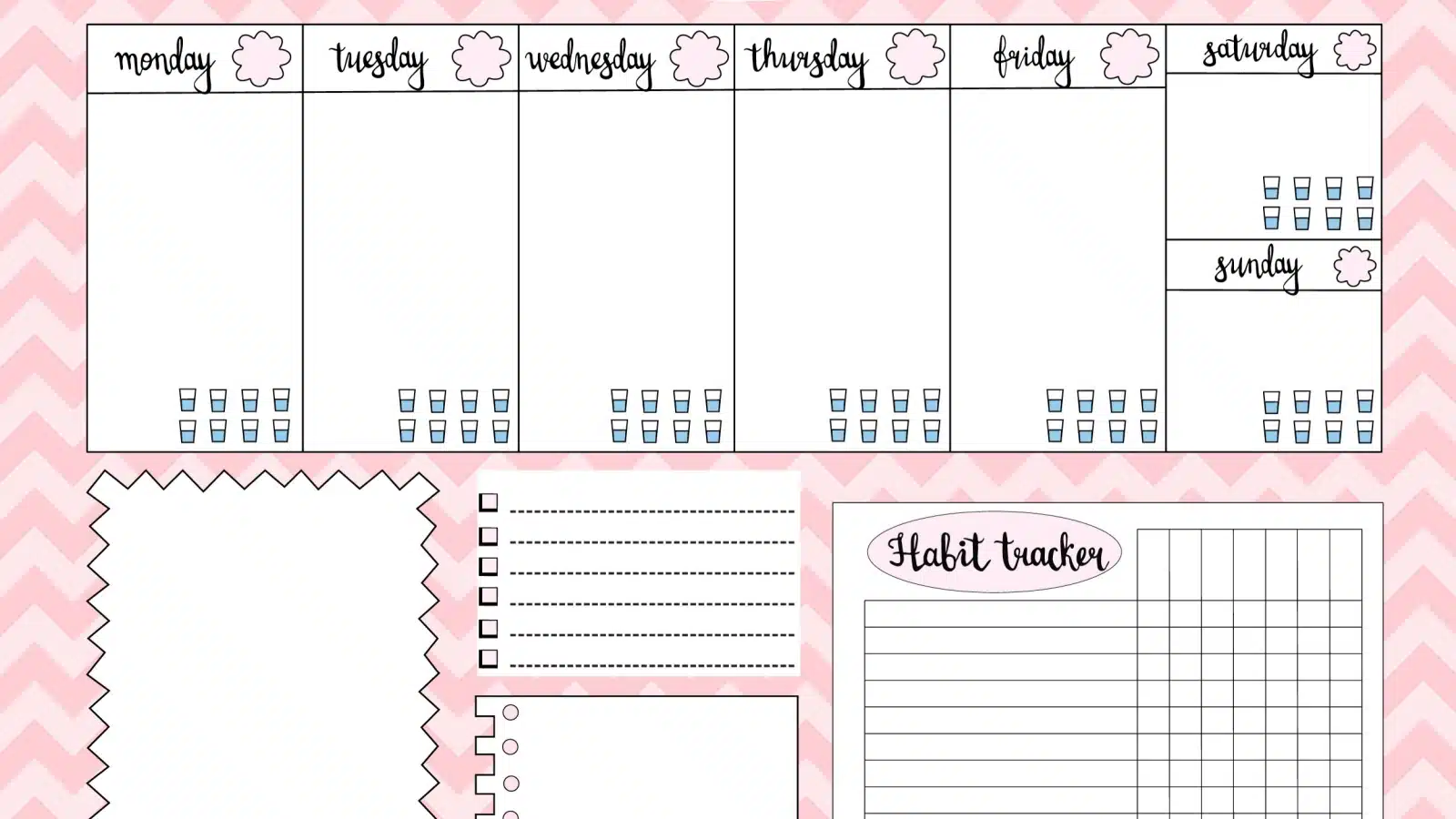
Allen also cautions that bullet journals are more work than traditional journals. You don’t necessarily need all the charts, lists, and trackers to use a bullet journal as an external brain (unless you love them!).
Simplify your journal to capture essential items you need to remember. Make it work for you.
Follow Through

No matter what tool you use for your external brain, follow-through is essential. Bullet journals help with follow-through, as (in theory) you return to your weekly and monthly spreads numerous times during the period.
If you don’t trust yourself to check your external brain, your internal brain may not be willing to let go.
Reap the Benefits of Journaling and the External Brain

Journaling and external brains have numerous benefits. Combine them to get organized, reduce stress, and clear up valuable brain space.
Use this newfound brain energy to be present in your life, enhance your creativity, and focus on the things that matter to you; no matrix required.