

Hollywood has a long history of romanticizing awful behaviors. We cheer for the creepiest protagonists, not realizing how horrifying it would be if someone did this stuff to us in real life.
The toxic relationship tropes the industry pushes give us all unrealistic (and terrifying) ideas of what love looks like, leading to unhealthy attachments and lots of heartache.
Toxic Relationship Tropes
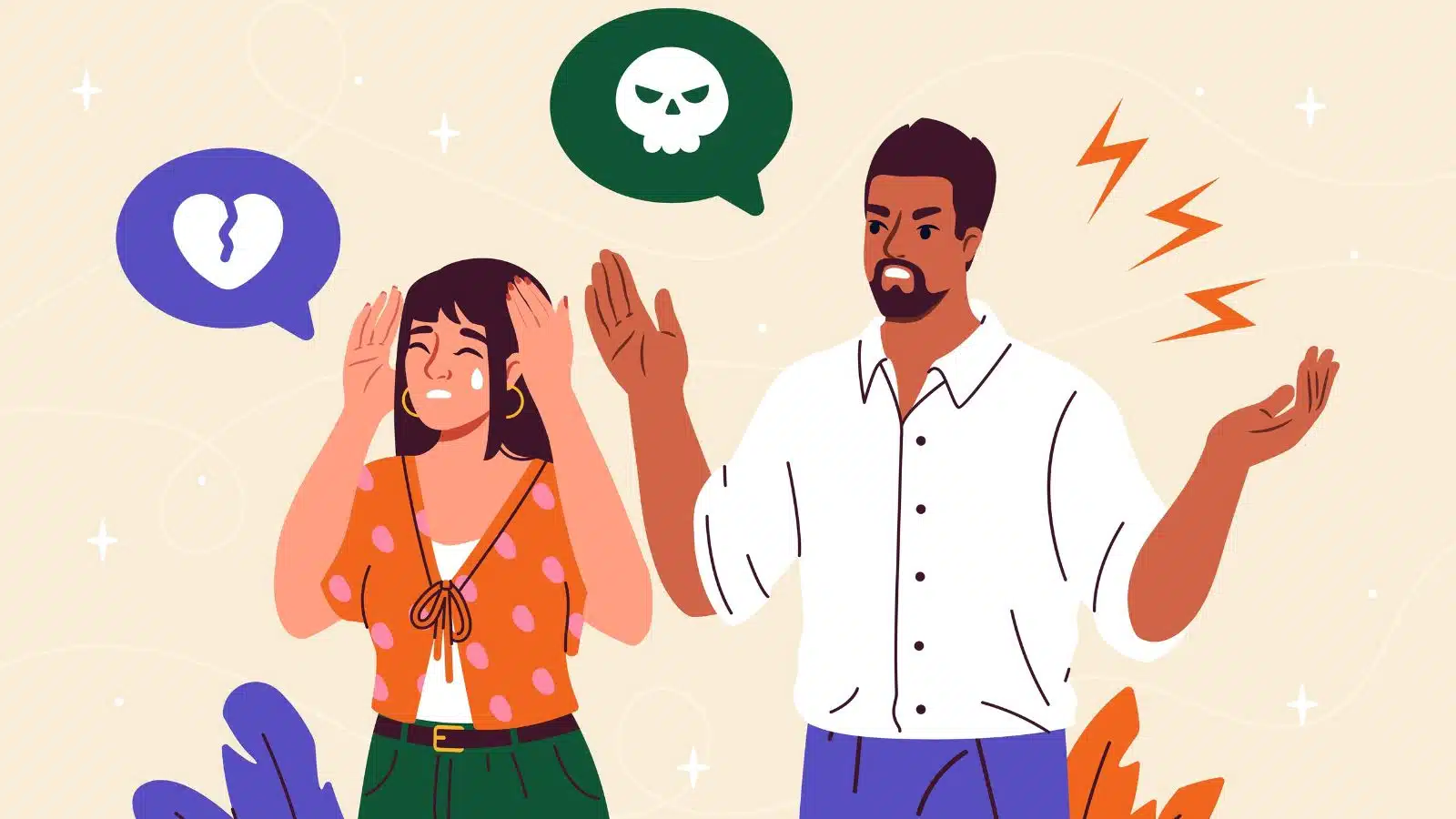
I get it – Hollywood isn’t trying to teach us lessons about love and life; it’s trying to sell movie tickets, and drama sells.
But please recognize these “romance” tropes for what they are: signs of an unhealthy relationship!
Threatening Their Life for a Date

Everyone loves The Notebook, but the scene where Noah climbs a Ferris Wheel and threatens to fall if Allie doesn’t agree to date him is actually horrifying and abusive.
Can you imagine if someone threatened to kill themselves if you didn’t date them? It makes you responsible for their mental health on day one, and it will never ever end.
It’s a play on the “I can’t live without you” trope, which isn’t romantic – it’s obsessive and creepy.
Stalking
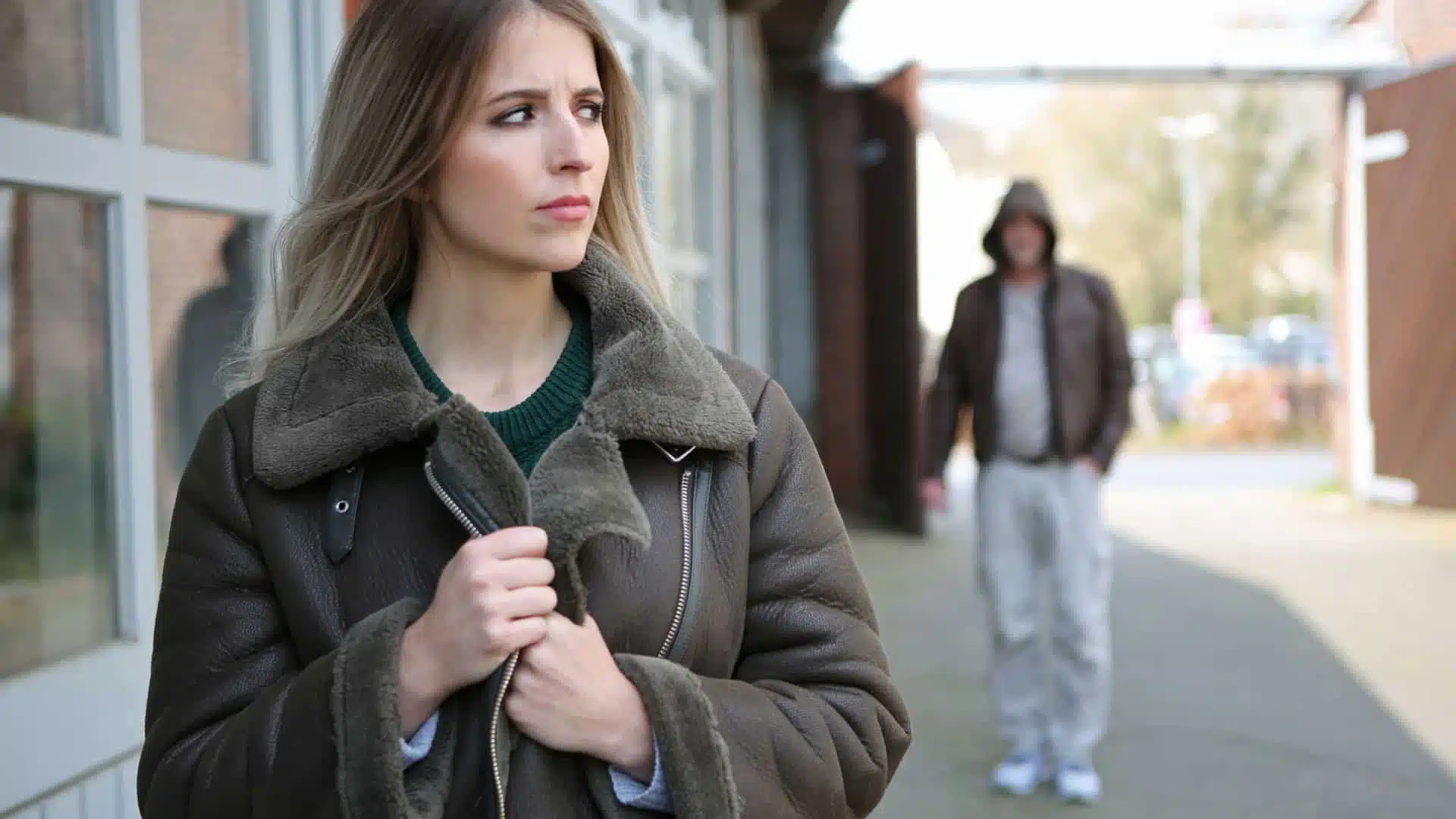
Holding a radio above your head outside your beloved’s window makes movie magic, but in real life, the iconic Say Anything scene would seem pretty stalkerish.
The “stalking = love” trope appears in all sorts of movies, but its creepiest form is in the vampire lore where he “romantically” watches her sleep.
Stalkers are possessive and controlling. That’s not love.
It’s Okay if She Likes It

Revenge of the Nerds is a cult classic but deeply problematic when viewed from a modern lens.
The main character tricks a woman into intimacy, but she’s okay with it when she uncovers the truth because he is “giving.”
Gross.
Winning the Girl

The most common toxic relationship trope Hollywood shoves down our throats features a beloved hero who embarks upon a dangerous quest to win the heart of his true love.
It’s so common it’s almost invisible. John McClane gets his wife back in Die Hard because, of course, he does; he’s the hero!
John Sparta wins Lenina in Demolition Man, Indiana Jones earns Willie in The Temple of Doom, and in An Officer and a Gentleman, Zack literally carries Paula off like a trophy.
Jasmine from Aladdin says it best: “I am not a prize to be won!”
Obsession

Lots of movies celebrate obsession as a sign of romance, but none is cringier than the teenage love story Twilight.
Edward’s weird obsession with Bella is portrayed as romantic, but if someone were that obsessed with a woman in real life, they’d be calling the cops.
Change Who You Are

She’s All That showed that a woman could easily win over the high school heartthrob as long as she changes every single aspect of herself.
The trope teaches girls they should mold themselves into something they’re not for the sake of a relationship.
She Will Love Me for Who I Am

I find it fascinating that the opposite trope features a man who doesn’t have to change a single thing about himself, because his love interest will love him for who he is, if she’d only notice him.
Hollywood sends boys and girls very different messages. Boys – She will love you even if you’re a sloppy fool. Girls – you must become what he wants to earn his love.
Both tropes are actually toxic. While it’s nice to think someone will love us for who we are, we can’t be toxic, miserable jerks and expect undying love.
The truth lies somewhere in between. We should want to be better, not just for a relationship, but for ourselves. But we also don’t need to be something we’re not to be worthy of love.
Lies Lead to Healthy Relationships
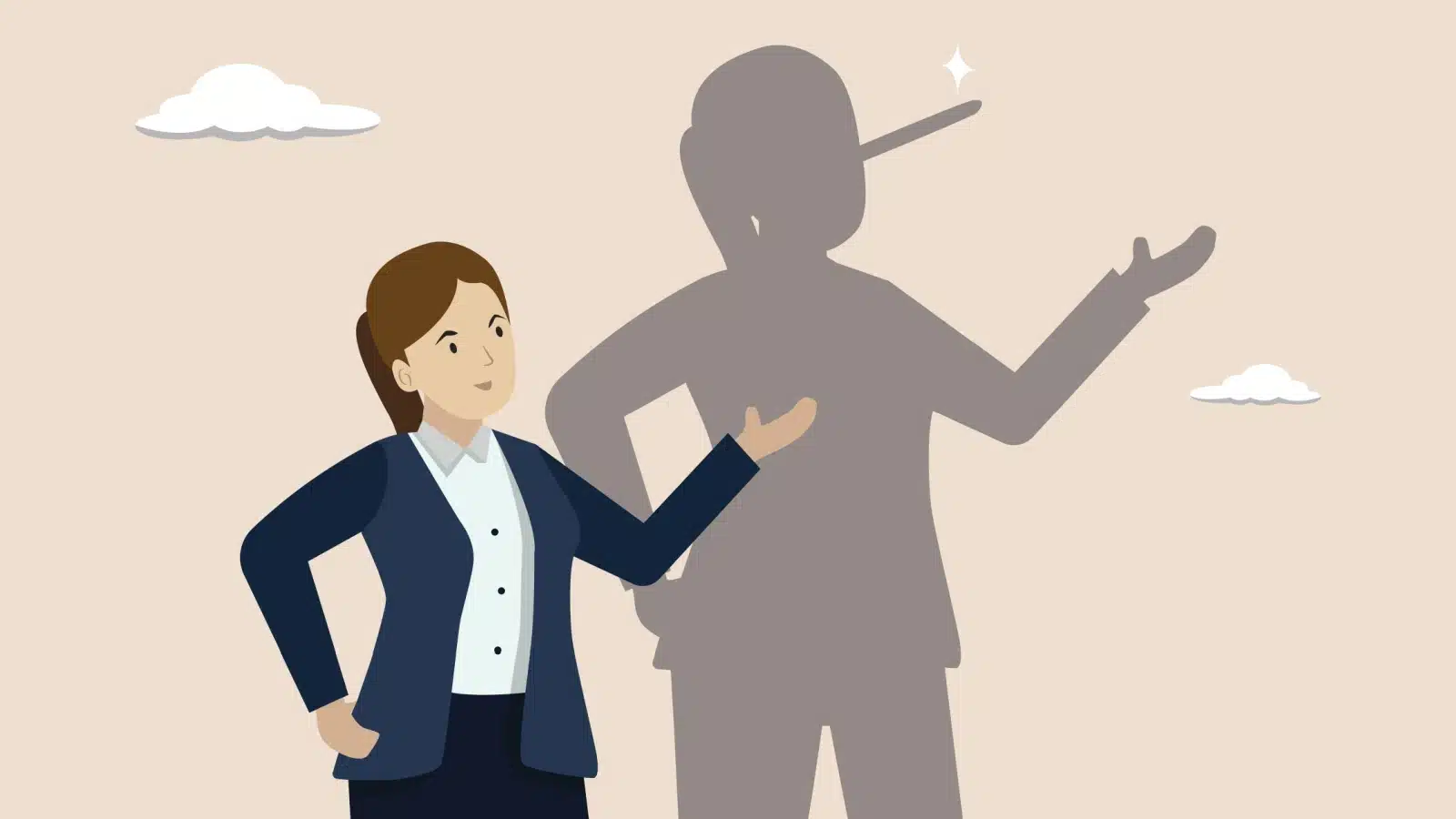
There’s nothing wrong with centering your entire relationship on a lie as long as you get what you want in the end.
You’ve Got Mail has Joe Fox destroying Kathleen’s business and lying to her about who he is, all while maintaining an online romance with her.
But it’s okay because she totally hoped it would be him.
Passionate Fighting

The action flick Mr. & Mrs. Smith is the most egregious example of the connection between passion and violence.
They’re bored, phoning in the relationship until they discover each other’s secret, resulting in a blowout fight that culminates in the most passionate night of their marriage.
Drama is Love

Drama sells movies, but drama doesn’t make for a happy relationship.
Buffy the Vampire Slayer threw this toxic relationship trope on its head. In a season four scene, she admits that she equates love with heartache, obliviously asking where she developed that idea while staking a vampire through the heart.
Love Conquers All

When is enough enough?
Hollywood would have you believe it’s never enough. In the movie The Mexican, Samantha complains about how toxic her relationship is, and asks, “When is enough enough?”
The romantic answer? “If two people truly love each other, there’s no point at which enough is enough.”
That false idea of romance leads women to stay in toxic, abusive relationships, believing that their love will conquer all.
Sorry, but love is not enough. Love doesn’t pay the bills, it doesn’t put food on the table, and it doesn’t transform a bad partner into a good partner.
The Original Toxic Relationship

Culture still celebrates Romeo & Juliet as the epitome of romance. These two star-crossed lovers were destined to be together, and they chose to perish rather than face a lifetime apart.
The entire trope that you should perish rather than be with your beloved is toxic in the first place.
“No man is worth your life – ever!” yells Buffy to Dawn, who tries to lie down on the railroad tracks to prove her love while under a spell.
But Romeo & Juliet is even worse. The two just met. They’re teenagers. They aren’t deeply in love. They barely know each other.
Yet they risked everything to be together?
The story is about the folly of youth, not about an epic relationship.
Relationship Tropes Harmful

These toxic relationship tropes lead many of us into bad relationships.
I believed love conquers all, and stayed in a toxic relationship “because I love him” for far too long.
A lot of women romanticize abusive behaviors like stalking and obsession because Hollywood shows them in a positive light.
We need to see these tropes for what they are: good drama, and not what they aren’t: signs of a healthy relationship.