

In the 1950s, the idea of a woman providing for her husband and family was unheard of. Our grandmothers stayed home, caring for children and working odd jobs for extra cash, while our grandfathers went out into the world to make money for the family.
Times change.
As women gained more rights, we started seeking careers of our own. We attended college, learned trades, and made our marks in traditionally male-dominated industries.
With these advancements came the rise of a new type of woman, a provider: the female breadwinner.
Female Breadwinner Statistics

From the early 1970s through 2022, the number of male primary breadwinners dropped from 85% to 55%. Women are filling in the gap, with 16% of households featuring a woman as the primary breadwinner (up from 5%) and 29% reporting an egalitarian split (up from 11%), according to Pew Research Center.
A 2023 analysis from the Center for American Progress found even more female breadwinners, reporting that 45% of mothers were breadwinners while 25% were co-breadwinners. The study also found that 30% of married women without children were primary breadwinners.
College enrollment trends suggest that female breadwinners are likely to rise. Women have been outpacing men in college enrollment for over a decade.
Society Slow to Adapt
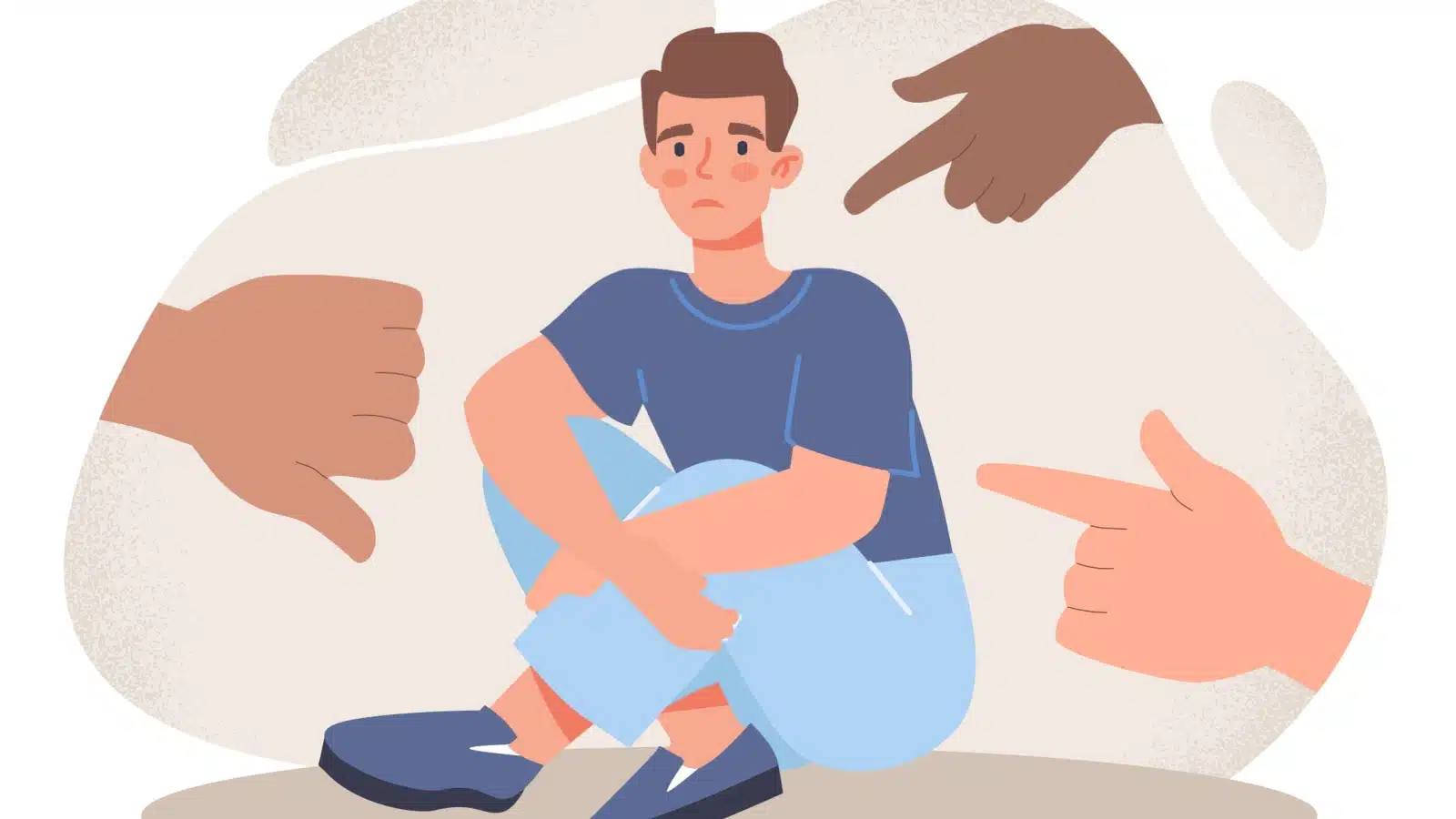
Society doesn’t keep up with current trends. People of all genders experience complex feelings about female breadwinners.
Men feel ashamed that they aren’t living up to society’s ideal male “provider,” while women still struggle with intrusive thoughts about who should pay for what.
Outdated gender norms are pervasive and prevent people from living their chosen lives, and they can have severe impacts on relationships.
Downplaying Women’s Contributions
A 2018 study highlighted the complex feelings both genders have about female breadwinners. According to the study, both men and women downplay a woman’s contributions when she makes more.
Why is that?
It appears as though women feel shame when they outearn their husbands, and men are intimidated by their wives’ success, especially when it outshines their own.
Societal Expectations

Despite advancements in career and education, female breadwinners can’t escape society’s gendered expectations.
Men are providers; women are caretakers. Those who deviate from the script are out of place. They don’t belong.
The conditioning starts from an early age. Little girls get baby dolls and cooking sets, while little boys play with toy trucks and explorer sets. We’re bombarded with messages about moms caring for children, cooking dinner, and completing chores while dads go to work.
Our families and friends further perpetuate these stereotypes. They judge girlfriends on their looks or social graces, while judging boyfriends on their jobs and career prospects.
Girls who bring home dates who can’t provide hear comments like “You could do better,” or “Why are you wasting time with that loser?” The boys who’d rather care for the house hear comments disparaging their manhood or questioning their sexuality.
The message is clear. Men who don’t provide aren’t manly enough, for themselves or for a relationship.
How To Navigate Complex Feelings

It’s nearly impossible not to let these negative feelings brought on by societal expectations affect you. We might feel judged or ashamed, whether we’re the woman who earns more or the man who “doesn’t provide.”
We don’t need to shut those feelings out. In fact, it’s probably better if we explore them so we can confront them head-on.
Identifying Why You Have Those Feelings

The first step is identifying where these feelings come from.
What are you really ashamed of?
As a female breadwinner, I’ve often felt ashamed of my partner. But not at home – only in social situations.
I was worried people would judge us when I pulled out the credit card instead of him. I was worried about what my friends and family would think when they found out he took care of the house while I worked.
It took some introspection to realize that those feelings stemmed from my upbringing. I was raised to believe that a man should show his commitment through his spending power.
The Half Donut

My dad’s favorite story to tell my sister and me was about one of my aunt’s first dates. The boy took her to a donut shop and bought one donut for them to split, and a cup of coffee to share.
My aunt was appalled.
She wouldn’t split a donut with someone; she was worth a whole donut!
When my dad told us this story, he emphasized that we are whole donut girls and should never settle for anything less.
I Got the Wrong Message

When I was younger, I internalized the story and only thought of it in terms of income. He should have shown how much she meant to him by buying her a whole freaking donut!
Now that I’m older, I understand that the donut was a metaphor, and about a lot more than money. It wasn’t that he was too cheap (couldn’t afford) a whole donut. It was that he didn’t respect her enough to ask what she wanted, and expected his bare minimum contribution to be enough.
The half-donut also symbolized all contributions in a relationship, not just the financial ones. If he’s too lazy to care about something as simple as how she takes her coffee, what else will he neglect?
Media Messages

It wasn’t only my parents. In fact, my family tried hard to raise us to buck gendered expectations. My parents treated my brother and me the same. They expected us both to go to college and get good jobs. They taught us both that having kids too early would destroy our lives. We both did chores around the house.
But society has a way of seeping its message in, even when parents don’t overtly teach it. My mom stayed home while my dad worked. Most of my friends had a similar household dynamic.
Everything we saw, from toys to television shows, featured strong provider men and loving, caring women.
Rethinking what Partnership Means

It took a lot of soul-searching to see that some of my deeply held beliefs were only deeply held because of messages I received as a child, and a lot of intentional learning about gendered expectations to understand how to overcome them.
Eventually, I learned to rethink what partnership in a relationship means, and learn how different people contribute in their own ways.
A man doesn’t have to offer riches. He can give love and empathy, take on the bulk of the domestic chores, or provide a safe space for his partner. He can contribute to the relationship in a thousand ways that have nothing to do with money at all. As a female breadwinner, I learned to see those contributions for what they are – and they’re just as vital to a happy relationship as the money I provide.
With reflection and understanding, you can discover where your negative feelings about gender and money come from. This understanding will make it easier to dismiss those feelings – or act on them if you determine that’s what’s best for you.
Not Letting it Affect the Relationship

If you want to dismiss those feelings, you must ensure they won’t negatively affect the relationship.
We lash out at the people closest to us when negatively affected by our feelings. Remember why you decided to date that person, and consider their non-monetary contributions to the relationship.
Think about how your partner enhances your life.
My husband is an artist. He’s slowly building a portfolio and body of work, but it doesn’t pay the bills. However, he cooks dinner every night, does the bulk of the housework, drives me everywhere, and takes care of my emotional needs. He offers so much that the lack of money doesn’t matter.
Sometimes we can’t work through these complex feelings on our own. Seek help through therapy if you struggle to overcome negative emotions associated with outdated gender roles.
Coming to Terms with Making More

I’ve come to terms with making more, and my experience taught me how much of a struggle that can be.
Both genders have complex relationships with money and providing, but working together to find a solution and a compromise that works best for your relationship is vital.
Here are two critical ways for both parties to come to terms with the female breadwinner.
Conversations about Money

The best way to mitigate differences in salary (regardless of who the breadwinner is) is to have adult conversations about money. These can be tricky, but they are necessary if a relationship is to work.
Both partners need to feel that the contributions are fair and equitable, regardless of who is making more.
Consider the different ways to split costs in a relationship and decide what works for you. It should be a joint decision; one person shouldn’t steamroll the other, and both parties should come away feeling it’s a fair split.
Non-Monetary Contributions

Non-monetary contributions are essential to a healthy relationship. Although not often recognized, these are often more important than money.
Knowing that someone has your back no matter what, that you always have a shoulder to cry on, a hug for a bad day, or a joke to brighten up your mood is one of the most valuable things in the world. Don’t dismiss these emotional contributions just because there’s no dollar attached to them.
Other things, like planning engagements, taking care of things around the house, and contributing to the mental load, also benefit a relationship.
Historically, these contributions have been considered “women’s work,” but that does a disservice to both genders. Some men are better at housework, and some women are better at making money.
Men are just as capable of emotionally supporting their partners as women. Women are just as capable of working long hours and bringing home a paycheck as men.
We need to acknowledge humans as people with unique desires and capabilities, regardless of gender.
When it’s Not Working
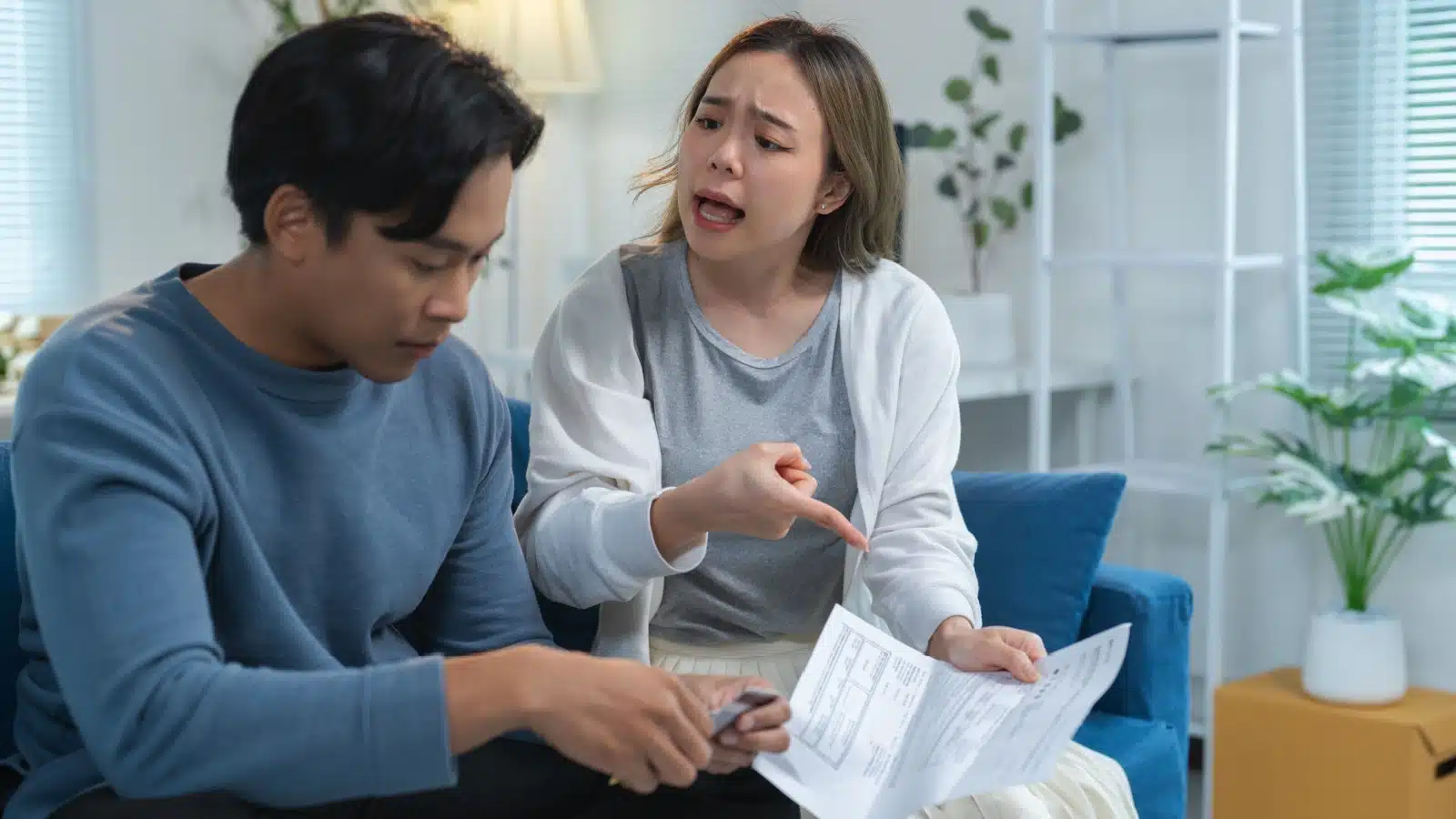
Sometimes, you’re having complex feelings about being a female breadwinner because the relationship isn’t working.
A lot of people haven’t kept up with changing expectations. Some can’t handle the dynamic, while others see it as a way to coast through life on easy mode.
There are three major obstacles to enjoying a healthy relationship as a female breadwinner:
- Infidelity
- Unequal Contributions
- Hobosexuals
Infidelity

A 2012 study found that men who earn less are more likely to cheat on their wives. Perhaps they just have more free time from working less, but the study suggests some men do it to feel more “like a man.”
Since they aren’t meeting society’s expectations that they provide, they seek other ways to prove their manliness, and scoring with other women tops the list.
Unequal Contributions

Women are stepping up at work, but men aren’t stepping up at home. The same Pew study found that women in all earning categories still do more housework than their husbands – even when the woman is the breadwinner.
The disparity comes from the same gender expectations that cause complex feelings in female breadwinners. Women should do the housework and take care of the home. We’re taught that since birth.
An unequal distribution of labor can be solved through communication and systems such as Fair Play. However, the crucial point is that he must want to pull his weight.
When he doesn’t, he might fall into the last category…
Hobosexuals

Some men (the hobosexual) prey upon female breadwinners. They seek out a woman who makes money, then try to suck her dry, refusing to work yet also refusing to contribute to the household in other ways.
Women get trapped in relationships with hobosexuals because they talk a big game and seem committed at work, but as soon as the relationship gets serious, he finds a way to move in and an excuse to quit his job. Then, he’ll make it nearly impossible for her to break up with him.
Female breadwinners must develop a spiny sense for hobosexuals.
Society Slowly Inches Forward
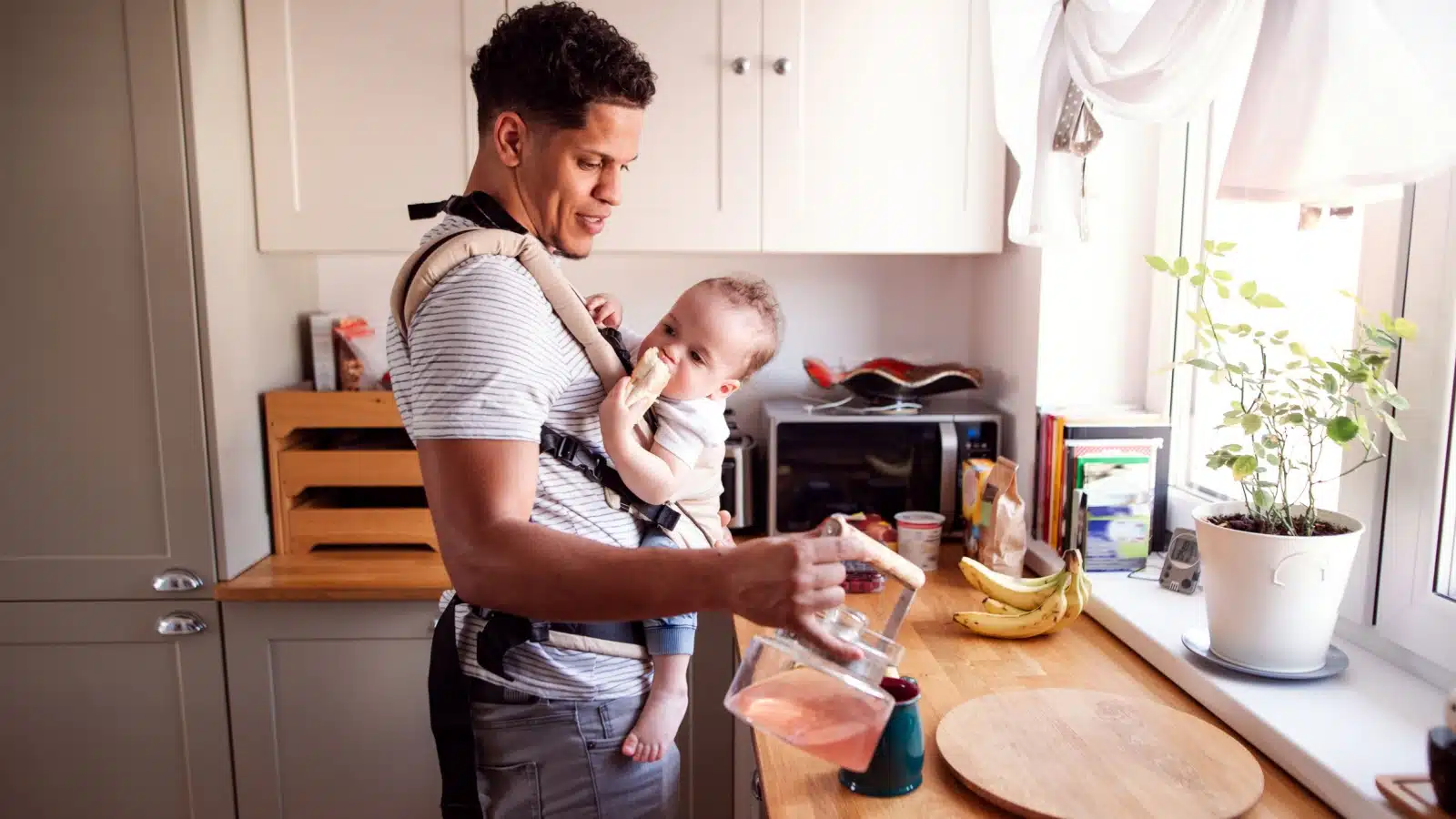
Society is making great strides in recognizing that women can work outside the home and men can work within it.
As more and more female breadwinners stand up and say how proud they are to bring home that bacon, and more and more men say how proud they are to support their wives in other ways, the gendered expectations will slowly change.
We are on the brink of it now, and it’s an exhilarating prospect!
Society is slow to adapt, but when it does, it’s to the benefit of all. So, ladies, go out there and make your money. Men consider staying home and taking care of the chores.
Find a partnership that makes you happy, and stop worrying about what society’s outdated ideas say.
Every negative feeling you described is exactly how I feel. It’s compounded when a coworker said last week, oh, he doesn’t make good money? No, I’m the higher earner… in a society where our wages stink to begin with.
I wish it wasn’t as stigmatized as it is, but being the woman, having all the female responsibilities (decision fatigue! Having to remember everything!) plus being the bread winner? Ugh. Personally, I hate this position.
How do you pretend it’s ok when your “higher income” is still nothing to brag about?
Yeah, its a tough position to be in. Honestly, thats why I”m thankful that my last relationship didn’t work out. He wasn’t contributing as much on the non-financial side as I needed him to. I think resentment was building on both sides. I don’t know how to pretend it’s ok. Stagnant wages continue to be a problem for everyone. Tons of people are in the position of being the breadwinner because there are no other options – there are jobs but wages are just too low. I wish I knew the answer to that.
My ex-husband was on disability so I was definitely the breadwinner. It could be tough on his ego not to work and to bring in so little money. I spent a lot of my time trying to protect his feelings about it and it was exhausting
I now make enough that, short of dating an engineer or IT guy, I’ll probably make more money than the next person I date. I guess I’ll just have to fall off the bridge when I come to it.