

We all love Dystopian tales in fiction. But have you ever stopped to think we’re living in a real life dystopia already?
The evidence points that way.
What’s a Dystopia?
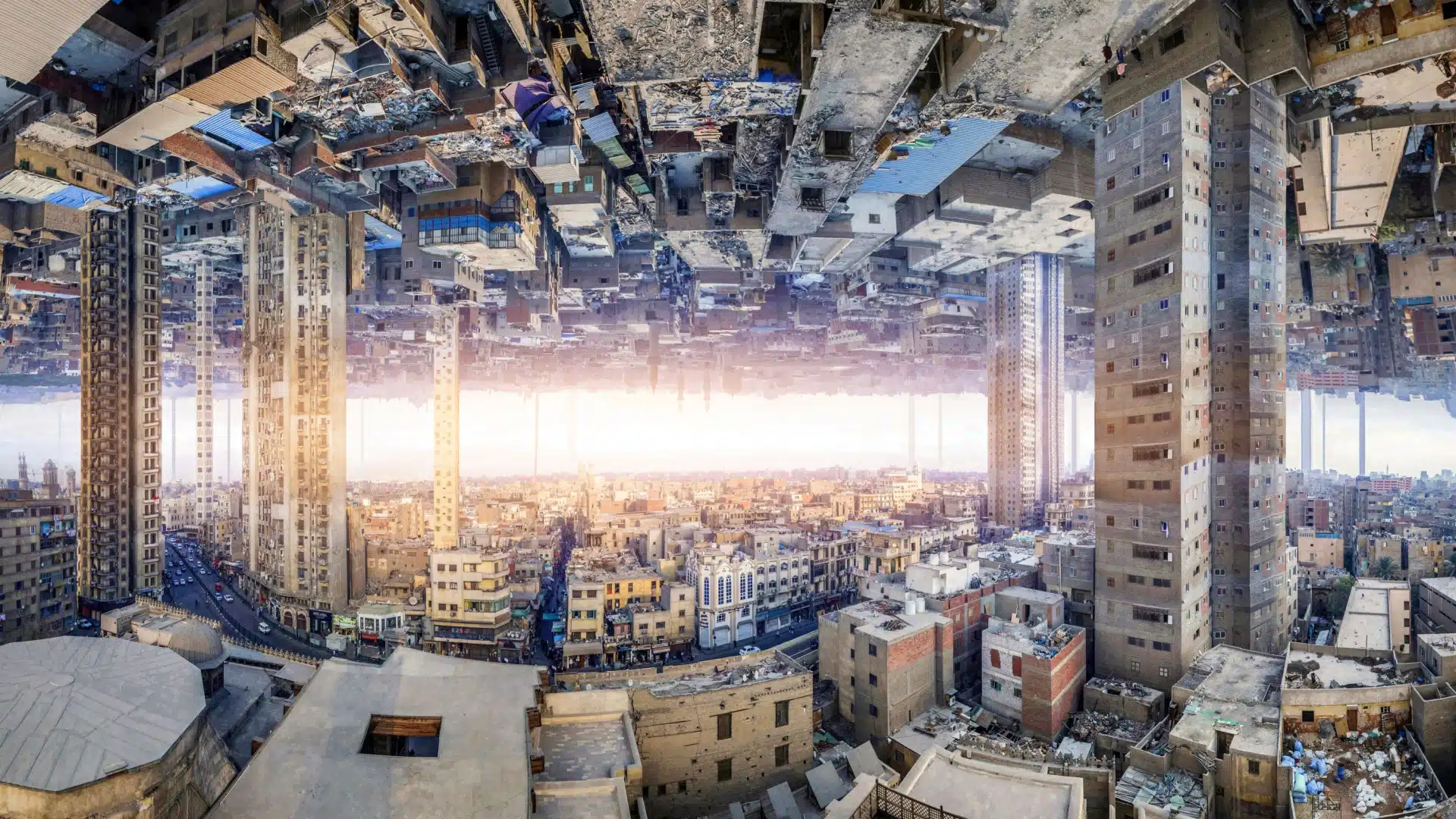
A dystopia is a society rife with injustice. It’s a place where people suffer, but cruelty is the point. The society aims to enrich the already rich and powerful while everyone else suffers. Most citizens feel trapped – they’re overworked, can barely afford to live, can’t afford luxuries, and often resort to crime to survive.
But dystopian societies have more insidious signs. Sometimes it’s hard to tell, but if everything in society is designed to transfer every penny from the citizens to a tiny group of wealthy overlords, it’s probably dystopian.
Are We in a Real Life Dystopia?

Some argue that the US is already dystopian. Don’t believe me?
Here are some valid reasons to think we’re already living in a dystopian nightmare.
Ads Everywhere
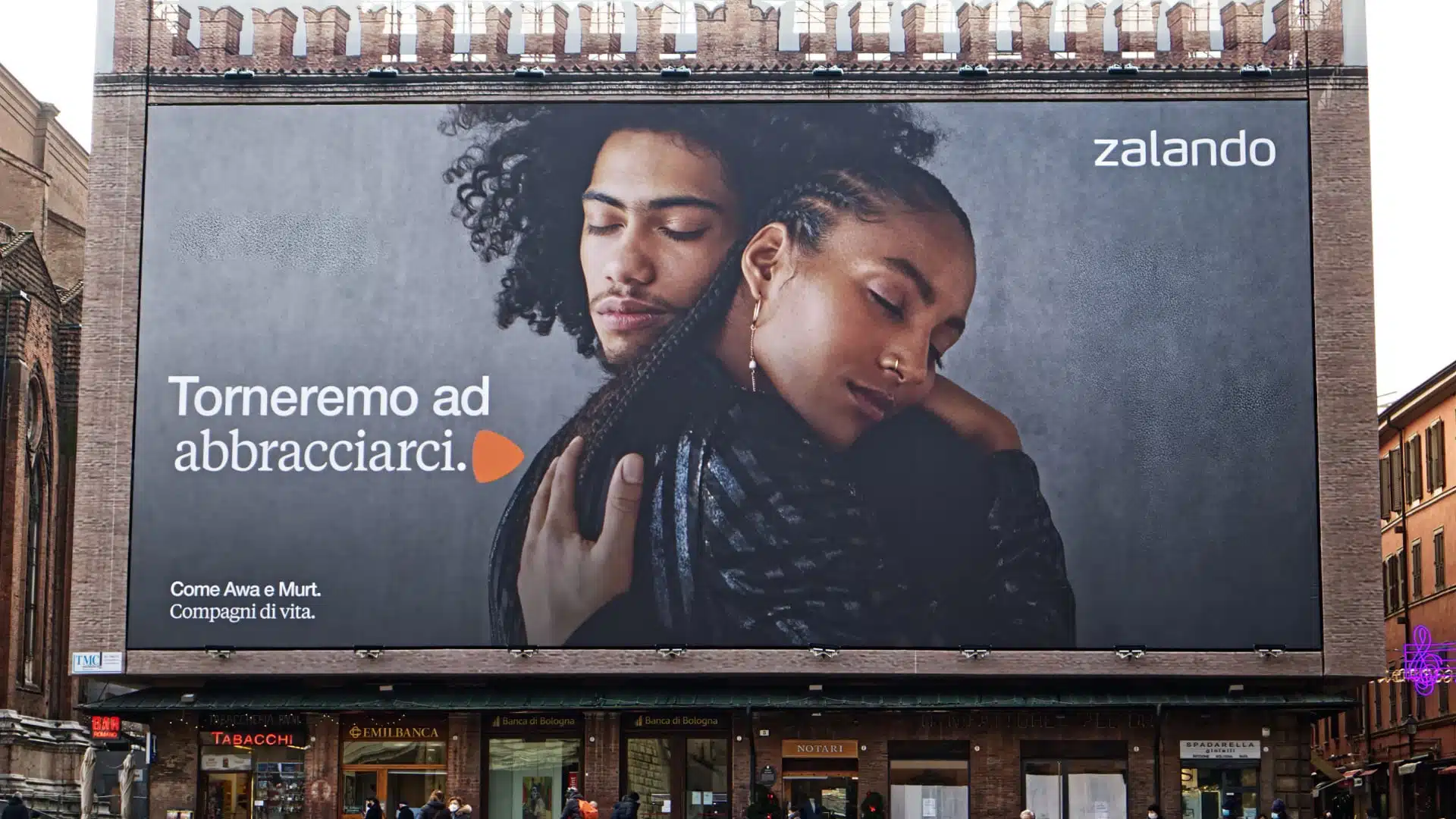
We’re bombarded with advertisements everywhere we look. They’re on buses, along roadsides, in our newspapers and magazines, and plastered on walls throughout the city.
We can’t escape marketers’ insidious grasp no matter where we look.
And the worst thing is it doesn’t seem dystopian. Of course companies will advertise their products, how is that wrong? It’s dystopian because it’s inescapable. Ads are seeping into every aspect of our lives. They’re on our “smart” refrigerators and taking over the “smart” TVs we paid thousands of dollars for. We can’t watch a video on YouTube without being served ads every two seconds. We can’t look away.
Subscription Services

The shift to subscription models for goods and services reeks of dystopian vibes. We can no longer buy a product and own it. We must continue paying a monthly fee to use it.
A subscription model makes sense for things like phone service and television, but even automakers and software developers are shifting to subscription models. We’re moving towards a post-ownership society, a glaring sign of a real life dystopia.
Advertiser Approved Language

Content creators must constantly bite their tongues for fear of offending the almighty advertiser’s sensibilities. Unapproved words and phrases get struck down, never to see the light of day.
Algorithms decide that vital topics aren’t “ad-friendly”; thus, they never appear. Many platforms restrict conversations about depression and self-harm, while others block content about smoking, even if the content is about quitting.
We were all so worried about the government taking away our freedom of speech that we didn’t realize how much corporations were censoring us.
All the Cameras

Someone is always watching. Cameras lurk on most street corners, constantly monitoring everything that happens.
The recent headlines about the Flock camera system are just the tip of the iceberg. Police surveillance cameras are everywhere. Most people have cameras on their doors. We all have cameras with us wherever we go, and far too many people feel justified filming someone at the worst point in their life for a brief moment of social media fame.
Could you go about your daily business (work, errands, school, etc.) and avoid every camera? Probably not.
Homelessness in Wealthy Countries
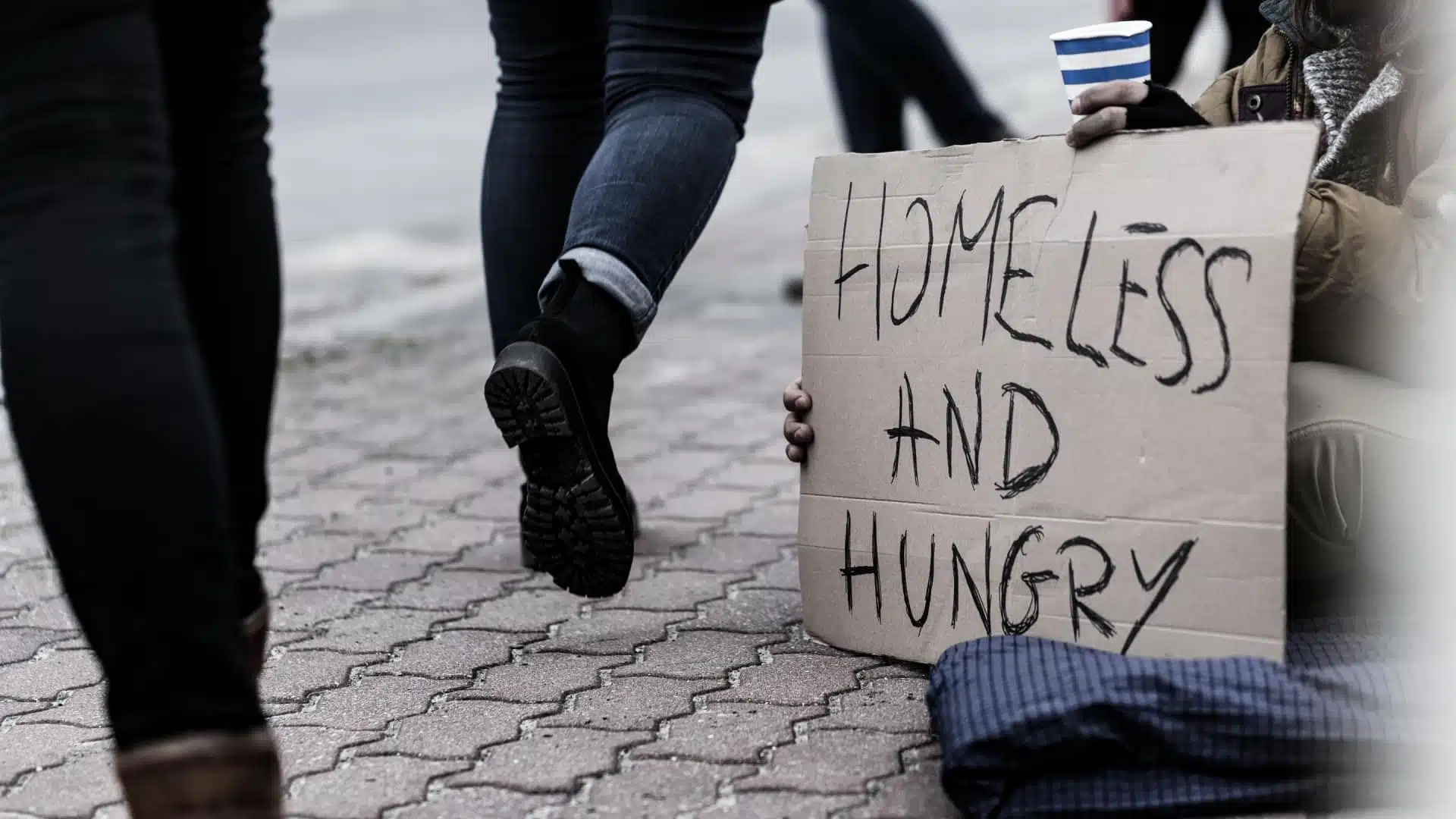
Many wealthy countries swim in abundance, yet a large subset of their populace remains unhoused.
Is there any better evidence of a dystopian society than tent cities lined up along bustling city streets?
Yet, we collectively ignore the problem, pretending that people in these awful situations are there strictly due to personal failure and not because our corrupt system punishes poor people.
Credit Scores

In the US, three companies control your life. These three companies look at your financial past and assign you a score based on creditworthiness.
If you’ve had one or two mistakes in the past seven years, you’re screwed. You can’t access credit to buy a house or a car, and even some jobs won’t hire you because they deem you “untrustworthy.” The only positive is that most negative reports eventually do fall off your record, but seven years is a long time to be punished for a mistake (especially when the mistake was not having enough money).
No Living Wage
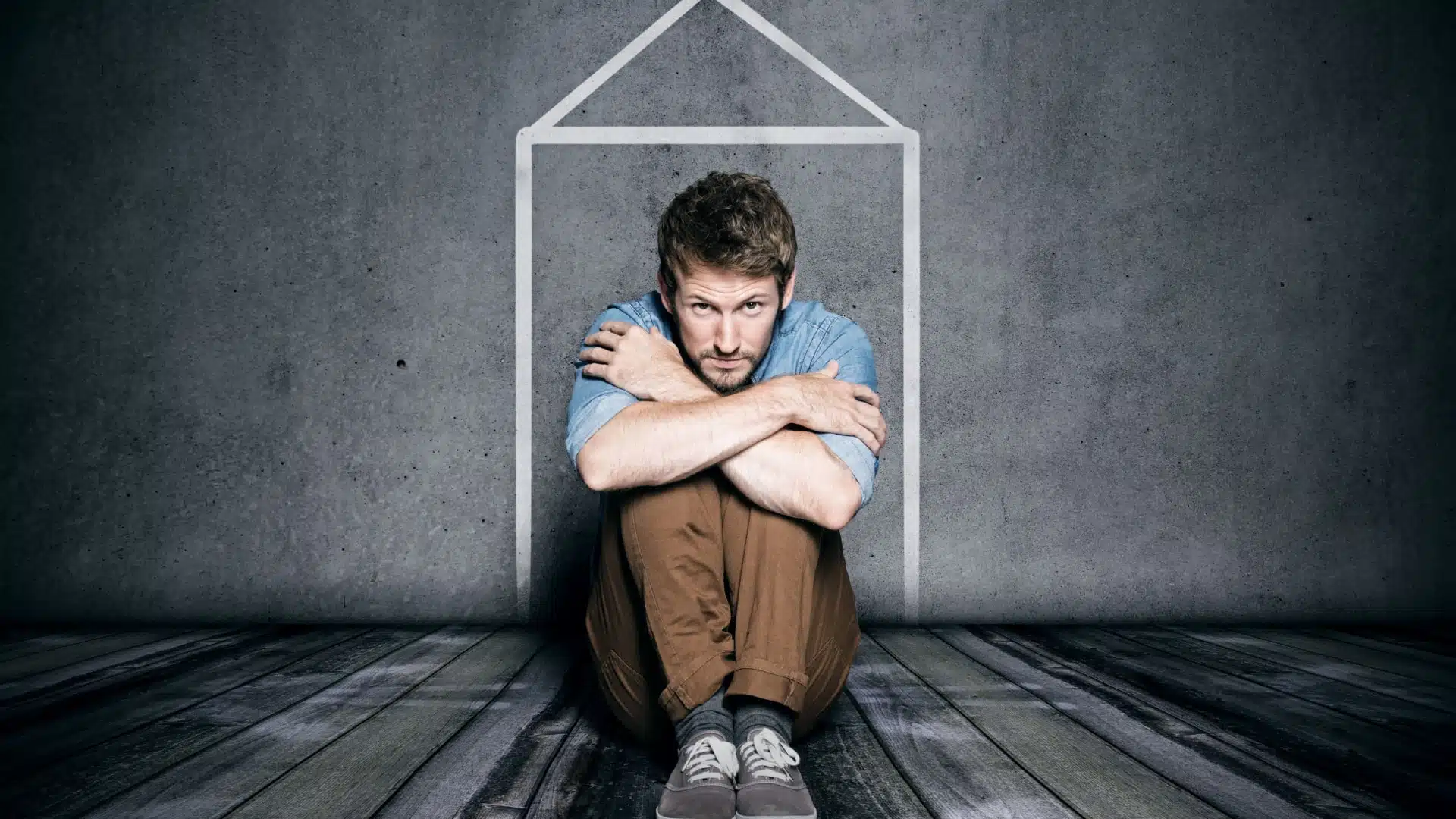
Millions of people work full-time jobs that don’t pay enough. Despite working hard, they rely on a partner’s income or government assistance to make ends meet.
The fact that a full-time job doesn’t pay enough to survive is striking evidence of a dystopian society. And before naysayers come in and say “minimum wage was never meant….” shut up.
You’re wrong and misinformed. When Roosevelt signed the minimum wage into law, he specifically said that everyone who works full time deserves a living wage. Read your history and stop listening to the propaganda.
Taxes Subsidize Corporations

Did you see the part above where I said people who work minimum wage jobs have to rely on government assistance to make ends meet?
That’s as dystopian as it gets. Our tax dollars are subsidizing multi-million-dollar corporations. We are paying their employees, so they don’t have to.
Like Roosevelt said, it seems to me that a company who can’t afford to pay it’s employees a living wage should exist. But instead of letting them go out of business, the taxpayer foots the bill. And it’s even worse than that, because the biggest culprits could afford to pay, they just don’t want to because it would lower profits.
Health Insurance
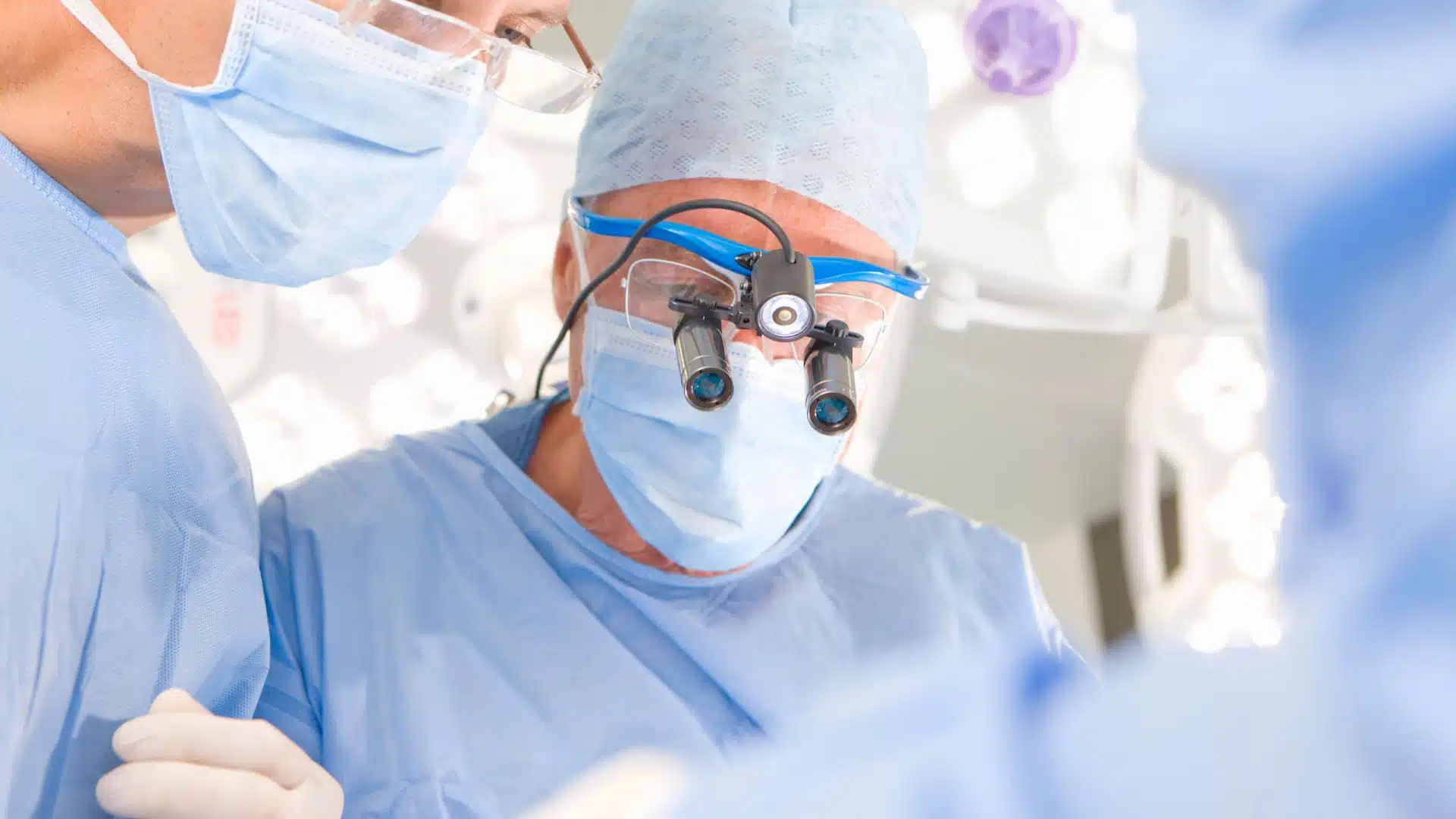
The entire system around healthcare represents dystopia at its finest. Medical bills thrust thousands of people into poverty. People who can’t afford the outrageous cost of medical care die from preventable and curable diseases.
We’d rather watch people suffer in agony than provide affordable medical care for all of our citizens. And it’s not that we can’t do it – we can. Other countries do. We’d rather have corporate profits.
No Sick Leave

The US is the only developed country without a mandated sick leave policy. Low wage employees must come to work when sick, or risk losing a paycheck they desperately need.
Our awful paid sick leave policies (well, lack thereof actually) cause bigger problems. Sick employees can’t afford to miss a day, so they come to work, spreading their illnesses to everyone else. We could easily solve this problem by simply allowing people to stay home when they are sick.
Food Prices

With rising inflation, some people can barely afford to eat. Food prices are through the roof, and even traditionally “poor people’s food” is too expensive for some families.
But the US is one of the largest producers of food in the world. And the farmers aren’t making any money – so what is going on?
Corporations Are People
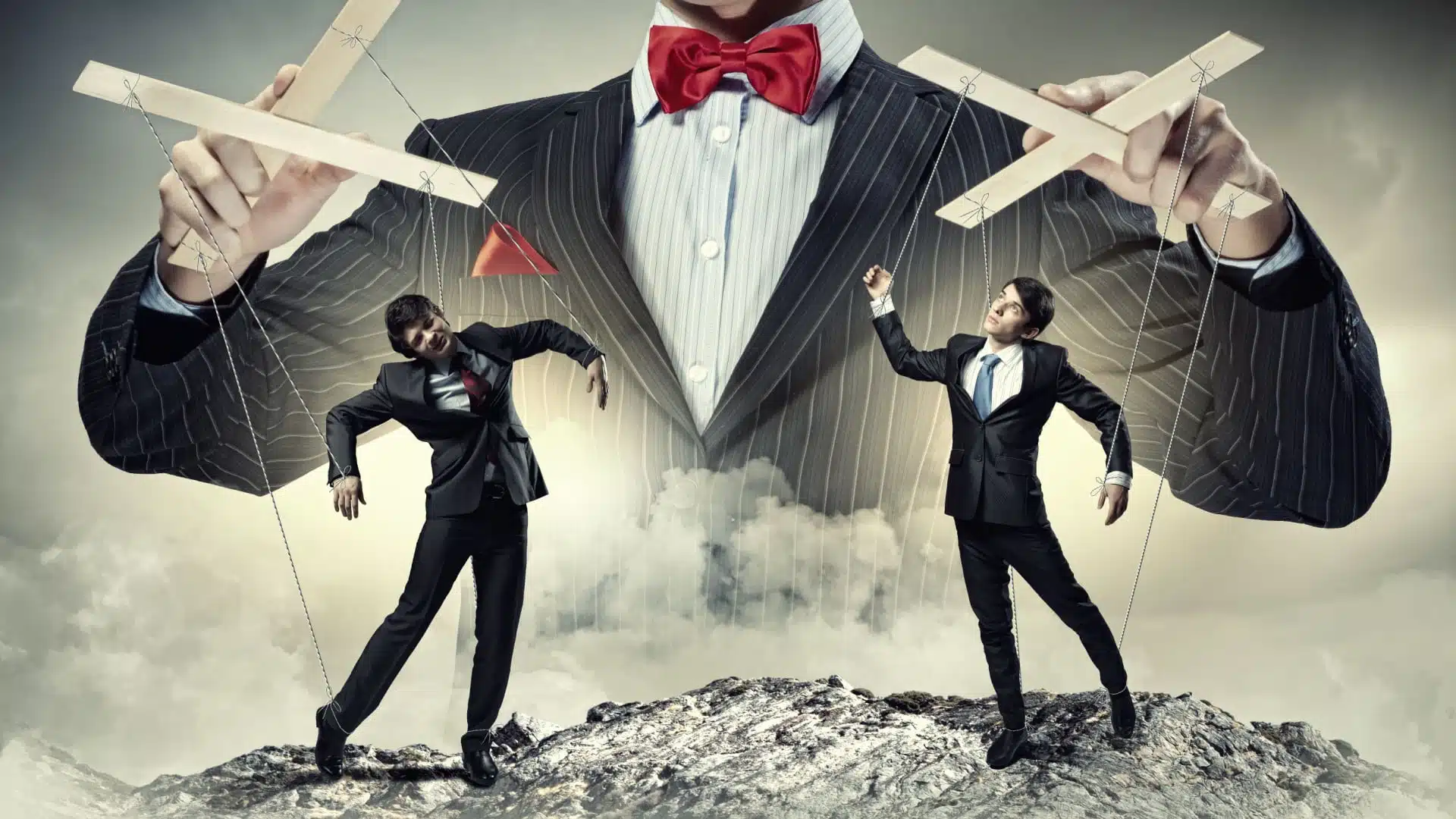
The Supreme Court ruling, which elevated corporations to personhood, paved the way for many of society’s ills.
Corporations now control everything. They can buy politicians and write legislation. And because money is speech that can’t be regulated, there’s nothing standing in their way.
When corporations can use their money and influence to buy votes and override the will of the people, you’re living in a dystopian society.
Controlling Women’s Bodies

The fall of Roe ushered in a new era where states have control of women’s bodies. A system where 50% of the population lacks bodily autonomy is truly dystopian.
Debt Culture

Most Americans are trapped in debt’s horrifying clutches and don’t earn enough to escape. They’re forced to toil in jobs they hate because they need to claw out from piles of debt.
I get that some of this is personal responsibility. We shouldn’t take out loans we can’t pay back or rely on credit to survive. But a lot of it is systematic. How many millennials were told “you’re going to college no matter what?” 🙋♀️. How many of us had to take out loans to pay for it? 🙋♀️.
And some folks have no choice but to rely on credit to survive, because life is unaffordable.
America’s Poverty Trap

We often think of third world countries when we talk about poverty, but it’s thriving right here in the US.
Not only is it thriving, but America has a poverty trap that keeps people stuck in it, and it seems to be by design. Our machine runs on exploitation.
The Toxic Work Culture
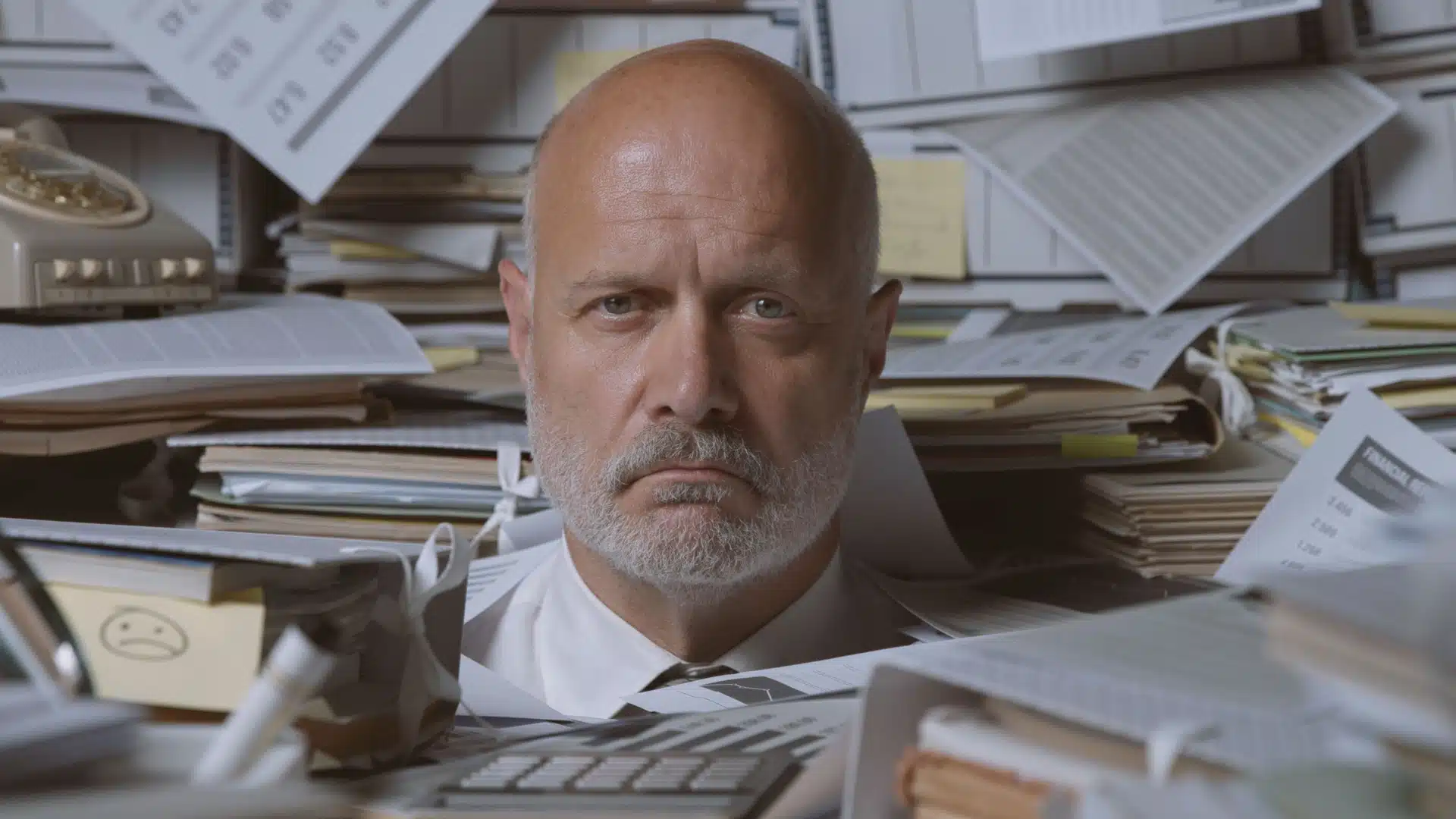
America celebrates hard work as part of our ethos, but at some point, we went too far. We developed a toxic work culture that celebrates labor above all else. Family, friends, free time, balance, self-actualization, it all suffers because we can’t escape the toxic idea work reigns supreme.
And the companies love it. They get scores of workers who will dedicate their lives to the company without expecting much (if anything) in return. They get to trample over everything that makes life good in their never-ending quest for profits and we all accept it as normal.
Is America Dystopian?

We like to think America celebrates freedom and opportunity for all, but unfortunately in recent years we’ve been leaning closer and closer toward dystopia.
But it doesn’t have to go all the way. As they say, the first step to solving a problem is identifying it. Well, here it is. How can we solve it?