
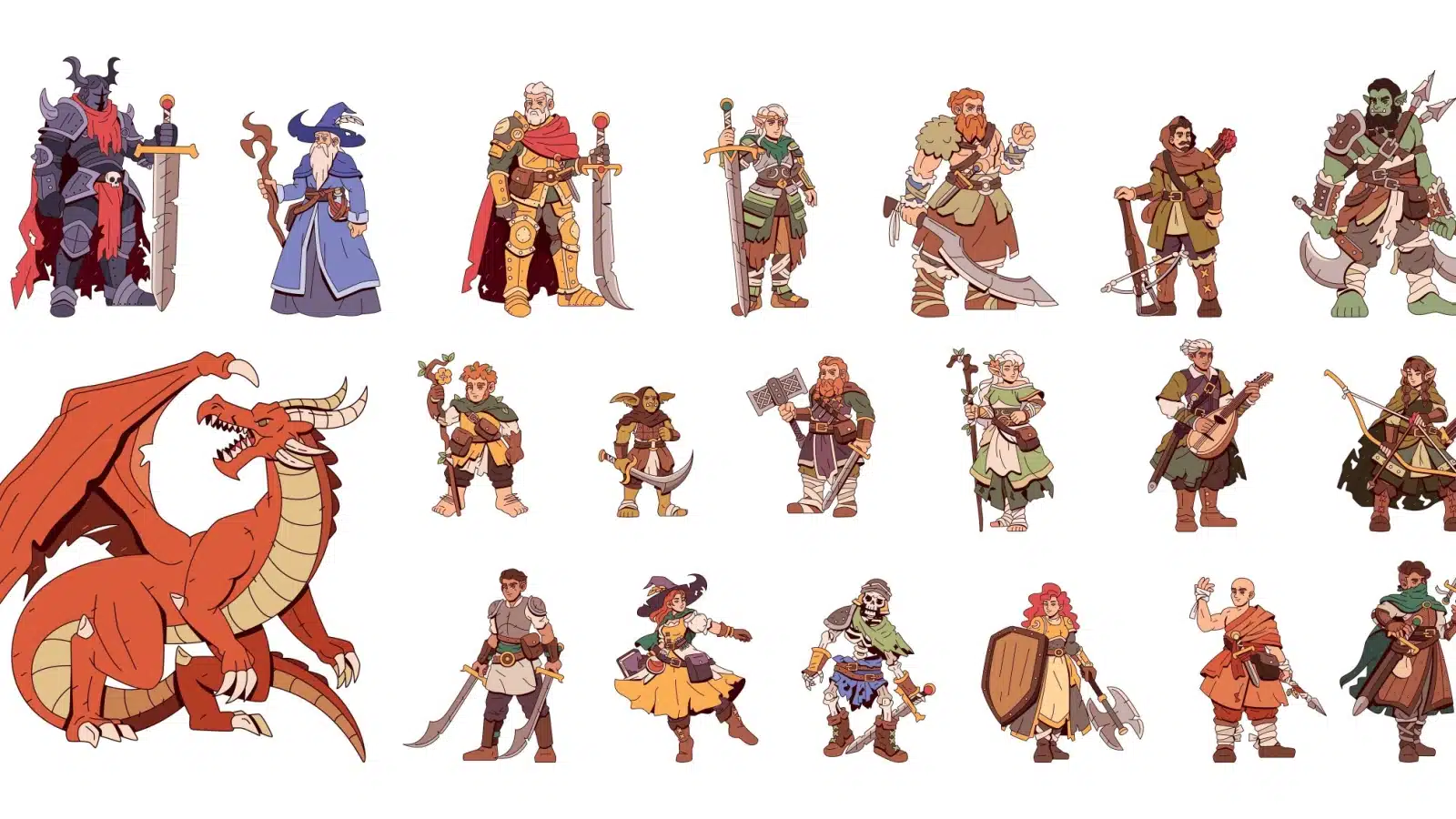
Dungeons & Dragons soared in popularity in recent years, but before trying your hand at the popular tabletop game, you must first craft your character.
Don’t fret – The Dungeons & Dragons character alignments help you create a perfect avatar for your adventure.
Discover what they mean and how to build your ideal character!
What Are Dungeons & Dragons Character Alignments
Dungeons & Dragons character alignments are general rules guiding each character’s actions, motives, beliefs, and traits.
Though they started with D&D, the world expanded, and now they’re used as guidelines for a wide range of role-playing games, from tabletop adventures to popular video games. Fans even use these archetypes to describe their favorite fictional characters.
There are nine character alignment types, each based on where a figure falls on two scales: the morality scale, which defines good vs evil, and the ethical scale, which represents lawfulness vs chaos.
The Morality Scale
The morality scale is far easier to understand. Each character can be either good, evil, or neutral.
Morality in Dungeons & Dragons describes whether a player is a hero or a villain, whether they’re motivated by selfishness or selfishness, and whether they will do the right thing.
Some characters stand tall as righteous heroes, always doing good for others even to their own detriment, while others delight in harming others. Of course, there are also the selfish jerks who do good when it benefits them, and the ones who don’t care about the greater good (or evil) but might be motivated by something else.
The Ethical Scale
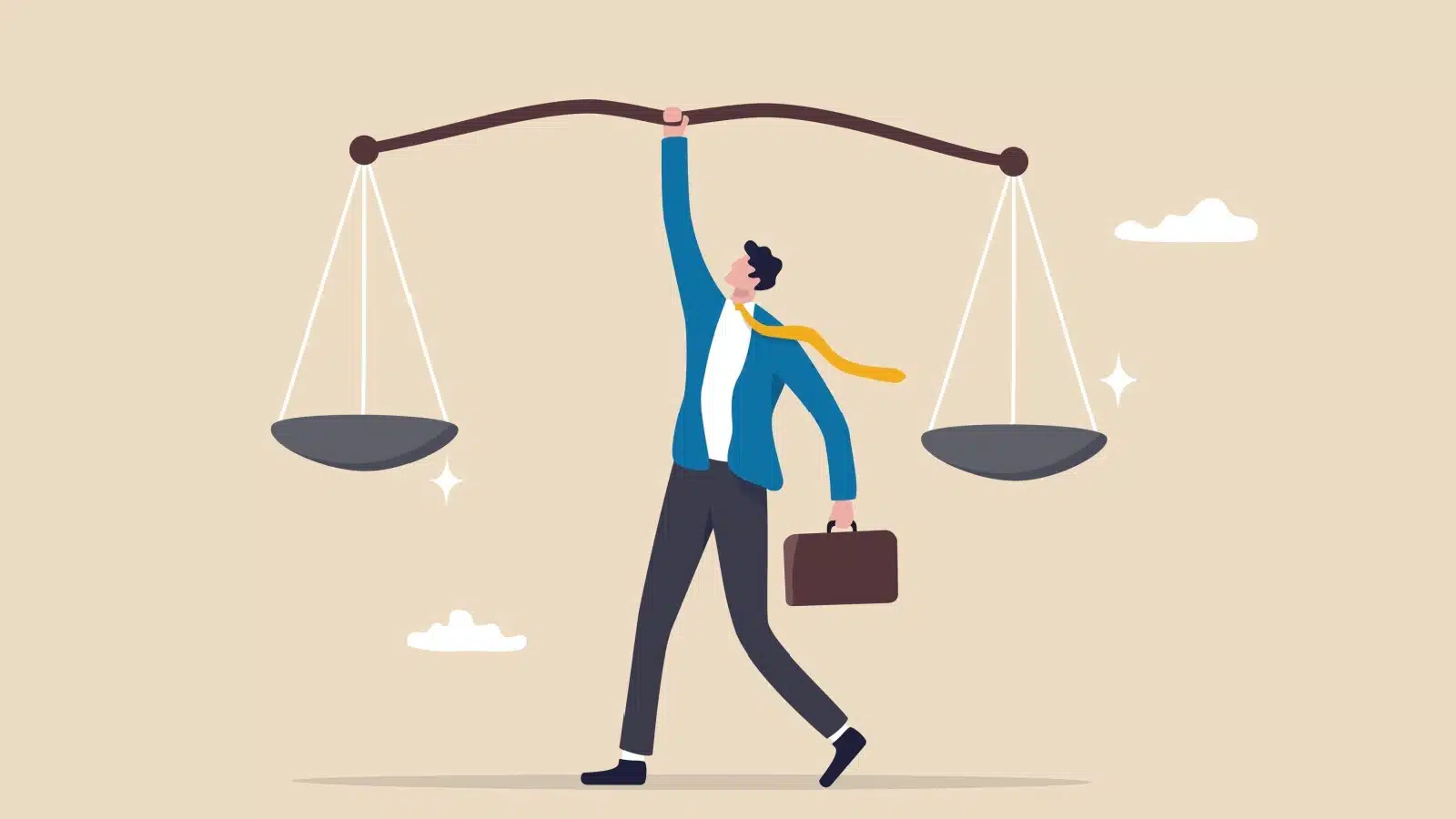
The ethical scale describes how a character relates to the ethics of their world, so don’t confuse it with the ethics of our world.
Those who appreciate and support the rules fall to the lawful side of the scale, while those who hate the law seek chaos – a complete absence of laws.
Many characters don’t care about the law at all, seeing themselves above it or having motivations outside of following the rules.
The Nine D&D Character Alignment Types
Dungeons & Dragons combines the two scales to form nine unique character alignment types. They are:
- Lawful Good
- Lawful Neutral
- Lawful Evil
- Neutral Good
- True Neutral
- Neutral Evil
- Chaotic Good
- Chaotic Neutral
- Chaotic Evil
The first word describes the character’s position on the ethical scale, while the second highlights their place on the morality scale.
Here’s a quick rundown of what each character alignment type means. Click the link to learn more about each one!
Lawful Good

Lawful good characters are the righteous heroes. They always want to do the right thing because they have good hearts, and they truly believe the law is there to help.
They’ll follow the law (and force you to as well!) because they believe in it.
Learn More about Lawful Good!
Lawful Neutral
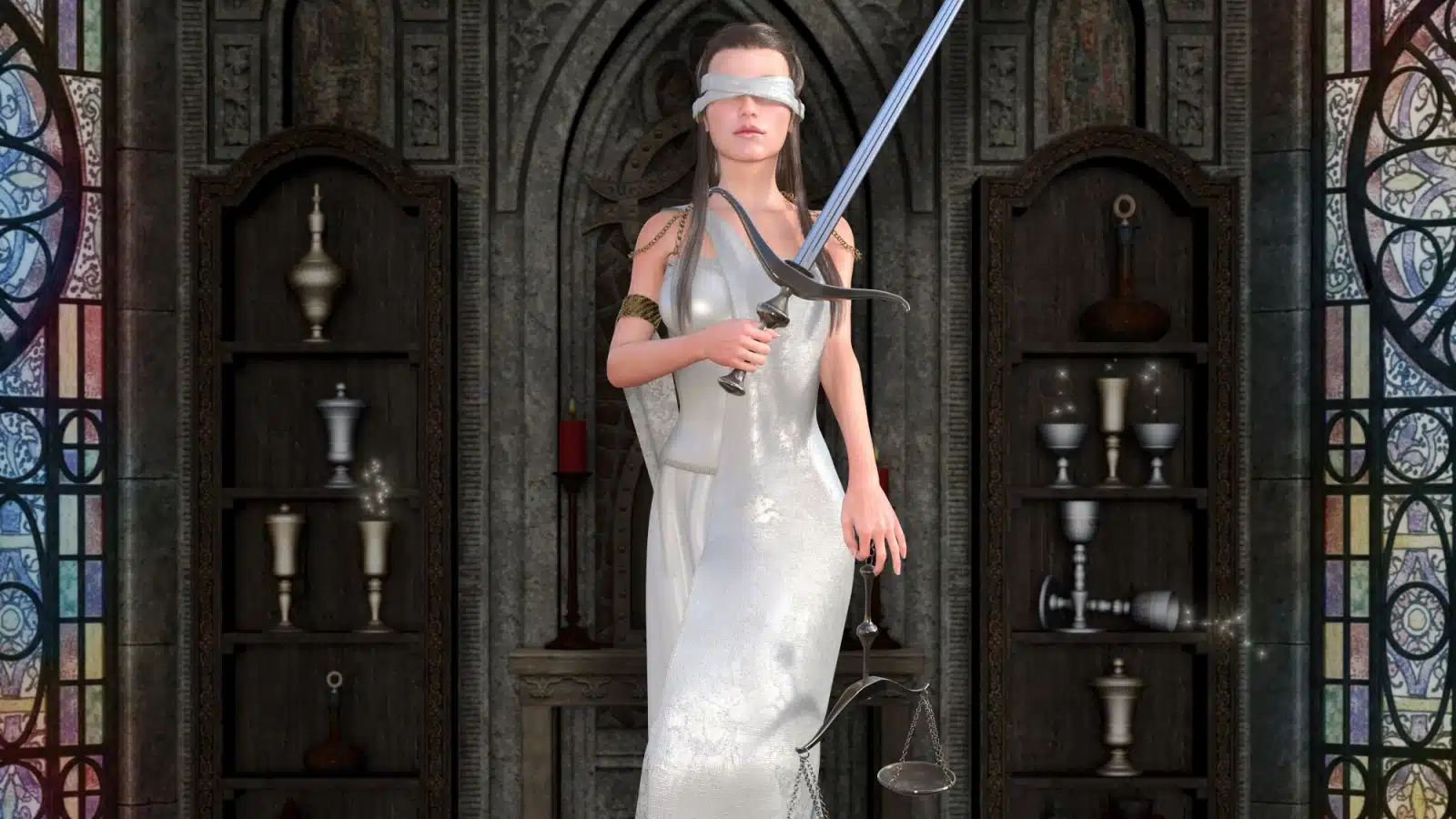
Lawful neutrals don’t care about good vs evil – they only care about what the law says. They’ll follow it to a tee, whether that means sheltering people or murdering them.
They don’t care about the greater picture, but they love rules.
Learn More about Lawful Neutral!
Lawful Evil

Lawful evils love twisting the law for their foul means. They’ll use the legal system to oppress, subjugate, and seize power, working within the confines of the law to achieve their evil ends.
Some lawful evils create their own justice system, then harshly punish anyone who steps even a toe outside the line. They delight in it.
Learn More about Lawful Evil!
Neutral Good

Tinnakorn jorruang via Shutterstock.com.
Neutral goods are also heroes, but they’re not as idealistic as the lawful goods. These good guys know that the law can be flawed, so they don’t mind breaking it do to what’s right.
In a just society, neutral goods typically follow the law, but they won’t have any heartache over bending it when they have to.
Learn More about Neutral Good!
True Neutral

Jozef Klopacka via Shutterstock.com.
True neutral characters care nothing for good vs. evil or laws and their meanings. Some serve as guardians or higher powers who consider themselves above it all, while others will join either side as long as the pay is good.
Learn More about True Neutral!
Neutral Evil

Neutral evils don’t care about laws, but they enjoy working their evil ways. These villains follow the rules when it suits them, break them when it doesn’t, and enjoy inflicting evil wherever they go.
Learn More about Neutral Evil!
Chaotic Good

Many of our favorite fictional characters fall under the chaotic good alignment. They’re the rebels with the heart of gold. They want goodness for the world, but often recognize that the law actually stands in the way.
You typically find chaotic goods in dystopian fictions where the underdog must fight against a powerful, lawful evil villain.
Learn More about Chaotic Good!
Chaotic Neutral

Chaotic neutrals are the most compelling characters in fiction. They’re usually selfishly motivated, they don’t care about good or evil, they only care about their own desires, and would watch the world burn (or save it) to get what they want.
These rebels typically hate the law, though, as it usually stands in the way of their goal. They scoff at those who try to work within the rule of law.
My favorite chaotic neutrals are the ones motivated by love. They usually do the right thing, not out of goodness, but because they love someone who is good.
Learn More about Chaotic Neutral!
Chaotic Evil
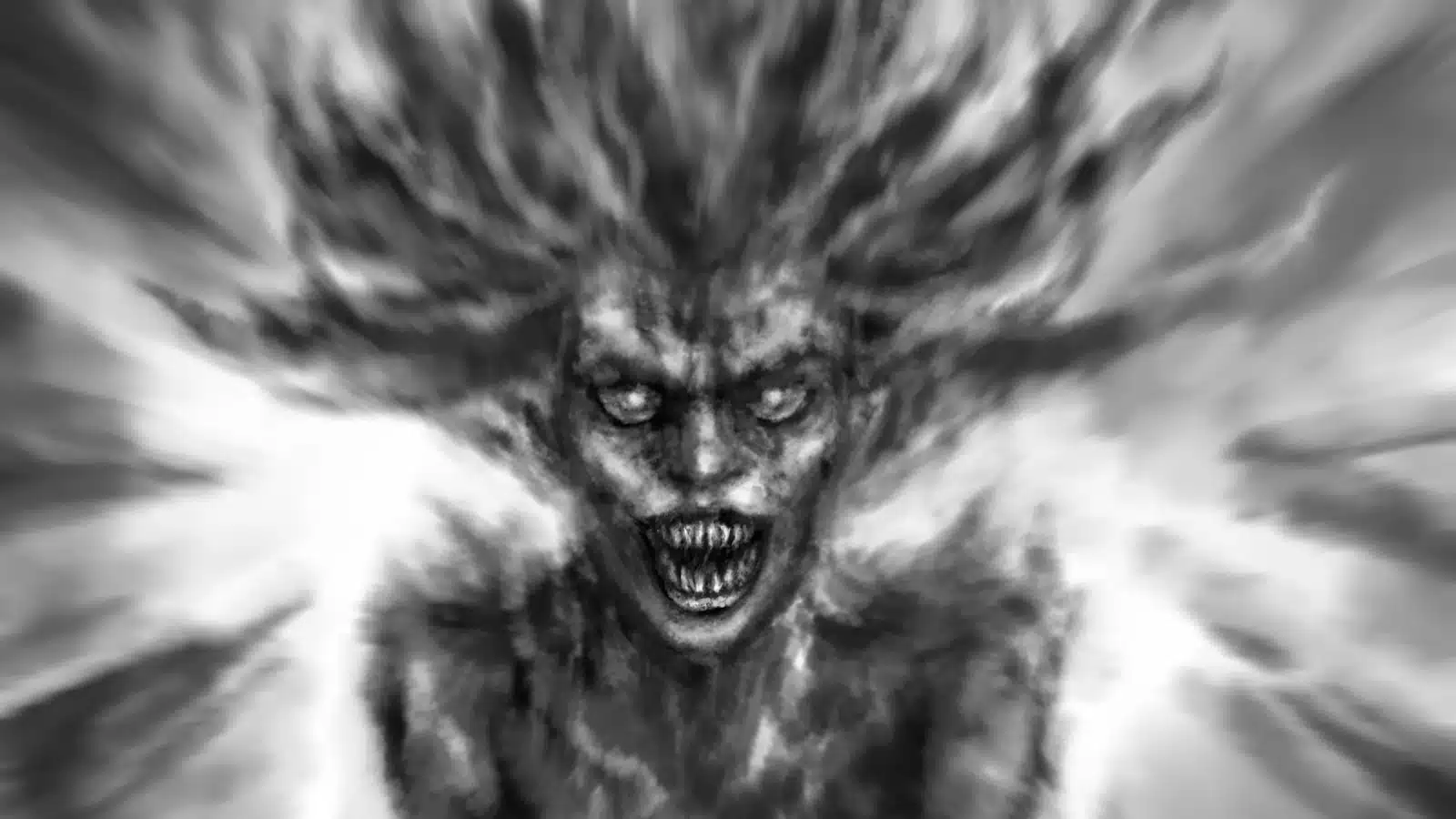
Chaotic evils want to destroy everything good about society and watch the world descend into chaos. They’re anarchists who hatch crazy schemes to harm people and disrupt life just for the fun of it.
These crazy villains are fun to watch because you never know what they’re going to do next, but you know it will be insane.
Learn More about Chaotic Evil!
Character Alignments a Guide

Though Dungeons & Dragons put a lot of work into defining their character alignments, they aren’t set in stone. They’re designed to help players craft compelling characters and consider how to react to situations in the game, but nobody has to strictly follow them.
What’s Your Favorite Alignment?
Are you a savvy dungeon master who enjoys D&D? What’s your go-to character alignment to play?
Let us know in the comments!