
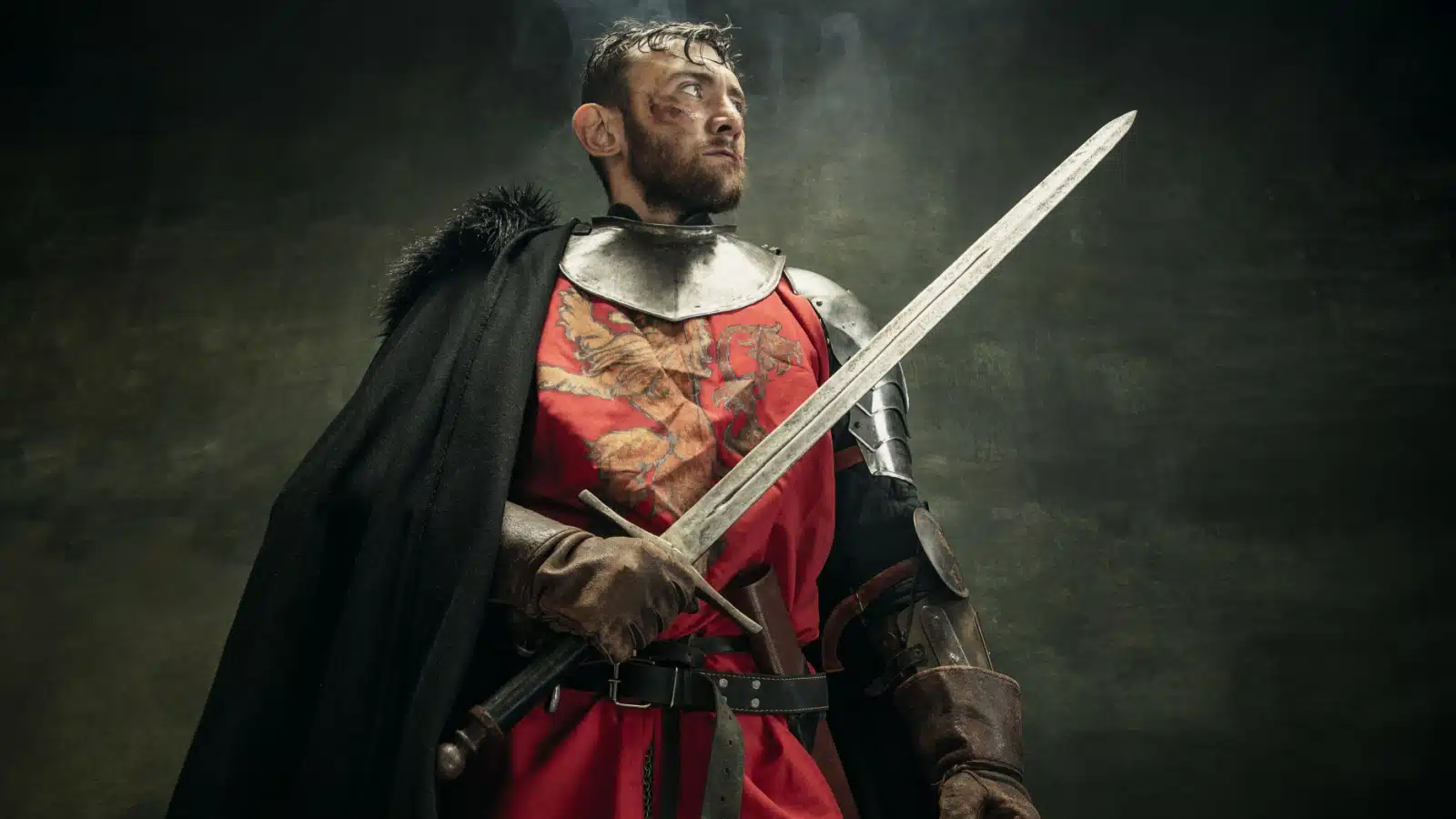
In just societies, the rule of law is on our side. It punishes the wicked while protecting the innocent.
In the popular tabletop game Dungeons & Dragons, lawful good characters appreciate that aspect of the law. They follow the rules because they provide stability and order, but also because they trust in the justice system to treat people fairly.
Character Alignments in D&D
Dungeons & Dragons character alignments provide basic rules for how characters behave. With the rise of “nerd” culture, the D&D character alignment tropes became so ingrained in our social awareness that we see them everywhere in pop culture, from movies to video games.
There are nine primary D&D character alignment types:
- Lawful Neutral
- Neutral Good
- Lawful Good
- Chaotic Good
- Lawful Evil
- Neutral Evil
- Chaotic Evil
- True Neutral
- Chaotic Neutral
The good vs evil scale represents a character’s morality, while the lawful vs chaotic skill highlights their ethical stance regarding law and order.
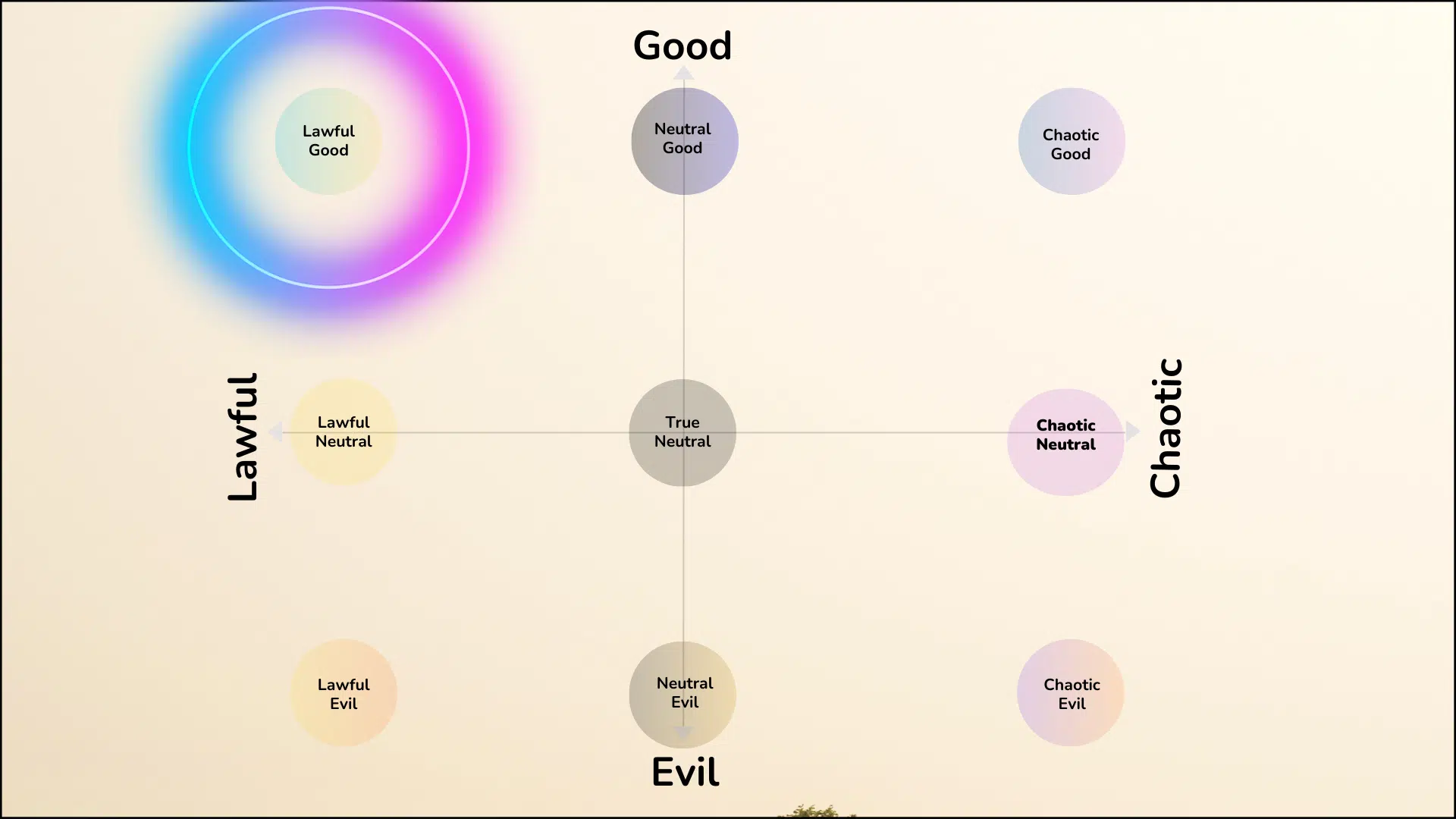
Today, we’re exploring the lawful good alignment, highlighting what it means and how to play these heroic characters.
What Does it Mean to Be Lawful Good?
Lawful good characters are the heroes, though their strict adherence to law can lead to their downfall. They believe in the rules of society and will often help enforce them.
However, unlike their lawful neutral counterparts, they must believe the law is fair. They genuinely want to do the right thing, and typically believe the law guides them in that.
Personality Traits of Lawful Good Characters
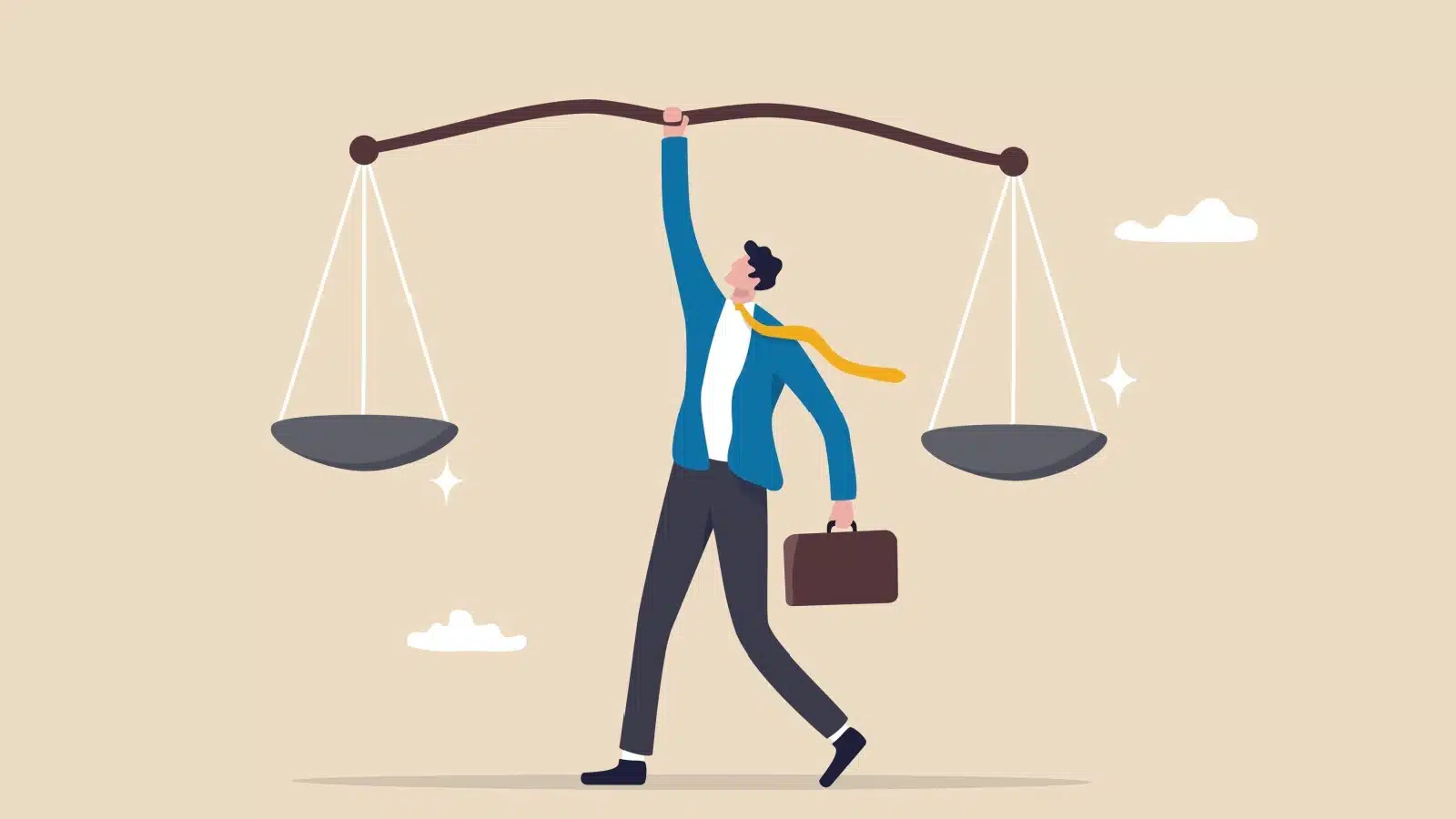
Although there are many lawful good characters with various motives and traits, they typically share a few similarities. Lawful good characters tend to be:
- Honest – They believe telling the truth is morally right and usually a legal imperative
- Selfless – They value the greater good above their own lives
- Kind – Being nice to others is the right thing to do
- Deliberate – Lawful goods will think about the consequences of a decision before acting
- Rigid – They usually follow the letter of the law rather than the spirit. There are no grey areas.
Lawful Good Ideals

Both internal and external morality guide lawful good characters. They believe that laws were made for a reason and are typically driven by obedience to authority.
Freedom Ironbullet is a Twitch streamer specializing in Starfinder, a game that uses the same character alignment system as Dungeons & Dragons. He describes a lawful good character as one with a strong moral compass who prefers to follow the rule of law but who isn’t afraid to fight against injustice. They have benevolent ideals and want to use their power to better humanity. They work towards what they believe is right.
Obedience to the law is essential to lawful good characters, but not as important as doing the right thing. If the law is cruel and hurts humanity, a lawful good character will stand against it.
Rachel Bradshaw, Vice President of Account Services at Caster Communications, who started playing D&D about a year ago with her kids, has a unique take on lawful good ideals. She says they’re committed to doing right, but look to an outside source to define what “right” means.
“Lawful good characters have a lot of tragic potential,” she says. “They build their whole identity and worldview around upholding an external ideal, but what if that ideal is imperfect or corrupted?”
Neutral Good Versus Lawful Good

Neutral good characters are similar to lawful good characters in that they both have a strong moral compass. Both character types want to do good in the world, but they go about it differently.
The lawful goods believe that rules, law, and order are fundamentally sound and will do their best to work within the confines of the law. Their adherence to the law means they may punish a thief trying to feed their family because stealing is against the law and thus wrong.
Neutral goods care more about their internal compass and compassion than the law. They don’t hate the law but often have their own code that they follow, separate from it. A neutral good may let the thief go because ensuring an innocent family doesn’t starve is more important than following the letter of the law.
How to Play a Lawful Good Character

If you choose to play a lawful good character, you need to understand their motivations. These characters strive to do good and make the world a better place, but they want to stick within the framework of the law to achieve this goal.
Law and good aren’t always the same. When playing this character, be careful not to get sucked into the habit of always following the law. If you do this, your character may become too robotic, predictable, and machine-like, or lean towards the lawful neutral alignment.
Instead, focus on the good part and consider what your character might find morally right. Try to achieve the ethically correct outcome while sticking within the confines of your in-universe laws. Use your powers for good and help people, but also arrest criminals and maintain a belief that the justice system is righteous.
You’re not a rebel. You believe in law and order and should make all your decisions inside that framework to the greatest extent possible.
As with most characters, adaptability is essential. Though you should attempt to be heroic while adventuring, some circumstances may call for a change in strategy.
Character Classes and Races that tend to be Lawful Good
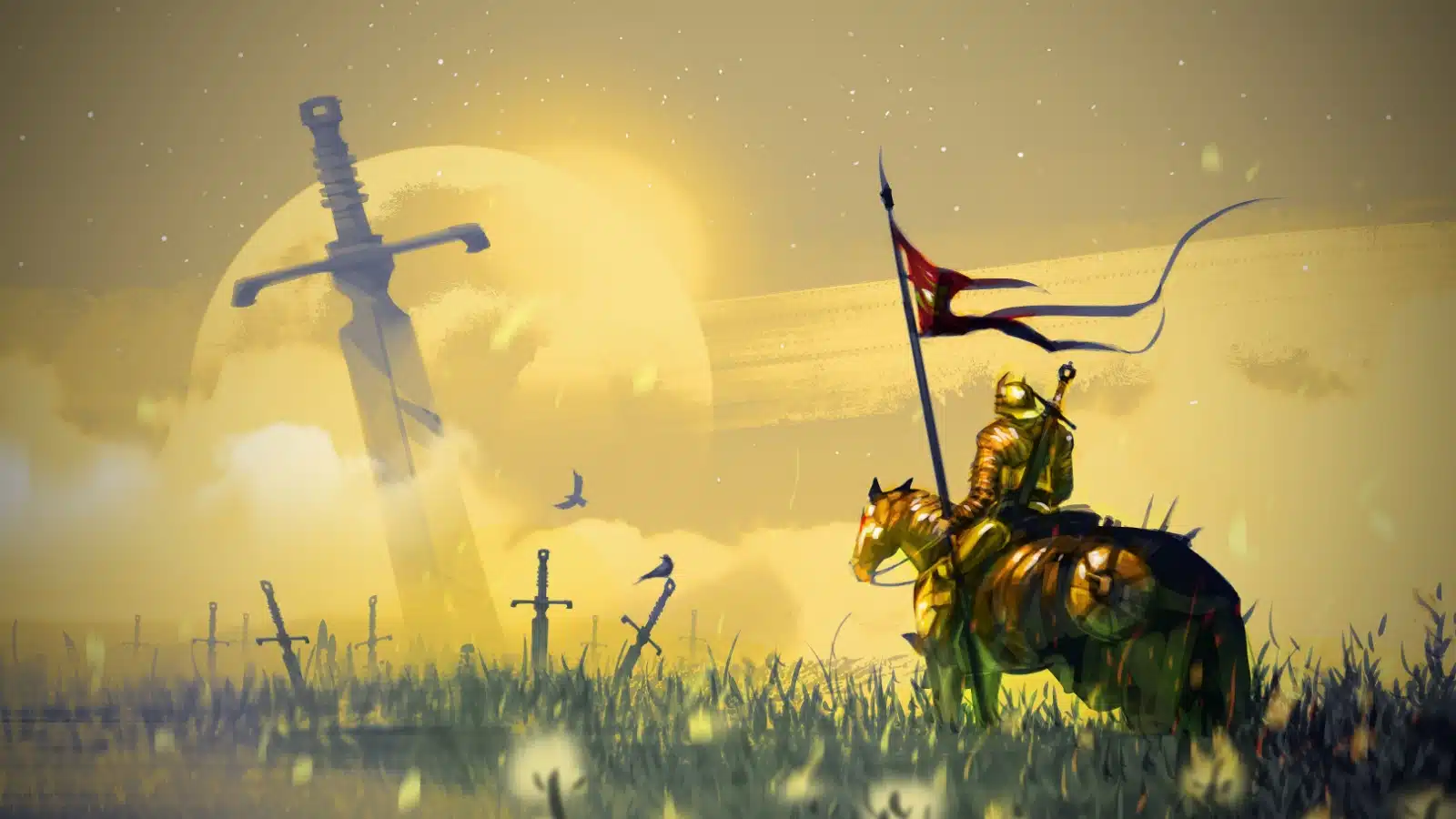
Although you can play any character in any way, certain classes and races lend themselves to different alignments. A class is a character’s job, such as cleric or barbarian, and defines your character’s role in the party. The character’s race, such as elf, druid, or dwarf, imbues them with specific skills, abilities, and tendencies.
Classes such as Paladins and Clerics are generally considered lawful good, as are races such as dwarves and golden dragons. However, the general rule doesn’t always hold true. You can’t assume a Paladin is lawful good, even if they typically are.
In addition, many D&D players have different views of what a race or character may tend toward. Some say dwarves lean towards lawful neutral, while others insist they typically lean good.
There’s a lot of grey when you play D&D, but that’s part of the fun. A character can be whatever you want them to be, given the right backstory.
Examples of Lawful Good Characters in Fiction
Fictional characters don’t always fit neatly into boxes of character alignments. There is generally nuance to each character, and they often grow and change over time, traversing numerous alignments. That said, there are still some good, if not perfect, examples of lawful good characters in fiction.
Willow
In the early seasons of Buffy the Vampire Slayer, Willow embodies the lawful good alignment.
In early Buffy, Willow is caring, honest, kind, and driven by a desire to help people. When you first meet her, you can tell that she’s a good person. She has a strong sense of morality and even gives up attending a great college because she believes saving people’s lives is more important.
Willow embodies the lawfulness of the lawful good alignment with her strict adherence to the rules. She feels guilty over breaking even the most minor school rules, like leaving campus, and cries over something as silly as breaking the school’s crayon.
As the series progresses, Willow gets involved in magic, and that arc changes her alignment. She can only be considered lawful good during the series’s high school years, making a sharp turn towards chaos in later seasons.
She provides a great example of how compelling characters develop and change alignment over time.
Captain America

Freedom Ironbullet believes Marvel’s Captain America truly embodies the lawful good archetype. He fights for his country, selflessly serves others, and always puts the good of his country above all else.
There is a lot of debate about whether Captain America is lawful good or neutral good. As with all fictional characters, sticking to a specific alignment is complex. Characters usually have more than one motivation, often changing over time.
Captain America is complex, but his morality doesn’t change. Although he likes the rule of law and will typically follow it, his inner sense of justice will win out. He will not follow or enforce a law if he doesn’t consider it “good.” He will fight against evil laws, even if that means going against everything he believes in.
This trait doesn’t mean he’s neutral, though. He still cares about law and order but seeks to instill and enforce just laws that will make his country a better place. A neutral wouldn’t care about the law. Captain America cares deeply about it. He prides himself on upholding the law when he believes it’s just.
The Jedi Council
Bradshaw says the Jedi Council from the popular Star Wars series showcases the tragic side of lawful good.
“They’re hidebound to the point of suppressing basic human emotions, fostering widespread resentment against themselves, and driving talented recruits into the arms of the Dark Side,” she says.
The Jedi show how a strict adherence to a code, even if it’s well-intentioned, can ultimately end in heartache. Their entire society is destroyed because they refuse to entertain any viewpoints outside their strict code, and they follow their laws to such a fault that they sometimes can no longer see the good vs evil scale.
Character Alignments are a Guide
The D&D character alignments give us a good baseline for how to play a particular character, but they aren’t the only consideration. A generally good character is capable of evil, just as evil characters can potentially do good things.
Alignments are general rules of behavior that you should try to stick to, but don’t have to be strictly adhered to. Enjoy the game how you see fit.